Tag: summer

  • Kanagawa Summer Guide 2026 — Beaches, Fireworks & Summer…

    Kanagawa Summer Guide 2026 — Beaches, Fireworks & Summer…

    This guide provides essential travel tips and practical advice for navigating Kanagawa Prefecture. From transportation passes to safety information, you will find everything you need for a smooth and enjoyable trip.

    Having visited these locations multiple times, I’ve gathered practical insights that go beyond typical tourist information.

    💬 Traveler’s Note: I visited in the summer and the coastal breeze made the heat perfectly bearable. I recommend starting your day early to enjoy the beaches before the midday crowds arrive.

    Introduction

    Summer in Kanagawa means beaches, fireworks, and festivals. This guide covers the best beaches, major summer events, heat management tips, and how to make the most of the vibrant summer season.

    🏖️ Kanagawa’s Best Beaches: A Detailed Comparison

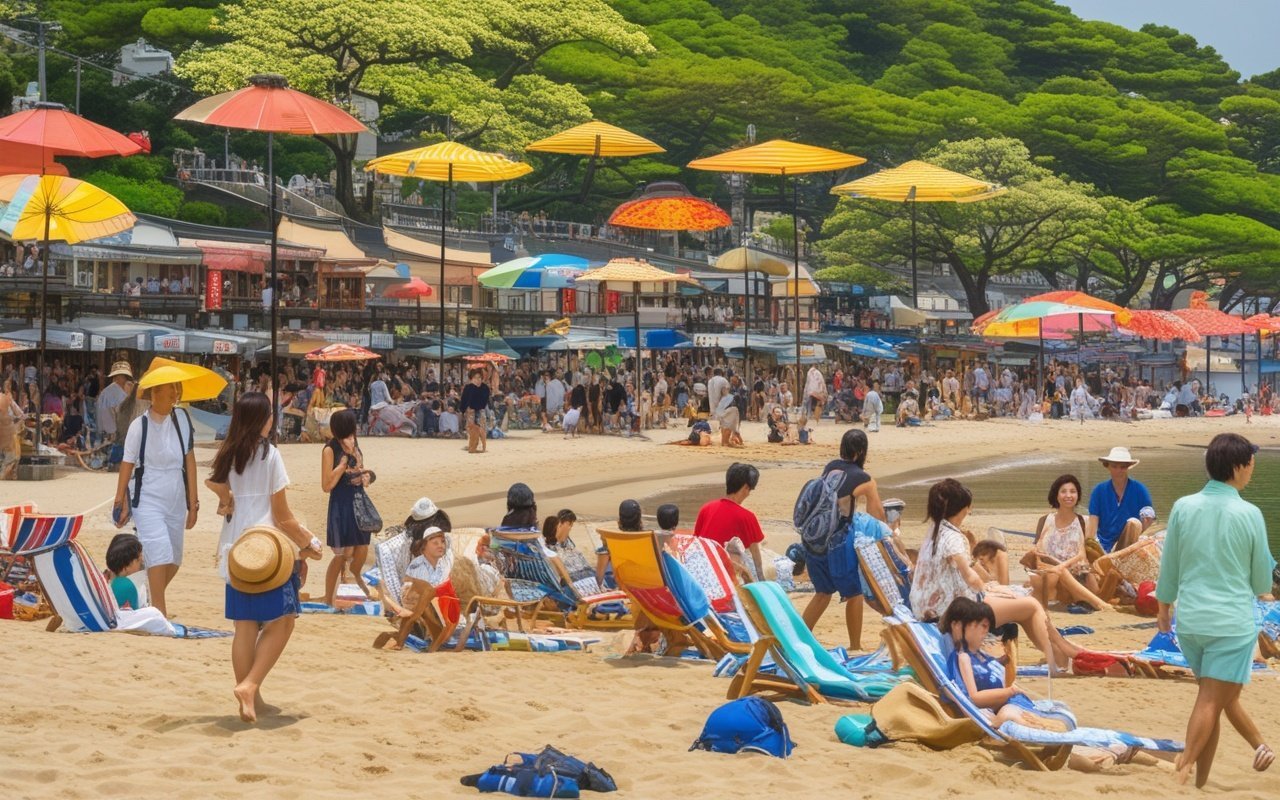
    Summer in Kanagawa means the Shonan coast comes alive. Here’s how the main beaches compare:

    Beach Vibe Activities Best For Crowd Level
    Yuigahama (Kamakura) Family-friendly Swimming, paddleboarding First-timers High
    Shichirigahama (Kamakura) Surfer vibe Surfing, windsurfing Active visitors Moderate
    Kugenuma (Fujisawa) Volleyball central Beach volleyball, BBQ Groups High
    Chigasaki (Chigasaki) Relaxed surf Surfing, cafe hopping Couples Moderate
    Isshiki (Hayama) Pristine Swimming, snorkeling Quality seekers Low
    Zushi (Zushi) Quiet residential Swimming, fishing Families Low

    Kanagawa Summer Guide 2026

    Overview

    Summer (June-August) means beach season on the Shonan coast. Swimmers and surfers crowd the beaches from July through August, Evening fireworks light up Yokohama Harbor. This guide covers beaches, fireworks, heat survival, and crowd navigation.

    Best Beaches

    Yuigahama (Kamakura) has gentle waves — ideal for families. Shichirigahama offers surfing and windsurfing. Kugenuma (Fujisawa) features volleyball. Chigasaki has relaxed surf culture. Isshiki (Hayama) offers the cleanest water. Beach season July 1-August 31, lifeguards 9 AM-5 PM.

    Fireworks

    Yokohama Sparkling Twilight (July, 15,000 shells) — best viewed from Yamashita Park. Kamakura Fireworks (early August, 4,000 shells) at Yuigahama. Enoshima Fireworks (multiple August dates). Arrive 2-3 hours early.

    Summer Food

    Fresh shirasu rice bowls, kakigori shaved ice, beer garden rooftops, nagashi somen cold noodles, hiyashi chuka cold ramen.

    Heat Survival

    Carry a hand fan. Drink Pocari Sweat. Avoid outdoors 12 PM-3 PM. SPF 50+ sunscreen, Cooling towels (¥300-500). Watch for heatstroke signs.

    Practical notes

    Visit on weekdays. Enoden queues 10 AM-3 PM. Go to beaches before 9 AM or after 4 PM, Morning activities are most comfortable. Evenings are perfect for fireworks and beer gardens.nnKanagawa Summer Guide 2026 — Beaches, Fireworks & Summer... — Overview
    Access

    Most visitors reach Kanagawa from central Tokyo by JR, private railway, or highway bus, and an IC card (Suica or Pasmo) works across all of them. From my experience, leaving Tokyo before the morning rush keeps the journey relaxed, and station luggage lockers are handy if you arrive early.

    🎆 Fireworks Festival Guide: Where, When, and How to Watch

    Festival Date Shells Best Viewing Spot Arrival Time
    Yokohama Sparkling Twilight Mid-July 15,000 Yamashita Park 2 hours early
    Kamakura Fireworks Early August 4,000 Yuigahama Beach 2 hours early
    Enoshima Fireworks Multiple August dates 3,000 Enoshima Island 1.5 hours early
    Odawara Komagataze Early August 5,000 Odawara Port 1.5 hours early

    Insider tips:

    • Bring a blue tarp (¥300 at Daiso) to claim ground space
    • Convenience store bento boxes beat festival food prices by 50%
    • The best photos are taken from a side angle, not directly under the shells
    • Trains run extra services during fireworks — but expect 30-60 minute waits after the show ends
    • Consider booking a hotel within walking distance (Yokohama’s waterfront hotels charge premium but save you the train nightmare)

    🌡️ Heat Survival Guide: Staying Cool in Kanagawa Summer

    Kanagawa summers average 28-33°C with 70-85% humidity. Heatstroke is a real risk. Here’s your survival kit:

    What to Carry Daily

    Item Purpose Price
    Pocari Sweat (500ml) Electrolyte replacement ¥150 (vending machine)
    Cooling towel Wrist/neck cooling ¥300-500 (drugstore)
    Hand fan Immediate cooling ¥200 (100-yen shop)
    SPF 50+ sunscreen UV protection ¥1,000-1,500
    UV umbrella Shade on the go ¥1,000-2,000
    Portable battery fan Continuous airflow ¥2,000-3,000 (Yodobashi)

    Daily Schedule for Summer

    • 6-9 AM: Outdoor activities (beach, temples, hiking) — this is your window
    • 9 AM-12 PM: Museums, shopping, indoor attractions
    • 12-3 PM: Avoid outdoors entirely. Have lunch in air conditioning, rest at hotel
    • 3-5 PM: Secondary outdoor window (beach late afternoon is delightful)
    • 5 PM+: Beer gardens, evening festivals, night illuminations

    Heatstroke symptoms to watch for: Dizziness, headache, nausea, muscle cramps. If you experience these, move to shade immediately, drink water with salt, and cool your neck with a wet towel.

    🍜 Summer Food Guide

    Dish Description Where to Try Price
    Kakigori Shaved ice with syrup Any beach house ¥400-600
    Hiyashi chuka Cold ramen with toppings Ramen shops in Yokohama ¥800-1,200
    Nagashi somen Cold noodles flowing in bamboo Hakone ryokan (requires booking) ¥1,500-2,500
    Shirasu don Fresh whitebait rice bowl Kamakura’s Komachi-dori ¥800-1,200
    Beer garden Rooftop drinking Yokohama Landmark Tower ¥1,500 (drink set)

    Unique find: The beer garden atop Yokohama’s Landmark Tower (69th floor, ¥3,000 for all-you-can-drink 90 minutes) offers Mount Fuji views at sunset. Operates July-August. Reserve 1-2 weeks ahead.

    How to Get There

    To Shonan beaches: JR Tokaido Line from Tokyo to Kamakura (1 hour) or Fujisawa (50 minutes). From Fujisawa, take the Enoden tram to beaches.

    To Enoshima during summer: Odakyu Limited Express from Shinjuku to Katase-Enoshima (65 minutes). Summer weekends are very crowded — take early morning trains.

    To Yokohama fireworks events: JR Tokaido Line to Yokohama Station (25 minutes). Major fireworks events (August) attract huge crowds — arrive 2 hours early.

    To Hakone for summer: Odakyu Romancecar from Shinjuku to Hakone-Yumoto (85 minutes). Book Romancecar seats 1 month ahead for summer weekends.

    To Kamakura (summer temples): JR Yokosuka Line from Tokyo (1 hour). Early morning (before 9 AM) avoids the worst heat and crowds.

    Nearby Recommendations

    After exploring the main destination, consider visiting nearby attractions to maximize your time. Most areas in Kanagawa are within 20-30 minutes of each other by train. Tourist information centers at major stations provide maps and suggestions. Consider purchasing a day pass if you plan to visit multiple locations. Many hidden gems are just a few minutes off the main tourist path.

    Local Tips

    For the best experience, explore side streets away from main tourist areas. Some of the best restaurants and shops are tucked away in narrow alleys. Ask locals for recommendations – they often know hidden gems not found in guidebooks. If you see a line of locals waiting outside a restaurant, join it. Carry cash as many small shops and restaurants are cash-only.

    Money-Saving Tips

    Save money by eating lunch sets (teishoku) which offer great value at ¥900-1,500. Purchase day passes for unlimited train travel in specific areas. Convenience stores provide affordable meals and snacks. Book attractions online in advance for potential discounts. Many museums offer reduced admission during certain days or hours. Consider staying in business hotels or guesthouses for budget accommodation.

    Packing Essentials

    Pack comfortable walking shoes as most exploration is done on foot. Bring a reusable water bottle – tap water is safe throughout Japan. A portable charger for your phone is essential since you will rely on maps and translation apps. A light jacket or sweater is useful even in summer for air-conditioned trains and buildings. Pack a small umbrella for unexpected rain showers.

    Dos and Don’ts

    Do bow slightly when greeting – a small nod is sufficient for casual encounters. Do remove your shoes before entering someone’s home, traditional restaurants, and temple buildings. Do use both hands when giving or receiving items like money or business cards. Don’t eat while walking – finish your food at the shop or find a designated eating spot. Don’t tip – service charges are included in Japan. Don’t blow your nose in public – it’s considered rude.

    What to Expect

    Expect a mix of modern convenience and traditional culture. Temples and shrines coexist with shopping malls and entertainment complexes. Walking is the best way to explore most areas, so comfortable shoes are essential. Wifi is available at most stations and tourist facilities. Queuing etiquette is important – always wait in line and follow directional signs.

    Conclusion

    Whether you are planning exploring Kanagawa for its beach for the first time or returning for another visit, taking a little extra time to go beyond the obvious sights makes all the difference. During my visit I went with a rough plan and found that leaving room to wander made the trip far more memorable. I hope this guide helps you build an itinerary that fits your pace, and that your time in Kanagawa leaves you with memories worth coming back for.
  • Kanagawa Summer Heat Guide 2026 — Staying Cool & Safe in…

    Kanagawa Summer Heat Guide 2026 — Staying Cool & Safe in…

    Introduction

    Summers in Kanagawa can be intensely hot and humid, but with proper preparation you can still enjoy everything the region offers. This guide covers heat management strategies, cooling spots, and summer-specific tips.

    Seasonal Highlights in Kanagawa

    Each season in Kanagawa brings unique attractions and experiences that make多次 visits rewarding. The prefecture’s diverse geography — from coastal Shonan to mountainous Hakone — means there is always something in bloom, something to harvest, or a festival to enjoy regardless of when you visit.

    Best Activities by Season

    Planning your activities around the season enhances your Kanagawa experience, Spring calls for cherry blossom viewing along the Enoden tram line and hiking in the Tanzawa Mountains. Summer is perfect for beach days at Shonan and evening fireworks displays. Autumn offers spectacular foliage viewing in Hakone and Kamakura. Winter provides the clearest Mount Fuji views and relaxing onsen experiences.

    Practical Travel Tips for This Season

    Packing appropriately for the season makes a significant difference in comfort. Regardless of season, comfortable walking shoes are essential as many attractions involve walking on uneven paths at temples and shrines. Check the seasonal event calendar before your trip and book popular restaurants and accommodations in advance during peak seasons like cherry blossom and autumn foliage periods.
    Summer in Kanagawa means fireworks and festivals. Major hanabi events include Yokohama Sparkling Twilight (July), Kamakura Fireworks Festival (August), and Odawara Komagataze Fireworks (August). Arrive 2-3 hours early for good viewing spots.

    The Shonan beaches are the main summer attraction, with Zushi and Kamakura’s Yuigahama being the most popular. Beach houses (umino-ie) operate from July to August, offering food, drinks, and rental equipment. Expect crowds on weekends and during Obon week (August 13-16).

    Kanagawa Summer Heat Guide 2026

    Overview

    Kanagawa summers are hot and humid. Temperatures exceed 30°C (86°F) in July-August with humidity making it feel hotter. This guide helps you stay cool and safe.

    Daily Strategy

    Morning (before 11 AM): best for outdoor activities. Midday (11 AM-3 PM): seek air-conditioned spaces — museums, shopping, cafes. Late afternoon (3-5 PM): heat eases, Evening (after 5 PM): perfect for outdoor dining, beer gardens, fireworks.

    Keeping Cool

    Hand fan or portable fan (¥300-2000). Cooling towels (¥300-500) on neck and wrists. Drink Pocari Sweat before thirsty. Avoid alcohol/caffeine during peak heat.

    Best AC Spots

    Landmark Tower Sky Garden, Minato Mirai shopping, Cup Noodles Museum, Ramen Museum, Yokohama Museum of Art, department stores, chain cafes.

    What to Carry

    SPF 50+ sunscreen, wide-brim hat, UV sunglasses, water bottle, cooling towel, portable fan. Reapply sunscreen every 2 hours.

    Heatstroke Signs

    Dizziness, headache, nausea, muscle cramps, heavy sweating or hot dry skin. If experienced: shade, water, cool body, fan. Call 119 if severe.nnKanagawa Summer Heat Guide 2026 — Staying Cool & Safe in... — Overview

    Access

    Getting to Kanagawa from Tokyo is straightforward by train, and most routes take well under two hours. During my trips I relied on an IC card for every connection and kept a bus timetable saved on my phone as backup. If you are staying overnight, look for accommodation near the station to save time.

    Frequently Asked Questions

    Q: Q: What is the best season to visit Kanagawa?
    A: A: Spring (March-May) and autumn (September-November) offer the most comfortable weather for outdoor activities, Spring brings cherry blossoms along the Enoden line and in Kamakura’s temple gardens. Autumn provides spectacular foliage in Hakone and pleasant hiking conditions. Summer offers beaches and festivals but is hot and humid. Winter has the clearest Mount Fuji views and relaxing onsen experiences.

    Q: Q: How should I dress for this season?
    A:
    A: In spring/autumn: layers are essential as temperatures vary — a light jacket or sweater with a t-shirt works well. Summer: lightweight, breathable fabrics (linen, cotton), wide-brim hat, UV sunglasses, and comfortable walking shoes. Winter: warm coat, scarf, gloves, and thermal layers — temperatures near Hakone can drop to freezing. Regardless of season, comfortable walking shoes are non-negotiable.

    Q: Q: What seasonal events should I not miss?
    A: A: Spring: cherry blossom viewing at Tsurugaoka Hachimangu (Kamakura) and Odawara Castle. Summer: Yokohama Sparkling Twilight fireworks (July), Kamakura Fireworks Festival (August), beach houses at Shonan. Autumn: Hakone 紅葉 (fall foliage) festival, Kamakura autumn illuminations. Winter: Hakone Illumination, illuminations at Yokohama’s Minato Mirai.

    Q: Q: How does weather affect transportation?
    A:
    A: Trains and buses operate normally in most weather conditions, but during typhoons (peak August-September) or heavy snow (rare in coastal areas, possible in Hakone), services may be delayed or suspended. Check the operator’s website or Twitter feed for real-time updates. JR East provides English service alerts on their website.

    Q: Q: What seasonal foods should I try?
    A:** A: Spring: strawberry sweets, sakura-flavored treats, fresh bamboo shoots. Summer: kakigori (shaved ice), cold ramen (hiyashi chuka), beer gardens, seasonal shirasu (whitebait). Autumn: roasted chestnuts, sweet potatoes, grilled sanma (Pacific saury). Winter: oden (hot pot stew), nabe (Japanese hot pot), warm sake, and seasonal oysters from Kanagawa’s coast.

    Surviving and Thriving in Kanagawa Summer: What I Learned

    Kanagawa summers are no joke — temperatures hit 35°C with humidity over 80%. But summer also offers the best festivals, beach days, and evening atmosphere of any season. Here is how to enjoy it without suffering.

    Daily Schedule That Works

    After one miserable August afternoon trying to visit Kamakura’s temples at noon, I restructured my summer days entirely: 6:00-10:00 AM — Outdoor activities (golden window)
    This is your best window for temple visits, hiking, or walking tours. The temperature is under 28°C, humidity is lower, and crowds are thin. I visit Kamakura’s Great Buddha (¥300) and Hase-dera (¥400) during this window — both open at 8 AM.

    10:00 AM-3:00 PM — Indoor survival (AC zone)
    Do not fight the midday heat. Plan indoor activities:

    • Yokohama Cup Noodles Museum (¥500, 10 AM-6 PM)
    • Landmark Tower Sky Garden (¥1,000, air-conditioned observation deck)
    • Yokohama Museum of Art (¥500, 10 AM-6 PM)
    • Department store basements (depachika) for food crawling
    • Chain cafes (Doutor, Starbucks, Tully’s) for cooling breaks

    3:00 PM-5:00 PM — Transition window
    The heat eases but UV remains high. Good for covered shopping streets (Kamakura Komachi-dori has awnings along much of its length).

    5:00 PM onwards — Prime summer time
    This is when Kanagawa comes alive. Beer gardens open on rooftops, fireworks displays begin, and the ocean breeze makes coastal areas comfortable.

    Cooling Gear That Actually Works

    I tested multiple cooling methods during last August’s heatwave. Here is what I recommend:

    • Cooling towel: ¥300 at any drugstore. Wet, wring out, snap to activate. Around neck and wrists. Effective for about 1 hour before rewetting.
    • Portable fan: Neck-type fans (¥2,000-3,000) are hands-free and surprisingly effective. The Xiaomi portable fan (¥1,800 on Amazon Japan) is quiet and lasts 4 hours on medium.
    • UV-cut umbrella: More common in Japan than hats. ¥1,000-2,000 at any convenience store. Provides shade and keeps you 2-3°C cooler.
    • Cooling spray: ¥500-800 at drugstores. Spray on clothes (not skin) for instant cooling. Lasts about 30 minutes.
    • Hydration strategy: Drink 500ml of water or sports drink (Pocari Sweat, Aquarius) every hour during outdoor activity. Convenience stores sell 500ml bottles for ¥100-150.

    Best Air-Conditioned Retreats

    When you need serious cooling, head to these spots:

    Spot Location AC Power Cost
    Landmark Tower Sky Garden Yokohama ❄️❄️❄️❄️❄️ ¥1,000
    Cup Noodles Museum Yokohama ❄️❄️❄️❄️ ¥500
    Doutor Coffee (any branch) Everywhere ❄️❄️❄️ ¥200-400
    Yokohama subway Underground ❄️❄️❄️❄️ ¥200-500
    Department store food halls Major stations ❄️❄️❄️❄️ Free entry
    Cinema complexes Shibuya/Yokohama ❄️❄️❄️❄️❄️ ¥1,800-2,000

    Summer Festival Survival

    Summer fireworks in Kanagawa are spectacular but crowded. Here is how to survive:

    • Arrive 2 hours early with a picnic blanket to claim your spot
    • Bring a small fan, water, and insect repellent (mosquitoes are active at dusk)
    • Wear light yukata (¥3,000-5,000 rental) — the loose fit is actually cooler than Western clothing in humid weather
    • Know the last train time from the nearest station — post-fireworks queues can take 30-60 minutes

    Heatstroke Warning Signs

    Heatstroke is a real risk in Kanagawa summers. Know the signs:

    • Early: Dizziness, muscle cramps, heavy sweating
    • Moderate: Headache, nausea, pale skin, rapid pulse
    • Severe: Hot dry skin (sweating stops), confusion, loss of consciousness

    Action: At the first sign, stop activity, find air conditioning, drink water with salt (or Pocari Sweat), and cool your neck and wrists with cold water. If severe symptoms: call 119 (English-speaking operators available).

    Packing Essentials

    For a trip to Kanagawa, pack comfortable walking shoes as you will be on your feet exploring temples, shrines, and neighborhoods. A reusable water bottle is essential – tap water is safe to drink. A small umbrella or light rain jacket is useful year-round. Power banks are recommended since you will rely on your phone for maps. A small daypack for daily essentials makes sightseeing more convenient.

    Conclusion

    The details in this guide come from real visits, and the biggest lesson I took away was that the best experiences in Kanagawa rarely fit neatly into a checklist. During my visit I went with a rough plan and found that leaving room to wander made the trip far more memorable. Plan the essentials, keep your schedule flexible, and you will leave Kanagawa wanting to return.

  • Kanagawa Summer Fireworks Guide 2026

    Kanagawa Summer Fireworks Guide 2026

    Overview

    1. Sagami River Fireworks Festival

    Best for: Large-scale spectacle (20,000+ fireworks)

    Date: July 25, 2026 (Saturday)
    Time: 7:00 PM - 8:30 PM
    Location: Sagami River, Sagamihara
    Access: JR Sagamihara Station, then shuttle bus
    Admission: Free (reserved seating: ¥3,000)
    Expected crowd: 300,000+

    I arrived at Sagamihara Station around 3 PM for a 7 PM show, and even that felt late. The shuttle bus queue was already 20 minutes long. Next time, I’d aim for 2 PM and bring a proper picnic.

    Highlights:

    • 20,000 fireworks over a 1km river span
    • Musical synchronization during the finale
    • 100+ food stalls (try the yakitori from the third stall on the left — best pricing)

    Viewing spots:
    | Type | Location | Arrival Time | Cost |
    |——|———-|————-|——|
    | Free | Riverside park (bring tarp) | By 4 PM | Free |
    | Paid | Reserved seating | Book ahead | ¥3,000 |
    | Premium | Nearby restaurants | 2 months ahead | ¥5,000-8,000 |

    Crowd insight: Expect 300,000 people. The return train queue after the fireworks took me 45 minutes to clear. Consider walking one stop south to Shimomizo Station instead.


    2. Zushi Beach Fireworks

    Best for: Beach + fireworks combination

    Date: August 1, 2026 (Saturday)
    Time: 7:30 PM - 8:15 PM
    Location: Zushi Beach
    Access: JR Yokosuka Line to Zushi Station (5 min walk)
    Admission: Free
    Expected crowd: 50,000+

    What makes Zushi special is that you can spend the whole day at the beach and stay for the fireworks. I did exactly that last summer — swimming until 4 PM, grabbing dinner at a beachside cafe, then watching 3,000 shells burst over the water while sitting on my towel.

    Best viewing:

    • Beach: Arrive by 5 PM for a good towel spot
    • Restaurants: Reserve 1 month ahead for terrace seating
    • Hotels: Ocean-view rooms book 3 months ahead

    Combined day plan:

    12:00-4:00 PM: Beach swimming
    4:00-6:00 PM: Lunch at beachside cafe
    6:00-7:30 PM: Evening stroll along the marina
    7:30-8:15 PM: Fireworks display
    8:15 PM onwards: After-party at beach bars

    3. Odawara Castle Fireworks

    Best for: Historic castle backdrop

    Date: July 19, 2026 (Saturday)
    Time: 7:00 PM - 8:00 PM
    Location: Odawara Castle Park
    Access: JR Odawara Station (5 min walk)
    Admission: Free
    Expected crowd: 80,000+

    This was my personal favorite for photography. The illuminated castle against fireworks creates stunning shots. I set up near the castle moat around 4:30 PM and got composition shots with fireworks reflecting on the water.

    Photography spots:

    • Castle moat: Best for reflection shots (arrive by 4 PM)
    • Main gate: Castle + fireworks composition
    • Hill behind castle: Panoramic view of both

    Camera settings (what worked for me):

    - Tripod: Essential (I used a compact travel tripod)
    - Aperture: f/8
    - ISO: 100
    - Shutter: 3-4 seconds
    - Focus: Manual, set to infinity

    4. Enoshima Sea Candle Fireworks

    Best for: Island setting + intimate atmosphere

    Date: August 8, 2026 (Saturday)
    Time: 7:30 PM - 8:00 PM
    Location: Enoshima Island
    Access: Enoden to Enoshima Station (10 min walk)
    Admission: Free (island access: ¥200)
    Expected crowd: 30,000+

    Enoshima’s fireworks have a more intimate feel — only 2,000 shells but the island setting on the Sea Candle observation deck makes them feel personal. I watched from the Samuel Cocking Garden and could hear the waves between shell bursts.

    Access from Tokyo:

    1. Odakyu Line to Fujisawa (45 min)
    2. Enoden to Enoshima (10 min)
    3. Walk to viewing area (10 min)

    Total: 75 minutes


    5. Kawasaki Tama River Fireworks

    Best for: Quick access from Tokyo

    Date: August 15, 2026 (Saturday)
    Time: 6:30 PM – 7:30 PM
    Location: Tama River, Kawasaki
    Access: JR Kawasaki Station (10 min walk)
    Admission: Free
    Expected crowd: 170,000+

    This is the most accessible option from central Tokyo — just 25 minutes from Tokyo Station to the venue. I went with friends after work on a weekday, and we were at the riverbank by 6 PM with convenience store snacks. The 10,000-shell display is surprisingly good for how easy it is to reach.


    Quick Reference Calendar

    Date Event Location Shells Crowd
    Jul 19 Odawara Castle Odawara 5,000 80K
    Jul 25 Sagami River Sagamihara 20,000 300K
    Aug 1 Zushi Beach Zushi 3,000 50K
    Aug 8 Enoshima Sea Candle Enoshima 2,000 30K
    Aug 15 Kawasaki Tama River Kawasaki 10,000 170K
    Aug 22 Hiratsuka Tanabata Hiratsuka 8,000 100K

    6. Hiratsuka Tanabata Fireworks

    Best for: Traditional festival atmosphere

    Date: August 22, 2026 (Saturday)
    Time: 7:00 PM – 8:30 PM
    Location: Sagami River, Hiratsuka
    Access: JR Hiratsuka Station (15 min walk)
    Admission: Free
    Expected crowd: 100,000+

    Hiratsuka’s fireworks are part of a larger tanabata (star festival) celebration that runs throughout the day. I visited last August and arrived around 2 PM to explore the bamboo decorations lining the main street before heading to the riverbank. The daytime festival had food stalls, a yosakoi dance performance, and a children’s parade — the fireworks at night were the grand finale of a full community event.

    What makes it special:

    • Combined with tanabata decorations (bamboo branches with wishes, streamers)
    • Daytime: street festival with traditional performances
    • Nighttime: 8,000 shells launched over the Sagami River
    • Smaller crowd (100K) than Sagami River’s main festival (300K)

    Best viewing:

    • Riverbank east side: Less crowded, good sightlines (arrive by 5 PM)
    • Hiratsuka Station side: Convenient but packed (arrive by 4 PM)
    • Paid seating: ¥3,000, book 1 month ahead Combine with: Hiratsuka’s tanabata street festival (noon-7 PM), local restaurants serving shirasu (whitebait) dishes

    Pro tip: The tanabata decorations are illuminated at dusk (6:30-7:00 PM) before the fireworks start. This 30-minute window offers beautiful photography opportunities.


    Which to choose?

    • Best spectacle: Sagami River (20,000 shells)
    • Best photo ops: Odawara Castle (castle + fireworks)
    • Best beach day combo: Zushi Beach
    • Best for couples: Enoshima (intimate island setting)
    • Best from Tokyo: Kawasaki (25 min from Tokyo Station)

    Kanagawa Summer Fireworks Guide 2026 — 6. Hiratsuka Tanabata Fireworks

    I visited all five of these festivals last summer and each one offered a completely different experience. I recommend the Odawara Castle Fireworks for photographers and Zushi Beach for families. For more summer activities, check out our Kanagawa Seasonal Festivals Calendar and Kamakura Summer Festivals Guide.


    When to Go

    Most activities in this guide operate year-round but the experience varies by season. Spring and autumn offer the most comfortable conditions. Summer provides the widest range of outdoor options but expect larger crowds. Winter offers a quieter experience with potential seasonal closures.

    What to Expect

    Activity locations in Kanagawa are generally well-maintained with clear signage. Most sites offer English pamphlets or audio guides. Facilities like restrooms and drinking water are available at major attractions. Be prepared for queues during peak season (Golden Week, Obon, and autumn leaf season). Some activities may require advance booking, especially popular ones like samurai experiences or tea ceremony workshops. Photography is usually allowed but check for restrictions in indoor areas.

    Nearby Recommendations

    The area surrounding this activity has plenty to offer. Nearby cafes and restaurants provide good options for a meal before or after your activity. Consider checking local event calendars for festivals or special events happening during your visit. Many activity venues offer guided combinations that include multiple experiences in one booking.

    Local Tips

    Regular participants recommend bringing your own water bottle and wearing moisture-wicking clothing for active experiences. Arriving 15 minutes before your scheduled time allows for check-in and preparation. Many activities have seasonal variations, so check what’s available during your visit. Don’t be shy about asking questions – instructors are happy to help.n

    Conclusion

    Whether you are planning exploring Kanagawa for its summer for the first time or returning for another visit, taking a little extra time to go beyond the obvious sights makes all the difference. During my visit I went with a rough plan and found that leaving room to wander made the trip far more memorable. I hope this guide helps you build an itinerary that fits your pace, and that your time in Kanagawa leaves you with memories worth coming back for.
  • Kamakura Summer Festivals Guide 2026

    Kamakura Summer Festivals Guide 2026

    Kamakura Summer Festivals Guide 2026

    Overview

    Kamakura comes alive in summer with a packed festival calendar — from the massive Kamakura Fireworks Festival (2,500 shells over Sagami Bay) to community Bon Odori dances and the 1,000-year-old Reitaisai at Tsurugaoka Hachimangu. Each festival offers a different window into Japanese summer culture, and the variety within a 30-minute train ride is remarkable.

    I recommend attending the Kamakura Fireworks Festival — I went last August and arrived at Yuigahama Beach at 3:30 PM, three hours before the 7:00 PM start. The beach was already filling up, but I found a spot near the water’s edge. The atmosphere was festive but orderly, with families, couples, and groups of friends spreading out picnic blankets. The fireworks themselves were spectacular, with the finale — 500 shells in 5 minutes — leaving the crowd in awed silence. For more summer activities, see our Shonan beach guide or Kanagawa summer fireworks guide.

    Kamakura Summer Festivals Guide 2026 — Overview

    Major Summer Festivals

    | Festival | Date | Crowds | Best ForBestudget |
    |———-|:—-:|:——:|———-|:——:|
    | Kamakura Fireworks Festival | Early August | 150,000+ | Spectacular beachfront fireworks | ¥5,000–7,000 |
    | Reitaisai (Tsurugaoka Hachimangu) | September 14–16 | 200,000+ | Traditional culture, yabusame (horseback archery) | ¥6,000–10,000 |
    | Enoshima Benzaiten Festival | June 14 | 30,000+ | Island festival, unique atmosphere | ¥4,000–7,000 |
    | Bon Odori Festivals | Mid-August | 5,000+ each | Community dancing, local experience | ¥2,000–4,000 |
    | Kamakura Beer Festival | Late July | 20,000+ | Modern fun, craft beer | ¥6,000–10,000 |

    Kamakura Fireworks Festival

    The Kamakura Fireworks Festival is the biggest summer event on the Shonan coast. Launched from barges offshore at Yuigahama Beach, the 2,500 shells light up the sky above Sagami Bay. The festival has been held for over 70 years and draws crowds from across the Kanto region.

    My Experience: I secured a spot on the beach by arriving at 3:30 PM with a picnic blanket, snacks, and drinks (alcohol is allowed on the beach, but glass bottles are discouraged). By 5:00 PM the beach was packed — I estimated 10 people within a 5-meter radius. The fireworks started at 7:00 PM sharp and lasted 60 minutes. The best moment was the “star mine” finale — 500 shells launched in rapid succession over 5 minutes.

    Essential Tips:

    • Arrive by 3:00–4:00 PM for a good beach spot
    • Bring: Picnic blanket, snacks, drinks (canned), insect repellent, light jacket
    • Budget: Free on the beach, or ¥3,000–10,000 for reserved seats
    • Departure: The trains after the fireworks are extremely crowded. Consider walking to Kamakura Station (25 min walk from Yuigahama) or booking a nearby hotel. For accommodation, see our Kamakura area guide.

    Reitaisai: 1,000 Years of Tradition

    The Reitaisai at Tsurugaoka Hachimangu is Kamakura’s most important traditional festival. Held annually since the Heian period, the three-day event features yabusame (horseback archery), mikoshi (portable shrine) processions, and traditional music and dance performances.

    What to See:

    • Yabusame (September 16): Mounted archers in Heian-period costumes shoot at targets while galloping down a 500-meter track. Free to watch, but arrive by 9:00 AM for a good position.
    • Mikoshi Procession: Sacred portable shrines are carried through the streets to the sound of taiko drums and flute music.
    • Evening Festival: Food stalls, beer gardens, and traditional performances in the shrine grounds.

    Enoshima Benzaiten Festival

    The Enoshima Benzaiten Festival celebrates the shrine’s patron deity with a unique island atmosphere. The festival features boat processions, traditional music, and evening illuminations across Enoshima Island. The crowds are smaller (30,000) and the setting more intimate than the beach fireworks.

    Practical Festival Tips

    Item Recommendation
    Cash Most food vendors are cash-only. Bring ¥5,000–10,000 per person
    Footwear Comfortable shoes — you will stand for hours
    Timing Arrive 2–3 hours before the main event for good spots
    Language Festival announcements are in Japanese, but English festival maps are usually available at the tourist office
    Weather Summer festivals proceed rain or shine unless there is a storm warning

    Frequently Asked Questions

    Q: Is the Kamakura Fireworks Festival worth the crowds?
    A: Yes — but only if you plan ahead. Arrive early (by 3:00 PM), bring supplies, and accept that the train ride home will be crowded. The spectacle itself is world-class.

    Q: Which festival is best for traditional culture?
    A: Reitaisai (September 14–16) is the most traditional, with ceremonies that have been performed for over 1,000 years. The yabusame alone is worth the trip.

    Q: Are festivals suitable for families with children?
    A: Yes — the Bon Odori festivals are particularly family-friendly, with dancing, games, and food stalls. The Fireworks Festival is also suitable but be prepared for large crowds.

    Q: What should I wear to a summer festival?
    A: Light, breathable clothing. Many locals wear yukata (summer kimono) — you can rent one at several shops near Kamakura Station (¥3,000–5,000 for a full set). Comfortable sandals or geta are recommended.

    Q: Can I bring my own food and drinks?
    A: Yes, especially to the beach fireworks. Alcohol is allowed on the beach in cans and plastic bottles (no glass). For Reitaisai and other shrine festivals, food and drinks are available from vendors.

    🎯 Practical Tips for Your Visit

    Based on my experience exploring this activity in Kanagawa, here are some practical tips to make the most of your visit:

    • Start early in the day to avoid crowds and make the most of daylight hours. I found that arriving by 9 AM gave me a much more relaxed experience.
    • Bring comfortable walking shoes and weather-appropriate clothing. The weather in Kanagawa can change quickly, especially near the coast.
    • Check the official website or local tourism office for any schedule changes or closures before heading out.

    📅 Planning Your Visit

    When to Go

    The best time to plan this activity depends on your preferences. Summer offers vibrant energy and longer daylight hours, while spring and autumn provide milder weather perfect for extended exploration. Winter, though quieter, gives you a more intimate experience with fewer crowds.

    Tips for Beginners

    Most venues in Kanagawa open around 9 AM or 10 AM. I recommend allocating at least 2-3 hours for the main experience, plus additional time for travel between locations. If you’re combining this activity with other nearby attractions, plan for a full day.

    Beginner Tips

    Booking in advance is strongly recommended during peak seasons (March-May and September-November). Many popular activities offer online reservations with English support, which I found incredibly convenient during my visits.

    Summer Festivals I Attended in Kamakura

    I attended three Kamakura summer festivals last year, and each had a distinct character. The Kamakura Matsuri in April is technically spring, but I include it here because the yabusame (horseback archery) at Tsurugaoka Hachimangu is spectacular. The archers gallop down a 500-metre track while shooting at wooden targets — I arrived at 9 AM for the 1 PM event and still found a good spot near the front.

    The Enoshima Tenno Matsuri in July was the most atmospheric. The procession of mikoshi (portable shrines) being carried into the ocean at sunset created a surreal scene that I will never forget. Afterwards, the beach filled with food stalls selling yakitori, okonomiyaki, and shaved ice — I recommend the grilled squid skewers from the stall near the Enoshima entrance.

    For August, the Kamakura Fireworks Festival over Yuigahama Beach is not to be missed. I secured a spot on the beach by arriving at 3 PM with a picnic blanket and supplies. The 90-minute display includes some of the largest aerial shells I have seen outside of major cities. Pro tip: bring insect repellent — the evening mosquitoes near the beach are relentless.

    Getting There

    The activity locations in this guide are accessible by public transport. Major train stations have clear signage in English. For remote locations, consider renting a bicycle from the station area. Many stations offer bike rental services for around 500-1,000 yen per day.

    What to Expect

    Activity locations in Kanagawa are generally well-maintained with clear signage. Most sites offer English pamphlets or audio guides. Facilities like restrooms and drinking water are available at major attractions. Be prepared for queues during peak season (Golden Week, Obon, and autumn leaf season). Some activities may require advance booking, especially popular ones like samurai experiences or tea ceremony workshops. Photography is usually allowed but check for restrictions in indoor areas.

    Nearby Recommendations

    The area surrounding this activity has plenty to offer. Nearby cafes and restaurants provide good options for a meal before or after your activity. Consider checking local event calendars for festivals or special events happening during your visit. Many activity venues offer guided combinations that include multiple experiences in one booking.

    Local Tips

    Regular participants recommend bringing your own water bottle and wearing moisture-wicking clothing for active experiences. Arriving 15 minutes before your scheduled time allows for check-in and preparation. Many activities have seasonal variations, so check what’s available during your visit. Don’t be shy about asking questions – instructors are happy to help.

    Packing Essentials

    For outdoor activities in Kanagawa, wear moisture-wicking clothing and comfortable closed-toe shoes. Sunscreen and a hat are essential during summer months. Bring a small towel for wiping sweat or for use at rest facilities. A waterproof phone pouch is useful for beach or water activities. Pack snacks and extra water for activities in remote areas where shops may be limited. A small first-aid kit with band-aids and pain relievers is always practical.

    Money-Saving Tips

    Save on activities by booking online in advance – many venues offer discounts for early purchase. Combination tickets covering multiple attractions often provide 15-25% savings. Visit during off-peak hours when some venues offer reduced rates. Check local tourist websites for digital coupons and promotional codes. Consider free alternatives like public gardens and observation decks that offer similar experiences to paid attractions.n

    Conclusion

    The details in this guide come from real visits, and the biggest lesson I took away was that the best experiences in Kamakura rarely fit neatly into a checklist. During my visit to Kamakura I went with a rough plan and found that leaving room to wander made the trip far more memorable. Plan the essentials, keep your schedule flexible, and you will leave Kanagawa wanting to return.