
TARI TARI Pilgrimage in Shonan & Enoshima — Follow the Choir’s Footsteps
Overview
TARI TARI is a coming-of-age anime from studio P.A. Works that follows five high school students in Kamakura’s neighboring Shonan area as they form a choir club and navigate the bittersweet final semester before graduation. The show’s defining feature is its breathtakingly faithful depiction of the Shonan coastline — from the Enoden train rattling past ocean views to the sunsets over Enoshima Island that the characters watch together. For fans, walking these same streets is a way of retracing the emotional arc of the series.
What makes a TARI TARI pilgrimage special is that the anime captures Shonan in all its moods: the golden hour light on the sea, the quiet backstreets of Katase, and the iconic silhouette of the Enoshima Sea Candle lighting up at dusk. Unlike action-heavy anime pilgrimages, this is a gentle, scenic route that pairs beautifully with the natural beauty of the coast.
This guide covers five essential spots — from the island’s observation tower to the stations and bridges that anchor the show’s most memorable scenes — plus a day-trip itinerary that makes the most of golden-hour lighting.
📍 Getting There
Shonan’s pilgrimage core — Katase-Enoshima and the Enoshima island — is reachable from Tokyo in about 60-75 minutes.
From Tokyo
The most common routes:
- Odakyu Line (60 min, ¥630) — Take the Odakyu Limited Express from Shinjuku to Katase-Enoshima Station. This is the fastest and most convenient route, dropping you at the foot of Enoshima.
- JR Yokosuka Line → Enoden (75 min, ¥1,000) — Take the JR Yokosuka Line from Tokyo to Kamakura Station, then transfer to the Enoden Line to Enoshima Station. This route lets you experience the train line that features prominently in the anime.
- Tokyu Line via Fujisawa (70 min, ¥850) — Take the Tokyu Toyoko Line from Shibuya to Fujisawa Station, then walk or take a short bus to Katase-Enoshima.

Money-Saving Tickets
The Enoden 1-Day Pass (¥800) is an excellent value if you plan to hop between Enoshima, Kamakura, and the coast stations featured in the anime. For the island itself, the Enoshima All-Access Pass bundles the Sea Candle, the gardens, and the cave entrances into a single ticket — perfect for covering the pilgrimage’s key landmarks in one go.

🎯 Pilgrimage Spots
Spot 1: Katase-Enoshima Station & the Enoden Terminal
Anime reference: The Enoden trains and stations appear repeatedly in TARI TARI as the characters commute between home and school. Katase-Enoshima, the terminal near the island, is the closest match to the show’s coastal railway scenes.
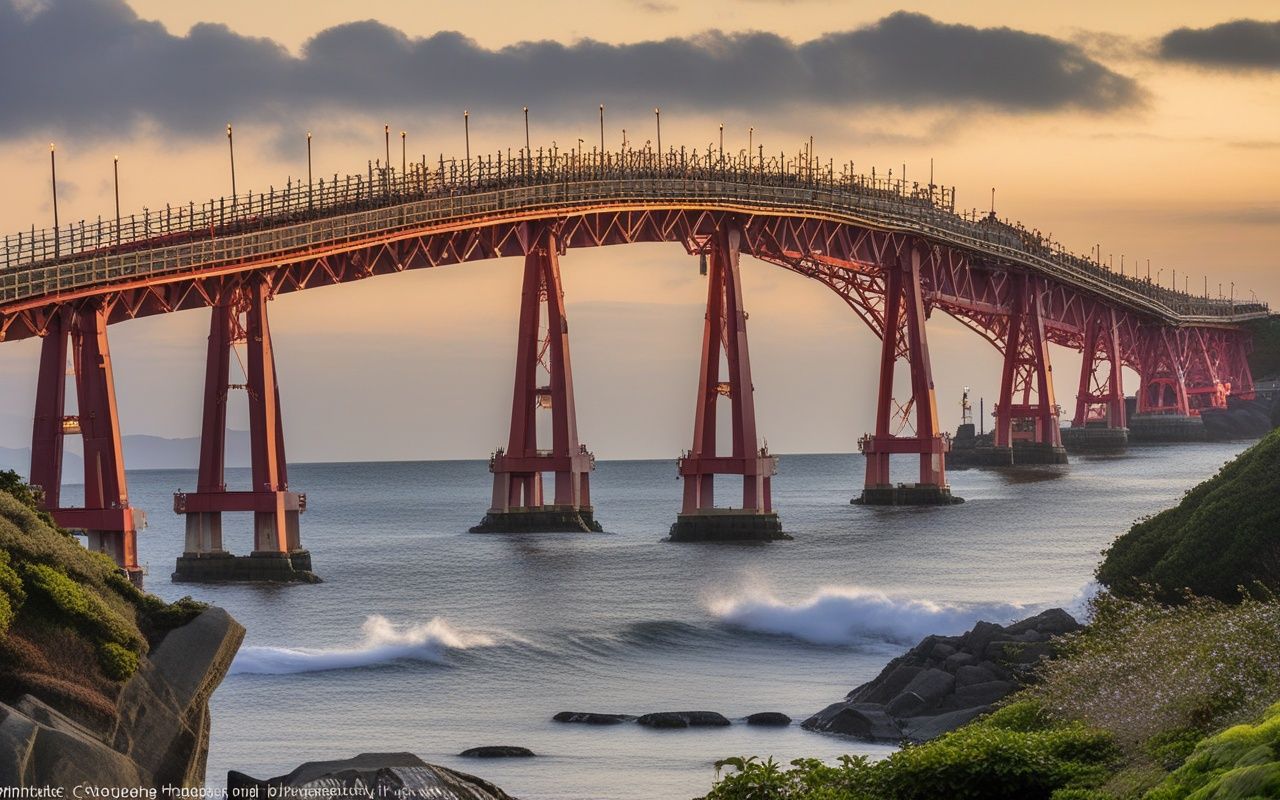
The Enoden (Enoshima Electric Railway) is a charming single-track line that runs between Kamakura and Fujisawa, hugging the coastline for much of its route. At Katase-Enoshima Station — its southern terminus — you will find a compact station building with the classic Enoden look and direct access to the bridge leading to Enoshima Island. Stand on the platform and you will understand why the anime lingers on these scenes: the sea is visible from the tracks, and the trains clatter past in a rhythm that feels like the show’s heartbeat.
- Access: Terminal of the Enoden Line, 1 min walk from the Enoshima Bridge entrance
- Best time: Morning (9:00-10:00 AM) for empty platforms and soft light
- Photo tip: Photograph the Enoden train arriving at the platform with the island’s silhouette behind it
Spot 2: Benten Bridge (弁天橋) — The Walk to the Island
Anime reference: The long bridge connecting the mainland to Enoshima is featured in establishing shots and walking scenes — a place where characters pause to look back at the coast and ahead to the island.
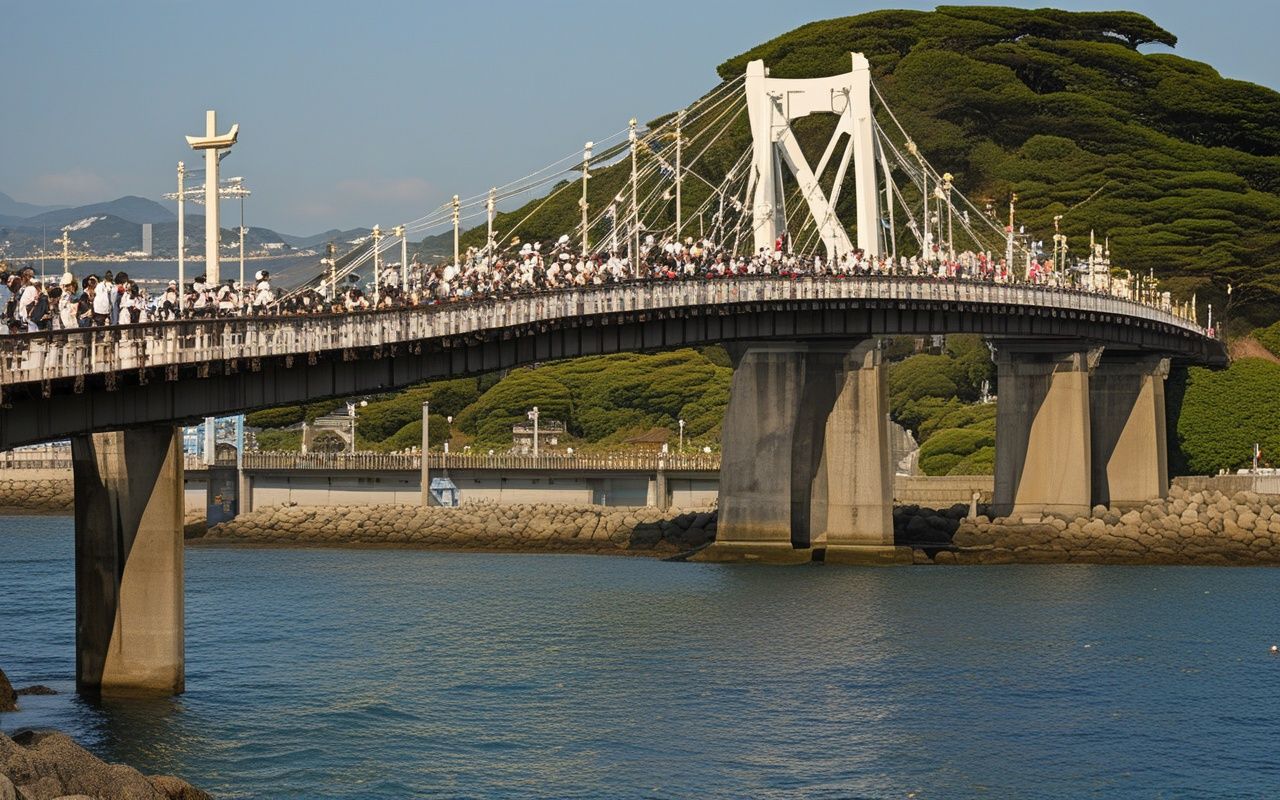
Benten Bridge is the 600-meter pedestrian causeway that connects the Katase shore to Enoshima Island. The walk across takes about 10-15 minutes and offers panoramic views in every direction: Shonan coast to the left, Enoshima’s slopes to the right, and the open sea ahead. On clear days you can see Mount Fuji floating on the horizon beyond the island. The bridge is busy with fishermen, joggers, and locals, giving it a lived-in feel that matches the anime’s everyday tone.
- Access: 2 min walk from Katase-Enoshima Station, across the causeway
- Best time: Late afternoon for sunset views, or early morning for quiet
- Photo tip: Shoot from the bridge’s midpoint, facing the island, with a telephoto lens to compress the shoreline
Spot 3: Enoshima Sea Candle (江ノ島シーキャンドル) — The Island’s Heart
Anime reference: The Sea Candle, Enoshima’s spiral observation tower, is one of the most recognizable landmarks in Shonan and appears in the anime’s skyline shots — a beacon the characters navigate by throughout the series.
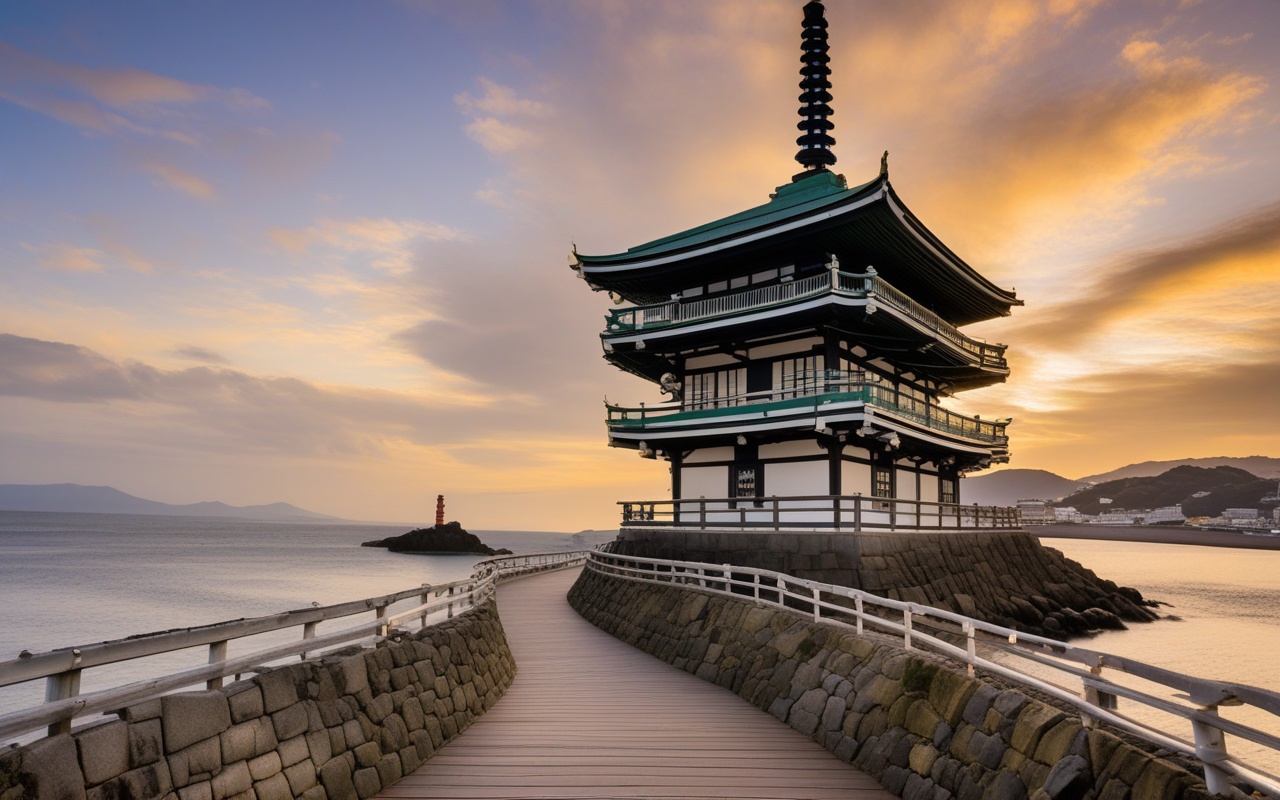
The Sea Candle is the tallest point on Enoshima Island, rising 60 meters above the sea at the island’s summit. The observation deck offers a 360-degree panorama: the Shonan coast curving away to the north, Fujisawa and Kamakura in the distance, and the open Pacific to the south. The tower is particularly stunning at sunset, when the light turns the sea golden and the tower’s white spiral glows against the sky. On clear winter evenings, Mount Fuji appears directly over the horizon — the exact composition the anime’s artists loved.
- Access: 15-20 min walk up the island’s main path from Benten Bridge; the Sea Candle is at the summit
- Hours: Observation deck 9:30 AM – 7:30 PM (hours vary by season; check the official site)
- Admission: ¥500 for the tower alone, or included in the Enoshima All-Access Pass
- Photo tip: Arrive 30 minutes before sunset and stay for the blue hour — the tower lights up in changing colors after dark
Spot 4: Enoshima’s Hilltop Gardens & Caves
Anime reference: The island’s upper areas — with their gardens, shrines, and coastal caves — provide the tranquil, nature-filled settings that the anime uses for quiet character moments.
Beyond the Sea Candle, Enoshima’s summit hides a network of gardens and shrines that feel worlds away from the coastal crowds. The Samuel Cocking Garden, with its exotic greenhouse and flower beds, sits right beside the tower. A short walk further brings you to the Iwaya caves — wave-carved caverns in the island’s sea cliffs, lit with lanterns and filled with local legend. These spots are perfect for the reflective, story-driven tone of a TARI TARI pilgrimage.
- Access: 20-30 min walk from Benten Bridge, along the island’s main staircase path
- Admission: Covered by the Enoshima All-Access Pass
- Best time: Late morning (10:00 AM – 12:00 PM) to avoid afternoon crowds
Spot 5: The Shonan Coastline & Hoshigasaki Kaigan
Anime reference: The beach scenes — where the characters walk, run, and share quiet conversations against the backdrop of the sea — are the emotional core of the series. Hoshigasaki Kaigan and the stretch of coast below Enoshima capture this perfectly.
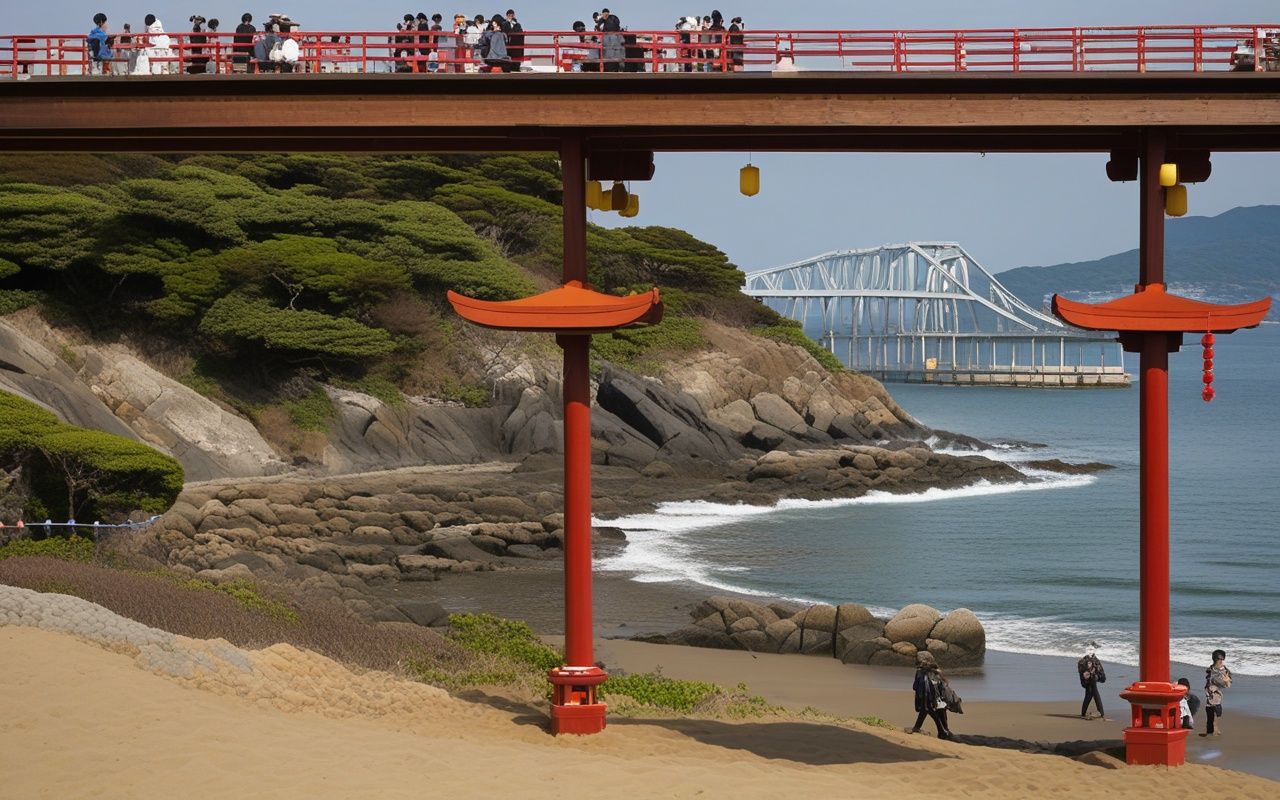
The coastline between Katase and the island’s southern beach offers long stretches of sand with views back toward Enoshima. In summer it is alive with swimmers and surfers; in the off-season it is quiet and contemplative, just like the anime’s reflective scenes. The waves, the sound of the wind, and the endless horizon make this the best spot on the route to sit, pause, and feel the series’ mood.
- Access: 5 min walk from the island’s main entrance, along the beach
- Best time: Late afternoon for golden light and calm waters
- Photo tip: Use a wide-angle lens low to the sand to capture the waves, the island, and the sky in one frame
🗺 Sample Itinerary
Full-Day Pilgrimage Route (6-8 hours)
| Time | Activity |
|---|---|
| 8:30 AM | Depart from Tokyo (Odakyu Limited Express from Shinjuku) |
| 9:30 AM | Arrive at Katase-Enoshima Station, photograph the Enoden |
| 10:00 AM | Walk Benten Bridge to Enoshima Island |
| 10:30 AM | Explore the hilltop gardens and Iwaya caves |
| 12:00 PM | Lunch at a seaside restaurant on the island |
| 1:30 PM | Enoshima Sea Candle observation deck |
| 3:00 PM | Beach walk along the Shonan coastline |
| 4:30 PM | Return to the Sea Candle area for sunset photos |
| 6:30 PM | Enoden ride to Kamakura or Fujisawa for dinner |
| 8:00 PM | Return to Tokyo |
Half-Day Route (for a quick pilgrimage)
- Morning: Katase-Enoshima Station → Benten Bridge → Sea Candle → beach walk → lunch
- Afternoon: Return to Tokyo, or extend with a ride on the Enoden Line to explore Kamakura
💡 Travel Tips
Crowd Avoidance
Enoshima is one of Kanagawa’s busiest tourist spots, so timing matters:
- Visit on weekdays for the most relaxed experience
- Arrive before 10:00 AM to enjoy the island’s upper areas without crowds
- Avoid weekends, holidays, and summer peak season (July-August)
- The winter months offer clear views of Mount Fuji with the fewest visitors
Best Time to Visit
- Spring (March-May): Mild weather, and the island’s gardens come into bloom
- Summer (June-August): Lively beaches, fireworks displays, but crowded and hot
- Autumn (September-November): Comfortable temperatures and clear skies — the best all-round season
- Winter (December-February): Clearest views of Mount Fuji from the Sea Candle and the coast
What to Bring
- Comfortable shoes (the island’s main path includes many stairs — about 500 steps to the summit)
- Camera with a 24-70mm lens (the bridge, tower, and coast all reward wide angles)
- Sunscreen and a hat (shade is limited on the bridge and beach)
- Enoshima All-Access Pass (book ahead to skip ticket lines)
- Light layers — the sea breeze makes evenings cooler than expected
Frequently Asked Questions
Q: Is Enoshima really the setting of TARI TARI?
A: Yes. The anime is set in the Shonan area, and Enoshima — along with the Enoden line and the coastal towns between Kamakura and Fujisawa — forms the visual backbone of the series. The characters commute through these same stations and walk these same beaches.
Q: Is the school in the anime real?
A: The school is fictional, but its coastal setting draws from the area’s high schools and the general atmosphere of the Shonan townscape. The real pilgrimage value is in the coast, the train line, and the island landmarks rather than any single building.
Q: How long should I spend on the island?
A: A full half-day (4-5 hours) is ideal for covering the island’s summit, gardens, caves, and the Sea Candle, plus the beach. If you add an Enoden ride to Kamakura, plan for a full day.
Q: What other anime locations are nearby?
A: The Shonan area is dense with anime pilgrimage spots. Bunny Girl Senpai uses Enoshima and its aquarium, Slam Dunk is centered around Kamakura’s coastline, and the Kanagawa Anime Pilgrimage Guide maps them all.
Q: Can I visit the Sea Candle at night?
A: Yes. The Sea Candle is illuminated after dark with changing colors, and the observation deck often stays open until 7:30 PM (hours vary by season). The sunset-to-blue-hour transition is the most magical time to be there.
Q: Do I need the All-Access Pass?
A: If you plan to visit the Sea Candle, the gardens, and the caves — which the full pilgrimage route does — the pass saves money compared to individual tickets. If you only want the tower, buy a single ticket instead.

🔗 Related Articles
- Kanagawa Anime Pilgrimage Guide
- Bunny Girl Senpai Pilgrimage in Enoshima
- Enoden 1-Day Pass Guide
- Enoshima Aquarium Guide
Last Updated: 2026-07-31
Written by: Anaba OffJapan Editorial Team
A TARI TARI pilgrimage is a slower kind of anime tourism. There are no flashy statues or dedicated fan corners — instead, you walk the same bridge, watch the same sunsets, and ride the same train line that carried the characters through their most tender moments. The reward is a day spent in one of Japan’s most beautiful coastal settings, where the line between the anime and the real world softens with every wave. For fans who value atmosphere over attractions, Shonan delivers exactly that feeling. Add this route to a broader Kanagawa anime pilgrimage, and you will understand why this corner of Japan inspires so many storytellers.
The moment that stayed with me was standing on Benten Bridge in the late afternoon, watching the Enoden train clatter along the coast while the Sea Candle lit up against a deepening blue sky. It was a scene the anime had taught me to see — and seeing it in person, with the salt air and the sound of the waves, felt like the show had quietly stepped out of the screen and into the world around me.
Conclusion
The details in this guide come from real visits, and the biggest lesson I took away was that the best experiences in Enoshima rarely fit neatly into a checklist. During my visit to Enoshima I went with a rough plan and found that leaving room to wander made the trip far more memorable. Plan the essentials, keep your schedule flexible, and you will leave Kanagawa wanting to return.