
Goshuin — a hand-written calligraphy stamp collected at Japanese shrines and temples — has quietly become one of the most rewarding travel rituals in Kanagawa. Unlike a souvenir you buy, each goshuin is created on the spot by a priest or shrine staff member, making every page in your book a one-of-a-kind record of where you have been.
This guide explains what goshuin actually is, how the collecting process works step by step, and where to find the most rewarding stamp spots across Kamakura, Yokohama, Enoshima, and the Miura Peninsula. We also cover stamp book options, etiquette, budgets, and common first-timer questions.
What Is a Goshuin?
A goshuin (御朱印) is a hand-written stamp and calligraphy marking your visit to a registered shrine or temple. The word literally means “vermilion seal.” Traditionally, the stamp was proof that a pilgrim had completed a prayer at a sacred site — a practice connected to Buddhist pilgrimage routes that predate modern tourism by centuries.
Today, goshuin collecting is popular with both Japanese visitors and international travelers. Each stamp typically combines three elements:
- Calligraphy — the name of the shrine or temple, written vertically in black sumi ink by hand.
- Vermilion seal (shuin) — pressed with cinnabar ink, unique to each site.
- Date and notes — many shrines write the date of your visit, and some add seasonal illustrations or small drawings.
Because each one is written manually, no two goshuin are identical — even from the same shrine. The variation in brush strokes, ink density, and seasonal artwork is part of the appeal.

How Goshuin Collecting Works (Step by Step)
The process is simple, but knowing the etiquette in advance makes the visit smoother for everyone. Here is the standard flow:
- Buy a goshuincho (stamp book) at the shrine or temple shop if you do not already have one. Expect to pay around 1,500–3,500 yen depending on the binding and paper quality.
- Pay the goshuin fee at the counter (usually 300–500 yen per stamp). Many sites ask you to write your name and visit date in a slip of paper first.
- Hand your book to the staff member and wait nearby. The calligraphy is written in front of you and takes a few minutes.
- Receive your book back once the ink has dried. Avoid folding or closing the page immediately.
- Store it carefully — keep the book flat and away from moisture until you reach your accommodation.
Some busy shrines now use a ticket-number system (take a numbered ticket, return later) during peak season. Kamakura’s Tsurugaoka Hachimangu and Kawasaki Daishi are known for weekend crowds, so arriving near opening time helps.

Best Goshuin Spots in Kamakura

Kamakura is the strongest destination in Kanagawa for stamp collecting, with major shrines and temples within walking distance of each other. If you are basing yourself in Tokyo, our Kamakura access guide covers train options and timing.
Tsurugaoka Hachimangu

Kamakura’s most important Shinto shrine, founded in 1063, offers a grand vermilion seal with bold calligraphy. The shrine office handles goshuin near the main hall. Because this is a high-traffic site, arrive before 10:00 on weekends to avoid queues.
During the New Year period (hatsumode), Tsurugaoka Hachimangu draws well over a million visitors in the first three days of January. Goshuin offices usually operate extended hours during this window, but queues can exceed an hour. If your trip falls in early January, aim for a weekday morning before 09:00 or visit in the afternoon of January 3rd when crowds thin slightly. The shrine also offers seasonal special seals (goshuin with illustrated motifs) tied to festivals such as Reitaisai in September, so checking the shrine’s event calendar before your visit can reward you with a limited-edition design.
Hokokuji Temple (Bamboo Temple)
Famous for its bamboo grove, Hokokuji’s goshuin often includes a small illustration of the temple’s gate or bamboo motif. The stamp office is separate from the main hall — follow signs toward the bamboo garden entrance. A matcha set at the temple’s teahouse pairs naturally with the visit.
Zuisenji Temple
Zuisenji is known for seasonal flowers and a rock garden said to resemble a sailing ship. The temple’s calligraphy style is notably elegant, and some visitors specifically collect stamps here during wisteria (late April) and hydrangea (June) seasons.
Kenchoji Temple
Japan’s first major Zen training monastery, Kenchoji offers a stamp with a distinctive Zen-style brush stroke. The temple grounds include a forest trail behind the main gate, making this a good stop before heading toward Kita-Kamakura stations.
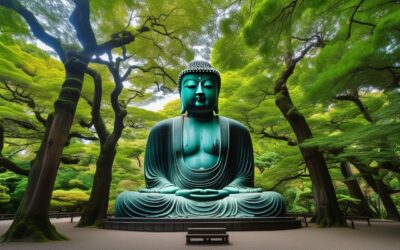
For a full walking route that links these sites, see our Kamakura Great Buddha guide, which connects the Daibutsu area with nearby temples on foot.
Yokohama and Enoshima Goshuin Spots
Yokohama’s stamp scene mixes traditional shrines with unique urban options. Sanja Shrine (near Motomachi-Chukagai Station) and the Minato Mirai area temples are central, but two spots stand out for travelers.
Kawasaki Daishi (Heiken-ji)
Technically just outside Kanagawa’s tourist core but reachable via the Keikyu Line, Kawasaki Daishi is one of the busiest temple stamp offices in the region. Its goshuin is famous for the large protective seal design. Combine the visit with our Yokohama Chinatown food guide for a full day trip.
Enoshima Shrine
Enoshima Jinja, on the island itself, offers a stamp with a distinctive design reflecting the shrine’s connection to Benzaiten (the goddess of music and water). The stamp office sits within the shrine complex about halfway up the island path. Expect stairs — comfortable shoes help. If you are combining Enoshima with the coast, our Enoden one-day pass guide covers the scenic railway that reaches the island.
Goshincho (Stamp Book) Buying Guide
A goshuincho is a folded book of washi paper designed to be written on. Unlike a regular notebook, the pages open flat and the paper is thick enough to prevent ink bleed-through. Here is what to consider before buying:
| Type | Price Range (yen) | Best For |
|---|---|---|
| Standard washi book (16–20 pages) | 1,500–2,500 | First-time collectors, short trips |
| Premium binding with cloth cover | 2,500–3,500 | Long-term collecting, gifts |
| Postcard-size / small format | 800–1,500 | Carrying light, mail-home stamps |
| Themed books (seasonal, illustration) | 2,000–4,000 | Collectors seeking specific artwork |
Most shrine shops sell books, but popular designs sell out. If you have a specific book in mind, buy it early in your trip rather than saving it for your first stamp. Book prices are separate from the stamp fee itself.
Goshuin Etiquette and Tips
Goshuin collecting is welcome at most sites, but a few courtesies keep the practice respectful:
- Do not treat it as a game. Staff members are performing a religious service, not producing merchandise. Patience during busy periods matters.
- Ask before photographing the calligraphy process. Most shrines are fine with it, but some ask visitors not to photograph staff members directly.
- Do not use correction fluid or re-ink pages. Once written, the page is final. If a stamp smudges, politely ask staff when you receive the book back.
- Carry a small plastic sleeve or clip to keep freshly written pages flat and separate while walking between sites.
- Check office hours. Some stamp offices close earlier than the shrine grounds (often 16:00–16:30). Plan your route accordingly.
Budget Planning for a Goshuin Trip
A realistic full day of collecting in Kamakura breaks down roughly like this:
- Train fare from Tokyo (round trip): around 1,000–1,500 yen depending on your starting station
- Stamp fees at 4–5 sites: 1,200–2,500 yen
- Lunch and matcha: 1,500–3,000 yen
- Optional temple entry fees (Hokokuji, Zuisenji): 200–500 yen each
With a Enoden day pass added for a coastal extension, a well-planned goshuin day usually lands between 4,000 and 7,000 yen all-in, excluding your book purchase.
Seasonal Timing for Goshuin Collecting
Many shrines and temples produce seasonal goshuin designs that are only available for limited windows. Planning your trip around these periods can add variety to your collection:
| Season | Availability | Typical Spots |
|---|---|---|
| Spring (late March–April) | Sakura-themed stamps, wisteria designs at Zuisenji | Zuisenji, Tsurugaoka Hachimangu |
| Early Summer (June) | Hydrangea season designs, limited Kamakura temple seals | Hokokuji, Zuisenji |
| Autumn (October–November) | Momiji (autumn leaf) motifs, harvest festival seals | Kenchoji, Kawasaki Daishi |
| Winter (December–January) | New Year (hatsumode) special seals, first prayer stamps (hatsu-fuda) | All major shrines |
Availability changes each year, and shrines are not obligated to publish schedules in advance. Calling ahead or checking official shrine websites a week before your visit is the most reliable approach. Note that special designs often carry the same base fee (300–500 yen) but some temples charge a premium of 100–200 yen for illustrated versions.
Common Mistakes First-Time Collectors Make
After watching dozens of visitors work through their first collecting day, the same handful of issues come up repeatedly:
- Rushing the queue. Staff often ask for patience while calligraphy dries. Pushing ahead or walking away before your book is returned risks mixing up books at busy counters.
- Folding pages before the ink dries. Sumi ink needs a few minutes. Keep the book open and flat, or carry a lightweight sleeve to separate fresh pages.
- Ignoring office closing times. Many stamp offices close 30–60 minutes before the main grounds. Arriving 15 minutes before closing often means being turned away politely.
- Buying a book too late. Popular designs sell out by midday on weekends. Buy at your first stop, not your last.
- Skipping the name slip. Some shrines ask you to write your name and visit date before handing over your book. Filling this in incorrectly means the calligrapher will use exactly what you wrote — including spelling errors.
Avoiding these five issues will make your day smoother and more enjoyable. For a broader overview of Kamakura’s cultural sites, our Great Buddha guide covers the Daibutsu area’s temples with opening hours and walking distances.
Extending Your Trip: Kawasaki and Yokohama Add-Ons
If you have more than one day, extending your collecting route eastward adds variety without long travel times. Kawasaki Daishi (Heiken-ji) is a 20-minute train ride from central Yokohama via the Keikyu Line and stays open later than most Kamakura temples. The temple’s goshuin is known for its large protective seal design, and the surrounding shopping street (Daishi Hanare-mon-mae) offers an easy lunch stop.
Back in Yokohama, Sanja Shrine near Motomachi-Chukagai Station provides an urban collecting experience steps from the Yamashita Park waterfront. Combining a morning at Kawasaki Daishi with an afternoon in Chinatown is a natural pairing — see our Yokohama Chinatown food guide for restaurant recommendations within walking distance of the shrine.
For travelers who prefer scenic rail over urban walking, the Enoshima Electric Railway (Enoden) links Kamakura to Enoshima with coastal views. Our Enoden one-day pass guide explains fares, hop-on hop-off strategy, and how to time your island shrine visit with the last train back.
Shrine vs. Temple: What Changes for Collectors
While the stamp itself looks similar at shrines (jinja) and temples (tera), the surrounding customs differ in ways worth knowing before you visit:
| Aspect | Shrine (Jinja) | Temple (Tera) |
|---|---|---|
| Staff | Maiden ( shrine attendant) or priest | Monk or temple office staff |
| Typical fee | 300–500 yen | 300–500 yen (some charge 500–800 for illustrated versions) |
| Calligraphy style | Vertical, bold strokes with shrine name and date | Often includes sutra fragment or temple crest |
| Peak hours | Weekend mornings, New Year period | Morning prayer hours (often 09:00–11:00) |
| Photography | Generally allowed | Ask before photographing staff; some temples prohibit |
One practical difference: temple stamp offices often require you to enter through a separate gate or pay a small grounds entry fee (200–500 yen) in addition to the stamp fee. Hokokuji and Zuisenji both charge garden entry. Budget an extra 300–600 yen per temple if you plan to walk the grounds as well.
Shopping for Goshuin-Related Goods
Beyond the books and stamps themselves, shrine and temple shops carry small items that make practical souvenirs:
- Shuin-bukuro (stamp envelopes) — paper envelopes designed to hold loose stamps, usually 300–500 yen.
- Seasonal stickers and seals — cheaper alternatives (100–300 yen) when offices are crowded or closed.
- Calligraphy brush pens — some collectors bring their own brush for personalization requests, though most sites ask that staff do all writing.
- Omamori (protective charms) — related shrine merchandise often sold alongside stamp offices, starting around 500 yen.
For travelers who want to combine their cultural day with regional food experiences, Kanagawa’s soba and street food scenes pair naturally with temple visits. Our authentic soba guide covers traditional noodle shops within walking distance of several Kamakura temple areas.
Frequently Asked Questions
Can I get goshuin without buying a stamp book?
Some shrines offer loose stamp cards (shuin-hyo) for around 200–300 yen, suitable for framing or tucking into a travel journal. Availability varies — ask at the counter.
Is it okay to collect goshuin in the rain?
Ink takes longer to dry in humid conditions. Carry a plastic sleeve and keep the book flat. On very rainy days, some shrines may ask you to wait longer before closing the book.
Do shrines allow goshuin requests by mail?
Some temples accept postal requests (byo-in goshuin) for a fee plus an envelope. Response times range from two weeks to several months. Check individual temple websites for current rules, as several major sites suspended mail services during recent years.
Can two people share one stamp book?
Technically yes, but most shrines prefer one book per collector since the calligraphy records a single visit. Couples and families often bring separate books and trade pages afterward, which keeps each book’s chronology clean and easier to preserve long-term.
How many pages does a typical book hold?
Most standard books hold 16–20 stamps. A two-day Kamakura trip collecting 8–10 stamps uses roughly half a book, leaving space for future visits.
Building a Two-Day Goshuin Itinerary
For travelers with limited time, a well-structured two-day itinerary covers the strongest sites without exhausting walking. Below is a route that balances stamp collecting with food breaks and scenic pauses:
Day 1: Eastern Kamakura
Start at Tsurugaoka Hachimangu when the shrine office opens (typically 08:30–09:00). Walk the sandō approach toward Komachi-dori Street for a late morning break, then continue to Kenchoji Temple. After lunch, take the local train to Kita-Kamakura for Zuisenji, which stays open until 16:30. This route covers three major stamps with roughly 45 minutes of total walking between stops.
Day 2: Daibutsu Area and Enoshima
Morning at Hokokuji Temple (opens 09:00) for the bamboo grove and its stamp. Walk downhill toward the Great Buddha (Kōtoku-in) area, then continue to Enoshima by Enoden train. Enoshima Jinja’s stamp office sits mid-island and closes around 16:00 — plan your island walk accordingly. Our Enoden pass guide includes the exact train timetable needed for this connection.
If you want a guided experience that combines Kamakura’s temples with hands-on cultural activities, Klook’s Kamakura and Enoshima day tours from Tokyo bundle transport and entry tickets, which simplifies planning for first-time visitors who prefer structured schedules over independent walking.
Accessibility and Practical Considerations
Most Kamakura shrine and temple grounds involve gravel paths, stone steps, or both. A few practical notes for travelers planning around mobility, weather, or family needs:
- Steps and slopes. Hokokuji, Zuisenji, and Enoshima Shrine all involve stair climbing. Enoshima’s stairs are the steepest — roughly 100 steps in two flights between the bridge and the shrine complex.
- Wheelchair access. Tsurugaoka Hachimangu offers paved paths to the main hall. Kenchoji’s inner garden has narrow stone paths. Call offices ahead for current accessibility status.
- Weather backup. Most stamp offices operate rain or shine, but heavy rain can reduce hours. Indoor cultural alternatives include our Yokohama Chinatown guide, which works as a half-day fallback.
- Family visits. Children are welcome at all sites. Some shrines offer smaller stamp books (around 1,200 yen) that fit smaller hands.
After Your Trip: Preserving and Sharing Your Collection
Once your book fills up, storage becomes its own small craft. Sumi ink and vermilion seal paste are archival-quality materials, but they remain sensitive to moisture and direct sunlight over years. A few preservation habits help:
- Store books flat in a cool, dry place. Avoid car glove compartments or beach bags during your trip — humidity is the fastest way to damage ink.
- Photograph each page once ink is fully dry (wait at least 24 hours after collection). Natural light works best for capturing calligraphy detail.
- Use archival sleeves if you plan to frame individual pages later. Standard glassine or acid-free paper sleeves prevent color transfer between facing pages.
- Record your sites and dates in a small notebook as you collect. Months later, the calligraphy alone may not remind you which visit corresponds to which page.
Many collectors eventually fill multiple books and display them at home. A single shelf of three or four filled goshuincho tells the story of several years of travel more elegantly than a stack of tourist pamphlets. If family members or friends collect with you, each person keeping a separate book creates natural comparison points — no two people’s books end up identical, even when visiting the same sites on the same day.
Goshuin collecting rewards patience over speed, presence over checklists, and repetition over one-time purchases. Kanagawa’s concentration of historic sites within a compact, train-accessible region makes it one of the best places in Japan to begin — or deepen — the practice.
Final Thoughts
Goshuin collecting turns a day of sightseeing into something more deliberate. Each stamp marks a specific shrine, a specific date, and a specific moment of hand-written craft you watched being made. Kanagawa’s mix of major Kamakura temples, Yokohama urban shrines, and Enoshima’s island shrine gives collectors enough variety for several return visits.
Start with one book and three or four sites. The ritual — paying, waiting, receiving, and carefully storing each stamp — rewards a slower pace than most travel itineraries allow. Kanagawa’s compact geography means you can collect meaningful stamps without long transit days, which is unusual for a region this close to Tokyo. Whether you visit during cherry blossom season for limited spring designs or return in autumn for momiji motifs, each trip adds pages that no souvenir shop could replicate.
For related reads, see our guides to Kamakura’s Great Buddha, authentic soba experiences across Kanagawa, and our Kamakura access guide for train options from Tokyo. If you are building a broader Kanagawa itinerary, our street food and local markets guide covers post-temple meal options worth planning around.
本記事には広告(アフィリエイト)リンクが含まれます。リンク経由で予約・購入された場合、当サイトに手数料が発生することがありますが、読者の支払額は変わりません。掲載内容は編集方針に基づき、公式情報を優先しています。Affiliate Disclosure