Sushi is often the first meal international travelers plan in Japan — and Kanagawa offers some of the country’s most rewarding places to eat it, from conveyor-belt shops in Yokohama to counter seats in small port towns. This guide is written for beginners: it explains the different types of sushi you will encounter, how ordering actually works, what to expect at each price level, and the small etiquette points that make dining smoother for everyone.
Whether you are visiting Kamakura for the day, staying in Yokohama, or passing through Kawasaki, the advice below applies across the region. Prices and examples are given as ranges and general guidance rather than fixed quotes, as menus change with the seasons and with market conditions.
Why Kanagawa Is a Strong Sushi Region

Kanagawa Prefecture sits on the Pacific coast with direct access to several productive fishing grounds. Misaki Port in Yokosuka and the Yokohama fish market area historically supplied Tokyo’s sushi counters, and that supply chain still shapes what appears on local menus. The practical benefit for travelers is straightforward: fish that travels a shorter distance to reach your plate tends to be fresher, and prices for equivalent quality are often lower than central Tokyo.
The region’s dining culture also spans every budget tier. Yokohama’s Chinatown and entertainment districts support high-volume kaiten sushi chains, while port towns like Misaki maintain small counters where the same chef both serves and prepares your meal. Beginners can start with an affordable conveyor-belt experience and work up to a reservation-only omakase counter without ever leaving the prefecture.
Sushi Types Explained: Kaiten, Edomae, and Omakase
The word “sushi” refers to vinegared rice — the toppings are secondary. What varies between restaurants is the style of preparation, the setting, and how much choice you are given. Here are the three styles you will encounter most often in Kanagawa.

Kaiten Sushi (Conveyor-Belt Sushi)
In kaiten-ya (conveyor-belt sushi shops), plates travel past you on a moving belt. You take whatever looks good, and your bill is calculated by plate color. Chains such as Sushiro, Kura Sushi, and Hamazushi have branches throughout Yokohama, Kawasaki, and Kamakura. Prices commonly run 100–300 yen per plate, with premium items (tuna, uni, wagyu) sometimes priced separately on small screens at each seat.
For beginners, kaiten sushi is the ideal starting point: low commitment, visible portions, and no Japanese required. You can also order specific items via touch-screen tablets at most modern branches — the order arrives on a separate express lane rather than the main belt.

Edomae Nigiri (Traditional Hand-Pressed Sushi)
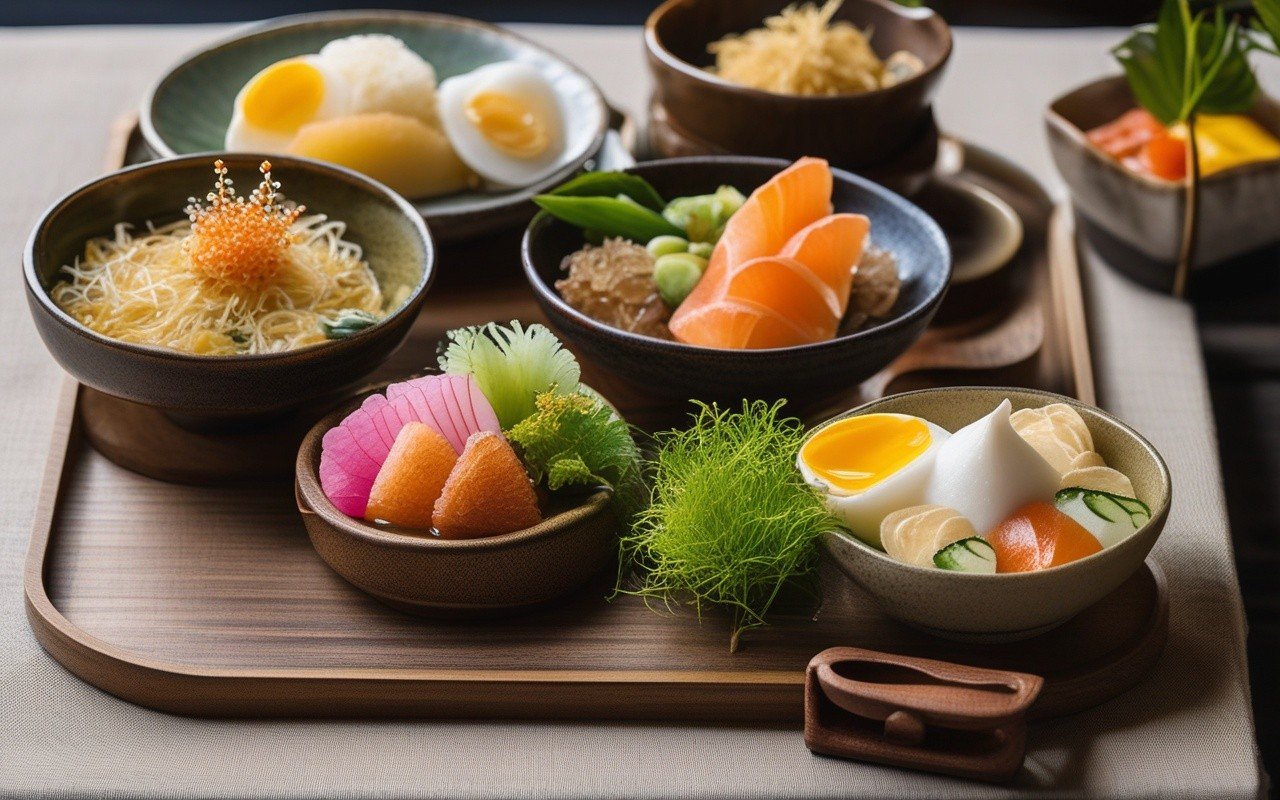
Edomae-style refers to the Tokyo tradition of seasoning fish with soy, vinegar, or curing before serving as nigiri (hand-pressed rice topped with fish). Classic Edomae toppings include maguro (tuna), kohada (gizzard shad), anago (conger eel), and tamago (sweet egg). Shops serving Edomae nigiri typically have counters seating 8–15 people, with prices starting around 3,000–5,000 yen for a full course.
Omakase (Chef’s Choice)
Omakase means “I leave it up to you.” You sit at the counter, and the chef serves a progression of pieces selected based on the day’s best fish. There is usually no printed menu. Prices for omakase in Kanagawa commonly range from 8,000–20,000 yen depending on the shop and the season. Beginners are welcome at most omakase counters, though the experience moves quickly — the chef works at a steady pace, and each piece should be eaten within a minute or two of being served.
For a curated sushi experience that includes guidance on ordering and pacing, Klook lists sushi and dining experiences in Hakone Gora where reservations can be arranged in advance — useful for travelers who want the omakase format without the uncertainty of walking into an unknown shop.
Where to Find Kaiten Sushi in Kanagawa

Chain kaiten sushi shops are easy to find, but knowing which areas concentrate options helps with trip planning. Below is a quick breakdown by area.
| Area | Typical Options | Good For |
|---|---|---|
| Yokohama (Minato Mirai, Chinatown area) | Multiple chains plus local counters | Evening dining after sightseeing |
| Kamakura (station vicinity) | 2–3 chain branches | Lunch between temple visits |
| Kawasaki | Chain branches near station | Quick meals during transit |
| Misaki Port (Yokosuka) | Small local counters and market stalls | Fresh port sushi, daytime only |
| Shin-Yokohama | Station-adjacent shops | Before or after Ramen Museum visits |
Misaki Port deserves special mention: the town’s connection to the fishing industry means sushi served here is often prepared with fish landed the same morning. Shops are small and typically close by mid-afternoon, so plan an early lunch. Our Misaki Port food guide covers the market scene, access from Yokosuka, and what to order when the standard menu is limited to what arrived that day.
Yokohama offers the widest variety. Beyond kaiten chains, the Chinatown and surrounding dining streets support several standing sushi bars where you can eat a full meal in 20 minutes. For a broader view of what the city’s food scene includes beyond sushi, see our Yokohama Chinatown food guide.
How to Order Sushi: A Step-by-Step Guide for Beginners
Ordering at a sushi counter can feel intimidating, but the process is standardized enough that following these steps works at most shops.
- Choose your format. Kaiten shops require no ordering upfront — you simply take plates from the belt. Counter shops usually offer either an omakase course or a la carte (ippon-zuki) ordering. If you are unsure, ask: “Omakase wa arimasu ka?” (Do you have an omakase course?).
- Take a seat and settle in. At counters, wait to be seated rather than sitting uninvited. In kaiten shops, choose any open seat.
- Order drinks first. Most shops expect your drink order (beer, sake, tea, or water) before food. Green tea is usually free or low-cost.
- For omakase, trust the progression. The chef serves piece by piece. You do not need to order anything additional unless invited to.
- For a la carte, point or name your items. At kaiten shops, take plates directly. At counters, saying “maguro onegai shimasu” (tuna, please) or pointing at the case works fine.
- Pay at the register. Most shops do not bring the bill to your seat. Count your plates (kaiten) or pay at the counter (omakase) when you finish.
Touch-screen ordering at modern kaiten shops supports English and other languages at most branches near tourist areas. If the tablet does not offer English, the menu images are usually clear enough to order by pointing.
Sushi Etiquette: Do’s and Don’ts
Sushi etiquette is less strict than many guides suggest, but a few points matter at counter restaurants where the chef is within arm’s reach.
- Eat nigiri in one or two bites. Breaking a piece in half is acceptable if it is too large, but do not set it down and return to it later.
- Dip the fish side, not the rice. When using soy sauce, turn the nigiri so the fish touches the sauce lightly. Dipping the rice side causes the piece to fall apart and over-salts the rice.
- Gari (pickled ginger) is a palate cleanser, not a topping for your sushi. Eat it between different types of fish, not on top of nigiri.
- Wasabi is already inside most nigiri. Adding more is acceptable but not expected at traditional counters. At kaiten shops, mixing wasabi into soy sauce is normal.
- Hold chopsticks correctly but don’t stress. Never stick chopsticks upright in rice (a funeral association), and never pass food chopstick-to-chopstick. Beyond those two rules, nobody will judge your grip.
- Ask before photographing. Most shops allow it at kaiten restaurants, but at high-end counters, brief the chef or ask quietly. Avoid photographing other customers.
Price Guide: What to Expect at Each Level
Sushi pricing in Kanagawa follows a predictable pattern by restaurant type. The ranges below reflect typical 2026 pricing and can shift with market fish costs.
| Format | Per Person (yen) | What You Get |
|---|---|---|
| Kaiten sushi (lunch) | 1,000–2,000 | 8–12 plates, tea included |
| Kaiten sushi (dinner, premium items) | 1,500–3,000 | Includes uni, toro, wagyu plates |
| Standing sushi bar | 1,500–3,000 | Quick nigiri course, often market-price |
| Local counter (a la carte) | 3,000–6,000 | 8–10 pieces, chef-selected fish of the day |
| Omakase (standard) | 8,000–15,000 | 15–20 piece progression with otsumami (appetizers) |
| Omakase (premium) | 15,000–25,000+ | Extended course, rare seasonal items |
Budget travelers can eat well at kaiten chains for under 2,000 yen per person. Splurging on a single omakase meal is a common strategy: pair inexpensive lunches during the day with one reserved dinner counter experience. If your itinerary includes Hakone, our Yokohama premium dining guide covers how the city’s higher-end restaurants handle reservations and dress expectations.
Seasonal Sushi Guide: Eating What Is in Season
Sushi quality depends heavily on seasonality — the Japanese concept of shun (旬). Knowing what peaks when helps you order well:
- Spring (March–May): Sakura-masu (cherry trout), young bonito (katsuo no tataki), and Sayori (halfbeak). Light, clean flavors suited to the season.
- Summer (June–August): Anago (conger eel) is at its best, along with Aji (horse mackerel). Summer omakase courses lean heavily on these two.
- Autumn (September–November): Sanma (Pacific saury), Kohada (gizzard shad), and coming-back maguro. Autumn is widely considered peak season for Edomae-style sushi.
- Winter (December–February): Toro (fatty tuna), Buri (yellowtail), and Uni (sea urchin) from Hokkaido arrive in full quality. Winter omakase is the richest of the year.
Shops display seasonal items on small cards at the counter or on the touch screen at kaiten chains. Asking “nani ga osusume desu ka?” (What do you recommend?) is the simplest way to get the chef’s seasonal pick — and most chefs appreciate the question.
Seasonal availability also affects pricing. Peak-season items command premium prices — toro in winter and uni in early summer routinely cost 1.5 to 2 times their off-season price at the same shop. Budget-conscious travelers can offset this by ordering abundant in-season fish (which tastes better precisely because it is in season) rather than chasing expensive year-round imports. The chef’s recommendation naturally steers you toward the best value of the day, which is another reason the question works well for beginners.
Dietary Needs and Allergies
Sushi presents specific challenges for travelers with dietary restrictions. A few practical notes:
- Shellfish and fish allergies are difficult to accommodate at traditional counters where the same preparation area handles all items. Kaiten chains with touch-screen ordering allow clearer filtering by ingredient. Our Kanagawa food allergy guide covers phrasing and documentation to bring.
- Vegetarian and vegan options exist mainly as cucumber rolls (kappa-maki), pickled vegetable rolls (oshinko-maki), tamago (egg), and inari (sweet tofu pouches). True omakase counters rarely offer full vegetarian progressions — call ahead.
- Halal considerations: most standard sushi is halal-compatible (fish and rice), but soy sauce may contain alcohol, and some shops use mirin in seasoning. Our dietary guide and the upcoming halal dining guide cover verification phrasing.
- Pregnancy-related caution: raw fish consumption during pregnancy is a personal medical decision. Counter chefs can prepare fully cooked options (anago, tamago, ebi) on request.
Pairing Sushi with Drinks
Drink pairings at sushi counters follow simple traditional logic: lighter fish pair with dry sake (karakuchi), richer items (toro, anago) pair with ginjo-style sake or beer. A few common options:
- Green tea (ryokucha): free or low-cost at nearly every shop, and the safest default.
- Draft beer (nama biiru): available everywhere, typically 500–700 yen.
- Junmai or ginjo sake: by the glass (180ml) for 600–1,200 yen at most counters. Asking for “osusume no osake” (your recommended sake) works well.
- Shochu or whisky highballs: common at standing bars and casual counters.
Non-alcoholic options beyond green tea include barley tea (mugicha) in summer and various soft drinks. Designated drivers should note that even small servings of sake accumulate across a multi-course omakase.
Common Mistakes Beginners Make
After watching first-time visitors work through their meals, the same handful of issues appear repeatedly:
- Rushing the meal. Omakase counters work at the chef’s pace. Finishing a piece in one bite and immediately looking to the chef for the next creates pressure — take a breath between pieces.
- Over-ordering at kaiten shops. Plates accumulate quickly. Start with four or five, then add more. Most shops do not allow returns.
- Asking for substitutions on omakase courses. The chef plans the progression around available fish. Minor accommodations are usually possible, but extensive requests undermine the format.
- Skip the final tamago check. At counter shops, tamago (sweet egg) is often served last as a test of the shop’s technique. If the shop makes it well, the rest of the meal is usually reliable — worth noting for return visits.
- Ignoring closing times at port shops. Misaki and small coastal counters often close by 14:00 or when the day’s fish sells out, whichever comes first.
Building a Kanagawa Food Day Around Sushi
Sushi works best as part of a planned food day rather than an isolated meal. Kanagawa’s transit connections make it practical to build a themed itinerary. Below is a sample structure that balances sushi with other regional specialties:
Morning: Market or Coastal Walk
Start with a coastal area to work up an appetite. Enoshima island, the Misaki coastal road, or Yokohama’s waterfront all offer morning walks within reach of dining districts. Our street food and local markets guide covers which market stalls open early and what they serve before lunch hours.
Lunch: Kaiten or Standing Sushi
A kaiten lunch (1,000–2,000 yen) or a standing sushi bar meal keeps the afternoon flexible. Port-area shops are strongest at lunch because the morning’s catch arrives overnight and sells through by mid-afternoon. Ordering 8–12 plates at a kaiten chain or a standard nigiri set at a standing bar both work well for a mid-day meal that does not weigh you down before afternoon sightseeing.
Afternoon: Temple Visits or Museum Time
Kamakura’s temple circuit pairs naturally with a light sushi lunch — the walking between sites offsets the meal. Alternatively, Yokohama’s museums and Red Brick Warehouse district sit within transit distance of Chinatown dining streets. Travelers combining cultural sites with food days often find that pacing matters more than distance; our Kamakura access guide includes walking times between major stops.
Dinner: Counter or Omakase Experience
Reserve an omakase or local counter meal for dinner, when chefs have time to pace the progression properly and the day’s second fish delivery has arrived. Booking 3–7 days ahead is standard at most counters. If your evening falls in Hakone instead, the Hakone Gora dining experiences listed on Klook allow advance reservation for visitors staying at onsen ryokan.
This structure — light coastal morning, affordable sushi lunch, cultural afternoon, reserved counter dinner — is the pattern most repeat visitors settle into. It maximizes freshness (port shops at lunch, chef counters at dinner) while keeping costs balanced across the day.
Frequently Asked Questions
Is it rude to use a fork at a sushi restaurant?
No. Kaiten chains expect many international visitors, and forks are available on request. At omakase counters, eating with hands is traditionally acceptable for nigiri — it is considered perfectly fine and sometimes easier than chopsticks.
How much should I tip?
Nothing. Tipping is not practiced in Japanese restaurants, including sushi counters. Attempting to leave a tip can cause confusion or refusal.
Can children eat at omakase counters?
Many counters welcome children who can sit through a full course; some set a minimum age due to the pace and price. Kaiten chains are the more family-friendly choice, with high chairs and flexible ordering.
Do I need reservations for kaiten sushi?
No. Kaiten chains are walk-in only. Wait times at peak lunch (12:00–13:00) can reach 30–60 minutes at popular Yokohama branches; arriving at 11:30 or after 13:30 minimizes waiting.
What is the difference between akami, chutoro, and otoro?
All three are cuts of bluefin tuna. Akami is lean (deep red), chutoro is medium-fatty, and otoro is the fattiest belly cut. At kaiten shops, plate prices typically step up across these three grades.
Are there sushi options near train stations for quick meals?
Yes. Major stations — Yokohama, Kawasaki, Ofuna, and Shin-Yokosuka — all have kaiten chains or standing bars within a 5-minute walk of the ticket gates. These are practical options when your schedule has a narrow window between trains. Menu photos on touch screens make ordering fast even without Japanese.
What should I do with a used plate at a kaiten shop?
Stack finished plates at your seat. Most chains place a small chute or collection point beside the seating row — when your stack gets high, a staff member will usually collect them. Do not carry used plates across the restaurant to the register; payment is calculated from what is at your seat when you finish.
Do sushi shops in Kanagawa accept credit cards?
Chain kaiten shops and larger counters accept major credit cards and IC cards (Suica, PASMO) without issue. Small port-area counters and some traditional omakase shops remain cash-only — carrying 10,000–20,000 yen in cash covers most dining situations. ATMs at nearby convenience stores or station buildings accept foreign cards if you need to withdraw.
Final Thoughts
Sushi in Kanagawa rewards beginners more than most people expect. The region’s access to fresh fish, its full range of price points, and the straightforward ordering systems at chain shops remove most of the barriers that make sushi dining feel exclusive elsewhere. Starting at a kaiten counter, learning the basic etiquette, and progressing to a reserved omakase meal is a natural arc that many travelers follow within a single trip.
Plan around seasonality when possible — the difference between peak and off-season fish is noticeable even to first-timers. And when in doubt, asking the chef for a recommendation is both the safest order and the most rewarding one. The etiquette points above cover the only two hard rules (no upright chopsticks, no chopstick-to-chopstick passing) — everything else is flexibility that improves with practice.
Kanagawa’s sushi scene also rewards repeat visits across seasons. A kaiten lunch in spring and an omakase dinner in winter are genuinely different experiences thanks to how the fish selection shifts. If your travels take you beyond Kanagawa, the same beginner framework — kaiten first, counter later, seasonal focus always — applies across Japan’s sushi regions. For more on Kanagawa’s food scene beyond sushi, explore our guides to street food and local markets, authentic soba experiences, and Kanagawa’s udon noodles — each covers a different side of the prefecture’s dining culture.
本記事には広告(アフィリエイト)リンクが含まれます。リンク経由で予約・購入された場合、当サイトに手数料が発生することがありますが、読者の支払額は変わりません。掲載内容は編集方針に基づき、公式情報を優先しています。Affiliate Disclosure