
Kanagawa Roadside Station Guide: Michi-no-Eki Food and Souvenirs
Overview
Japan’s michi-no-eki — literally “roadside stations” — are one of the country’s great unsung pleasures: rest stops that have evolved into showcases of local food, crafts, and agriculture. Kanagawa has a small but excellent collection, each tied to the character of its region: Kintaro legends in the west, surf culture on the coast, mountain pork and tea in the interior.
I am a self-confessed michi-no-eki devotee. On road trips across Japan I have learned that these stations are the most reliable places to taste what a region genuinely produces — the farmers who supply them deliver their best, and the standards are consistent. Kanagawa’s five stations are close enough to Tokyo to visit in a single driving day, which makes them the perfect introduction to the genre.
This guide covers all five of Kanagawa’s michi-no-eki, what to eat and buy at each, and how to combine them into a satisfying driving loop.
🚗 Why Michi-no-Eki Are Worth Planning Around

The Concept
Michi-no-eki are roadside rest facilities run by local governments and communities, designed to serve travelers while promoting local agriculture, food, and crafts. Since the first station opened in 1993, they have become cultural institutions — part farmers market, part food court, part souvenir shop, and part community center.
What makes them special for travelers is the authenticity. The vegetables are picked that morning, the pork comes from farms you can practically see from the parking lot, and the tea is grown on the slopes behind the building. You will not find the same mass-produced souvenirs as in the cities.
What You Will Find at Every Station
- A farmers market — Seasonal vegetables, fruit, and local specialties, often cheaper than Tokyo supermarkets.
- A food corner — Soft serve, soba, rice bowls, and other quick meals made with local ingredients.
- Souvenirs — Regional crafts, snacks, and packaged goods you will not find elsewhere.
- Clean restrooms and parking — Reliable and free, which is more valuable than it sounds on a road trip.
🥩 Michi-no-Eki Ashigara Kintaro no Furusato
The Station
The newest of Kanagawa’s roadside stations, opened in 2020, sits at the gateway to the Ashigara area — the valley where the folk hero Kintaro is said to have grown up. The building is modern and spacious, with a large produce market, a food court, and a terrace overlooking the rice fields toward the mountains.
I stopped here on the way back from Mount Kintoki and ended up spending an hour I had not planned — tasting the beef, loading up on tea, and watching families try the local soft serve. It is the best single stop in western Kanagawa for food souvenirs.
What to Eat and Buy
- Soshu beef — The local branded wagyu, available as cuts, prepared dishes, and the star of the food court’s menu.
- Ashigara tea — Grown on the mountain slopes, sold by the bag and served fresh at the tea corner.
- Kintaro souvenirs — Cute Kintaro-themed sweets, toys, and goods.
- Morning vegetables — The market opens with the day’s harvest and sells out by early afternoon.
Practical Notes
- Access: 15 minutes by car from the Tomei Oi-Matsuda IC, or a short taxi ride from the Izuhakone Railway’s Wada-Kawara Station.
- Parking: Free and plentiful.
- Hours: Roughly 9:00-18:00, with the food court closing earlier in winter.
🏖️ Michi-no-Eki Shonan Chigasaki
The Station
Opened in 2024, Shonan Chigasaki is Kanagawa’s coastal roadside station — a beach-adjacent complex on National Route 134 that brings together surf culture, local produce, and a slice of Hawaii (Chigasaki is twinned with Honolulu). It is the only station in Kanagawa where you can watch surfers while eating a burger.
I visited on a windy autumn afternoon and found the terrace full of surfers who had paddled out that morning. The mix of local vegetables, craft beer, and Hawaiian-style food made it feel less like a rest stop and more like a beach town community center.
What to Eat and Buy
- Shirasu and Shonan vegetables — The coastal specialties, fresh and abundant.
- Honolulu Diner Da Cafe — Hawaiian plate lunches and burgers, reflecting the sister-city connection.
- Choice! Chigasaki goods — The town’s certified local products, from sauces to sweets.
- Craft beer — Chigasaki’s local brewery is well represented.
Practical Notes
- Access: Right on Route 134, minutes from the Shin-Shonan Bypass Chigasaki-Kaigan IC. By train, take a bus from JR Chigasaki Station.
- Parking: Free, but fills on summer weekends.
- Hours: Roughly 9:00-19:00 in summer, shorter in winter.

🍄 Michi-no-Eki Kiyokawa
The Station
Tucked into the mountain village of Kiyokawa — the only village in Kanagawa Prefecture — this station serves as the gateway to Miyagase Lake and the Tanzawa foothills. It is small and unpretentious, focused on the mountain products that the village is known for: Kiyokawa Megumi pork, Kiyokawa tea, and mushrooms.
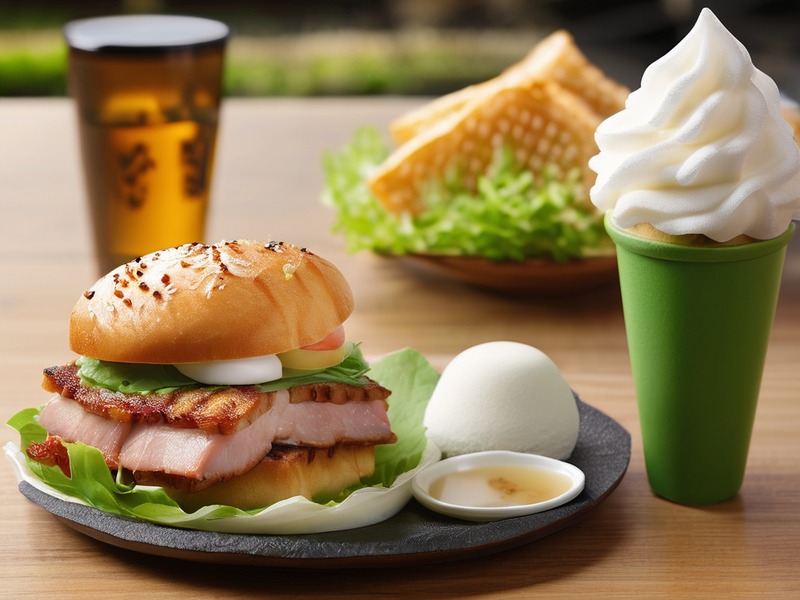
I stopped here after a morning at Miyagase Lake and ate a pork cutlet sandwich that remains one of the best things I have eaten in Kanagawa. The tea soft serve, made with local green tea, is worth the trip on its own.
What to Eat and Buy
- Kiyokawa Megumi pork — The village’s branded pork, as cutlets, sausages, and prepared dishes.
- Kiyokawa tea — Grown and processed in the village, sold by the bag. The tea soft serve is a must.
- Shiitake mushrooms — The village is a major mushroom producer; the fresh ones are excellent.
- Mountain vegetables — Seasonal greens from the village farms.
Practical Notes
- Access: About 50 minutes by bus from Hon-Atsugi Station, or 40 minutes by car from the Tomei Atsugi IC.
- Parking: Free.
- Hours: Roughly 9:00-17:00. Check the local calendar for rest days.
🏞️ Michi-no-Eki Yamakita
The Station
Michi-no-Eki Yamakita sits in the riverside town of the same name, near the JR Gotemba Line and the road toward Lake Tanzawa and Nakagawa Onsen. It is the most rustic of Kanagawa’s stations — a friendly, functional stop with a good produce market and a soba counter that looks out over the river valley.
I stopped here before driving up to Lake Tanzawa and filled my backpack with mountain vegetables and local noodles. It is exactly the kind of place that rewards stopping: small, sincere, and full of things you cannot find in the city.
What to Eat and Buy
- Mountain vegetables and river fish — Seasonal specialties of the valley.
- Ashigara tea — The same regional tea, sold here in bulk.
- Soba — Local buckwheat noodles served at the food corner.
- Local processed goods — Pickles, jams, and sauces made in the town.
Practical Notes
- Access: Near JR Yamakita Station on the Gotemba Line, about 20 minutes by car from the Oi-Matsuda IC.
- Parking: Free.
- Hours: Roughly 9:00-17:00, with winter closures on some weekdays.
⛰️ Michi-no-Eki Hakone-toge
The Station
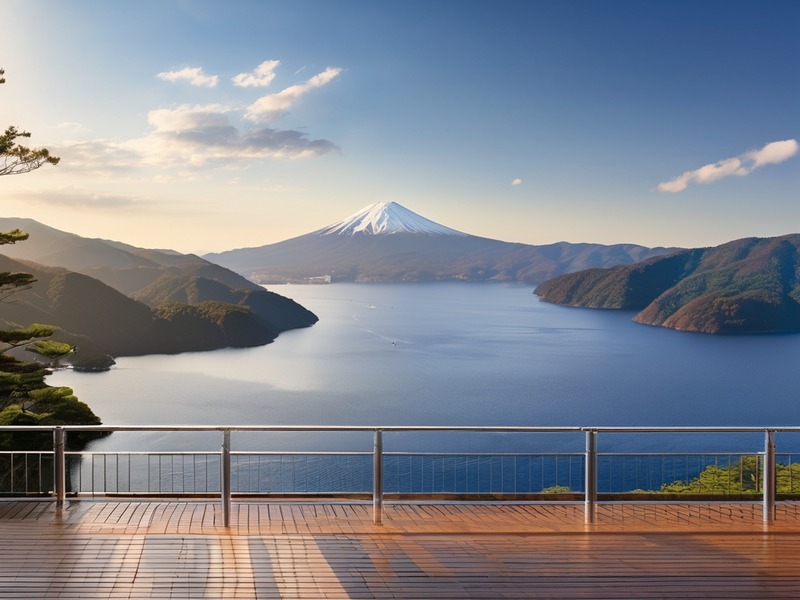
Kanagawa’s oldest roadside station (opened 1995) occupies a spectacular site at Hakone Pass, high on the ridge between Kanagawa and Shizuoka prefectures. The terrace looks out over Lake Ashi and the Hakone caldera, and on clear days Mount Fuji rises beyond. It is less a farmers market and more a viewpoint with excellent food.
I pulled off the road here purely for the view on a foggy morning, and ended up staying through lunch when the clouds cleared to reveal Fuji. Of all Kanagawa’s stations, this is the one to plan around the view.

What to Eat and Buy
- The terrace view — Lake Ashi and, on clear days, Mount Fuji. The reason to stop.
- Soba and udon — Warm noodle bowls for the mountain air.
- Hakone souvenirs — The full range of Hakone crafts and snacks, convenient for a final shopping stop.
Practical Notes
- Access: On National Route 1 at Hakone Pass, 30-40 minutes from the Seisho Bypass Hakoneguchi IC.
- Parking: Free but limited; weekdays are best.
- Hours: Roughly 9:00-18:00 in summer, shorter in winter.
🗺️ The Grand Loop: All Five in One Day
The Route
The five stations form a rough circle around western and coastal Kanagawa, and with an early start they can all be visited in a day. The driving itself is part of the experience — mountain roads, coastal Route 134, and the Hakone ridge.
- 9:00 — Start at Ashigara Kintaro (west). Breakfast at the food court, load up on tea and beef.
- 10:30 — Drive the mountain roads to Yamakita for the riverside station.
- 12:00 — Lunch soba at Yamakita, then continue to Kiyokawa.
- 13:30 — Kiyokawa for pork and tea soft serve, with a possible side trip to Miyagase Lake.
- 15:30 — Drive over the ridge to Hakone-toge for the view and an afternoon coffee.
- 17:30 — Finish on the coast at Shonan Chigasaki, watching the sunset with a craft beer.
If You Have Less Time
Pick two stations that match your route: the Ashigara pair (Kintaro and Yamakita) for the mountain interior, or the coastal pair (Chigasaki and Hakone-toge) for sea and mountain views.
💡 Practical Tips
- Rent a car — The stations are scattered across the prefecture, and a car is the only practical way to visit several in a day. See the rental car guide for rental basics in Japan.
- Go on weekday mornings — The best produce sells out by noon, and weekend parking at Chigasaki and Hakone-toge fills early.
- Bring cash — While newer stations accept cards, the smaller ones and their food stalls are often cash-only.
- Check hours before the trip — Stations in the mountains (Kiyokawa, Yamakita) have shorter hours and occasional rest days.
- Buy early — Seasonal specialties like shirasu and mountain vegetables are morning products; afternoon visitors find empty shelves.
Conclusion
Kanagawa’s michi-no-eki are the perfect way to taste the prefecture beyond its famous sights. Each station tells the story of its region — the beef and tea of the Ashigara valley, the pork and mushrooms of Kiyokawa, the surf culture of the coast, the mountain views of the Hakone ridge — and together they make a satisfying driving loop that rewards the detour at every stop. Rent a car, start early, and let the stations set the pace.
FAQ
Q: Do I need a car to visit the roadside stations?
A: For visiting several in one day, yes. Each station is individually reachable by bus or taxi from the nearest station, but a car makes the loop practical.
Q: Which station has the best food?
A: Ashigara Kintaro for the widest selection (beef, tea, sweets) and Kiyokawa for the pork and tea soft serve. Chigasaki is the place for craft beer and coastal food.
Q: Are the stations open year-round?
A: Yes, but mountain stations have shorter hours and occasional rest days in winter. Check the individual schedules before traveling.
Q: Can I visit all five in one day?
A: Yes, with a car and an early start. The loop covers roughly 150 km and works best with two drivers or generous breaks.