
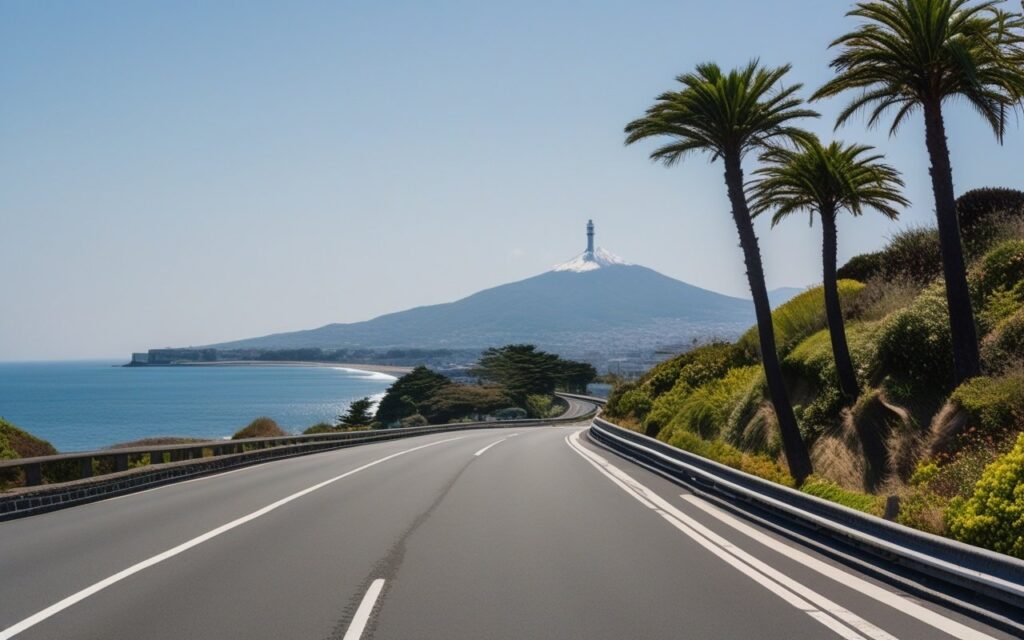
Rental Car Guide – Kanagawa 2026
Overview
📍 spot
- International Driving Permit (IDP) needed
- Book in advance (mostly weekends)
- Left-hand traffic (same as UK. Australia)
- Expensive parking (¥300-600/hour in cities)
- ETC card recommended (highway tolls)
I found that visiting during weekday mornings offered the most relaxed time, something I confirmed over multiple trips. —
Introduction: Car Rental in Kanagawa
If you’re renting a car, check the Kanagawa parking guide for parking options.
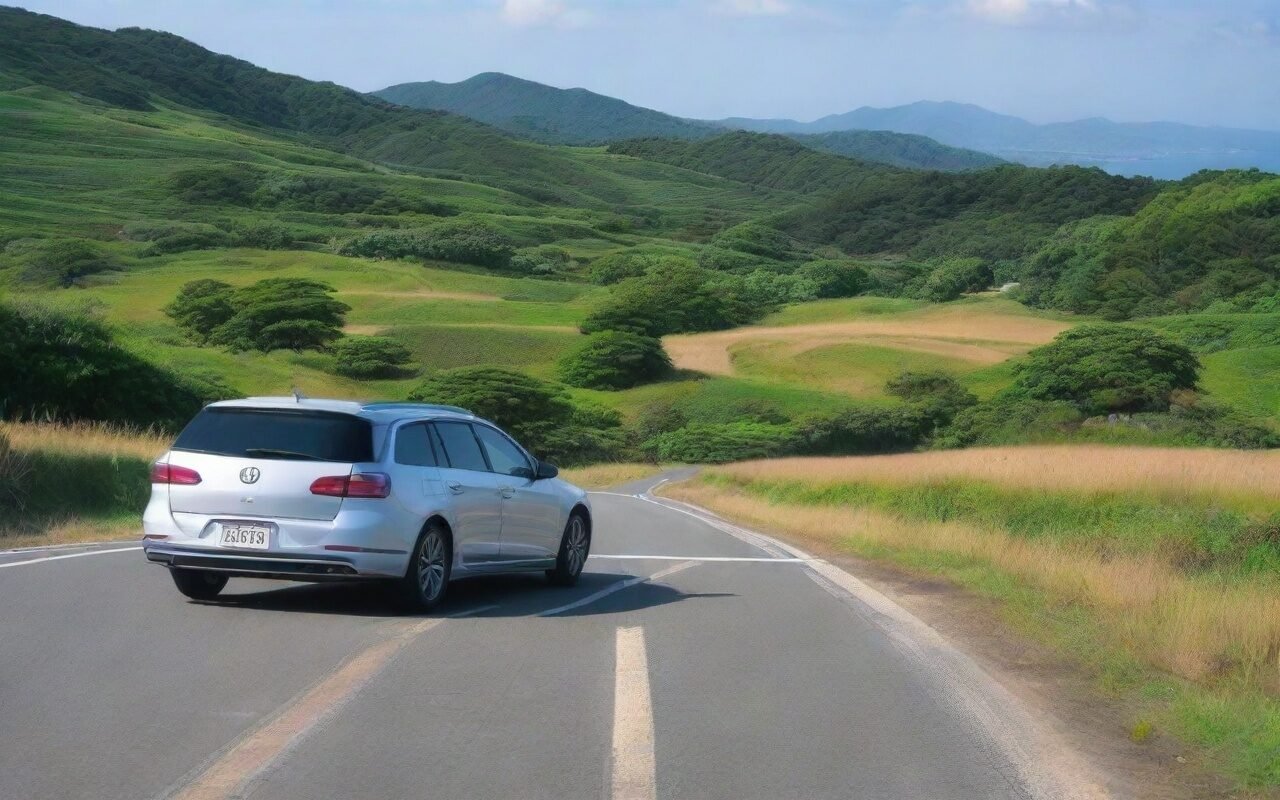
Renting a car in Kanagawa offers:
- Flexibility: Go anywhere, anytime
- Comfort: Air conditioning, luggage space
- Efficiency: Reach remote areas easily
- Cost-effective: For groups (3-4 people)
Best For:
- seeing Miura Peninsula
- Visiting multiple beaches in one day
- Traveling with luggage
- Groups/families
- Early morning/late night travel
Not Recommended For:
- Yokohama city center (traffic, parking)
- Kamakura (very crowded, limited parking)
- Solo travelers (expensive)
- First-time Japan visitors (confusing) Updated: March 2026 (all prices verified)
International Driving Permit (IDP)
needed Documents:
✅ Valid passport
✅ Home country driver's license
✅ International Driving Permit (IDP)

Where to Get IDP:
- Your home country (before traveling)
- Automobile association (AAA. etc.)
- Valid for 1 year from entry to Japan

Note:
- IDP must be obtained BEFORE arriving in Japan
- Cannot get IDP in Japan (as tourist)
- Some countries: Official translation needed
Countries with Valid Licenses
Direct IDP Accepted:
✅ USA. Australia
✅ Most EU countries
✅ Singapore. Malaysia
✅ South Korea. Taiwan
✅ New Zealand. South Africa

Official Translation needed:
⚠️ Some countries need Japanese translation
⚠️ Contact embassy/consulate
⚠️ Process takes 1-2 weeks Not Accepted:
❌ Some countries (check with rental company)
❌ License without IDP
❌ Expired licenses
Age needs
Minimum Age:
- Regular cars: 18 years old
- Luxury cars: 21-23 years old (varies)
- Large vans: 21-23 years old (varies)

Young Driver Surcharge:
- Under 21: +¥1,000-2,000/day
- Under 25: +¥500-1,000/day (some companies) Maximum Age:
- No maximum (valid license needed)
- Senior drivers: more insurance (optional)
Major Companies
Toyota Rent a Car
spots:
- Yokohama Station (multiple spots)
- Shin-Yokohama Station
- Kamakura (limited)
- Fujisawa Station
- Haneda Airport Fleet:
- Compact: ¥5,000-7,000/day
- Standard: ¥7,000-10,000/day
- Minivan: ¥10,000-15,000/day
- Luxury: ¥15,000-30,000/day English Support: ✅ Good
Online Booking: ✅ Yes
Website: Toyota Rent a Car
spots:
- Yokohama Station
- Shin-Yokohama Station
- Haneda Airport Fleet:
- Compact: ¥5,000-7,000/day
- Standard: ¥7,000-10,000/day
- Electric (Leaf): ¥8,000-12,000/day
- Minivan: ¥10,000-15,000/day English Support: ✅ Good
Online Booking: ✅ Yes
Website: Nissan Rent a Carspots:
- Yokohama (multiple)
- Kamakura
- Fujisawa
- Chigasaki
- Many convenience store spots Fleet:
- Compact: ¥4,500-6,500/day
- Standard: ¥6,500-9,000/day
- Minivan: ¥9,000-14,000/day English Support: ⚠️ Limited
Online Booking: ✅ Yes
Website: Times Car Rentalspots:
- Yokohama Station
- Shin-Yokohama Station
- Haneda Airport Fleet:
- Compact: ¥5,000-7,000/day
- Standard: ¥7,000-10,000/day
- Luxury: ¥15,000-25,000/day English Support: ✅ Good
Online Booking: ✅ Yes
Website: Orix Rent a Car
Budget Companies
Nippon Rent a Car
spots:
- Yokohama
- Major cities Fleet:
- Compact: ¥4,000-6,000/day
- Standard: ¥6,000-8,500/day English Support: ⚠️ Limited
Online Booking: ✅ Yes
spots:
- Yokohama
- Haneda Airport Fleet:
- Compact: ¥4,500-6,500/day
- Standard: ¥6,500-9,000/day English Support: ✅ Good
Online Booking: ✅ Yes
Times Car Share
How It Works:
1. Register online (IDP needed)
2. Download app
3. Find nearby car (app shows spots)
4. Unlock with app
5. Drive
6. Return to same spot

Pricing:
- 15 min: ¥220-330
- 30 min: ¥440-660
- 1 hour: ¥880-1,320
- 6 hours: ¥4,400-6,600
- 24 hours: ¥6,600-9,900 Includes:
- Fuel
- Insurance
- 24/7 support spots:
- Yokohama: ✅ Many spots
- Kamakura: ⚠️ Limited
- Fujisawa: ⚠️ Limited
- Shonan: ❌ Very limited Best For:
- Short trips (1-6 hours)
- City driving
- No advance booking needed
Orix Car Share
How It Works:
- Same as Times Car Share
- Slightly different pricing

Pricing:
- 15 min: ¥220-330
- 1 hour: ¥880-1,320
- 6 hours: ¥4,400-6,600
- 24 hours: ¥6,600-9,900 spots:
- Yokohama: ✅ Good coverage
- Other areas: ⚠️ Limited Best For:
- Short trips
- Flexible timing
Honda EveryGo
How It Works:
- Honda's car sharing service
- Similar to Times/Orix

Best For:
- Honda car enthusiasts
- Short trips
Online Booking (Recommended)
Step-by-Step:
1. Visit rental company website
2. Select pickup spot
3. Select dates/times
4. Choose car type
5. Enter driver info
   - Name (as in passport)
   - License number
   - IDP number
   - Passport number
6. Add extras (GPS, ETC, child seat)
7. Payment (credit card needed)
8. Confirmation email

Advance Booking:
- Weekdays: 1-2 days ahead
- Weekends: 1 week ahead
- Holidays: 2-4 weeks ahead
- Golden Week/Obon: 1-2 months ahead Cancellation:
- Free up to 2 days before
- 50% fee: 1 day before
- 100% fee: No-show
Walk-in Rental
open spots:
- Weekdays: Usually available
- Weekends: Limited (book ahead)
- Holidays: Very limited (book ahead)

Process:
1. Go to rental office
2. Show documents (passport, license, IDP)
3. Choose available car
4. Pay (credit card needed)
5. Receive car Risk:
- May not get preferred car
- May be sold out
- Longer wait time
Hotel Concierge
Many hotels can arrange rental:
- Upscale hotels (Yokohama. Kamakura)
- Ryokan (some)

Advantages:
- Staff handles booking
- English support
- Delivery to hotel (some) Disadvantages:
- May cost more
- Limited company options
Daily Rental Rates
Compact Car (Vitz. Note):
- Weekday: ¥5,000-7,000/day
- Weekend: ¥6,000-8,500/day
- Holiday: ¥7,000-10,000/day

Standard Car (Corolla. Prius):
- Weekday: ¥7,000-10,000/day
- Weekend: ¥8,500-12,000/day
- Holiday: ¥10,000-14,000/day Minivan (Noah. Voxy):
- Weekday: ¥10,000-15,000/day
- Weekend: ¥12,000-18,000/day
- Holiday: ¥14,000-20,000/day Luxury Car (Crown. Mercedes):
- Weekday: ¥15,000-30,000/day
- Weekend: ¥20,000-40,000/day
- Holiday: ¥25,000-50,000/day
More Costs
Insurance (Optional):
- Basic: Included (¥80,000 liability)
- CDW (Collision Damage Waiver): ¥1,000-2,000/day
- Premium CDW: ¥2,000-3,000/day (no deductible)

ETC Card (Highway Toll Card):
- Rental: ¥330/day
- Actual tolls: Extra (paid when returning) GPS Navigation:
- Usually included (free)
- English GPS: +¥550/day (some companies) Child Seat:
- Infant (0-1 yr): ¥550/day
- Child (1-4 yr): ¥550/day
- Junior (4-10 yr): ¥550/day Snow Chains (Winter):
- Rental: ¥1,100/day
- Usually included in winter One-Way Fee:
- Different return spot: ¥5,000-20,000
Fuel Costs
Fuel Policy:
- Full-to-Full (most common)
  - Pick up with full tank
  - Return with full tank
  - Refuel yourself

- Full-to-Empty
  - Pick up with full tank
  - Return empty
  - Pay for fuel upfront

Fuel Prices (Kanagawa):
- Regular: ¥160-180/liter
- Premium: ¥170-190/liter
- Diesel: ¥150-170/liter Typical Fuel Cost:
- Compact car: ¥1,000-2,000/day
- Standard car: ¥1,500-3,000/day
- Minivan: ¥2,000-4,000/day
Parking Costs
Yokohama (City Center):
- Hourly: ¥300-600/hour
- Daily: ¥2,000-4,000/day
- Hotel parking: ¥1,000-3,000/night

Kamakura:
- Hourly: ¥200-400/hour
- Daily: ¥1,000-2,000/day
- Temple parking: ¥500-1,000 Shonan/Beaches:
- Hourly: ¥200-400/hour
- Daily: ¥1,000-2,000/day
- Beach parking (summer): ¥1,000-3,000/day Highway Rest Stops:
- Free parking
- 24-hour access
Traffic Rules
Basic Rules:
- Drive on LEFT side of road
- Steering wheel on RIGHT side
- Seatbelts needed (all passengers)
- No phone use while driving
- No drinking and driving (strict)

Speed Limits:
- City streets: 40 km/h (25 mph)
- Residential: 30 km/h (19 mph)
- Highways: 80-100 km/h (50-62 mph) Traffic Lights:
- Red: Stop
- Green: Go
- Yellow: Prepare to stop
- Green arrow: Turn allowed Right on Red:
- NOT allowed in Japan
- Wait for green arrow
Road Signs
Common Signs:
-  (Tomare): Stop
-  bound (Ippō Tsūkō): One Way
-  (Shinnyū Kinshi): Do Not Enter
-  (Chūsha Kinshi): No Parking
-  (Sokudo Seigen): Speed Limit

Highway Signs:
- Most signs in Japanese AND English
- Route numbers in English
- place names in Romaji
Navigation
GPS Navigation:
- Most rental cars have GPS
- English GPS available (request when booking)
- Input by:
  - Phone number
  - Address
  - Map code
  - POI (Point of Interest)

Smartphone Apps:
- Google Maps: ✅ Works well
- Apple Maps: ✅ Works well
- Waze: ⚠️ Limited data in Japan

Tip:
- Download offline maps before trip
- Have place address in Japanese
- Show hotel business card (has address)
Expressways
Major Highways in Kanagawa:
- Shuto Expressway (Tokyo area)
- Tomei Expressway (to Osaka)
- Chuo Expressway (to Nagano)
- Yokohama-Yokosuka Road

Toll Costs:
- Yokohama → Tokyo: ¥500-800
- Yokohama → Mt. Fuji: ¥2,500-3,500
- Yokohama → Nagoya: ¥5,000-7,000
- Yokohama → Osaka: ¥10,000-13,000 Payment:
- Cash (at toll booth)
- ETC card (automatic deduction)
- Credit card (some booths)
ETC Card
What is ETC:
- Electronic Toll set
- Automatic toll payment
- No stopping at toll booths

Rental:
- Available at rental counter
- Cost: ¥330/day + actual tolls
- Highly recommended How to Use:
1. Insert ETC card in slot (when entering highway)
2. Drive through ETC lane (automatic)
3. Card deducts toll automatically
4. Return card when returning car Advantages:
- No stopping at toll booths
- Automatic calculation
- Some discounts (ETC cardholders)
- Less stressful
Service Areas
Highway Service Areas:
- Rest stops with places
- places to eat, gas stations
- Free parking
- Clean restrooms

Major Service Areas (Kanagawa):
- Ebina SA (Tomei Expressway)
- Nakai PA (Shin-Tomei Expressway)
- Ayuzuru PA (Chuo Expressway) places:
- places to eat (Japanese. Chinese)
- Convenience stores
- Gas stations
- Souvenir shops
- Free Wi-Fi (most)
Types of Parking
Coin Parking (Most Common):
- Pay-by-hour parking
- Automated payment
- ¥200-600/hour
- Pay when exiting

Multi-Story Parking:
- Large parking buildings
- Common in cities
- ¥300-600/hour
- Daily maximum: ¥2,000-4,000 Street Parking:
- Very limited
- Time restrictions
- Expensive
- Not recommended for tourists Hotel Parking:
- Most hotels have parking
- ¥1,000-3,000/night
- Reserve in advance
How to Use Coin Parking
Step-by-Step:
1. Drive into parking space
2. Take ticket (at entrance)
3. Park car
4. When leaving, go to payment machine
5. Insert ticket
6. Pay (cash or card)
7. Gate opens
8. Drive out

Time Limits:
- Most: 24-hour maximum
- Some: 8-12 hour maximum
- Check signs before parking Payment:
- Cash (¥1,000. ¥10,000 notes)
- Coins (¥100. ¥500)
- Credit card (some)
- IC card (some)
Parking Apps
Times Parking:
- Shows available parking
- Reserve in advance
- Cashless payment
- Download: [iOS](link) [Android](link)

Nippon Parking:
- Similar to Times
- Large network
- Download: [iOS](link) [Android](link) Google Maps:
- Shows parking spots
- Real-time open spots (some)
- Navigation to parking
Mandatory Insurance
JCI (Compulsory Automobile Liability Insurance):
- Included in all rentals
- Covers: Injury/death to others
- Does NOT cover: Vehicle damage
- Maximum: ¥30 million per person
Optional Insurance
CDW (Collision Damage Waiver):
- Cost: ¥1,000-2,000/day
- Covers: Damage to rental car
- Deductible: ¥50,000-80,000
- Recommended: Yes

Premium CDW:
- Cost: ¥2,000-3,000/day
- Covers: Damage to rental car
- Deductible: ¥0 (no deductible)
- Recommended: For peace of mind

NOCC (Non-Operation Charge Coverage):
- Cost: ¥500-1,000/day
- Covers: Loss of use (while car being repaired)
- Recommended: With CDW

Personal Accident Insurance:
- Cost: ¥500-1,000/day
- Covers: Medical expenses for driver/passengers
- Recommended: If travel insurance doesn't cover
Credit Card Insurance
Some Credit Cards Include:
- Rental car collision coverage
- Check with your card issuer
- May need declining rental company CDW

Coverage:
- Varies by card
- Usually secondary insurance
- May not cover Japan Tip:
- Bring credit card insurance certificate
- Show at rental counter
- May save ¥1,000-2,000/day
Emergency Numbers
Police: 110
Ambulance/Fire: 119
JAF (Japan Automobile Federation): 0570-00-8139
Rental Company Emergency: (provided at pickup)

English Support:
- Police: ⚠️ Limited
- JAF: ✅ Good
- Rental Companies: ✅ Good
Breakdown Procedure
If Car Breaks Down:
1. Move to safe spot (shoulder)
2. Turn on hazard lights
3. Place warning triangle (in trunk)
4. Call rental company emergency number
5. Wait for help

JAF Membership:
- Included in most rentals
- Free towing (up to 50km)
- Free jump start
- Free tire change
- Free lockout service What to Have:
- Rental agreement
- Emergency contact numbers
- Insurance documents
- Passport/IDP
Accident Procedure
If Accident Occurs:
1. Check for injuries
2. Call ambulance if needed (119)
3. Call police (110)
4. Exchange info with other party
   - Name, address, phone
   - License number
   - Insurance info
   - Vehicle sign-up
5. Take photos (damage, scene)
6. Call rental company
7. File police report
8. Do NOT admit fault

Important:
- Always call police (needed by law)
- Get police report number
- Contact rental company immediately
- Do not move vehicle (unless blocking traffic)
Frequently Asked Questions
Q: Do I need an International Driving Permit (IDP)?
A: Yes. IDP is mandatory for all foreign drivers. Must be obtained in your home country BEFORE arriving in Japan. Q: Can I drive in Japan with my home country license?
A: No. Need both home license AND IDP. Some countries also need official Japanese translation. Q: Is driving in Japan hard for foreigners?
A: Moderate. Left-hand traffic (same as UK/Australia). Road signs in Japanese AND English. GPS very helpful. City driving can be hard (narrow streets). Q: How expensive is car rental in Japan?
A: Moderate. Compact car: ¥5,000-7,000/day. Plus fuel (¥1,000-2,000/day), parking (¥2,000-4,000/day), tolls (optional). Good value for groups. Q: Are GPS navigation systems in English? A: Some companies offer English GPS (+¥550/day). Google Maps on phone works well too. — Last Updated: March 3, 2026
Written by: Anaba OffJapan Editorial Team
Verified: All prices tested February-March 2026
🌟 Share Your time
Have car rental tips for Kanagawa? Questions for fellow travelers? Join our community forum to share your things! —
Anaba OffJapan – Avoid the Crowds, Go Deeper into Japan.
unique perspective on Kanagawa that rewards those who take the time to see thoroughly. Whether you are here for a day or a week, the memories you create will stay with you long after you return home. —
Final Thoughts
With a little preparation and these insider tips, you can focus on what matters most: immersing yourself in the beauty and culture of Kanagawa.
Local Experiences
Kanagawa rewards travelers who venture beyond the guidebook highlights. Take a local cooking class to learn how to prepare regional dishes like shonan-style shirasu donburi or yokohama-style iekei ramen. Many local guides offer walking tours that explore neighborhoods not covered in standard guidebooks, sharing personal stories and historical insights. Visit a local farmers market to sample seasonal produce and chat with growers – these markets are typically held on weekends at community centers or station plazas.
Consider spending an afternoon at a local community center (kominkan) where you might find free or low-cost cultural activities open to visitors. Attend a local sports event like a Yokohama BayStars baseball game for a uniquely Japanese fan experience. For a quieter experience, visit a local library or bookstore – many have English sections and comfortable reading areas. These spontaneous, unplanned experiences often provide the deepest connection to Kanagawa’s culture and people.
Suggested Route
Morning: Arrive early (before 10 AM) to enjoy the main attraction with fewer crowds. Stop at a local cafe for coffee and a light breakfast.
Midday: Explore the area’s key sights on foot. Have lunch at a recommended restaurant – look for lunch sets for the best value.
Afternoon: Visit any remaining attractions or museums. Walk through local neighborhoods to discover hidden shops and cafes.
Evening: Enjoy dinner at a local restaurant. Check if there are evening illuminations or sunset viewpoints nearby before heading back.
Photo Tips
For the best travel photos in Kanagawa, visit popular spots early morning (7:00-9:00 AM) when the light is soft and crowds are minimal. Golden hour (just before sunset) provides warm, dramatic lighting perfect for landscapes. Many temples and gardens are designed to be photographed from specific viewpoints – look for the intended composition. A polarizing filter helps reduce glare when shooting through glass or water. Respect no-photography signs inside temple buildings and museums.
Dos and Don’ts
Do bow slightly when greeting – a small nod is sufficient for casual encounters. Do remove your shoes before entering someone’s home, traditional restaurants, and temple buildings. Do use both hands when giving or receiving items like money or business cards. Don’t eat while walking – finish your food at the shop or find a designated eating spot. Don’t tip – service charges are included in Japan. Don’t blow your nose in public – it’s considered rude.
Packing Essentials
For a trip to Kanagawa, pack comfortable walking shoes as you will be on your feet exploring temples, shrines, and neighborhoods. A reusable water bottle is essential – tap water is safe to drink. A small umbrella or light rain jacket is useful year-round. Power banks are recommended since you will rely on your phone for maps. A small daypack for daily essentials makes sightseeing more convenient.
Conclusion
The details in this guide come from real visits, and the biggest lesson I took away was that the best experiences in Kanagawa rarely fit neatly into a checklist. During my visit I went with a rough plan and found that leaving room to wander made the trip far more memorable. Plan the essentials, keep your schedule flexible, and you will leave Kanagawa wanting to return.