Overview
Plan your perfect visit to Kanagawa Local Secrets — Hidden Spots Only Locals Know with this comprehensive destination guide, Covering everything from must-see attractions to practical travel tips, this guide helps you make the most of your time in Kanagawa. Whether you have a single day or an entire week, discover the best that this Kanagawa destination has to offer.
Yokohama: Beyond Minato Mirai
The Waterfront Nobody Visits
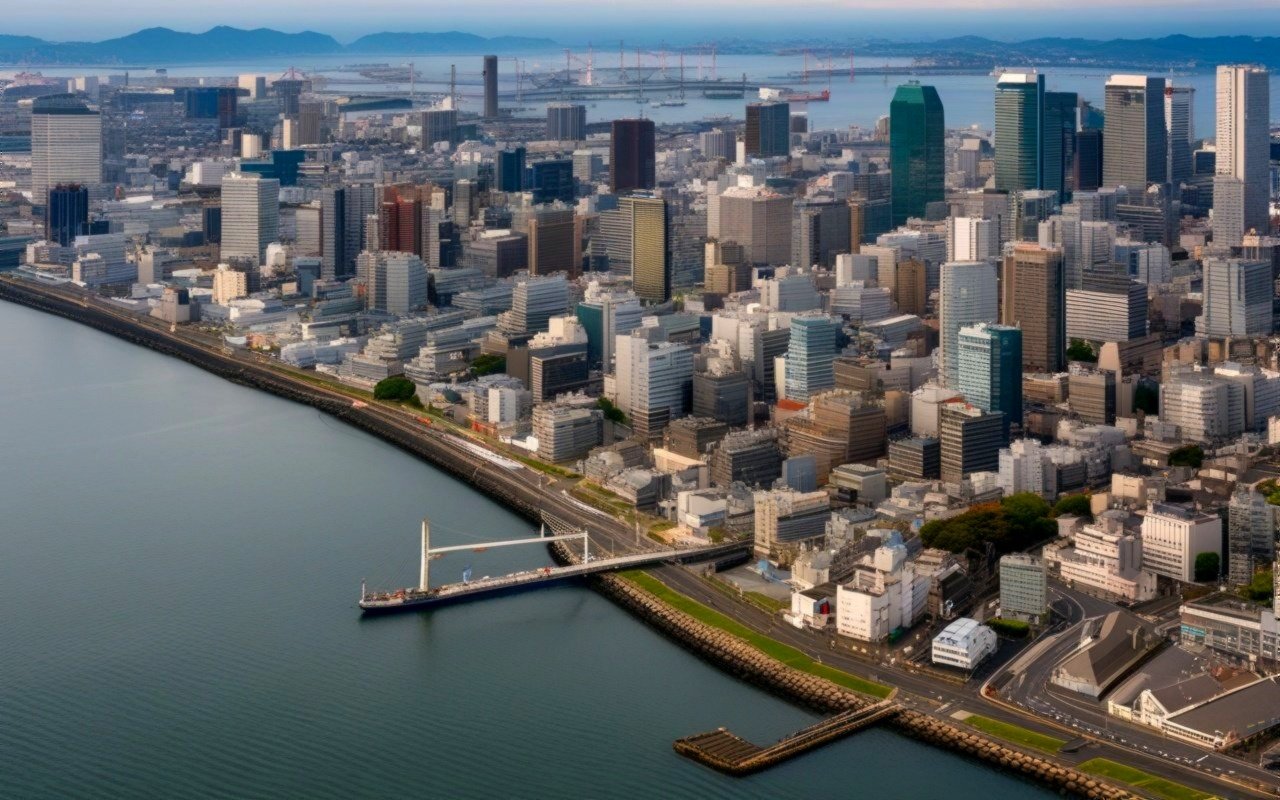
Most tourists stick to Minato Mirai and Chinatown. But Yokohama’s western waterfront — from Daikoku Pier to Honmoku — has some of the best sunset views in the city. The Yokohama Hakkeijima area has a quiet walking path that follows the coast, with views of Tokyo Bay and the Rainbow Bridge.
How to get there: Take the Keikyu Line to Shin-Hakkeijima Station. Walk south along the coast for 20 minutes. The path is unmarked but follows the water.
The Ramen Street Nobody Talks About
Yokohama’s famous Ramen Museum gets all the attention, but the real iekei ramen scene is in Tsurumi. This working-class neighborhood has dozens of family-run ramen shops that have been serving the same recipes for 30 years.
My recommendation: Head to Tsurumi Station and walk south along the main street. Look for shops with handwritten menus and plastic food displays. These are the real deal.
Kamakura: Quiet Temples
The Temple with No Guidebook Listing
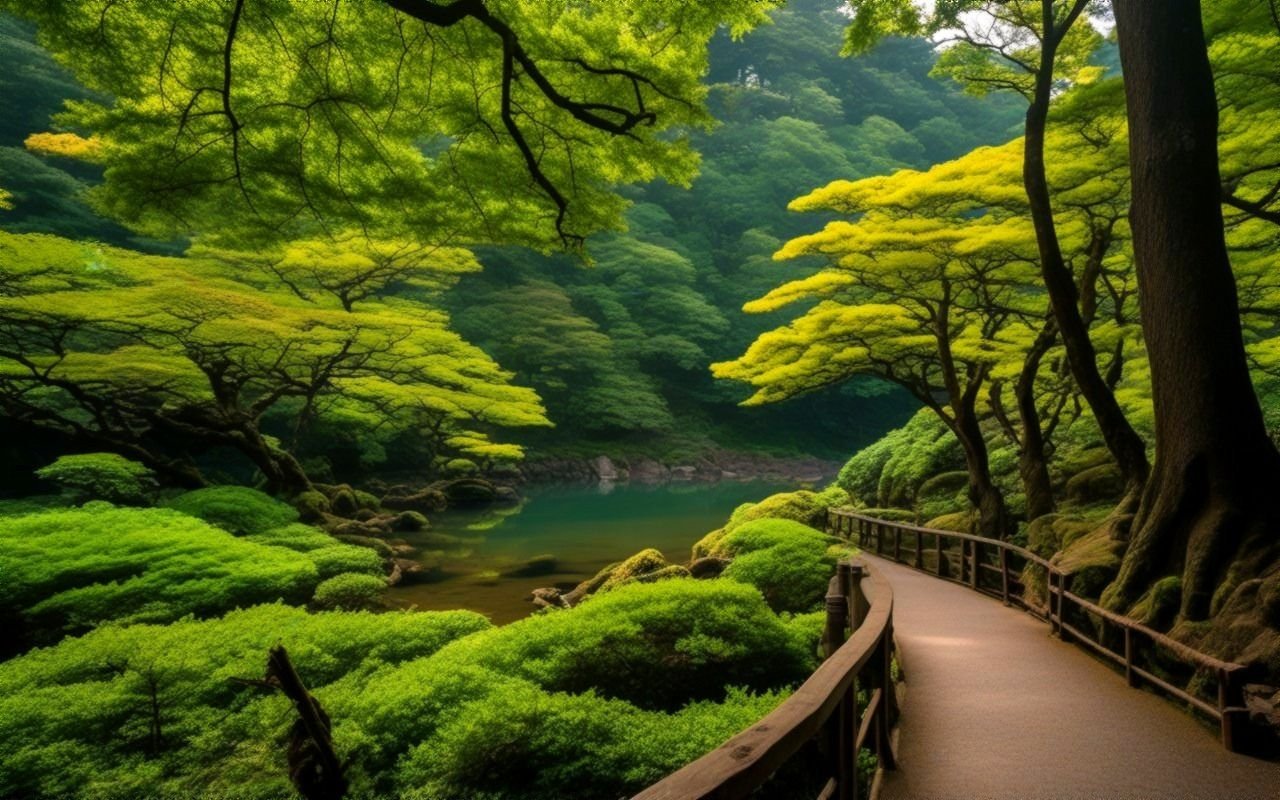
There’s a small temple called Ankokuron-ji, perched on the hillside behind Kenchoji. Most tourists never find it because it’s not on any major walking route — though Kamakura’s hidden temples are worth exploring as a whole. The temple has a moss garden that’s stunning in the rainy season, and on clear days you can see Sagami Bay from the grounds.
Access: From Kenchoji, take the trail behind the temple grounds heading uphill. Follow the signs (mostly in Japanese) for about 15 minutes. The temple is usually empty even during peak season.
The Beach Nobody Knows About
Inamuragasaki Beach gets all the attention, but just around the headland there’s a tiny cove called Irenai Beach. It’s only accessible by a narrow path through the rocks, which keeps the crowds away. The water is crystal clear, and you can see fish swimming around the rocks. Tip: Go at low tide for the best experience, Bring water shoes — the rocks can be sharp.
Hakone: Beyond the Tourist Trail
The Onsen Nobody Can Find
Deep in the Sengokuhara area, there’s a small ryokan called Horai Onsen that doesn’t appear on most booking sites — but Hakone’s hidden hot springs are full of similar finds. The water comes directly from the volcanic source, and the outdoor bath has views of the surrounding forest. It’s been run by the same family for three generations.
How to find it: From Gora Station, take the Hakone Tozan Bus toward Sengokuhara. Get off at the last stop and walk north for 10 minutes. Look for a wooden sign with Japanese characters.
The Hiking Trail with Mountain Views
Most Hakone hiking guides focus on the trails around Lake Ashi. But the Daigataki Falls trail, starting from Miyanoshita, offers some of the best mountain views in the area. The trail follows a stream through old-growth forest, passing three waterfalls before reaching a viewpoint that looks out over the Hakone caldera. Duration: About 3 hours round trip. Moderate difficulty.
The Secret Soba Shop
Tucked away on a residential street in Miyanoshita, Soba-dokoro Hiranuma serves handmade soba using buckwheat grown in the Hakone highlands. There is no sign in English — just a wooden noren curtain and the sound of soba being cut inside. The owner, a former Tokyo chef, moved to Hakone 20 years ago to pursue his craft in the mountains.
- Menu: Just two items — cold soba (zaru soba, ¥1,200) or hot soba (kake soba, ¥1,300)
- Hours: 11:30-2:30 PM, closed Wednesdays and Thursdays
- Seating: 8 counter seats only — expect to wait on weekends
- Location: 5 min walk from Miyanoshita Station, follow the stream uphill
Shonan: Beyond the Beaches
The Surf Spot That Doesn’t Make the Guides
Everyone heads to Shonan Beach or Kamakura’s coast for surfing. But the break at Chigasaki’s Southern Beach — specifically the area near the Chigasaki Fishing Port — offers consistent waves with 80% fewer people than popular spots like Yuigahama. The locals are welcoming to visitors who show基本的なエチケット (basic surfing etiquette). Best time: Early morning (6-9 AM) on weekdays during autumn (September-November) when the swell is most consistent. Access: 15 min walk from Chigasaki Station (JR Tokaido Line).
The Café That Time Forgot
In the backstreets of Fujisawa, Cafe Rokumeikan has been serving hand-drip coffee since 1972. The owner, now in his 80s, still roasts his own beans in a small roaster behind the counter. The interior hasn’t changed since the Showa era — velvet chairs, jazz records, and a cat that sleeps on the counter.
- Coffee: ¥450 (single origin), ¥550 (blend) — served with a small sweet
- Hours: 10:00-18:00, closed Sundays
- Location: 8 min walk from Fujisawa Station south exit
- Why it’s secret: It doesn’t appear on Google Maps in English, and the sign is in Japanese only
Miura Peninsula: Wild Coastline
The Lighthouse with Sunset Views
Jogashima‘s lighthouse is well-known, but most visitors don’t know about the walking path that leads to a secluded lookout point just south of the lighthouse. From here, you can watch the sun set over Sagami Bay with Mount Fuji in the background on clear days. Best time: Arrive about 30 minutes before sunset, Bring a blanket and snacks.
The Fishing Village Restaurant
In the fishing village of Misaki, there’s a tiny restaurant called Maruyo that serves the freshest maguro (tuna) in Kanagawa. The owner buys directly from the morning auction at Misaki Port. The set meals are incredible value — you can get a full tuna course for under ¥3,000.
Tip: Go for lunch. The restaurant is only open until 2 PM and closes when they run out of fish.
Practical Tips for Finding Local Spots
- Ask convenience store staff — They know the neighborhood better than anyone
- Follow elderly locals — They know where the best food and views are
- Look for handwritten signs — These usually indicate family-run establishments
- Visit on weekday mornings — Even “secret” spots get busy on weekends
- Learn a few Japanese phrases — “Osusume wa nan desu ka?” (What do you recommend?) opens doors
Getting Around Kanagawa
Kanagawa is easy to navigate by train. The JR Yokosuka Line connects Tokyo to Kamakura and beyond. The Odakyu Line runs to Hakone. The Keikyu Line covers Yokohama and the Miura Peninsula. For flexible exploring, consider renting a bicycle — especially in the Shonan area.
🗺️ More Hidden Spots Worth Seeking Out
Beyond the main hidden spots covered above, here are a few more local secrets that didn’t fit in the main sections:
Yokohama: The Rooftop Garden at Sogo Department Store
On top of Sogo Yokohama (directly connected to Yokohama Station), there’s a free rooftop garden with panoramic views of the city. It’s rarely crowded — office workers use it during lunch breaks, but tourists almost never find it.
- Access: Take the elevator in Sogo to the top floor
- Hours: 10:00 AM – 8:00 PM
- Best time: Sunset for city light views
- Facilities: Benches, planters, a small playground
Kamakura: The Bamboo Grove Without Crowds
While everyone queues for photos at Tenryuji’s bamboo grove in Kyoto, Kamakura has its own quiet bamboo grove at Hokokuji Temple. The bamboo is just as tall and the path is just as photogenic — but you’ll share it with maybe 5-10 other people instead of 100.
- Access: 15 min walk from Kamakura Station
- Admission: ¥200
- Best time: 9:00 AM opening
Hakone: The Free Forest Walk
Between Kowakudani and Miyanoshita stations, there’s a 2-kilometer forest walking trail called the “Kowakudani Nature Trail” that follows a mountain stream. It’s completely free, takes about 30-40 minutes, and passes small shrines and moss-covered stone walls.
- Access: From Kowakudani Station, follow the signs for “Kowakudani Nature Trail”
- Difficulty: Easy (mostly flat)
- Best season: Spring (fresh green leaves) or autumn (fall colors)
Frequently Asked Questions
Q: Is there a best time of day to visit?
A: Early mornings (before 10 AM) are ideal for experiencing attractions with minimal crowds and optimal lighting for photography. Late afternoons (after 3 PM) also offer good conditions as tour groups depart. Midday hours (11 AM-2 PM) are the busiest across most destinations in Kanagawa.
Q: Which train line should I take to get there?
A: Multiple train lines serve different parts of Kanagawa from Tokyo. The JR Tokaido Line, Odakyu Line, Keikyu Line, and Shonan-Shinjuku Line all provide access. The best route depends on your starting point in Tokyo. Smartphone navigation apps provide real-time route guidance.
Q: Is this destination manageable as a day trip from Tokyo?
A: Yes, all destinations in this guide work well as day trips. Plan to arrive by late morning to see the main highlights. For a relaxed pace including lunch and optional detours, allow 6-8 hours. If you have more time, extending your stay overnight lets you explore at a leisurely pace and enjoy evening attractions.
Q: Can I visit this destination as a day trip from Tokyo?
A: Yes, most destinations in Kanagawa are accessible as day trips from Tokyo. Travel times range from 30 minutes to 2 hours depending on the specific location. However, staying overnight allows you to experience the area at a more relaxed pace and enjoy evening attractions.
- Kanagawa Prefecture Tourism Official Site — Official tourism information for all areas covered
- Japan National Tourism Organization (JNTO) — General Japan travel information
- Kamakura Tourism Association — Kamakura-specific visitor information
Kanagawa is full of hidden spots that never make it into guidebooks — secret viewpoints, quiet temples, local-only restaurants, and uncrowded beaches. The key to finding them is going beyond the tourist trail: explore side streets, ask locals for recommendations, and visit on weekday mornings. Whether you are discovering Yokohama’s waterfront secrets, Kamakura’s hidden temples, Hakone’s off-the-beaten-path onsen, or Miura’s wild coastline, the best experiences are often the ones you find yourself. Start your exploration: Yokohama Local Secrets · Kamakura Hidden Temples · Hakone Hidden Hot Springs
Recommended Itinerary
Half-Day Plan (4-5 hours)
Start your visit in the morning when attractions are less crowded. Begin with the main highlight of the area, allowing 1-2 hours for exploration. Continue to a nearby attraction or scenic spot, then enjoy lunch at a local restaurant (budget around ¥1,000-1,500 per person for a satisfying meal). Spend your remaining time exploring local shops or walking through the area before heading back.
Full-Day Plan (8-10 hours)
Arrive early (around 9 AM) to make the most of your day. Spend the morning hours exploring 2-3 main attractions. Stop for lunch at a recommended local eatery. In the afternoon, visit additional sights or take a short hike/walk to enjoy the natural scenery. End your day with dinner at a local restaurant and, during summer months, stay for evening illuminations or fireworks if available.
Family-Friendly Plan
Traveling with children requires a more relaxed pace. Plan for one major attraction in the morning, followed by a long lunch break. Include a playground or open space where children can run around. Consider returning earlier if traveling with young children, as many areas involve significant walking.
Budget Breakdown
Budget Plan (¥3,000-5,000 per person)
- Transportation: Use public transportation with an IC card (Suica/Pasmo). A day pass may save money if visiting multiple locations.
- Meals: Eat at convenience stores (konbini) or local casual restaurants. Set lunch menus offer good value.
- Activities: Focus on free attractions such as temples, shrines, and scenic walks. Paid attractions can be limited to one main site.
Mid-Range Plan (¥8,000-12,000 per person)
- Transportation: Combination of train and bus. Consider discount passes.
- Meals: Enjoy a nice lunch at a sit-down restaurant and try local specialties (¥1,000-2,000 per meal).
- Activities: Visit 2-3 paid attractions and consider a local food tasting experience.
Tips for Saving Money
- Purchase combination tickets or discount passes when available
- Bring your own water bottle — there are water fountains at major stations
- Eat lunch before the peak 12:00-1:00 PM rush to avoid queues
- Visit on weekdays when some attractions offer discounts
🌟 Local Tips
- Ask Locals: Don’t hesitate to ask shopkeepers or staff for recommendations — they often know the best spots that aren’t in guidebooks.
- Try Seasonal Specials: Many restaurants offer seasonal menus using local ingredients. These limited-time offerings are often the best representation of local cuisine.
- Photography Etiquette: Always ask before taking photos inside shops, restaurants, or of people. Some temples and museums prohibit photography entirely.
- Stay Hydrated: Especially during summer months, carry water with you, Vending machines are everywhere but can be expensive compared to buying from supermarkets.
- Emergency Numbers: Save the Japan Helpline (0570-000-911) and your country’s embassy contact information before your trip.
Conclusion
The details in this guide come from real visits, and the biggest lesson I took away was that the best experiences in Kanagawa rarely fit neatly into a checklist. During my visit I went with a rough plan and found that leaving room to wander made the trip far more memorable. Plan the essentials, keep your schedule flexible, and you will leave Kanagawa wanting to return.