
Hakone Hidden Hot Springs
 Guide 2026
Overview
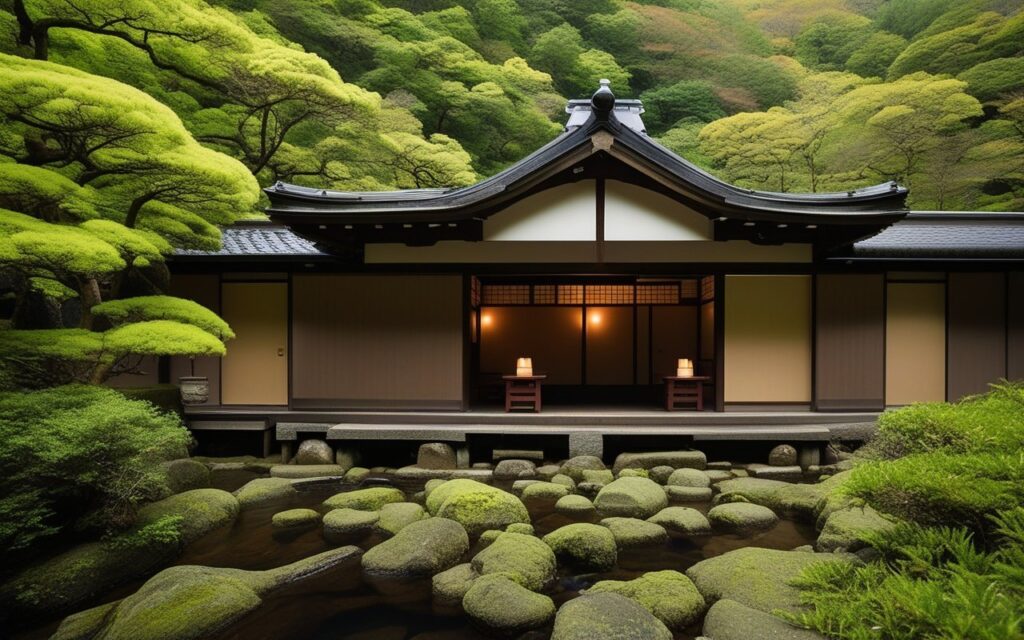
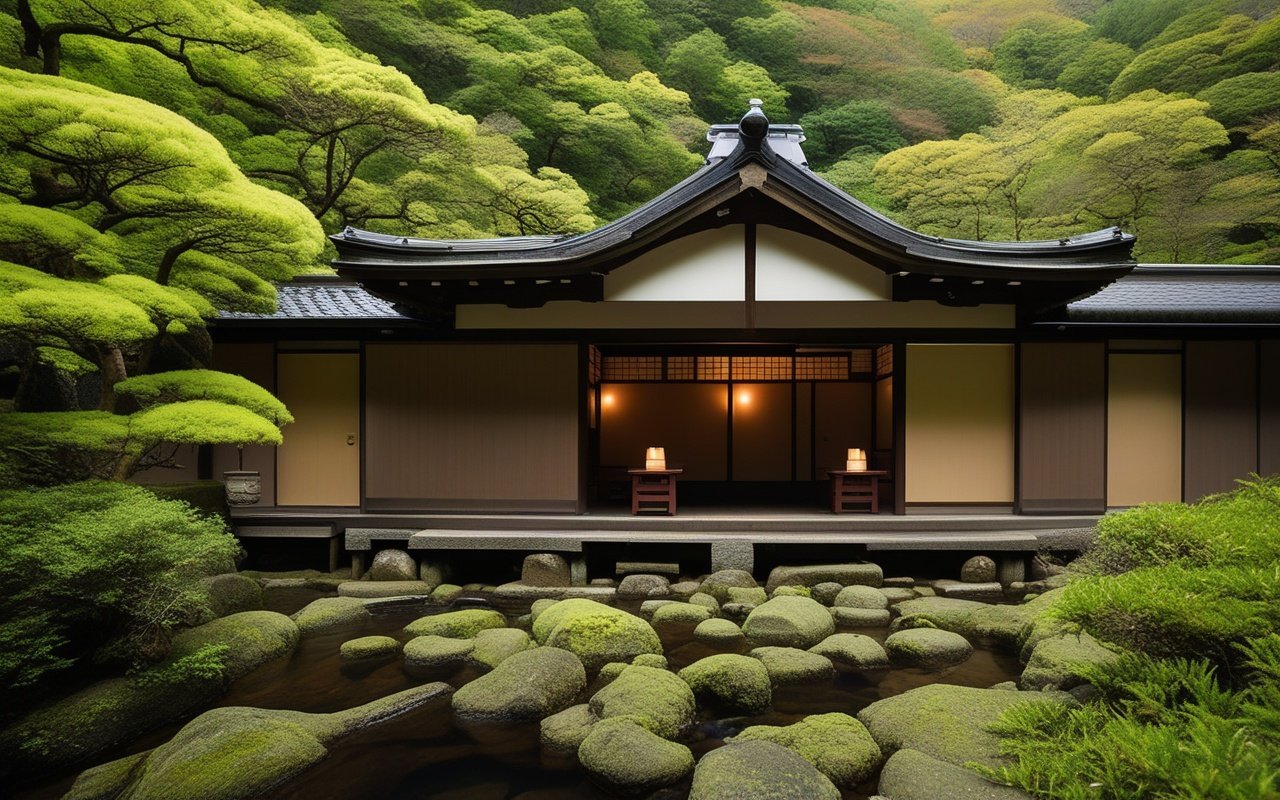
I visited Hakone’s secret hot springs on a quiet weekday morning and discovered two lesser-known spots. I went to each one and spent hours soaking in the mineral-rich waters — an unforgettable experience tucked away from the tourist crowds. The first was a small riverside rotemburo where I soaked while listening to the water rush by. For more onsen options, see our complete Hakone onsen guide.
Tattoos, stigma, and honest planning
Tattoo policies loosened at many Kanagawa baths yet remain uneven in small ryokan. Email photos of tattoo size if unsure, Covering small pieces with waterproof patches sometimes satisfies conservative owners; large irezumi may still face refusal. Treat refusal as business risk management rather than personal attack, then pivot to another property that advertises acceptance.
Mixed-gender konyoku myths
True mixed baths are rare and shrinking. Some historic konyoku require women-only hours or appointment-only access. Never assume mixed means casual; staff may still segregate by time. Read schedules literally.
Accessibility and steep paths
Hidden often equals stairs. Mobility-limited travelers should confirm elevator routes to changing rooms before paying. Stone steps grow slick in steam; use handrails even when pride resists.
Hydration, alcohol, and faint risk
Onsen dehydrate subtly, Drinking beer in baths is culturally visible in old films yet discouraged medically and often banned by posted rules now. Rehydrate with water between rotations. If dizzy, exit slowly, sit on a plastic stool, cool forehead with tap water.
Skin care after sulfur soaks
Rinse chlorine or sulfur before returning to hotel white towels; some fabrics yellow. Pack unscented lotion for after; heavily perfumed creams can irritate heat-opened pores.
Children and family tubs
Some properties offer kazoku-buro private family slots bookable hourly. Public baths expect children to stay quiet and supervised. Diapers never enter baths; use changing tables outside wet zones.
Noise discipline in wooden buildings
Floors creak. Walk softly in corridors. Whisper in changing rooms because sound travels through vent slots.
Seasonal strategy
Autumn leaves crowd popular decks; hidden baths still fill yet less catastrophically. Summer brings insects near forest tubs; apply repellent after bathing, not before, to avoid contaminating water chemistry conversations with oily films. Winter snow patterns can close narrow roads suddenly; check hotel dashboards before driving rental cars up steep approaches.
Clothing and modesty transitions
Modesty towels cover front walks between indoor and outdoor segments. Practice folding before your trip if videos help. Never let towel touch water if rules forbid it; some baths allow small cloth on head only.
Foot cleaning zones
Always scrub feet at entrance showers before stepping toward tubs, Skipping this step insults everyone who shares water chemistry balance.
Shampoo and soap placement
Wash completely seated on stools before entering shared tubs. Rinse thoroughly; leftover foam enrages locals quietly until staff intervene.
Timing with ropeways and boats
If you schedule a bath between ropeway legs, leave buffer for cooldown walks, Sweating heavily then plunging stresses circulation. Shower lightly first.
Language cards for medical conditions
Carry Japanese text describing pregnancy, hypertension, or open wounds that should avoid communal baths. Staff appreciate clarity.
Photography ethics outside baths
Even exterior building photos can include other guests in windows. Step back angles carefully.
Cash, coin lockers, and small change
Rural desks still prefer yen. Lockers may require 100-yen coins returnable on exit.
Towel rental economics
Buying a branded towel supports small inns; renting repeatedly adds cost across multi-day trips.
Extended soaks versus rotation therapy
Some therapists recommend short repeated dips instead of one marathon soak. Experiment safely.
Post-bath snacks
Onsen eggs and milk bottles appear at shops; moderation helps blood pressure.
Misconceptions
Clear water is not always “weaker”; colorless springs can be highly mineralized. Another myth claims hidden means illegal; legitimate businesses display permits.
Sustainability and water sources
Springs are finite resources monitored by local associations. Shorter showers before baths help infrastructure.
Linking hikes and baths
After hiking, remove trail grit thoroughly before bathing. For trail ideas, see Hakone hiking trails for beginners.
Clothing rental at some modern hybrids
Some newer facilities rent yukata sets for photos; traditional hidden ryokan may frown on excessive staging. Ask.
Quiet conversation topics
Locals enjoy weather talk, train punctuality jokes, and food recommendations more than politics in steam rooms.
When to skip communal baths
Open wounds, heavy colds, or heavy intoxication mean you should abstain politely.
Returning to Tokyo same day
Pack dry layers loosely; shinkansen seats feel better without damp hair against headrests.
Final perspective
Hidden Hakone onsen reward travelers who value water chemistry, quiet wood, and careful manners more than Instagram proof. Soak slowly, thank staff quietly, and let sulfur scent remind you that geology, not marketing, built this tourism town.
Ashinoyu versus Gora microclimates for bathers
Ashinoyu sits deeper in a side valley where evening fog lingers longer than around Gora cable car hubs, That moisture changes how quickly your skin cools after exiting rotenburo, which matters if you walk barefoot across cold decking, Bring dry socks to pull on immediately after drying feet; slipping on wet socks traps fungus risk. Gora’s slightly higher foot traffic means some small baths refresh water chemistry more aggressively; you might notice sharper chlorine traces where secondary disinfection systems supplement mineral flow. Neither pattern is good or bad, yet naming the difference helps you choose properties aligned with your sensory preferences.
Reading Japanese-only pricing boards
Weekday discounts sometimes appear only on wall kanji without English duplicates. Photograph the board politely, translate offline, then confirm at the desk before undressing. Half-day packages may include a snack; declining food does not always reduce price if bundled legally for tax reasons.
Gender rotation boards and kanji pitfalls
Large characters 男 and 女 swap positions on schedules. Arrive ten minutes early during rotation windows to avoid standing awkwardly wrapped in towels while cleaners finish. If uncertain, ask staff verbally; pointing at your wristwatch communicates time questions across languages.
Quiet solo travel advantages
Solo travelers sometimes receive last-minute cancellations of private tub slots because couples rebook. Politely ask whether a wait list exists rather than hovering visibly impatient.
Partner travel and modesty negotiation
Mixed-gender private rentals remove anxiety for some pairs yet cost more. Compare hourly rates against public rotation frustration before booking.
Onsen and jewelry
Silver tarnishes in sulfur; remove rings when possible. Cheap alloys may stain skin green briefly; rinse with fresh water.
Contact lenses and steam
Steam softens lenses; bring rewetting drops or glasses for exit walks in cold air.
Hair dye and public baths
Heavy dye bleed can violate house rules; rinse at hotel showers first if you recently colored hair.
Hearing accessibility
Echoing tile rooms challenge hearing-aid users; lower volume settings before entering wet zones risking device moisture unless waterproof rated.
Glasses fog management
Anti-fog wipes help short-sighted guests navigate locker numbers.
Post-earthquake etiquette
After regional tremors, some baths close for pipe inspection even if buildings look intact. Check official hotel sites rather than third-party apps that lag.
Volcanic gas advisories near geothermal fields
When Owakudani sulfur warnings spike, some ridge-line baths adjust ventilation. Trust staff if they shorten hours; gas chemistry is not performative drama.
Long-stay ryokan loyalty perks
Third-night guests sometimes unlock later rotenburo windows. Ask politely without entitlement tone.
English brochures versus reality
Marketing photos use winter steam at golden hour; your summer midday soak may look visually plain yet feel physiologically restorative. Adjust expectations.
Bathing after tattoos laser removal
Doctors often ban communal soaking during healing; obey medical advice over vacation sunk costs.
Menstruation and personal comfort
Some travelers avoid shared baths during heavy flow days for personal comfort even when rules do not forbid entry; private rentals reduce stress.
Elder respect queues
Offer seats in waiting areas; yield shower stools if elders arrive with canes.
Smartphone storage discipline
Phones belong in lockers, not hidden in towel wraps. Staff know the tricks.
Sandal sizing at entries
Plastic slippers run small; ask for larger pairs early before stock scatters.
Post-soak clothing order
Dry top half first in humid rooms to avoid chilling kidneys while legs still damp.
Tea service timing
Some inns serve tea after baths; caffeine sensitivity matters before sleep.
Night sky rotenburo ethics
Star photography from private tubs still risks neighbor windows; keep lights off phone screens dim.
Extended vocabulary for polite questions
Memorize short phrases like “Is photography forbidden?” and “May I enter now?” even if pronunciation wobbles; effort counts socially.
Closing logistics with luggage-forward services
If forwarding bags via takkyubin, confirm ryokan receives them before you soak without wallet access.
Why hidden baths protect local life
Lower traffic preserves sleep schedules for neighbors who are not tourism staff. Honor quiet hours walking back to stations.
Pairing with conservative dress outside
After deep soaks, modest street clothing reduces chilly drafts through mountain towns.
Thanking staff culturally
Small bows at exit desks match tone better than loud exuberant tipping.
Future outlook on konyoku access
Demographic shifts may further reduce mixed baths; visit thoughtfully while they still exist legally and consensually.
Closing reminder
Water remembers manners longer than marketing slogans. Leave each hidden bath cleaner in spirit than you found it.
Tips
A few things I learned while researching exploring Hakone for its spring: start early to beat the crowds, check opening days in advance, and carry a little cash for smaller shops and entry fees. Comfortable shoes make a bigger difference than most visitors expect, and an IC card such as Suica or Pasmo speeds up every train ride.
Frequently Asked Questions
Q: What time of year offers the quietest experience?
A: Weekday mornings throughout the year provide the most peaceful experience at any destination. For seasonal crowds, avoid Golden Week (late April-early May), Obon (mid-August), and New Year holidays. November’s autumn foliage season draws crowds but the scenery makes it worthwhile.
Q: Which train line should I take to get there?
A: Multiple train lines serve different parts of Kanagawa from Tokyo. The JR Tokaido Line, Odakyu Line, Keikyu Line, and Shonan-Shinjuku Line all provide access. The best route depends on your starting point in Tokyo. Smartphone navigation apps provide real-time route guidance.
Q: Is this destination manageable as a day trip from Tokyo?
A: Yes, all destinations in this guide work well as day trips. Plan to arrive by late morning to see the main highlights. For a relaxed pace including lunch and optional detours, allow 6-8 hours. If you have more time, extending your stay overnight lets you explore at a leisurely pace and enjoy evening attractions.
Q: Do I need any special skills or equipment to enjoy this destination?
A: Most attractions in this guide are accessible to visitors of all backgrounds and fitness levels. Well-maintained paths, clear signage, and English information make navigation easy. For activities requiring specific gear (hiking shoes, swimwear, etc.), recommendations are included in the relevant sections above.
After visiting Kanagawa across different seasons, I found that each season transforms the experience entirely — from spring cherry blossoms to autumn foliage.
Whether soaking in a forest rotemburo or enjoying a modern toji retreat, Kanagawa’s hot springs offer genuine relaxation in settings that range from rustic to refined. For a complete travel itinerary, check out our detailed Hakone guide.
Conclusion
Whether you are planning exploring Hakone for its spring for the first time or returning for another visit, taking a little extra time to go beyond the obvious sights makes all the difference. During my visit to Hakone I went with a rough plan and found that leaving room to wander made the trip far more memorable. I hope this guide helps you build an itinerary that fits your pace, and that your time in Kanagawa leaves you with memories worth coming back for.