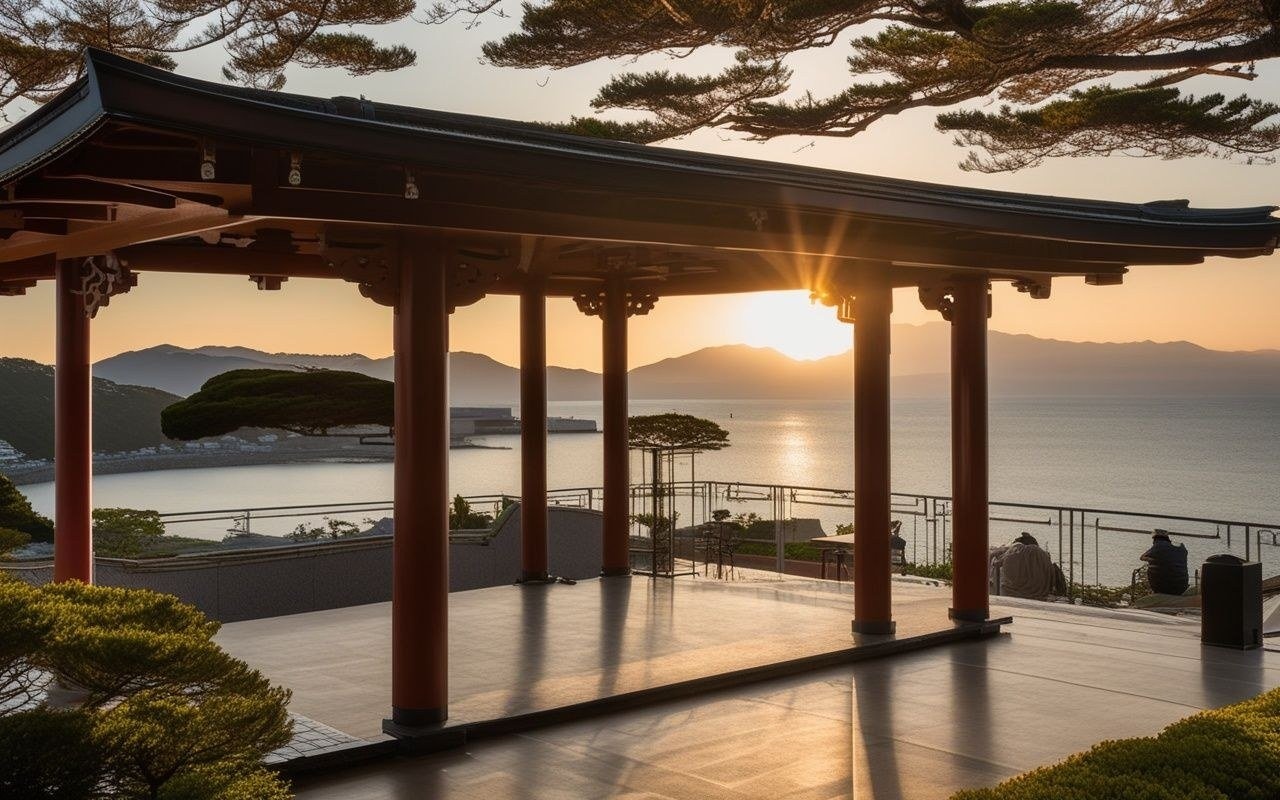
Overview
Getting There
The Zushi-Hayama coast is easily accessible by public transport:
| Route | Duration | Cost | Notes |
|---|---|---|---|
| Tokyo Station → JR Yokosuka Line → Zushi Station | 60 min | ¥1,040 | Direct train, no transfers |
| Shinjuku → JR Shonan-Shinjuku Line → Zushi Station | 65 min | ¥1,040 | Direct, convenient for west Tokyo |
| Yokohama Station → JR Yokosuka Line → Zushi Station | 25 min | ¥420 | Shortest journey |
| Kamakura → Zushi | 5 min | ¥170 | Easy side trip from Kamakura |
From Zushi Station, most marine rental shops are a 5–15 minute walk or short bus ride to the beach. A bicycle is the best way to explore multiple spots — rental shops near the station offer bikes for ¥1,000–1,500/day. 📖 Related: Hayama Hidden Beaches Guide · Zushi Hidden Beach Cafes · Shonan Surfing Guide
Activities by Skill Level
🟢 Beginner-Friendly (No Experience Needed)
1. Stand-Up Paddleboarding (SUP)
SUP is the most accessible marine activity on this coast. The sheltered waters of Zushi Beach and Isshiki Coast provide calm conditions ideal for first-timers.
| Rental Shop | Location | Price | Hours | Gear Included |
|---|---|---|---|---|
| Zushi SUP Club | Near Zushi Beach | ¥3,000/2hr | 9:00–17:00 | Board, paddle, life jacket |
| Hayama Paddle | Isshiki Coast | ¥3,500/2hr | 9:00–18:00 (summer) | Board, paddle, leash, dry bag |
| Beach House KAI | Zushi Beach (east) | ¥4,000/2hr (with lesson) | 9:00–17:00 | Beginner lesson included |
Best conditions: Calm mornings (8–11 AM) before the sea breeze picks up. Summer weekdays offer glassy water with minimal boat traffic.
📍 Pro tip: Start at Isshiki Beach — the water is shallower and the bay is better protected than Zushi Beach’s open stretch. Paddle east along the coast for views of the Imperial Villa’s forested grounds.
2. Kayaking (Sit-on-Top)
Sit-on-top kayaks are the most popular rental option and require no previous experience. The short crossing between Zushi Beach and Morito Bay is an ideal 30-minute route.
| Rental Shop | Location | Price | Duration |
|---|---|---|---|
| Zushi Marine Sports | Zushi Beach | ¥3,500 (single) / ¥5,000 (double) | 2 hours |
| Hayama Water Club | Hayama Marina | ¥3,000 (single) | 1.5 hours |
Recommended route: Paddle from Zushi Beach south along the coast toward Morito Bay (2 km, ~30 minutes). Stop at Morito Beach for a break, then paddle back. The coastal views of the Miura Peninsula hills are excellent.
3. Snorkeling
Snorkeling is best at the rocky edges of Shibasaki Beach and around the Chojagasaki promontory. Water visibility ranges from 5–10 metres on calm summer days.
Best spots:
- Shibasaki Beach — Rocky shelves with small fish, hermit crabs, sea anemones. Go at low tide for the warmest, clearest pools.
- Chojagasaki — Rocky coves with better fish variety but stronger currents. Stay close to shore.
- Morito Shrine island — The channel between the shrine island and mainland has some marine life but limited visibility. Rental: Snorkel sets are available at Zushi Marine Sports (¥1,000/day). Bring reef shoes — the rocks are sharp.
4. Beach Swimming
| Beach | Swimming Quality | Lifeguards | Facilities | Best For |
|---|---|---|---|---|
| Zushi Beach | ⭐⭐⭐⭐ Good | ✅ July–August | Beach houses, showers | Families, casual swimmers |
| Isshiki Beach (Hayama) | ⭐⭐⭐⭐⭐ Excellent | ✅ July–August | Blue Moon beach club, showers | Best all-round beach |
| Morito Beach (Hayama) | ⭐⭐⭐⭐ Good | ✅ July–August (limited) | Beach huts, toilets | Sunset swimming |
| Shibasaki Beach | ⭐⭐ Limited | ❌ No | None | Tide pooling, not swimming |
| Chojagasaki | ⚠️ Strong currents | ❌ No | None | Advanced swimmers only |
🟡 Intermediate (Some Experience Recommended)
5. Sailing & Yachting
Hayama has been a sailing destination since the 1960s. The Hayama Marina and Morito Bay are the centers of sailing activity, with consistent afternoon seabreezes from April through October.
| School / Charter | Type | Price | Duration | Requirements |
|---|---|---|---|---|
| Hayama Yacht Club | Dinghy sailing | ¥8,000 (half-day lesson) | 3 hours | No experience needed for beginner course |
| Hayama Marina Sailing School | Keelboat (J/24) | ¥15,000 (full-day charter with skipper) | 6 hours | Basic fitness |
| Shonan Sailing | Catamaran | ¥10,000/person (group lesson) | 2 hours | No experience needed |
Best season: October–April for the most consistent wind and clearest views of Mt. Fuji across Sagami Bay. Summer offers lighter wind suitable for beginner lessons. 📖 Related: Hayama Accommodation Guide — stay overnight after a sailing day
6. Windsurfing
Windsurfing is popular at Isshiki Beach and Zushi Beach, where the afternoon seabreeze (12–16 knots in summer) creates good planing conditions.
| School / Rental | Price (Rental) | Lesson Price | Board Types |
|---|---|---|---|
| Zushi SUP Club | ¥4,000/2hr | ¥6,000/2hr lesson | Beginner-friendly wide boards |
| Hayama Wind | ¥5,000/half-day | ¥8,000/2hr lesson | Freeride, freestyle boards |
Best for: Intermediate to advanced windsurfers who want consistent afternoon wind without the crowds of Enoshima. Beginners should book a lesson.
7. Fishing Charters
The waters off Zushi and Hayama are rich fishing grounds, with the Miura Peninsula’s underwater topography attracting a variety of species.
| Charter | Type | Price | Duration | Target Fish |
|---|---|---|---|---|
| Zushi Fishing | Shore + boat | ¥8,000 (half-day boat) | 4 hours | Sea bream, flounder, horse mackerel |
| Hayama Sport Fishing | Boat (max 6 guests) | ¥12,000 (half-day) | 4 hours | Yellowtail, sea bass, mackerel |
| Morito Shore Fishing | Shore only (guide) | ¥5,000 (3 hours) | 3 hours | Rockfish, bream |
Seasonal catch:
- Spring (April–May): Sea bream (tai) — peak season
- Summer (June–August): Horse mackerel (aji), mackerel (saba)
- Autumn (September–November): Yellowtail (buri), sea bass (suzuki)
- Winter (December–March): Rockfish (mebaru), flounder (karei) Requirements: Fishing license required for boat charters (arranged by the charter company). Shore fishing in designated areas is free.
🔴 Advanced (Experienced Only)
8. Open Water Swimming
The Zushi–Hayama coast is a training ground for open water swimmers, particularly the 2 km crossing between Zushi Beach and Morito Bay. Route: Zushi Beach → Morito Bay (2 km, ~40–60 minutes depending on conditions)
⚠️ Important:
- Swim only on calm days with no offshore wind
- Wear a brightly colored swim buoy for visibility
- Go with a buddy — currents can be stronger than they appear
- Check tide tables: outgoing tide creates a slight north-to-south drift
- Best conditions: June–September, early morning (6–9 AM)
9. Scuba Diving
Diving in Sagami Bay is limited by visibility (typically 5–12 metres) but offers interesting macro life and easy shore access.
| Dive Shop | Type | Price (2-tank) | Tanks Included | Best Season |
|---|---|---|---|---|
| Shonan Dive Center | Shore diving (Chojagasaki) | ¥12,000 | ✅ Air fills | June–October |
| Hayama Dive | Boat diving | ¥18,000 | ✅ Air fills | July–September |
Marine life: Octopus, lionfish, sea slugs, moray eels, and occasional sea turtles. The rocky reefs at Chojagasaki are the most reliable shore diving spot.
10. Offshore Kayaking (Sea Kayak)
Experienced kayakers can paddle the full 6 km stretch from Zushi Beach down to Chojagasaki and back. This is a 3–4 hour trip requiring good fitness and awareness of wind conditions.
Route: Zushi Beach → Isshiki → Morito → Chojagasaki (round trip: ~12 km)
Best conditions: Calm mornings with forecast wind under 10 knots
Rental: Hayama Water Club offers sea kayaks (¥5,000/half-day) for experienced paddlers
Seasonal Guide
| Season | Water Temp | Best Activities | Crowd Level |
|---|---|---|---|
| Spring (Mar–May) | 14–19°C | Sailing, SUP, shore fishing, cycling | Low |
| Summer (Jun–Aug) | 21–27°C | Swimming, SUP, kayaking, snorkeling, windsurfing | High (weekends) |
| Autumn (Sep–Nov) | 20–16°C | Sailing, SUP, fishing, kayaking | Low |
| Winter (Dec–Feb) | 14–12°C | Sailing (best wind), shore fishing, photography | Very low |
Ideal months for water sports: June (warm + uncrowded) and September (warm + quiet after Obon). July–August has the warmest water but the most people on weekends.
Safety & Etiquette
Marine Safety
| Hazard | What to Watch For | How to Avoid |
|---|---|---|
| Afternoon seabreeze | Wind picks up around 1–2 PM, strongest 3–5 PM | Paddle/swim in mornings; afternoon is fine for sailing |
| Boat traffic | Fishing boats, pleasure craft near Hayama Marina | Stay inside marked swimming zones; wear bright colors |
| Jellyfish | Some years have higher numbers (August) | Check with beach huts, wear a rash guard |
| Strong currents | Around Chojagasaki and the Morito shrine island | Don’t swim alone at unsupervised beaches |
Responsible Marine Recreation
- Carry out all trash — fewer bins than public beaches, pack your own bag
- Respect fishing boats — give them wide berth, don’t paddle through active fishing lines
- No drones over beaches during summer (privacy concerns for beachgoers)
- Shower before entering the water at Isshiki and Zushi Beach (¥100 showers available)
- Marine protected areas: Some rocky areas near Chojagasaki are monitored — do not remove marine life
What to Bring
Essential:
- Sunscreen (SPF 30+, water-resistant)
- Water shoes / reef shoes (essential for snorkeling and Chojagasaki)
- Rash guard or UV-protective swimwear
- 2 L water minimum (beachfront vending machines available at Zushi only)
- Dry bag for valuables
- Cash (most rentals and beach huts are cash-only)

Recommended:
- Snorkel mask (rental quality varies)
- Waterproof phone case
- Beach umbrella (limited natural shade at Isshiki)
- Towel and change of clothes
- Small cooler with snacks
Activity & Rental Summary
| Activity | Best Spot | Beginner Friendly | Rental Available | Avg. Cost (2hr) |
|---|---|---|---|---|
| SUP | Isshiki Beach | ✅ | ✅ | ¥3,000–4,000 |
| Kayaking | Zushi Beach → Morito | ✅ | ✅ | ¥3,000–5,000 |
| Snorkeling | Shibasaki / Chojagasaki | ✅ | ✅ (gear) | ¥1,000/day |
| Swimming | Isshiki Beach | ✅ | ❌ (bring own) | Free |
| Sailing | Hayama Marina | ⚠️ (lesson req.) | ✅ (charter) | ¥8,000–15,000 |
| Windsurfing | Isshiki Beach | ⚠️ (lesson req.) | ✅ | ¥4,000–5,000 |
| Fishing | Zushi / Hayama | ✅ (shore) | ✅ (charter) | ¥5,000–12,000 |
| Open Water Swim | Zushi → Morito | ❌ | ❌ | Free |
| Scuba Diving | Chojagasaki | ❌ | ✅ (gear) | ¥12,000–18,000 |
| Sea Kayak | Full coast | ❌ | ✅ (advanced) | ¥5,000/half-day |
Planning Your Day
Half-Day Morning (SUP + Beach)
| Time | Activity |
|---|---|
| 8:00 | Arrive Zushi Station, rent SUP gear |
| 8:30 | SUP paddle at Isshiki Beach (calm morning water) |
| 10:00 | Coffee break at Zushi Hidden Beach Cafe |
| 11:00 | Beach time at Isshiki — swimming, sunbathing |
| 12:00 | Lunch at Blue Moon beach club |
| 13:00 | Return gear, head back |
Full-Day (Sailing + Kayaking)
| Time | Activity |
|---|---|
| 9:00 | Arrive Hayama Marina, morning sailing lesson |
| 12:00 | Lunch at Morito beach area |
| 13:30 | Kayak rental from Zushi Beach → paddle to Morito |
| 15:00 | Snorkel break at Shibasaki |
| 16:30 | Sunset drink at Sunset Perch |
| 18:00 | Return to Zushi Station |
Tips
Practical notes from my trips to exploring Hayama: confirm the latest hours on the official website, buy tickets in advance when you can, and leave extra time for trains and walking between stops. Keeping your first day lighter also helps you enjoy the second day without feeling rushed.
Frequently Asked Questions
Q: Do I need to book marine rentals in advance?
A: Yes, especially on summer weekends. Weekday walk-ins are usually fine, but call ahead at least 1 day in advance for sailing charters and fishing boats. SUP and kayak rentals can often be booked on the day on weekdays.
Q: Are there changing facilities and showers at the beaches?
A: Isshiki Beach and Zushi Beach have paid showers (¥100–200). Morito Beach has basic facilities. Shibasaki and Chojagasaki have no facilities — come prepared.
Q: Can I bring my own kayak or SUP board?
A: Yes. There are no restrictions on private watercraft at any of these beaches. Launch from any public beach access point. Inflatable boards are popular for easy train transport. Explore Kanagawa and beyond with a private car and driver — door-to-door convenience from Tokyo
Q: Is the water safe for swimming in spring (April–May)?
A: Water temperature in April is 14–16°C, too cold for comfortable swimming unless you are used to cold water. May warms to 17–19°C, which some swimmers find acceptable. Full wetsuits make spring swimming possible.
Q: Which marine activity is best for families with children?
A: SUP on calm mornings at Isshiki Beach is excellent for families (tandem boards available). Kayaking (double kayak with a child) and beach swimming at Zushi Beach are also family-friendly options. Visit Hakoneen Aquarium on Lake Ashi — a family-friendly marine attraction perfect for rainy days
Q: Are English-speaking instructors available for sailing lessons?
A: Hayama Yacht Club has some English-speaking instructors on request. Hayama Marina Sailing School can arrange English support with advance notice (3+ days). Zushi SUP Club and Hayama Paddle staff speak basic English.
The Zushi-Hayama coast offers Kanagawa’s most diverse marine activity scene. From the calm SUP waters of Isshiki Beach to the serious sailing culture of Hayama Marina, this 6 km stretch of coast delivers genuine watersports experiences without the crowds of Kamakura or Enoshima.
Whether you are a first-time paddler, an experienced sailor, or a family looking for a beach day with activities, the quiet waters and professional rental shops along this coast make it one of Kanagawa’s best-kept outdoor secrets.
For a stress-free marine day:
- Go on a weekday (especially Monday–Thursday)
- Book rentals in advance during summer
- Start early (before 9 AM) for the calmest water
- Bring a dry bag, reef shoes, and plenty of water
- Combine with a cafe visit for the full Zushi-Hayama experience
Related: Hayama Hidden Beaches Guide · Zushi Hidden Beach Cafes · Shonan Surfing Guide · Hayama Accommodation Guide · Miura Peninsula Hiking Guide
Last Updated: July 11, 2026
Written by: Anaba OffJapan Editorial Team
Prices and schedules are subject to change. Check official websites before your visit.
I explored this activity across different seasons and found that each visit offered something new. What struck me most was the consistent quality of the experience.
Conclusion
The details in this guide come from real visits, and the biggest lesson I took away was that the best experiences in Hayama rarely fit neatly into a checklist. During my visit to Hayama I went with a rough plan and found that leaving room to wander made the trip far more memorable. Plan the essentials, keep your schedule flexible, and you will leave Kanagawa wanting to return.