
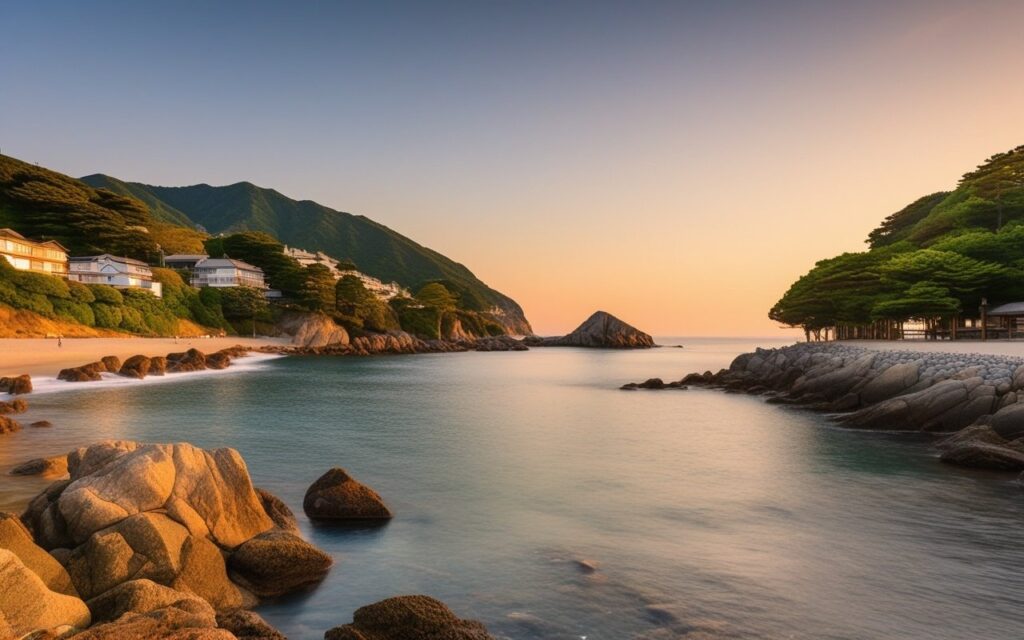
Hayama Hidden Beaches Guide 2026
Overview
Plan your perfect visit to Hayama Hidden Beaches Guide with this comprehensive destination guide, Covering everything from must-see attractions to practical travel tips, this guide helps you make the most of your time in Hayama. Whether you have a single day or an entire week, discover the best that this Kanagawa destination has to offer.
Introduction: Why Hayama’s Coastline is Different
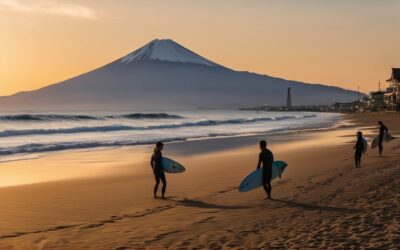
The Imperial Family’s Hayama Villa, located directly above Isshiki Beach, set the tone for the area a century ago. Rather than developing into a neon-lit resort, Hayama remained deliberately understated. The beaches have no towering hotels, no boardwalk arcades, no crowds of tour buses. What they offer instead is space, clean water, and views that have attracted artists, writers, and sailors for generations.
What Makes Hayama Beaches Special:
- Calm waters: Sagami Bay’s sheltered orientation means gentler waves than Pacific-facing beaches
- Mt. Fuji views: On clear days, the mountain floats across the bay — best at sunset
- Low-rise coastline: No high-rises block the horizon
- Local character: Many visitors are regulars who return every summer
- Beach huts with taste: The umi-no-ie here are relaxed and stylish, not loud
Best Times to Visit:
- Weekdays: Quiet enough that you might share the beach with fewer than 20 people
- July–August: Official swimming season with lifeguards and beach huts
- Winter: Cold for swimming, but crystal-clear air for Mt. Fuji photography
- Sunset: Every beach faces directly into the setting sun
Updated: June 2026 (all beaches visited and verified)
1. Isshiki Beach (一色海岸)
The Classic — Hayama’s Most Beautiful Beach
Location: Central Hayama coast
Coordinates: 35.2711°N, 139.5778°E
Access: 15-min bus from Zushi Station + 5-min walk
Length: ~1 km crescent
Sand: gray volcanic sand
Water: Calm, good for swimmers of all levels
Lifeguards: July–August (9:00–17:00)
Beach Huts: ✅ Seasonal (Blue Moon, others)
Parking: ¥500–1,000/day (limited)
Why It’s Special:
Isshiki Beach is the heart of Hayama’s coastal identity. The beach forms a gentle arc between two rocky points, creating a natural enclosure that keeps the water calm even on days when other beaches have chop. The Imperial Villa’s forested grounds rise behind the beach, ensuring that no construction will ever block the view.
From the water, the sight of Mt. Fuji aligning with the beach’s western point at sunset is one of Kanagawa’s great coastal experiences. The sand has a distinctive dark gray color from volcanic minerals, which stays cool enough to walk on barefoot even in August.
Beach Huts (Umi-no-ie):
- Blue Moon — the most famous, with stylish deck seating, cocktails, and food (¥1,500–3,000 per person)
- Isshiki Beach House — family-friendly, yakisoba and shaved ice (¥800–1,200)
- Both operate roughly July 15–August 31
What to Do:
- Swim in the calm, roped-off area
- SUP or kayak (bring your own or rent from Zushi)
- Walk east along the rocks at low tide to find small tidal pools
- Photograph the sunset alignment with Fuji (winter months best)
Getting There:
From Zushi Station:
1. Keikyu Bus to "Hayama" or "Isshiki" stop (15 min, ¥230)
2. Walk toward the water (5 min)
3. Beach is directly ahead

From Hayama Town Center:
- 10-minute walk from the main shopping street
- Follow signs toward the Imperial Villa
Insider Tip:
Arrive before 9 AM on weekdays for the best experience — you may share the beach with only a handful of early-morning swimmers and a few paddleboarders. The light at this hour is soft, and the water is at its calmest.
2. Morito Beach (森戸海岸)
The Town Beach — Best Sunset Views
Location: Central Hayama, near Morito Shrine
Coordinates: 35.2722°N, 139.5733°E
Access: 12-min bus from Zushi Station
Length: ~600 m
Sand: gray volcanic sand mixed with pebbles
Water: Calm, shallow entry
Lifeguards: July–August (limited)
Beach Huts: ✅ (2–3 seasonal)
Parking: ¥500–800/day (public lot)
Morito Beach sits directly in front of Morito Shrine, whose vermilion torii gate and small shrine island create one of Kanagawa’s most photographed coastal compositions. The shrine island — connected to the mainland by a short path at low tide — is a Shinto site dedicated to the sea god, and local fishermen still pray here before heading out.
The beach is slightly busier than Isshiki because of its central location, but still far quieter than Kamakura’s beaches. The water entry is gradual and sandy, making it a good choice for families with young children.
Morito Shrine Connection:
The shrine’s annual summer festival (late July) includes a procession of boats and portable shrines (mikoshi) carried into the surf. This is one of Hayama’s most vibrant community events, and the beach fills with locals in yukata. If your visit coincides with the festival, expect crowds — but the atmosphere is celebratory and welcoming.
What to Do:
- Swim in the central swimming zone
- Walk to Morito Shrine island at low tide
- Watch sunset from the beach’s western end (Fuji views)
- Visit the shrine’s main hall for sea-safety amulets
Getting There:
From Zushi Station:
1. Keikyu Bus to "Morito" stop (12 min, ¥230)
2. Walk toward the shrine (3 min)
3. Beach is to the left of the shrine entrance

From Isshiki Beach:
- 10-minute walk along the coastal path
Insider Tip:
The beach’s far western end, near the rocky point, is where photographers set up for sunset shots of Mt. Fuji framed by the Morito Shrine torii, Bring a telephoto lens (70–200mm) for the best compression effect.
3. Shibasaki Beach (芝崎海岸)
Best for Tide Pooling — Quiet Rocky Shore
Location: Eastern Hayama, toward Zushi
Coordinates: 35.2767°N, 139.5811°E
Access: 10-min walk from Keikyu Shin-Zushi Station
Length: ~300 m (rocky shoreline)
Sand: Minimal sand, primarily rock shelves and pebbles
Water: Clear, shallow pools at low tide
Lifeguards: ❌ None
Beach Huts: ❌ None
Parking: Street parking only (limited)
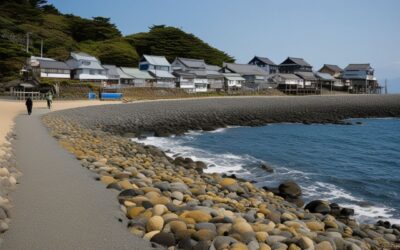
Shibasaki is not a swimming beach in the traditional sense — the shoreline is rockier and less forgiving than the sandy crescents of Isshiki and Morito. What it offers instead is the best tide-pooling on Hayama’s coast. At low tide, the rocky shelves reveal shallow pools teeming with small fish, hermit crabs, sea anemones, and the occasional starfish.
The water clarity is remarkable on calm days — you can see the bottom at 3–4 metres depth. Snorkellers will find small schools of juvenile fish among the rocks, and octopus sometimes hide in crevices.
What to Bring:
- Reef shoes or water sandals (essential — sharp barnacles)
- Snorkel mask (clear water rewards it)
- Small net or bucket for observing tide pool life (release everything)
- Waterproof camera or phone case
What to Do:
- Tide pool exploration at low tide
- Snorkelling along the rocky edges
- Photography of marine life and rock formations
- Quiet picnicking on the flat rock shelves (bring a mat)
Getting There:
From Shin-Zushi Station (Keikyu Line):
1. Exit toward the coast
2. Walk straight for 8 minutes
3. Turn left at the small fishing boat mooring
4. Shoreline access at the end of the path

From Zushi Station (JR):
- 20-minute walk south along the coast
Insider Tip:
Check the tide tables before visiting — low tide is the magic window. Aim for 1–2 hours before the low tide mark. The best pools are on the eastern side of the beach, where the rock shelves are flattest and the water warms up fastest in the sun.
4. Chojagasaki Beach (長者ヶ崎海岸)
Wildest Coast — Rugged Scenery, Fewest People
Location: Southern Hayama, border with Yokosuka
Coordinates: 35.2556°N, 139.5867°E
Access: Bus from Zushi Station + 10-min walk
Length: ~400 m (rocky coves)
Sand: Small sandy pockets between rock formations
Water: Open ocean exposure — stronger currents
Lifeguards: ❌ None
Beach Huts: ❌ None
Parking: ¥500 (small lot, fills early)
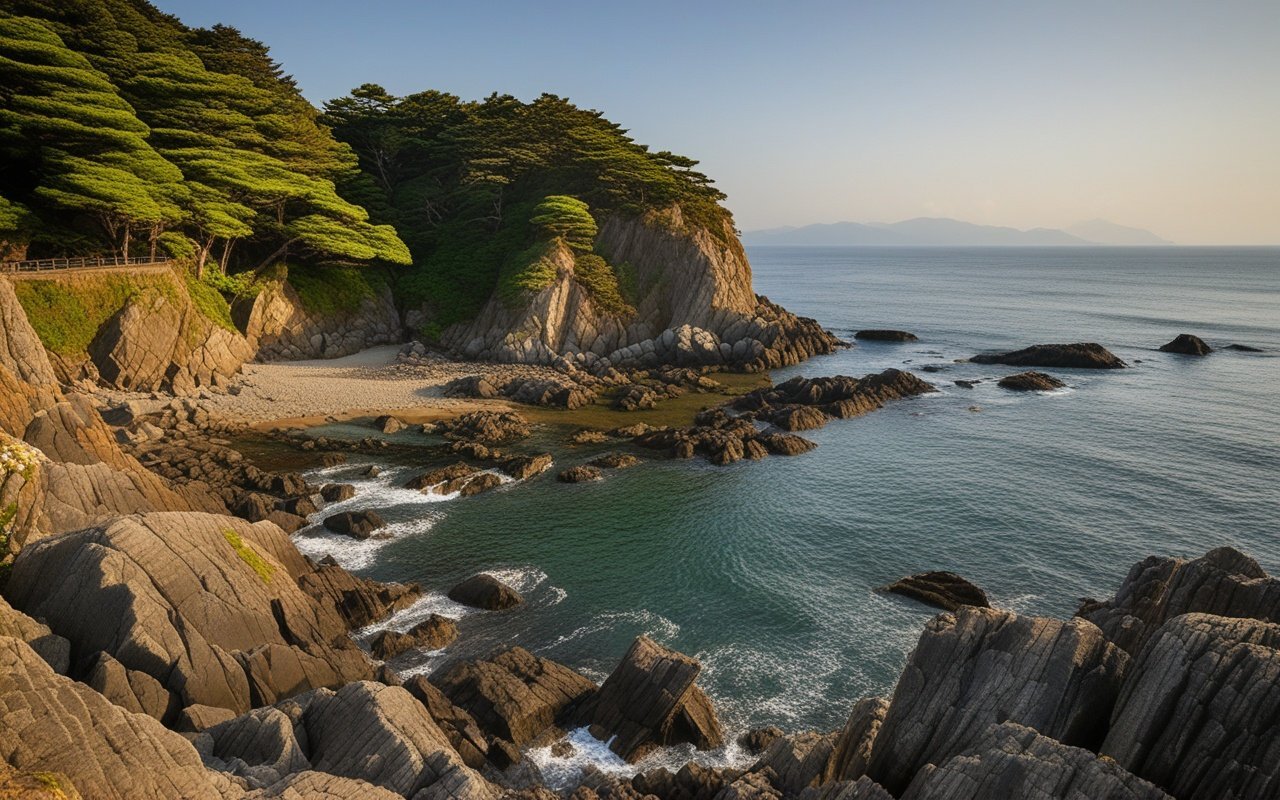
Chojagasaki is Hayama’s wild edge. The coast here is defined by a volcanic rock promontory that juts into Sagami Bay, creating a series of small coves and rocky platforms that feel far removed from the polite beach culture elsewhere in town. The wind is stronger, the waves have more energy, and the scenery is dramatic enough to attract photographers even on overcast days.
A small Shinto shrine sits on the point itself, dedicated to the protection of local fishermen. The path to the shrine winds through wind-sculpted pine trees and past weathered rock formations that have been shaped by decades of winter swells.
Swimming Warning:
Unlike Isshiki and Morito, Chojagasaki has no lifeguards and no designated swimming zone. The water can have sudden drop-offs and stronger currents. Swim here only on calm days, stay close to shore, and never alone, During the official swimming season (July–August), local volunteers sometimes mark safe zones with buoys — look for them before entering.
What to Do:
- Photography (sunrise, sunset, storm light)
- Walk the promontory trail to the shrine
- Explore the small coves at low tide
- Picnic on the flat rock terrace near the shrine
Getting There:
From Zushi Station:
1. Keikyu Bus toward "Chojagasaki" or "Yokosuka" (20 min, ¥350)
2. Get off at "Chojagasaki" bus stop
3. Walk toward the water (5 min)
4. Trail to the point starts at the parking area

From Morito Beach:
- 30-minute walk south along the coastal road
- Or 10-minute bus ride
Insider Tip:
Chojagasaki is at its most beautiful in late autumn and winter, when the air is clearest and Mt. Fuji dominates the horizon from the promontory’s tip. Dress warmly — the wind here is strong even on sunny days, and there is no shelter from the elements.
Practical Information
How to Get to Hayama Beaches
From Tokyo Station:
1. JR Yokosuka Line to Kamakura Station (55 min, ¥1,040)
2. Transfer to Enoden or JR to Zushi Station (5 min, ¥170)
3. Keikyu Bus to your chosen beach (10–20 min, ¥230–350)
Total: ~90 minutes, ¥1,300–1,500

From Yokohama Station:
1. JR Yokosuka Line to Zushi Station (25 min, ¥420)
2. Keikyu Bus to beach (10–20 min)
Total: ~45 minutes, ¥650–800
Best Way to Get Around
Bicycle is the ideal way to explore all four beaches in a single day. Rental shops near Zushi Station offer bikes for ¥1,000–1,500/day. The coastal road between Zushi and Chojagasaki is flat and scenic, with wide sidewalks and dedicated bike parking at most beaches.
What to Bring
Essential:
- Water (2 L minimum — no vendors at Shibasaki or Chojagasaki)
- Sunscreen (SPF 30+, water-resistant)
- Hat and sunglasses
- Reef shoes (essential for Shibasaki and Chojagasaki)
- Towel and change of clothes
- Cash (many beach huts are cash-only)

Recommended:
- Snorkel mask (clear water at Shibasaki)
- Beach umbrella (limited natural shade)
- Cooler with snacks and drinks
- Dry bag for valuables
- Camera (sunset photography at Isshiki)
Beach Comparison
| Beach | Swimming | Facilities | Crowds | Best For |
|---|---|---|---|---|
| Isshiki | ✅ Excellent | ✅ Huts, showers | Moderate | Swimming, sunset |
| Morito | ✅ Good | ✅ Huts, toilets | Moderate | Families, photos |
| Shibasaki | ⚠️ Limited | ❌ None | Low | Tide pooling, snorkel |
| Chojagasaki | ⚠️ Advanced | ❌ None | Very low | Photography, solitude |
Seasonal Guide
Summer (July–August):
- Swimming season (lifeguards at Isshiki and Morito)
- Beach huts open (mid-July to August 31)
- Water temperature: 23–27°C
- Crowded on weekends (arrive before 9 AM)
- Morito Shrine festival: late July

Autumn (September–November):
- No lifeguards (swim at your own risk)
- Clearest Mt. Fuji views start in October
- Fewer visitors, more peaceful
- Water still warm through September

Winter (December–February):
- Best Mt. Fuji visibility
- Dramatic winter light for photography
- Too cold for swimming
- Windy at Chojagasaki

Spring (March–May):
- Cherry blossoms along the coastal path
- Water too cold for swimming
- Perfect for coastal walks and photography
- Fewer visitors than summer
Beach Etiquette
Do's:
✅ Carry out all trash (there are fewer bins than public beaches)
✅ Respect the neighborhood (beaches are adjacent to residential areas)
✅ Shower before entering the water (showers available at Isshiki, ¥100)
✅ Check water quality notices posted at beach entrances
✅ Support local beach huts (they fund beach maintenance)

Don'ts:
❌ No amplified music (sound carries across the bay)
❌ No drones over the Imperial Villa area
❌ Don't walk on the dune grass (helps prevent erosion)
❌ Don't feed the birds (seagulls become aggressive)
❌ Don't block narrow access paths with large groups
Frequently Asked Questions
Q: Which Hayama beach is best for families with young children?
A: Isshiki Beach has the calmest water, gradual depth, lifeguards in summer, and beach huts with food and shade. Morito Beach is also family-friendly with easy access and facilities.
Q: Are the beaches free to visit?
A: Yes, all beaches are free. Paid parking and paid showers at Isshiki and Morito are the only costs.
Q: Can I rent snorkel gear or SUP boards?
A: Not directly at the beaches. Rental shops near Zushi Station SUP boards (¥2,000–3,000/day) and snorkel sets (¥1,000/day). Some beach huts at Isshiki occasionally have limited SUP rental.
Q: Is there food available at the beaches?
A: Isshiki and Morito have beach huts during summer (July–August) serving yakisoba, shaved ice, drinks, and light meals. Shibasaki and Chojagasaki have no vendors — bring your own food.
Q: Which beach has the best sunset view?
A: Morito Shore for photos with the shrine torii in the foreground. Isshiki Coastline for the classic Fuji-aligned sunset. Chojagasaki for a wilder, more dramatic perspective.
🌟 Share Your Experience
Found a quiet cove between these beaches? Tips for Hayseasideeach days? Join our community forum to share your discoveries!
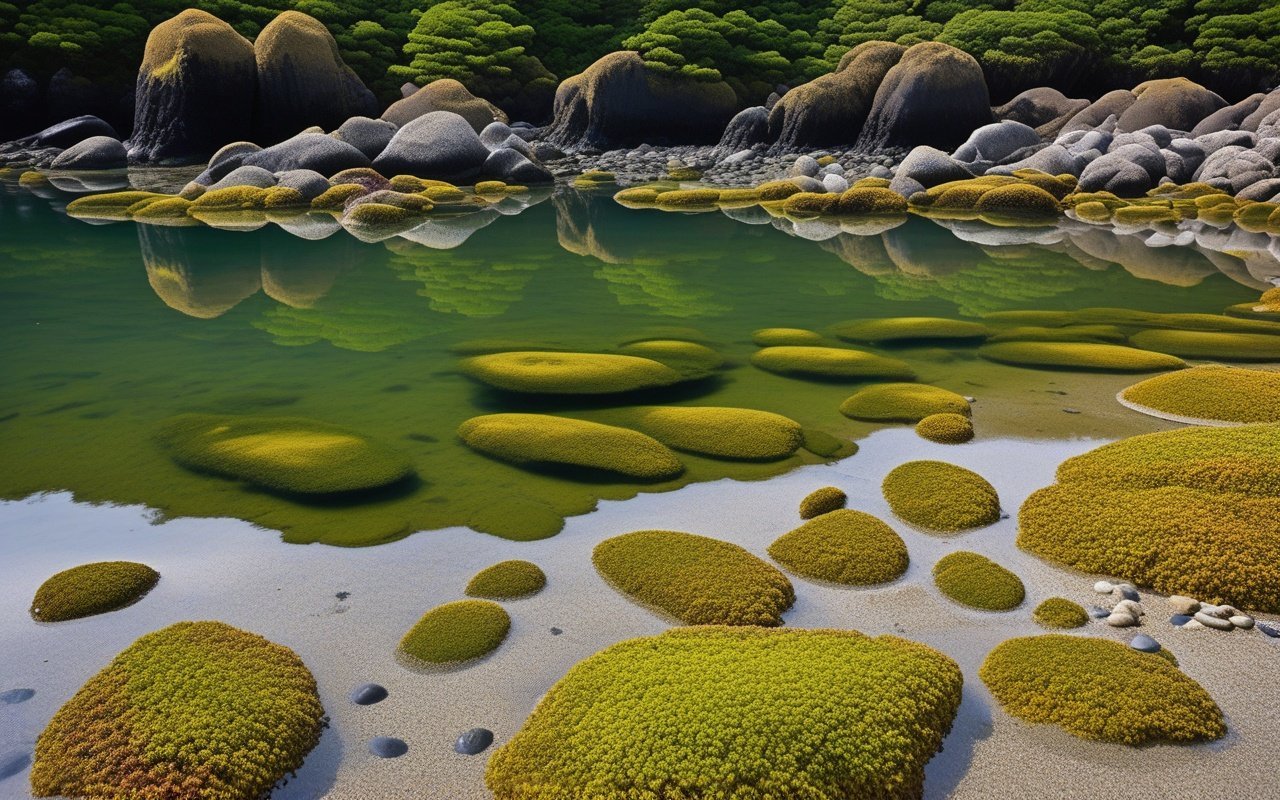
Hayama’s beaches offer something increasingly rare on Kanagawa’s coast: genuine quiet, clean water, and views that haven’t been obstructed by development. Whether you’re swimming at Isshiki, exploring tide pools at Shibasaki, or watching the sunset from Chojagasaki’s wild promontory, the experience is defined by the town’s deliberate restraint — and that is precisely what makes it special.
For more ways to explore Hayama and the Miura Peninsula, read our Hayama hidden cafes guide, Hayama local cafes guide, and the comprehensive Hayama accommodation guide.
⏰ Best Time to Visit
Early morning (8–10 AM): Peaceful atmosphere, fewer crowds, perfect for photos Late afternoon (4–6 PM): Beautiful lighting, local life, less crowded than midday
🎯 What I Recommend
- Don’t rush: Take your time to explore the side streets and hidden spots
- Talk to locals: They often know the best lesser-known spots that aren’t in guidebooks
- Try the local specialties: Each area has its own unique food and souvenirs
Our guide to Hakone Souvenirs Local Specialties has additional tips and recommendations.
⚠️ Things to Watch Out For
- Some shops close on weekdays or have irregular hours
- Parking can be challenging during peak seasons
- Cash is still king at many smaller establishments
Conclusion
Whether you are planning exploring Hayama for its beach for the first time or returning for another visit, taking a little extra time to go beyond the obvious sights makes all the difference. During my visit to Hayama I went with a rough plan and found that leaving room to wander made the trip far more memorable. I hope this guide helps you build an itinerary that fits your pace, and that your time in Kanagawa leaves you with memories worth coming back for.