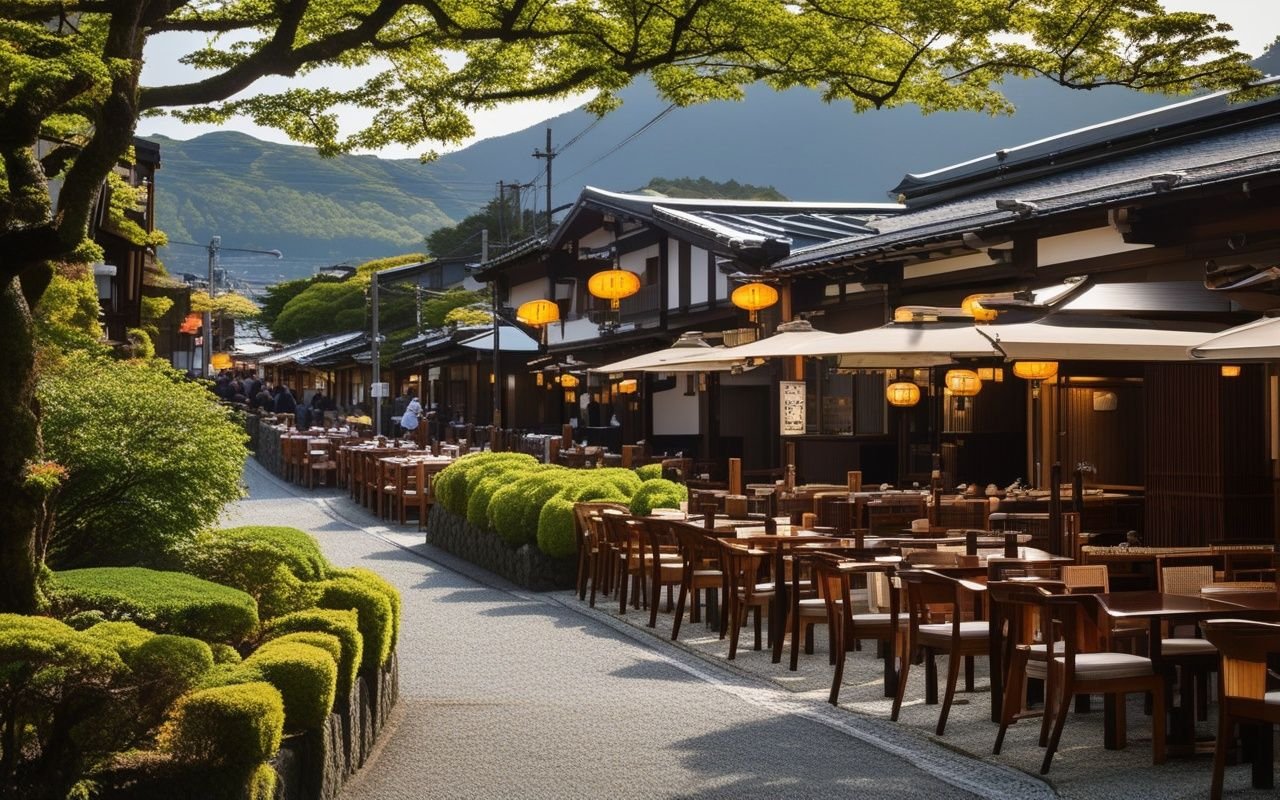
Kanagawa Prefecture is a paradise for food lovers, offering everything from fresh seafood to traditional Japanese cuisine. This guide introduces the best dining experiences across the region.
Overview
Discover the best food and drink experiences that Where to Eat Dinner in Hakone: Restaurant Guide has to offer. From hidden local gems to popular dining destinations, this guide takes you through the culinary landscape of Where in Kanagawa Prefecture. Whether you are a first-time visitor or a returning food enthusiast, you will find something to satisfy your cravings.
Access
Hakone is well connected to Tokyo, with trains and buses running throughout the day. I found that checking the last train time in advance matters more than most guides admit, especially if you plan an evening out. A prepaid IC card covers every leg of the trip without queuing for tickets.
🗺️ Key Points
- Most restaurants close early — many stop serving by 18:00-20:00
- Ryokan half-board is the safest option — kaiseki dinner included with your stay
- Reservations are essential — walk-in dinner is unreliable in Hakone
- Best dinner areas: Hakone-Yumoto (most options), Gora (mid-range to upscale), Lake Ashi (limited)
- Backup plan: Convenience stores (konbini) — surprisingly good but last resort
During our multiple stays at Hakone ryokan, we learned that booking half-board is the single most important decision you can make for a stress-free evening. The first time we arrived without dinner reservations, we spent an hour walking through empty streets before finding a convenience store meal. This guide compiles everything we’ve learned since.
Understanding Hakone’s Dining Landscape
I’ve visited Hakone four times over the past two years, and each trip taught me something new about the town’s dining culture. The first time, I arrived without a dinner plan and spent an hour walking through empty streets near Lake Ashi before settling for convenience store food. On my second visit, I booked a kaiseki dinner at my ryokan — it was the best dining decision I made in Japan.
Since then, I’ve explored independent restaurants across Hakone-Yumoto, Gora, and the lake area. I’ve learned that preparation is everything here. Hakone is fundamentally different from Tokyo or Yokohama when it comes to evening dining. The town caters primarily to ryokan guests who eat dinner at their accommodation. This means:
- Independent restaurants are few and often close early (18:00-20:00)
- Walk-in dinner is unreliable — especially outside Hakone-Yumoto
- Reservations are not recommended — they are essential
- Late-night dining (after 20:00) is extremely limited
Golden rule: If you haven’t arranged dinner by 16:00, you may struggle to find a seat anywhere. Plan your evening meal before you arrive in Hakone.
💬 Traveler’s Note: I visited Hakone-Yumoto in late autumn and tried the kaiseki dinner at Tenzan Onsen — the seasonal matsutake course alone justified the trip. I recommend booking half-board with your ryokan so dinner plans are settled before you arrive.
Option 1: Ryokan Half-Board (The Best Choice)
Most traditional ryokan in Hakone offer a half-board plan (one night with two meals / ichiya-nishoku). This is the standard and recommended way to experience Hakone:
What You Get
- Kaiseki dinner: Multi-course Japanese haute cuisine featuring seasonal, local ingredients
- Breakfast: Traditional Japanese breakfast or Western option
- Private dining: Usually served in your room or a private dining space
- Dietary accommodations: Can be arranged if booked in advance
Price Range
| Type | Price per person (incl, dinner + breakfast) |
|---|---|
| Budget ryokan | ¥15,000-25,000 |
| Mid-range ryokan | ¥25,000-40,000 |
| Luxury ryokan | ¥40,000-80,000+ |
Recommended Ryokan with Excellent Dinner
| Ryokan | Area | Dinner Style | Price (per person) |
|---|---|---|---|
| Gora Kadan | Gora | Kaiseki (former imperial villa) | ¥50,000+ |
| Hakone Gora Hananoki | Gora | Modern kaiseki | ¥35,000-50,000 |
| Tenzan Onsen | Hakone-Yumoto | Traditional kaiseki | ¥20,000-35,000 |
| Hakone Yuryo | Hakone-Yumoto | Seasonal kaiseki | ¥25,000-40,000 |
| The Prince Hakone Lake Ashi | Lake Ashi | Japanese/Western buffet | ¥25,000-40,000 |
Pro tip: When booking, select a plan that includes dinner. The “room only” rate may seem cheaper, but finding an independent dinner can be stressful and may end up costing more.
Option 2: Independent Restaurants (Reservation Required)
If you’re staying at a hotel without dinner included or visiting as a day-tripper staying late, here are the best options:
Hakone-Yumoto Area (Most Choices)
| Restaurant | Cuisine | Price (dinner) | Reservation | Notes |
|---|---|---|---|---|
| Itoh Dining by NOBU | Teppanyaki/Creative Japanese | ¥8,000-15,000 | Essential | High-end, Gora area |
| GORA BREWERY & GRILL | Grill/Craft Beer | ¥4,000-7,000 | Recommended | Casual upscale, walk-in possible |
| Tamura Ginkatsutei | Tonkatsu/Tofu | ¥2,000-3,500 | Essential | Famous for Tofu Katsuni, long queues |
| Hatsuzushi | Sushi | ¥5,000-10,000 | Essential | Traditional Edomae sushi |
| Kikka-so Inn | Kaiseki/Japanese | ¥6,000-12,000 | Essential | Historic building, refined atmosphere |
Option 3: Casual & Budget Dining
Lunch-Extended-to-Dinner Strategy
Many Hakone restaurants serve lunch 11:00-15:00 and dinner 17:00-20:00. The sweet spot is arriving at 17:00-17:30 when dinner service begins:
- Hakone Soba shops: ¥1,000-2,000 (usually close by 18:00)
- Udon shops: ¥800-1,500 (limited dinner hours)
- Curry shops: ¥1,000-1,500 (rare in Hakone, check hours)
Convenience Stores (Backup Plan)
| Store | Location | Hours | What to Get |
|---|---|---|---|
| 7-Eleven | Hakone-Yumoto Station area | 24h | Bento boxes, onigiri, salads, snacks |
| FamilyMart | Near Gora Station | 24h | Hot snacks, sandwiches, drinks |
| Lawson | Various locations | 24h | Decent meal options, desserts |
Konbini food in Japan is surprisingly high quality — think ¥500-800 for a complete meal. But it should be your emergency backup, not your primary plan.
Reservation Guide
How to Reserve
| Method | Best For | Notes |
|---|---|---|
| Hotel concierge | Ryokan dinner, upscale restaurants | Most reliable — ask at check-in or email before arrival |
| Tabelog (tabelog.com) | Independent restaurants | English interface, online booking available for some |
| Google Maps | Quick checks | Call button + hours info |
| Phone call | Last-minute reservations | Many restaurants only accept phone reservations |
When to Reserve
| Type | When |
|---|---|
| Ryokan half-board | At time of booking |
| Fine dining (¥8,000+) | 1-2 weeks in advance |
| Mid-range restaurants | 2-3 days in advance |
| Casual restaurants | Same day (by 14:00) |
Sample Reservation Phrases (English)
Most upscale restaurants in Hakone now have English-speaking staff or are accustomed to international guests. Use these on booking websites:
“I would like to reserve dinner for 2 people on [date] at [time]. Any dietary restrictions: [none/vegetarian/gluten-free].”
Dietary Restriction Guide
Hakone is less flexible than Tokyo for dietary restrictions. Quick Tips for Dietary Needs:
- Vegetarian: Request shojin ryori (Buddhist vegetarian) when booking your ryokan
- Vegan: Contact restaurants 1+ week in advance; konbini food is a reliable backup
- Gluten-free: Soba is 80-100% buckwheat; bring a gluten-free communication card
- Halal: Limited options — check our Kanagawa Vegetarian Guide
- Food allergies: Use a Japanese allergy card (printable here)
Pro tip: Email your ryokan at least 1 week before arrival if you have dietary restrictions. Most can accommodate with notice — they cannot adjust kaiseki menus on the spot.
Sample Evening Plans
Plan A: Ryokan Half-Board (Hassle-Free)
| Time | Activity |
|---|---|
| 15:00 | Check in, relax in yukata |
| 16:00 | Onsen before dinner |
| 18:00 | Kaiseki dinner in-room or private dining room |
| 20:00 | Evening onsen or lounge |
| 22:00 | Sleep in tatami room |
Plan B: Independent Dining (Reservations Made)
| Time | Activity |
|---|---|
| 17:00 | Arrive at Hakone-Yumoto |
| 17:30 | Evening onsen (Tenzan Onsen ¥1,300) |
| 19:00 | Dinner at Itoh Dining by NOBU (pre-booked) |
| 21:00 | Return to Hakone-Yumoto Station |
| 21:30 | Last train back to Tokyo |
Plan C: Budget Stay (Self-Catered)
| Time | Activity |
|---|---|
| 16:00 | Check into guesthouse |
| 17:00 | Convenience store run — buy dinner supplies |
| 18:00 | Enjoy picnic dinner at hotel lounge or nearby park (summer only) |
| 19:00 | Explore Hakone-Yumoto evening atmosphere |
Seasonal Dinner Highlights
| Season | Specialty Dish | Where to Try |
|---|---|---|
| Spring (Mar-May) | Bamboo shoots, cherry blossom-themed kaiseki | Ryokan half-board |
| Summer (Jun-Aug) | Cold soba, freshwater fish (ayu), eel (unagi) | Sobadokoro Hatsukari |
| Autumn (Sep-Nov) | Matsutake mushrooms, sanma (Pacific saury), new sake | Ryokan kaiseki |
| Winter (Dec-Feb) | Hot pot (nabe), oden, crab specialties | Ryokan dinner, Tenzan Onsen |
How to Get There
Most restaurants and food destinations in this guide are within a 5-10 minute walk from the nearest train station. Use Google Maps for precise navigation. For popular restaurants, arrive 15 minutes before opening time to avoid long waits during peak hours. Reservations are recommended for dinner service.
What to Expect
Dining in Kanagawa offers incredible variety, from Michelin-starred restaurants to humble street food stalls. Most restaurants display plastic food samples in their windows, making ordering easy even without Japanese language skills. Lunch sets offer excellent value, typically ¥1,000-1,500 for a complete meal with sides. Dinner can be significantly more expensive. Vegetarian and vegan options exist but can be limited – look for shojin ryori (Buddhist cuisine) restaurants near temples. Reservations are essential for popular dinner spots.
Nearby Recommendations
Many dining areas in Kanagawa are clustered together, allowing for a progressive dining experience. After your meal, explore nearby dessert shops, tea houses, or bars. Some food markets are located near cultural attractions, making it easy to combine sightseeing with culinary exploration. Check local food blogs for the latest openings and seasonal specialties in the area.
Local Tips
Food enthusiasts recommend visiting restaurants during off-peak hours (2:00-5:00 PM) for a more relaxed dining experience. Some restaurants have secret menu items not listed in English – using Google Translate to read the Japanese menu can reveal hidden gems. Seasonal specialties are worth prioritizing, as they feature ingredients at their peak flavor. Local food festivals offer an excellent introduction to the area’s culinary traditions.n
Conclusion
exploring Hakone can be as relaxed or as packed as you want it to be, and I have found that the best visits leave room for both planning and spontaneity. During my visit to Hakone I went with a rough plan and found that leaving room to wander made the trip far more memorable. Use this guide to sort out the logistics in advance, then let the day surprise you — Kanagawa rewards travelers who stay curious.