
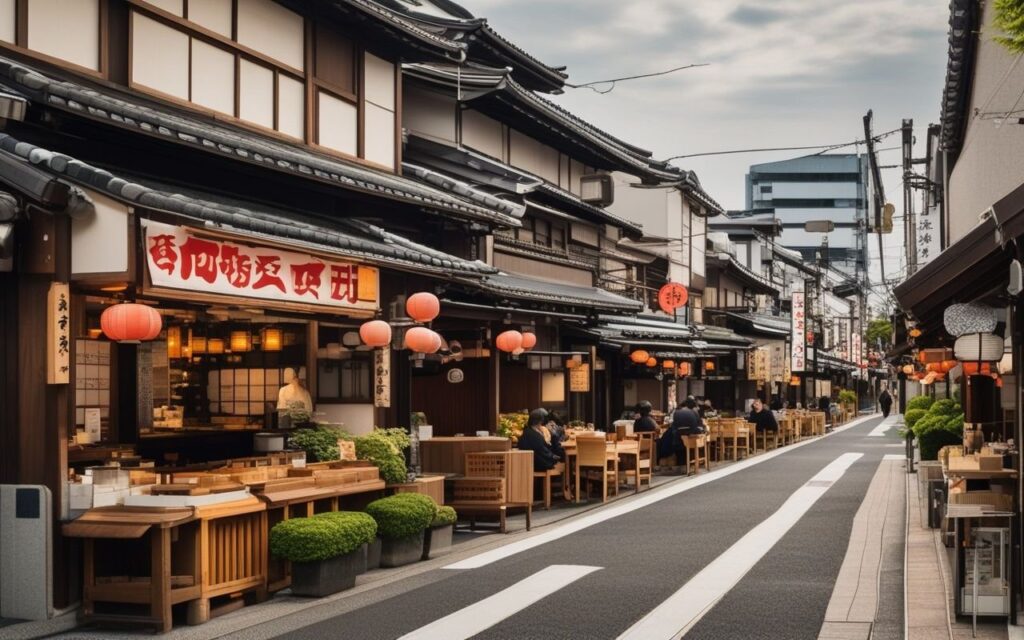
Kanagawa Prefecture is a paradise for food lovers, offering everything from fresh seafood to traditional Japanese cuisine. This guide introduces the best dining experiences across the region.
Food Allergies in Kanagawa — How to Eat Safely (Gluten, Dairy, Nuts)
Overview
Discover the best food and drink experiences that Food Allergies in Kanagawa — How to Eat Safely (Gluten, Dairy, Nuts) has to offer. From hidden local gems to popular dining destinations, this guide takes you through the culinary landscape of Food in Kanagawa Prefecture. Whether you are a first-time visitor or a returning food enthusiast, you will find something to satisfy your cravings.
Understanding Common Allergens in Japanese Food
The Top 5 Hidden Allergens
| Allergen | Found In | Japanese Label |
|---|---|---|
| Soy (wheat-based) | Standard soy sauce (shoyu) contains wheat | 小麦 (komugi) |
| Fish/Bonito | Dashi (stock) in miso soup, noodle broth, simmered dishes | 魚 (sakana) / かつお (katsuo) |
| Egg | Tamago (egg dishes), mayonnaise, some sauces | 卵 (tamago) |
| Dairy | Coffee drinks, western-style desserts, some curry roux | 乳 (nyu) / 乳製品 (nyu-seihin) |
| Peanuts/Tree nuts | Some curry roux, cookies, chocolate snacks | 落花生 (rakkasei) / ナッツ (nattsu) |
Japanese Allergen Labeling System
Japan has a mandatory labeling system for 7 specified allergens (shown on all packaged foods):
| Icon | English | Japanese | Common in |
|---|---|---|---|
| 🥚 | Egg | 卵 | Tamago, desserts, ramen |
| 🥛 | Milk | 乳 | Coffee, western food |
| 🌾 | Wheat | 小麦 | Soy sauce, noodles |
| 🥜 | Peanut | 落花生 | Curry, snacks |
| 🦐 | Shrimp | えび | Tempura, fried rice |
| 🦀 | Crab | かに | Soup, salad |
| 🌰 | Buckwheat | そば | Soba noodles |
Printable Allergy Cards (Save to Your Phone)
Show these cards to restaurant staff before ordering:
Gluten-Free Card (Japanese)
I have a wheat/gluten allergy. Please help me avoid wheat.
小麦アレルギーがあります。小麦を含む食品を避けてください。

I CANNOT eat:
- Bread, pasta, noodles (udon, ramen — these contain wheat)
- Soy sauce (shoyu contains wheat — please use salt or tamari)
- Tempura batter (contains wheat flour)

I CAN eat:
- Rice (gohan), rice noodles
- Soba (buckwheat noodles — only if 100% buckwheat)
- Sashimi (raw fish, no soy sauce)
- Salt-grilled fish or meat

Does this dish contain wheat? この料理に小麦は入っていますか?
Dairy-Free Card (Japanese)
I have a dairy allergy (milk, cheese, butter). Please help.
乳製品アレルギーがあります。乳製品を避けてください。

I CANNOT eat:
- Milk, cheese, butter, cream
- Ice cream, yogurt, lattes (made with milk) I CAN eat:
- Japanese dishes (most traditional dishes are dairy-free)
- Coffee with soy milk / oat milk (豆乳 / オーツミルク)
- Fruit and green tea desserts

Does this dish contain dairy? この料理に乳製品は入っていますか?
Multi-Allergy Card (Japanese)
I have food allergies. Please help me.
食物アレルギーがあります。ご協力をお願いします。

I am allergic to:
- [Write your allergens here: 小麦/卵/乳製品/ナッツ/そば/魚]

Please remove these ingredients from my food.
これらの食材を取り除いてください。

Is it safe for me to eat this? これは安全に食べられますか?
Food Allergy Smartphone Lock Screen Template
Save this text to your phone’s lock screen or notes app for quick access:
⚠️ ALLERGY ALERT ⚠️
アレルギー注意

I am allergic to: _________________
アレルギー: _________________ Please check ingredients carefully.
食材をよく確認してください。 Emergency: Call 119 (English OK)
症状が出たら: 119番
Interactive Allergy Check Flowchart
Use this decision flowchart when entering any restaurant:
Step 1: Show allergy card to staff before ordering
    |
    ├── Staff understands → Step 3
    └── Staff confused → Step 2
        |
Step 2: Pull up Google Translate camera
    ├── Show kanji for your allergen
    └── Wait patiently for staff to check with kitchen
        |
Step 3: Staff checks with kitchen
    ├── "Safe" → Order and confirm: "No [allergen]?"
    │             ├── Staff confirms → ✅ Safe to eat
    │             └── Staff pauses → Ask again politely
    └── "Cannot guarantee" → Thank them and leave
                             → Eat at another restaurant
                             → Back-up: convenience store
Restaurant Ordering Phrases (Audio-Ready)
Show these directly to staff:
| Situation | English | Japanese |
|---|---|---|
| I have an allergy | “I have a food allergy. Please help me.” | 食物アレルギーがあります。お願いします。 |
| Contains wheat? | “Does this contain wheat?” | 小麦は入っていますか? |
| Contains dairy? | “Does this contain dairy?” | 乳製品は入っていますか? |
| No soy sauce, please | “No soy sauce, please. Just salt.” | 醤油なしで、塩でお願いします。 |
| Is this safe? | “Is it safe for me to eat this?” | これは安全に食べられますか? |
Restaurant Recommendations by Area
Yokohama — Most Allergy-Aware
Yokohama’s international restaurants are more familiar with dietary restrictions than most Japanese cities.
| Restaurant | Area | Allergy-Friendly | Notes |
|---|---|---|---|
| Farmer | Yokohama Station area | ✅ Gluten-free, dairy-free options labeled | Bowl-based menu with clear allergen icons |
| Chaya Natural | Minato Mirai | ✅ Gluten-free, vegan options | Organic Japanese, staff trained on allergies |
| Café Bota | Minato Mirai | ✅ Gluten-free bread, dairy-free milk | Western-Japanese cafe, English menu |
| Afuri (ramen) | Yokohama Station | ⚠️ Gluten-free broth (rice noodles available) | Yuzu-shio ramen, ask about noodle options |
📖 Related: Yokohama Premium Dining Guide · Yokohama Backstreet Gourmet
Kamakura — Good Options
| Restaurant | Area | Allergy-Friendly | Notes |
|---|---|---|---|
| Kamakura 24sekki | Near Kamakura Station | ✅ Dairy-free, egg-free, nut-free options | Vegan bakery, clear ingredient lists |
| Hachinoki (shojin ryori) | Kita-Kamakura | ✅ Naturally vegan, no dairy/wheat-free options | Seasonal set menu, must reserve |
| Magokoro | Hase | ✅ Gluten-free, dairy-free options | Organic bowls, clearly labeled |
📖 Related: Kamakura Cafe Guide · Kamakura Farm-to-Table Guide
Hakone — Limited But Possible
| Restaurant | Area | Allergy-Friendly | Notes |
|---|---|---|---|
| Kanmidokoro Hora | Hakone-Yumoto | ✅ Gluten-free yuba dishes | Tofu skin cuisine, naturally gluten-free |
| Hakone Bakery | Hakone-Yumoto | ✅ Gluten-free bread available | Small selection, call ahead |
Ryokan advice: If staying at a ryokan, email them at least 7 days before your stay with your allergy information. Most upscale ryokan can accommodate gluten-free or dairy-free kaiseki meals with advance notice. 📖 Related: Hakone Yuba Cuisine Guide · Hakone Onsen Complete Guide
Convenience Store Safe Foods
Japanese convenience stores are excellent backup options. Look for these allergy-safe items:
| Allergen | Safe Items | What to Avoid |
|---|---|---|
| Gluten-free | Onigiri (rice balls, plain), sashimi, fruit, yogurt, natto, edamame | Soy sauce packets (contain wheat), instant noodles, most baked goods |
| Dairy-free | Onigiri, salads (no dressing), grilled chicken, tofu, rice crackers | Ice cream, yogurt drinks, cream-filled pastries, coffee (check for milk) |
| Nut-free | Most onigiri, plain rice crackers, fruit | Some curry-flavored snacks, chocolate bars (check labels) |
Reading Convenience Store Labels
Japanese food labels list allergens at the bottom of the back label. Look for:
アレルギー表示 (Allergen Label):
小麦・卵・乳・落花生・そば・えび・かに
Wheat / Egg / Milk / Peanut / Buckwheat / Shrimp / Crab- If your allergen is not listed, the item is likely safe
- If the label says「本品製造工場では小麦を含む製品も製造しています」 — “This product is made in a facility that also processes wheat” — this is a cross-contamination warning
How to Get There
Most restaurants and food destinations in this guide are within a 5-10 minute walk from the nearest train station. Use Google Maps for precise navigation. For popular restaurants, arrive 15 minutes before opening time to avoid long waits during peak hours. Reservations are recommended for dinner service.
Best Time to Visit
Restaurants are busiest during lunch (12:00-1:30 PM) and dinner (6:00-8:00 PM). For a more relaxed experience visit during off-peak hours. Many restaurants offer seasonal menus that change monthly so visiting at different times of year provides variety.
What to Expect
Dining in Kanagawa offers incredible variety, from Michelin-starred restaurants to humble street food stalls. Most restaurants display plastic food samples in their windows, making ordering easy even without Japanese language skills. Lunch sets offer excellent value, typically ¥1,000-1,500 for a complete meal with sides. Dinner can be significantly more expensive. Vegetarian and vegan options exist but can be limited – look for shojin ryori (Buddhist cuisine) restaurants near temples. Reservations are essential for popular dinner spots.
Nearby Recommendations
The food scene in this area extends beyond the main restaurants featured in this guide. Nearby specialty shops sell local products and ingredients worth exploring. Some areas have food tours that combine multiple dining stops with cultural commentary from local guides. Consider visiting a nearby sake brewery or craft beer taproom to complete your culinary experience.
Local Tips
Regular diners suggest trying the lunch set (teishoku) for the best value, typically served until 2:00 PM. Counter seats at sushi restaurants offer the freshest options and a chance to interact with the chef. Many locals order small plates and share them family-style. Itadakimasu (before eating) and gochisosama (after eating) are polite phrases that are always appreciated.
Packing Essentials
When exploring Kanagawa’s food scene, a few items enhance the experience. Bring chopsticks if you prefer reusable options to disposable ones. A small container or bag is handy for takeaway snacks or leftovers. Breath mints or gum are useful after trying pungent local specialties like natto or pickled vegetables. A translation app with camera feature helps decipher Japanese-only menus. Consider bringing a small notebook to track your favorite restaurant discoveries.
Money-Saving Tips
Eat like a local to save money on food. Lunch sets (teishoku) offer excellent value at ¥900-1,500 for complete meals. Conveyor belt sushi provides quality sushi at ¥100-500 per plate. Department store food halls offer high-quality takeaway at reasonable prices. Convenience store meals are surprisingly good for budget dining. Avoid restaurants in major tourist hubs – walk 5-10 minutes away for better prices and more authentic food.n
Dos and Don’ts
Do try the lunch sets (teishoku) for the best value. Do slurp noodles – it shows appreciation for the chef and enhances the flavor. Do use the oshibori (wet towel) to clean your hands before eating. Don’t rub chopsticks together – it implies they are cheap. Don’t wave or point with chopsticks. Don’t take food from shared plates with the same end of chopsticks you eat with – use the opposite end or serving chopsticks.
Practical Tips for Allergy Travel in Kanagawa
Before Your Trip
- Prepare allergy cards in Japanese — print or save screenshots of the cards above
- Research restaurants on HappyCow — filter for allergen-friendly reviews
- Email ryokan/upscale restaurants at least 7 days before your visit
- Learn to recognize kanji for your allergens — the characters in the table above
- Pack backup snacks — granola bars, protein bars from home
During Your Trip
- Show the allergy card first — before ordering, before sitting down
- Use Google Translate camera for real-time menu translation
- Confirm with staff — a head nod does not mean “yes, safe”
- Start simple — grilled fish or meat with salt, plain rice, vegetable sides
- Visit restaurants during off-peak hours — staff have more time to understand your needs
Emergency Information
| Service | Number | For |
|---|---|---|
| Ambulance | 119 | Medical emergencies, allergic reactions |
| Japan Helpline | 0570-000-911 | 24-hour English medical assistance |
| Hospital Search (English) | himawari.metro.tokyo.jp | Find English-speaking hospitals |
📖 Related: Kanagawa Hospital Guide for Foreigners · Kanagawa Emergency Contacts Guide
I recommend arriving early to avoid the lunch rush. I learned this the hard way during my first visit.
Frequently Asked Questions
Q: Q: Can I find gluten-free soy sauce in Kanagawa?
A:* A: Yes. Standard soy sauce contains wheat, but tamari* (gluten-free soy sauce) is available at larger supermarkets and some restaurants. Look for たまり醤油 on the label. Farmer in Yokohama and Kamakura 24sekki offer tamari on request.
Q: Q: Are Japanese convenience stores safe for nut allergies?
A: A: Generally yes, but check labels carefully. Peanut allergic reactions are less common in Japan than in Western countries, but cross-contamination is possible in facilities that process nuts. Always ask staff if unsure.
Q: Q: Do Japanese restaurants accommodate dairy-free diets?
A: A: Traditional Japanese restaurants are naturally dairy-free — Japanese cuisine does not traditionally use milk, cheese, or butter. The challenge is Western-style restaurants and cafes, where dairy is common. Stick to traditional restaurants for the safest options.
Q: Q: What should I do in case of an allergic reaction in Kanagawa?
A: A: Call 119 for an ambulance. The emergency operator can connect to English interpretation services. Major hospitals in Yokohama (Yokohama City University Hospital) and Kamakura (Kamakura General Hospital) have English-speaking staff.
Q: Q: Can I find gluten-free ramen in Kanagawa?
A: A: Very limited, Traditional ramen broth is wheat-based. Afuri in Yokohama offers a yuzu-shio broth that can be served with rice noodles (ask specifically). For a reliable gluten-free noodle experience, choose soba restaurants that offer 100% buckwheat soba (十割そば, juuwari soba).
Allergy Card Template
Print and carry this Japanese allergy card to show restaurant staff: 私は[アレルゲン]アレルギーがあります。この料理に[アレルゲン]は含まれていますか?
Key allergens in Japanese: 小麦 (wheat), 乳製品 (dairy), 卵 (egg), そば (buckwheat), ピーナッツ (peanuts), 甲殻類 (shellfish). Show the card at the entrance before being seated — the staff can then guide you to safe menu options. At convenience stores, the allergen chart is printed on the back of each package in Japanese, recognizable by the アレルゲン (allergen) label. Traveling in Kanagawa with food allergies is manageable with proper preparation. The key steps are:
- Prepare allergy cards in Japanese before your trip
- Choose restaurants wisely — Yokohama offers the most options, Kamakura is good, Hakone requires advance planning
- Always confirm with staff — do not assume even if the menu looks safe
- Know emergency procedures — 119 for ambulance, Japan Helpline for English support
With these tools and strategies, you can enjoy Kanagawa’s excellent food scene safely and confidently.
Last Updated: June 29, 2026
Written by: Anaba OffJapan Editorial Team Related: Kanagawa Vegetarian & Vegan Guide · Kanagawa Hospital Guide for Foreigners · Kanagawa Emergency Contacts Guide · Kanagawa Safety Tips for Tourists
Nearby Recommendations
Many dining areas in Kanagawa are clustered together. After your meal, explore nearby dessert shops, tea houses, or bars. Some food markets are located near cultural attractions. Check local food blogs for the latest openings.
Conclusion
exploring Kanagawa for its food can be as relaxed or as packed as you want it to be, and I have found that the best visits leave room for both planning and spontaneity. During my visit I went with a rough plan and found that leaving room to wander made the trip far more memorable. Use this guide to sort out the logistics in advance, then let the day surprise you — Kanagawa rewards travelers who stay curious.