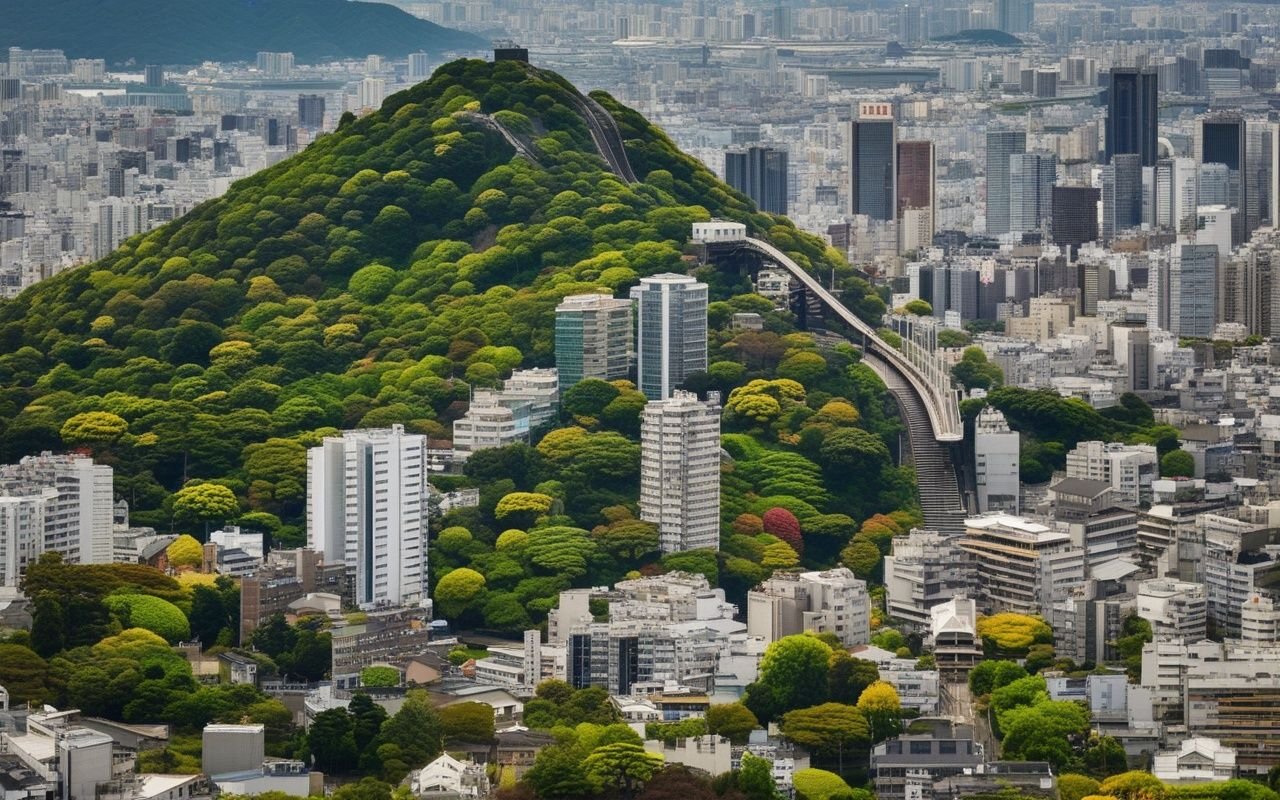
Overview
🗺️ Quick Verdict
| Your Priority | Choose This |
|---|---|
| First visit to Japan | 🗼 Tokyo — the iconic introduction |
| Return visitor | 🌊 Kanagawa — fresh discoveries, local things |
| Temple & history lover | 🌊 Kanagawa — Kamakura’s 70+ temples beat anything in central Tokyo |
| Nightlife & shopping | 🗼 Tokyo — Shinjuku. Ginza are unmatched |
| Nature & outdoor activities | 🌊 Kanagawa — beaches, onsen |
| Food scene diversity | 🗼 Tokyo — but Kanagawa excels at seafood and local specialties |
| Budget traveler | 🌊 Kanagawa — lodging and dining cost 20-30% less |
| Family with kids | 🌊 Kanagawa — more space, beach access |
| Couples / romantic | 🌊 Kanagawa — onsen resorts, quieter atmosphere |
| Culture immersion | 🌊 Kanagawa — authentic local Japan beyond the tourist bubble |
Bottom line: You should visit both. Tokyo is the gateway; Kanagawa is where you’ll find the Japan most tourists miss. Even 2-3 days in Kanagawa transforms a standard Tokyo trip into a deeper time. —
The Case for Staying in Tokyo
Tokyo’s Strengths
| Category | What Tokyo Offers |
|---|---|
| Sights | Shibuya Crossing. Skytree |
| Food | 234 Michelin-starred restaurants, every cuisine on Earth |
| Shopping | Ginza. Akihabara — world-class shopping districts |
| Nightlife | Golden Gai, izakaya alleys — endless after-dark options |
| Culture | Kabuki-za. Mori Art) |
| Transport | 13 subway lines. 2 airports — best public transit in the world |
Tokyo’s Weaknesses
- Crowded — 14 million people + 30 million annual tourists
- Expensive — lodging ¥15,000+/night, dining ¥3,000+/meal (mid-range)
- Overwhelming — constant decision fatigue, sensory overload
- Less “Japanese” — global brands dominate, traditional things are curated
- No nature — parks exist but beaches, and hot springs need 1-2 hour travel
The Case for Staying in Kanagawa
Kanagawa’s Strengths
| Category | What Kanagawa Offers |
|---|---|
| History | Kamakura’s 70+ temples, samurai capital for 150 years |
| Nature | Sagami Bay beaches. Shonan coast |
| Wellness | Hakone’s world-class onsen, mountain hiking |
| Food | Shonan shirasu (whitebait). craft beer |
| Space | Wider streets, more breathing room than Tokyo |
| Authenticity | Real Japanese neighborhoods, traditional crafts still practiced |
| Value | Hotels 20-30% cheaper than Tokyo, dining ¥2,000-3,000 for great meals |
Kanagawa’s Weaknesses
- Less famous — fewer iconic landmarks recognized by name
- Transport less frequent — local trains run every 10-20 min vs Tokyo’s 2-3 min
- Nightlife limited — outside Yokohama, most places quiet by 21:00
- Less shopping variety — no equivalent of Shibuya or Shinjuku
- Sightseeing requires more planning — attractions are spread across the prefecture
Cost Comparison
| Expense | 🗼 Tokyo | 🌊 Kanagawa | Savings in Kanagawa |
|---|---|---|---|
| Budget hotel (per night) | ¥12,000-18,000 | ¥8,000-14,000 | ~25% less |
| Mid-range hotel (per night) | ¥20,000-35,000 | ¥15,000-25,000 | ~30% less |
| Lunch (per person) | ¥1,200-2,000 | ¥1,000-1,500 | ~25% less |
| Dinner (per person) | ¥3,000-8,000 | ¥2,500-5,000 | ~30% less |
| Coffee | ¥500-700 | ¥400-550 | ~20% less |
| Beer | ¥600-800 | ¥500-650 | ~20% less |
| Temple/museum entry | ¥500-2,000 | ¥300-1,600 | ~20% less |
| Daily total (per person) | ¥15,000-25,000 | ¥10,000-18,000 | ~30% less |
Time Comparison
Culture & History
| Aspect | 🗼 Tokyo | 🌊 Kanagawa |
|---|---|---|
| Temples & shrines | ⭐⭐⭐ Senso-ji. Meiji Jingu (impressive but few) | ⭐⭐⭐⭐⭐ Kamakura has 70+ temples. 2 UNESCO sites |
| Samurai history | ⭐⭐ Edo-Tokyo Museum | ⭐⭐⭐⭐⭐ Kamakura was the samurai capital (1185-1333) |
| Traditional crafts | ⭐ Limited to curated things | ⭐⭐⭐⭐⭐ Kamakura-bori. Hakone yosegi-zaiku |
| Museums | ⭐⭐⭐⭐⭐ World-class (Tokyo National, teamLab) | ⭐⭐⭐ Hakone Open-Air. Cup Noodles |
| Festivals | ⭐⭐⭐ Sanja Matsuri. Kanda Matsuri | ⭐⭐⭐⭐ Kamakura Festival. Yokohama Port Festival |
Nature & Outdoors
| Aspect | 🗼 Tokyo | 🌊 Kanagawa |
|---|---|---|
| Beaches | ❌ None in central Tokyo | ⭐⭐⭐⭐⭐ Yuigahama. Zaimokuza |
| Mountains | ❌ None (closest: 2 hours) | ⭐⭐⭐⭐ Tanzawa. Hakone mountains |
| Hiking trails | ⭐ Yoyogi Park. Imperial Palace loop | ⭐⭐⭐⭐⭐ Daibutsu Trail. Tanzawa |
| Onsen (hot springs) | ❌ None (closest: Hakone 1.5h) | ⭐⭐⭐⭐⭐ Hakone — world-famous onsen resort |
| Parks | ⭐⭐⭐⭐ Ueno. Yoyogi | ⭐⭐⭐⭐ Sankei-en, coastal parks |
| Coastal scenery | ❌ No coastline | ⭐⭐⭐⭐⭐ Sagami Bay. Miura Peninsula |
Food & Drink
| Aspect | 🗼 Tokyo | 🌊 Kanagawa |
|---|---|---|
| Michelin restaurants | ⭐⭐⭐⭐⭐ 234 restaurants | ⭐⭐ ~20 restaurants |
| Seafood | ⭐⭐⭐⭐ Tsukiji, great but Tokyo prices | ⭐⭐⭐⭐⭐ Miura tuna, local catches |
| Craft beer | ⭐⭐⭐⭐ 30+ breweries | ⭐⭐⭐⭐⭐ 50+ breweries (Baird, local) |
| Sake | ⭐⭐⭐ Large selection from across Japan | ⭐⭐⭐⭐ Kanagawa is a major sake region (Tengumai. Kikuhime) |
| Local specialties | ⭐⭐ Monjayaki. Edo-style sushi | ⭐⭐⭐⭐⭐ Shirasu. Yokohama ramen |
| Street food scene | ⭐⭐⭐⭐ Ameya-Yokocho, various festivals | ⭐⭐⭐ Komachi-dori, seasonal events |
Atmosphere & Vibe
| Aspect | 🗼 Tokyo | 🌊 Kanagawa |
|---|---|---|
| Energy | High-energy. 24/7 city | Relaxed, coastal pace |
| Crowds | Intense (mostly Shinjuku. Shibuya) | Manageable (busy but not overwhelming) |
| English accessibility | Very high | Moderate (major spots OK. rural areas limited) |
| Unique character | Futuristic, world city | Historic, deeply Japanese |
| lesser-known spots | Hard to find (well-documented) | Abundant (under-documented in English) |
Sample Itineraries
3 Days in Kanagawa (Instead of Tokyo)
| Day | Morning | Afternoon | Evening |
|---|---|---|---|
| Day 1 | Arrive, check in Yokohama | Minato Mirai. Red Brick Warehouse | Dinner in Kannai/Noge izakaya district |
| Day 2 | Kamakura temples (Tsurugaoka Hachimangu. Great Buddha) | Hase-dera, beach walk | Sunset at Enoshima |
| Day 3 | Hakone loop (Tozan Railway. Lake Ashi pirate ship | Day-use onsen before departure |
7 Days: Tokyo + Kanagawa Split
| Days | Location | Focus |
|---|---|---|
| 1-3 | 🗼 Tokyo | Classic Tokyo sights (Shibuya. Akihabara) |
| 4 | 🌊 Yokohama | Transfer to Kanagawa. Minato Mirai) |
| 5 | 🌊 Kamakura | Temples. Komachi-dori |
| 6 | 🌊 Hakone | Hakone Free Pass loop, onsen ryokan overnight |
| 7 | 🌊 Shonan/Miura | Beach morning, return to Tokyo |
Transportation Between Tokyo and Kanagawa
| Route | Time | Cost | Frequency |
|---|---|---|---|
| Tokyo → Yokohama (JR Tokaido) | 25 min | ¥580 | Every 3-5 min |
| Shinjuku → Kamakura (JR Shonan-Shinjuku) | 55 min | ¥1,040 | Every 15 min |
| Tokyo → Odawara (Shinkansen) | 35 min | ¥3,650 | Every 10 min |
| Shinjuku → Hakone-Yumoto (Romancecar) | 85 min | ¥2,470 | Every 30-60 min |
| Yokohama → Kamakura (JR Yokosuka) | 25 min | ¥340 | Every 10 min |
| Kamakura → Enoshima (Enoden) | 15 min | ¥310 | Every 10-15 min |
Pro tip: Base yourself in Kanagawa for 2-3 nights to avoid round-trip commuting from Tokyo. Yokohama makes an great home base with easy day-trip access to Kamakura, Hakone, and Shonan. —
Which One Is Right for You?
Choose Tokyo if… – It’s your first visit to Japan
- You want iconic sights (Shibuya. Skytree)
- You’re a dedicated foodie seeking Michelin-starred dining
- Nightlife and shopping are priorities
- You have only 2-4 days total in Japan
Choose Kanagawa if… – You’ve visited Tokyo before
- You prefer nature, and outdoor activities
- You want authentic Japanese cultural things
- You’re on a budget (Kanagawa is 20-30% cheaper)
- You’re interested in samurai history and temples
- You want to time onsen culture
- You’re traveling with family (more space, less overwhelming)
- You’re looking for lesser-known spots off the tourist trail
Visit Both (Recommended)
The ideal Japan trip includes both Tokyo and Kanagawa:
| Trip Length | Tokyo Days | Kanagawa Days |
|---|---|---|
| 5 days | 3 | 2 |
| 7 days | 4 | 3 |
| 10 days | 5 | 5 |
| 14 days | 7 | 7 |
🏨 Where to Stay: Recommended Hotels by Budget
In Tokyo (if you choose to base there)
| Budget | Hotel | Area | Price/Night | Best For |
|---|---|---|---|---|
| Budget | Capsule Hotel & Sauna | Shinjuku | ¥3,000-5,000 | Solo travelers, late arrivals |
| Mid | Park Hotel Tokyo | Shiodome | ¥15,000-25,000 | Great views. Shinkansen access |
| Luxury | Hotel Ryumeikan Tokyo | Tokyo Station | ¥30,000-50,000 | Direct Shinkansen access, traditional rooms |
In Kanagawa (recommended for better value)
| Budget | Hotel | Area | Price/Night | Best For |
|---|---|---|---|---|
| Budget | 9hours Yokohama Station | Yokohama Station | ¥3,000-5,000 | Solo travelers, convenience |
| Mid | Hotel Edit Yokohama | Kannai | ¥8,000-14,000 | Family-friendly, central location |
| Luxury | Hotel New Grand | Yamashita Park | ¥20,000-40,000 | Historic hotel, harbor views |
| Ryokan | Hakone Suimeisou | Miyanoshita | ¥20,000-35,000 | Onsen, garden |
Kanagawa savings: Even a mid-range Kanagawa hotel saves you ¥5,000-10,000/night vs. Tokyo. Over 5 nights, that’s ¥25,000-50,000 — enough for a Hakone ryokan stay.
📊 Quick Decision Matrix
| Factor | Weight | Tokyo | Kanagawa | Recommended |
|---|---|---|---|---|
| Iconic sights | 10% | ✅✅✅ | ✅ | 🗼 Tokyo |
| Authenticity | 15% | ✅ | ✅✅✅ | 🌊 Kanagawa |
| Budget value | 20% | ❌ | ✅✅✅ | 🌊 Kanagawa |
| Nature & beaches | 15% | ❌ | ✅✅✅ | 🌊 Kanagawa |
| Nightlife | 10% | ✅✅✅ | ✅ | 🗼 Tokyo |
| Family-friendly | 10% | ✅ | ✅✅ | 🌊 Kanagawa |
| Easy day trips | 10% | ✅✅ | ✅✅ | Tie (both access nearby areas) |
| Food scene | 10% | ✅✅✅ | ✅✅ | 🗼 Tokyo (but Kanagawa is close) |
Weighted score:
- Tokyo: 35% (iconic sights + nightlife + food + transport)
- Kanagawa: 65% (authenticity + budget + nature + family + day trips)
For most travelers. Kanagawa offers a better all-round time at a lower cost.
💡 Expert Trip Planning Advice
Real Talk: Common Mistakes Travelers Make
Mistake 1: Assuming Tokyo is “real Japan”
Tokyo is a global city, not representative of typical Japan. Kanagawa’s Kamakura, Hakone, and Shonan coast offer things closer to what you imagine when you think “Japan.”
Mistake 2: Staying in Tokyo and day-tripping to Kanagawa
You’ll spend 2-3 hours daily commuting, Staying in Kanagawa (Yokohama or Kamakura) saves time and money. A 25-minute train from Yokohama to Tokyo is faster than Tokyo’s own cross-city commutes. Mistake 3: Overloading the itinerary
Both Tokyo and Kanagawa have more to offer than you can see in a week. Pick 2-3 priorities per day and leave room for spontaneous discoveries. The best things often aren’t in guidebooks. Mistake 4: Not booking Hakone in advance
If you want a ryokan with a view, book 2-3 months ahead, Waiting until your trip means settling for budget options or no availability.
The Bottom Line
Kanagawa offers everything that makes Japan special — but with more space, and deeper authenticity than Tokyo. While Tokyo is an essential stop for first-time visitors, the travelers who return home raving about their “real Japan time” often spent significant time in Kanagawa. Don’t choose one over the other — budget time for both.
“Tokyo is where Japan shows off. Kanagawa is where Japan relaxes.”
Related Articles
- Kanagawa Transport Pass Comparison — Getting around Kanagawa
- Kamakura vs Hakone Comparison — Which day trip is right? – Best Time to Visit Kamakura — Seasonal guide
- Yokohama Area Guide — Exploring Yokohama
- Kanagawa from Narita Haneda Guide — Airport access
Last Updated: June 29. 2026
Written by: Anaba OffJapan Editorial Team During my trip. I discovered that booking lodging at least two weeks in advance makes a big difference.
Getting There
Kanagawa is well-connected by multiple train lines from Tokyo. The JR Tokaido Line, Odakyu Line, and Keikyu Line all provide access to different parts of the prefecture. Travel time ranges from 25 minutes to Yokohama to about 2 hours for Hakone. Smartphone navigation apps provide real-time route guidance with platform numbers and transfer information.
Best Time to Visit
The ideal seasons for visiting Kanagawa are spring (March-May) and autumn (September-November) when temperatures are moderate and rainfall is minimal. Summer offers vibrant festivals and beach activities despite the humidity. Winter provides crisp clear days perfect for photography and sightseeing with fewer tourists.
What to Expect
Traveling around Kanagawa is straightforward thanks to the extensive rail network. Trains run frequently from early morning until around midnight. Expect to walk a fair amount – comfortable shoes are essential. Many temples and shrines have uneven stone paths and stairs. Ticket machines at stations have an English language option. If you get lost, station staff are helpful and many speak basic English. Taxis are reliable but expensive; only use them for short trips or when trains have stopped.
Nearby Recommendations
If you have extra time, the surrounding area offers several worthwhile additions to your itinerary. Local tourist information centers can provide maps and suggestions for combining nearby attractions into an efficient route. Many areas offer combination tickets that save money compared to buying individual admission tickets. Consider extending your stay to explore neighboring towns and villages.
Local Tips
For the best experience, locals suggest exploring side streets away from the main tourist areas. Some of the best restaurants and shops are hidden down narrow alleys. Ask your accommodation staff for their personal recommendations – they often know the best local spots not found in guidebooks. If you see a line of locals waiting outside a restaurant, join it – it’s usually worth the wait.
Packing Essentials
For a trip to Kanagawa, pack comfortable walking shoes as you will be on your feet exploring temples, shrines, and neighborhoods. A reusable water bottle is essential – tap water is safe to drink and there are public fountains at major stations and parks. A small umbrella or light rain jacket is useful year-round, as rain can arrive unexpectedly. Power banks are recommended since you will rely on your phone for maps and translation. A small daypack for daily essentials makes sightseeing much more convenient.
Budget Planning
A daily budget of ¥8,000-12,000 covers mid-range meals, local transport, and one paid attraction. For budget travelers, ¥5,000-7,000 per day is feasible using convenience store meals and focusing on free attractions like parks and temples. Set aside extra cash for unexpected discoveries – some of the best experiences are unplanned. Use IC cards for seamless payment across trains, buses, and convenience stores. Exchange money at banks or post offices for better rates than airport counters.n
Frequently Asked Questions
Q: When should I visit for the best weather?
A: For the most comfy weather, plan your trip between late March and early June, or from September through November, During these months, temperatures range from 15-25°C, making outdoor exploration enjoyable. Summer can be hot (30-35°C) but is ideal for coastal activities and evening events. Q: Is this destination easy to reach by public transport?
A: Yes. Kanagawa has great public transport connections from Tokyo. Most destinations are within an hour by train. The nearest station is typically a short walk or bus ride from the main attractions. For detailed route info, check the transport section above. Q: How much time should I spend at Kanagawa?
A: Most visitors find that a few minutes to review the key info is sufficient to explore the main highlights of Kanagawa. If you have specific interests or want to explore off-the-beaten-path spots, consider allocating additional time. The article above provides suggested itineraries and time tips for different interests and schedules. Q: What should I prepare before my trip?
A: Prepare by checking the latest travel advisories, booking lodging in advance during peak seasons, and carrying a small charger. It is also helpful to learn a few basic Japanese phrases and have a copy of your passport and insurance info accessible.
Final Thoughts
Kanagawa vs Tokyo: Where Should You Stay… is your starting point for exploring this part of Kanagawa. With these practical tips, you’ll navigate Kanagawa with confidence and enjoy a smooth travel time. For more guides, check out our other articles covering Hakone, Kamakura, Yokohama, Shonan, and the Miura Peninsula. —
Conclusion
exploring Kanagawa can be as relaxed or as packed as you want it to be, and I have found that the best visits leave room for both planning and spontaneity. During my visit I went with a rough plan and found that leaving room to wander made the trip far more memorable. Use this guide to sort out the logistics in advance, then let the day surprise you — Kanagawa rewards travelers who stay curious.