
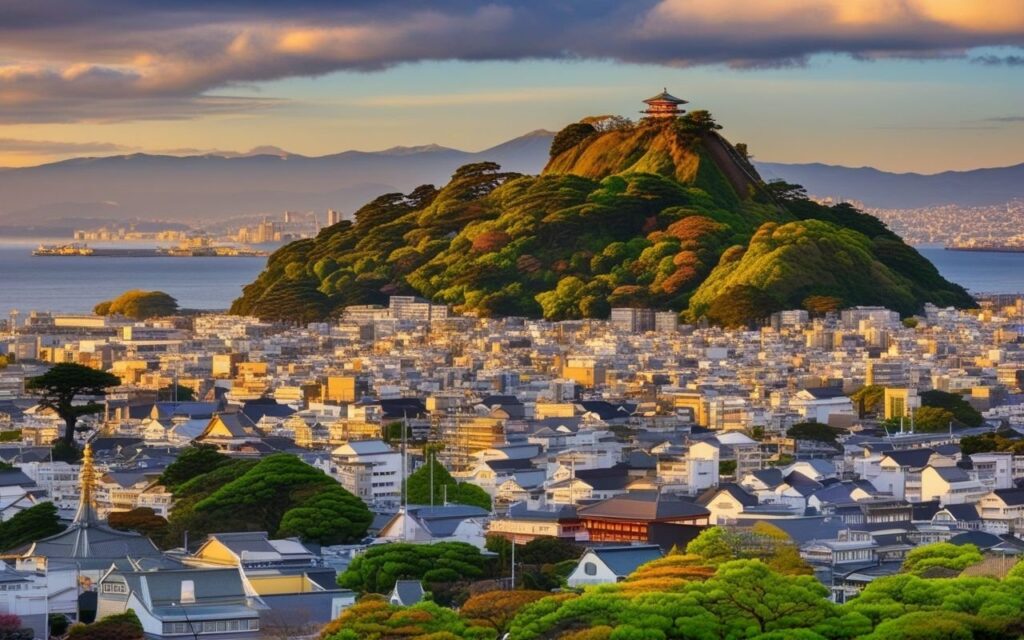
This guide provides essential travel tips and practical advice for navigating Kanagawa Prefecture. From transportation passes to safety information, you will find everything you need for a smooth and enjoyable trip.
Best Time to Visit Kamakura: Monthly Weather & Seasonal Guide 2026
Overview
I visited Kamakura in every season over the past two years, and the difference between a June hydrangea morning and a crisp January day is like visiting two different towns. During my first trip — an August weekend — I spent the day queueing at Hase-dera in the humidity and barely saw the Great Buddha through the crowds. It was only when I returned on a foggy November weekday that I realized how much of Kamakura I had been missing.
This guide is built from those experiences, plus weather data and crowd patterns I’ve tracked month by month. If you’re still deciding on the basics, our Kamakura Area Guide covers getting around, while the Kamakura Temple Guide and Enoden Unlimited Guide help you plan the temple-hopping part of your trip.
🗺️ Quick Verdict
| Season | Rating | Best For |
|---|---|---|
| 🌸 Spring (Mar-May) | ⭐⭐⭐⭐⭐ | Cherry blossoms, Kamakura Festival, perfect weather |
| 🌿 Summer (Jun-Aug) | ⭐⭐⭐ | Hydrangea season (Jun-Jul), beach swimming (Jul-Aug), but hot & humid |
| 🍂 Autumn (Sep-Nov) | ⭐⭐⭐⭐⭐ | Comfortable temperatures, autumn colors, fewer crowds |
| ❄️ Winter (Dec-Feb) | ⭐⭐⭐⭐ | Clear skies, Mount Fuji views, fewest crowds, lowest prices |
Bottom line: April-May and October-November offer the best combination of weather, beauty, and manageable crowds. Visit on weekdays for the best experience. For photography, December-February delivers the clearest Mount Fuji views from the coast.
What is the best month to visit Kamakura?
May is the best month to visit Kamakura. Temperatures hover around a comfortable 22°C (72°F), the greenery is vibrant after spring rains, and crowds are manageable outside Golden Week (April 29-May 5). It’s ideal for temple walking, hiking the Daibutsu Trail, and cycling along the coast.
What is the cheapest time to visit Kamakura?
January (after New Year), February, September, and December offer the lowest accommodation prices. September is particularly good value — summer crowds have dispersed but the weather remains pleasant.
When is the hydrangea season in Kamakura?
Mid-June to early July is peak hydrangea (ajisai) season. Hase-dera, Meigetsu-in (Hydrangea Temple), and Jochi-ji are covered in thousands of blue and purple blooms. Arrive before 7:30 AM to avoid the worst crowds.
Monthly Breakdown
January ☀️ ❄️
| Factor | Details |
|---|---|
| Temperature | Avg high 10°C (50°F) / Avg low 4°C (39°F) |
| Rainfall | 55mm (6 rainy days) — driest month |
| Crowds | Low (except Jan 1-3) |
| Highlights | Hatsumode (New Year shrine visit), clear Fuji views, Sagicho fire festival (Jan 15) |
| Packing | Warm coat, scarf, gloves — coldest month |
Why visit: January offers crystal-clear skies with the best chance of seeing Mount Fuji across Sagami Bay. Temples are quiet after the New Year rush subsides. The Sagicho festival at Tsurugaoka Hachimangu on January 15 features traditional fire rituals. Watch out: January 1-3 are extremely crowded for Hatsumode (first shrine visit). Many shops are closed January 1-3.
February 🥶 🌸 (early blooms)
| Factor | Details |
|---|---|
| Temperature | Avg high 11°C (52°F) / Avg low 4°C (39°F) |
| Rainfall | 75mm (7 rainy days) |
| Crowds | Low |
| Highlights | Setsubun festival (Feb 3), plum blossoms (ume), Mount Fuji views |
| Packing | Warm layers, waterproof jacket |
Why visit: February is still cool and dry with excellent visibility. Plum blossoms begin blooming at Tsurugaoka Hachimangu and local temples. Setsubun (bean-throwing festival) on February 3 is a fun cultural experience. Watch out: Still cold — especially near the coast where wind chill is significant.
March 🌸 🌸
| Factor | Details |
|---|---|
| Temperature | Avg high 13°C (56°F) / Avg low 7°C (44°F) |
| Rainfall | 115mm (9 rainy days) — windier month |
| Crowds | Moderate (increasing toward month end) |
| Highlights | Cherry blossom season begins (late March), warmer weather |
| Packing | Light jacket, layers |
Why visit: Late March brings the start of cherry blossom season. The path from Tsurugaoka Hachimangu to Komachi-dori is lined with cherry trees — stunning when in bloom. Weather is transitional but increasingly pleasant. Watch out: Crowds build significantly during cherry blossom peak (last week of March). Book accommodation early.
April 🌸 🌸 🌸 (Peak Season)
| Factor | Details |
|---|---|
| Temperature | Avg high 18°C (64°F) / Avg low 12°C (53°F) |
| Rainfall | 130mm (10 rainy days) |
| Crowds | Very high (peak season) |
| Highlights | Cherry blossoms (early April), Kamakura Festival (mid-April), perfect weather |
| Packing | Light layers, comfortable walking shoes |
Why visit: April is Kamakura’s most beautiful month. Cherry blossoms peak in early April. The Kamakura Festival (second Sunday of April, week-long) features the spectacular Yabusame (horseback archery) at Tsurugaoka Hachimangu, traditional dances, and a parade.
Watch out: Extremely crowded on weekends. Golden Week (April 29-May 5) is among the busiest periods of the year. Visit on weekdays if possible. 🌸 Kamakura Festival dates: Mid-April (check official site for exact dates)
May 🌿
| Factor | Details |
|---|---|
| Temperature | Avg high 22°C (72°F) / Avg low 17°C (61°F) |
| Rainfall | 130mm (10 rainy days) |
| Crowds | Moderate (except Golden Week) |
| Highlights | Fresh greenery, comfortable weather (best overall month), iris flowers |
| Packing | Light clothing, light jacket for evenings |
Why visit: May is arguably the best month to visit Kamakura. The weather is warm but not hot, the greenery is vibrant, and crowds are manageable outside Golden Week (first week). Great for temple walking, hiking trails like Daibutsu Hiking Course, and cycling along the coast.
Watch out: Golden Week (April 29-May 5) is extremely crowded. Avoid this period. After May 7, the crowds return to normal levels.
June 🌧️
| Factor | Details |
|---|---|
| Temperature | Avg high 25°C (77°F) / Avg low 21°C (67°F) |
| Rainfall | 175mm (12 rainy days) — rainy season |
| Crowds | High (hydrangea season) |
| Highlights | Hydrangea (ajisai) season — the main event! |
| Packing | Umbrella, waterproof shoes, light clothing |
Why visit: June is hydrangea season — Kamakura’s most famous natural spectacle. Hase-dera Temple, Meigetsu-in (Hydrangea Temple), and Jochi-ji are covered in thousands of blue and purple hydrangea blooms. The atmosphere is magical despite the rain.
Watch out: Rain is frequent and crowds are massive at hydrangea temples. Arrive before 8:00 AM to avoid queues. Weekends are chaotic. Waterproof shoes are essential.
June pro tip: Visit hydrangea temples on a weekday, arriving by 7:30 AM. The early morning light through rain-dampened petals creates stunning photo opportunities.
July 🏖️
| Factor | Details |
|---|---|
| Temperature | Avg high 28°C (83°F) / Avg low 24°C (74°F) |
| Rainfall | 145mm (10 rainy days) — rain decreasing |
| Crowds | High (summer vacation begins) |
| Highlights | Beach season opens (Yuigahama, Shichirigahama), summer festivals, firefly viewing |
| Packing | Light clothing, swimwear, sunscreen, sun hat |
Why visit: July marks the start of beach season. Yuigahama and Shichirigahama beaches come alive with swimmers, surfers, and beach houses (umibe no ie). Evening summer festivals (matsuri) begin appearing at local shrines.
Watch out: Hot and humid. Seek shade during midday (11:00-14:00). Start temple visits early (before 10:00) or late afternoon (after 15:00).
August 🔥 🎆
| Factor | Details |
|---|---|
| Temperature | Avg high 29°C (85°F) / Avg low 25°C (76°F) |
| Rainfall | 130mm (9 rainy days) |
| Crowds | Very high (peak summer + Obon holidays) |
| Highlights | Beach activities, fireworks (mid-Aug), Kamakura Summer Festival |
| Packing | Lightest clothing, swimwear, strong sunscreen |
Why visit: Peak beach season. The Kamakura Summer Festival (mid-August) features traditional dances, concerts, and the highlight — fireworks over the coast (~3,000 shells). Great for surfers and sunbathers.
Watch out: Hot, humid, and crowded. Obon week (mid-August) is peak travel season — book far in advance. Visit temples early morning (before 9:00) to avoid heatstroke.
September 🌀
| Factor | Details |
|---|---|
| Temperature | Avg high 26°C (79°F) / Avg low 22°C (70°F) |
| Rainfall | 195mm (12 rainy days) — wettest month |
| Crowds | Low (post-summer, pre-autumn) |
| Highlights | Quieter temples, early autumn colors, fewer tourists |
| Packing | Light layers, rain jacket, umbrella |
Why visit: September is the quietest month for crowds. Summer heat lingers but humidity drops toward month end. Accommodation prices are lower. Great for unhurried temple exploration.
Watch out: Typhoon season (August-October). Check weather forecasts. September is the wettest month — have a rainy day backup plan.
October 🍂
| Factor | Details |
|---|---|
| Temperature | Avg high 21°C (70°F) / Avg low 17°C (61°F) |
| Rainfall | 165mm (9 rainy days) |
| Crowds | Moderate (increasing toward month end) |
| Highlights | Autumn colors begin, comfortable weather, excellent hiking conditions |
| Packing | Light layers, comfortable walking shoes |
Why visit: October offers near-perfect weather — warm days, cool evenings, low humidity. Autumn colors begin appearing at temples in late October. Excellent for hiking the Daibutsu Trail or Genjiyama Park. Mount Fuji visibility starts improving. Watch out: Mid-autumn, typhoon remnants possible in early October.
November 🍂 🍁
| Factor | Details |
|---|---|
| Temperature | Avg high 17°C (62°F) / Avg low 12°C (52°F) |
| Rainfall | 95mm (7 rainy days) |
| Crowds | Moderate-High (autumn leaf season) |
| Highlights | Peak autumn colors (mid-Nov), comfortable weather, clear Fuji views |
| Packing | Warm layers, light jacket |
Why visit: November features spectacular autumn colors. Kencho-ji, Engaku-ji, and Tsurugaoka Hachimangu are at their most beautiful with red and gold maple leaves. The weather is crisp and clear — the second-best month after May. Watch out: Popular temples are crowded during autumn leaf peak (mid-late November). Visit on weekdays.
December ❄️
| Factor | Details |
|---|---|
| Temperature | Avg high 13°C (55°F) / Avg low 7°C (43°F) |
| Rainfall | 55mm (6 rainy days) — dry month |
| Crowds | Moderate (except Dec 31-Jan 1) |
| Highlights | Best Mount Fuji views, winter illuminations, fewest crowds, lowest prices |
| Packing | Warm coat, scarf, gloves |
Why visit: December offers the clearest skies and the best chance of seeing Mount Fuji from Kamakura’s beaches and viewpoints. Yuigahama Beach with Fuji in the background is a classic winter sight. Temples are quiet and peaceful. Year-end illuminations add festive charm. Watch out: Cold! Especially near the coast. December 31 (New Year’s Eve) is busy at Tsurugaoka Hachimangu.
Seasonal Activity Guide
| Activity | Best Months | Notes |
|---|---|---|
| Temple visiting | Apr-May, Oct-Nov | Best weather for walking between temples |
| Hiking (Daibutsu Trail) | Mar-May, Oct-Dec | Avoid summer heat; excellent in autumn |
| Beach / swimming | Jul-Aug | Beach houses open, water warm enough |
| Surfing | Year-round | Best waves: Sep-Nov (typhoon swell) |
| Hydrangea viewing | Jun-Jul | June peak — iconic Kamakura experience |
| Cherry blossoms | Late Mar-early Apr | Tsurugaoka Hachimangu approach |
| Autumn leaves | Mid Nov-early Dec | Kencho-ji, Engaku-ji, Genjiyama |
| Mount Fuji viewing | Nov-Feb | Winter offers clearest views |
| Cycling | Apr-May, Oct-Nov | Best weather for coastal routes |
| Street food (Komachi-dori) | Year-round | Covered options available on rainy days |
Crowd Calendar
| Period | Crowd Level | Recommendation |
|---|---|---|
| Weekdays (non-peak) | 🟢 Low | Best time to visit |
| Weekends (non-peak) | 🟡 Moderate | Arrive before 9:00 AM |
| Cherry blossom weekends | 🔴 Very High | Avoid if possible |
| Hydrangea weekends | 🔴 Very High | Arrive before 7:30 AM |
| Golden Week (Apr 29-May 5) | 🟣 Extreme | Avoid entirely |
| Obon (Aug 13-16) | 🟣 Extreme | Avoid entirely |
| Autumn leaf weekends | 🔴 Very High | Visit on weekdays |
| New Year (Jan 1-3) | 🔴 Very High | Cultural experience but crowded |
| Winter weekdays | 🟢 Lowest | Best for quiet exploration |
Photography Calendar
| Subject | Best Time | Best Location |
|---|---|---|
| Cherry blossoms + temple | Late Mar-early Apr, 6:00-8:00 AM | Tsurugaoka Hachimangu approach |
| Hydrangea + temple | Mid-late Jun, 7:00-9:00 AM | Hase-dera, Meigetsu-in |
| Autumn leaves + temple | Mid-late Nov, 7:00-9:00 AM | Kencho-ji, Engaku-ji |
| Mount Fuji + beach | Dec-Feb, sunrise | Yuigahama Beach, Shichirigahama |
| Sunset over Enoshima | Year-round, 30 min before sunset | Inamuragasaki Cape |
| Enoden tram + flowers | Apr-May (wisteria), Jun (hydrangea) | Enoden tracks near Gokuraku-ji |
| Great Buddha | Early morning year-round | Kotoku-in (arrive at 8:00 AM opening) |
Budget Calendar
| Period | Accommodation | Flights (from overseas) | Overall |
|---|---|---|---|
| Jan-Feb (except New Year) | 💰 Low | 💰 Low | Best value |
| Mar | 💰💰 Mid | 💰💰 Mid | Good value |
| Apr-May (peak) | 💰💰💰💰 High | 💰💰💰💰 High | Most expensive |
| Jun (hydrangea) | 💰💰💰 High | 💰💰 Mid | Expensive but worth it |
| Jul-Aug | 💰💰💰💰 High | 💰💰💰💰 High | Peak summer pricing |
| Sep | 💰💰 Mid | 💰💰 Mid | Best value season |
| Oct-Nov | 💰💰💰 High | 💰💰💰 High | Premium autumn pricing |
| Dec (except New Year) | 💰 Low | 💰💰 Mid | Good value |
Access
Kamakura is one of Kanagawa’s most accessible destinations — just 55 minutes from Tokyo Station on the JR Yokosuka Line (¥330, direct) or about 45 minutes from Shinjuku via the Shonan-Shinjuku Line. From Kamakura Station, the Enoden Line connects the coast toward Enoshima, while JR serves Kita-Kamakura and Ofuna. Most visitors arrive on the Yokosuka Line; for Enoden hopping all day, the Enoden 1-Day Pass (¥800) is excellent value. See our Enoden unlimited guide and Kamakura area guide for route details.
Conclusion
There is no single “best” time to visit Kamakura — it depends on what you want to experience. I visited in every season while researching this guide, and the answer I kept coming back to was: cherry blossom season (early April) and hydrangea season (June) are the most spectacular, while October–November offers the best balance of weather, crowds, and autumn light. If Mount Fuji views and quiet temples matter most, come in winter; if beach weather and festivals are your priority, summer delivers. Whichever season you choose, arriving early — before 9 AM — will always reward you with calmer streets and better photos.