
This complete guide covers autumn foliage (koyo) in Kanagawa Prefecture: when and where the colors peak, the best viewing spots in detail, five hiking routes, seasonal food, photography advice, booking deadlines, and answers to the most common planning questions. Use it to build a foliage trip that matches your pace, whether you have one day or a full week.
Overview
Autumn (mid-November to early December) is the season when Kanagawa’s mountains, temple gardens, and coastal parks turn crimson, orange, and gold. Hakone’s slopes peak first, Kamakura’s temple maples follow, and Yokohama’s gardens hold color into December. Cool, crisp weather makes this the best season of the year for hiking in the region.
- Season: Mid-November to early December (elevation dependent)
- Peak spots: Hakone, Kamakura, Lake Tanzawa, Sankeien Garden
- Temperatures: 5-18°C (41-64°F) — layers recommended
- Crowds: High on November weekends; weekdays are noticeably calmer
- Access: All featured locations are reachable by public transport from Tokyo

Key Points
- Best time: Mid-November to early December
- Top spots: Hakone, Kamakura, Lake Tanzawa
- Peak colors: Elevation dependent — high ground first, coast last
- Access: All locations accessible by public transport

Introduction: Kanagawa’s Autumn Colors
Kanagawa Prefecture offers spectacular autumn foliage viewing. From mountain valleys to historic temple grounds, the region’s diverse landscapes showcase vibrant reds, oranges, and yellows. Autumn foliage (koyo) is Kanagawa’s second-most spectacular natural show after cherry blossoms, and it lasts longer because elevation creates a staggered peak across locations.
Peak period by elevation:
- High elevation (700m+): Early to mid November
- Mid elevation: Mid to late November
- Low elevation (coastal and city): Late November to early December

Peak Timing by Location
The single most useful planning tool for a foliage trip is the peak calendar below. Times shift a little each year with weather, so check the Japan Meteorological Corporation’s koyo forecast (published from mid-October) before finalizing dates.
| Location | Elevation | Peak Time | Best Window | Crowd Level |
|---|---|---|---|---|
| Tanzawa / Oyama | 700-1,000m | Nov 1-10 | Nov 5-15 | Low |
| Hakone | 700m | Nov 10-20 | Nov 15-25 | High (weekends) |
| Kamakura | 50m | Nov 25-Dec 5 | Dec 1-10 | High (weekends) |
| Yokohama (Sankeien, Minato Mirai) | 20m | Dec 1-10 | Dec 5-15 | Moderate |

Week-by-Week Foliage Forecast
Early November (Nov 1-10): High-elevation spots peak. Lake Tanzawa and Hakone mountain trails are at their best. Head to Tanzawa for the earliest colors of the season.
Mid November (Nov 10-20): Peak season begins across Kanagawa. Hakone’s museums and temples are at their most colorful. Expect crowds on weekends.
Late November (Nov 20-30): Kamakura’s temples hit peak color. Sankeien Garden’s maples turn brilliant red. The combination of autumn colors and Kamakura’s temple architecture is the signature view of the season.
Early December (Dec 1-10): Low-elevation spots (Yokohama, coastal areas) reach peak. Tsurugaoka Hachimangu’s ginkgo tree is fully gold. This is the last chance to see autumn colors before the leaves fall.
Mid December onwards: Most leaves have fallen. A few sheltered temple gardens hold color longer. Focus on indoor attractions and winter illuminations instead.

The Best Foliage Spots in Detail

1. Hakone Open-Air Museum
Best for: Art combined with autumn colors
Location: Hakone
Access: Hakone Tozan Railway to Chokoku-no-Mori Station
Peak: Mid - Late November
Hours: 9:00 AM - 5:00 PM
Admission: Y1,600 (adults)
Sculptures set against fall foliage, indoor and outdoor galleries, a Picasso exhibition, and a hot spring foot bath make this a full half-day outing. The mountain backdrop turns red and gold behind the sculpture terrace in late November.

2. Tsurugaoka Hachimangu (Kamakura)
Best for: Shrine grounds and 1,000-year-old ginkgo trees
Location: Kamakura
Access: JR Kamakura Station (10 min walk)
Peak: Late November - Early December
Hours: 6:00 AM - 8:00 PM
Admission: Free
The grand ginkgo avenue leading to the shrine turns fully gold in early December. Evening illumination events run on selected dates in early December — arrive before dusk to see both daylight and lit views.
3. Lake Tanzawa
Best for: Mountain reflections in the lake
Location: Yamakita
Access: JR Gotemba Line to Yamakita Station, then bus
Peak: Early - Mid November
Hours: Open 24 hours
Admission: Free
The earliest colors in the prefecture, mirrored in calm water. Hiking trails and camping areas surround the lake, and it is far less crowded than the Hakone and Kamakura hot spots.
4. Sankeien Garden (Yokohama)
Best for: A classic Japanese garden in full autumn color
Location: Yokohama (Honmoku)
Access: Bus from Yokohama Station (25 min) or Negishi Station (15 min walk)
Peak: Late November - Mid December
Hours: 9:00 AM - 5:00 PM
Admission: Y700 (adults)
More than 15 maple trees over 100 years old surround historic buildings relocated from Kyoto and Kamakura. The three-story pagoda framed by red maples is the signature view; the reflecting pond doubles it. The garden’s tea house serves matcha with seasonal sweets, and the grounds are far less crowded than Hakone or Kamakura spots.
Photography tip: The best composition is from the hill above the three-story pagoda, looking down through the maple branches toward the pond. Arrive at the 9 AM opening for the best light; the afternoon sun (2-3 PM) creates deep shadows through the maple canopy.
5. Kenchoji Temple (Kamakura)
The maple corridor leading to the main hall is the most photographed autumn spot in Kanagawa, and the colors peak in the first week of December. Entry is Y500. Arrive before the 8:30 AM opening to photograph the corridor without crowds.
6. Meigetsuin Temple (Kamakura)
Famous for the “round window” that frames the autumn garden like a painting. Peak is early December and entry is Y500. The queue for the window shot can run 30-60 minutes on weekends — a weekday morning visit avoids the worst of it.
7. Kamakura Temple Autumn Trail
Best for: Temple-hopping through autumn colors
Locations: Engakuji, Kenchoji, Hokokuji (Kamakura)
Access: JR Kita-Kamakura or Kamakura Station, 5-15 min walk each
Peak: Late November - Early December
Admission: Y300-500 per temple
Suggested route: Start at Kita-Kamakura Station, then walk Engakuji (largest temple, maple-lined approach) to Kenchoji (10 minutes, the Sanmon gate framed in red leaves) to Tsurugaoka Hachimangu (15 minutes, the ginkgo turning gold) and finish at Hokokuji (bamboo grove with scattered crimson leaves). Total walking is about 45 minutes between temples; allow two to three hours for the full route.
8. Oyama Temple (Tanzawa)
A lesser-known mountain temple at 700m elevation, reachable by cable car (Y1,800 round trip), with panoramic autumn views over Sagami Bay. Peak is early to mid November and tourists are few.
Autumn Hiking Trails: 5 Routes from Easy to Challenging
| Trail | Duration | Difficulty | Foliage | Elevation Gain |
|---|---|---|---|---|
| Old Tokaido Trail (Hakone) | 2-3 hours | Easy | Maples, pines | 150m |
| Daibutsu Hiking Trail (Kamakura) | 1.5-2 hours | Easy | Forest canopy | 80m |
| Myojingatake Summit (Hakone) | 4-5 hours | Moderate | Alpine foliage | 600m |
| Miura Coastal Trail (Miura) | 3-4 hours | Easy-Moderate | Coastal + forest | 100m |
| Tanzawa Mountain Ridge (Tanzawa) | 6-8 hours | Challenging | High-elevation beech | 1,200m |
Pick of the season: The Old Tokaido Trail is the ideal autumn walk. It follows the historic highway between Hakone-Yumoto and Moto-Hakone through dense maple forests with occasional Mount Fuji views, and the cobblestone sections date back 400 years. Start at 9 AM and finish at Lake Ashi for lunch at a lakeside restaurant. No special equipment is needed beyond sturdy shoes. Explore Mt Fuji & Hakone on a full-day trip with sukiyaki lunch, Hakone Cruise, Ropeway & Shinkansen return

Autumn Food & Drink Guide
Autumn is harvest season in Kanagawa, and the cuisine reflects the bounty:
| Dish | Description | Where | Price |
|---|---|---|---|
| Sanma (Pacific saury) | Grilled whole with salt | Shonan seafood restaurants | Y1,000-1,500 |
| Kuri (roasted chestnuts) | Sweet, warm street snack | Kamakura’s Komachi-dori | Y400-600 |
| Yaki-imo (roasted sweet potato) | Stone-roasted, caramelized | Street vendors and convenience stores | Y200-400 |
| Matsutake gohan | Seasonal mushroom rice | Hakone ryokan (requires booking) | Y2,000-3,500 |
| Nihonshu (sake) | New-season sake release | Hakone breweries | Y800-1,500/glass |
Autumn sake event: The Hakone Sake Festival (early November) features tastings from more than 10 local breweries for around Y3,000 (tasting kit plus five samples).
Photography Tips for Foliage Season
- Golden hour (3:30-4:30 PM in late autumn): Backlit maple leaves create a stained-glass effect
- Overcast days: Often better than sunny days — colors read as more saturated without harsh shadows
- Reflections: Puddles, Lake Ashi, and temple ponds reflect autumn colors for creative compositions
- Aperture: f/2.8-4.0 for close-up leaves with creamy bokeh; f/8-11 for landscapes that need depth; ISO 100-200
- Contrast: Frame red maple against a dark temple roof or green moss for maximum impact
- Filters: A polarizing filter cuts glare on wet leaves and deepens color
Practical Tips for Peak Foliage Season
Booking Deadlines
| Item | Deadline |
|---|---|
| Hakone accommodation | 2-3 months ahead (by September) |
| Romancecar seats | 1 month ahead (by October) |
| Popular ryokan dinner | At time of booking |
| Kamakura tour guide | 2 weeks ahead |
Crowd Strategy
- The Hakone Tozan Railway can have 30-60 minute waits on November weekends — ride it before 9 AM or after 3 PM
- Kenchoji’s maple corridor is busiest 10 AM-2 PM — visit at the 8 AM opening or after 3 PM
- Friday through Monday is peak crowd — aim for Tuesday to Thursday
- Paid parking fills by 8 AM in Hakone and Kamakura — use public transport
- Weekday temple visits in Kamakura are noticeably calmer than weekend ones throughout the season
What to Pack
Day trips require minimal packing. Mornings start near 5°C, so bring layered clothing and a light jacket that can be removed by afternoon. Comfortable walking shoes matter on gravel temple paths and stairs. A light rain jacket covers the occasional November shower, and a charged portable battery keeps your phone running for navigation and photos. A small hand towel is useful for public restrooms, and a reusable bag works well for market purchases.
How to Get There
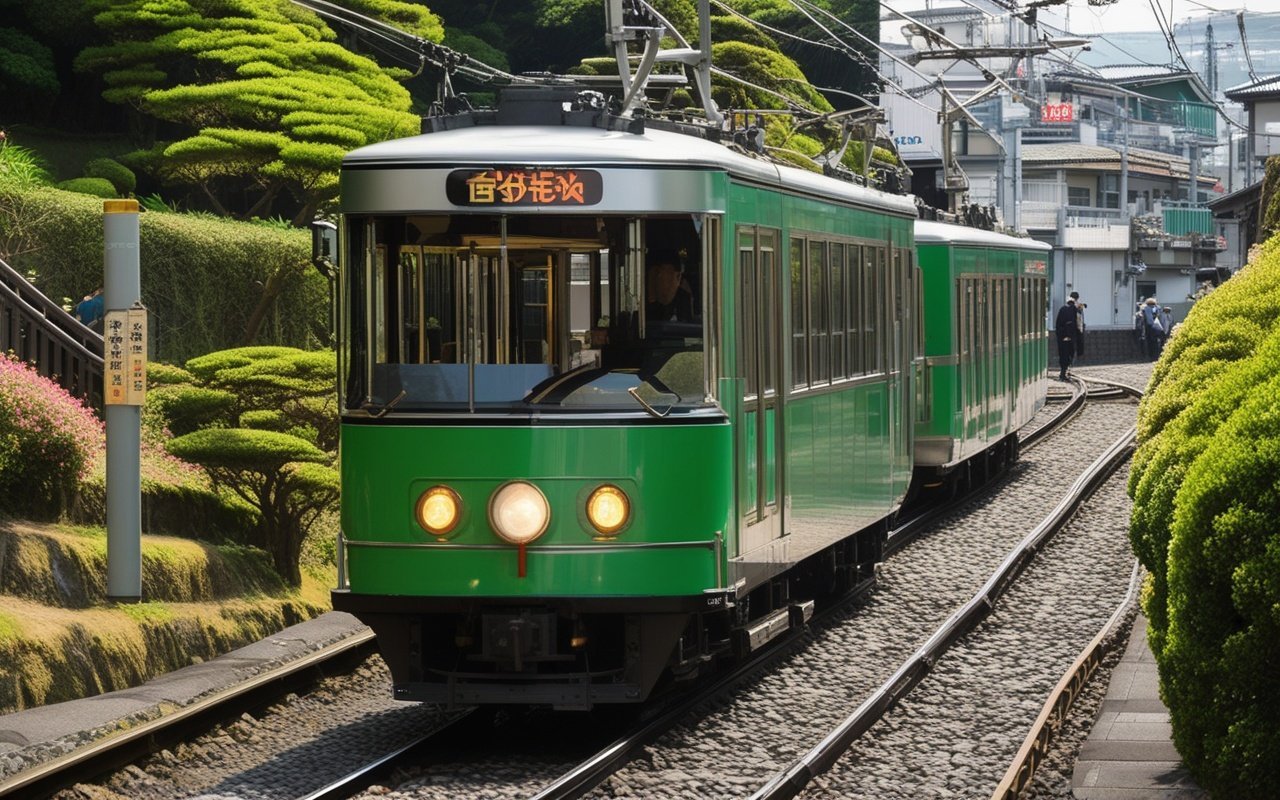
To Hakone: Odakyu Romancecar from Shinjuku to Hakone-Yumoto (85 minutes, reserved seat about Y2,000) or the JR Yokosuka Line from Tokyo (60 minutes, about Y1,040 unreserved). The Hakone Tozan Railway itself offers foliage views along the climb.
To Kamakura: JR Yokosuka Line from Tokyo to Kamakura (about 1 hour). Kenchoji, Engakuji, and Tsurugaoka Hachimangu all hold ginkgo and maple color from late November.
To the Tanzawa Mountains: Odakyu Line from Shinjuku to Shibusawa Station (90 minutes), then bus to the trailheads. Early-November colors peak here first.
To Yokohama: JR Tokaido Line to Yokohama Station (25 minutes), then bus to Sankeien Garden, or walk Minato Mirai’s illuminated parks after dark.
To Lake Ashi: From Hakone-Yumoto, the Tozan Bus (30 minutes) or a sightseeing cruise brings you to the lake, where foliage reflects off the water on calm mornings.
Passes and Tickets Worth Knowing
Three passes cover most of the transport in this guide, and each one saves money only under the right conditions.
Hakone Free Pass (2-day from Shinjuku, about Y6,100): Covers the round trip from Shinjuku, the Tozan Railway, Tozan Bus, Hakone Ropeway, sightseeing cruise, and the loop bus inside Hakone. It pays for itself on any itinerary that uses three or more of those legs, which most foliage trips do. A 1-day version from Odawara costs about Y2,400 and works for travelers already staying in the area.
Enoshima-Kamakura Free Pass (from Fujisawa, about Y1,640): Covers the Enoden line and JR between Fujisawa, Kamakura, and Enoshima. Useful when combining a Kamakura foliage day with a coastal stop, since single tickets add up quickly on this route.
IC cards (Suica, PASMO, Pasmo Passport): Accepted on every train and bus in this guide, including the Hakone Tozan Railway and local Kamakura buses. Tap and go — no ticket queues at small rural stations, and IC fares are slightly cheaper than cash on some bus segments.
Buy the Hakone Free Pass at Shinjuku Station’s Odakyu Sightseeing Service Center to skip the machines; arrive 20 minutes early on autumn weekends because the counter queues before the 8 AM departures.
Frequently Asked Questions
Q: When exactly does autumn foliage peak in Kanagawa?
A: The peak varies by elevation — Hakone highlands: early to mid November, Kamakura: late November to early December, Yokohama: early to mid December. Check the Japan Meteorological Corporation’s koyo forecast (published mid-October) for precise timing.
Q: Which is better for autumn — Hakone or Kamakura?
A: Both are excellent but different. Hakone offers grand mountain scenery with Lake Ashi reflections, which suits photographers. Kamakura offers intimate temple gardens with carefully curated maple arrangements, which suits culture lovers. With two or more days, do both.
Q: How crowded is Hakone during foliage season?
A: November weekends are as crowded as cherry blossom season. The Hakone Tozan Railway runs extra cars but still fills up, so visit on weekdays when you can. If a weekend is unavoidable, start at 7 AM.
Q: What should I wear for autumn temple visits?
A: Layered clothing is essential. Mornings run 5-10°C (light jacket plus sweater); afternoons reach 15-18°C. Comfortable shoes handle gravel paths and stairs, and a light rain jacket covers the occasional November shower.
Q: Are there night illuminations for autumn foliage?
A: Yes. Several temples offer special night viewing: Kenchoji Temple (late November, Y800), Meigetsuin (early December, Y600), and Hakone’s Gora Park (November, free). They are popular, so arrive 30 minutes before opening.
Q: Is a car necessary for an autumn foliage trip?
A: No. Every spot in this guide is reachable by train and bus, and parking in Hakone and Kamakura fills by 8 AM on foliage weekends. A car only helps for the Tanzawa trailheads, where bus service is infrequent — for those, plan the first and last bus of the day before you set out.
Q: What happens if it rains during the trip?
A: Colors hold up fine in light rain, and overcast days often photograph better than sunny ones. Heavy rain is a good reason to switch to indoor options: the Hakone Open-Air Museum, Sankeien’s historic buildings, and Yokohama’s museums and markets all work as weather-proof alternatives that keep the day useful.
Exploring the Area
Beyond the main attractions, time spent in the surrounding neighborhoods is often the most rewarding part of a foliage trip.
Neighborhood character: Each district has its own distinct feel, from bustling shopping streets to quiet residential lanes with traditional architecture. Wandering off the main tourist paths often reveals quieter maple trees and small temple gardens with no entrance fee.
Local recommendations: Ask at your accommodation or a tourist information center for nearby spots that standard guidebooks skip. Local knowledge is the fastest route to authentic experiences.
Nearby attractions: The region rewards combining stops — a Kamakura morning pairs well with an afternoon in Yokohama, and Hakone fits naturally with a Tanzawa hiking day.
Walking routes: Several self-guided walking routes connect major sights while passing through interesting neighborhoods. These typically take one to three hours and are signposted in English at the main junctions.
Where to Stay During Foliage Season
Hakone
The classic base for an early-November foliage trip. Ryokan with private onsen baths cluster around Hakone-Yumoto, Gora, and Miyagino, and rates run from about Y15,000 per person with dinner and breakfast in a standard room to Y40,000+ for a private-open-air-bath suite in peak week. Budget travelers can use business hotels near Hakone-Yumoto Station (Y8,000-12,000) and still reach every foliage spot on this list by train and bus. Book two to three months ahead for peak weekends, and confirm whether dinner is included before reserving — autumn kaiseki courses are one of the main reasons to stay in a ryokan in this season.
Kamakura
Better suited to day trips than overnights, but staying over lets you photograph the temple maples at 8 AM before the day-trippers arrive from Tokyo. Small guesthouses and minshuku sit within walking distance of Kita-Kamakura Station, and rates are typically Y9,000-18,000 per person. A Saturday-night stay turns a rushed temple circuit into an unhurried two-day walk.
Yokohama
The most flexible base: hotel supply is large, prices are steadier than Hakone, and Sankeien Garden is 30 minutes from central stations. This works well for travelers combining late-season foliage (early December) with city sights, shopping, and the Minato Mirai evening illuminations.
A Sample 2-Day Foliage Itinerary
Day 1 — Hakone: Leave Shinjuku on the 7:30 AM Romancecar, arrive Hakone-Yumoto just after 9 AM. Ride the Tozan Railway up to Chokoku-no-Mori for the Open-Air Museum at opening (art plus mountain foliage). After lunch, continue to Lake Ashi for a 25-minute cruise while the morning mist clears, then take the Tozan Bus back down. Return to Tokyo on the 5 PM train, or stay overnight in a ryokan for the autumn kaiseki dinner.
Day 2 — Kamakura: Arrive at Kita-Kamakura by 8:30 AM, walk Engakuji, then Kenchoji before the corridor crowds build. Continue on foot to Tsurugaoka Hachimangu as the ginkgo avenue fills with color, break for lunch on Komachi-dori, and finish at Hokokuji’s bamboo grove mid-afternoon. The full temple circuit takes three to four hours with photos, and the last trains back to Tokyo run well into the evening.
This pairing covers the two strongest foliage regions of the prefecture in one weekend. Add a third day for Tanzawa or Sankeien if your schedule allows.
Events and Illuminations
- Hakone Sake Festival (early November): Tastings from more than 10 local breweries
- Kenchoji night viewing (late November, Y800): Maple corridor lit after dark
- Meigetsuin special opening (early December, Y600): The round window view at dusk
- Tsurugaoka Hachimangu illumination (early December): The ginkgo avenue lit in the evening
- Gora Park illumination (November, free): Garden lighting in the Hakone highlands
Event dates shift each year and are usually confirmed in late October. Temple night viewings are extremely popular — arrive 30 minutes before opening, and expect 20-40 minute queues at the most famous ones.
Summary: Autumn in Kanagawa — The Season of Fire
Autumn is arguably Kanagawa’s most photogenic season. Comfortable hiking weather (15-20°C in the day), spectacular foliage, and harvest-season cuisine combine into a trip that rivals cherry blossom season without quite the same crowds.
Three takeaways for planning:
- Start high, finish low: Follow the foliage from Hakone (early November) down to Yokohama (early December) over three to four weeks
- Book Hakone by September: Autumn is Hakone’s busiest season, and accommodation fills two to three months ahead
- Combine foliage and hiking: The Daibutsu Trail and Old Tokaido Trail deliver both in a single day
For trail details, see our Hakone Hiking Guide and Kamakura Walking Routes. For accommodation, see the Hakone Ryokan Guide. For more on the region, browse the Miura Peninsula guide and Kamakura Night Illumination Guide.
Conclusion
Plan the logistics in advance — booking deadlines, transit passes, and a rough day-by-day route — then keep the schedule flexible enough to follow the color. The foliage moves down the mountain week by week, and the best viewing moments tend to arrive between the checklist items: an empty temple corridor at 8 AM, a still lake at mid-morning, a lantern-lit ginkgo avenue after sunset. Plan well, travel light, and leave room for the day to surprise you.
本記事には広告(アフィリエイト)リンクが含まれます。リンク経由で予約・購入された場合、当サイトに手数料が発生することがありますが、読者の支払額は変わりません。掲載内容は編集方針に基づき、公式情報を優先しています。Affiliate Disclosure