Overview
Rated: Night Safety by Area
| Area | Safety Rating | Best For | After 10 PM |
|---|---|---|---|
| Yokohama — Minato Mirai | ★★★★★ | Illuminated waterfront walks, dinner | Very safe, well-lit until late |
| Yokohama — Yamashita Park | ★★★★★ | Night harbor views | Safe, some areas quieter |
| Yokohama — China Town | ★★★★☆ | Evening food exploration | Moderate — restaurants close by 9 PM |
| Yokohama — Noge | ★★★★☆ | Izakaya hopping | Safe on main streets; stick to busy areas |
| Yokohama — Isezaki-cho | ★★★☆☆ | Shopping | Avoid — touts and less reputable bars |
| Kamakura — Komachi-dori | ★★★★★ | Evening dining | Very safe but most shops close by 8 PM |
| Kamakura — Tsurugaoka Hachimangu | ★★★★☆ | Night lights events | Very safe during events; quiet otherwise |
| Enoshima | ★★★★☆ | Sunset + evening walk | Safe until the last Enoden train (11 PM) |
| Hakone | ★★★★☆ | Onsen ryokan evening | Very safe in resort areas; dark on mountain roads |
| Kawasaki — Station Area | ★★★☆☆ | Shopping, dining | Exercise caution near pachinko parlors |
| Shonan Beaches (summer) | ★★★☆☆ | Evening beach walk | Quiet; limited lighting on some beaches |
Best Safe Night Activities
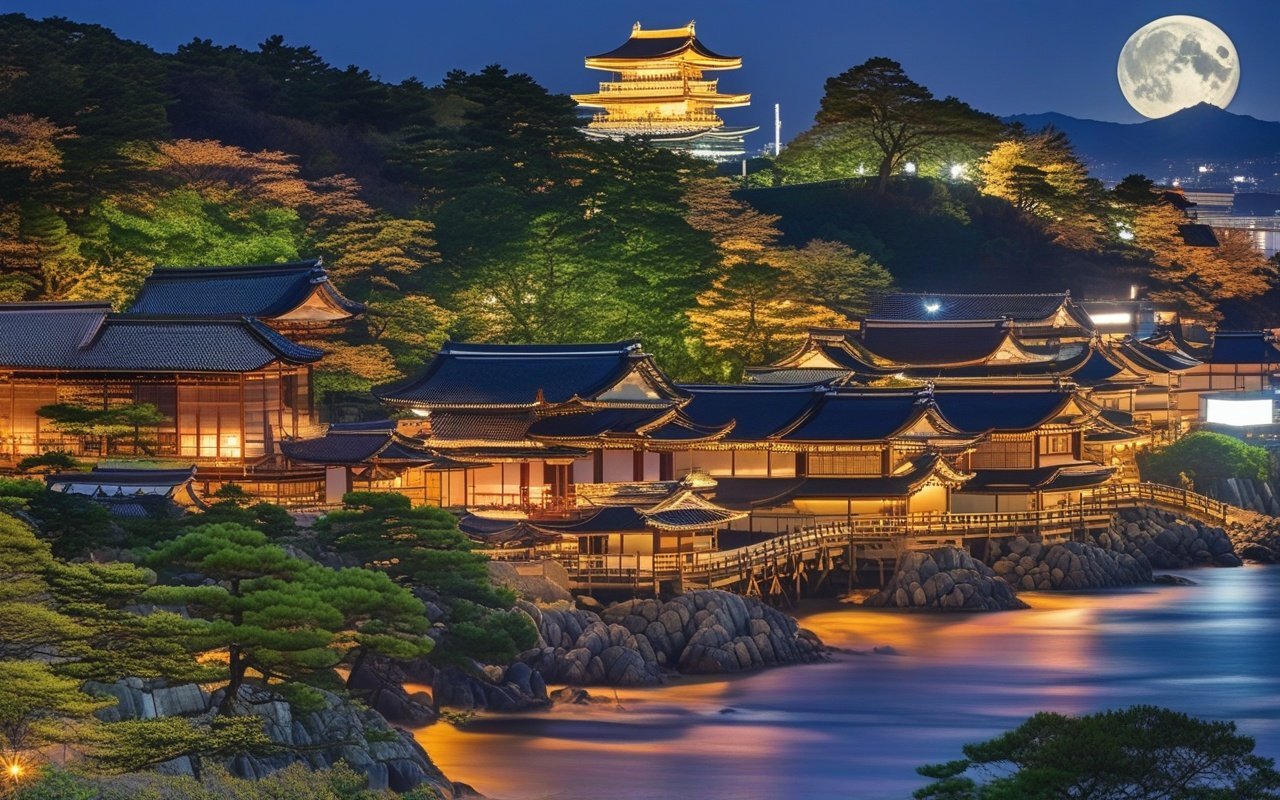
🌃 Yokohama Night lights
Yokohama’s waterfront is amazing after dark:
| Activity | Location | Best Time | Safety |
|---|---|---|---|
| Minato Mirai夜景 | Minato Mirai waterfront | Sunset-11 PM | ★★★★★ |
| Yokohama Bay Cruise | Yokohama Port | Evening cruises (1-2 hours) | ★★★★★ |
| Yokohama Landmark Tower Sky Garden | Landmark Tower 69F | Until 9 PM (last entry 8:30 PM) | ★★★★★ |
| Yamashita Park night walk | Yamashita Park | Until 10 PM | ★★★★★ |
| Cosmo World Ferris Wheel | Minato Mirai | Until 9-10 PM (seasonal) | ★★★★★ |
🏮 Kamakura Evening things
| Activity | Location | Best Time | Safety |
|---|---|---|---|
| Komachi-dori dinner | Kamakura Station East | 5-8 PM | ★★★★★ |
| Tsurugaoka Hachimangu night | Main shrine approach | During special lights | ★★★★★ |
| Yuigahama evening walk | Near Kamakura Station | Sunset-7 PM (summer) | ★★★★☆ |
♨️ Hakone Evening Onsen
| Onsen | Location | Hours | Safety |
|---|---|---|---|
| Yunessun | Hakone-Yumoto | 9 AM-7 PM (winter). 9 AM-8 PM (summer) | ★★★★★ |
| Tenzan Onsen | Gora area | 10 AM-10 PM (last entry 9 PM) | ★★★★★ |
| Hakone Yuryo | Miyanoshita | 10 AM-9 PM | ★★★★★ |
🌊 Shonan / Enoshima Evening
| Activity | Location | Best Time | Safety |
|---|---|---|---|
| Enoshima Sea Candle | Enoshima Island | Until 8 PM (last entry 7:30 PM) | ★★★★☆ |
| Shonan Beach sunset walk | Shichirigahama. Kugenuma | Sunset-7 PM | ★★★★☆ |
| Enoden evening ride | Kamakura to Fujisawa | Until 11 PM | ★★★★★ |
Night Transportation
Last Train Times
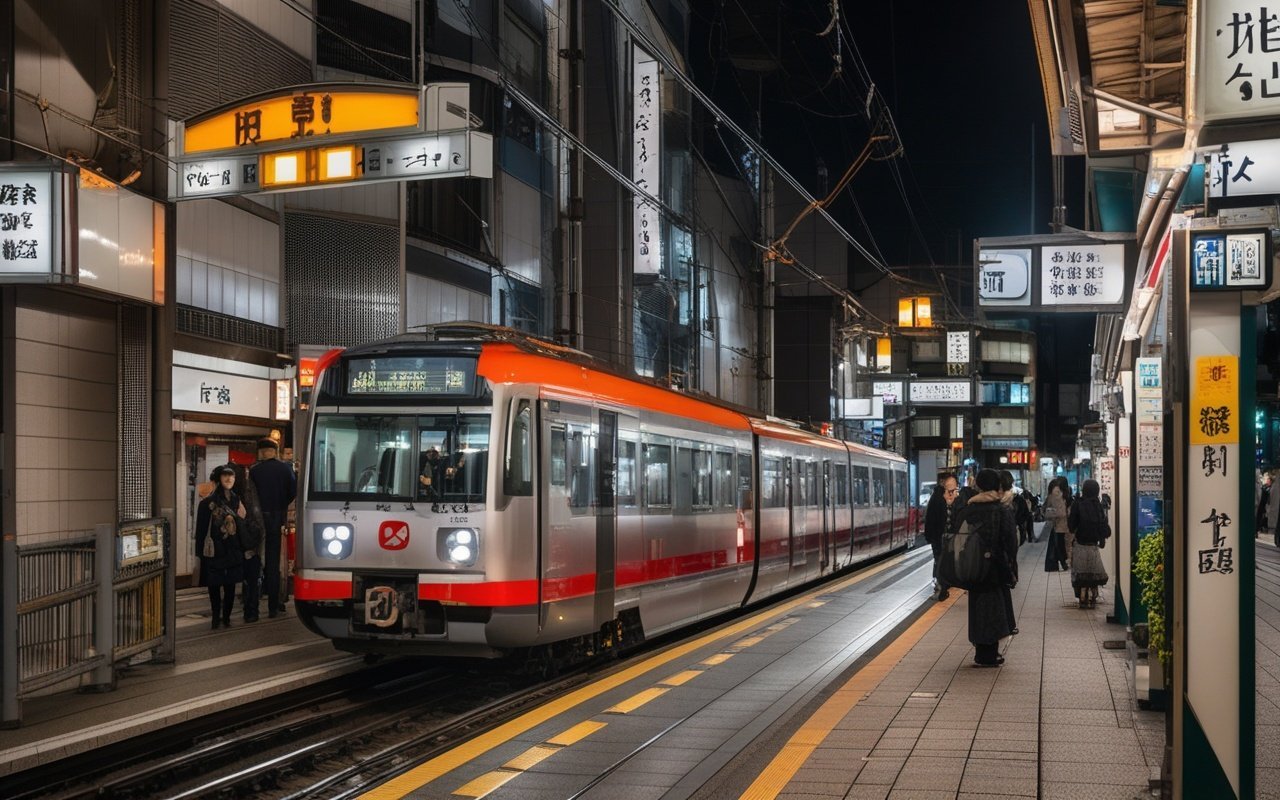
Knowing the last train times is critical for a smooth evening:
| Line | Last Train (approx.) | Frequency Until Last Train |
|---|---|---|
| JR Tokaido Line (Tokyo-Yokohama-Odawara) | 12:00 AM-12:30 AM | Every 5-10 min until 11 PM. then every 15-20 min |
| JR Yokosuka Line (Tokyo-Yokohama-Kurihama) | 11:45 PM-12:15 AM | Every 10-15 min until 10 PM |
| JR Keihin-Tohoku Line (Omiya-Yokohama-Ofuna) | 12:00 AM-12:30 AM | Every 5-10 min |
| Odakyu Line (Shinjuku-Odawara) | 11:30 PM-12:00 AM | Every 10-15 min |
| Keikyu Line (Shinagawa-Misakiguchi) | 11:30 PM-12:00 AM | Every 10-15 min |
| Enoden (Kamakura-Fujisawa) | 10:45 PM-11:15 PM | Every 12-15 min |
| Shonan Monorail (Ofuna-Enoshima) | 10:30 PM-11:00 PM | Every 10-15 min |
| Tokyu Toyoko Line (Shibuya-Yokohama) | 12:15 AM-12:45 AM | Every 5-10 min |
⚠️ IMPORTANT: Enoden stops running earlier than most lines — the last train from Kamakura is around 11:00 PM. If you are in Enoshima or Kamakura after this time, you will need a taxi.
Taxis at Night
- Availability: Taxis are available at major stations throughout the night
- Fares: Night surcharge (20% extra) applies from 10 PM to 5 AM
- From Kamakura to Yokohama: about ¥6,000-8,000
- From Enoshima to Kamakura: about ¥3,000-4,000
- From Hakone to Odawara: about ¥4,000-5,000
Ride-Hailing Apps
| App | Coverage | Notes |
|---|---|---|
| GO | Greater Tokyo area incl. Kanagawa | Most popular. English interface available |
| Uber | Central Yokohama, limited suburban | Available but fewer drivers than GO |
| DiDi | Yokohama area | Good for Chinese-speaking users |
Night Safety Tips
General Night Safety
- Stick to well-lit streets — main roads in Kanagawa are generally well-lit and safe
- Avoid shortcuts through dark alleys — even in safe Kanagawa, stick to main routes
- Walk purposefully — appearing confident deters unwanted attention
- Keep your phone charged — for maps and emergencies
- Share your location — share your real-time location with a friend or family member
- Travel in groups when possible — there is safety in numbers
For Solo Travelers
- Choose centrally found lodging — close to train stations
- Inform hotel staff — let them know your rough plans for the evening
- Carry your hotel’s business card — with address in Japanese for taxi drivers
- Stick to recommended areas — see the Night Safety Ratings table above
- Avoid alcohol overconsumption — be mindful of your limits when alone
For Female Travelers
Japan is generally very safe for female travelers at night, but:
- Women-only train carriages — available during morning rush hours (pink signs)
- Avoid isolated areas — even in safe districts
- Trust your instincts — if an area feels uncomfortable, leave
- Staffed lodging — choose hotels with 24-hour front desk over Airbnbs for solo female travel
- Emergency whistle — a small whistle can attract attention if needed
What to Do If You Miss the Last Train
Option 1: Take a Taxi
Taxi stands are found at every major train station. At night, you may need to walk to the nearest taxi stand rather than hailing one on the street. Approximate taxi fares from popular night areas:
| From | To | Fare (night rate) |
|---|---|---|
| Kamakura | Yokohama | ¥6,000-8,000 |
| Kamakura | Tokyo | ¥15,000-20,000 |
| Enoshima | Kamakura | ¥3,000-4,000 |
| Hakone | Odawara | ¥4,000-5,000 |
| Noge | Yokohama Station | ¥1,500-2,000 |
Option 2: Ride-Hailing Apps
Check the GO app for availability. Night surge pricing applies but is generally reasonable.
Option 3: Late-Night Bus Services
Some routes operate late-night buses, mainly from Tokyo to Yokohama:
- Keikyu Bus: Late-night services from Shinagawa to Yokohama
- Odakyu Highway Bus: Late-night services from Shinjuku to Odawara/Hakone
Option 4: Stay Overnight
If you are far from your lodging and taxis are expensive:
- Karaoke boxes (like Big Echo. Maneki Neco) — open 24 hours. ¥2,000-4,000 for the night
- Manga/internet cafes (like Manga Souko. Manboo!) — private booths with shower places. ¥2,000-3,000 for the night
- 24-hour cafes — some cafes in Yokohama are open 24 hours
Safe Nightlife tips
Izakaya Hopping in Noge
Noge is Yokohama’s most atmospheric drinking district:
- Sakura-dori — main street with dozens of izakayas
- Noge Central — covered shopping arcade with small bars
- Uo-tana — seafood-focused local chain
Minato Mirai Evening
- World Porters — shopping and dining until 9 PM
- Red Brick Warehouse — restaurants and events until 9 PM
- Hotel bars — many hotels have great bars with harbor views
Kamakura Evening Dining
- Komachi-dori restaurants — most close by 8-9 PM
- Kamakura Station area — some restaurants open until 10 PM
- Yokohama-bound travelers — take the last Enoden to Ofuna, then JR to Yokohama
🇯🇵 Night-Time Japanese Phrases
| English | Japanese | Pronunciation |
|---|---|---|
| What time is the last train?. | 終電は何時ですか? | Shūden wa nanji desu ka? |
| Where is the taxi stand? | タクシー乗り場はどこですか? | Takushī noriba wa doko desu ka? |
| Please take me to this hotel | このホテルまでお願いします | Kono hoteru made onegai shimasu |
| Is it safe to walk here? | ここを歩いても安全ですか? | Koko wo aruite mo anzen desu ka? |
| I missed the last train | 終電を逃しました | Shūden wo nogashimashita |
Frequently Asked Questions
Q: How can I stay informed during an emergency in Japan?
A: Download the Safety Tips app by the Japan Tourism Agency for earthquake and tsunami warnings in English. Register with your embassy for emergency notifications. NHK World provides English-language disaster coverage. Most mobile phones in Japan receive emergency alerts automatically (J-ALERT) with English text. Q: What are the most important emergency numbers?
A: Dial 110 for police and 119 for ambulance or fire services. English-speaking operators are available 24/7. For non-emergency police help, visit a koban (police box) — there are over 6,000 in Kanagawa. The Japan Helpline (0570-000-911) offers 24/7 English support for tourists. Q: Where are emergency shelters in Kanagawa?
A: Emergency shelters (hinanjo) are found at schools, community centers, and public halls. The Safety Tips app shows the nearest shelter on a map. Major evacuation centers include Yokohama Arena (capacity 17,000) and Yokohama International Stadium (72,000). Yellow and green signs mark shelter locations throughout the city. Q: What should I include in my emergency kit?
A: Carry a small day-bag with: water bottle, copy of passport and hotel address in Japanese, and ¥10,000-20,000 in small bills. Convenience stores stock emergency supplies, During typhoon season (June-October), also pack a rain jacket and waterproof bag for electronics. Q: Is travel insurance recommended for Kanagawa?
A: Yes, comprehensive travel insurance is strongly recommended. It covers medical emergencies (including hospital visits), trip cancellation, lost luggage, and emergency evacuation. Some Japanese hospitals need upfront payment or proof of insurance before treatment. Keep your insurance card and a digital copy of your policy accessible at all times. My personal exploration of Kanagawa has been incredibly rewarding, and I encourage every traveler to time these places firsthand.
Final Thoughts
Kanagawa Night Safety Guide 2026 — Safe … is your starting point for exploring this part of Kanagawa. With these practical tips, you’ll navigate Kanagawa with confidence and enjoy a smooth travel time. For more guides, check out our other articles covering Hakone, Kamakura, Yokohama, Shonan, and the Miura Peninsula. —
Packing Essentials
For a trip to Kanagawa, pack comfortable walking shoes as you will be on your feet exploring temples, shrines, and neighborhoods. A reusable water bottle is essential – tap water is safe to drink. A small umbrella or light rain jacket is useful year-round. Power banks are recommended since you will rely on your phone for maps. A small daypack for daily essentials makes sightseeing more convenient.
Conclusion
exploring Kanagawa for its night can be as relaxed or as packed as you want it to be, and I have found that the best visits leave room for both planning and spontaneity. During my visit I went with a rough plan and found that leaving room to wander made the trip far more memorable. Use this guide to sort out the logistics in advance, then let the day surprise you — Kanagawa rewards travelers who stay curious.