This guide provides essential travel tips and practical advice for navigating Kanagawa Prefecture. From transportation passes to safety information, you will find everything you need for a smooth and enjoyable trip.
Overview
Quick Links
Planning a visit to experience Kamakura Enoshima Area Guide 2026 in Kanagawa? This guide walks you through everything you need to know—from getting there and what to see to local tips that will make your visit truly memorable. Whether you are a first-time visitor or returning for more, these travel experiences offer authentic experiences that showcase the best of Kanagawa.
📍 Location
The iconic Kamakura Great Buddha) statue – Don’t miss the Enoshima Aquarium for a family-friendly activity. statue stands 13.35 meters tall at Kotoku-in Temple, a symbol of the city’s rich Buddhist heritage.
- Access: 1 hour from Tokyo by train
- Best for: Temples, beaches, history, day trips
- Best season: Spring (cherry blossoms) and Summer (beaches)
Introduction: Why Visit Kamakura & Enoshima
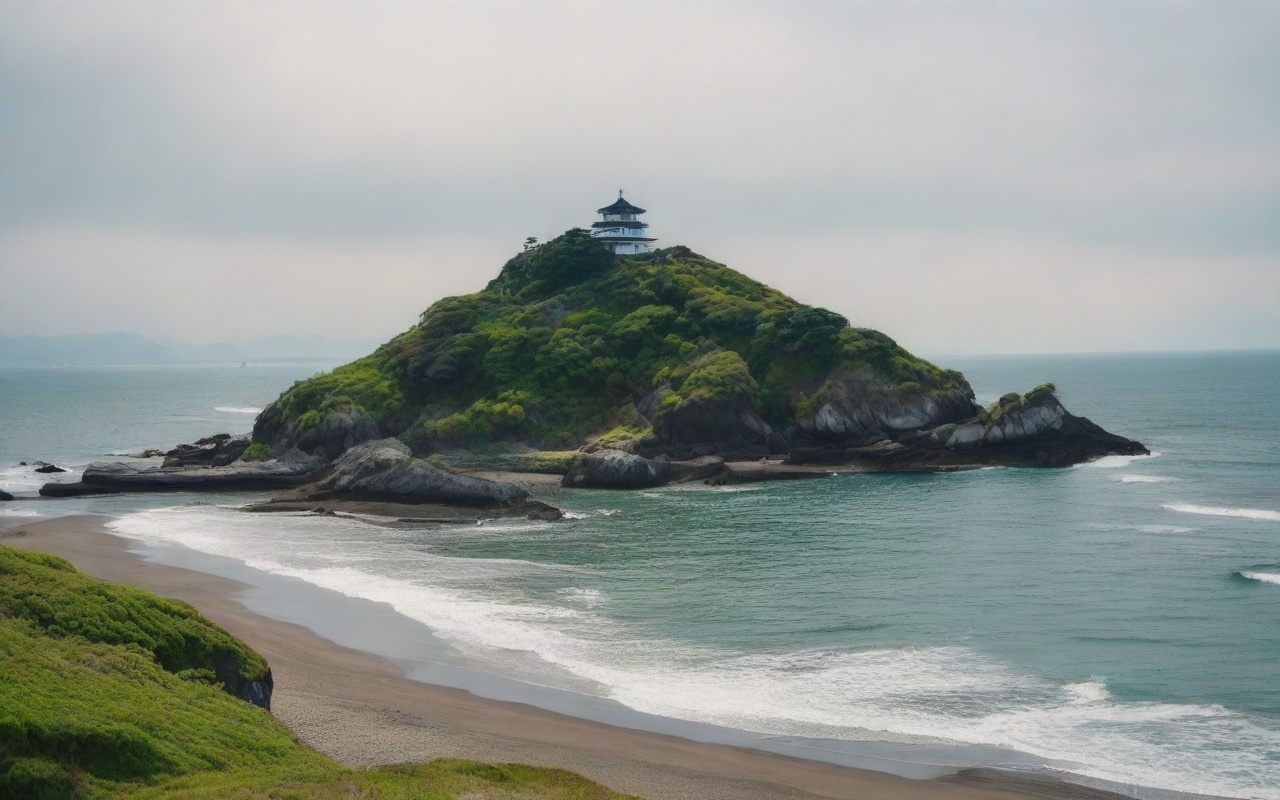
Kamakura and Enoshima are two of the most popular destinations in Kanagawa Prefecture, offering a perfect blend of history, culture, and natural beauty, Located just one hour from Tokyo, this area is ideal for day trips or weekend getaways.
Kamakura was the political center of Japan for nearly 150 years during the Kamakura period (1185-1333). Today, it’s famous for its historic temples, shrines, and the iconic Great Buddha.
Enoshima is a small island connected to the mainland by a bridge, known for its shrine, sea caves, and beautiful beaches.
By Train
To Kamakura Station:
- JR Yokosuka Line: 1 hour from Tokyo Station (¥1,040)
- JR Shonan-Shinjuku Line: 1 hour from Shinjuku (¥1,040)
- Enoden Line: Connects Kamakura to Enoshima (¥320)
To Enoshima:
- Odakyu Line: 65 minutes from Shinjuku to Katase-Enoshima (¥650)
- Enoden: 10 minutes from Kamakura to Enoshima (¥320)
By Car
- From Tokyo: 1.5 hours via Yokohama-Yokosuka Road
- Parking: Available at most attractions (¥500-1000/day)
Tsurugaoka Hachimangu Shrine
Best for: History, architecture, cherry blossoms
Hours: 6:00 AM - 8:00 PM (varies by season)
Admission: Free
Access: 10 min walk from Kamakura Station
The most important Shinto shrine in Kamakura, founded in 1063. The approach to the shrine is lined with shops and food stalls.
Kotoku-in Temple (Great Buddha)
Best for: Iconic photo spot, history
Hours: 8:00 AM - 5:30 PM
Admission: ¥300 (¥200 for temple interior)
Access: 7 min walk from Hase Station
The Great Buddha of Kamakura is a 13.35-meter tall bronze statue, one of the most iconic landmarks in Japan.
Hasedera Temple
Best for: Gardens, ocean views, flowers
Hours: 8:00 AM - 5:00 PM
Admission: ¥400
Access: 5 min walk from Hase Station
Famous for its beautiful gardens and panoramic views of Kamakura Bay.
Enoshima Shrine
Best for: Spiritual experience, views
Hours: 9:00 AM - 5:00 PM
Admission: Free (¥500 for garden)
Access: 15 min walk from Enoshima Station
A complex of three shrines dedicated to the goddess Benzaiten.
Enoshima Sea Candle
Best for: Panoramic views, sunset
Hours: 9:00 AM - 8:00 PM
Admission: ¥600
Access: 10 min walk from Enoshima Station
A lighthouse with an observation deck offering 360-degree views. On clear days, you can see Mount Fuji.
Ryugu Cave (Enoshima Iwaya)
Best for: Natural wonder, photography
Hours: 9:00 AM - 5:00 PM
Admission: ¥500
Access: 15 min walk from Enoshima Station
Sea caves formed by wave erosion. The caves are illuminated with colorful lights.
Yuigahama Beach
Best for: Swimming, surfing, summer festivals
Season: July-August
Facilities: Showers, restrooms, shops
Access: 5 min walk from Kamakura Station
The most popular beach in Kamakura, great for swimming and surfing.
Zaimokuza Beach
Best for: Quiet atmosphere, long walks
Season: July-August
Facilities: Showers, restrooms
Access: 15 min walk from Kamakura Station
A quieter alternative to Yuigahama, popular for beach walks.
Enoshima Beach
Best for: Surfing, beach volleyball
Season: July-August
Facilities: Showers, restrooms, shops
Access: 10 min walk from Enoshima Station
Popular among surfers, with several surf schools available.
Kamakura Station Area
- Komachi-dori Street: Food stalls, cafes, restaurants
- Recommended: Matcha sweets, takoyaki, croquettes
Enoshima Island
- Seafood: Fresh fish, sushi, ramen
- Recommended: Enoshima Nori (seaweed), seafood donburi
One-Day Trip
Morning:
- Arrive at Kamakura Station
- Visit Tsurugaoka Hachimangu Shrine
- Explore Komachi-dori Street Afternoon:
- Take Enoden to Hase Station
- Visit Kotoku-in (Great Buddha)
- Visit Hasedera Temple Evening:
- Return to Tokyo or stay for dinner
Two-Day Trip
Day 1: Kamakura
- Tsurugaoka Hachimangu Shrine
- Kotoku-in (Great Buddha)
- Hasedera Temple
- Stay overnight in Kamakura Day 2: Enoshima
- Enoshima Shrine
- Enoshima Sea Candle
- Ryugu Cave
- Beach time (summer)
- Return to Tokyo
Summary
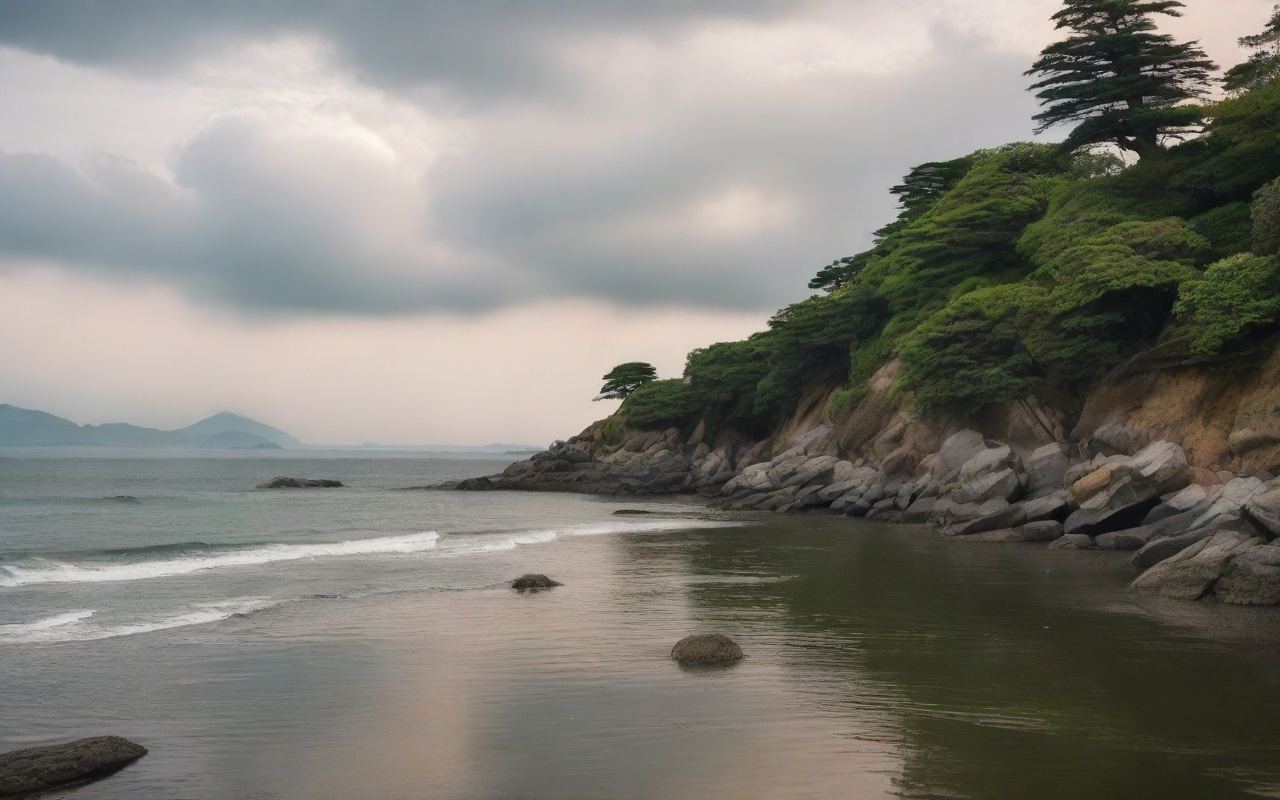
Kamakura and Enoshima offer a perfect day trip from Tokyo, combining history, culture, and natural beauty. Whether you’re interested in ancient temples, beautiful beaches, or delicious seafood, this area has something for everyone.
Key highlights:
- Easy access from Tokyo (1 hour)
- Rich history and culture
- beautiful beaches in summer
- Delicious local food
- Perfect for all seasons
2026 Whether you are here for a day or a week, the memories you create will stay with you long after you return home.
How much time do I need?
A. One day is enough for main attractions, but two days allows for a more relaxed experience.
Is the area wheelchair accessible?
A. Major attractions are accessible, but some temples have steps. Check individual sites for details.
Can I visit in the rain?
A. Yes, many attractions are indoors. Temples are beautiful in the rain too.
Is it crowded on weekends?
A. Yes, weekends and holidays are very crowded. Visit on weekdays if possible.
Budget Planning
A daily budget of ¥8,000-12,000 covers mid-range dining, local transport, and one paid attraction. Budget travelers can manage on ¥5,000-7,000 per day using convenience store meals and free attractions like parks and temples. Use an IC card (Suica/Pasmo) for seamless payment across all transit networks. Exchange cash at banks for better rates than airport counters.
What to Bring
A daypack for daily essentials makes sightseeing more convenient. Bring a WiFi device or SIM card for navigation. Sunscreen and a hat are essential during warmer months. A small notebook and pen are useful for writing down directions or recommendations. Pack a foldable tote bag for souvenirs and grocery purchases.
Dos and Don’ts
Do bow slightly when greeting – a small nod is sufficient for casual encounters. Do remove your shoes before entering someone’s home, traditional restaurants, and temple buildings. Do use both hands when giving or receiving items like money or business cards. Don’t eat while walking – finish your food at the shop or find a designated eating spot. Don’t tip – service charges are included in Japan. Don’t blow your nose in public – it’s considered rude.
What to Expect
Expect a mix of modern convenience and traditional culture. Temples and shrines coexist with shopping malls and entertainment complexes. Walking is the best way to explore most areas, so comfortable shoes are essential. Wifi is available at most stations and tourist facilities. Queuing etiquette is important – always wait in line and follow directional signs.
Conclusion
exploring Kamakura can be as relaxed or as packed as you want it to be, and I have found that the best visits leave room for both planning and spontaneity. During my visit to Kamakura I went with a rough plan and found that leaving room to wander made the trip far more memorable. Use this guide to sort out the logistics in advance, then let the day surprise you — Kanagawa rewards travelers who stay curious.