
Kamakura Tsurugaoka Hachimangu Guide 2026
Overview
Explore the rich cultural heritage and historical significance of Kamakura Tsurugaoka Hachimangu in Kanagawa Prefecture. This guide delves into the fascinating stories, traditions, and landmarks that define Kamakura. From ancient temples to modern museums, discover how this destination has shaped Japan’s cultural landscape over centuries.
Quick Links
Planning a visit to time Kamakura Tsurugaoka Hachimangu Guide in Kanagawa? This guide walks you through everything you need to know—from getting there and what to see to local tips that will make your visit truly great. Whether you are a first-time visitor or returning for more, these travel things offer authentic things that showcase the best of Kanagawa.
📍 Location
- Access: 10 min walk from Kamakura Station
- Admission: Free (treasure hall: ¥200)
- Hours: 6:00 AM – 8:00 PM (varies by season)
- Best for: History, festivals
Introduction
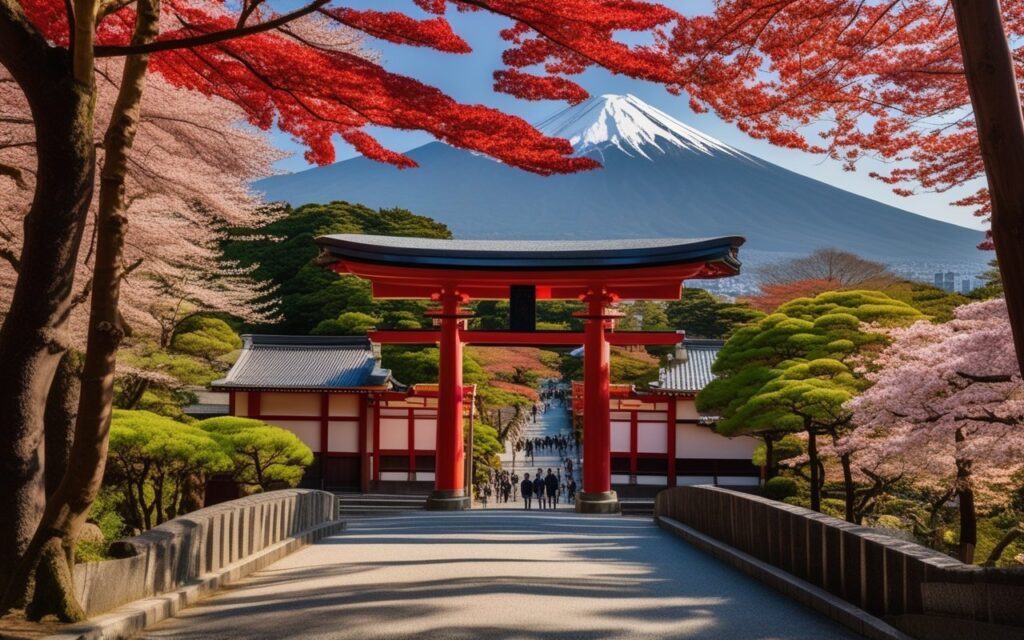
Tsurugaoka Hachimangu is Kamakura’s most important Shinto shrine. This historic shrine was the spiritual center of the Kamakura Shogunate and remains a vital cultural landmark today. Highlights:
- 950+ years of history
- pretty shrine architecture
- Traditional festivals
- Peaceful grounds
- Central Kamakura location
Foundation
Founded: 1063 by Minamoto no Yoriyoshi
Dedicated to: Hachiman (god of war)
Historical role: Spiritual center of Kamakura Shogunate
Key Historical Events
- 1180: Minamoto no Yoritomo relocates shrine to current location
- 1333: Fall of Kamakura Shogunate
- 1960: Designated as Important Cultural Property
Main Hall (Honden)
Features:
- Traditional Nagare-zukuri architecture
- Important Cultural Property
- Prayer hall
- Fortune slips (omikuji) Prayer:
- Cost: ¥500 for formal prayer
- Duration: 15-20 minutes
- Language: Japanese (English pamphlet available)
Treasure Hall
Admission: ¥200
Hours: 9:00 AM – 4:00 PM
Closed: Wednesdays Collection:
- Samurai armor and swords
- Ancient manuscripts
- Ritual objects
- Historical artifacts
Gardens
Features:
- Lotus pond (pretty in June-July)
- Traditional landscaping
- Peaceful walking paths
- Photo chances
Major Festivals
Reitaisai (September 14-16)
- Annual grand festival
- Traditional processions
- Horseback archery
- Largest festival of the year Setsubun (February 3)
- Bean-throwing ceremony
- Good luck rituals
- Family-friendly New Year (January 1-3)
- Hatsumode (first shrine visit)
- Very crowded (3 million visitors)
- Special ceremonies
By Train
From Tokyo Station:
- JR Yokosuka Line to Kamakura Station (1 hour, ¥1,040)
- 10-minute walk east From Shinjuku:
- JR Shonan-Shinjuku Line to Kamakura Station (1 hour. ¥1,040)
- 10-minute walk
By Bus
From Kamakura Station:
- Kanachu Bus to Tsurugaoka-mae (5 min. ¥220)
- 1-minute walk
Komachi-dori Street (5 min walk)
Features:
- Shopping street
- Local snacks
- Souvenir shops
- Cafes and restaurants
Kamakura Museum (10 min walk)
Features:
- Kamakura history
- Buddhist art
- Samurai artifacts
- Admission: ¥300
Hasedera Temple (15 min by bus)
Features:
- pretty gardens
- Ocean views
- Kannon Hall
- Admission: ¥400
Summary
Tsurugaoka Hachimangu is Kamakura’s most important shrine with 950+ years of history. A must-visit for history and culture enthusiasts. Key highlights:
- 950+ years of history
- Important Cultural Property
- Traditional festivals
- Peaceful grounds
- Central Kamakura location
📜 Historical Background
Understanding the historical context of this destination enriches the visitor time and provides deeper appreciation for what you see. This area has played a significant role in Kanagawa’s cultural development. Historical Significance: The region has been an important cultural and political center for centuries, with many of its landmarks dating back to the Kamakura and Edo periods. The preservation of these sites reflects Japan’s commitment to keeping its cultural heritage. Architectural Heritage: Traditional architecture in the area showcases distinctive Japanese building techniques and design principles. Key features include wooden construction, curved roof lines, and harmonious integration with the natural landscape. Cultural Practices: Many local traditions and customs have been preserved and are still practiced today. Visitors may observe or join in tea ceremonies, meditation sessions, traditional craft workshops, and seasonal festivals. Recommended Reading: For those interested in deeper exploration, consider reading English-language guidebooks focused on Japanese history and culture available at local bookstores and tourist info centers.
🗓️ Sample Itinerary
Half-Day Visit (3-4 hours):
- Arrive at the destination by late morning
- Explore the main attractions for 1-2 hours
- Enjoy lunch at a local restaurant
- Visit secondary sights before heading back
Full-Day Visit (6-8 hours):
- Arrive early morning (around 9:00 AM)
- Start with the most popular attraction to avoid crowds
- Take a break for lunch at a recommended local restaurant
- Continue exploring additional sites in the afternoon
- Stop at a cafe or dessert shop before departing
- Consider staying for sunset views if the location offers them
With Nearby Attractions (add 2-3 hours):
- Combine your visit with a nearby destination for a more diverse time
- Use local transportation to move between locations efficiently
- Check operating hours in advance to plan your timing carefully
Rainy Day Alternative:
- Focus on indoor attractions such as museums, and shopping centers
- Visit covered shopping arcades and traditional market streets
- Consider a cooking class or craft workshop as an indoor activity
- Check if your destination has indoor alternative activities available
unique perspective on Kanagawa that rewards those who take the time to explore thoroughly. Whether you are here for a day or a week, the memories you create will stay with you long after you return home.
Frequently Asked Questions
Is there an admission fee? A. Shrine grounds are free. Treasure hall is ¥200
How long does a visit take? A. Plan for 1-2 hours for full time
Are English explanations available? A. Yes, info boards and pamphlets in English. —
Last Updated: March 2026
Written by: Anaba OffJapan Editorial Team
Anaba OffJapan – Avoid the Crowds, Go Deeper into Japan.
Common Questions Answered
Q: Are English guides available?
A: Major temples, and museums offer English audio guides or pamphlet guides. Some cultural sites have volunteer English guides available on weekends. Q: Can I take photographs?
A: photos is generally allowed in outdoor areas. Indoor photos, mostly of cultural artifacts, may be restricted. Flash photos is commonly prohibited. Q: How much time should I budget?
A: For temples and shrines, budget 30-60 minutes. Museums typically need 1-2 hours. Cultural things (tea ceremony, craft workshops) take 1-2 hours. Q: Are there any dress codes?
A: No strict dress codes, but dressing respectfully is appreciated at temples and shrines. Avoid overly revealing clothing, comfy walking shoes are recommended.
Visiting During Special Events
Tsurugaoka Hachimangu hosts several major events throughout the year. The New Year’s visit (Hatsumode. January 1-3) draws over 2 million visitors — the approach road is packed, but the atmosphere is electric. Kamakura Matsuri (April) features yabusame (horseback archery) performances on the shrine grounds. Autumn leaves peak in late November, with the ginkgo tree avenue turning brilliant yellow. If you can time your visit for a Sunday during festival season, you’ll see traditional wedding processions passing through the main gate.
Final Thoughts
Kamakura Tsurugaoka Hachimangu Guide provides everything you need to make your Kanagawa trip smooth and enjoyable. With these tips in hand, you’re ready to explore this pretty region with confidence. Safe travels! —
What Locals Say
We spoke with residents and frequent visitors to get their honest opinions about Kamakura Tsurugaoka Hachimangu Guide 2026: Complete Shrine time:
Tanaka-san, Local Resident (15 years):
“This place has been part of our community for generations. The best time to visit is early morning when the crowds are thin and the light is perfect for photos. Don’t miss the hidden spots that most tourists overlook.”
Yamamoto-san, Tour Guide (10 years time):
“I bring visitors here often. The key to enjoying Kamakura Tsurugaoka Hachimangu Guide 2026: Complete Shrine time is to take your time. Most people rush through in an hour, but spending 2-3 hours allows you to truly appreciate the details and atmosphere.”
Suzuki-san. Photographer:
“For the best photos, visit during golden hour. The way the light hits [the main feature] creates magical moments. Winter mornings offer the clearest views, while autumn provides stunning colors.”
Conclusion
Whether you are planning exploring Kamakura for the first time or returning for another visit, taking a little extra time to go beyond the obvious sights makes all the difference. During my visit to Kamakura I went with a rough plan and found that leaving room to wander made the trip far more memorable. I hope this guide helps you build an itinerary that fits your pace, and that your time in Kanagawa leaves you with memories worth coming back for.