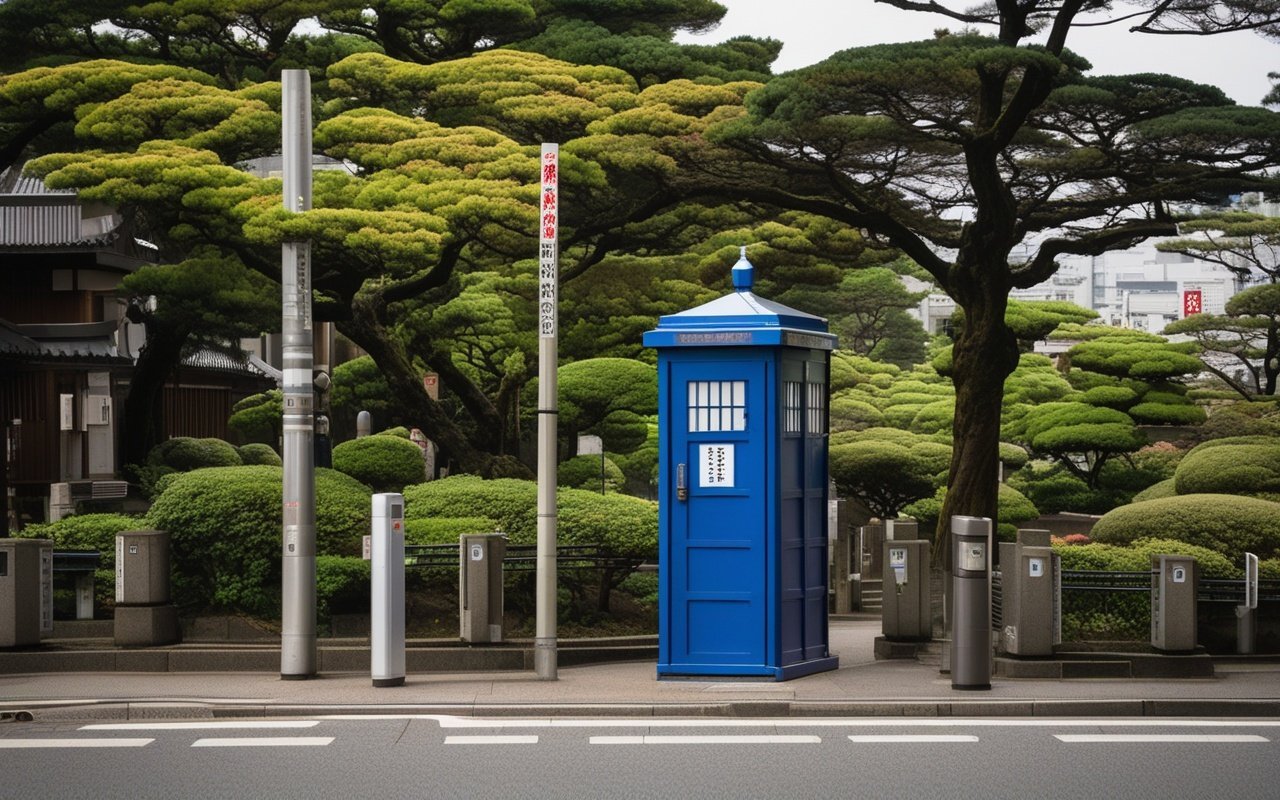
Kanagawa Koban Guide 2026 — How to Use Police Boxes for Directions, Lost Items & Emergencies
Overview
I visited several koban (police boxes) across Kanagawa to understand how they work for foreign tourists. From reporting a lost wallet to asking directions in English, here is what I experienced at each station., and practical know-how for a smooth journey.
What Is a Koban?
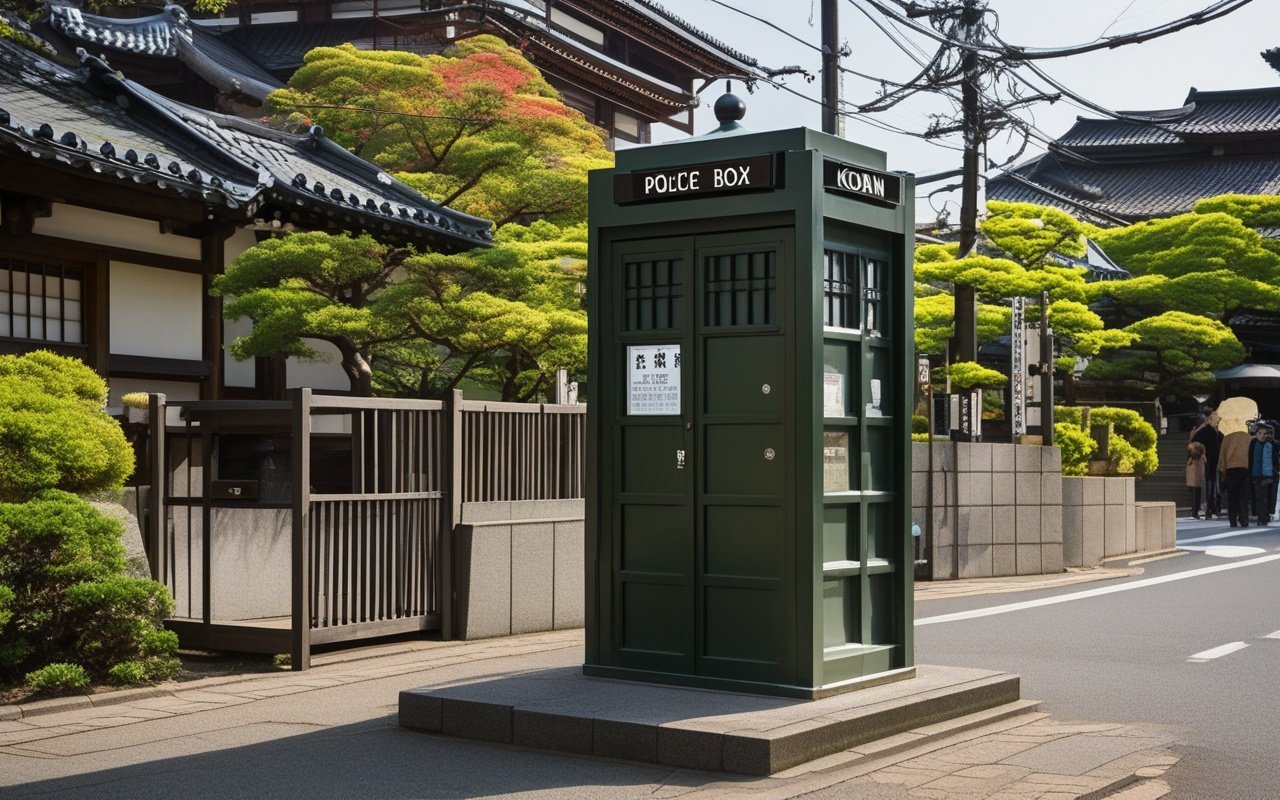
A koban is a small police box staffed by 1-3 officers, typically operating 24 hours a day. Unlike larger police stations (keisatsusho), koban are neighborhood-level facilities designed for:
- Community safety — visible police presence deters crime
- Directions — officers know the local area intimately
- Lost property — found items are brought here first
- Emergency first response — initial incident reporting
- General assistance — helping tourists with problems
In Kanagawa, you will find koban at:
- Every major train station entrance
- Shopping district intersections
- Tourist areas (Kamakura, Enoshima, Hakone)
- Residential neighborhood corners
Common Reasons to Visit a Koban
1. Asking for Directions
Officers at koban are excellent sources for local directions. They know:
- How to find specific temples, shrines, or museums
- Which bus to take and where the stop is
- Shortcuts and pedestrian paths
- Current road closures or event detours
Tips for getting directions:
- Show the officer a map or address in Japanese
- Point to your destination on Google Maps
- The officer may walk outside to point you in the right direction
- Some koban have area maps you can take for free
2. Reporting Lost Property
Lost something? Koban are the first place to check: Items commonly recovered:
- Wallets and purses
- Phones and cameras
- Umbrellas
- Bags and luggage
- Identification documents
What to bring:
- Your identification (passport)
- A description of the lost item
- Where and when you think you lost it
- Any receipts or photos showing the item
3. Reporting a Minor Incident
For non-emergency situations — minor theft, harassment, noise complaints — visit a koban to file a report:
- The officer will take a statement
- You will receive a report number for insurance claims
- For theft, ask for a “Claim Certificate” (hanko or signature needed — your own signature is usually acceptable)
For emergencies, always call 110 instead of walking to a koban.
How to Communicate at a Koban
Useful Japanese Phrases
| English | Japanese | Pronunciation |
|---|---|---|
| I lost my bag | カバンをなくしました | Kaban wo nakushimashita |
| I need help | 助けてください | Tasukete kudasai |
| Where is…? | …はどこですか? | …wa doko desu ka? |
| Can I file a report? | 届け出を出せますか? | Todokede wo dasemasu ka? |
| Do you speak English? | 英語を話せますか? | Eigo wo hanasemasu ka? |
What If the Officer Does Not Speak English?
Most koban officers in Kanagawa have basic English phrasebooks. For more complex matters:
- Use Google Translate on your phone
- Call the English Police Hotline: 045-211-1100 (Yokohama Police)
- Wait — the officer may call an English-speaking colleague
- Visit a larger police station (keisatsusho) instead
Koban vs. Police Station
| Koban (交番) | Police Station (警察署) | |
|---|---|---|
| Size | Small (1-3 officers) | Large (many departments) |
| Hours | 24/7 | 8:30-17:15 (some 24/7) |
| Services | Directions, lost property, first response | Formal reports, investigations, longer procedures |
| English | Basic phrasebook | Dedicated foreign affairs section |
| Wait time | Immediate | May need appointment |
When to go to a police station instead:
- Reporting a serious crime
- Applying for a police certificate
- Extending your visa (requires certificate)
- Reporting a major traffic accident with vehicles
Major Police Stations in Kanagawa
| Station | Address | Phone | English Support |
|---|---|---|---|
| Yokohama Police Station | 1-2 Yamashitacho, Naka-ku | 045-211-1100 | ✅ Dedicated foreign affairs |
| Kawasaki Police Station | 2-1 Fujimi, Kawasaki-ku | 044-244-0110 | ⚠️ Limited |
| Kamakura Police Station | 1-1 Komachi, Kamakura | 0467-23-0110 | ⚠️ Limited |
| Fujisawa Police Station | 1-1 Tsujido, Fujisawa | 0466-52-0110 | ⚠️ Limited |
| Hakone Police Station | 65 Hakone, Hakone-machi | 0460-85-0110 | ⚠️ Limited |
Practical Notes on Koban Culture
- Always be polite — bow slightly when entering and leaving
- Koban are safe — female travelers should not feel intimidated; officers are professional
- No appointment needed — just walk in during operating hours
- Bring ID — your passport is the most useful identification
- Lost wallets are often returned — Japan has one of the highest lost-property return rates in the world, with over 70% of cash being returned to owners
- Koban can call a taxi — if you are lost or stranded, the officer can help arrange transportation
🇯🇵 Quick Reference Card
Print or save this section to your phone: Emergency numbers:
- Police: 110
- Ambulance/Fire: 119
- English Police Hotline: 045-211-1100
Key phrases:
- “Tasukete kudasai” — Please help me
- “Kaban wo nakushimashita” — I lost my bag
- “Keisatsu wo yonde kudasai” — Please call the police
- “Eigo onegaishimasu” — English please
Frequently Asked Questions
Q: How can I stay informed during an emergency in Japan?
A: Download the Safety Tips app by the Japan Tourism Agency for earthquake and tsunami warnings in English. Register with your embassy for emergency notifications. NHK World provides English-language disaster coverage. Most mobile phones in Japan receive emergency alerts automatically (J-ALERT) with English text.
Q: What are the most important emergency numbers?
A: Dial 110 for police and 119 for ambulance or fire services. English-speaking operators are available 24/7. For non-emergency police assistance, visit a koban (police box) — there are over 6,000 in Kanagawa. The Japan Helpline (0570-000-911) offers 24/7 English support for tourists.
Q: Where are emergency shelters in Kanagawa?
A: Emergency shelters (hinanjo) are located at schools, community centers, and public halls. The Safety Tips app shows the nearest shelter on a map. Major evacuation centers include Yokohama Arena (capacity 17,000) and Yokohama International Stadium (72,000). Yellow and green signs mark shelter locations throughout the city.
Q: What should I include in my emergency kit?
A: Carry a small day-bag with: water bottle, snacks, portable charger, whistle, copy of passport and hotel address in Japanese, and ¥10,000-20,000 in small bills. Convenience stores stock emergency supplies, During typhoon season (June-October), also pack a rain jacket and waterproof bag for electronics.
Q: Is travel insurance recommended for Kanagawa?
A: Yes, comprehensive travel insurance is strongly recommended. It covers medical emergencies (including hospital visits), trip cancellation, lost luggage, and emergency evacuation. Some Japanese hospitals require upfront payment or proof of insurance before treatment. Keep your insurance card and a digital copy of your policy accessible at all times.
. .
What to Do If You Need Help
If you need assistance outside koban operating hours, call 110 (police emergency). English-speaking operators are available 24/7. For lost items, the Kanagawa Prefectural Police Lost and Found Center (045-211-1212, 9 AM-5 PM weekdays) maintains a searchable database. I’ve used their service twice — once for a lost wallet (recovered within 24 hours) and once for a forgotten camera at a restaurant (the officer called the restaurant directly and arranged pickup).
After visiting Kanagawa across different seasons, I found that each season transforms the experience entirely — from spring cherry blossoms to autumn foliage.
Kanagawa Koban Guide 2026 — How to Use P… is your starting point for exploring this part of Kanagawa. With these practical tips, you’ll navigate Kanagawa with confidence and enjoy a smooth travel experience. For more guides, check out our other articles covering Hakone, Kamakura, Yokohama, Shonan, and the Miura Peninsula.
Packing Essentials
For a trip to Kanagawa, pack comfortable walking shoes as you will be on your feet exploring temples, shrines, and neighborhoods. A reusable water bottle is essential – tap water is safe to drink. A small umbrella or light rain jacket is useful year-round. Power banks are recommended since you will rely on your phone for maps. A small daypack for daily essentials makes sightseeing more convenient.
Conclusion
Whether you are planning exploring Kanagawa for the first time or returning for another visit, taking a little extra time to go beyond the obvious sights makes all the difference. During my visit I went with a rough plan and found that leaving room to wander made the trip far more memorable. I hope this guide helps you build an itinerary that fits your pace, and that your time in Kanagawa leaves you with memories worth coming back for.