
Kawasaki Factory Night View Guide 2026
Overview
Explore the rich cultural heritage and historical significance of Kawasaki Factory Night View Guide in Kanagawa Prefecture. This guide delves into the fascinating stories, traditions, and landmarks that define Kawasaki. From ancient temples to modern museums, discover how this destination has shaped Japan’s cultural landscape over centuries.
Best Land-Based Viewing Spots
Kawasaki Marien Observatory
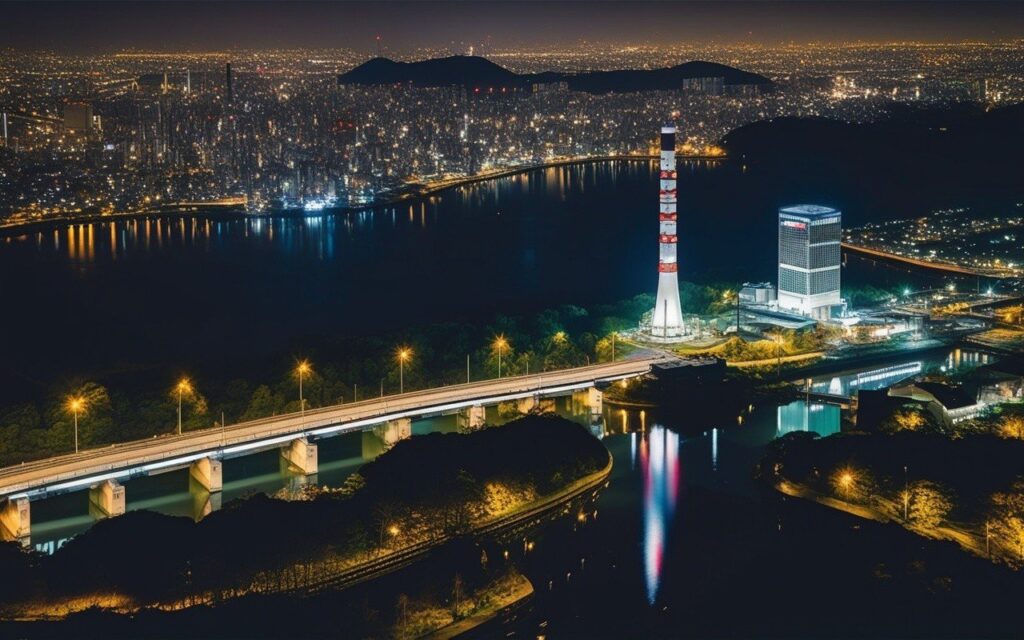
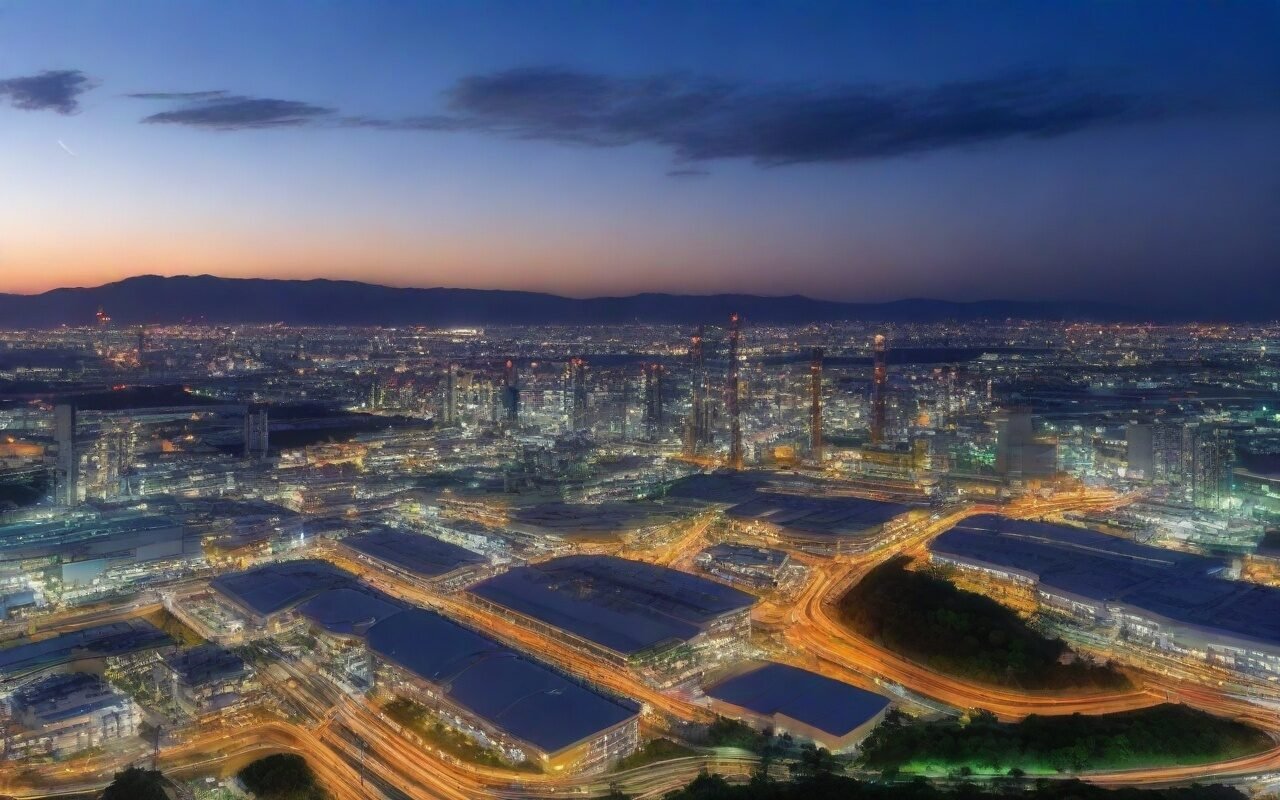
The premier viewing location, Kawasaki Marien is a 51-meter-high observation deck offering 360-degree panoramic views of the Keihin Canal, Tokyo Bay, and the surrounding industrial landscape. On clear days, you can also see the Yokohama skyline and even Mount Fuji in the distance.
Access: Take the Kawasaki City Bus (Kawa-05 Higashi-Ogishima Loop) from the East Exit of JR Kawasaki Station (bus stops 11 and 12). Get off at “Kawasaki Marien-mae” — approximately 30 minutes ride. Hours: 10:00 AM – 9:00 PM (last entry 8:30 PM). Free admission.
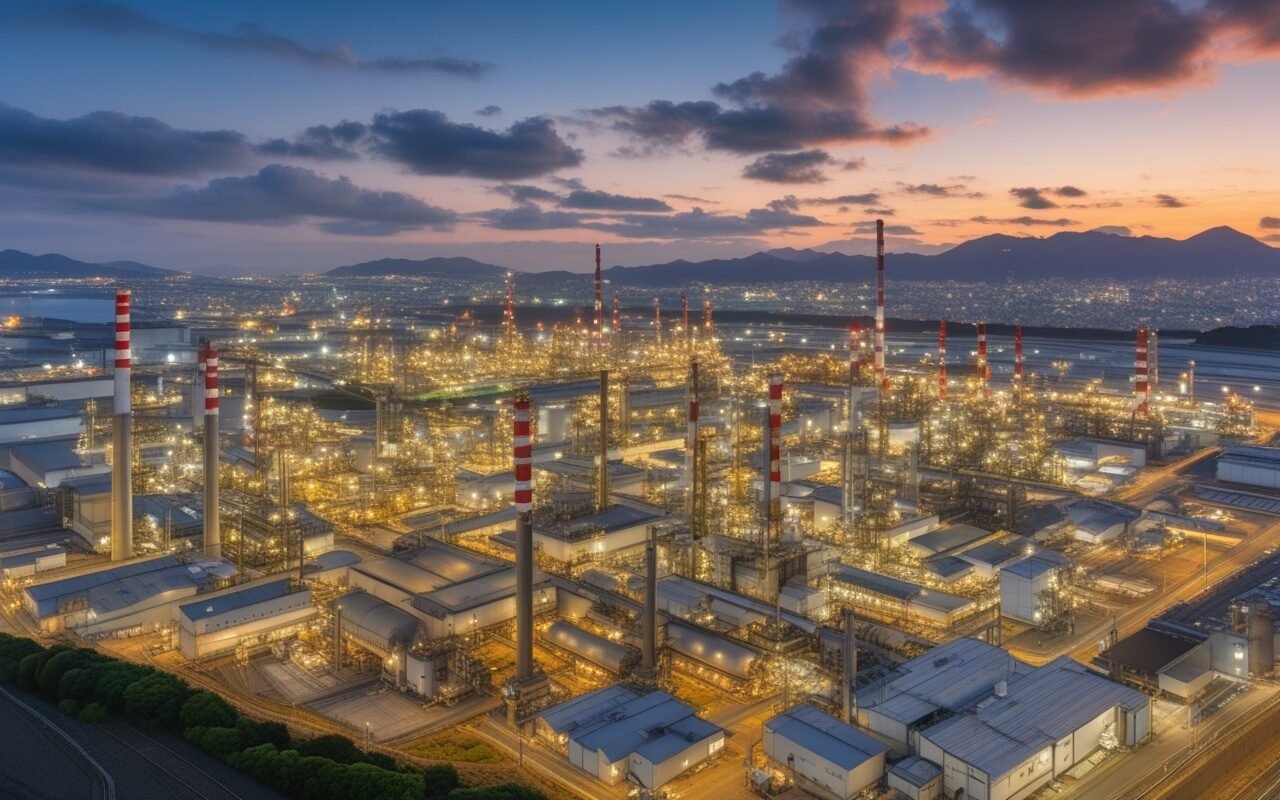
Best time: Arrive about 30 minutes before sunset to watch the transition from daylight to twilight to full night. The 30-minute period after sunset — when the sky retains a deep blue glow while the factory lights have fully turned on — is known as the “magic hour” for factory photography.
Higashi-Ogishima East Park
A coastal park with a man-made beach, grassy areas, and wooden decking along the waterfront. The park offers excellent views of the factories across the Keihin Canal. The reflection of factory lights on the water creates a particularly stunning effect on calm nights. Access: Same bus as Kawasaki Marien, get off at “Higashi-Ogishima Higashi Koen-mae.” Walk 3 minutes. Hours: Park open 24 hours, but the wooden deck is most atmospheric after sunset.
Pro tip: Bring a small picnic and enjoy the view from the grassy slope. The park has vending machines but no restaurants — buy snacks at Kawasaki Station before coming.
Shiei Futo (Municipal Wharf)
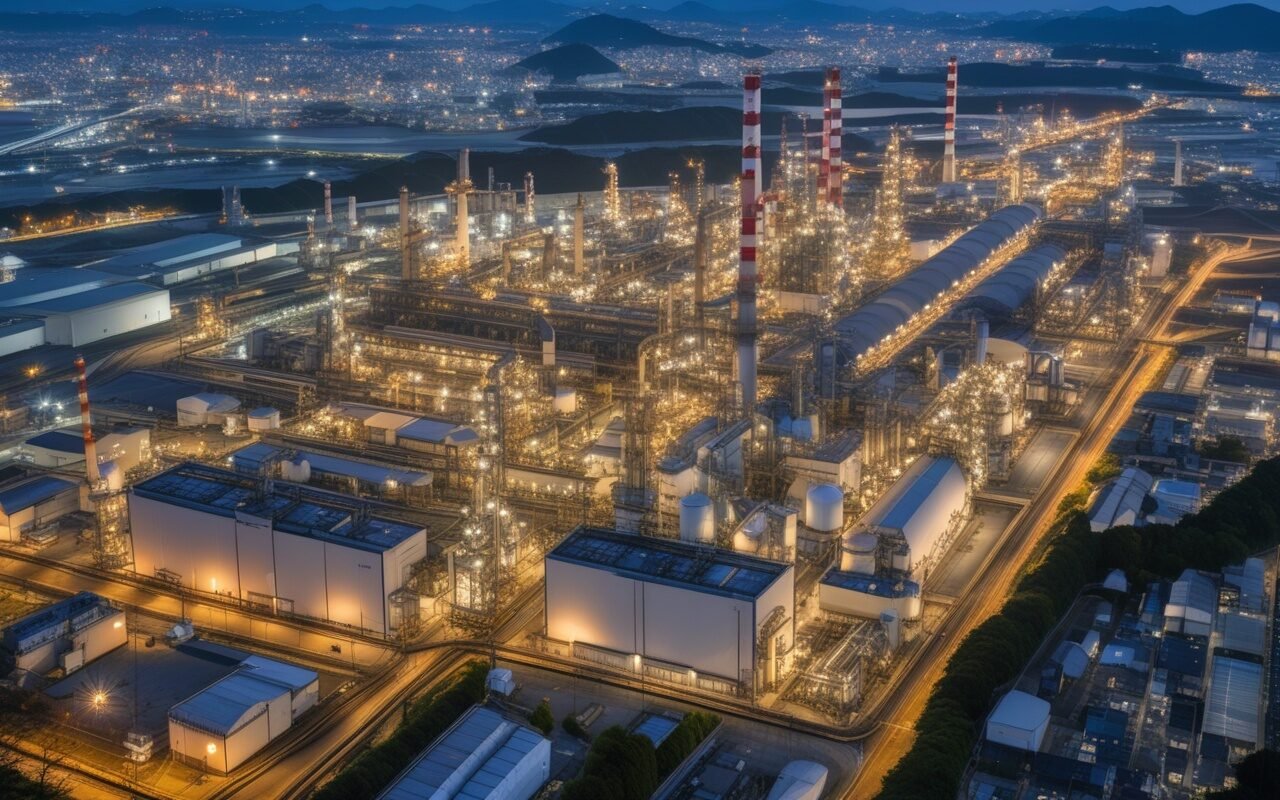
For an immersive, ground-level perspective, head to Shiei Futo. Here, the factories rise directly in front of you, their pipes and structures looming overhead. The scale is overwhelming — you can feel the heat from some facilities and hear the hum of industrial machinery. Access: Further along the same bus route — ask the driver for “Shiei Futo-mae.”
Note: This is an active industrial area. Stay within designated public areas and never enter private property. Wear sturdy shoes and carry a small flashlight — some sections are unlit.
Factory Night View Boat Cruises
The most spectacular way to experience the factory night view is from the water. Several operators run evening cruises through the Keihin Canal network:
- Duration: Approximately 90 minutes
- Cost: ¥3,500–¥5,000 per person
- Schedule: Typically Friday and Saturday evenings, with additional runs during holiday periods
- Boarding point: Near Kawasaki Station or from Yokohama’s Minato Mirai
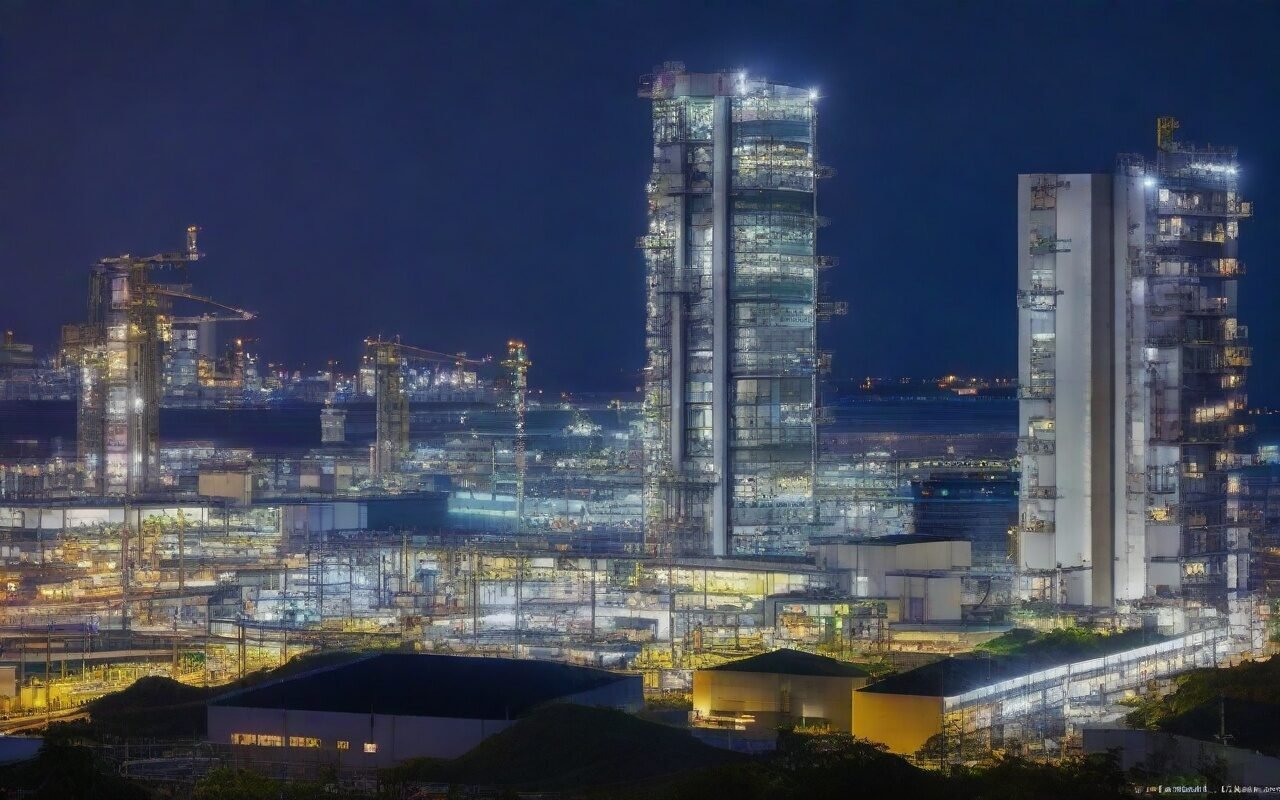
These cruises navigate narrow canals between industrial islands, passing directly beneath massive pipelines and alongside glowing refinery towers. Guides (Japanese-language only generally, but some operators offer audio guides in English) provide commentary on the history and function of the facilities.
Booking: Reserve through the Kawasaki City Tourism website or through major tour operators like Hato Bus, Popular cruises often sell out weeks in advance, especially in autumn.
When to Visit for the Best Views
| Season | Rating | Notes |
|---|---|---|
| Winter (Dec–Feb) | ⭐⭐⭐⭐⭐ | Clearest air, sharpest views, colder but worth it |
| Autumn (Sep–Nov) | ⭐⭐⭐⭐ | Good balance of comfort and visibility |
| Spring (Mar–May) | ⭐⭐⭐ | Cherry blossoms near canals add beauty |
| Summer (Jun–Aug) | ⭐⭐ | Humid air reduces clarity, but comfortable evenings |
Time of day: The golden window is 30–60 minutes after sunset. Check the sunset time for your visit date and plan to be at your viewing spot at least 30 minutes beforehand.
Weather: Clear nights are ideal, but surprisingly, slightly humid or foggy conditions can create a more dramatic, atmospheric effect as steam and smoke from the factories disperse through the air. Rainy evenings are generally not recommended.
Photography Tips
- Lens: A standard zoom (24–70mm) works well for wide shots; a telephoto (70–200mm) is useful for compressing distant factory structures.
- Tripod: Essential for sharp images in low light. Some areas at Kawasaki Marien and Higashi-Ogishima Park have flat railings that can serve as makeshift supports.
- Settings: Start with ISO 400–800, aperture f/8–f/11, and adjust shutter speed based on available light. A 2–4 second exposure usually captures the lights well.
- White balance: Set to “fluorescent” or “tungsten” mode to prevent the orange factory lights from overwhelming the image.
Practical Information
Getting there: From Tokyo Station, take the JR Keihin-Tohoku Line to Kawasaki Station (15 minutes, ¥240). From Shinagawa Station, it is 8 minutes. From the East Exit, board the Kawa-05 bus.
What to bring: Warm clothing (coastal areas are windy and significantly colder than central Tokyo), a flashlight, snacks and drinks (convenience stores are scarce in the industrial zone), and cash for bus fare (IC cards accepted).
Safety: The industrial zone is an active working area. Never attempt to enter private factory grounds or cross safety barriers. Stay on designated public paths and roads.
📍 Location
💰 Budget Breakdown
| Experience | Cost | Notes |
|---|---|---|
| Kawasaki Marien observation | Free | Always free |
| Higashi-Ogishima Park | Free | Always free |
| Bus fare (round trip) | ¥440 | IC card accepted |
| Boat cruise | ¥3,500–¥5,000 | Reserve in advance |
| Hato Bus guided tour | ¥7,000–¥10,000 | Includes dinner |
A self-guided factory night view tour (bus + Marien + park) costs under ¥1,000 per person and offers the best value for independent travelers.
Money-Saving Tips
Many cultural sites offer online booking discounts. Temple fees are typically ¥200-500. Free English guided tours are available at major temples on weekends. Student and senior discounts are commonly available.
Packing Essentials
Dress respectfully with covered shoulders and knees. Comfortable socks are important for frequent shoe removal. A coin purse is useful for offering donations. A goshuincho (temple stamp book) makes a wonderful souvenir.
Dos and Don’ts
Do make a small offering (typically ¥5 coin) at shrine donation boxes. Do follow the proper procedure at shrines: bow twice, clap twice, pray, bow once. Do purchase a goshuincho (stamp book) for collecting temple stamps as a meaningful souvenir. Don’t wear shoes or slippers onto tatami mats or into prayer halls. Don’t eat or drink while walking through temple or shrine grounds. Don’t speak loudly in religious spaces.
What to Expect
Cultural sites in Kanagawa offer deep historical insights. Temples and shrines range from national treasures to local neighborhood shrines. Many have informative English displays. Photography is allowed outdoors but restricted inside buildings. Shoes must be removed in temple halls. Some temples offer meditation or calligraphy workshops.
Conclusion
Whether you are planning exploring Kawasaki for its night for the first time or returning for another visit, taking a little extra time to go beyond the obvious sights makes all the difference. During my visit I went with a rough plan and found that leaving room to wander made the trip far more memorable. I hope this guide helps you build an itinerary that fits your pace, and that your time in Kanagawa leaves you with memories worth coming back for.