
Kamakura Hiking Trails and Hidden Backstreets: Escape the Crowds
Overview
Kamakura has a crowd problem, and everyone knows it. On a Saturday afternoon in autumn, Komachi-dori is a river of people, and the Great Buddha’s photo line stretches into the garden. But Kamakura has a second city that most visitors never see: a network of hiking trails through the hills that ring the town, and a web of quiet backstreets where the crowds thin out to nothing. The same weekend that feels overwhelming at the temples becomes peaceful within twenty minutes of leaving the main streets.
I have walked through these trails in every season, and the pattern is always the same. I recommend the Ten’en course above all — it rewards the effort more than any other walk in town. The crowds cluster around the big-name sights: Hase-dera, the Great Buddha, the main approach to Tsurugaoka Hachimangu. The hills above them are nearly empty, and the backstreets between the northern temples belong to residents, schoolchildren, and the occasional café that has survived by being hard to find. The hiking trails connect the temples in a loop that rewards the effort with views, and the backstreets reward the wandering with the Kamakura that locals actually live in.
This guide covers the best hiking routes — the Ten’en Hiking Course above all — the quiet backstreets worth a detour, and the practical details for a day that trades the famous queues for the town’s hidden layers.

📍 Getting There and Route Basics
Kamakura is 50-60 minutes from Tokyo by the JR Yokosuka Line from Tokyo Station, or the Shonan-Shinjuku Line from Shinjuku. For access details and train options, see my Kamakura access guide. The town’s sights and trailheads are all walkable from Kamakura Station, which makes it one of the easiest hiking days in the region — you can be on a mountain path within 25 minutes of stepping off the train.

The Three Main Trails
- Ten’en Hiking Course — The classic. Runs roughly 5 kilometers through the hills from Kencho-ji (near Kita-Kamakura Station) to Zuisen-ji in the east. The best single hike in Kamakura.
- Daibutsu Hiking Trail — A shorter, gentler route connecting the Great Buddha at Hase to Jochi-ji and Kencho-ji in the north. Good for families and for combining temple visits with a walk.
- Gionyama Circuit — A compact loop around the hill behind the Tsurugaoka Hachimangu shrine, with views over the town center. The easiest option, and a good sunset spot.
🥾 The Ten’en Hiking Course: Kamakura’s Backbone Trail
The Ten’en Hiking Course is the walk that separates Kamakura day-trippers from Kamakura regulars. It runs through the wooded ridge behind the northern temples, connecting the great Zen temples of Kita-Kamakura with the quieter eastern hills, and it offers the town’s best views over the bay.
The Route in Detail
The course has two natural starting points. From Kita-Kamakura Station, the trailhead sits at the back of Kencho-ji, the first of Kamakura’s five great Zen temples. From Kamakura Station, you reach the eastern end at Zuisen-ji after a 20-minute walk through backstreets. Both ends work; the standard direction is Kita-Kamakura to Zuisen-ji, which keeps the sun at your back in the morning.
- Kencho-ji (trailhead) — The temple itself is worth arriving early for: its bamboo grove and dragon-painted ceiling are quieter than the famous tourist temples. The trail begins at the upper gate.
- The ridge (1.5-2 hours) — The path climbs through mixed forest, dips across a few valleys, and passes several viewpoints. The highlight is the view over Sagami Bay from the ridge’s highest point, with Enoshima visible on clear days. For more of the bay, see my Shonan beach guide, which covers the coast below.
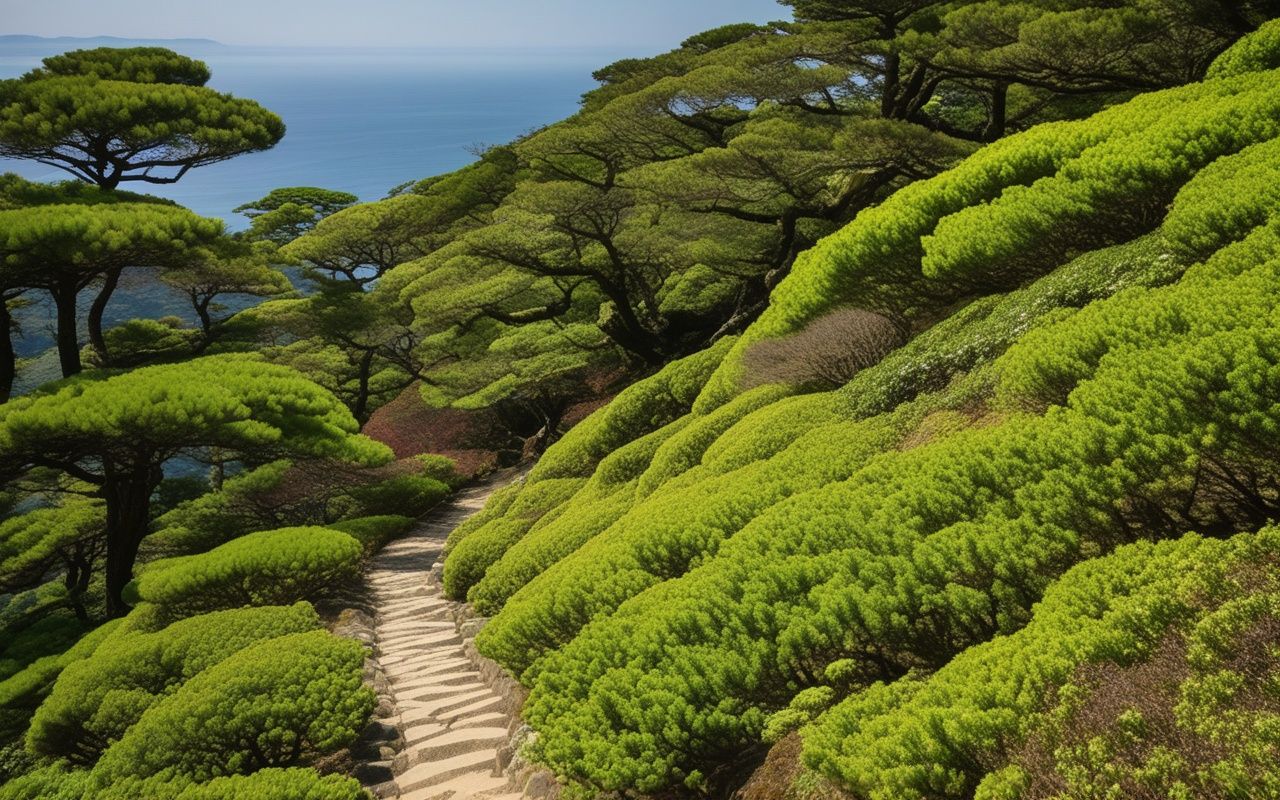
- Jochi-ji and the fork — The trail passes a junction where the Daibutsu trail branches off. Jochi-ji, a small Zen temple on the ridge, has a famous hydrangea garden in June.
- Zuisen-ji (end) — The eastern terminus is a garden temple built around a cave, with a lovely pond and rock garden. The temple is rarely busy, which makes it a perfect, quiet finish.
Practical Notes
- Total time: 2.5-3 hours at a relaxed pace, including brief temple stops.
- Difficulty: Easy-moderate. There are steady climbs but nothing steep or technical. Sneakers with grip are fine; hiking boots are overkill.
- Trail conditions: The path is well marked in English at junctions, but the surface includes some exposed roots. It can be muddy after rain — avoid the day after heavy weather.
- No food on the trail: Carry water and a snack; the only shops are at the two ends.
🛕 The Backstreets: Where the Crowds Aren’t
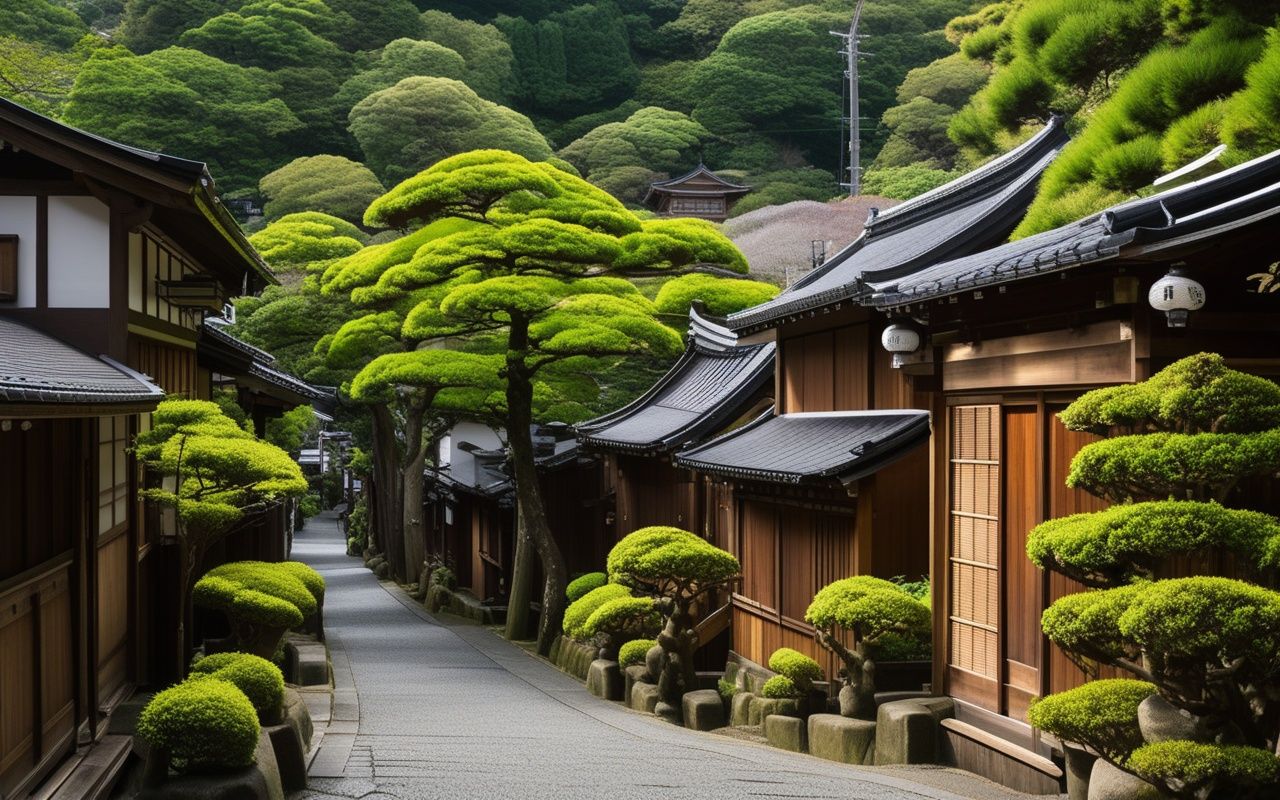
The hills are half the story. The other half is Kamakura’s backstreet network — the narrow lanes behind the main roads, where the town’s real life happens. The lanes north of Komachi-dori and around the northern temples reward wandering, and they hold most of the town’s hidden shrines and best cafes.
The Northern Backstreets
The area between the Kencho-ji approach and the town center is a grid of residential lanes with a handful of small shrines and old merchant houses. Walking it takes an hour and feels like traveling back in time — the houses are wooden, the streets are barely car-width, and the only sounds are bicycles and birds. The small shrines and temple gardens along the way, such as the garden of Myoho-ji with its famous mossy stairs, have no entrance fees and no crowds, and several are genuinely beautiful.
Onari-machi and the Cafes
The backstreet area around Onari-machi, west of the station, has become the town’s cafe quarter. The famous Kamakura cafe scene concentrates here, in converted houses and garden cafes that you have to actively seek out. The coffee is serious, the cakes are local, and the clientele is mostly residents — the tourists are still queuing at the Komachi-dori dessert shops while the locals drink espresso in the lanes.
The Hidden Shrine Route
One of my favorite loops connects three hidden shrines north of the station: the cave shrine of Zuisen-ji’s hillside, the small shrine hidden behind the Kencho-ji approach, and the tiny neighborhood shrine with the stone steps and the mossy lanterns. The loop takes an hour, passes no other tourists on most days, and ends at a café. It is the closest Kamakura comes to a secret.
📷 The Daibutsu Trail and the Great Buddha Alternative
If the Ten’en course feels like too much, the Daibutsu Hiking Trail offers a shorter taste of the same hills. It runs from the Great Buddha area at Hase up over the ridge to Jochi-ji, connecting the famous statue with the quiet northern temples.
The Great Buddha itself is worth seeing once — the bronze statue is genuinely impressive — but the crowds are relentless. My alternative: visit it at opening time, then take the Daibutsu trail up the hill and spend the rest of the day on the quiet side. For more on managing the famous sights, see my Kamakura crowd-avoidance guide, which covers timing and routes for the busiest spots.
The trail takes about 45 minutes one way, is gentle enough for families, and ends at Jochi-ji, where the Ten’en course can take you onward. It is the perfect middle option between the full hike and the temple-only day.
🗓️ Sample Itinerary: The Quiet Kamakura Day
- 08:30 — Arrive at Kita-Kamakura Station. Walk the backstreets toward Kencho-ji while the town is still asleep.
- 09:00 — Kencho-ji, early and quiet. Bamboo grove, main hall, and the trailhead at the upper gate.
- 09:45 — Start the Ten’en Hiking Course. Ridge views over Sagami Bay.
- 11:30 — Jochi-ji fork and the highest viewpoint. Rest, water, and the view down to Shonan’s beaches.
- 12:30 — Descend to Zuisen-ji. Garden and cave temple, almost empty.
- 13:30 — Lunch at a backstreet café in the northern lanes. No queues.
- 14:30 — The hidden shrine loop, ending at the mossy lantern shrine.
- 16:00 — Optional: the Gionyama circuit at sunset, with the town below and the bay beyond.
- 17:30 — Return train from Kamakura Station.
If you have a second day, the town pairs well with the Kamakura-Enoshima area guide for the coast, or with the Tanzawa-Oyama hiking guide if you want a bigger mountain day in the same region.
📅 Seasonal Notes
- March-April: Cherry blossoms on the temple approaches and the backstreets. The trails stay quieter than the famous blossom spots.
- June-July: Hydrangea season at Jochi-ji and Meigetsu-in. Expect crowds at the hydrangea temples themselves, but the trails above them stay manageable.
- September-November: The best hiking season — cool, clear, and colorful. The ridge views over the bay are at their finest.
- December-February: Cold and empty. Winter views are the clearest of the year, and the cafes are at their coziest.
- Winter mornings: The classic Fuji view from the ridge — the mountain appears over the bay on clear days.
💡 Practical Tips
- Start early and go on a weekday if you can. The trails are never crowded, but the temples at the ends fill up fast on weekends.
- Carry water and a snack — there is no food on the trails.
- Wear shoes with grip; the trails have exposed roots and can be muddy.
- The backstreets are residential. Walk quietly, don’t block lanes, and photograph houses sparingly.
- Buy drinks at the ends, not the middle — the only convenience stores are near the stations.
- Combine the hike with the cafe route in Onari-machi for the classic quiet day: hills in the morning, espresso in the afternoon.
Conclusion
Kamakura’s famous crowds are real, but they are also concentrated — and everything outside that concentration is the town’s best self. The Ten’en Hiking Course connects the great Zen temples through forest and ridge views, the backstreets hold the hidden shrines and local cafes, and the whole quiet layer is reachable within minutes of the station. It is the same Kamakura that day-trippers rush past, and it rewards anyone who slows down enough to find it. Start at Kita-Kamakura, walk the ridge, and let the backstreets lead you home.
FAQ
Q: How hard is the Ten’en Hiking Course?
A: Easy-moderate. It has steady climbs but nothing steep or technical, and the full route takes 2.5-3 hours. Sneakers with grip are sufficient on dry days.
Q: Do I need a map?
A: No. The trail is well marked with English signs at junctions, and the two ends are easy to reach from their stations. A phone map helps at the backstreet sections.
Q: Can I do the hike with children?
A: Yes, the Ten’en course is fine for older children. For younger kids, the shorter Daibutsu trail (45 minutes) is the better choice.
Q: When should I visit to avoid the crowds?
A: Weekday mornings, or any day before 10:00. The trails themselves are rarely crowded; the queues form at the famous temples, which you can visit at opening time or skip in favor of the quiet shrines.