
Overview
Kamakura is one of the easiest day trips from Tokyo — under an hour by train from the capital. The sections below cover every way to reach Kamakura, from the JR Yokosuka Line to the Shonan-Shinjuku Line, plus how to get around once you arrive.
Access: By Train — The Best Option for Most Visitors
JR Yokosuka Line — Direct from Tokyo Station
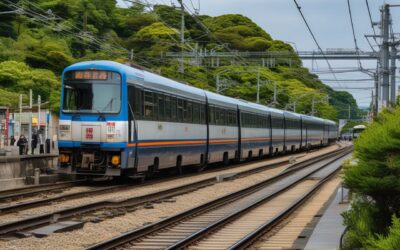
The JR Yokosuka Line is the most straightforward and popular way to reach Kamakura. Trains run directly from Tokyo Station to Kamakura Station without transfers, making it the simplest option for visitors staying near Tokyo Station or central Tokyo.
- Travel time: 55–60 minutes
- Cost: ¥950 one-way (covered by the JR Pass)
- Frequency: Every 10–15 minutes during daytime
- Platform: Tokyo Station, tracks 8–10 (underground Sobu Line/Yokosuka Line platform)
- Stops: Shinagawa, Oimachi, Musashi-Kosugi, Yokohama, Ofuna, Kamakura
The Yokosuka Line trains are comfortable with luggage racks and clear English announcements. The ride passes through the industrial zones of Kawasaki and Yokohama before opening up to coastal views south of Ofuna station.
Pro tip: Sit on the left side of the train for views of Enoshima Island and Sagami Bay as the train approaches Kamakura.
Shonan-Shinjuku Line — From Shinjuku, Shibuya, and Ikebukuro
For visitors staying in western Tokyo, the Shonan-Shinjuku Line offers a direct connection to Kamakura without changing trains at Tokyo Station.
- Travel time: 55–65 minutes
- Cost: ¥1,020 one-way (¥1,130 from Ikebukuro)
- Frequency: Every 20–30 minutes
- Route: Connects Shinjuku, Shibuya, and Ebisu directly to Kamakura
The Shonan-Shinjuku Line uses the same tracks as the Yokosuka Line south of Ofuna, so the journey is nearly identical in speed. Some trains continue past Kamakura to Zushi, but most stop at Kamakura Station.
Odakyu Line — To Enoshima and Katase
If your main destination is Enoshima rather than Kamakura proper, the Odakyu Line from Shinjuku to Katase-Enoshima Station is your best option.
- Travel time: 65 minutes (Romancecar limited express)
- Cost: ¥650 one-way (local) / ¥1,650 Romancecar (including seat reservation)
- Odakyu Enoshima-Kamakura Free Pass: ¥1,640 — round trip from Shinjuku plus unlimited rides on the Enoden train line
JR Pass and Discount Tickets
- JR Tokyo Wide Pass: ¥15,180 for 3 consecutive days — covers unlimited JR trains including Kamakura, Hakone, Nikko, and the Fuji Five Lakes area. If you are already planning trips beyond Kamakura, this pass pays for itself quickly.
- Ofuna-Kamakura Monorail: ¥320 from Ofuna Station to Kamakura Station — a scenic alternative that glides above the city on a suspended monorail track. The ride offers panoramic views but takes longer than the direct train (15 minutes vs. 8 minutes).
- Klook Pass Greater Tokyo: A flexible discount pass covering multiple attractions across Tokyo, Yokohama, and Kamakura — choose from a curated list of popular sights and save up to 30% compared to buying individual tickets. Perfect if you’re planning to visit several paid attractions during your trip.
Book Klook Pass Greater Tokyo and save on top attractions across Tokyo & Kanagawa → Check pass options
After spending time exploring this area, I discovered that the real charm lies in the smaller details that guidebooks often miss.
By Bus — The Budget Option
Highway buses from Tokyo to Kamakura are available but less frequent than trains.
- Keikyu Highway Bus: From Tokyo Station Yaesu Exit to Kamakura Station, ¥730 one-way, approximately 75 minutes (traffic dependent). Buses run every 60 minutes.
- From Haneda Airport: Direct bus to Kamakura Station, ¥1,070, approximately 65 minutes. This is a convenient option if you are flying into Haneda and heading straight to Kamakura.
- From Shibuya Mark City: Bus to Kamakura via the Daisan Keihin Highway, ¥810 one-way, approximately 65 minutes.
Buses are generally slower than trains but can be cheaper and more convenient if you are starting from an area without direct train service.
By Car — Flexibility with Trade-offs
Driving to Kamakura from Tokyo takes approximately 55–90 minutes depending on traffic:
- Route 1: Take the Daiichi Keihin Road (Route 15) or the Shuto Expressway to Yokohama, then the Yokohama-Yokosuka Road. Expect tolls of ¥1,500–¥2,500 each way.
- Parking: Parking in central Kamakura is limited and expensive. Expect ¥300–¥500 per hour in private lots, or ¥1,500–¥2,500 per day if you arrive early (before 9:00 AM). On weekends and holidays, many lots fill up by 10:00 AM.
- Traffic warning: Kamakura’s narrow streets become heavily congested on weekends and during peak seasons (cherry blossom season, Golden Week, autumn foliage season). Driving is not recommended on Saturdays, Sundays, or national holidays.
By Bicycle — Active Travel Option
For the adventurous, cycling from Tokyo to Kamakura is a popular route:
- Route: Follow the Tama River cycling path to Kawasaki, then the Sagami River path to the coast, then west along Route 134 to Kamakura.
- Distance: Approximately 50 km from central Tokyo
- Time: 3.5–5 hours depending on fitness and pace
- Bicycle rental: If you prefer to ride only locally, bicycle rental shops near Kamakura Station offer rentals from ¥1,000–¥2,000 per day.
Getting Around Kamakura
Once you arrive at Kamakura Station, the best way to explore is a combination of walking and the Enoden train:
- Kamakura Station to Great Buddha: 10 minutes on the Enoden to Hase Station, then 5-minute walk
- Kamakura Station to Tsurugaoka Hachimangu: 10-minute walk east from the station
- Kamakura Station to Hokokuji Bamboo Grove: 25-minute walk or 10-minute bus ride
- Enoden Day Pass: ¥610 — unlimited rides on the Enoden line, covering all major attractions along the coast
📍 Location
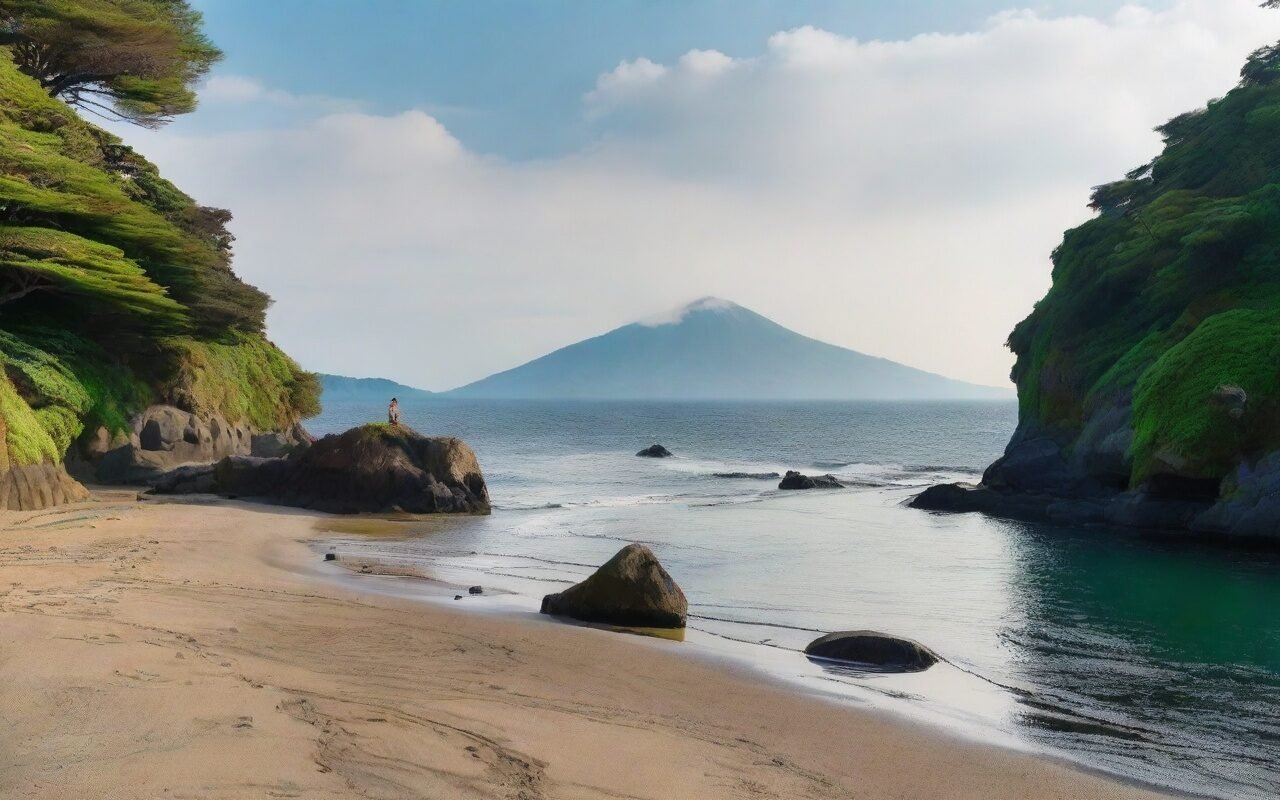
Kamakura Station is the central hub for the area. Major train lines converge here, and local buses depart from the east and west exits.
💰 Budget Breakdown
| Option | One-way cost | Travel time | Best for |
|---|---|---|---|
| JR Yokosuka Line (from Tokyo) | ¥950 | 55 min | Speed and simplicity |
| Shonan-Shinjuku Line (from Shinjuku) | ¥1,020 | 60 min | Western Tokyo residents |
| Odakyu Local (from Shinjuku) | ¥650 | 65 min | Budget travel |
| Highway bus (from Tokyo) | ¥730 | 75 min | Saving money |
| Car (from central Tokyo) | ¥1,500–¥2,500 tolls | 55–90 min | Flexibility |
Tips
Practical notes from my trips to exploring Kamakura: confirm the latest hours on the official website, buy tickets in advance when you can, and leave extra time for trains and walking between stops. Keeping your first day lighter also helps you enjoy the second day without feeling rushed.
Conclusion
The details in this guide come from real visits, and the biggest lesson I took away was that the best experiences in Kamakura rarely fit neatly into a checklist. During my visit to Kamakura I went with a rough plan and found that leaving room to wander made the trip far more memorable. Plan the essentials, keep your schedule flexible, and you will leave Kanagawa wanting to return.