
Miyagase Lake & Kiyokawa Village: Kanagawa’s Mountain Playground
Overview
When Tokyo residents talk about a “nature escape,” they usually mean Hakone or Kamakura. But there is a third option that locals quietly prefer: Miyagase Lake, a vast mountain reservoir in the far northwest of Kanagawa, surrounded by the Tanzawa range and the small village of Kiyokawa. It is 90 minutes from Shinjuku, yet it feels a world away.
Miyagase Lake was created in 2001 when the Miyagase Dam — at 156 meters, one of Japan’s tallest — was completed on the Nakatsu River. The reservoir is roughly 4.6 km long, and its shoreline is ringed with parkland, walking paths, picnic lawns, and a handful of well-run activity bases. Because the area is far from the shinkansen and has no direct rail link, the crowds never reach Kamakura levels even at the height of summer.
This guide covers the lake’s best activities — canoeing, SUP, cycling, and dam watching — plus the surrounding Kiyokawa village, where you can taste local pork, tea, and mountain vegetables.

📍 Getting There
By Train and Bus
- Odakyu Line to Hon-Atsugi Station (60 min from Shinjuku, around ¥900) — Take a Limited Express bound for Odawara or Hakone-Yumino and get off at Hon-Atsugi. From the north exit, take the Kanagawa Chuo Kotsu bus bound for Miyagase (about 60 minutes, around ¥700 one way). Get off at the Miyagase terminal.
- JR Sagami Line route — From Hashimoto or Atsugi stations, local buses also reach the lake, but the Hon-Atsugi route is the most frequent and easiest to follow.
By Car
- Tomei Expressway, Atsugi IC — About 45 minutes from the interchange, mostly on well-maintained mountain roads.
- Chuo Expressway, Sagamiko IC — About 40 minutes, useful if approaching from the west.
- Parking — The main lakeside lots charge ¥300-500 on weekends and holidays, and are free on weekdays. Summer weekends fill by 10:00.
🛶 Canoe and SUP on the Lake
The Experience
Miyagase Lake is one of the few places in Kanagawa where you can paddle on open, mountain-ringed water without ocean waves. The water is calm in the morning, and the reflections of the surrounding peaks are stunning. I arrived on a clear June weekday, rented a kayak for two hours, and paddled from the canoe base toward the dam. With no engine noise and only the occasional bird call, it was one of the most peaceful mornings I have spent in Kanagawa.
Rental Bases and Prices
- Miyagase Lake Canoe Base — The main rental point on the eastern shore. Kayaks around ¥500 per 2 hours, Canadian canoes around ¥1,000 per 2 hours, and SUPs around ¥1,000 per 2 hours. Life jackets and paddles are included.
- Weekday bonus — Lake-use fees are often waived on weekdays, making a weekday paddle a genuine bargain.
- Group SUP — Large “mega SUP” boards that carry 6-8 people are available for groups. Prices start around ¥30,000 for a session; book in advance.
Practical Notes for Paddling
- Reserve ahead in summer — On sunny weekends, the fleet sells out by mid-morning.
- What to bring — Swimsuit or quick-dry clothing, sunscreen, and a change of clothes. The base has changing rooms and lockers.
- Skill level — Beginners are welcome; instructors give a short onshore lesson before you launch.

🌊 The Dam and the Discharge Show
Why the Dam Is Worth Seeing
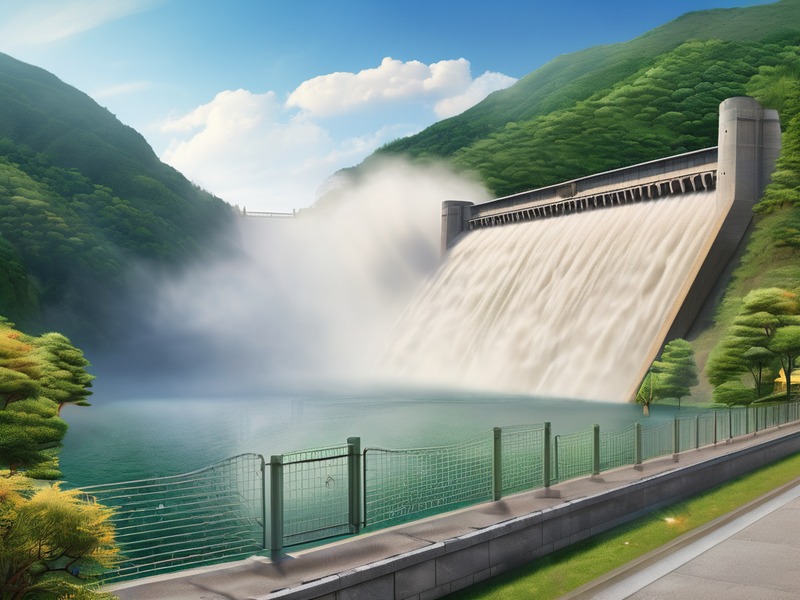
The Miyagase Dam is an engineering landmark, and unlike many Japanese dams, it is genuinely visitor-friendly. The dam site includes a free exhibition hall, an inclined elevator that carries pedestrians up to the dam crest, and — on select days — a spectacular sightseeing discharge where millions of liters of water pour through the gates.
Standing on the dam crest with the reservoir on one side and the Nakatsu valley hundreds of meters below on the other is the kind of view that makes you appreciate why Japanese tourists bring their families here. I timed a visit to the November discharge, and the roar of the water was genuinely impressive.
What to See
- The inclined elevator — A cable-drawn car that climbs the dam face (around ¥500 round trip for adults). The views from the crest are the payoff.
- Water and Energy Hall — A free exhibition about the dam, hydroelectric power, and the river system. Good on rainy days.
- The sightseeing discharge — Roughly 6-minute shows at 11:00 and 14:00 on scheduled days (typically Wednesday and select weekends from April to November). Check the current schedule on the dam’s official page, as winter shows are suspended.
- The observation deck — Panoramic views over the lake and the Tanzawa range beyond.
🚴 Cycling Around the Lake
The Loop
A paved road circles Miyagase Lake, and while it has some respectable climbs, it is a favorite of local cyclists for a reason: quiet traffic, gorgeous views, and a finish at a lakeside cafe. The full loop is about 25 km and takes 2-3 hours at a touring pace.
I rented a bike on a weekday morning and rode the eastern shore first, when the light was still soft on the water. The climbs were steady rather than brutal, and the downhill runs along the western shore were worth every pedal.
Rental and Practical Notes
- Bike rental — Rental bikes are available near the main lakeside park in season (around ¥1,000-2,000 per day). Helmets are included.
- Electric bikes — If you want the views without the climbing, e-bikes are the smart choice and rent for about ¥2,500-3,500 per day.
- Bring snacks and water — The lakeside has a few shops and vending machines, but they are clustered near the dam and the canoe base. Carry supplies for the remote stretches.
🧺 Lakeside Parks, Playgrounds, and Camping
The Lakeside Experience
The shoreline around Miyagase is dotted with lawns, playgrounds, and picnic areas that make the lake a favorite for families. Even if you do nothing more than spread a blanket and watch the light move across the water, the day is well spent.
- Miyagase Lakeside Park — The main green space, with a large lawn, a children’s playground, and a splash area for hot summer days.
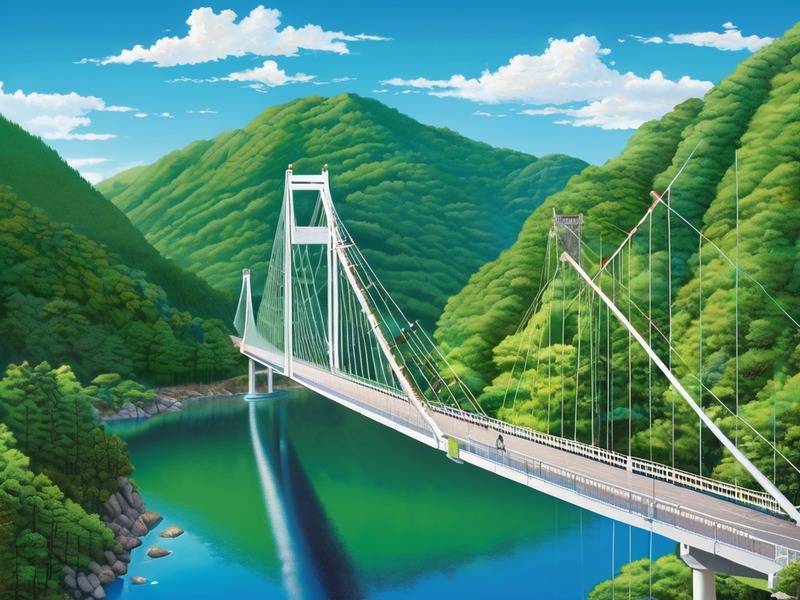
- Mizunosato Grand Suspension Bridge — A 315-meter suspension bridge crossing the lake’s narrow upper reach. The walk takes about 15 minutes each way and offers the best lake panorama accessible on foot.
- Camping and barbecue — Designated barbecue and camping areas operate along the shore from spring through autumn. Fire pits and tables are provided at the main sites; check the local office for fees (typically ¥1,000-3,000 per site).
If You Have Kids
- The splash area, the inclined elevator, and the suspension bridge are the three biggest hits with children.
- The lakeside park’s playground equipment is shaded and well maintained.
🥾 Kiyokawa Village: Mountain Life and Local Food
The Village
Kiyokawa is the only village in Kanagawa Prefecture, a small community tucked into the mountains above the lake. It is known for two things that taste better than they sound: Kiyokawa Megumi pork, raised on local feed, and Kiyokawa tea, grown on the steep sunny slopes of the valley.
I stopped at a village farm stand on my way down from the lake and left with a bag of fresh mushrooms, a bottle of local tea, and a pork cutlet sandwich made that morning. The whole village moves at a slower pace, and it shows in the food.
What to Try
- Kiyokawa Megumi pork — Available at the roadside station (Michi-no-Eki Kiyokawa) and local restaurants. The tonkatsu and pork-shabu dishes are the standouts.
- Kiyokawa tea — Green tea grown and processed in the village. Try a tea soft serve at the roadside station in summer.
- Mushrooms and mountain vegetables — The village is a major producer of shiitake mushrooms and seasonal mountain greens.
🎄 The Winter Wonderland: Miyagase Christmas
The December Event
Every December, the lakeside park hosts “Miyagase Christmas: Everyone’s Tree,” one of the most popular illumination events in the region. A massive Christmas tree rises over the lake, surrounded by light tunnels and a winter market. On clear nights, the lights reflect across the water with the Tanzawa mountains behind — a scene that draws visitors from across the Kanto plain.
The event runs roughly from early December through Christmas Day, with lights switching on at dusk (around 17:00). Weekend evenings are busy, so arrive by late afternoon to secure parking and a good view.
🗓️ Sample Itinerary: Miyagase in a Day
Morning (9:00-13:00)
- 9:00 — Depart Hon-Atsugi Station by bus.
- 10:00 — Arrive at the lake. Rent a kayak or SUP and paddle for two hours.
- 12:30 — Lunch of soba or local pork at the lakeside restaurant.
Afternoon (13:30-17:30)
- 13:30 — Ride the inclined elevator to the dam crest and visit the exhibition hall.
- 15:00 — Walk the suspension bridge, then stop for tea at the Kiyokawa roadside station.
- 16:30 — Buy local souvenirs and take the bus back toward Hon-Atsugi.
If You Have More Time
- Overnight option: The area has a handful of simple lodges and family ryokan. Book well ahead for the Christmas season.
- Combine with Atsugi: The Atsugi and Zama car culture guide covers the industrial-meets-nature side of the region.
- Tanzawa hiking: The mountains above the lake connect to the wider Tanzawa and Oyama hiking routes for experienced hikers.
- Hadano and Oyama: Across the ridge, the Hadano spring water and Oyama guide offers a neighboring mountain day trip.
📅 Seasonal Notes
- Spring (Mar-May): Cherry blossoms along the shore, fresh green on the mountains, and the first calm paddling days.
- Summer (Jun-Aug): The busiest season. Cooler than the city, with kayaking, SUP, and the splash area in full swing.
- Autumn (Sep-Nov): The best season for color and clarity. The November discharge shows and the foliage walks are not to be missed.
- Winter (Dec-Feb): Quiet and cold, with the Christmas illumination as the big draw. Many rental facilities close or shorten hours.
💡 Practical Tips
- Check the discharge schedule — The sightseeing discharge runs on specific days only. It is the highlight of many visits, so plan around it.
- Bring layers — The mountains are noticeably cooler than Tokyo, especially in the morning and evening.
- Carry cash — The roadside station and some lakeside vendors prefer cash, though major facilities now accept cards.
- Watch the last bus — Service back to Hon-Atsugi ends in the early evening. If you miss it, taxis are scarce; plan your exit.
- Book summer activities in advance — Kayaks, SUPs, and barbecue sites sell out on sunny weekends.

Conclusion
Miyagase Lake is Kanagawa’s best-kept secret for a reason: it offers everything a mountain playground should — calm water for paddling, quiet roads for cycling, a dam worth seeing in its own right, and a village that feeds you properly — without any of the crowds of the coastal tourist hubs. It is close enough for a day trip, remote enough to feel like an escape, and different in every season. Bring a paddle, a picnic, or just a good book, and let the mountains do the rest.
FAQ
Q: Can I reach Miyagase Lake without a car?
A: Yes. Buses run from Hon-Atsugi Station on the Odakyu Line (about 60 minutes). The service is reliable but roughly hourly, so plan around the timetable.
Q: Is the lake suitable for beginners at canoeing and SUP?
A: Absolutely. The water is calm, rentals include life jackets and paddles, and staff give a short onshore lesson before you launch.
Q: When is the best time to see the dam discharge?
A: The sightseeing discharge runs on scheduled days from roughly April to November, typically around 11:00 and 14:00. Winter shows are suspended.
Q: How much does a day at Miyagase cost?
A: Around ¥4,000-5,000 per person by public transport: bus ¥1,400 round trip, kayak ¥500-1,000, lunch ¥1,200, and the inclined elevator ¥500.