Overview
Kamakura has been a center of traditional craftsmanship since the Kamakura period (1185–1333), when the samurai government’s patronage of local artisans established craft traditions that continue today. Unlike Tokyo’s mass-produced souvenirs, Kamakura’s handmade crafts — Kamakurabori lacquerware, pottery, textiles, and wood carving — carry centuries of technique and cultural significance.
I spent an afternoon exploring the craft shops along Komachi-dori and the quieter side streets near Tsurugaoka Hachimangu. Watching a Kamakurabori artisan at work was the highlight — the patience required to apply 20–30 layers of lacquer, each cured before the next, gave me a new appreciation for the price tags on these pieces. For more context on Kamakura’s cultural heritage, see our Kamakura temple guide or the Kamakura area guide.
Kamakurabori: The Signature Craft of Kamakura
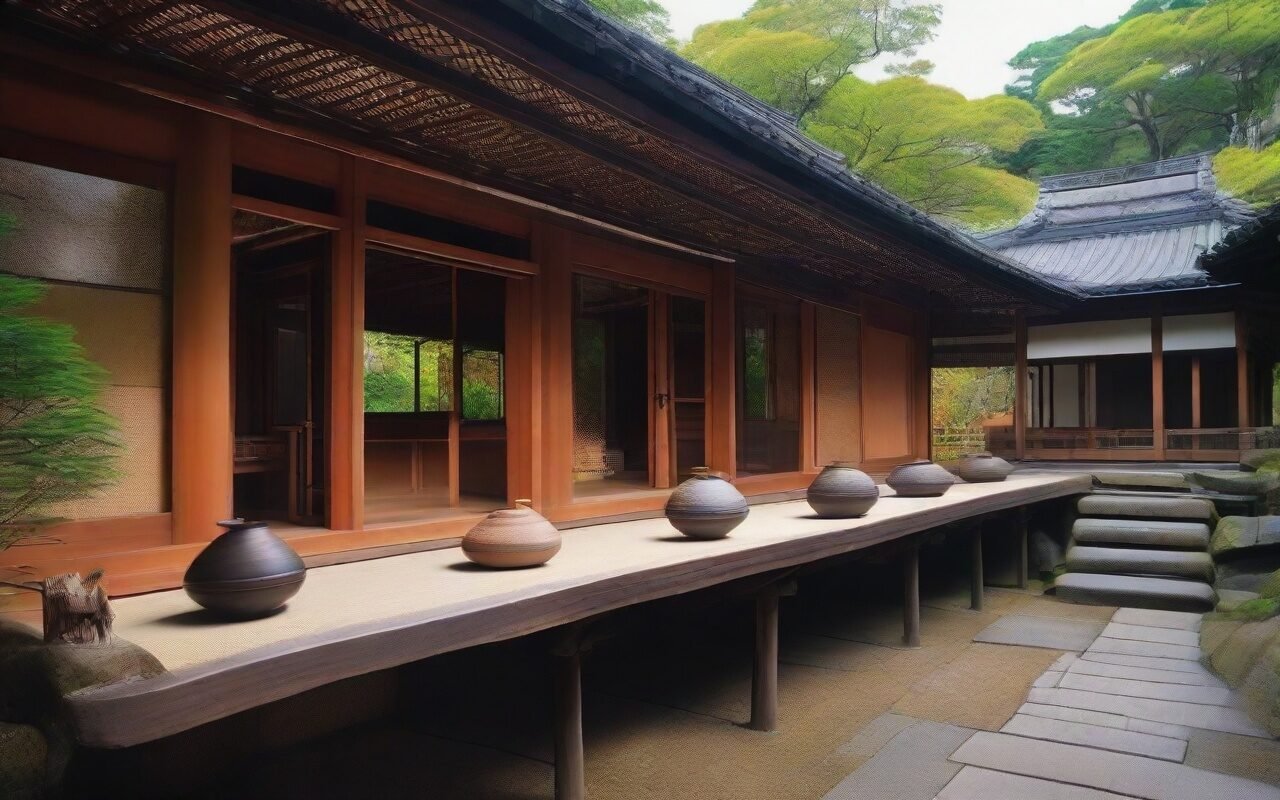
Kamakurabori (鎌倉彫) is a carved lacquerware technique that originated in the 13th century. Buddhist monks at Kencho-ji Temple began carving wooden utensils and applying lacquer to protect them, creating a distinctive red-and-black style that became Kamakura’s most famous craft. It was designated a Traditional Craft by the Japanese government in 1976.
What to Look For
| Feature | Description |
|---|---|
| Base material | Carved wood (cypress or pine) |
| Lacquer layers | 20–30 layers, each hand-applied and cured |
| Traditional colors | Vermillion red on black background |
| Common motifs | Flowers, landscapes, cranes, Mount Fuji |
| Starting price | ¥3,000 for small items (coasters, chopsticks) |
| Investment pieces | ¥30,000–200,000+ (serving trays, jewelry boxes) |
The best place to see Kamakurabori being made is the Kamakurabori Cooperative Association workshop near Kamakura Station. They offer short demonstrations (free, 15–20 minutes) and have a showroom with pieces from multiple artisans. I bought a set of coasters (¥4,500) here — each one has slight variations in the carving that reveal the hand of the maker.
Pottery: Kamakura’s Ceramic Tradition
Kamakura’s pottery tradition is less well-known than Kamakurabori but equally authentic. Local kilns produce tea bowls, sake cups, and plates in earthy tones that reflect the region’s natural materials. The pottery village near the Daibutsu (Great Buddha) has several workshops where you can watch potters at work. Visit Kamakura’s iconic Great Buddha, Tsurugaoka Hachimangu Shrine & Enoshima on a guided day trip
| Type | Price Range | Where to Buy |
|---|---|---|
| Tea bowls (chawan) | ¥3,000–15,000 | Pottery Village, Komachi-dori shops |
| Sake cups (guinomi) | ¥2,000–8,000 | Kiln gallery near Kencho-ji |
| Small plates | ¥2,000–5,000 | Kamakura Station shopping area |
| Vases | ¥8,000–50,000 | Specialized pottery galleries |
What distinguishes Kamakura pottery is the use of local clay and traditional wood-firing techniques that create unique glazes. Each piece has subtle imperfections that are celebrated rather than hidden — the Japanese aesthetic of wabi-sabi.
Textiles and Wood Carving
Kamakura Textiles
Traditional hand-woven textiles are available at the Kamakura Textile Museum and select shops on Komachi-dori. Scarves (¥2,000–5,000) and tenugui (traditional cotton hand towels, ¥800–1,500) make affordable, packable souvenirs. The lighter weight of cotton tenugui means you can easily carry several as gifts.
Kamakura Wood Carving
The tradition of Buddhist wood carving continues in Kamakura’s temple workshops. While purchasing an original Buddha statue is expensive (¥50,000+), smaller carved items like zodiac animals (¥5,000–15,000) and decorative panels (¥10,000–30,000) are more accessible. Temple shops near Kencho-ji and Engaku-ji have authentic pieces.
Where to Shop for Authentic Crafts
| Location | Best For | Price Level |
|---|---|---|
| Komachi-dori | Souvenirs, textiles, small lacquerware | ¥1,000–10,000 |
| Kamakurabori Cooperative | Authentic Kamakurabori, demonstrations | ¥3,000–200,000 |
| Pottery Village (near Daibutsu) | Tea bowls, sake cups | ¥2,000–15,000 |
| Temple shops (Kencho-ji, Engaku-ji) | Wood carving, incense | ¥1,000–50,000 |
| Kamakura Station shopping area | Tenugui, small gifts | ¥500–3,000 |
How to Get There
Temples and cultural sites are generally accessible by train plus a short walk. Many temples in Kamakura and Hakone are clustered together, allowing you to visit multiple sites on foot. Wear comfortable walking shoes as some temples are located on hills or up stone staircases.
Best Time to Visit
Temples and cultural sites are most enjoyable during weekdays when crowds are smaller. Early morning before 9 AM offers a peaceful atmosphere. Spring and autumn provide the most pleasant weather for exploring outdoor sites. Many temples have seasonal events and special openings.
What to Expect
Cultural sites in Kanagawa offer a window into Japan’s rich history. Temples and shrines range from centuries-old national treasures to peaceful neighborhood shrines. Many sites have informative English displays or offer audio guides for a small fee. Photography is generally allowed in outdoor areas but often restricted inside temple buildings. Shoes must be removed when entering temple halls and traditional buildings. Some temples offer unique experiences like zazen meditation, calligraphy workshops, or garden tours.
Nearby Recommendations
Cultural sites in Kanagawa are often clustered together, making it easy to visit multiple temples or shrines in a single walk. Many temple areas have charming streets lined with traditional shops and tea houses. Consider combining your cultural visit with a nearby museum or gallery for a deeper understanding of the area’s history and artistic heritage.
Local Tips
Cultural enthusiasts recommend visiting on weekdays when crowds are smaller and the atmosphere is more contemplative. Some temples offer special access to normally restricted areas during certain times of the year. Photography is best in early morning or late afternoon when the light creates dramatic shadows and warm tones. Dress in layers as temple buildings can be significantly cooler or warmer than outside.n
Conclusion
The details in this guide come from real visits, and the biggest lesson I took away was that the best experiences in Kamakura rarely fit neatly into a checklist. During my visit to Kamakura I went with a rough plan and found that leaving room to wander made the trip far more memorable. Plan the essentials, keep your schedule flexible, and you will leave Kanagawa wanting to return.