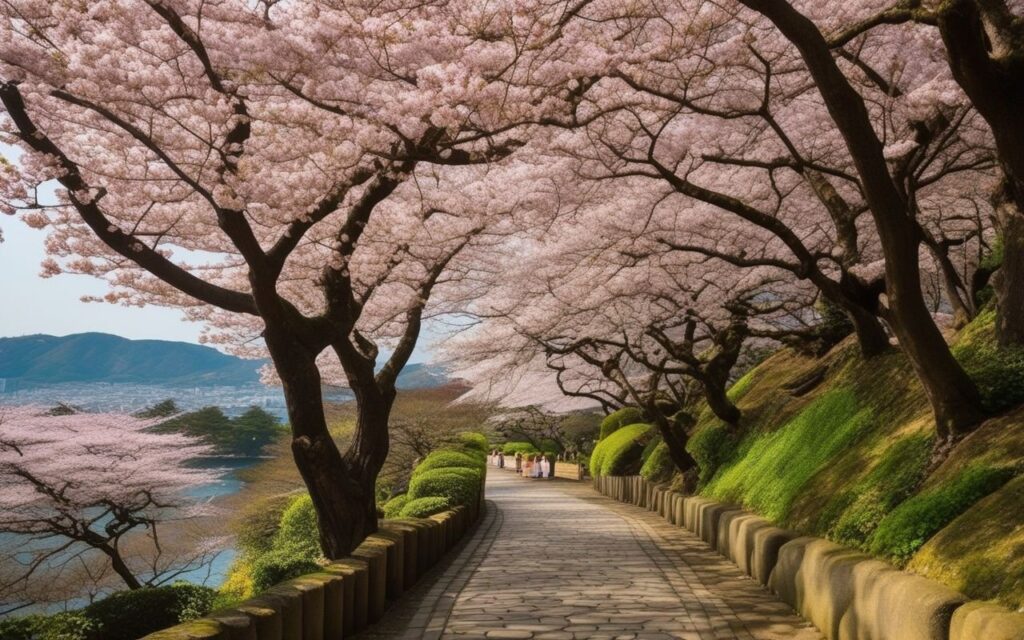
Kamakura Traditional Crafts Guide 2026

Kamakura Traditional Crafts Guide 2026
This article contains affiliate links. When you book through these links, we may earn a small commission at no extra cost to you.

Overview

Spring (March-May)

Highlights: Cherry blossoms, mild weather, spring festivals

  • Temperature: 10-20°C (50-68°F)
  • Crowds: High during cherry blossom season (late March-early April)
  • What to Wear: Light jacket, layers

kamakura-traditional-crafts sub 3

  • Special Events: Hanami parties, spring festivals
kamakura-traditional-crafts sub

Kamakura has 800 years of craft tradition, producing some of Japan's finest lacquerware, textiles, and pottery. This guide covers the traditional crafts of Kamakura, their history, and where to buy authentic pieces.

1. Kamakurabori Lacquerware (Kamakura)

Most Famous Craft: 800-year-old lacquer tradition History:

  • Origin: 1200s (Kamakura period)
  • Founder: Buddhist monks (temple offerings)
  • Technique: Carved wood + multiple lacquer layers
  • Status: Designated Traditional Craft (1976)

Characteristics:

  • Base: Carved wood (cypress, pine)
  • Layers: 20-30 layers of lacquer
  • Colors: Red, black, green (traditional)
  • Patterns: Flowers, birds, landscapes

Items & Prices: | Item | Price Range | Time to Make | |------|------------|--------------| | Chopsticks | ¥3,000-8,000 | 2-3 days | | Spoon | ¥4,000-10,000 | 3-4 days | | Small Box | ¥10,000-30,000 | 1-2 weeks | | Tea Tray | ¥15,000-50,000 | 2-3 weeks | | Decorative Plate | ¥30,000-100,000+ | 1-2 months |

Where to Buy:

  • Kamakurabori Museum Shop: ¥5,000-50,000 (authentic, high quality)
  • Craft Studios: ¥10,000-100,000 (direct from artisans)
  • Souvenir Shops: ¥3,000-20,000 (tourist grade)
  • Department Stores: ¥10,000-50,000 (reliable quality)

Recommended Shops:

  1. Kamakurabori Museum (8 min walk from Kamakura Station)

    • Largest selection
    • Museum admission: ¥300
    • Workshop tours: Available
  2. Kamakura Kobo (Komachidori Street)

    • Multiple artisans
    • Price range: ¥5,000-50,000
    • English support: Basic
  3. Traditional Craft Center (near Tsurugaoka Hachimangu)

    • Government-certified crafts
    • Price range: ¥10,000-100,000
    • Tax-free: Available

Workshop Experience:

  • Cost: ¥3,000-5,000 (2 hours)
  • Make: Small coaster or chopsticks
  • Take home: Your creation
  • Reservation: Required (book in advance)

2. Kamakura Textiles (Kamakura)

Elegant Fabrics: Traditional weaving techniques History:

  • Origin: 1300s (Muromachi period)
  • Purpose: Kimono, temple decorations
  • Technique: Hand-weaving on traditional looms
  • Status: Prefectural Traditional Craft Characteristics:
  • Materials: Silk, cotton, hemp
  • Patterns: Geometric, nature-inspired
  • Colors: Subtle, natural dyes
  • Texture: Soft, durable

Items & Prices: | Item | Price Range | |------|------------| | Handkerchief | ¥2,000-5,000 | | Scarf | ¥8,000-20,000 | | Obi (Kimono Sash) | ¥50,000-200,000 | | Kimono | ¥200,000-500,000+ | | Table Runner | ¥5,000-15,000 |

Where to Buy:

  • Textile Museums: ¥5,000-50,000 (high quality)
  • Kimono Shops: ¥50,000-500,000 (authentic kimono)
  • Craft Centers: ¥2,000-20,000 (small items)

Recommended Shops:

  1. Kamakura Textile Museum (10 min from Kamakura Station)

    • Historical pieces
    • Modern interpretations
    • Weaving demonstrations: Weekends
  2. Asanoha Kimono Shop (Komachidori Street)

    • Kimono rental: ¥5,000/day
    • Kimono sales: ¥100,000-500,000
    • Small items: ¥2,000-10,000

3. Kamakura Pottery (Kamakura)

Rustic Beauty: Natural, earthy ceramics History:

  • Origin: 1200s (Kamakura period)
  • Influence: Korean, Chinese potters
  • Style: Natural ash glaze, wood-fired
  • Revival: 1950s (modern masters)

Characteristics:

  • Clay: Local Kamakura clay
  • Glaze: Natural ash (no chemicals)
  • Firing: Wood-fired kiln (3-5 days)
  • Finish: Rustic, earthy, unique

Items & Prices: | Item | Price Range | |------|------------| | Sake Cup | ¥3,000-8,000 | | Tea Bowl | ¥5,000-15,000 | | Plate | ¥4,000-12,000 | | Vase | ¥10,000-50,000 | | Tea Set | ¥30,000-100,000 |

Where to Buy:

  • Pottery Studios: ¥5,000-50,000 (direct from potters)
  • Craft Galleries: ¥10,000-100,000 (curated selection)
  • Temple Shops: ¥3,000-20,000 (souvenir grade)

Recommended Shops:

  1. Kamakura Pottery Village (15 min bus from Kamakura Station)

    • 5 master potters
    • Workshop visits: Available
    • Price range: ¥5,000-100,000
  2. Kiln Gallery (near Hase-dera)

    • Curated pieces
    • Price range: ¥10,000-200,000
    • English support: Good

Workshop Experience:

  • Cost: ¥5,000-8,000 (3 hours)
  • Make: Tea bowl or plate
  • Firing: 2-3 weeks (mail to your home)
  • Reservation: Required

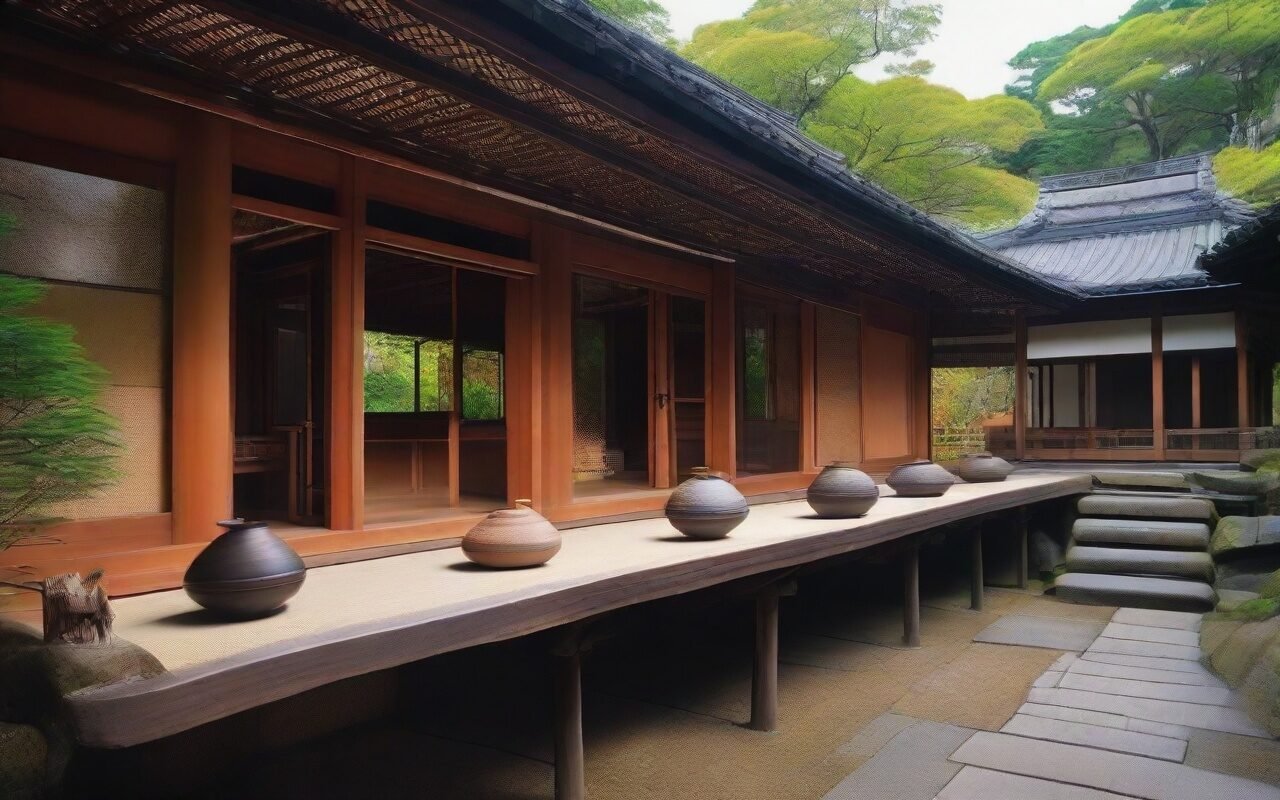
4. Kamakura Wood Carving (Kamakura)

Spiritual Art: Buddhist statues, decorative carvings History:

  • Origin: 1100s (when Kamakura became capital)
  • Purpose: Buddhist temples, shrines
  • Style: Realistic, expressive
  • Masters: Unkei, Kaikei (famous sculptors)

Characteristics:

  • Wood: Cypress, camphor, pine
  • Style: Realistic facial expressions
  • Finish: Natural wood or painted
  • Subjects: Buddha, deities, animals

Items & Prices: | Item | Price Range | |------|------------| | Small Statue | ¥10,000-50,000 | | Mask | ¥15,000-80,000 | | Decorative Panel | ¥30,000-150,000 | | Buddha Statue | ¥100,000-500,000+ |

Where to Buy:

  • Temple Workshops: ¥50,000-500,000 (authentic religious art)
  • Craft Galleries: ¥10,000-150,000 (decorative pieces)
  • Souvenir Shops: ¥3,000-20,000 (mass-produced) Recommended:
  • Kamakura Museum of National Treasures: High-quality reproductions
  • Temple Gift Shops: Authentic religious items

5. Kamakura Incense (Kamakura)

Aromatic Tradition: Temple incense, aromatherapy History:

  • Origin: 1200s (with Zen Buddhism)
  • Purpose: Temple ceremonies, meditation
  • Ingredients: Natural herbs, woods, spices
  • Status: Traditional craft

Characteristics:

  • Ingredients: Sandalwood, agarwood, herbs
  • Scents: Woody, earthy, subtle
  • Forms: Sticks, cones, coils
  • Quality: Natural ingredients (no chemicals)

Items & Prices: | Item | Price Range | |------|------------| | Incense Sticks (small) | ¥1,000-3,000 | | Incense Sticks (large) | ¥3,000-8,000 | | Incense Holder | ¥2,000-10,000 | | Gift Set | ¥5,000-20,000 |

Where to Buy:

  • Temple Shops: ¥1,000-10,000 (traditional)
  • Incense Specialty Shops: ¥2,000-20,000 (variety)
  • Craft Centers: ¥1,000-5,000 (souvenir grade)

Recommended Shops:

  1. Kakuozan Incense Shop (near Tsurugaoka Hachimangu)
    • 200-year-old shop
    • Custom blends: Available
    • Price range: ¥1,000-20,000

Komachidori Street

Best For: Souvenirs, variety, accessibility Shops:

  • Kamakurabori: 3-4 shops
  • Textiles: 2-3 shops
  • Pottery: 2 shops
  • Incense: 2-3 shops Price Range: ¥1,000-50,000 Tips:
  • Compare prices (varies by shop)
  • Ask for tax-free (some shops)
  • Try before buying (especially incense)

Around Tsurugaoka Hachimangu

Best For: High-quality crafts, authentic pieces Shops:

  • Traditional Craft Center: Government-certified
  • Temple Gift Shops: Religious items
  • Craft Galleries: Curated selection Price Range: ¥5,000-200,000 Tips:
  • Higher quality (higher prices)
  • Tax-free available
  • English support (limited)

Kita-Kamakura (Temple Area)

Best For: Direct from artisans, workshop visits Shops:

  • Pottery Studios: 5 masters
  • Wood Carving: Temple workshops
  • Incense: Temple shops Price Range: ¥5,000-500,000 Tips:
  • Meet the artisans
  • Workshop experiences available
  • Best quality (highest prices)

Budget Shopping (Under ¥10,000)

Items:

  • Kamakurabori chopsticks: ¥3,000-8,000
  • Textile handkerchief: ¥2,000-5,000
  • Pottery sake cup: ¥3,000-8,000
  • Incense sticks: ¥1,000-3,000 Where: Komachidori Street, souvenir shops Total: ¥5,000-10,000

Mid-Range Shopping (¥10,000-50,000)

Items:

  • Kamakurabori tea tray: ¥15,000-50,000
  • Textile scarf: ¥8,000-20,000
  • Pottery tea set: ¥30,000-50,000
  • Wood carving (small): ¥10,000-50,000 Where: Craft centers, museum shops Total: ¥20,000-50,000

Luxury Shopping (¥50,000+)

Items:

  • Kamakurabori decorative plate: ¥50,000-200,000
  • Kimono: ¥200,000-500,000
  • Pottery vase (master piece): ¥50,000-200,000
  • Buddha statue: ¥100,000-500,000+ Where: Master artisans, galleries Total: ¥100,000-500,000+

How to Identify Authentic Crafts

Kamakurabori:

  • ✅ Look for craftsman's seal
  • ✅ Multiple lacquer layers (visible on edges)
  • ✅ Smooth, deep finish
  • ❌ Avoid: Plastic-looking, too cheap

Textiles:

  • ✅ Hand-woven (slight irregularities)
  • ✅ Natural fibers (silk, cotton)
  • ✅ Natural dyes (subtle colors)
  • ❌ Avoid: Perfectly uniform, synthetic

Pottery:

  • ✅ Hand-thrown (slight variations)
  • ✅ Natural ash glaze (unique patterns)
  • ✅ Heavy, substantial
  • ❌ Avoid: Mass-produced, too perfect

Price Indicators

Too Cheap (avoid):

  • Kamakurabori under ¥3,000 (likely fake)
  • Kimono under ¥50,000 (likely machine-made)
  • Pottery under ¥2,000 (likely mass-produced) Fair Price:
  • Kamakurabori: ¥5,000-50,000 (authentic)
  • Textiles: ¥5,000-200,000 (hand-made)
  • Pottery: ¥5,000-100,000 (hand-thrown)

Eligibility

Who: Foreign tourists (non-Japanese residents) Minimum Purchase: ¥5,000 (before tax) at participating stores Discount: 10% consumption tax refund

Participating Stores

Look for: "Tax-Free" sign Common Locations:

  • Department stores
  • Museum shops
  • Large craft centers
  • Some temple shops Not Available:
  • Small souvenir shops
  • Street vendors
  • Most temple shops

Process

  1. Bring passport (required)
  2. Shop at tax-free stores
  3. Show passport at checkout
  4. Sign form (tax-free form)
  5. Keep items sealed (don't open until leaving Japan)

⏰ Best Time to Visit

Early morning (8-10 AM): Peaceful atmosphere, fewer crowds, perfect for photos Late afternoon (4-6 PM): beautiful lighting, local life, less crowded than midday

What I Recommend

  • Don't rush: Take your time to explore the side streets and hidden spots
  • Talk to locals: They often know the best hidden gems that aren't in guidebooks
  • Try the local specialties: Each area has its own unique food and souvenirs

Things to Watch Out For

  • Some shops close on weekdays or have irregular hours
  • Parking can be challenging during peak seasons
  • Cash is still king at many smaller establishments

Kamakura Area

RestaurantTypeOfficial WebsiteHoursPrice Range
Kamakura MenmanRamen🔗 Official Website11:00-21:00¥900-1,200

Kamakura Menman

  • 🏷️ Type: Ramen
  • 🌐 Official Website: https://www.kamakura-menman.com/
  • 📞 Phone: +81-467-24-0505
  • ⏰ Hours: 11:00-21:00
  • 💰 Price: ¥900-1,200
  • 📍 Area: Kamakura Station
  • 📅 Reservation: Book a Table (recommended for weekends)

Best Times to Visit

  • Lunch: 11:30 AM - 1:30 PM (busiest, make reservations)
  • Cafe: 2:00 PM - 4:00 PM (relaxed atmosphere)
  • Dinner: 6:00 PM - 8:00 PM (popular spots fill up quickly)

Payment Methods

  • Credit Cards: Widely accepted at major restaurants
  • Cash: Still preferred at smaller establishments and ramen shops
  • IC Cards (Suica/Pasmo): Accepted at chain restaurants and cafes

Dietary Requirements

  • Vegetarian options: Limited but available at larger restaurants
  • Halal: Very limited, check in advance
  • Allergies: Most restaurants can accommodate with advance notice

Useful Apps

  • Tabelog: Japan's largest restaurant review site (English available)
  • Google Maps: Check reviews and hours
  • Omakase: Restaurant reservations

Summary

kamakura traditional crafts sub 4

CraftStarting PriceBest ForWhere to Buy
Kamakurabori¥3,000Lacquerware, souvenirsMuseum, Komachidori
Textiles¥2,000Scarves, handkerchiefsTextile Museum, Kimono shops
Pottery¥3,000Tea bowls, sake cupsPottery Village, Kiln Gallery
Wood Carving¥10,000Statues, decorativeTemple workshops
Incense¥1,000Meditation, aromatherapyTemple shops, specialty shops

Bottom Line: Kamakura offers authentic traditional crafts with 800 years of history. Kamakurabori lacquerware is the most famous, while pottery offers best value for money. Budget ¥10,000-50,000 for quality souvenirs. Look for craftsman's seals and buy from reputable shops for authenticity. Best For: Souvenir shopping, cultural experience, supporting artisans Budget: ¥5,000-200,000+ (depending on items) Time Needed: 2-4 hours (shopping)


Related Articles:

Conclusion

Kamakura Traditional Crafts Guide 2026 provides everything you need to make your Kanagawa trip smooth and enjoyable. With these tips in hand, you're ready to explore this beautiful region with confidence. Safe travels!


Anaba OffJapan — Avoid the Crowds, Go Deeper into Japan.


kamakura traditional crafts sub 5 Guide 2026 offers a unique perspective on Kanagawa that rewards those who take the time to explore thoroughly. Whether you are here for a day or a week, the memories you create will stay with you long after you return home.

🗺️View Kamakura on Google Maps
Kamakura Area GuideArea Guide

Explore the Complete Kamakura Area Guide

Plan your perfect trip with our comprehensive guide covering temples, beaches, food, hiking, and hidden gems. 40+ expert articles at your fingertips.

Read the Kamakura Area Guide →
Emi

Emi

Culture & History Writer

📍 Kamakura · 📅 Since 2020

With a background in Japanese art history from Keio University, Emi brings depth and context to every cultural site she covers. She has spent years researching Kamakura's temples, Hakone's shrines, and Yokohama's Meiji-era architecture. Her writing connects travelers with the stories behind the landmarks.

twitter.comwww.instagram.com

Next: Odawara Castle Town Guide 2026 →