
Overview
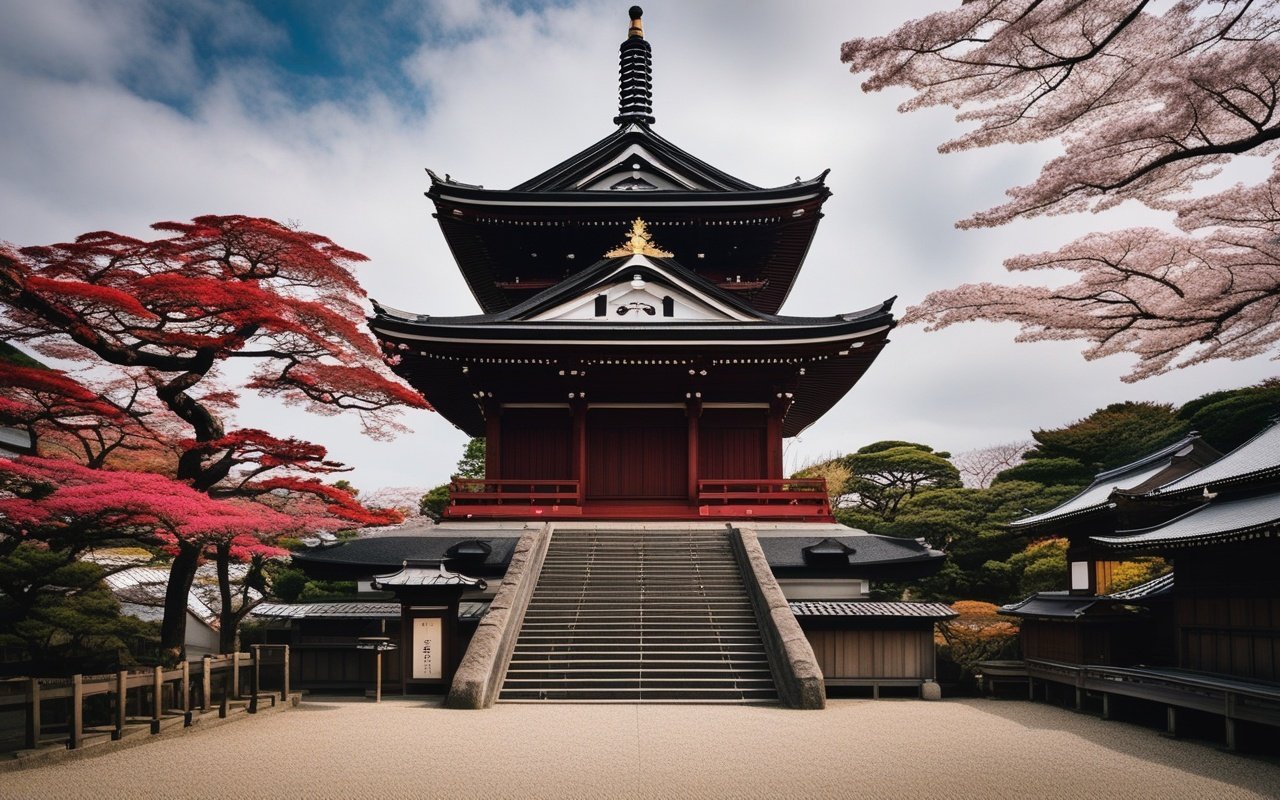
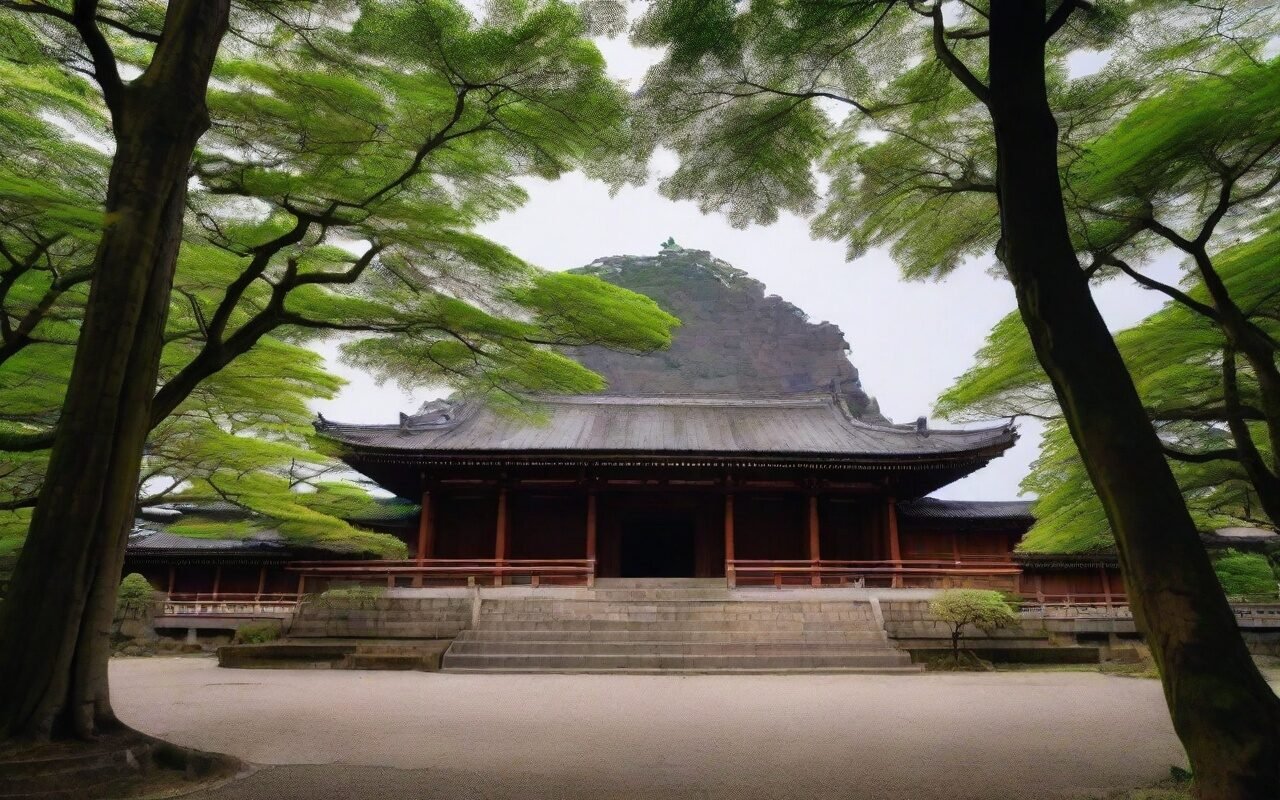
Explore the rich cultural heritage and historical significance of Kamakura Temple Guide – Kanagawa in Kanagawa Prefecture. This guide delves into the fascinating stories, traditions, and landmarks that define Kamakura. From ancient temples to modern museums, discover how this destination has shaped Japan’s cultural landscape over centuries.
Quick Links
Planning a visit to experience Kamakura Temple Guide – Kanagawa 2026 in Kanagawa? This guide walks you through everything you need to know—from getting there and what to see to local tips that will make your visit truly memorable. Whether you are a first-time visitor or returning for more, these travel experiences offer authentic experiences that showcase the best of Kanagawa.
📍 Location
- Access: 1 hour from Tokyo
- Best temples: Kotoku-in, Hasedera, Kencho-ji
- Best for: History, gardens, meditation, photography
- Best season: Spring (cherry blossoms) and Autumn (fall foliage)
Introduction
📍 Kamakura Temple Locations
Find these temples on Google Maps to plan your walking route between sites.
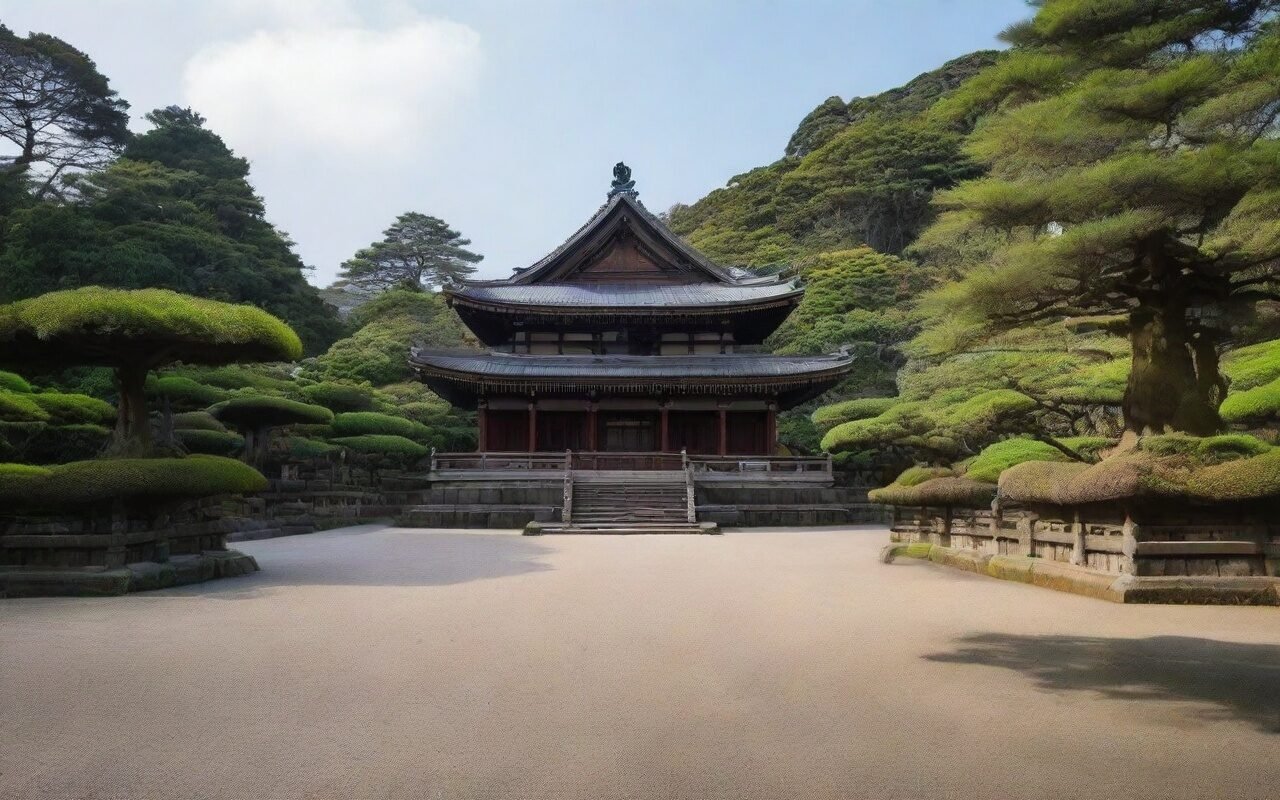
Kamakura, once the political center of Japan, is home to over 65 Buddhist temples and 19 Shinto shrines. This guide covers the must-visit temples and essential etiquette for your temple hopping experience.
Highlights:
- 65+ Buddhist temples
- Iconic Great Buddha
- beautiful temple gardens
- Meditation experiences
- Rich samurai history
Kotoku-in (Great Buddha)
Best for: Iconic photo spot, history
Hours: 8:00 AM - 5:30 PM (Nov-Feb: 4:30 PM)
Admission: ¥300 (¥200 for Buddha interior)
Access: 7 min walk from Hase Station
Time needed: 30-60 minutes
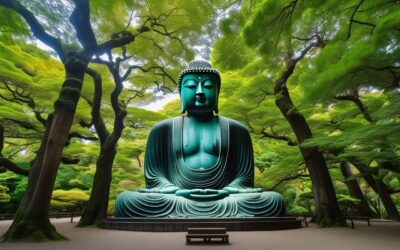
Home to the iconic Great Buddha of Kamakura, a 13.35-meter tall bronze statue that has stood since 1252. Highlights:
- Great Buddha (Daibutsu)
- Buddha interior visit (¥200)
- Temple grounds
- Souvenir shop Tips:
- Arrive early (crowded after 10 AM)
- Combine with Hasedera (5 min walk)
- Photo spots available
Hasedera Temple
Best for: Gardens, ocean views, flowers
Hours: 8:00 AM - 5:00 PM (Nov-Feb: 4:30 PM)
Admission: ¥400
Access: 5 min walk from Hase Station
Time needed: 1-2 hours
A beautiful temple known for its gardens, ocean views, and seasonal flowers. Highlights:
- Kannon Hall (main hall)
- Cave temple (Kannon-dori)
- Garden with pond
- Ocean view platform
- Seasonal flowers (hydrangea in June) Tips:
- Wear comfortable shoes (hillside temple)
- Best views from upper levels
- Combine with Kotoku-in
Kencho-ji Temple
Best for: Zen architecture, gardens, meditation
Hours: 8:30 AM - 5:00 PM
Admission: ¥500 (garden: ¥300)
Access: 15 min walk from Kita-Kamakura Station
Time needed: 1-2 hours
The oldest Zen temple in Kamakura, founded in 1253, featuring stunning architecture and gardens. Highlights:
- Sanmon Gate (important cultural property)
- Butsuden (Buddha Hall)
- Hojo Garden (designed by Kobori Enshu)
- Meditation sessions (reservation required) Tips:
- Visit early morning for tranquility
- Garden is especially beautiful in autumn
- Meditation experience available (¥1,000)
Engaku-ji Temple
Best for: Zen architecture, tea ceremony
Hours: 8:00 AM - 5:00 PM
Admission: ¥300
Access: 1 min walk from Kita-Kamakura Station
Time needed: 1 hour
One of the most important Zen temples in Japan, founded in 1282. Highlights:
- Shariden (national treasure)
- Butsuden (Buddha Hall)
- Tea ceremony experiences
- Bell tower Tips:
- Easy access from station
- Combine with Kencho-ji (15 min walk)
- Tea ceremony on weekends
Classic Course (Half Day, 4 hours)
Morning:
- Kotoku-in (Great Buddha, 1 hour)
- Hasedera (Gardens and views, 1.5 hours)
- Lunch in Hase area Afternoon:
- Kencho-ji (Zen temple, 1.5 hours)
- Engaku-ji (Tea ceremony, 1 hour) Access:
- Start: Hase Station
- End: Kita-Kamakura Station
- Transport: Enoden + JR
Zen Temple Course (Half Day, 3 hours)
Morning:
- Kencho-ji (1.5 hours)
- Engaku-ji (1 hour)
- Tokei-ji (30 min) Features:
- Three important Zen temples
- beautiful gardens
- Meditation experience Access:
- Start/End: Kita-Kamakura Station
- All temples within walking distance
Lesser-Known Spots Course (Half Day, 3 Hours)
Morning:
- Meigetsu-in (Hydrangea temple, 1 hour)
- Enkaku-ji (Tea ceremony, 1 hour)
- Zuisen-ji (Garden temple, 1 hour) Features:
- Less crowded
- beautiful gardens
- Authentic atmosphere Access:
- Start: Kita-Kamakura Station
- End: Kamakura Station
Summary
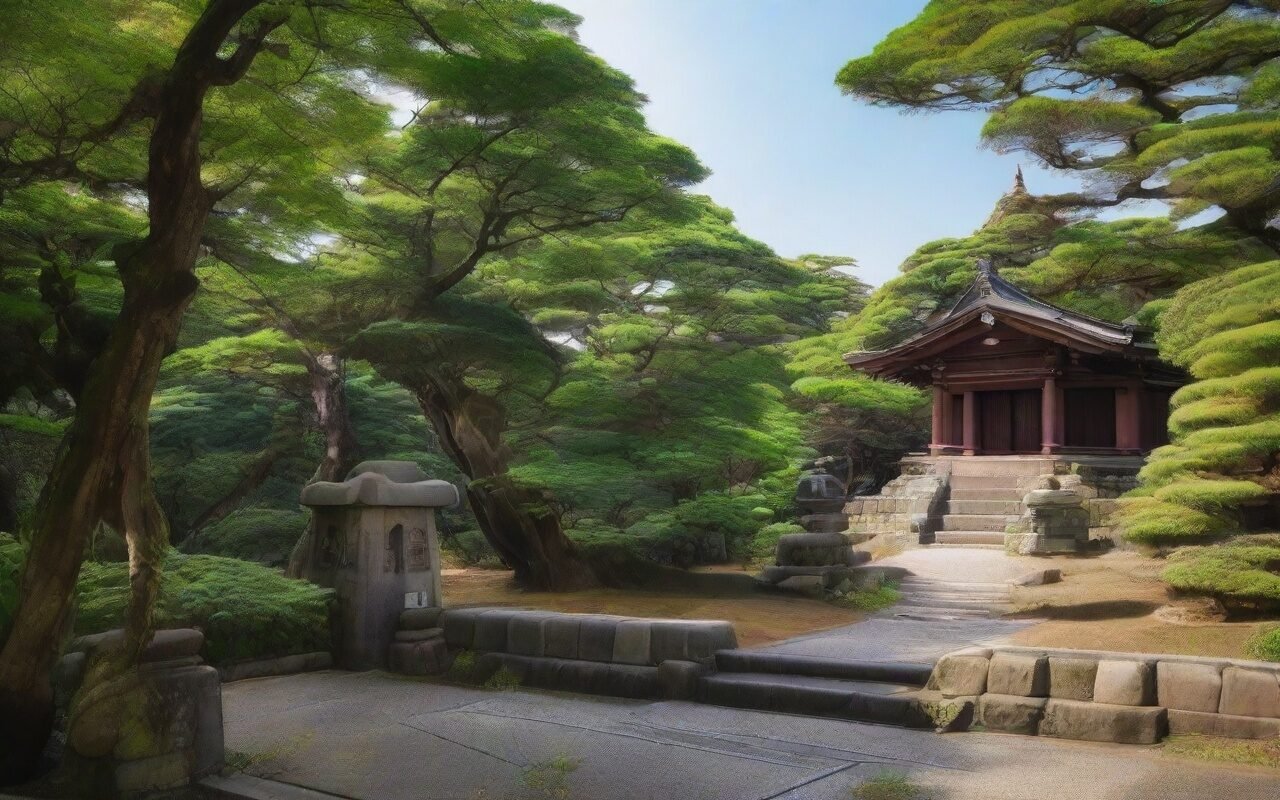
Kamakura’s temples offer a glimpse into Japan’s rich Buddhist heritage, from the iconic Great Buddha to serene Zen gardens. Whether you’re interested in history, architecture, or meditation, Kamakura’s temples have something for everyone.
Key highlights:
- 65+ Buddhist temples
- Iconic Great Buddha
- beautiful temple gardens
- Meditation experiences
- Easy access from Tokyo (1 hour)
Kamakura Temple Guide These temples offer a window into Japan’s spiritual heritage, where centuries of tradition meet the natural beauty of Kanagawa. Take your time to explore each sacred site and appreciate the peaceful atmosphere that has drawn visitors for generations.
How many temples should I visit in one day?
A. 3-4 temples is comfortable for a half-day trip.
Are temples crowded?
A. Yes, especially on weekends and holidays. Visit early morning.
Can I take photos?
A. Most temples allow photos in grounds, but not inside halls.
Is there a dress code?
A. Modest clothing I highly recommend. Remove hats inside buildings.
🙏 Temple Etiquette and Customs
Understanding temple etiquette ensures a respectful visit and a more meaningful experience.
Before Entering
- Purify at the temizuya (water pavilion): Use the bamboo ladle to pour water over your left hand, then right hand, then rinse your mouth (don’t touch the ladle directly to your mouth).
- Remove hats and sunglasses before entering temple buildings.
- Bow once before passing through the temple gate (mon) — this is a sign of respect.
At the Main Hall
- Throw a coin (¥5 or ¥10) into the offering box before praying.
- Bow twice, clap twice, bow once — this is the standard prayer sequence at shrines. At Buddhist temples, you simply bow quietly with your palms together (gassho).
- Do not take photos inside the main hall unless explicitly permitted.
- Keep your voice low — temples are active places of worship, not museums.
At the Cemetery
- Stay on designated paths — walking over graves is highly disrespectful.
- Do not take photos of graves or funerary ceremonies.
- Do not offer incense unless you understand the ritual — it may interfere with family offerings.
Seasonal Temple Highlights
- January: Hatsumode (first shrine visit of the year) — temples are crowded but festive
- February: Setsubun bean-throwing ceremonies at Kencho-ji and other major temples
- June: Hydrangea season at Meigetsu-in (arrive by 7 AM to avoid queues)
- August: Evening illumination events at several temples
- November: Autumn foliage at Kencho-ji garden (reservation recommended)
- December: Year-end cleaning (osouji) at many temples — visitors welcome to watch
📅 Sample Full-Day Temple Itinerary
9:00 AM — Start at Kita-Kamakura Station
9:15-10:15 AM — Engaku-ji (national treasure, tea ceremony option)
10:30-11:45 AM — Kencho-ji (Zen meditation, gardens)
12:00-12:45 PM — Lunch at a shojin ryori (Buddhist vegetarian) restaurant near Kencho-ji
1:00-1:30 PM — Walk to Tokei-ji (quiet nunnery, bamboo grove)
1:45-2:00 PM — Walk to Kamakura Station
2:00-2:30 PM — Enoden train to Hase Station
2:45-4:00 PM — Hasedera (ocean views, cave temple)
4:15-4:45 PM — Kotoku-in (Great Buddha)
5:00 PM — Enoden back to Kamakura Station, dinner in the station area Total walking: ~8 km (5 miles). Wear comfortable shoes and bring water.
Temple Etiquette Guide
Understanding temple etiquette ensures a respectful visit.
Entry Preparation
- Purify at the temizuya: Use the bamboo ladle to pour water over your left hand, then right hand, then rinse your mouth.
- Remove hats and sunglasses before entering temple buildings.
- Bow once before passing through the temple gate.
Inside the Main Hall
- Throw a coin (¥5 or ¥10) into the offering box before praying.
- Bow twice, clap twice, bow once at shrines. At Buddhist temples, simply bow quietly with palms together.
- No photos inside the main hall unless permitted.
- Keep your voice low.
Seasonal Highlights
- January: Hatsumode (first shrine visit) — crowded but festive
- February: Setsubun bean-throwing at Kencho-ji
- June: Hydrangea at Meigetsu-in (arrive by 7 AM)
- August: Evening illuminations at several temples
- November: Autumn foliage at Kencho-ji garden
📅 Temple Itinerary Suggestion
9:00 AM — Start at Kita-Kamakura Station
9:15-10:15 AM — Engaku-ji
10:30-11:45 AM — Kencho-ji (Zen meditation)
12:00-12:45 PM — Lunch near Kencho-ji
1:00-1:30 PM — Walk to Tokei-ji (bamboo grove)
2:45-4:00 PM — Hasedera (ocean views)
4:15-4:45 PM — Kotoku-in (Great Buddha)
5:00 PM — Enoden back to Kamakura Station Total walking: ~8 km. Wear comfortable shoes.
🏯 Quick Temple Comparison: Which to Visit?
| Temple | Best For | Admission | Time Needed | Crowds | Access |
|---|---|---|---|---|---|
| Kotoku-in | Iconic Great Buddha photo | ¥300 | 30-45 min | 🟡 Moderate | 7 min walk from Hase Station |
| Hasedera | Gardens, ocean views | ¥400 | 1-1.5 hours | 🟡 Moderate | 5 min walk from Hase Station |
| Kencho-ji | Zen architecture, meditation | ¥500 | 1-1.5 hours | 🟢 Quiet | 15 min walk from Kita-Kamakura |
| Engaku-ji | National treasure, tea ceremony | ¥300 | 45-60 min | 🟢 Quiet | 1 min from Kita-Kamakura Station |
| Meigetsu-in | Hydrangeas (June) | ¥500 (Jun) / ¥300 | 30-45 min | 🔴 Very busy (Jun) | 10 min walk from Kita-Kamakura |
| Tokei-ji | Bamboo grove, quiet | ¥300 | 30 min | 🟢 Very quiet | 12 min walk from Kita-Kamakura |
| Zuisen-ji | Cave garden, hillside | ¥300 | 30-45 min | 🟢 Very quiet | 20 min walk from Kamakura Station |
💰 Budgeting for a Temple Day
| Expense | Budget Traveler | Standard | Notes |
|---|---|---|---|
| Train from Tokyo (round trip) | ¥1,840 | ¥1,840 | JR Yokosuka Line, Tokyo→Kamakura |
| Temple admissions (3-4 temples) | ¥900 | ¥1,500 | Choose 2-3 free/low-cost + 1 main temple |
| Goshuin stamps (per temple) | ¥300-500 | ¥300-500 | Optional but recommended — beautiful souvenir |
| Lunch | ¥800-1,200 | ¥1,500-2,500 | Komachi-dori street food vs, sit-down |
| Enoden train (Kamakura→Hase round) | ¥380 | ¥380 | Day pass ¥700 if visiting multiple Enoden stops |
| Tea/refreshment | ¥400-600 | ¥800-1,200 | Matcha set at a temple cafe |
| Total per person | ¥4,500-5,500 | ¥6,000-8,000 | Very affordable day trip |
Money-saving tips:
- Visit 2-3 temples instead of 4-5 to save on admissions and avoid temple fatigue
- Komachi-dori street food (yakitori skewers, taiyaki, soft serve) costs ¥300-500 per item — cheaper than a sit-down lunch
- The Enoden day pass (¥700) pays for itself if you visit Hase + Enoshima + Kamakura in one day
📸 Best Photo Spots at Each Temple
| Temple | Best Photo Spot | Best Time | Camera Tip |
|---|---|---|---|
| Kotoku-in | Directly in front of Great Buddha | Early morning (8-9 AM) | Use wide-angle lens to capture full 13m height. Include a person for scale. |
| Hasedera | Ocean-view platform (upper level) | Late afternoon (3-4 PM) | Overlooks Yuigahama Beach — clear days show Enoshima and Fuji. |
| Kencho-ji | Hojo Garden from the veranda | Midday (11 AM-1 PM) | The dry landscape garden is designed to be viewed from seated position on the veranda. |
| Engaku-ji | Shariden Hall (national treasure) | Morning (8-10 AM) | The thatched-roof hall is most photogenic with soft morning light. |
| Meigetsu-in | The round window (sōmon) | Mid-June for hydrangeas | The window frames the garden — shoot through it from inside the main hall. |
| Tokei-ji | Bamboo grove pathway | Any time | The bamboo is less famous than Kyoto’s but much less crowded. |
🙏 Temple Etiquette and Customs (Condensed Guide)
Seasonal Highlights (Temple Etiquette Guide)
- January: Hatsumode (first shrine visit of the year) — temples are crowded but festive
- February: Setsubun bean-throwing ceremonies at Kencho-ji and other major temples
- June: Hydrangea season at Meigetsu-in (arrive by 7 AM to avoid queues)
- August: Evening illumination events at several temples
- November: Autumn foliage at Kencho-ji garden (reservation recommended)
🏯 Which Temples Should You Visit? A Quick Guide by Interest
For first-time visitors (the essentials):
- Kotoku-in (Great Buddha) — the iconic Kamakura photo. Spend 30 min, no hiking required.
- Hasedera — stunning ocean views, seasonal flowers, and a cave temple. Allow 1.5 hours.
For Zen and meditation enthusiasts:
- Kencho-ji — Japan’s oldest Zen training monastery. Silent meditation sessions available (reserve ahead).
- Engaku-ji — national treasure Shariden hall, regular zazen meditation on weekends.
For photography lovers:
- Meigetsu-in — the “Hydrangea Temple.” Best in June, but the round window is photogenic year-round.
- Hasedera — ocean-view platform from the upper grounds, especially at sunset.
For avoiding crowds:
- Tokei-ji — a quiet nunnery with a beautiful bamboo grove, off the main tourist path.
- Zuisen-ji — a hillside temple with a cave and dry landscape garden designed by the founder.
🚶 Getting Between Temples: Practical Transport Tips
Kamakura’s temples are spread across the city, but efficient public transport makes temple-hopping easy. By Enoden train (coastal line):
- Connects Kamakura Station → Hase Station (Kotoku-in, Hasedera) → Inamuragasaki → Enoshima
- Single fare: ¥190. Day pass: ¥700 (unlimited rides along the coast).
By JR Yokosuka Line:
- Kamakura Station to Kita-Kamakura Station: 3 minutes, ¥140
- Kencho-ji and Engaku-ji are both near Kita-Kamakura Station
Walking routes:
- Great Buddha Loop: Kamakura Station → walk 15 min → Tsurugaoka Hachimangu → walk 20 min → Kotoku-in → walk 5 min → Hasedera → Enoden to Kamakura Station
- Zen Temple Walk: Kita-Kamakura Station → Engaku-ji (1 min walk) → Kencho-ji (15 min walk) → Tokei-ji (10 min walk) → back to Kita-Kamakura Station Taxi: Starting fare ¥600-700. Useful for getting between distant temples or if traveling with young children.
🎴 Goshuin (Temple Stamp) Collection Guide
Goshuin are red ink stamps and calligraphy inscriptions collected at temples and shrines. They make a beautiful souvenir and are a meaningful way to document your temple visit.
How to collect goshuin:
- Purchase a goshuincho (stamp book) at the first temple you visit — ¥1,000-1,500 at most temple offices.
- At each temple, find the goshuin reception desk (usually near the main hall or ticket office).
- Present your goshuincho and pay the fee (¥300-500 per stamp).
- The attendant will write the temple name, date, and stamp it — this takes 2-5 minutes.
Temples with particularly beautiful goshuin:
- Hasedera: Elaborate design with lotus motif
- Kencho-ji: Zen-inspired brush calligraphy
- Meigetsu-in: Seasonal flower accent stamps
Tip: Bring a plastic sleeve or small bag to protect your goshuincho from rain or moisture in the onsen area.
For more information, check out our guide on Kamakura Literary Walk – Kanagawa 2026.
For more information, check out our guide on Kamakura Samurai History – Kanagawa 2026.
For more information, check out our guide on Kanagawa Museum Guide – Kanagawa 2026.
Frequently Asked Questions
Q: Are English guides available?
A: Major temples, shrines, and museums offer English audio guides or pamphlet guides. Some cultural sites have volunteer English guides available on weekends.
Q: Can I take photographs?
A: Photography is generally allowed in outdoor areas. Indoor photography, especially of cultural artifacts, may be restricted. Flash photography is commonly prohibited.
Q: How much time should I budget?
A: For temples and shrines, budget 30-60 minutes. Museums typically require 1-2 hours. Cultural experiences (tea ceremony, craft workshops) take 1-2 hours.
Q: Are there any dress codes?
A: No strict dress codes, but dressing respectfully is appreciated at temples and shrines. Avoid overly revealing clothing. Comfortable walking shoes are recommended.
Kamakura Temple Guide – Kanagawa 2026 provides everything you need to make your Kanagawa trip smooth and enjoyable. With these tips in hand, you’re ready to explore this beautiful region with confidence. Safe travels!
Conclusion
Whether you are planning exploring Kamakura for its temple for the first time or returning for another visit, taking a little extra time to go beyond the obvious sights makes all the difference. During my visit to Kamakura I went with a rough plan and found that leaving room to wander made the trip far more memorable. I hope this guide helps you build an itinerary that fits your pace, and that your time in Kanagawa leaves you with memories worth coming back for.