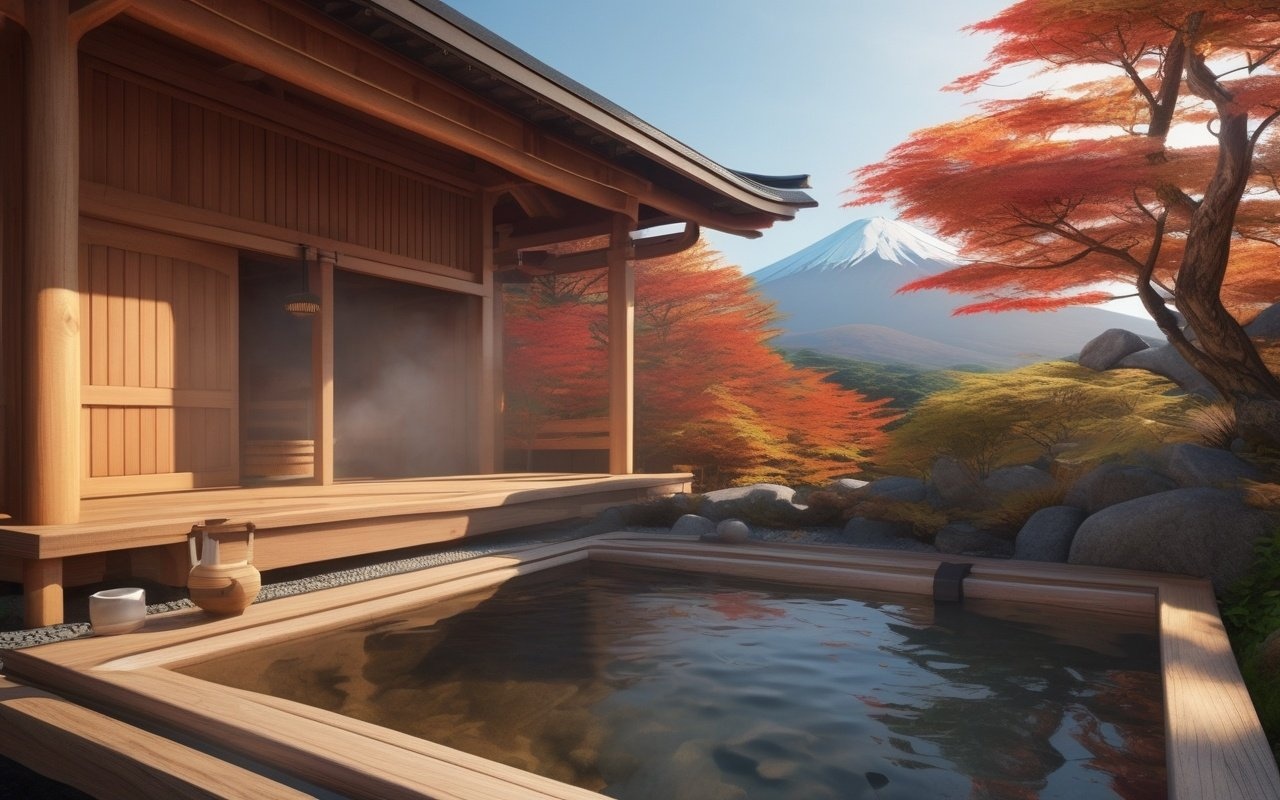
A day trip to Hakone for an onsen (hot spring) experience is one of the most popular excursions from Tokyo — and for good reason. Within 90 minutes of the capital, you can soak in mineral-rich thermal waters while overlooking mountains, forests, or even Mount Fuji. Unlike staying overnight at a ryokan (which can cost ¥30,000–¥60,000 per person), day-use onsen facilities offer the same therapeutic waters at a fraction of the price. Explore Mt Fuji & Hakone on a full-day trip with sukiyaki lunch, Hakone Cruise, Ropeway & Shinkansen return
This guide covers the best day-use onsen in Hakone, how to choose the right one for your preferences, pricing, etiquette, and how to combine your soak with other Hakone attractions.
Hakone Day Trip Onsen Guide 2026
Overview
Types of Onsen in Hakone
Hakone has 17 hot spring sources (known as yumoto), each with different mineral compositions and therapeutic properties:
- Hakone-Yumoto: The largest and most accessible onsen area. The water is rich in sodium and calcium, known for warming the body deeply. Best for relaxation and muscle relief.
- Gora: Located higher in the mountains, Gora’s waters have higher sulfur content, known for skin-beautifying effects. The area has a quiet, upscale atmosphere.
- Miyanoshita: A historic onsen town with a mix of traditional ryokan and modern facilities. The water is slightly acidic, good for skin conditions.
- Sengokuhara: The highest onsen area, with views of Mount Fuji on clear days. The water is clear and odorless, making it a good choice for first-timers. Discover Mt Fuji’s 5th Station, World Heritage Center & Owakudani volcanic valley on this scenic Hakone day trip
Best Day-Use Onsen Facilities
Tenzan Onsen (Hakone-Yumoto)
One of the most popular day-use onsen in Hakone, Tenzan Onsen offers a complete experience: indoor baths, outdoor rotemburo (open-air baths), a sauna, and a restaurant serving soba and tempura.
- Price: ¥1,500 for adults (includes towel rental)
- Hours: 10:00 AM – 11:00 PM (last entry 9:30 PM)
- Location: 10-minute walk or 3-minute shuttle bus from Hakone-Yumoto Station (free shuttle every 20 minutes)
- Features: Large outdoor bath with waterfall, carbonated bath, sauna, rest area with tatami mats
- Crowds: Busiest from 2:00–5:00 PM on weekends. Arrive before 11:00 AM or after 7:00 PM for a quieter experience
- Family-friendly: Yes — children are welcome, and there is a shallow children’s bath
Pro tip: The outdoor rotemburo has a beautiful view of the surrounding forest, especially in autumn when the maple leaves are changing color, Bring a ¥100 coin for the locker.
I visited three different day-use onsen during my last Hakone trip and spent several hours at each one. At Tenzan, I went for the outdoor rotemburo first — soaking in the mineral-rich waters while looking up at the forest canopy was incredibly relaxing. I also tried the carbonated bath at Yunessun, which was unlike anything I’d experienced before.
Hakone Yuryo (Hakone-Yumoto)
For a more private and luxurious experience, Hakone Yuryo offers private open-air baths (rotemburo) that can be reserved for 60–90 minutes.
- Price: ¥2,500–¥4,000 for 60 minutes (private bath, up to 2 people)
- Private bath option: ¥3,800 for a 75-minute session with a view of the Haya River
- Hours: 10:00 AM – 9:00 PM
- Location: 15-minute walk from Hakone-Yumoto Station (shuttle available by reservation)
- Features: All baths are private and face a garden or river, kaiseki lunch option available (¥3,500–¥5,500)
- Best for: Couples, travelers who prefer privacy, anyone uncomfortable with public bathing
Reservations are essential — book at least one week in advance for weekends.
Yunessun (Hakone-Yumoto)
A unique onsen theme park that combines traditional Japanese baths with unconventional “baths” including coffee, wine, sake, and green tea pools. Yes — you actually sit in a pool of warm sake, and it is surprisingly enjoyable.
- Price: ¥2,500 for adults (¥1,300 for children)
- Hours: 9:00 AM – 7:00 PM (last entry 5:30 PM)
- Location: 5-minute shuttle from Hakone-Yumoto Station
- Features: Indoor and outdoor baths, Turkish-style bath, foot bath, sauna, swimming pool
- Best for: Families, groups, first-timers who want a fun, unconventional experience
A separate admission (¥1,200) covers only the “Mori no Yu” section — the traditional onsen area without the novelty baths.
Hakone Kowakudani Miyanoshita (Miyanoshita)
A classic Japanese onsen with a beautiful outdoor bath and mountain views. This facility has both indoor and outdoor baths with water sourced directly from the Miyanoshita spring.
- Price: ¥1,800 for adults (¥2,500 with towel and yukata rental)
- Hours: 12:30 PM – 8:00 PM (last entry 7:00 PM)
- Location: 3-minute walk from Miyanoshita Station (Hakone Tozan Railway)
- Features: Large outdoor bath, sauna, relaxation lounge with mountain views
Bokujo no Onsen Poya (Sengokuhara)
A unique onsen located at a small ranch, offering the experience of soaking in a hot spring while overlooking a pasture with grazing cows. Yes, it is as quirky as it sounds, and the milk produced by the cows is said to be extra rich thanks to the volcanic minerals in the water.
- Price: ¥1,500 for adults
- Hours: 10:00 AM – 9:00 PM
- Location: Bus from Gora Station to Sengokuhara (15 minutes), then 5-minute walk
- Features: Outdoor bath with pasture view, restaurant serving soft-serve ice cream and fresh milk
Onsen Etiquette for First-Timers
If this is your first onsen experience, these basic rules will ensure a smooth visit:
- Wash before entering: Use the shower stations to thoroughly wash and rinse your body before stepping into the bath. Soap must be completely rinsed off.
- No swimwear: Japanese onsen are nude bathing. Swimsuits are not permitted (except at Yunessun’s novelty baths).
- Towel management: Bring a small hand towel for drying before entering the changing room. Do not let your towel touch the water — place it on the edge of the bath or on your head.
- No photography: Absolutely no cameras or phones in the bathing area.
- Tattoo policy: Many onsen prohibit tattoos. If you have visible tattoos, check the policy in advance — some facilities (like Tenzan Onsen) allow tattoos, while others do not. Hakone Yuryo’s private baths are a good option as the privacy eliminates this concern.
- Duration: Limit your soak to 10–15 minutes at a time. Sit on the edge or get out to cool down between sessions. Drink water before and after to stay hydrated.
📍 Location
Hakone-Yumoto is approximately 90 minutes from Shinjuku Station via the Odakyu Romancecar. Day-use onsen are concentrated in Hakone-Yumoto, Gora, and Miyanoshita — all accessible via the Hakone Tozan Railway.
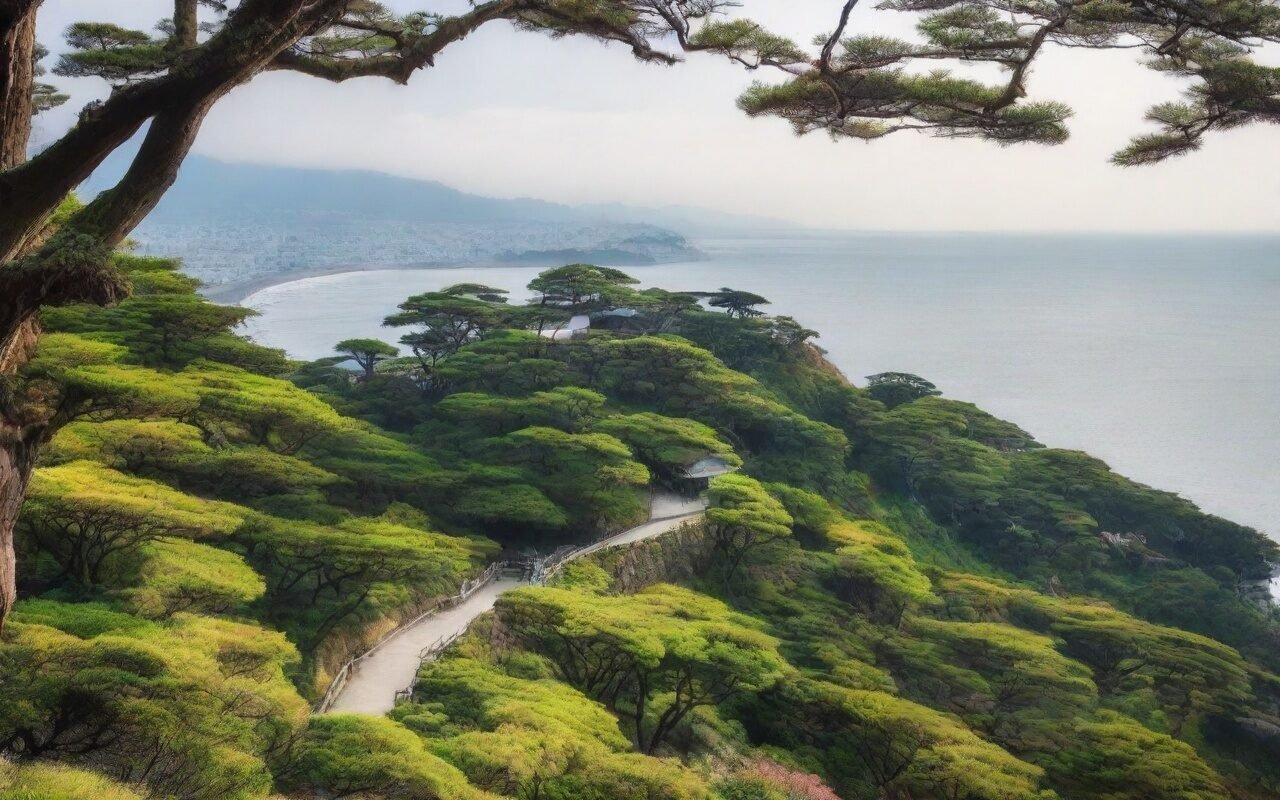
The Hakone Tozan Railway climbs steadily through the mountains, passing through lush forest and offering glimpses of the Haya River valley before arriving at Hakone-Yumoto Station.
💰 Budget Breakdown
| Facility | Day-use fee | Extras | Total (per person) |
|---|---|---|---|
| Tenzan Onsen | ¥1,500 | ¥500 (lunch) | ¥2,000 |
| Hakone Yuryo (private) | ¥3,800 | ¥3,500 (lunch set) | ¥7,300 |
| Yunessun | ¥2,500 | ¥500 (drink) | ¥3,000 |
| Bokujo no Onsen Poya | ¥1,500 | ¥300 (milk) | ¥1,800 |
Add transport costs: Odakyu Round Trip (local) ¥2,480, Romancecar +¥2,400, or Hakone Free Pass ¥6,100. Get the Yokohama Seaside Gourmet Train Pass — combine transport & dining for a perfect bay area day out
Sample One-Day Itinerary
8:00 AM — Depart Shinjuku on the Romancecar (reserve seats ahead)
9:30 AM — Arrive Hakone-Yumoto, store luggage if needed
10:00 AM — Morning onsen at Tenzan Onsen (quiet before the crowds)
12:00 PM — Lunch at Tenzan’s soba restaurant
1:00 PM — Explore Gora or visit the Hakone Open-Air Museum
3:00 PM — Afternoon tea and foot bath at a cafe near Hakone-Yumoto
5:00 PM — Second soak (different onsen, or revisit Tenzan for the evening atmosphere)
6:30 PM — Return train to Shinjuku
8:00 PM — Arrive Shinjuku
This itinerary uses the Hakone Free Pass to maximize value and includes two onsen sessions — morning and evening — for a deeply relaxing day.
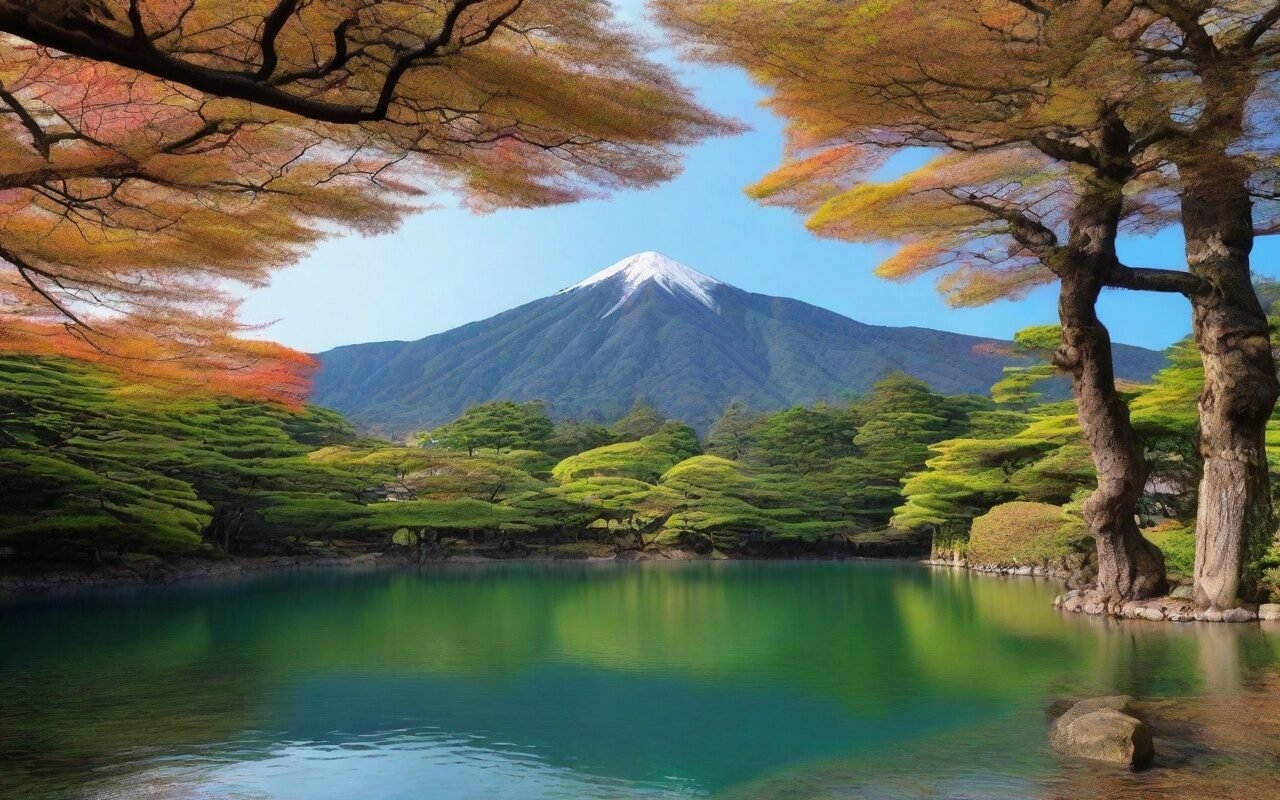
A day trip to Hakone for onsen is one of the most accessible and rewarding experiences available to Tokyo visitors. Whether you choose a budget-friendly public bath or a private riverside rotemburo, the combination of therapeutic waters, mountain scenery, and excellent Japanese cuisine makes for an unforgettable day.
Tips
Practical notes from my trips to exploring Hakone for its onsen: confirm the latest hours on the official website, buy tickets in advance when you can, and leave extra time for trains and walking between stops. Keeping your first day lighter also helps you enjoy the second day without feeling rushed.
Frequently Asked Questions
Q: Is there a best time of day to visit?
A: Early mornings (before 10 AM) are ideal for experiencing attractions with minimal crowds and optimal lighting for photography. Late afternoons (after 3 PM) also offer good conditions as tour groups depart. Midday hours (11 AM-2 PM) are the busiest across most destinations in Kanagawa.
Q: Which train line should I take to get there?
A: Multiple train lines serve different parts of Kanagawa from Tokyo. The JR Tokaido Line, Odakyu Line, Keikyu Line, and Shonan-Shinjuku Line all provide access. The best route depends on your starting point in Tokyo. Smartphone navigation apps provide real-time route guidance.
Q: Is this destination manageable as a day trip from Tokyo?
A: Yes, all destinations in this guide work well as day trips. Plan to arrive by late morning to see the main highlights. For a relaxed pace including lunch and optional detours, allow 6-8 hours. If you have more time, extending your stay overnight lets you explore at a leisurely pace and enjoy evening attractions.
Q: Do I need any special skills or equipment to enjoy this destination?
A: Most attractions in this guide are accessible to visitors of all backgrounds and fitness levels. Well-maintained paths, clear signage, and English information make navigation easy. For activities requiring specific gear (hiking shoes, swimwear, etc.), recommendations are included in the relevant sections above.
Whether soaking in a forest rotemburo or enjoying a modern toji retreat, Kanagawa’s hot springs offer genuine relaxation in settings that range from rustic to refined.
Conclusion
The details in this guide come from real visits, and the biggest lesson I took away was that the best experiences in Hakone rarely fit neatly into a checklist. During my visit to Hakone I went with a rough plan and found that leaving room to wander made the trip far more memorable. Plan the essentials, keep your schedule flexible, and you will leave Kanagawa wanting to return.