Kamakura New Years Guide – Kanagawa 2026
Overview
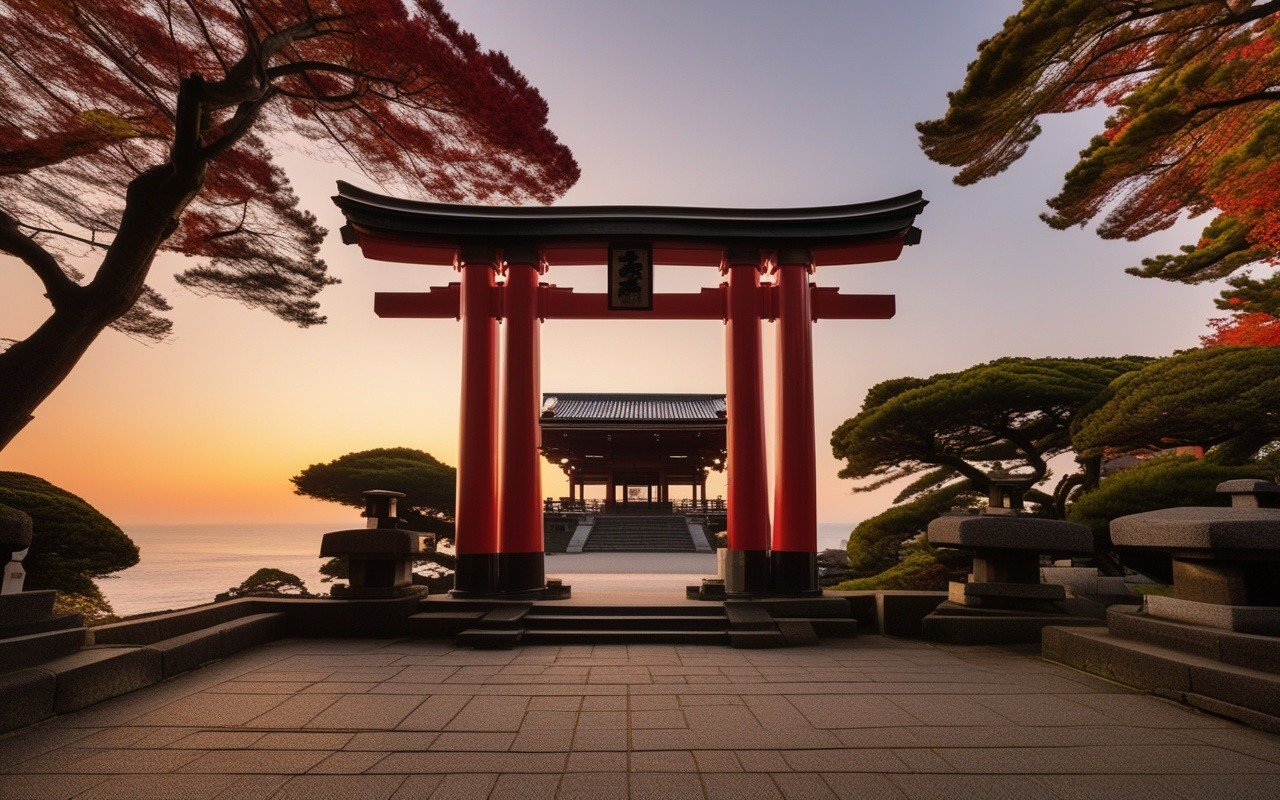
New Year (Shogatsu) is Japan’s most important holiday, and Kamakura is one of the most popular destinations for hatsumode — the first shrine visit of the year. Tsurugaoka Hachimangu alone draws over 2 million visitors during the first three days of January. If you plan to join them, preparation is essential.
I visited Tsurugaoka Hachimangu on January 2nd last year and arrived at 6:30 AM — before sunrise. Even at that hour, several hundred people were already in line. By 8:00 AM, the queue stretched from the main hall back to the Dankazura approach, a distance of nearly 500 meters. Despite the crowds, the atmosphere was orderly and festive, with families in kimono, food stalls, and the sound of temple bells. For more Kamakura planning tips, see our Kamakura access guide or Kamakura area guide.
Key Information
| Aspect | Details |
|---|---|
| Best Time | January 2–3 (less crowded than January 1) |
| Must-See | Tsurugaoka Hachimangu (hatsumode) |
| Unique Experience | Joya no Kane (bell ringing, December 31) |
| Crowds | 2+ million visitors over 3 days |
| Budget | ¥10,000–15,000 (day trip), ¥50,000+ (overnight) |
| Transport | Train only (do not drive!) |
| Food | Food stalls open January 1; restaurants from January 2 |
| Accommodation | Book 3–6 months ahead |
Tsurugaoka Hachimangu at New Year
Tsurugaoka Hachimangu is the epicenter of Kamakura’s New Year celebrations. The shrine is open 24 hours from January 1–3, and the atmosphere is unlike any other time of year.
My Experience: I joined the line at 6:30 AM on January 2. The wait was 45 minutes to reach the main hall, where I threw a coin, clapped twice, and made a wish for the new year. The shrine grounds were decorated with massive kadomatsu (pine-and-bamboo arrangements) and the food stalls along the approach served amazake (sweet warm sake), yakitori, and taiyaki. Despite the cold (5°C), the crowd’s energy was warm and welcoming.
Practical Tips:
- Arrive by 6:00–7:00 AM for a manageable wait (30–60 min)
- After 9:00 AM, wait times exceed 2 hours
- The shrine is open all night on January 1 — if you arrive at 2:00 AM, the wait is 10 minutes
Joya no Kane: New Year’s Eve Bell Ringing
On December 31, temples across Kamakura ring their bells 108 times — a Buddhist tradition that represents cleansing the 108 worldly desires. Kencho-ji and Engaku-ji both hold public bell-ringing ceremonies.
Kencho-ji: The main bell (a National Treasure) is rung 108 times starting just before midnight. Visitors can take a turn ringing the bell. Arrive by 10:00 PM to secure a spot — by 11:30 PM the temple grounds are full.
Engaku-ji: The ceremony here is more intimate, with fewer visitors. The bell-ringing starts at 11:00 PM and the public can participate after the monks’ initial 54 rings.
January 1–3: What to Expect
| Date | Crowd Level | What Happens |
|---|---|---|
| Dec 31 | Moderate | Joya no Kane bell ringing, midnight celebrations |
| Jan 1 | Extreme | 500,000+ visitors, busiest day, food stalls open |
| Jan 2 | Very High | Still crowded but manageable, restaurants begin reopening |
| Jan 3 | High | Final day of peak, early afternoon less crowded |
Transportation Tips
- Do not drive — parking is nearly impossible and roads are closed around Tsurugaoka Hachimangu
- Trains run all night on December 31–January 1 (JR and Enoden)
- Kamakura StationEnodentremely crowded — consider walking from Ofuna Station (35 min walk) or Kita-Kamakura Station (20 min walk through the temple district)
- IC cards (Suica/PASMO) are essential — ticket machines have long queues
What to Wear
- Dress warmly: 5–10°C during the day, near freezing at night
- Comfortable shoes: You will stand in line for 30–60 minutes; insulated boots recommended
- Layers: Thermal base, fleece, windproof jacket
- Hand warmers: Essential — bring several pairs
- No umbrellas: They are impractical in crowds; wear a waterproof hooded jacket instead
Access Information
The easiest way to reach most Kanagawa destinations is by train from Tokyo. The Shinkansen reaches Odawara in 35 minutes, while local and express trains serve Yokohama, Kamakura, and the Shonan coast. Buses are available for mountain and coastal areas not served by rail. Check the specific access section for detailed route information.
When to Go
Each season in Kanagawa offers a different experience. Spring brings cherry blossoms and mild weather. Summer is beach season with festivals and fireworks. Autumn offers stunning fall foliage and comfortable temperatures. Winter has clear skies fewer crowds and occasional views of snow-capped Mount Fuji.
Conclusion
Whether you are planning exploring Kamakura for the first time or returning for another visit, taking a little extra time to go beyond the obvious sights makes all the difference. During my visit to Kamakura I went with a rough plan and found that leaving room to wander made the trip far more memorable. I hope this guide helps you build an itinerary that fits your pace, and that your time in Kanagawa leaves you with memories worth coming back for.
Hatsumode Etiquette
- Purification: rinse both hands and your mouth at the temizuya (water pavilion) before approaching the main hall — scoop, rinse left hand, then right hand, then a little water to the mouth, and pour off the rest
- Offering: toss a coin (¥5 is traditionally lucky, but any coin works) into the offering box, bow twice, clap twice, bow once
- Praying: take your time at the shrine — the line moves, but it is fine to close your eyes and pray for a few seconds before stepping away
- Omikuji and ema: fortune slips and votive tablets are sold near the hall; if you draw a bad fortune, tie it to the designated rack rather than taking it home
- Hatsumode treats: stalls sell amazake (sweet warm sake), oden, and grilled foods around the shrine — cash is the norm, so carry small bills
Beyond Tsurugaoka Hachimangu
- Hase-dera and Kotoku-in: quieter than the main shrine and open over the holiday; the Great Buddha area is calm by comparison
- Joya no Kane at local temples: besides the famous bell events, smaller temples in Kamakura ring their bells at midnight — check local listings for lesser-known options
- Enoshima on January 1-3: the island’s shrines see big crowds for the first sunrise of the year; arrive before dawn or skip to January 4+
FAQ
Q: Is Kamakura open for business on January 1-3? A: Yes — many shops and restaurants along Komachi-dori and near the shrine stay open for the holiday crowds, though some smaller stores close on January 1.
Q: Do I need to book accommodation far in advance? A: For New Year, yes — Kamakura ryokan and hotels fill months ahead. If you cannot find a room, base yourself in Yokohama or Fujisawa and day-trip in.
Q: Are trains really that crowded? A: The JR Yokosuka Line and Enoden are extremely crowded on January 1-3, especially 10:00-15:00. Early morning and after 17:00 are much lighter.