
Overview
Enoden Unlimited Pass — Is It Worth It?
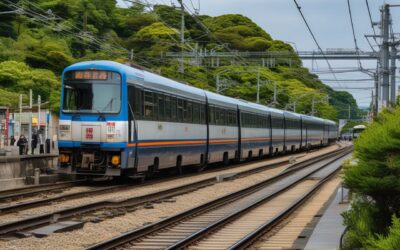
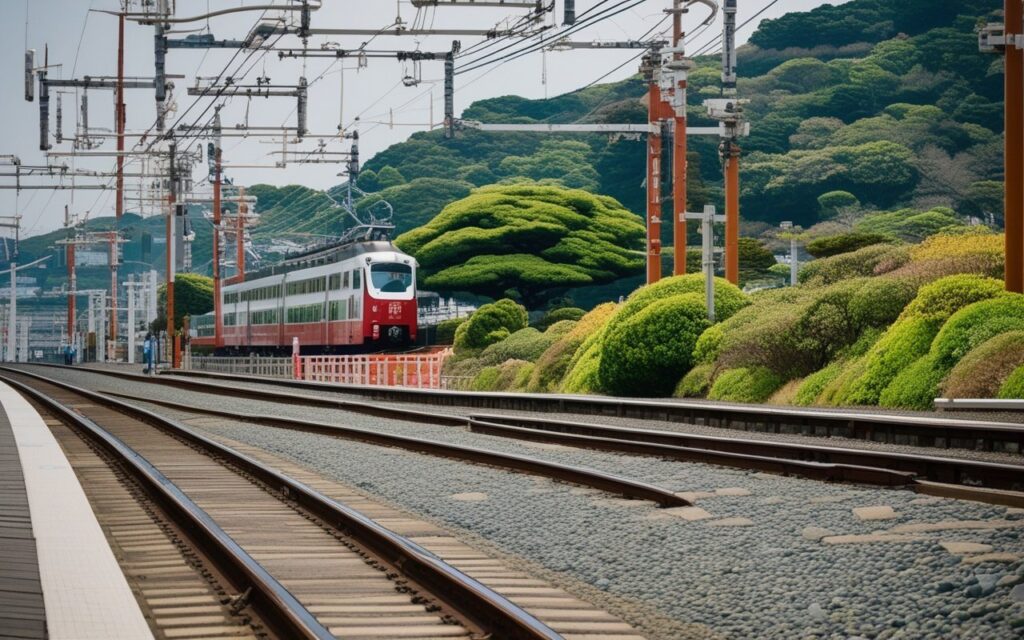
The Enoden offers a one-day unlimited ride pass (のりおりくん) that allows unlimited hopping on and off at all 15 stations along the line.
Price: ¥610 for adults, ¥310 for children (ages 6–12)
Where to buy: Ticket machines at Kamakura Station, Fujisawa Station, and Enoshima Station
Validity: Full day (until the last train, approximately midnight)
Savings comparison: A single ride costs ¥150–¥310 depending on distance. If you plan to get off at 4+ stops, the pass pays for itself.
When it is worth it: If you are following a multi-stop itinerary — for example, Kamakura Station → Hase (Great Buddha) → Inamuragasaki (viewpoint) → Enoshima (aquarium and island) → Kamakura Station — the pass saves money and eliminates the hassle of buying individual tickets at each stop.
When individual tickets are better: If you are only going to one destination (e.g., Kamakura to Enoshima and back), individual tickets cost ¥600 round trip — barely less than the pass, so the pass is still convenient.
What struck me most during my visit was how welcoming the local atmosphere felt — it’s something you can only truly appreciate in person.
The 15 Stations — Highlights and Where to Get Off
The Enoden has 15 stations, each with its own character. Here are the most useful stops for visitors:
Kamakura Station (Kamakura (鎌倉)駅)
The eastern terminus and main hub. From here, you can access Tsurugaoka Hachimangu (10-minute walk), Komachi-dori shopping street, and the Kamakura Museum. This is where most visitors start their Enoden journey.
Wadazuka Station (和田塚駅)
A small station serving the quiet residential area between Kamakura and Yuigahama. Get off here for Yuigahama Beach (5-minute walk through a charming neighborhood with hydrangea-lined streets in June).
Hase Station (長谷駅)
The most popular stop for tourists. Five-minute walk to the Great Buddha (Kotoku-in), and 7-minute walk to Hasedera temple with its famous terrace garden and ocean views. The station area has several good lunch spots and souvenir shops.
Inamuragasaki Station (稲村ヶ崎駅)
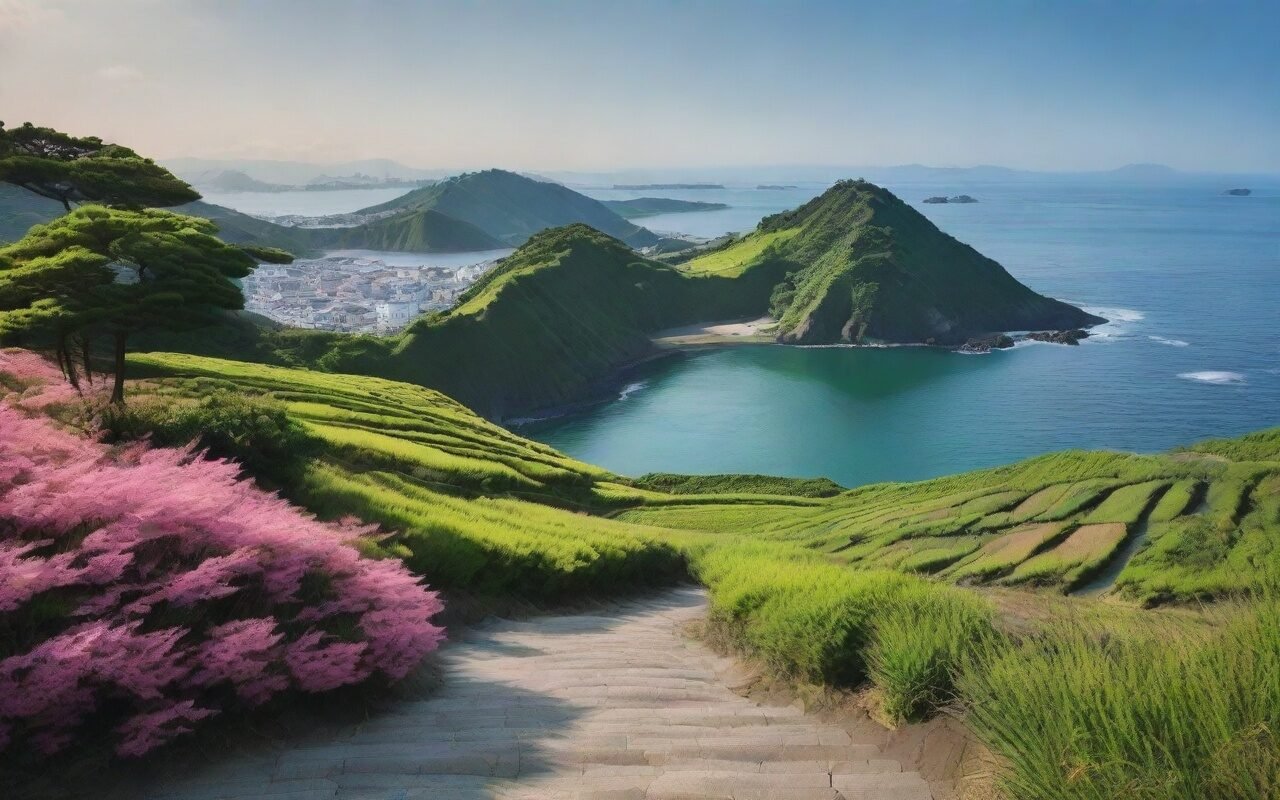
This stop serves Inamuragasaki Park — a hilltop viewpoint offering a panoramic view of Sagami Bay with Enoshima Island prominently in the frame. This is the classic Enoden photo spot where the train appears to run directly into the sea. The park is a 5-minute uphill walk from the station.
Shichirigahama Station (七里ヶ浜駅)
Get off here for the famous Shichirigahama Beach — a long, sandy stretch popular with surfers and sunset watchers. Several beachfront cafes and restaurants serve fresh seafood with ocean views. The Bills Shichirigahama restaurant is famous for its ricotta pancakes and unobstructed Fuji view (on clear days).
Koshigoe Station (腰越駅)
A quiet station serving the fishing port of Koshigoe. This is a good stop if you want a more local, less touristy experience. The small port area has a few seafood restaurants frequented by locals.
Enoshima Station (Enoshima (江ノ島)駅)
The second most popular stop. Five-minute walk to the Enoshima Bridge leading to Enoshima Island, and 5-minute walk to the Enoshima Aquarium. This is the main gateway to Enoshima’s temples, caves, lighthouse, and observation tower.
Shonan-kaigan-kōen Station (Shonan (湘南)海岸公園駅)
The stop for Shonan Seaside Park and the dog-friendly beach area. Also close to the Shonan Kaigan Promenade — a pleasant walking and cycling path along the coast.
Fujisawa Station (藤沢駅)
The western terminus. Fujisawa is a busy commercial city with department stores, restaurants, and connections to the Odakyu Line for Shinjuku. Most visitors will turn around here and ride back toward Kamakura.
Enoden Photo Spots
The Enoden is one of Japan’s most photogenic train lines. The most famous photo locations:
- Kamakura Station platform: Classic red trains framed by the station canopy
- Inamuragasaki crossing: The train crossing the street with the ocean in the background (the famous “Enoden at the coast” shot)
- Shichirigahama: Trains running parallel to the beach with Enoshima in the distance
- Enoden Enoshima Station: The view from the pedestrian bridge above the tracks
- Between Koshigoe and Enoshima: Trains passing through hydrangea-filled gardens (peak in mid-June)
Best time for photos: Early morning (7:00–8:30 AM) for soft light and fewer people, or golden hour (4:00–5:00 PM in winter, 5:30–6:30 PM in summer) for warm lighting over the ocean. The famous crossing photo at Inamuragasaki is most dramatic on days with a clear view of Enoshima Island.
📍 Location
The Enoden runs from Kamakura Station (47 minutes from Tokyo Station via the JR Yokosuka Line) to Fujisawa Station (60 minutes from Shinjuku via the Odakyu Line). The entire line can be ridden in approximately 35 minutes without stops.
📋 Model Courses (from Enoden 1-Day Pass Guide)
Course 1: Classic Kamakura Temples (Full Day)
Duration: 6-7 hours — Stations Used: 4-5
- Kamakura Station — Start point, visit Tsurugaoka Hachimangu (15 min walk)
- Hase Station — Great Buddha, Hasedera Temple
- Inamuragasaki Station — Beach walk, coastal scenery
- Enoshima Station — Island exploration
- Fujisawa Station — End point
Best for: First-time visitors wanting to see Kamakura’s highlights in one day.
Course 2: Enoshima Island Focus (Half Day)
Duration: 3-4 hours — Stations Used: 2-3
- Fujisawa Station — Start point
- Enoshima Station — Island access, Enoshima Shrine, Sea Candle
- Kamakura-Koko-Mae Station — Photo stop at famous crossing
- Kamakura Station — End point
Best for: Travelers focused on Enoshima with a quick photo stop.
Course 3: Anime Pilgrimage (Half Day)
Duration: 3-4 hours — Stations Used: 3-4
- Kamakura-Koko-Mae Station — Slam Dunk famous crossing
- Shichirigahama Station — Beach views, Bills pancakes
- Inamuragasaki Station — Coastal scenery, photo spot
- Hase Station — Temple visits (Great Buddha)
- Kamakura Station — End point
Best for: Anime fans visiting Slam Dunk and Bungo Stray Dogs locations.
💰 Budget Breakdown
| Ticket type | Price | Best for |
|---|---|---|
| Single ride (adult) | ¥150–¥310 | One destination |
| Unlimited day pass (adult) | ¥610 | 4+ stops |
| Enoshima-Kamakura Free Pass (Odakyu) | ¥1,640 | Shinjuku round trip + Enoden unlimited |
| JR Kamakura Extension (from Tokyo) | ¥950 each way | JR Yokosuka Line users |
Practical Tips for Riding the Enoden
- Rush hours: The Enoden can be extremely crowded on weekends and holidays from 10:00 AM to 4:00 PM. If possible, ride before 9:30 AM or after 5:00 PM for a more comfortable experience. On weekdays, the train is busiest between 7:30–9:00 AM and 5:00–7:00 PM with commuters.
- Strollers and luggage: The train cars are narrow. Fold strollers and keep backpacks on your lap or between your feet. Large suitcases are not practical — use coin lockers at Kamakura Station.
- Positioning: Sit on the right side when traveling from Kamakura to Fujisawa (for ocean views), and on the left side on the return trip (for coastal views).
- IC cards: Suica, Pasmo, and all other IC cards work on the Enoden. Simply tap at the ticket gate — no need to calculate fares.
- Schedule: Trains run every 10–15 minutes during daytime and every 20 minutes in the early morning and evening. The first train departs Kamakura around 5:30 AM, and the last train around midnight.
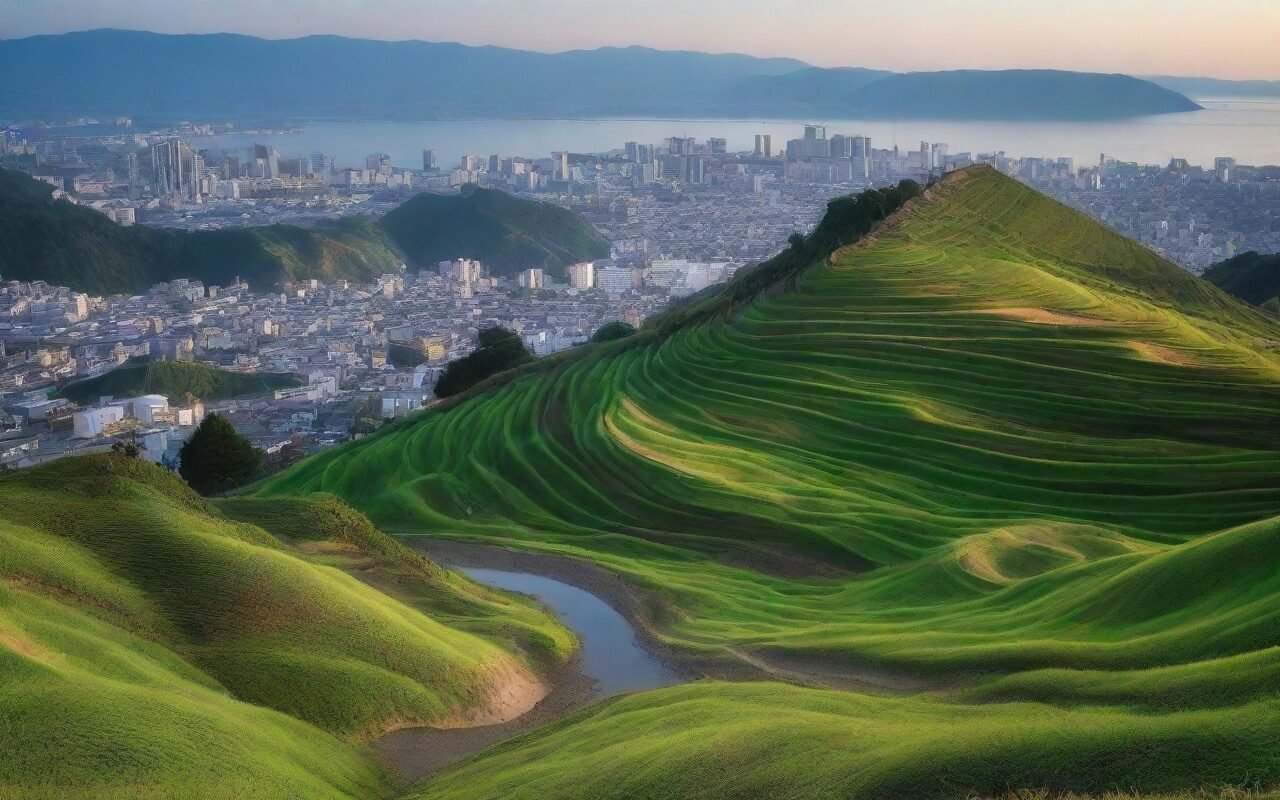
More than just a means of transportation, the Enoden is an attraction in itself. The combination of ocean views, historic trains, and access to Kamakura’s best temples and beaches makes it an essential part of any visit to the area. Whether you use the unlimited pass to hop between stops or simply enjoy the ride from end to end, the Enoden delivers one of the most scenic train journeys in the Kanto region.
With a little preparation and these insider tips, you can focus on what matters most: immersing yourself in the beauty and culture of Kanagawa.
Conclusion
Riding the Enoden from end to end was one of the most memorable afternoons of my time in Kanagawa — each station offers a different mood, from the temple lanes of Kamakura to the ocean views at Shichirigahama and the island skyline of Enoshima. Whether you plan to hop on and off all day or simply enjoy the ride, this little train delivers one of the most scenic journeys in the Kanto region.