Introduction
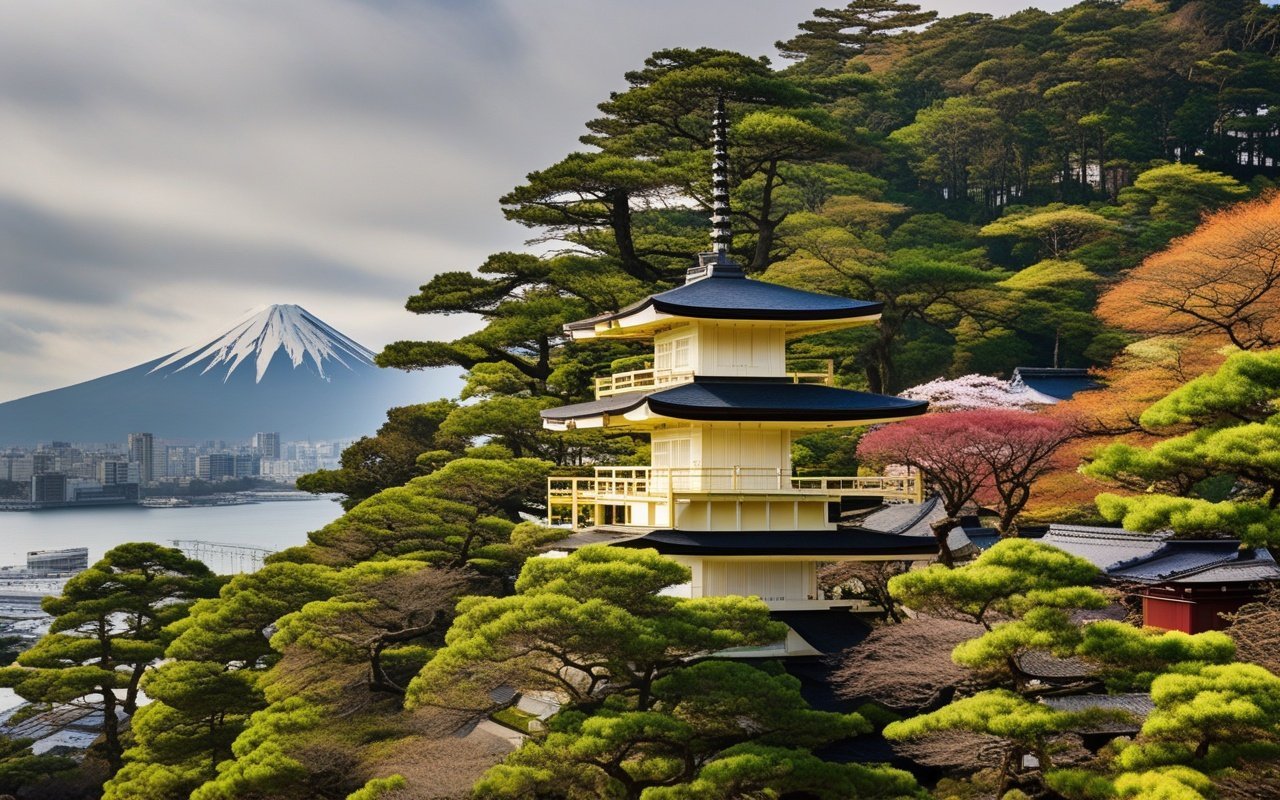
Winter in Kanagawa offers the clearest Mount Fuji views, peaceful temples, and excellent onsen experiences. This guide covers winter activities, illuminations, and tips for staying warm while enjoying the season.
❄️ Winter Illuminations: Where to Go and When
Winter in Kanagawa means spectacular light displays. Here’s the definitive list:
| Illumination | Location | Dates | Lights | Entry | Best Night |
|---|---|---|---|---|---|
| Minato Mirai Winter Lights | Yokohama | Nov-Feb | 10M+ LEDs | Free | Weekday evenings |
| Sagamiko Illumillion | Sagamiko | Oct-Apr | 6M+ LEDs | ¥1,500 | Wednesday (least crowded) |
| Hakone Illumination | Hakone Gora | Nov-Feb | 300K LEDs | Free | Late December |
| Kamakura Winter Special | Hase-dera | Dec only | Candlelight | ¥400 | First week of Dec |
| Odawara Castle Night | Odawara | Dec | 100K+ LEDs | Free | Weekends |
My recommended winter evening route (Yokohama):
- Start at Landmark Tower Sky Garden (69th floor, ¥1,000) for a sunset panorama — arrive 4 PM for the transition from day to night
- Walk down to the waterfront promenade as the LEDs turn on at 5 PM
Kanagawa Winter Guide 2026
Overview
Winter (December-February) transforms Kanagawa into a wonderland of illuminations and onsen warmth. Yokohama sparkles with millions of LED lights. Hakone’s hot springs steam invitingly. Fewer crowds and crisp air offer a different Kanagawa experience.
Weather
December 5-12°C, January 2-10°C (coldest), February 3-11°C. Snow rare in Yokohama but possible in Hakone highlands. Pack warm layers, coat, gloves, hat.
Illuminations
Yokohama Minato Mirai (November-February) — 10 million+ LEDs. Best from Landmark Tower Sky Garden. Kamakura’s Hase-dera winter light-up in December. Hakoke starry skies.
Onsen
Winter is best onsen season. Recommended: Tenzan Onsen (river view), Hakone Yuryo (private baths), Yunessun (theme park). Many ryokan offer day-use.
Winter Food
Oden hot pot, nabe hot pot dishes, fresh Miura oysters, iekei ramen in Yokohama.
Practical notes
Lowest crowds of any season. Quiet in Kamakura weekdays. Less crowded onsen except New Year’s (Jan 1-3). Best hotel deals of the year.nn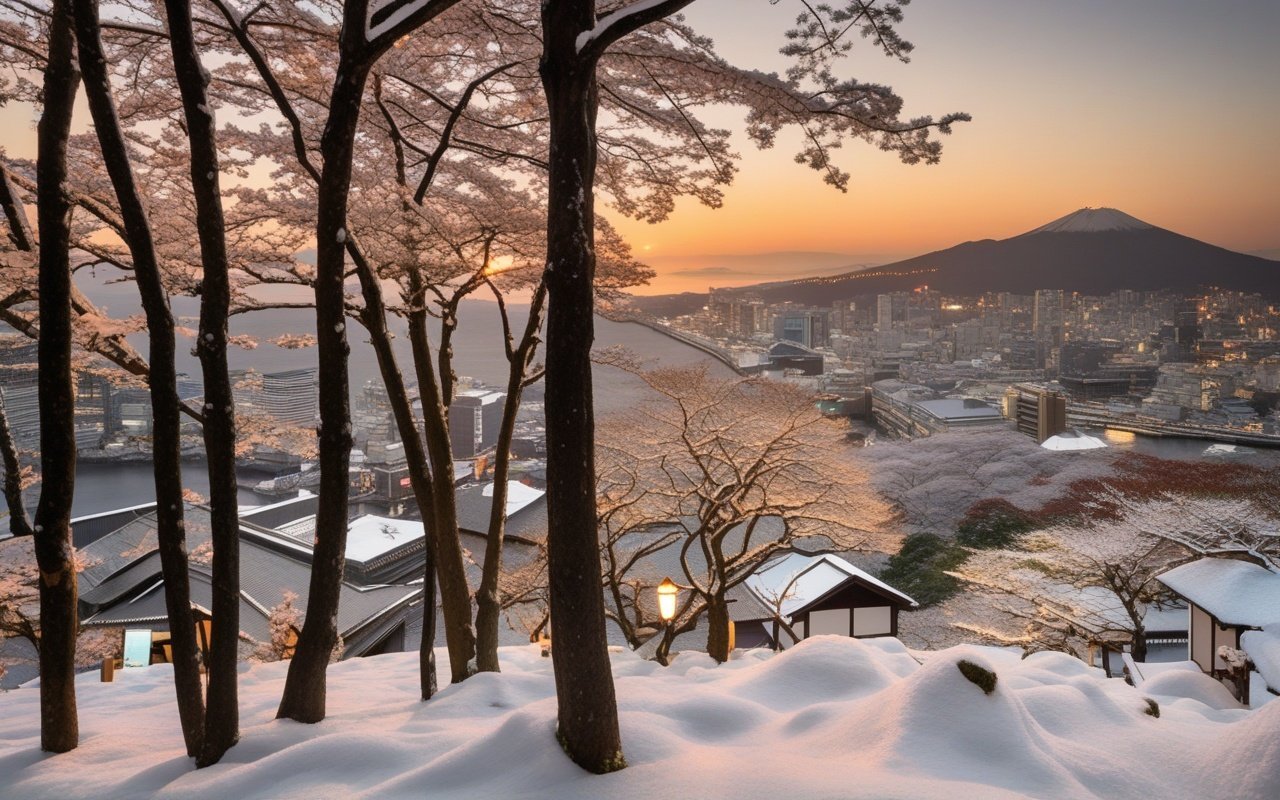
Access
Getting to Kanagawa from Tokyo is straightforward by train, and most routes take well under two hours. During my trips I relied on an IC card for every connection and kept a bus timetable saved on my phone as backup. If you are staying overnight, look for accommodation near the station to save time.
♨️ Winter Onsen Guide: Where to Bathe
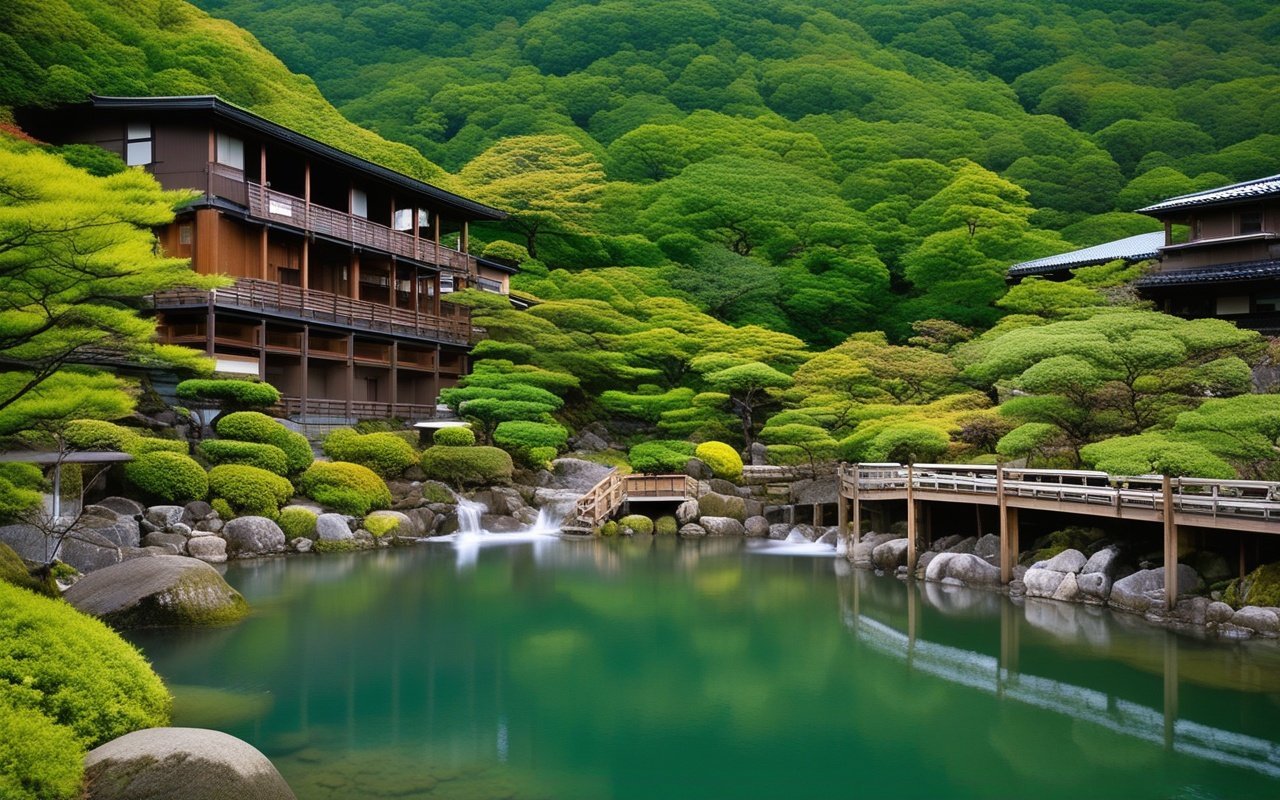
Winter is the absolute best season for onsen. The contrast between freezing air and 42°C mineral water is a quintessential Japanese experience. Here are my top picks:
Day-Use Onsen (No Stay Required)
| Onsen | Type | Price | Water Quality | Atmosphere |
|---|---|---|---|---|
| Tenzan Onsen (Sengokuhara) | River-view outdoor | ¥1,500 | Alkaline | Serene river setting |
| Hakone Yuryo (Miyanoshita) | Private bath | ¥3,600/80min | Na-Cl spring | Intimate, bookable |
| Yunessun (Miyanoshita) | Theme park style | ¥4,500 | Various | Novelty (wine, coffee baths) |
| Kowakudani Onsen (Kowakudani) | Traditional | ¥1,200 | Simple spring | Local favorite |
My strategy for an onsen day in Hakone:
- 9 AM: Arrive at Hakone-Yumoto Station
- 10 AM: Tenzan Onsen (morning outdoor bath with river view — 2 hours)
- 12 PM: Lunch in Sengokuhara (soba or seasonal kaiseki)
- 1:30 PM: Hakone Yuryo (private bath — 80 minutes of pure relaxation)
- 3 PM: Yunessun for the wine bath novelty (1 hour)
- 4:30 PM: Return to Hakone-Yumoto for sunset onsen souvenirs
- Total onsen cost: ¥1,500 + ¥3,600 + ¥4,500 = ¥9,600
Onsen etiquette reminder: Wash thoroughly before entering the bath. Towels stay outside the water. Tattoos may be restricted — check individual policies. Hakone Yuryo explicitly allows tattoos in private baths.
🦪 Winter Food: What to Eat and Where
| Dish | Best Place | Price | Season |
|---|---|---|---|
| Oden (hot pot stew) | Kamakura’s Komachi-dori stalls | ¥400-800 | Dec-Feb |
| Nabe (Japanese hot pot) | Any ryokan dinner | Included | Winter |
| Miura oysters (grilled) | Misaki Port oyster cabins | ¥1,000-1,500/6-8pcs | Dec-Mar |
| Iekei ramen (rich broth) | Yoshikura (Yokohama) | ¥1,000-1,300 | Year-round |
| Warm sake | Hakone brewery tastings | ¥500-800/glass | Winter special |
The Miura oyster cabins deserve special mention. These rustic wooden shacks along Misaki Port operate December-March. You choose your oysters from tanks, and they’re grilled over charcoal right in front of you. The smoky flavour paired with the cold winter air and a glass of local sake is unforgettable. Arrive before 11 AM on weekends to avoid the 1-hour queue.
📸 Winter Photography Spots
| Subject | Best Location | Best Time | Tip |
|---|---|---|---|
| Snow-capped Fuji | Enoshima Sea Candle | 7-9 AM (sunrise side) | Clear winter mornings only |
| Illuminated harbour | Yokohama Rinko Park | 5-6 PM (blue hour) | Use tripod, 4-second exposure |
| Winter sunset | Lake Ashi, Hakone | 3:30-4:30 PM | Snow-capped Fuji visible from NW shore |
| Temple in snow | Tsurugaoka Hachimangu | After snowfall | Rare — check forecast |
| Night lights reflection | Yokohama Bay | 6-8 PM | Reflection pools perfect for symmetry |
🧥 Winter Packing Checklist
| Item | Purpose | Notes |
|---|---|---|
| Thermal base layer | Retain body heat | Uniqlo Heattech ¥1,500 |
| Wool sweater | Mid insulation | Layer over thermal |
| Waterproof winter coat | Wind + rain protection | Uniqlo ¥5,000-8,000 |
| Gloves | Hand warmth | Touchscreen-compatible preferred |
| Scarf | Neck protection | A must for onsen visits (cold walk back) |
| Warm socks | Foot warmth in shoes | Two pairs recommended |
| Hat/beanie | Head heat loss prevention | 30% of body heat lost through head |
| Hand warmers (kairo) | Pocket heat | 100-yen shop, ¥200/pair, last 8 hours |
| Lip balm | Dry air protection | Winter air is very dry in Japan |
Temperature Guide
- December: 5-12°C — brisk but comfortable with a coat
- January: 2-10°C — coldest month. Clear days are beautiful but cold
- February: 3-11°C — gradually warming. Plum blossoms begin appearing
Frequently Asked Questions
Q: Q: Does it snow in Kanagawa in winter?
A: A: Snow is rare on the coast (Yokohama, Kamakura: 1-2 days/year, light dusting that melts by noon). Hakone highlands receive 10-20cm of snow, with occasional heavier falls. Snowfall in Hakone makes the scenery magical but check road and ropeway status before traveling.
Q: Q: Are Christmas events worth visiting?
A: A: Yes — Yokohama’s Red Brick Warehouse Christmas market (mid-November to late December) is the best in Kanagawa with imported German mulled wine, festive food, and artisan gifts. The Minato Mirai Winter Lights synchronize with Christmas music on weekends. Kamakura’s Hase-dera offers a Buddhist-style winter illumination — quieter and more contemplative.
Q: Q: What’s the cheapest time for accommodation?
A: A: January 7 – February 28 (post-New Year to pre-cherry blossom) offers the lowest hotel prices in Kanagawa. Expect 30-50% discounts versus spring/fall peak. Hakone ryokan are particularly affordable during this period.
Q: Q: Are Kamakura’s temples worth visiting in winter?
A: A: Absolutely — winter offers a completely different atmosphere. The bare branches of gingko trees at Tsurugaoka Hachimangu create beautiful silhouettes. Fewer visitors mean you can have the main courtyard to yourself. Temples close earlier (4-4:30 PM) so plan accordingly.
Q: Q: What New Year’s events happen in Kanagawa?
A:** A: Hatsumode (first shrine visit of the year) is a major tradition. Tsurugaoka Hachimangu receives 2M+ visitors January 1-3. Expect massive queues but incredible atmosphere. Alternative: Hakone Shrine on Lake Ashi is less crowded and offers spectacular New Year sunrise views.
Winter Experiences Worth Bundling Up For
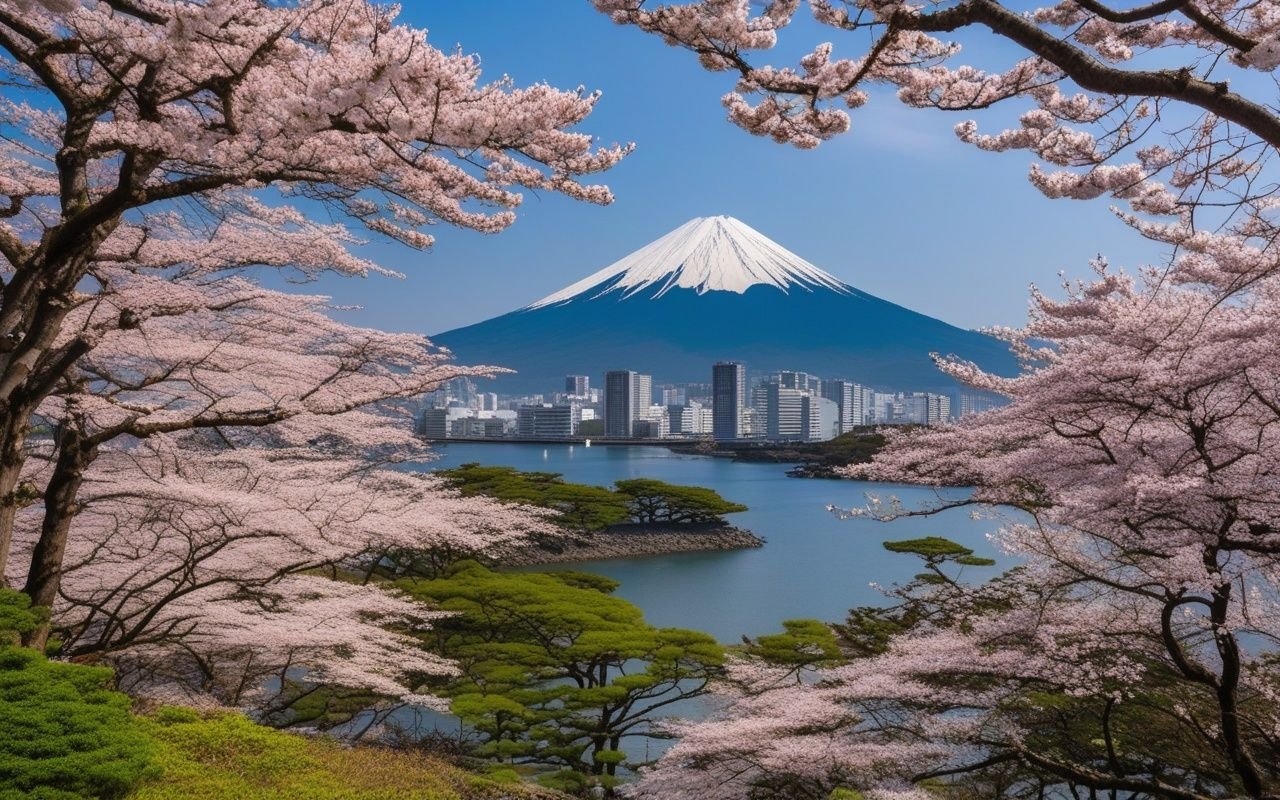
Winter in Kanagawa has a quiet magic that summer crowds never see. The air is crisp, the skies are clear, and Mount Fuji dominates the horizon with snow-capped authority. Here are the experiences I return to every winter.
Hakone Onsen Hopping in December
There is no better time for onsen than winter. The contrast between freezing air (2-5°C) and 42°C spring water creates a sensation that is almost meditative. I recommend the “onsen hop” strategy: start at Tenzan Onsen in the morning (river-view outdoor bath, ¥1,500), visit Hakone Yuryo for a private bath at noon (¥3,600 for 80 minutes), and finish at Yunessun for the novelty of coffee and wine baths in the afternoon (¥4,500). Each offers a completely different atmosphere.
Practical tip: Buy a Hakone Free Pass (¥6,100 for 2 days) which includes discounts at many onsen facilities, Bring two small towels — one for entering the bath area and one dry towel for after. Onsen etiquette in winter means leaving your shoes at the entrance and your modesty at the curtain.
Yokohama Winter Illuminations Walking Route
The Minato Mirai Winter Lights run from November to February, featuring over 10 million LED lights. My recommended walking route starts at Landmark Tower Sky Garden (69th floor, ¥1,000) for a panoramic view of the illuminated city, then walks down to the waterfront promenade past the Cosmo Clock 21 ferris wheel, and ends at the Red Brick Warehouse with its Christmas market (November-December). The entire walk takes about 45 minutes at a leisurely pace.
Insider tip: The illumination timing varies — check the official website before going. Weekday evenings (Monday-Thursday) are significantly less crowded than weekends. The best photos are taken during “blue hour” (30 minutes after sunset), which in December is around 4:30 PM.
Kamakura’s Winter Serenity
Winter weekdays in Kamakura offer something precious: solitude. I visited Tsurugaoka Hachimangu on a Tuesday in January and had the main courtyard virtually to myself. The winter sun cast long shadows through the gingko trees, and the only sounds were crows and the crunch of gravel underfoot. Hase-dera offers special winter night illuminations in December, with the temple’s hundreds of jizo statues lit by candlelight.
Practical note: Temples close earlier in winter (4:00-4:30 PM vs 5:00-5:30 PM in summer). Plan your visits accordingly. Kamakura’s Komachi-dori shopping street is less crowded but some shops close on winter weekdays.
Miura Oyster Cabins
Winter is oyster season on the Miura Peninsula, and the local shacks (koya) are a destination unto themselves. These rustic wooden huts overlooking Tokyo Bay serve freshly grilled oysters (¥1,000-1,500 for a plate of 6-8), oyster rice bowls, and local sake. The smoky warmth of the charcoal grill, the salty sea air, and the sweet taste of just-harvested oysters make this a quintessential Kanagawa winter experience.
Getting there: Take the Keikyu Line to Misaki-guchi Station, then a 10-minute bus ride to the Misaki Port area. The oyster cabins operate from December to March. Weekend lunch is the busiest time — arrive before 11 AM.
Summary: Winter in Kanagawa — The Season of Quiet Beauty
Winter is Kanagawa’s best-kept secret. Fewer crowds, lowest prices of the year, clearest Mount Fuji views, and the unique pleasure of onsen in cold weather make this a compelling season for travelers who value quality over quantity.
Three takeaways for your winter trip:
- Go for onsen, stay for illuminations: The onsen-illumination combination is unique to winter — a daytime soak followed by an evening light walk
- January is the sweet spot: Post-New Year (Jan 7 onwards) through February offers the lowest prices and fewest crowds
- Don’t skip Kamakura: Winter weekdays at Kamakura’s temples offer a peaceful atmosphere that summer visitors never experience
For specific guides, see our Hakone Onsen Guide, Yokohama Winter Illuminations, and Kamakura Winter Temple Guide. For accommodation deals, browse our Winter Hotel Deals.
Conclusion
The details in this guide come from real visits, and the biggest lesson I took away was that the best experiences in Kanagawa rarely fit neatly into a checklist. During my visit I went with a rough plan and found that leaving room to wander made the trip far more memorable. Plan the essentials, keep your schedule flexible, and you will leave Kanagawa wanting to return.