Hakone Tozan Railway Guide 2026

Hakone Tozan Railway Guide 2026
This article contains affiliate links. When you book through these links, we may earn a small commission at no extra cost to you.

Overview

The Hakone Tozan Railway, Cable Car, and Ropeway form an integrated transport network connecting Hakone-Yumoto to Owakudani and Togendai. This unique mountain transport system offers scenic views of volcanic valleys, hot spring resorts, and Lake Ashi.

This guide covers everything you need to know about Hakone's mountain transport system, including route details, ticket options, scenic highlights, and model courses for efficient exploration.

This comprehensive guide provides essential information about Hakone's mountain transport system, including connections, scenic spots, and money-saving tips for foreign visitors.

Location and Routes


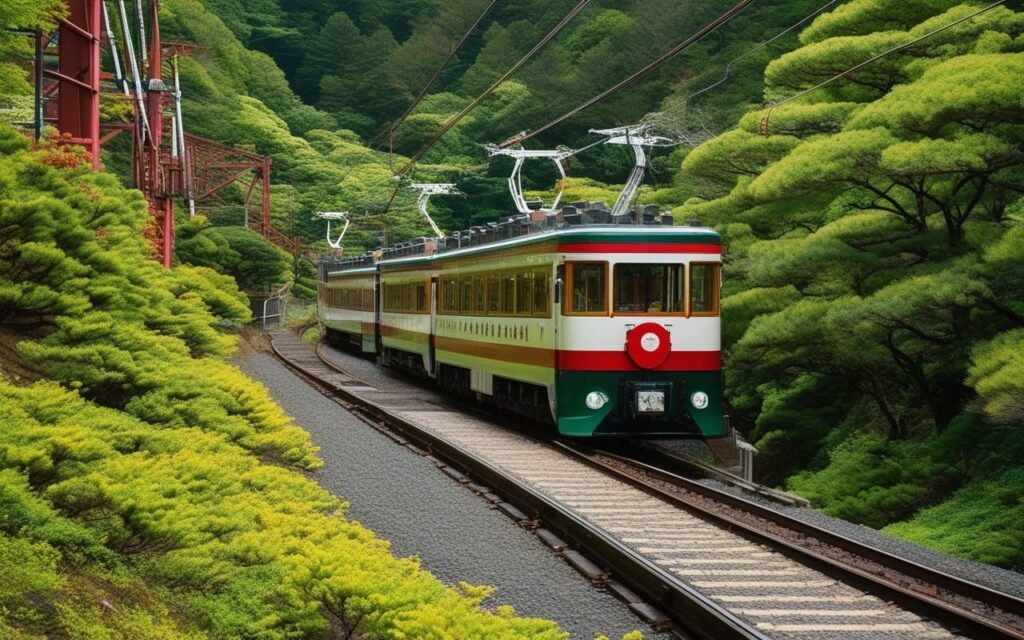
Hakone Tozan Railway train climbing mountain slope with autumn foliage

hakone tozan railway guide sub 2


Hakone Cable Car ascending steep slope

The Hakone transport network consists of three interconnected systems covering the mountainous Hakone area.

Hakone Tozan Railway

Route: Hakone-Yumoto to Gora

  • Distance: 8.9 km
  • Stations: 9 stations
  • Duration: 40 minutes
  • Type: Mountain railway with switchbacks
  • Elevation Gain: 200 meters

Key Stations:

  • Hakone-Yumoto: Gateway to Hakone, hot spring town
  • Miyanoshita: Historic hotel district
  • Miyanokami: Art museum access
  • Gora: Connection to Cable Car

Hakone Tozan Cable Car

Route: Gora to Sounzan

  • Distance: 1.2 km
  • Stations: 3 stations
  • Duration: 10 minutes
  • Type: Funicular railway
  • Elevation Gain: 212 meters Key Stations:
  • Gora: Connection from Railway
  • Chukyo: Midpoint station
  • Sounzan: Connection to Ropeway

Hakone Ropeway

Route: Sounzan to Togendai

  • Distance: 4.0 km
  • Stations: 5 stations
  • Duration: 16 minutes
  • Type: Aerial cableway
  • Elevation: Up to 1,000 meters

Key Stations:

  • Sounzan: Connection from Cable Car
  • Owakudani: Volcanic valley, black eggs
  • Ubako: Scenic viewpoint
  • Togendai: Lake Ashi, pirate ships

Seasonal Highlights

Spring (March-May)

  • Cherry blossoms along Railway
  • Fresh greenery on Ropeway
  • Clear views of Mount Fuji Summer (June-August)
  • Lush green mountain scenery
  • Cool mountain air conditioning
  • Crowded during Obon holidays Autumn (September-November)
  • Spectacular fall foliage
  • Clear air for distant views
  • Popular photography season Winter (December-February)
  • Snow-covered landscapes
  • Fewer crowds
  • Occasional service suspensions

Ticket Options

Hakone Free Pass ticket and transport map

Individual Tickets

Hakone Tozan Railway:

  • Hakone-Yumoto to Gora: 430 yen
  • One-way only, no round-trip discount Hakone Cable Car:
  • Gora to Sounzan: 330 yen
  • Included in Hakone Free Pass Hakone Ropeway:
  • Sounzan to Togendai: 1,620 yen
  • One-way or round-trip available

Hakone Free Pass

Coverage:

  • Round-trip from Shinjuku (Odakyu Line)
  • Unlimited Hakone Tozan Railway
  • Unlimited Cable Car
  • Unlimited Ropeway
  • Hakone sightseeing buses
  • Hakone pirate ships
  • Discounts at attractions Pricing:
  • 2-Day Pass: 6,100 yen
  • 3-Day Pass: 6,500 yen
  • Child rates available Purchase Locations:
  • Shinjuku Station (Odakyu)
  • Hakone-Yumoto Station
  • Major travel agencies in Japan

Money-Saving Comparison

Without Free Pass:

  • Shinjuku to Hakone round-trip: 2,370 yen x 2 = 4,740 yen
  • Railway: 430 yen
  • Cable Car: 330 yen
  • Ropeway: 1,620 yen
  • Total: 7,120 yen With Free Pass:
  • 2-Day Pass: 6,100 yen
  • Savings: 1,020 yen
  • Additional Benefits: Bus, pirate ship, discounts

Model Courses

Owakudani volcanic valley view from Hakone Ropeway

Course 1: Full Hakone Circuit (Full Day)

Duration: 7-8 hours Transport Used: All three systems Itinerary:

  1. Hakone-Yumoto - Start point
  2. Tozan Railway to Gora (40 min)
  3. Cable Car to Sounzan (10 min)
  4. Ropeway to Owakudani (6 min)
  5. Explore Owakudani (1 hour)
  6. Ropeway to Togendai (10 min)
  7. Pirate Ship across Lake Ashi (30 min)
  8. Return to Hakone-Yumoto by bus Highlights:
  • Complete Hakone experience
  • Volcanic valley, lake, hot springs
  • Efficient use of Free Pass

Course 2: Owakudani Focus (Half Day)

Duration: 3-4 hours Transport Used: Railway + Cable Car + Ropeway Itinerary:

  1. Hakone-Yumoto - Start point
  2. Tozan Railway to Gora (40 min)
  3. Cable Car to Sounzan (10 min)
  4. Ropeway to Owakudani (6 min)
  5. Explore Owakudani, eat black eggs (1-2 hours)
  6. Return same route or continue to Togendai Highlights:
  • Volcanic activity viewing
  • Famous black eggs
  • Sulfur vents and steam

Course 3: Scenic Railway Only (Half Day)

Duration: 2-3 hours Transport Used: Tozan Railway only Itinerary:

  1. Hakone-Yumoto - Start point
  2. Tozan Railway to Gora (40 min)
  3. Explore Gora area (1 hour)
  4. Tozan Railway back to Hakone-Yumoto (40 min)
  5. Visit Hakone-Yumoto hot springs Highlights:
  • Mountain railway scenery
  • Switchback experience
  • Historic stations

Scenic Highlights

Switchback Experience

Location: Deyama Station Best Time: Daytime (clear views) Tips:

  • Train reverses direction at switchback
  • Passengers can observe from platform
  • Unique railway engineering experience

Owakudani Volcanic Valley

Location: Owakudani Station Best Time: Morning (less crowded) Tips:

  • Black eggs boiled in sulfur springs
  • Eat one for 7 years longer life (legend)
  • Gas masks available if sulfur levels high

Lake Ashi from Ropeway

Location: Ubako to Togendai Best Time: Clear days, afternoon Tips:

  • Mount Fuji visible on clear days
  • Lake Ashi panoramic views
  • Photo opportunities from gondola

Practical Tips

Best Times to Travel

Avoid Crowds:

  • Weekday mornings (9-11 AM)
  • Weekday afternoons (2-4 PM)
  • Avoid weekends and Japanese holidays Best Views:
  • Morning for Mount Fuji views
  • Autumn foliage season (November)
  • Clear days after rain

Money-Saving Tips

Use Hakone Free Pass:

  • Covers all transport in Hakone
  • Includes round-trip from Shinjuku
  • Discounts at attractions and restaurants Combine with Odakyu Romance Car:
  • Faster, more comfortable from Shinjuku
  • Reserved seating guaranteed
  • Scenic window views

Common Mistakes to Avoid

Navigation Errors:

  • Wrong direction (Gora vs. Hakone-Yumoto)
  • Missing connections between systems
  • Not checking last train times Weather Errors:
  • Ropeway suspends in strong winds
  • Fog reduces visibility
  • Check weather forecast before visiting

hakone tozan railway guide sub 3


⏰ Best Time to Visit

Early morning (8-10 AM): Peaceful atmosphere, fewer crowds, perfect for photos Late afternoon (4-6 PM): beautiful lighting, local life, less crowded than midday

What I Recommend

  • Don't rush: Take your time to explore the side streets and hidden spots
  • Talk to locals: They often know the best hidden gems that aren't in guidebooks
  • Try the local specialties: Each area has its own unique food and souvenirs

Things to Watch Out For

  • Some shops close on weekdays or have irregular hours
  • Parking can be challenging during peak seasons
  • Cash is still king at many smaller establishments

Yokohama Area

RestaurantTypeOfficial WebsiteHoursPrice Range
Ringer Hat YokohamaRamen🔗 Official Website11:00-23:00¥800-1,500
Yokohama Red Brick Warehouse CafesCafe🔗 Official Website10:00-20:00¥1,000-2,000

Ringer Hat Yokohama

  • 🏷️ Type: Ramen
  • 🌐 Official Website: https://www.ringerhut.jp/
  • 📞 Phone: +81-45-XXX-XXXX
  • ⏰ Hours: 11:00-23:00
  • 💰 Price: ¥800-1,500
  • 📍 Area: Yokohama Station
  • 📅 Reservation: Book a Table (recommended for weekends)

Yokohama Red Brick Warehouse Cafes

  • 🏷️ Type: Cafe
  • 🌐 Official Website: https://www.redbrick.or.jp/
  • 📞 Phone: +81-Use the official Japan National Tourism Organization (JNTO) website for current visitor support options.
  • ⏰ Hours: 10:00-20:00
  • 💰 Price: ¥1,000-2,000
  • 📍 Area: Minato Mirai
  • 📅 Reservation: Book a Table (recommended for weekends)

Best Times to Visit

  • Lunch: 11:30 AM - 1:30 PM (busiest, make reservations)
  • Cafe: 2:00 PM - 4:00 PM (relaxed atmosphere)
  • Dinner: 6:00 PM - 8:00 PM (popular spots fill up quickly)

Payment Methods

  • Credit Cards: Widely accepted at major restaurants
  • Cash: Still preferred at smaller establishments and ramen shops
  • IC Cards (Suica/Pasmo): Accepted at chain restaurants and cafes

Dietary Requirements

  • Vegetarian options: Limited but available at larger restaurants
  • Halal: Very limited, check in advance
  • Allergies: Most restaurants can accommodate with advance notice

Useful Apps

  • Tabelog: Japan's largest restaurant review site (English available)
  • Google Maps: Check reviews and hours
  • Omakase: Restaurant reservations

Conclusion

The Hakone Tozan Railway, Cable Car, and Ropeway offer a unique mountain transport experience with scenic views of volcanic valleys, hot springs, and Lake Ashi. The Hakone Free Pass provides excellent value for unlimited travel.

Plan your route in advance, check weather conditions, and allow enough time for each attraction. The journey itself is part of the Hakone experience.

Practical notes for visitors

Romancecar seats feel wider yet luggage rules remain strict; measure bags before gates. Green car upgrades on other lines differ from Odakyu branding, so confirm car numbers printed on platform floor stickers minutes before departure.

Taxicab rear doors sometimes auto-open on the left; step back to avoid knee collisions. Receipt printers jam; ask calmly for a manual rewrite if you need reimbursement paperwork for corporate travel policies back home.

Parking garages near stadiums spike prices on event days; apps show dynamic rates yet lag during overtime innings. Consider remote lots with shuttle buses when walking distance stays under fifteen minutes and lines move steadily post-game.

Highway buses require named seats; boarding with the wrong row delays everyone during narrow aisle choreography. Keep snacks low odor, seal trash until rest stops, and fasten seat belts when signs illuminate even on straight expressways.

Luggage forwarding labels need kanji hotel addresses exact; one wrong digit routes bags overnight to a different prefecture. Photograph both sides of the slip, and text yourself the tracking number before you misplace the receipt heat print.

Ramen shop queues form silently; join the line end even if a friend saves a stool inside unless staff explicitly allow group coordination. Slurp modestly, finish broth if culture demands it at that shop, and exit promptly when turnover pressure rises.

Matcha sweets cafes vary sweetness levels; ask for usucha before committing to thick koicha if bitterness surprises you. Wagashi pairing menus rotate monthly, so revisit seasonal menus rather than assuming last year's photos still apply.

Vegetable-forward set meals still use dashi; clarify dietary needs with allergy cards in Japanese if fish stock matters medically. Farmers markets accept cash early morning yet switch POS tablets after lunch crowds thicken near station exits.

Kamaboko tasting skewers appear small yet sodium adds up across multiple stalls; sip water between samples. Factory tours limit group sizes, so reserve online slots before you ride the Shinkansen leg that arrives minutes before gate close.

Craft brewery flights encourage moderation when trains home run hourly after midnight ends. Ask about take-home crowlers if glass growlers weigh down your backpack during a humid coastal afternoon stroll afterward.

Shirasu bowls peak in season charts; off-season versions may use frozen fish honestly labeled yet different texture. Photograph menu kanji if translators struggle with handwritten lunch specials taped beside register printers.

Chinatown hidden menus reward phrasebook prep; point at characters slowly and confirm spice levels with finger scales from mild to bold. Shared tables turn quickly, so stack trays neatly when finished to signal readiness without shouting.

Ie-kei ramen customization confuses newcomers; write toppings in order of preference when lines stretch. Broth oil caps exist for a reason; respect the recommended slider setting before asking staff to dilute a carefully balanced batch.

Navy curry shops post lunch sold-out signs by early afternoon; arrive before noon on holidays. Retort pouches in souvenir corners differ from restaurant recipes, so read ingredient lists if allergies require certainty beyond restaurant verbal assurances.

Budget a few extra minutes whenever you transfer between operators, because signage updates faster than blog posts. If a gate rearrangement appears overnight, station attendants usually know the quietest alternative route before crowds notice.

Carry a small coin pouch even as cashless adoption spreads, because rural bus tails and seaside lockers still reward physical yen. When machines reject wrinkled bills, flatten them gently against a notebook cover before retrying.

Screenshot timetable PDFs onto your phone before you lose signal inside concrete valleys or mountain passes. Offline maps help, yet official operator PDFs often include footnote exceptions that generic apps omit during holidays.

Rain plans should include indoor stairs near major hubs so you can climb for views without soaking museum queues. Department store rooftops sometimes reopen after typhoon checks; listen for polite PA announcements rather than guessing.

If you travel with mobility aids, confirm elevator maintenance windows the same morning, because posted closures slip when contractors finish early. Staff appreciate concise questions with map screenshots rather than long anecdotes at rush hour.

Photography ethics extend to shop interiors where staff may decline even quick snaps. Treat refusal as final, buy a postcard instead, and keep lenses pointed away from school uniforms and commuter faces on narrow platforms.

Hydration matters more on humid coastlines than temperature alone suggests. Alternate water with unsweetened tea, and avoid chaining three espresso stops before a long bus leg along cliff roads with limited restroom timing.

When language barriers appear, short written Japanese keywords plus polite English fragments often beat loud repetition. Show addresses in block numbers, point to departure times on paper tickets, and bow once after help arrives.

Seasonal pollen can irritate eyes during spring temple walks; wraparound sunglasses help more than hats alone. Summer UV reflects off harbor water and concrete plazas, so reapply sunscreen after wiping sweat near Yokohama bayside benches.

Winter wind tunnels surprise first-time visitors who dress only for Tokyo averages. Layer a wind shell over insulation, and pack gloves before sunset because shadows lengthen quickly between buildings near Kannai and Sakuragicho.

Ferry and cruise schedules slip when marine fog thickens; check official Twitter feeds rather than third-party aggregators alone. Refund rules vary by operator, so photograph ticket conditions at purchase time for calm disputes later.

Bicycle rental shops sometimes require domestic phone numbers for damage contact; hotel desks can lend reception digits when policies allow. Inspect tire pressure and brake levers before leaving the yard, and photograph existing scratches politely.

Art museum bags may require coin lockers on busy weekends; arrive with a compact sling rather than a full hiking pack. Quiet galleries reward soft-soled shoes and whispered commentary, especially when school groups fill echoing halls.

Onsen rotation schedules swap gendered baths at small inns; read kanji boards twice before undressing. Private family baths cost more yet reduce anxiety when schedules confuse first-timers juggling jet lag and unfamiliar valves.

Night buses from Kanagawa toward distant regions demand earplugs and eye masks because cabin lights stay brighter than European coaches. Keep valuables in a thin waist pouch rather than an overhead bin that opens toward the aisle.

Coastal hikes demand tide charts even when trails look dry at noon; returning legs can meet rising water on narrow volcanic shelves. Tell someone your ETA when cell coverage thins, and carry a whistle separate from your phone battery.

Hakone Area GuideArea Guide

Explore the Complete Hakone Area Guide

Plan your perfect getaway with our comprehensive guide covering onsens, ryokan, museums, hiking, Lake Ashi cruises, and Mount Fuji views. 24 expert articles at your fingertips.

Read the Hakone Area Guide →
Sora

Sora

Sustainable Travel Advocate

📍 Hakone · 📅 Since 2023

Sora focuses on eco-friendly travel options and responsible tourism across Kanagawa. Based in Hakone, she writes about sustainable accommodations, low-impact activities, and how travelers can minimize their footprint while maximizing their experience.

twitter.comwww.instagram.com

← Previous: Hakone Free Pass Guide - Kanagawa 2026Next: How To Get To Hakone From Tokyo →