
Overview
I visited Miura Peninsula several times to explore its hiking trails, tuna ports, and coastal charm. This guide combines my favorite routes and local discoveries for your trip., and practical know-how for a smooth journey.
🐟 Food & Tuna Cuisine
Miura is famous for its tuna (maguro) — Misaki Port is one of Japan’s largest tuna fishing ports. The local cuisine centers around fresh seafood, with tuna served as sashimi, donburi, and even in curry.
Must-Try Foods
- Misaki Tuna Donburi — Fresh tuna over rice, served at dozens of port-side places to eat
- Misaki Morning Market Tuna — The freshest catch available at the early market
- Unused Fish Lunches — A sustainable dining trend using locally caught underutilized species
- Miura Strawberry Picking — Seasonal strawberries (January–May) from local farms
Food Guides
- Miura Peninsula Tuna Complete Guide
- Misaki Port Food Guide
- Misaki Morning Market Tuna Guide
- Miura Unused Fish Lunches
- Miura Strawberry Picking Guide
🏖 Coastal Spots & Scenery
Jogashima Island
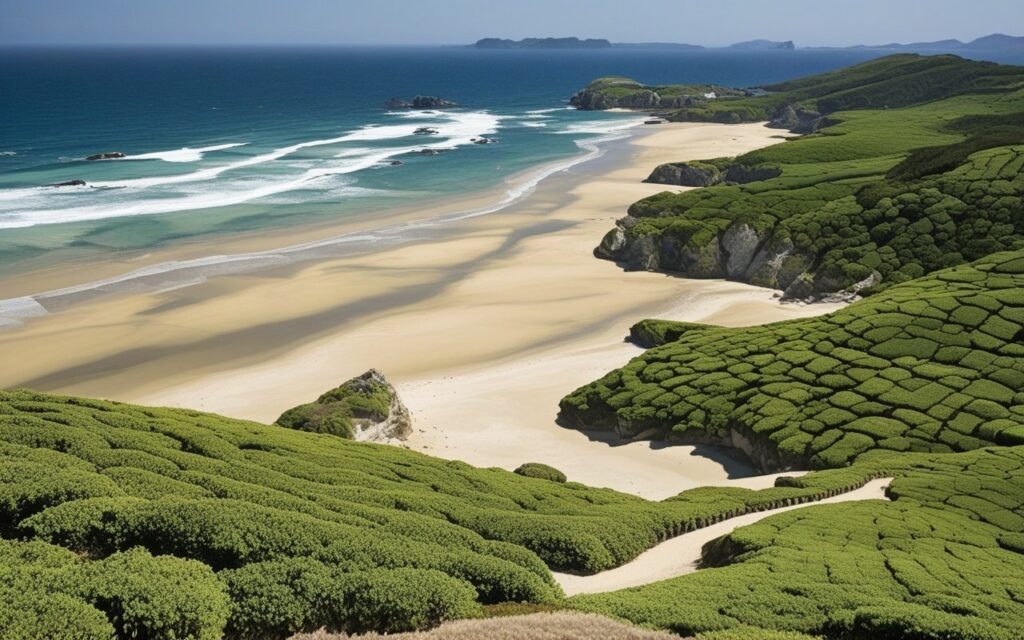
Connected to the mainland by a bridge. Jogashima offers dramatic coast views, and stunning sunset views. The island is also known for its unique geological formations. – Jogashima Hiking Trail Guide
Misaki Port
The working port of Misaki offers a lively early market, and a charming walking course perfect for a half-day excursion. – Misaki Port Walking Guide
Pretty Spots
🎆 Seasonal Events
Miura’s calendar is filled with season fun:
| Season | Event | Months |
|---|---|---|
| Spring | Strawberry picking at local farms | January–May |
| Summer | Miura Fireworks Festival | August |
| Autumn | Tuna festivals and harvest events | October–November |
| Year-round | Misaki Port market | Daily |
For detailed event info:
♻️ Sustainable Travel
Miura Peninsula is at the forefront of sustainable food tourism in Kanagawa. The Unused Fish Project addresses the issue of bycatch by promoting underutilized fish species in local places to eat. This initiative reduces food waste while with visitors a unique culinary time. – Miura Unused Fish Lunches — Where to try sustainable seafood
🗺 Sample Itineraries
Half-Day Trip: Misaki Port & Tuna Lunch
- Morning: Visit Misaki Morning Market (arrive by 9 AM)
- Lunch: Tuna donburi at a port-side place to eat
- Afternoon: Walk the Misaki Port walking course
- See: Misaki Port Access Guide
Full-Day Adventure: Cycling + Jogashima
- Morning: Start cycling from Keikyu Misakiguchi Station
- Midday: Break for lunch at Misaki Port
- Afternoon: see Jogashima trails and lighthouse
- Evening: Sunset at Jogashima
- See: Miura Peninsula Cycling Route
Weekend Getaway: Fishing + Camping
-
Day 1: Fishing charter from Misaki Port, camp overnight
-
Day 2: Morning hike or cycling, strawberry picking
Access Information
The easiest way to reach most Kanagawa destinations is by train from Tokyo. The Shinkansen reaches Odawara in 35 minutes, while local and express trains serve Yokohama, Kamakura, and the Shonan coast. Buses are available for mountain and coastal areas not served by rail. Check the specific access section for detailed route information.
What to Expect
Visiting Kanagawa as a tourist offers a blend of urban convenience and natural beauty. Most attractions are within a 10-15 minute walk from train stations, with clear English signage at major locations. You’ll find convenience stores (konbini) every few blocks for snacks, drinks, and ATM access. Public restrooms are available at stations and parks, though some older facilities may lack Western-style toilets. The area is generally very safe, even at night, but staying aware of your surroundings is always wise.
Nearby Recommendations
If you have extra time, the surrounding area offers several worthwhile additions to your itinerary. Local tourist information centers can provide maps and suggestions for combining nearby attractions into an efficient route. Many areas offer combination tickets that save money compared to buying individual admission tickets. Consider extending your stay to explore neighboring towns and villages.
Local Tips
For the best experience, locals suggest exploring side streets away from the main tourist areas. Some of the best restaurants and shops are hidden down narrow alleys. Ask your accommodation staff for their personal recommendations – they often know the best local spots not found in guidebooks. If you see a line of locals waiting outside a restaurant, join it – it’s usually worth the wait.n
Frequently Asked Questions
Q: Is Miura Peninsula a good place for first-time visitors to Japan?
A: Miura is better suited to repeat visitors or those staying in Kanagawa for a week or more. It offers real coastal Japan away from crowds, but English signs are few. If short on time, pick Kamakura or Hakone first. Miura shines on your second visit. Q: What’s the best way to save money in Miura?
A: The Keikyu Line offer “Miura Hiking Pass” (¥2,100 from Shinagawa) which includes unlimited train travel in the area — great value. For food, the Misaki Morning Market has the best tuna at wholesale prices, Bring cash — many small places to eat and market stalls don’t accept cards. Q: How do I get around Miura Peninsula without a car?
A: The Keikyu Line is the main transport artery, connecting Misakiguchi Station to Tokyo in 70 minutes. Local buses serve Jogashima and coastal areas but run infrequently (every 30-60 minutes). Renting a bicycle from Misakiguchi Station (¥1,000-2,000/day) is the best way to see the peninsula at your pace. Q: Is tuna safe to eat raw at the Misaki early market?
A: Absolutely. Misaki Port is one of Japan’s largest tuna ports, and the early market tuna is some of the freshest you’ll find anywhere. The tuna is kept cold from boat to market. For the safest choice, buy from stalls where locals line up. Q: Can I visit Jogashima and do fishing in one day?
A: Yes, but it requires an early start. Take the first Keikyu train from Shinagawa (arrive Misakiguchi by 8:30 AM). bus to Jogashima for morning hiking, then head to Misaki Port for tuna lunch and afternoon fishing charter (2-3 hours). Return to Tokyo by 7 PM. For a relaxed time, split across two days. My personal travel of Kanagawa has been incredibly rewarding, and I encourage every traveler to time these places firsthand.
Seasonal tips
The Miura Peninsula offers different things by season, Spring (March-May) brings strawberry picking and cherry blossoms. Summer (June-August) is beach season, with the best swimming at Miura Beach. Autumn (September-November) offers the clearest skies for hiking and the Miura Fishery Festival. Winter (December-February) is the best time for fresh tuna at Misaki Port — the winter catch is famously fatty and flavorful.
Final Thoughts
This guide is your starting point for seeing this part of Kanagawa. With these useful tips, you’ll navigate Kanagawa with confidence and enjoy a smooth travel time. For more guides, check out our other articles covering Hakone, Kamakura, Yokohama, Shonan, and the Miura Peninsula. —
Conclusion
Whether you are planning exploring the Miura Peninsula for the first time or returning for another visit, taking a little extra time to go beyond the obvious sights makes all the difference. During my visit to the Miura Peninsula I went with a rough plan and found that leaving room to wander made the trip far more memorable. I hope this guide helps you build an itinerary that fits your pace, and that your time in Kanagawa leaves you with memories worth coming back for.