Overview
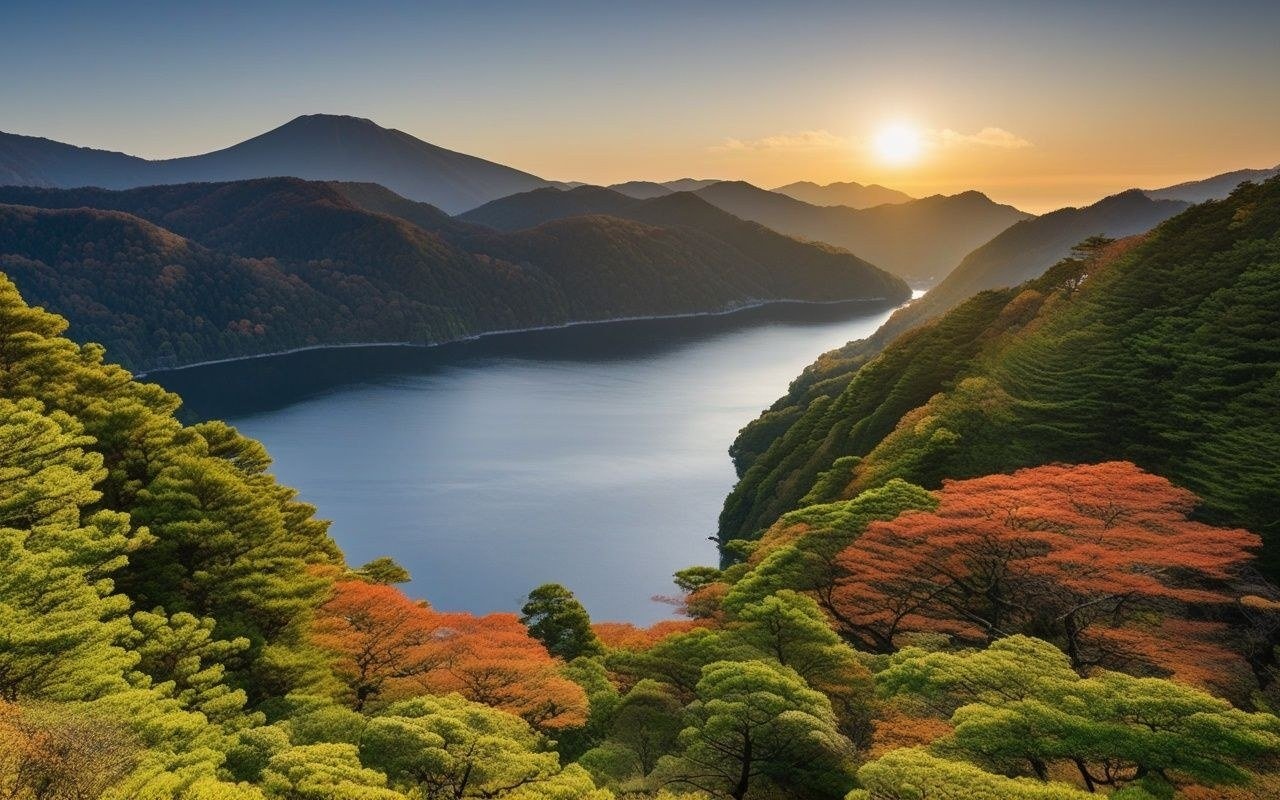
Sagamihara, in the northwestern corner of Kanagawa Prefecture, rarely appears on foreign tourist itineraries. That is a shame, because it contains one of the most unique attractions in the entire Kanto region — the JAXA space science campus — as well as two beautiful dam lakes, forest parks, and some of the best cherry blossom views near Tokyo.
I first visited Sagamihara because of the space center, having followed Japan’s Hayabusa asteroid missions for years. What I found was a city with far more to offer than its utilitarian reputation suggests: quiet lakeside paths, a hilltop panorama that reaches Tokyo Tower on clear days, and parks that families can enjoy for free. Best of all, almost everything here is free or very cheap, which makes Sagamihara a refreshing change from the tourist-ticket economy of Kamakura.
This guide covers the JAXA space center, Tsukui Lake, Shiroyama Lake, and the practical details of combining them into a relaxed day trip.
📍 Getting There & Access
From Tokyo
- JR Yokohama Line to Fuchinobe Station (60-70 min from Shinjuku via Hashimoto, around ¥800) — The JAXA campus is a 20-minute walk from Fuchinobe’s south exit, or a short bus ride.
- Odakyu Line to Sagami-Ono (45 min from Shinjuku) — The gateway to the southern part of the city, with good bus connections toward the lakes.
- By car — The Ken-O Expressway and Tomei routes reach Sagamihara in about 50-70 minutes from central Tokyo. Parking at the parks is free or cheap.
Getting Around
- Buses — Kanagawa Chuo Kotsu buses connect the stations to the lakes and JAXA. Service to the lakes is roughly hourly.
- Rental car — A car makes the lake loop far easier. Rentals are available near Sagami-Ono and Hashimoto stations.
🚀 JAXA Sagamihara Campus: Japan’s Space Science Hub
Why It Matters
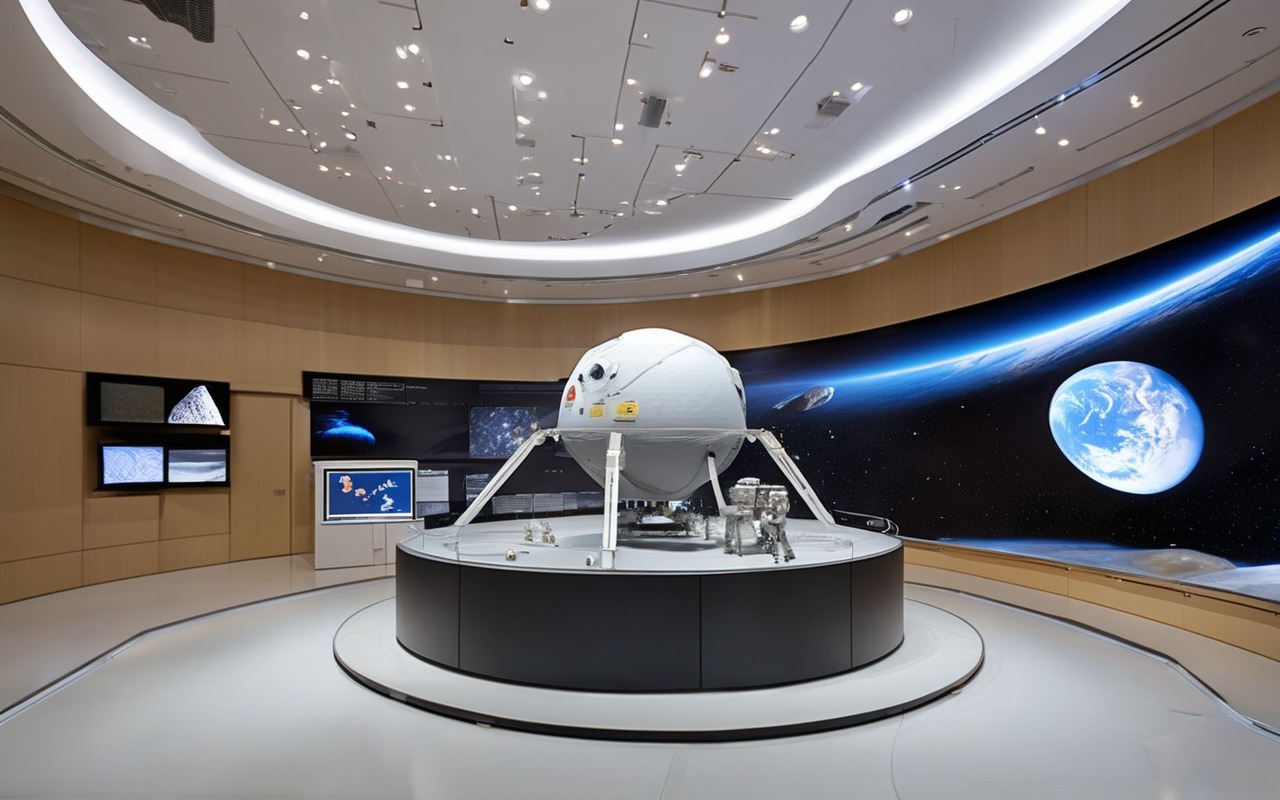
The JAXA Sagamihara Campus is the headquarters of Japan’s space science program — the home of the Hayabusa asteroid probes, the Akatsuki Venus orbiter, and a long line of lunar and planetary missions. The campus’s public facility, the Space Science Exploration Exchange Center, is one of the most impressive free attractions in the Kanto area: a working science facility where you can see real spacecraft hardware, rocket engines, and mission artifacts up close.
I spent an entire morning here on my first visit and could easily have stayed longer. The highlight for me was the full-scale model of the Hayabusa2 probe and the sample return capsule — the actual technology that brought asteroid material back to Earth. For anyone with even a passing interest in space, this is unmissable, and it is completely free.
What to See
- The exhibition hall — Full-scale spacecraft models, including Hayabusa and Hayabusa2, the IKAROS solar sail, and lunar lander prototypes. English panels cover most displays.
- The rocket engine collection — Real engines and test hardware, including early Japanese liquid-fuel engines.
- The mission timeline — A clear walkthrough of Japan’s space science history, from the first satellites to current deep-space missions.
- The cooperative store and cafeteria — JAXA-branded goods (T-shirts, model kits, pens) and a cafeteria used by staff and visitors alike. The curry is a staff favorite.
Practical Notes for JAXA
- Hours: 10:00-17:00 (last entry 16:45).
- Closed: Mondays, Tuesdays, the day after national holidays, and year-end holidays. Check the calendar before traveling.
- Admission: Free. No reservation needed for individuals; groups of 10+ should contact in advance.
- Getting there: From Fuchinobe Station south exit, walk 20 minutes or take a bus to the City Museum stop.
🏞️ Tsukui Lake and Shiroyama Park
The Lake and the Dam
Tsukui Lake is a long, narrow reservoir created by the Shiroyama Dam on the Sagami River. Its banks are ringed by the Tsukui Lake Shiroyama Prefectural Park, a collection of gardens, walking paths, and viewpoints that are especially famous for cherry blossoms in spring and foliage in autumn.
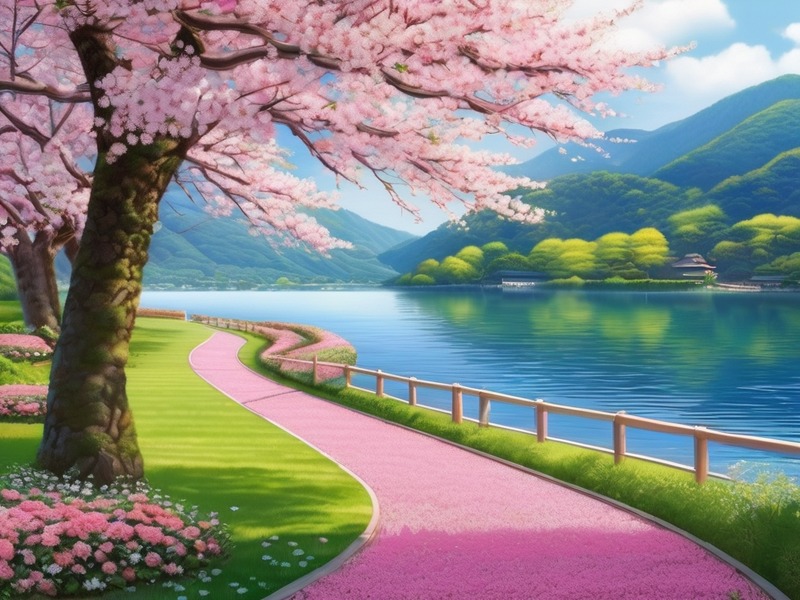
The park is split into sections — the Flower Garden (Hanano Enchi) on one bank and the Water Garden (Mizuno Enchi) on the other — connected across the dam. On a weekday in April, I walked the flower garden in near solitude while the cherry trees dropped petals onto the water. It remains one of the most quietly beautiful afternoons I have spent in Kanagawa.
What to See
- The Flower Garden (Hanano Enchi) — Cherry trees, seasonal flower beds, and picnic lawns. The sakura tunnel along the shore is the star in spring.
- The Water Garden (Mizuno Enchi) — Lawns and paths along the calmer upper reach of the lake, plus a small museum about the dam’s history.
- The Tsukui Lake Memorial Hall — Displays about the dam’s construction and the villages that were submerged when the lake was created.
- The dam observation points — Walk across the dam crest for the classic view down the lake.
Practical Notes for Tsukui Lake
- Admission: Free. Parking is free at most lots.
- Best time: Cherry blossom season (late March to early April) and foliage season (mid-November) are the showpiece times; weekdays are wonderfully quiet.
- Getting there: Buses from Hashimoto Station reach the park in about 25 minutes. By car, use the Ken-O Expressway Sagamihara IC and follow signs for about 15 minutes.
🌄 Shiroyama Lake and the Hilltop View
The Secret Viewpoint
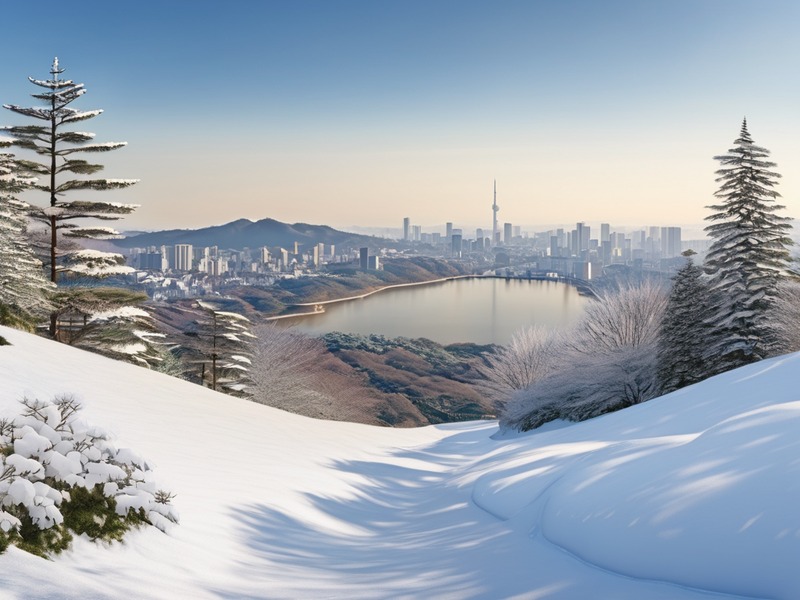
Shiroyama Lake (also called Honzawa Lake) is a second, smaller reservoir tucked into the hills above Tsukui Lake. A 5 km walking path circles it, and at the high point near the Konpira Shrine, an observation deck offers a panoramic view that, on clear days, reaches the skyscrapers of Shinjuku and Tokyo Tower in the distance.
I climbed the loop on a crisp winter morning when the air was at its clearest. The view — lake below, forest rolling to the horizon, Tokyo’s towers rising in the distance — was the kind of surprise that makes you recommend a place to everyone. In winter, you can also see Mount Fuji on the western horizon.
Practical Notes for Shiroyama
- The loop: About 5 km and 1.5-2 hours at a relaxed pace, with steady but manageable climbs.
- Getting there: Buses from Hashimoto Station toward Wakabadai or Odo stop near the trailhead. Parking is free at the small trailhead lot.
- Facilities: Limited — bring water and snacks. The best restrooms are at the trailhead.
- Footwear: The path is well maintained, but running shoes or light hiking shoes are recommended.
🌸 Seasonal Highlights
Spring (Late March – April)
- Cherry blossoms at Tsukui Lake — The flower garden’s shore tunnel is one of Kanagawa’s best free sakura spots. See the prefecture-wide sakura spot guide for more locations.
- Fresh green on the hills and pleasant hiking weather.
Summer (June – August)
- Green and humid, with cool breezes at the lakes. A good season for an early morning loop around Shiroyama Lake before the heat peaks.
Autumn (Mid-November)
- Foliage at Tsukui Lake — The maples along the shore and the views across the lake are at their peak. This is the busiest season, so go on a weekday.
Winter (December – February)
- The clearest skies of the year. The Shiroyama viewpoint offers winter views of Tokyo’s skyline and Mount Fuji.
🧒 For Families
Sagamihara is an excellent family destination, with most attractions free or very cheap.
- JAXA space center — The spacecraft models and hands-on displays fascinate children of all ages. The cafeteria and store make it easy to spend a full morning.
- Tsukui Lake parks — Plenty of lawn space for running and picnicking. The flower garden is stroller-friendly in most areas.
- Sagamihara City Museum — Next to the JAXA campus, this museum covers local nature and history and is a good rainy-day backup.
- See also — The prefecture’s baby-friendly travel guide has more family-tested ideas across Kanagawa.
🗓️ Sample Itinerary: Sagamihara in a Day
Morning: Space (9:00-13:00)
- 9:00 — Arrive at Fuchinobe Station. Walk or bus to the JAXA campus.
- 9:30-12:30 — Explore the space center. Don’t miss the Hayabusa2 display and the store.
- 13:00 — Lunch at the campus cafeteria or at a restaurant near Fuchinobe Station.
Afternoon: Lakes (13:30-17:30)
- 13:30 — Bus to Tsukui Lake. Walk the flower garden and cross the dam.
- 15:30 — If time and legs allow, climb the Shiroyama Lake loop for the hilltop view.
- 17:00 — Return bus to Hashimoto, then the JR line back to Tokyo.
If You Have More Time
- Combine with Atsugi and Zama: The neighboring cities offer the car culture guide — museums and motor-themed sights about 30 minutes away.
- Lake Sagami extension: The outdoor base of Lake Sagami lies just to the west and offers boating and camping.
- Hadano and Oyama: A scenic route across the mountains reaches the Hadano spring water guide.
💡 Practical Tips
- Check JAXA’s closed days — The center closes on Mondays and Tuesdays. Plan your visit for Wednesday through Sunday.
- Go early to the lakes in blossom season — The best parking and the quietest paths are before 10:00.
- Bring yen — The lakeside vending machines and small shops are cash-friendly. The JAXA store and cafeteria accept cards.
- Layer up at the lakes — The reservoirs sit in a valley that runs cooler than the city, especially in the morning.
- Consider a car — While the bus connections work, a rental car lets you combine JAXA, Tsukui, and Shiroyama in one efficient loop.
Conclusion
Sagamihara is proof that Kanagawa’s best surprises are not always on the tourist map. It offers something genuinely rare — the chance to stand next to real spacecraft hardware for free — and then wraps it in quiet forest parks, dam lakes, and blossom tunnels that reward a slow pace. It is close enough to Tokyo for a day trip, cheap enough for a budget week, and interesting enough to come back to in every season. Start at the space center, end at the hilltop view, and you will understand why locals keep this city to themselves.
FAQ
Q: Is the JAXA space center really free?
A: Yes. Admission is free and no reservation is needed for individuals. It is open 10:00-17:00, closed Mondays and Tuesdays.
Q: Can I do both JAXA and the lakes in one day?
A: Yes, with the itinerary above. JAXA in the morning and Tsukui Lake in the afternoon works well by public transport; adding the Shiroyama loop is easier with a car.
Q: What is the best season to visit Tsukui Lake?
A: Late March to early April for cherry blossoms and mid-November for autumn foliage. Weekdays are dramatically quieter than weekends.
Q: How much does a day in Sagamihara cost?
A: About ¥3,000-4,000 per person by train: transport ¥1,600 round trip, bus fares ¥800, lunch ¥1,000. JAXA and the parks are free.