
Sagamihara & Lake Sagami Outdoor Guide 2026 — Nature Escape from Tokyo
Overview
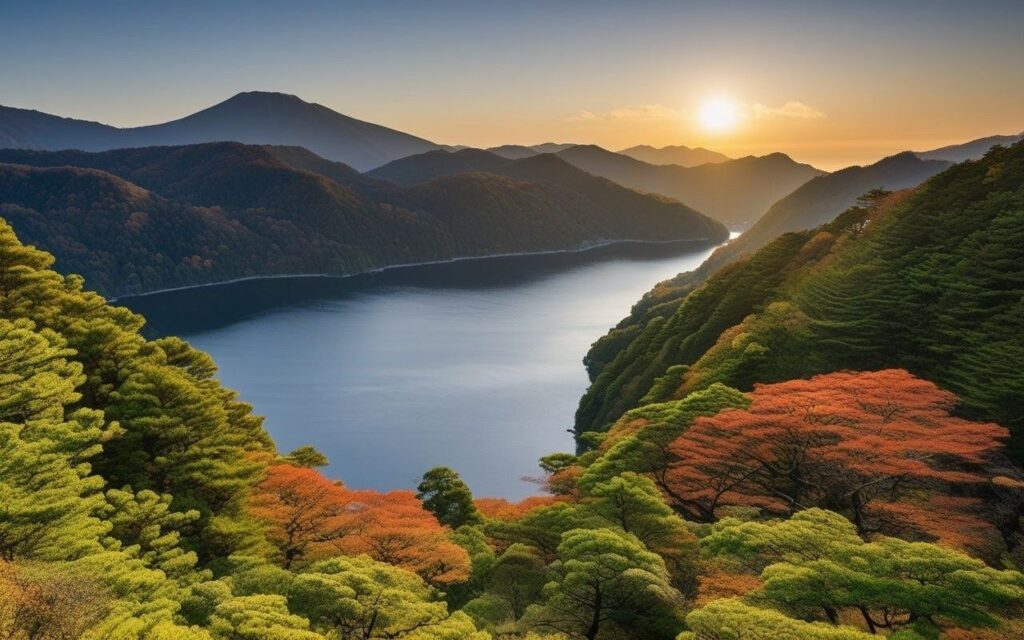
Overview of Sagamihara & Lake Sagami
| Detail | Information |
|---|---|
| Location | Northern Kanagawa Prefecture (bordering Tokyo) |
| Key areas | Lake Sagami (Sagamiko), Lake Tsukui, Sagamihara City |
| Nearest station | Sagamiko Station (JR Chuo Line) |
| Travel time from Tokyo | 60-90 minutes by train |
| Main season | April–November (outdoor activities), December–April (Illumillion) |
| Difficulty range | Easy (lake walks) to Moderate (mountain hiking) |
Walking around the area, I discovered so much charm that guidebooks alone cannot convey.
💬 Traveler’s Note: I visited Lake Sagami on a crisp autumn morning and tried the lakeside cycling loop before the rental shops got busy. I recommend starting at Sagamiko Station and riding counterclockwise — the path stays flat and you catch the morning light on the water the whole way.
Getting There
By Train (Recommended)
| Route | Duration | Cost (One Way) | Notes |
|---|---|---|---|
| Shinjuku → JR Chuo Line → Sagamiko Station | 60-70 min | ¥1,100 | Direct train, 8 min walk to lakeside |
| Shinjuku → Keio Line → Hashimoto → Sagamiko | 75 min | ¥1,200 | Via Hashimoto transfer |
| Shinjuku → JR Chuo Line → Takao → Sagamiko | 70 min | ¥1,150 | Connects to Mt. Takao hiking |
By Highway Bus
Direct highway buses run from Busta Shinjuku (Shinjuku Expressway Bus Terminal) to Sagamiko in approximately 75 minutes. This is a comfortable option if you prefer not to deal with train transfers.
By Car
From Tokyo, take the Chuo Expressway to Sagamiko IC (50 minutes from central Tokyo). Parking is available at the Sagamiko MORI MORI resort (¥500-1,000/day). Note that traffic can be heavy on weekends and holiday afternoons.
Outdoor Activities
1. Sagamiko MORI MORI Resort
The hub of outdoor activities in the area, Sagamiko MORI MORI (formerly Sagamiko Resort Pleasure Forest) offers a wide range of outdoor experiences:
| Activity | Details | Price |
|---|---|---|
| Camping | Tent sites, cabins, and wooden cottages | ¥3,000-15,000/night |
| BBQ (Wild Cooking Garden) | Equipment rental available, bring your own food | ¥1,000-3,000 |
| Adventure Course (Muscle Monster) | Giant outdoor climbing obstacle course | ¥2,500 |
| Kids’ Adventure (Picasso’s Eggs) | Child-friendly climbing and obstacle course | ¥1,500 |
| Boat Rental | Rowboats and pedal boats on Lake Sagami | ¥1,500-2,500/hour |
| Sagamiko Onsen | Hot spring bath with lake views | ¥1,200 |
Hours: 9:00-17:00 (weekdays), 9:00-18:00 (weekends). Check ahead for seasonal variations.
2. Hiking Trails
The area around Lake Sagami serves as a gateway to the mountains west of Mount Takao, offering several excellent hiking routes:
| Trail | Duration | Distance | Difficulty | Best For |
|---|---|---|---|---|
| Takao-to-Sagamiko Ridge | 4-5 hours | 10 km | Moderate | Ridge walking, views |
| Mt. Kobotoke-Shiroyama | 3-4 hours | 7 km | Moderate | Panoramic views, fewer crowds |
| Lake Sagami Loop | 1.5-2 hours | 5 km | Easy | Families, photo walks |
| Mt. Kagenobu | 4-5 hours | 8 km | Moderate | Forest hiking, wildlife |
Takao-to-Sagamiko Route: This point-to-point hike starts at Takaosanguchi Station (Keio Line), passes over the summit of Mount Takao (599m), continues along the ridge to Mount Kobotoke-Shiroyama, and descends toward Lake Sagami. It exits near Sagamiko Station (JR Chuo Line), making it a perfect one-way hike with train access at both ends.
Lake Sagami Loop: A flat, well-maintained walking path around the lake. Perfect for families, casual walkers, and photographers. The path is paved and passes several rest areas with views of the lake and surrounding mountains.
3. Cycling
The roads around Lake Sagami and the nearby Tanzawa foothills are popular with recreational cyclists. The loop around the lake is approximately 10 km and offers gentle elevation changes suitable for casual cyclists. More experienced riders can extend their route toward the Tanzawa mountain passes, but be prepared for significant climbs. Bike rental: Available at Sagamiko MORI MORI (¥1,500/half day). Bring your own bike for the best experience.
4. Fishing
Lake Sagami is known for bass fishing, attracting anglers from across the Kanto region, Fishing is permitted from the shore or by boat (rentals available at the resort). A fishing license is required and can be purchased at local tackle shops near the lake.
Attractions
Sagamiko Illumillion (Winter Only)
From late November to April, the resort transforms into one of the Kanto region’s most spectacular illumination displays. Over 6 million LEDs turn the forest and lakeside into a magical light show.
| Detail | Information |
|---|---|
| Period | Late November – April |
| Hours | 17:00-21:00 |
| Admission | ¥1,500 |
| Best time | Weekday evenings (avoid weekends for the lightest crowds) |
Retro Vending Machine Collection
One of the area’s most unique lesser-known spots is the Used Tire Market Sagamihara Store (中古タイヤ市場 相模原店), which features a massive collection of retro 1960s-70s vending machines. These vintage machines serve hot food like udon, soba, ramen, and even hamburgers — a true piece of Japanese pop culture history. Location: Near Sagamihara Station. Tip: Bring small change (¥100 and ¥500 coins) as some machines don’t accept bills.
Lake Tsukui (Tsukui-ko)
Just a short distance from Lake Sagami, this quieter lake formed by the Shiroyama Dam offers beautiful views, hiking trails, and the ruins of Tsukui Castle — particularly impressive during cherry blossom season in spring. Access: 15 minutes by bus from Sagamiko Station. Best time: Late March-April for cherry blossoms.
Seasonal Highlights
| Season | What to See | Best Activities |
|---|---|---|
| Spring (March-May) | Cherry blossoms at Lake Tsukui, fresh greenery | Hiking, cycling, picnics |
| Summer (June-August) | Lake activities, Sagamiko Lake Fireworks Festival (August) | Camping, BBQs, water sports |
| Autumn (October-November) | Spectacular autumn foliage, cool hiking weather | Hiking, photography |
| Winter (December-April) | Sagamiko Illumillion, crisp mountain air | Illumination viewing, onsen |
Where to Eat
| Restaurant | Type | Price | Notes |
|---|---|---|---|
| Sagamiko MORI MORI Food Court | Casual | ¥800-1,500 | Located inside the resort, family-friendly |
| Lakeside Restaurants | Japanese | ¥1,000-2,000 | Several small restaurants near the dock serve fresh lake fish |
| Used Tire Market (retro vending machines) | Unique | ¥300-800 per item | Vintage vending machines serving hot food — a must-try experience |
| Convenience stores near Sagamiko Station | Takeaway | ¥500-1,000 | Good for picnic supplies |
What to Expect
Most activities are designed to be accessible for international visitors. Staff at popular attractions are accustomed to non-Japanese speakers and can communicate through basic English or translation apps. Duration varies from 1-2 hour experiences to half-day adventures. Wear appropriate clothing – many activities involve walking or standing for extended periods. Some outdoor activities may have age or height restrictions. Always check the official website before visiting for the latest information.
Nearby Recommendations
The area surrounding this activity has plenty to offer. Nearby cafes and restaurants provide good options for a meal before or after your activity. Consider checking local event calendars for festivals or special events happening during your visit. Many activity venues offer guided combinations that include multiple experiences in one booking.
Local Tips
Regular participants recommend bringing your own water bottle and wearing moisture-wicking clothing for active experiences. Arriving 15 minutes before your scheduled time allows for check-in and preparation. Many activities have seasonal variations, so check what’s available during your visit. Don’t be shy about asking questions – instructors are happy to help.n
Conclusion
Whether you are planning exploring Sagami Bay for the first time or returning for another visit, taking a little extra time to go beyond the obvious sights makes all the difference. During my visit I went with a rough plan and found that leaving room to wander made the trip far more memorable. I hope this guide helps you build an itinerary that fits your pace, and that your time in Kanagawa leaves you with memories worth coming back for.