
Ashigara Area Guide: Kintaro Legends
Overview
Most visitors to Kanagawa head straight for Kamakura, Hakone, or Yokohama. I did the same on my first several trips to the prefecture. But on a crisp autumn morning, I took a train one stop past the familiar turnoff toward Hakone and discovered a completely different side of Kanagawa: the Ashigara area, a quiet valley tucked between the Tanzawa mountains and the Hakone foothills.
Ashigara covers the towns of Minami-Ashigara, Matsuda, and Yamakita in the western part of the prefecture. It is a land of legends — this is where Kintaro, the boy hero of Japanese fairy tales, is said to have grown up — and it is also home to one of the most atmospheric temple complexes in the region, a beautiful dam lake, and a hot spring village that dates back to the samurai era. The crowds stay away because the area takes an extra hour to reach, and that is exactly its value.
This guide covers the essential Ashigara experience: the Kintoki legend trail, the temple of Daiyuzan Saijoji, Lake Tanzawa, Nakagawa Onsen, and the practical details of getting there, moving around, and combining Ashigara with nearby Odawara or Hadano.
📍 Getting There
Ashigara sits at the crossroads of two scenic rail lines, which makes it surprisingly accessible for a rural area. There is no shinkansen station and no airport link, but the train journey from Tokyo is easy and largely scenic.

From Tokyo
- Odakyu Line to Shin-Matsuda Station (90 min, around ¥1,300) — Take a Limited Express bound for Odawara or Hakone-Yumoto from Shinjuku and get off at Shin-Matsuda. This is the main gateway to Minami-Ashigara and the Kintoki trailhead. The Romancecar adds a reserved seat for about ¥500 more.
- JR Tokaido Line + Gotemba Line (100 min, around ¥1,400) — From Tokyo Station, take the Tokaido Line to Kozu or Odawara, then the Gotemba Line to Yamakita or Nebukawa stations. This route is the best option for Lake Tanzawa and Nakagawa Onsen.
- By car — The Tomei Expressway Oi-Matsuda IC is the center of the area. From central Tokyo, expect 70-90 minutes with light traffic.
Getting Around Ashigara
- Hakone Tozan Bus / Izuhakone Railway — Buses from Shin-Matsuda and the Izuhakone Railway’s Daiyuzan Line cover Minami-Ashigara well. The Daiyuzan Line is a charming single-car railway that runs from Odawara into the mountains.
- Bus to Lake Tanzawa — From Yamakita Station, local buses run to Lake Tanzawa and Nakagawa Onsen. Frequency is roughly hourly, so check the timetable before heading out.
- Rental car — For the full Ashigara loop (temple → lake → onsen), a rental car is the most efficient option. Several rental offices operate near Shin-Matsuda Station.
⛰️ Mount Kintoki: The Legend of Kintaro
Why Kintoki Matters
Mount Kintoki (1,212 m) is one of the classic beginner-friendly peaks of western Kanagawa, and it carries one of Japan’s best-known folk tales. According to legend, the warrior Kintaro was raised in the forest around this mountain by his mother, the Princess Yaegiri. He grew up wrestling bears and throwing boulders, and he later became a retainer of the samurai Minamoto no Yorimitsu. Every hilltop shrine, stone marker, and teahouse along the trail references this story.
What makes the climb special is the view. From the summit, Mount Fuji dominates the skyline on clear days, with Sagami Bay glittering to the south and the Tanzawa range rising behind you. On my first summit visit, a haze-free November morning, Fuji looked close enough to touch — the best free view I have found in Kanagawa.
The Route in Detail
- Kintoki Shrine trailhead — The most common start is from Kintoki Shrine, reached by bus from Shin-Matsuda Station (about 20 min, ¥400). The shrine itself is small but atmospheric, with a moss-covered approach.
- The main trail (2-3 hours up, 1.5-2 hours down) — The path climbs steadily through cedar forest before opening onto the grassy upper slopes. It is steep in places but well maintained. Running shoes are fine; no technical equipment is needed.
- Summit — A small shrine, a wooden observation deck, and a teahouse that serves simple noodles and sweets from spring through autumn. Allow 30-45 minutes at the top.
- Descent options — Return the way you came, or descend toward the Hakone foothills and take the bus from the far side. The second option requires a longer bus ride but makes a pleasant loop.
Practical Notes for Kintoki
- Crowd strategy: Weekday mornings are wonderfully quiet. On sunny weekends in October and November, the trailhead parking fills by 9:00.
- Weather: The mountain is exposed above the treeline. A windbreaker is essential even in summer, and in winter the trail can hold ice patches well into the morning.
- Water: Carry more than you think you need — there are no drinking fountains above the shrine.
⛩️ Daiyuzan Saijoji: The Temple of the Tengu
Why Saijoji Matters
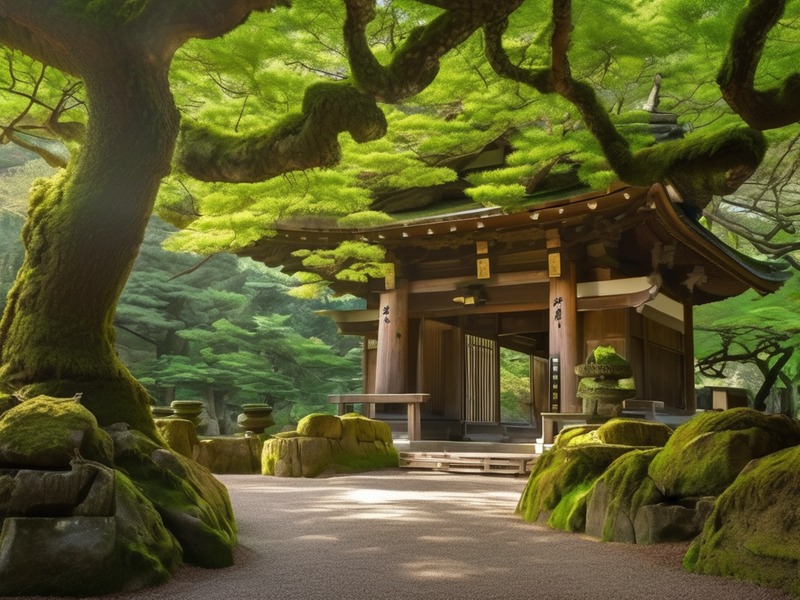
Daiyuzan Saijoji is a Soto Zen temple founded in 1394 and one of the most important training monasteries in the Kanto region. It is known locally as Doryoson, after the guardian deity Doryo who, according to temple legend, transformed into a tengu (mountain spirit) to protect the temple from harm. Today the temple is famous for its enormous wooden sandals, its collection of tengu statues, and a cedar avenue so old and so tall that it feels like walking into a different era.
I visited on a rainy weekday and had the cedar approach entirely to myself. The quiet was remarkable — the only sounds were rain on the canopy and the occasional temple bell. If you want to feel the contemplative side of Japanese Buddhism without the crowds of Kamakura, this is the place.
What to See
- The cedar approach — A straight avenue of centuries-old sugi trees leading from the main gate to the hall. The trees were planted over hundreds of years, and the effect is cathedral-like.
- The main hall — Rebuilt in the early 2000s, the hall retains the grand style of the original. Goshuin (calligraphy stamps) are available for ¥500 near the hall.
- The giant sandals — Huge wooden geta sandals hang near the entrance, a symbol of Doryoson’s protective power. Locals say that touching them brings safety in travel.
- Tengu statues — Look for the many tengu carvings scattered through the grounds, each with a distinctive expression.
- The moss garden and tea house — The grounds include a small tea house where you can rest with matcha and sweets.
Practical Notes for Saijoji
- Access: Take the Izuhakone Railway’s Daiyuzan Line to Daiyuzan Station, then a 5-minute bus or 25-minute walk to the temple.
- Hours: Roughly 8:30-17:00, with seasonal variation. The grounds are free to enter.
- Etiquette: This is a working monastery, not a theme park. Keep voices low, and do not photograph monks without asking.
🏞️ Lake Tanzawa: A Dam Lake Surrounded by Peaks
The Lake Experience
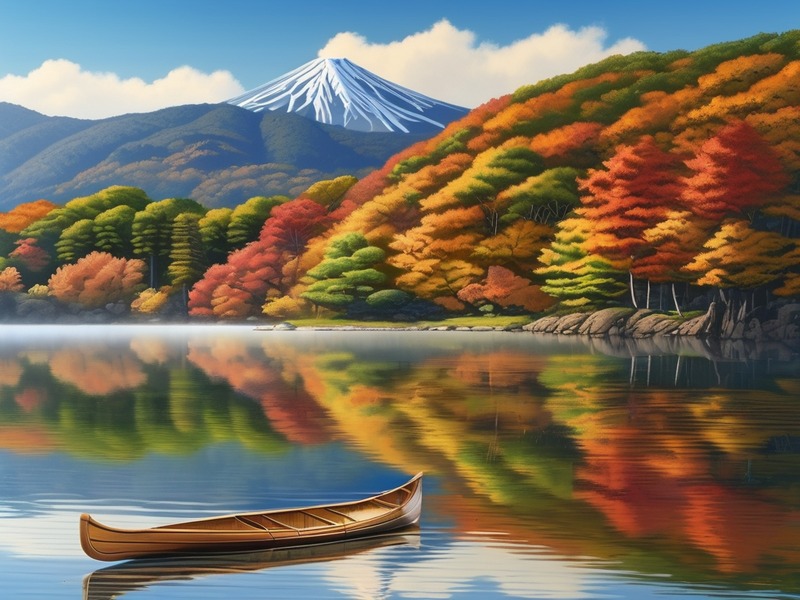
Lake Tanzawa is a reservoir on the Kawachi River in Yamakita, created by the Kawachi Dam completed in 1986 to supply water to the surrounding region. Surrounded by steep forested mountains, it is one of the most scenic lakes in Kanagawa and a base for canoeing, SUP, cycling, and easy lakeside walks.
The water is remarkably clear, and on calm mornings the mountains reflect perfectly in the surface. I rented a kayak on a quiet weekday in September and spent two hours paddling along the shoreline, stopping to watch kingfishers and dragonflies. The rental staff were patient with my beginner-level paddling and gave clear English-friendly instructions with gestures.
Activities
- Canoe and SUP rentals — Around ¥1,000-2,500 per hour depending on the craft, including life jackets and paddles. Several rental operators work from the lakeshore near the dam.
- Lakeside walking — A well-maintained path runs along part of the shore. The full loop is about 6 km and takes 2-3 hours at a relaxed pace.
- Cycling — The road around the lake is popular with cyclists, though it has some steep sections. Rental bikes are available near the bus stop in season.
- Fishing — The lake is stocked with trout and open to fishing with a permit.
Practical Notes for the Lake
- Access: Bus from Yamakita Station, roughly 25 minutes. The final stretch is a winding mountain road.
- Season: The lake is at its best from May to October. Autumn foliage season (mid-November) brings the most visitors, so book rentals in advance.
- Facilities: A small visitor center near the dam has restrooms, vending machines, and a simple restaurant serving local soba.
♨️ Nakagawa Onsen: The Hidden Hot Spring
The Onsen Village
Nakagawa Onsen is a tiny hot spring village in Yamakita that claims a connection to the warlord Takeda Shingen, who reportedly used the springs to recover from injuries. The water is a mildly alkaline simple spring — the kind Japanese bathers call “beauty water” for its softening effect on skin.
There is no grand ryokan district here, just a handful of family-run inns and a small public bathhouse. That is precisely the appeal. After a day of hiking or paddling, soaking in the wooden bath while the evening light fades over the mountains is about as restorative as a day trip gets.
Where to Bathe
- Yamabiko Onsen — A modern day-use facility with indoor and outdoor baths, a rest lounge, and a restaurant. Around ¥800 for adults. Open roughly 10:00-20:00.
- Kogen no Yu — A smaller, more traditional bathhouse popular with locals. Bring your own towel or buy one at the counter.
- Family inns — Several inns offer day-use bathing (¥700-1,000) alongside their overnight guests. Phone ahead in English is difficult; have your hotel or a translation app ready.
Practical Notes for the Onsen
- Tattoo policy: As with many rural onsen, some facilities in the village do not accept guests with tattoos. Yamabiko Onsen is the most accommodating — check its current policy before visiting.
- Cash: The bathhouses and most village shops are cash-only.
- Hours: Most facilities close by 21:00 and some take a mid-week rest day. Check before traveling.
🍜 Eating in Ashigara
Ashigara’s food culture is built on local water and mountain produce.
- Soba and udon — Several shops in Matsuda and Yamakita serve hand-cut soba made with local spring water. A simple set runs ¥900-1,400.
- Local vegetables — The valley grows excellent greens, mushrooms, and root vegetables. Look for them at roadside stands and the Ashigara Michi-no-Eki.
- Ashigara tea — The area grows tea on the mountain slopes. Stop by a tea shop for a tasting, or buy a bag as a souvenir.
- Dengaku tofu — Grilled tofu with miso, a mountain classic, appears on many menus in the area.
🗓️ Sample Itinerary: The Best of Ashigara in a Day
Option A: Temple and Legend Day (Train Only)
- 9:00 — Shin-Matsuda Station. Take the Izuhakone Railway toward Daiyuzan.
- 9:45 — Daiyuzan Saijoji. Walk the cedar avenue and visit the main hall and sandals. (1.5-2 hours)
- 12:00 — Lunch of soba near the temple or back at Shin-Matsuda.
- 13:30 — Bus to Kintoki Shrine. Climb Mount Kintoki for the summit view. (3 hours up and down if you start by 14:00)
- 18:00 — Return to Shin-Matsuda, then the Odakyu Limited Express back to Tokyo.

Option B: Lake and Onsen Day (Best with a Car)
- 10:00 — Pick up a rental car at Shin-Matsuda.
- 10:45 — Lake Tanzawa. Kayak or SUP for two hours, then a lakeside walk.
- 13:30 — Lunch of local soba at the lakeside restaurant.
- 15:00 — Nakagawa Onsen for a long soak.
- 17:30 — Drive back toward Shin-Matsuda, stopping at the Ashigara Michi-no-Eki for souvenirs.
If You Have More Time
- Tanzawa hiking extension: For experienced hikers, the ridgeline from Mount Kintoki connects toward the Tanzawa range. See the Tanzawa and Oyama hiking guide for routes and safety notes.
- Combine with Odawara: Odawara is one train away from Shin-Matsuda. The Odawara castle and its surrounding town make an easy half-day add-on.
- Hadano and Mount Oyama: Across the valley, the Hadano spring water and Oyama pilgrim trail guide covers a neighboring corner of the same mountain world.
- Yugawara Onsen: The coastal hot spring town of Yugawara is a 30-minute drive to the south and pairs well with an Ashigara visit.
📅 Seasonal Notes
- Spring (Mar-May): Cherry blossoms along the Sakawa River and at the temple approaches. Fuji views begin to clear by late April.
- Summer (Jun-Aug): Green, humid, and quiet. The cedar forest at Saijoji is a natural air conditioner, and the lake is at its best for water activities.
- Autumn (Oct-Nov): The best season overall. Foliage at the lake and on Kintoki, clear air, and the most reliable Fuji views. Expect weekend crowds at the trailhead.
- Winter (Dec-Feb): Crisp, cold, and empty. The Kintoki summit offers some of the clearest Fuji views of the year, and the onsen is at its most appealing.
💡 Practical Tips
- Bring cash — Rural shops, bathhouses, and some buses are cash-only. Withdraw before leaving the city.
- Check bus timetables — Service in the area is roughly hourly and stops early in the evening. Have a backup plan for the last bus.
- Download offline maps — Mobile signal is patchy in the mountains. Save your routes before departing.
- Start early — The best light, the quietest trails, and the most reliable Fuji views all favor a morning start.
- Combine with Hakone or Odawara — Ashigara works beautifully as a quieter alternative day, or as an add-on to a Hakone itinerary.

Conclusion
Ashigara is the rare Kanagawa destination that rewards travelers who go a little further. It has legends you can walk through, a temple forest that feels centuries deep, a lake that mirrors the mountains, and an onsen that has soothed tired travelers for generations. It is not the easiest place to reach — the extra hour keeps the crowds away — and that is exactly its charm. Whether you climb Kintoki for the Fuji view, wander the cedar avenue at Saijoji, or simply soak away a day at the lake, you will leave with the feeling of having found a corner of Kanagawa that most visitors never see.
FAQ
Q: Is Mount Kintoki suitable for beginner hikers?
A: Yes. The trail is well maintained and takes 2-3 hours up without any technical sections. Running shoes are fine, though good grip helps on the steeper upper slopes.
Q: Can I visit Ashigara as a day trip from Tokyo?
A: Absolutely. The temple and legend loop (Option A) fits comfortably into a single day by train, and the lake-and-onsen loop (Option B) works with a rental car.
Q: How do I get to Lake Tanzawa without a car?
A: Take the JR Gotemba Line to Yamakita Station, then the local bus toward the lake (about 25 minutes, roughly hourly).
Q: What is the total cost for a day in Ashigara?
A: Approximately ¥5,000-6,000 per person by train: transport ¥3,000 round trip, bus fares ¥800, temple donation free, soba lunch ¥1,200, and onsen ¥800. Lake rentals add ¥1,000-2,500.