
Hakone (箱根) is Kanagawa’s premier mountain resort destination and one of Japan’s most accessible hot spring getaways from Tokyo, Famous for its natural onsens, panoramic Mount Fuji views, and world-class museums, this volcanic highland area offers one of the most complete travel experiences in Japan — combining relaxation, culture, nature, and adventure in a compact area just 85 minutes from Tokyo Station.
What sets Hakone apart from other Japanese destinations is its extraordinary diversity within a small geographic area. Within a single day you can soak in a mineral-rich hot spring, ride a ropeway over an active volcanic valley, cruise across a crater lake with Fuji views, explore an open-air sculpture museum, and dine on local yuba cuisine — all connected by an integrated transport loop that is itself a tourist attraction.
This guide brings together 24 expert articles across six categories to help you plan the perfect Hakone visit, whether you are here for a day trip, a weekend ryokan stay, or a multi-day mountain escape.
—
Our guide to Hakone Onsen Tattoo Friendly has additional tips and recommendations.
Overview
Hakone was one of the first destinations I explored after moving to Tokyo, and it remains my favorite escape from the city. During my first visit I went straight from Hakone-Yumoto up the Tozan Railway, and I remember standing at Owakudani with the sulfur smoke rising around me, amazed that all of this was only 85 minutes from home. I’ve now visited four times across different seasons, and I recommend spending at least one night in an onsen town like Gora — waking up to a quiet ryokan breakfast before the day-trippers arrive completely changes the experience. When I walked through the transport loop for the first time, I understood why the Hakone Free Pass is worth every yen.
📍 Getting to Hakone
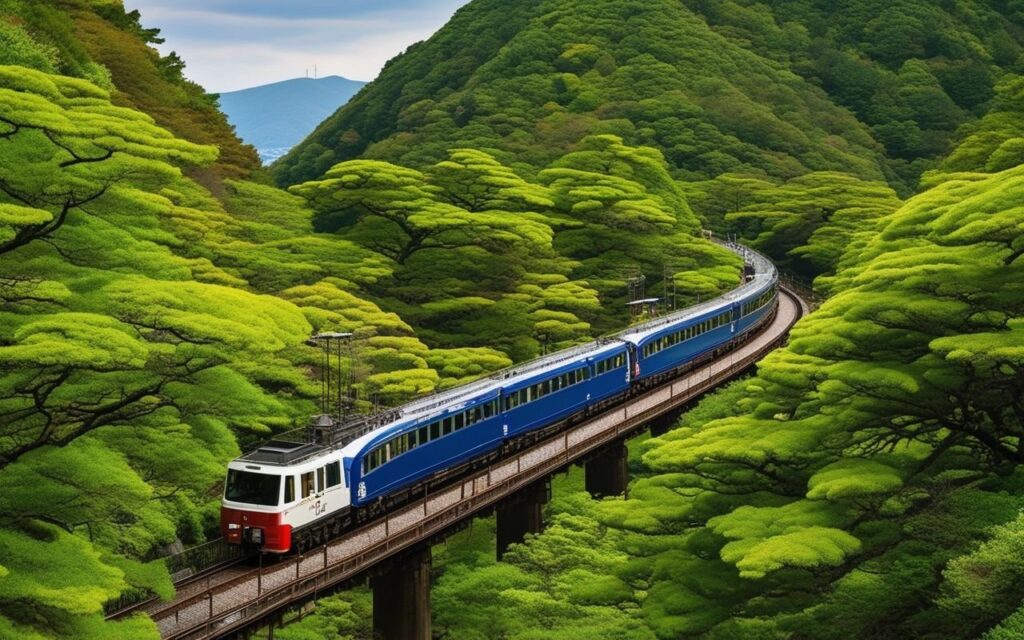
The Hakone Tozan Railway is Japan’s oldest mountain railway, offering stunning views as it climbs 453 meters through lush forest and switchback curves.
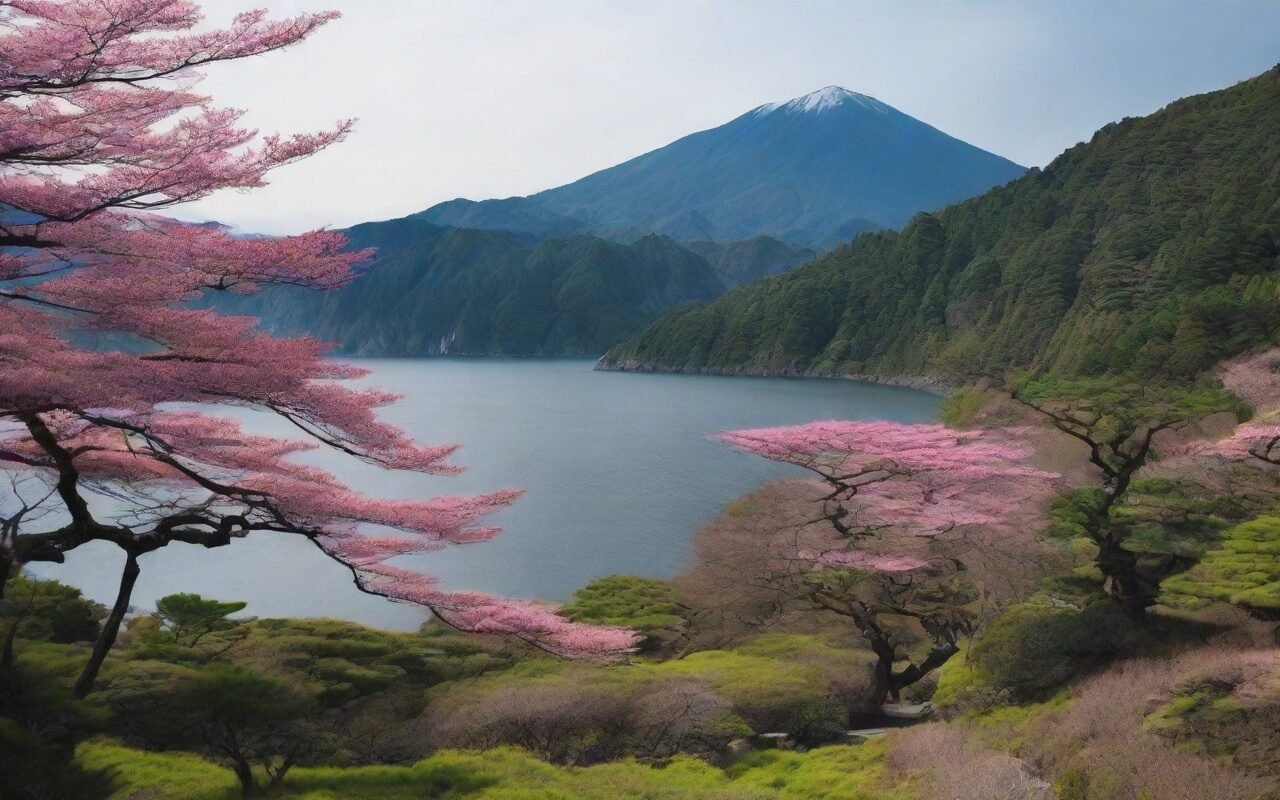
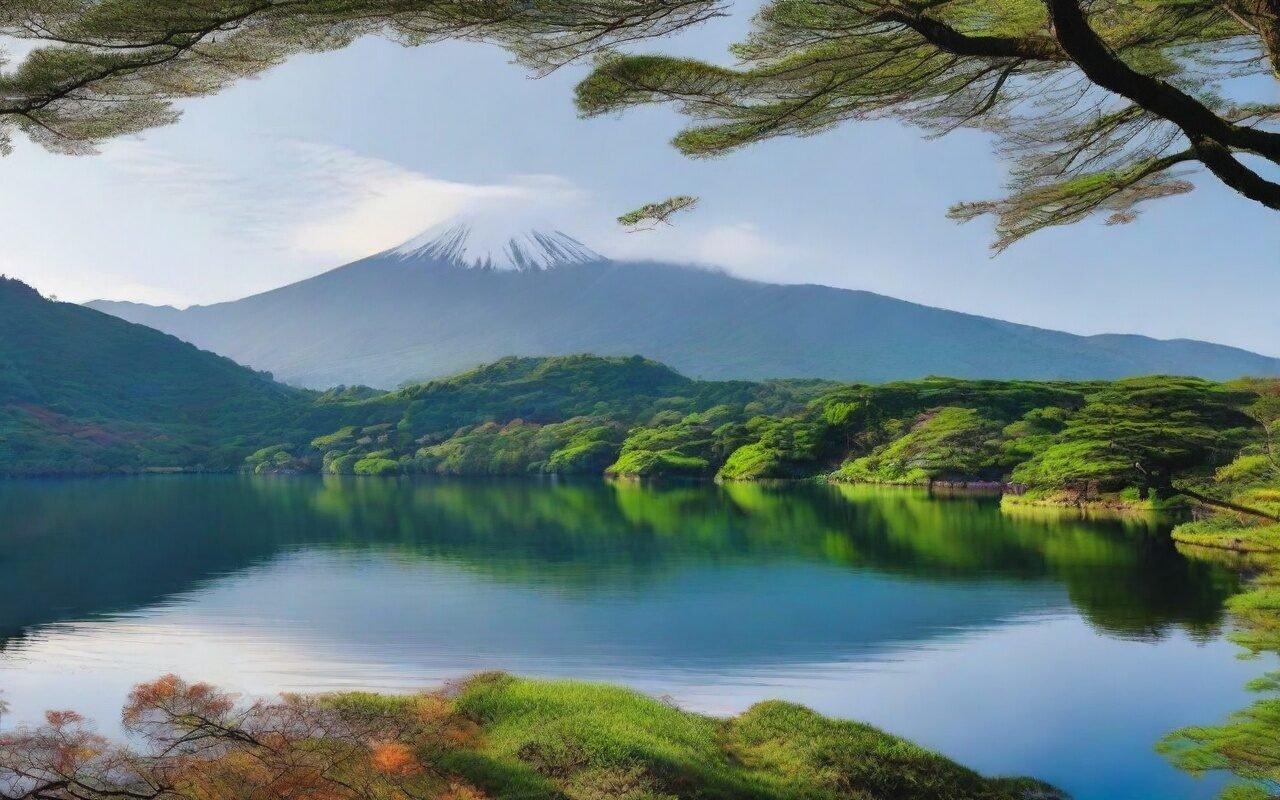
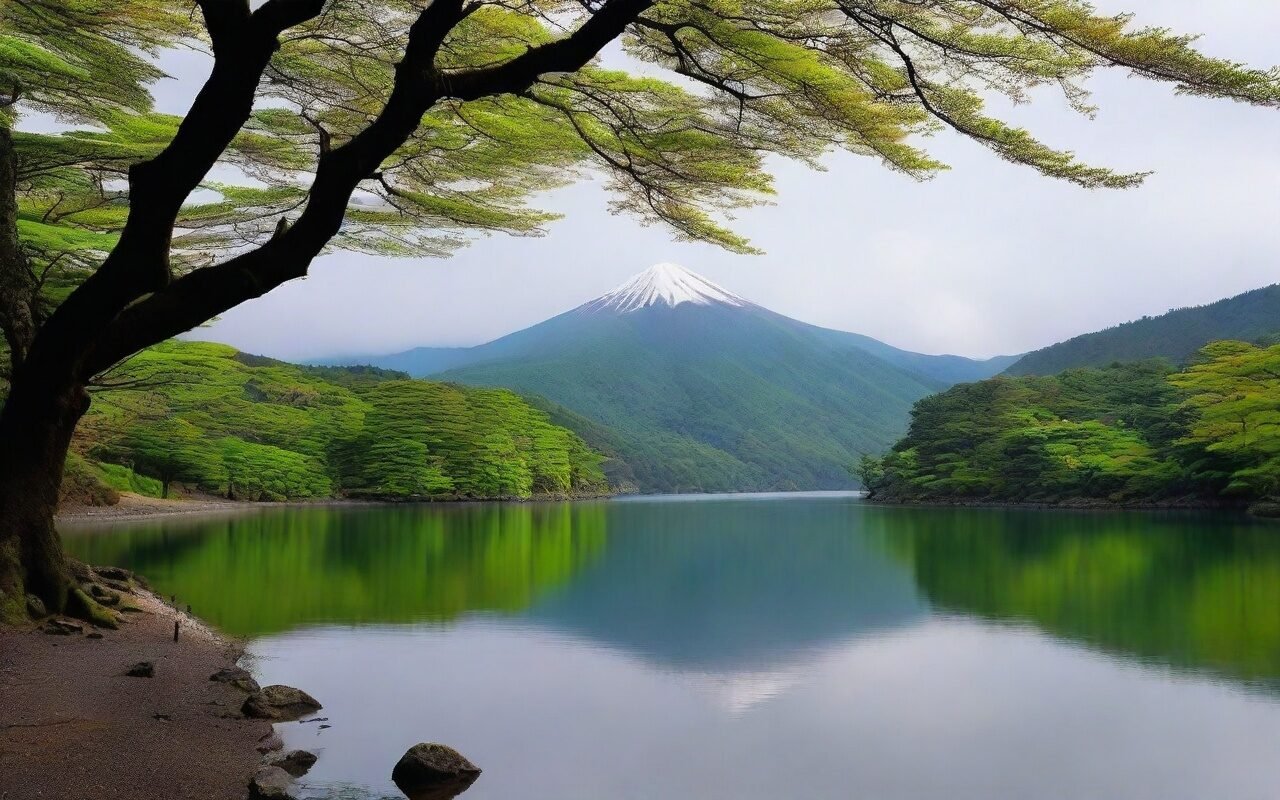
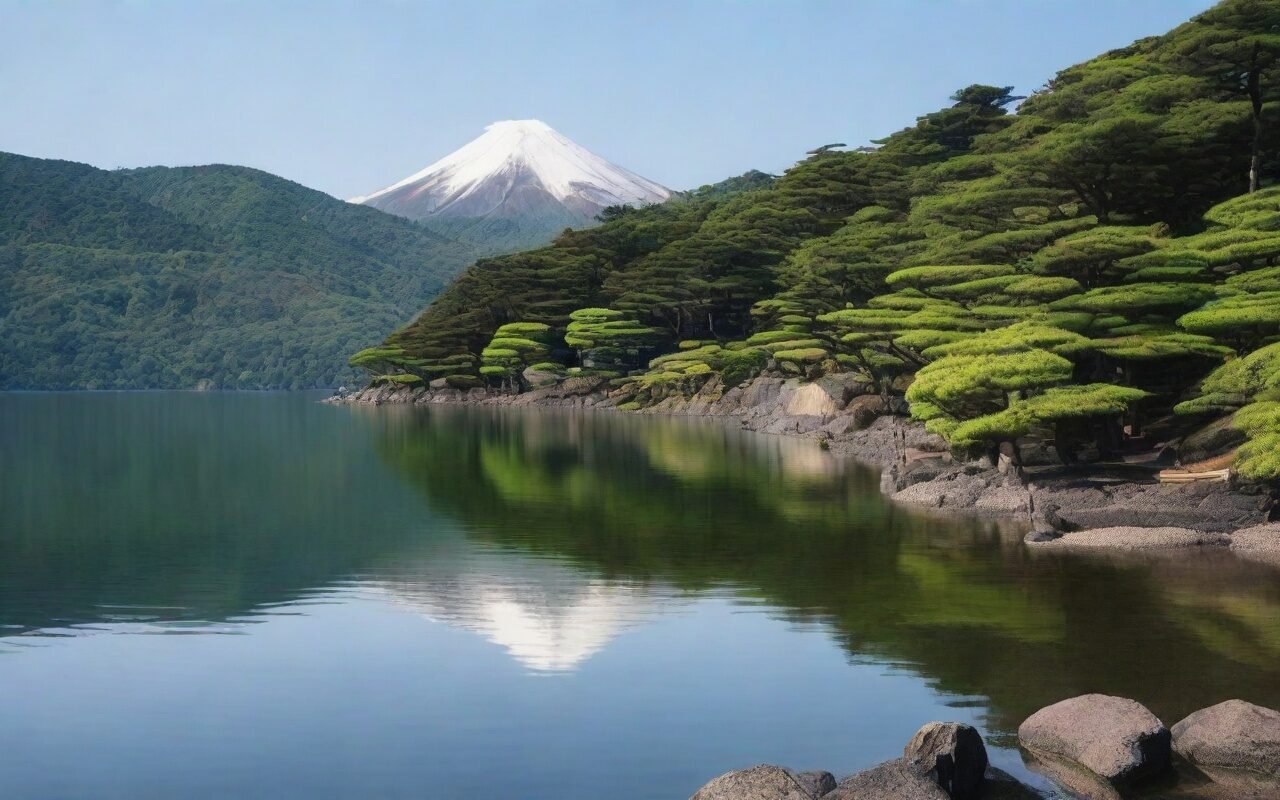
Lake Ashi (Ashinoko) is a scenic crater lake formed 3,000 years ago, where sightseeing pirate ships offer panoramic views of the surrounding landscape.
The Hakone Ropeway glides over the active Owakudani volcanic valley, famous for its sulfur vents and the legendary kuro-tamago (black eggs).
Detailed map showing Hakone’s transport loop — the integrated circuit of train, cable car, ropeway, and cruise that connects all major attractions.
Our taxi guide explains how to use taxis in Kanagawa, from hailing to payment.
Hakone is one of the most accessible mountain resorts from Tokyo, with multiple train and bus options connecting the area in about 1.5 hours. The journey itself is part of the experience — especially the scenic Odakyu Romancecar ride through the mountains.
From Tokyo
- Odakyu Romancecar: 85 minutes from Shinjuku to Hakone-Yumoto (¥2,470, reserved seat, direct) — the most scenic and comfortable option. See our Odakyu Romancecar guide for booking tips and seat recommendations.
- JR Shinkansen: 40 minutes to Odawara, then 15 minutes local train to Hakone-Yumoto (¥4,500, covered by JR Pass). Detailed route info in our how to get to Hakone from Tokyo guide.
- Highway Bus: 2–2.5 hours from Shinjuku to Hakone-Yumoto (¥1,800–2,500, budget-friendly)
Money-Saving Tickets
The Hakone Free Pass is the best value by far — covering round-trip transport from Tokyo plus unlimited local transport in Hakone for 2 days. Read our Hakone Free Pass ultimate guide for a full cost comparison, and our Hakone Free Pass guide for a quick overview.
| Ticket | Price | Coverage | Best For |
|---|---|---|---|
| Hakone Free Pass (Odakyu) | ¥5,140 from Shinjuku | Round-trip + unlimited Hakone transport (2 days) | Most visitors |
| Hakone Free Pass (from Odawara) | ¥4,000 | Unlimited Hakone transport (2 days) | JR Pass holders |
| Hakone Kamakura Free Pass | ¥5,140 | Hakone + Kamakura/Enoshima (3 days) | Multi-destination trips |
Getting Around Hakone
Hakone’s unique appeal is its integrated transport loop that connects all major attractions. The loop can be completed in either direction and takes about 3–4 hours without stops:
- Hakone Tozan Railway: Switchback train from Hakone-Yumoto to Gora (40 min, scenic mountain views). See our Hakone Tozan Railway guide for the best carriage positions and photo spots.
- Hakone Tozan Cable Car: Funicular from Gora to Sounzan (10 min, Japan’s steepest cable car)
- Hakone Ropeway: Aerial cable car from Sounzan to Togendai (30 min, panoramic views over Owakudani). Our Hakone Ropeway guide covers wait times, best photo spots, and weather tips.
- Hakone Sightseeing Cruise: Pirate ship across Lake Ashi (30 min, iconic Mount Fuji views). Check our Hakone Pirate Ship experience for the best boarding times and deck positions.
- Local buses: Connect all stations and attractions within the loop
📖 Deep dive: How to get to Hakone from Tokyo · Hakone Free Pass ultimate guide · Hakone Tozan Railway guide · Odakyu Romancecar guide · Hakone Ropeway guide · Hakone Pirate Ship experience
♨️ Onsen & Ryokan Guide
Hakone is synonymous with onsen. The area has seven distinct hot spring zones («Hakone Nanayu»), each with different water qualities ranging from clear alkaline waters to sulfur-rich acidic springs. For a complete introduction, see our Hakone onsen complete guide.
Day Trip Onsens (Under ¥2,000)
These facilities allow non-guests to bathe without staying overnight — perfect for day-trippers:
| Facility | Price | Hours | Access | Features |
|---|---|---|---|---|
| Tenzan Onsen | ¥1,300 | 7:00–26:00 | 10 min bus from Hakone-Yumoto | 10 indoor/outdoor baths, sauna |
| Hakone Yuryo | ¥2,200 | 10:00–21:00 | 15 min taxi from Hakone-Yumoto | Private outdoor baths, forest views |
| Hakone Kamonoyu | ¥1,500 | 10:00–20:00 | 5 min bus from Gora | Traditional wooden bathhouse |
For more options including hidden and less-crowded spots, see our Hakone day trip onsen and Hakone hidden hot springs guides.
Overnight Ryokan with Private Onsen
| Category | Property | Price/Night | Features |
|---|---|---|---|
| Luxury | Gora Kadan | From ¥50,000 | Former imperial villa, Michelin-starred dining |
| Luxury | Hakone Kowakien Ten-yu | From ¥40,000 | Modern luxury, multiple bath types |
| Mid-range | Hakone Suishoen | From ¥20,000 | Lake views, garden baths |
| Mid-range | Ryokan Kappa | From ¥15,000 | Traditional atmosphere, kaiseki dinner |
| Budget | Guesthouse Gora | From ¥8,000 | Social atmosphere, shared baths |
Onsen Etiquette
- No swimsuits — bathing nude is mandatory
- Wash thoroughly at shower stations before entering
- No towels in the bath — leave on the side or on your head
- Tie up long hair before entering
- No photography — strictly prohibited in bath areas
For a deeper understanding of onsen culture and rules, read our Hakone onsen culture & etiquette guide. If you have tattoos, check our advice on tattoo-friendly facilities in the Hakone onsen complete guide.
📖 Deep dive: Hakone onsen complete guide · Hakone day trip onsen · Hakone hidden hot springs · Hakone onsen culture & etiquette · What to wear in Hakone by season
🏛 Top Attractions
Hakone packs an extraordinary number of world-class attractions into a small area. Here are the must-see spots:
Owakudani (Great Boiling Valley)
Best for: Volcanic activity, black eggs, Mount Fuji views Discover Mt Fuji’s 5th Station, World Heritage Center & Owakudani volcanic valley on this scenic Hakone day trip
- Hours: 9:00–17:00 | Admission: Free (ropeway required)
- Access: Hakone Ropeway to Owakudani Station
- Highlight: Active volcanic valley with sulfur vents, Famous for «kuro-tamago» (black eggs) boiled in the hot springs — legend says eating one adds 7 years to your life! The volcanic activity creates an otherworldly landscape that is one of Hakone’s most iconic experiences.
Lake Ashi (Ashinoko)
Best for: Scenic cruises, Mount Fuji reflection, photography Explore Mt Fuji & Hakone on a full-day trip with sukiyaki lunch, Hakone Cruise, Ropeway & Shinkansen return
- Hours: 24/7 (cruises 9:00–17:00) | Cruise fee: ¥1,000
- Access: Hakone-machi or Moto-Hakone
- Highlight: A beautiful crater lake formed 3,000 years ago, Sightseeing «pirate ships» offer the best Mount Fuji photo opportunities, especially during clear winter mornings.
Hakone Shrine
Best for: Spiritual experience, iconic torii gate in water
- Hours: 9:00–17:00 | Admission: Free
- Access: 10 min walk from Moto-Hakone bus stop
- Highlight: Historic Shinto shrine with a red torii gate standing in Lake Ashi — one of the most photographed spots in Kanagawa and a must-visit for anyone exploring the Lake Ashi area.
Hakone Open-Air Museum
Best for: Art, sculpture, outdoor experience, family-friendly
- Hours: 9:00–17:00 | Admission: ¥1,600
- Access: 2 min walk from Chokoku-no-Mori Station
- Highlight: Japan’s first open-air museum featuring 120+ sculptures by Picasso, Henry Moore, and more in a beautiful natural setting. Includes a foot bath with mountain views — one of the best family-friendly Hakone activities.
Pola Museum of Art
Best for: Impressionist paintings, scenic forest location
- Hours: 9:00–17:00 | Admission: ¥1,800
- Access: Bus from Gora or Sengokuhara
- Highlight: Houses one of Japan’s finest collections of Impressionist and modern art (Monet, Renoir, Picasso) set within a stunning forest-framed building. Part of our best museums in Hakone selection.
Hakone Checkpoint (Sekisho)
Best for: History, Edo-period artifacts, samurai-era travel
- Hours: 9:00–17:00 | Admission: ¥500
- Access: 15 min walk from Moto-Hakone bus stop
- Highlight: A meticulously restored Edo-period checkpoint on the old Tokaido road, Fascinating exhibits on samurai-era travel between Edo and Kyoto. See our Hakone checkpoint history and Hakone sekisho history guide for the full story.
📖 Deep dive: Best museums in Hakone · Hakone Ropeway guide · Hakone Pirate Ship experience · Family-friendly Hakone activities · Hakone checkpoint history · Hakone sekisho history guide
🚡 Hakone Ropeway & Transport Loop
The Hakone transport loop is an attraction in itself. The combination of historic railway, steepest cable car in Japan, aerial ropeway over a volcano, and pirate ship cruise is unique worldwide.
The Complete Loop (3–4 hours)
-
Hakone Tozan Railway (Hakone-Yumoto → Gora, 40 min): This historic switchback train climbs 453 meters through lush forest, using three switchbacks to navigate the steep terrain. Sit on the right side (direction Gora) for the best views. Full guide →
-
Hakone Tozan Cable Car (Gora → Sounzan, 10 min): Japan’s steepest funicular with a 200-meter elevation gain. The upper section offers previews of the volcanic landscape ahead.
-
Hakone Ropeway (Sounzan → Togendai, 30 min): The highlight of the loop. This aerial cable car crosses over Owakudani’s active volcanic valley, offering stunning panoramas of sulfur vents on clear days. On very clear days, Mount Fuji appears directly ahead. Full guide →
-
Hakone Sightseeing Cruise (Togendai → Hakone-machi, 30 min): The famous «pirate ships» cross Lake Ashi with Mount Fuji as a backdrop. The lower deck is enclosed and heated; the upper deck offers 360-degree views but is windy. Full guide →
Pro Tips
- Direction matters: Going clockwise (train first, ropeway second) is more popular and has shorter morning queues at the ropeway
- Weather check: The ropeway closes in high winds or poor visibility. Check the official website before heading out
- Best time: Start by 8:30 AM to complete the loop comfortably and avoid the worst crowds
- Free Pass: All transport in the loop is covered by the Hakone Free Pass
📖 Deep dive: Hakone Ropeway guide · Hakone Tozan Railway guide · Hakone Pirate Ship experience · Hakone Free Pass ultimate guide
🥾 Hiking & Nature
Beyond the main attractions, Hakone offers excellent hiking trails and natural experiences that many visitors miss.
Hiking Trails
- Beginner — Lake Ashi Shore Walk: Flat 4 km path from Moto-Hakone to Hakone-machi (1 hour, easy). Perfect for families and casual walkers.
- Beginner — Old Tokaido Road: Historic paved trail lined with ancient cedar trees between Moto-Hakone and Hakone-machi (40 min, flat). Part of the original Edo-period highway.
- Intermediate — Hakone Hiking Trails: Forest trails with mountain views connecting areas like Sengokuhara and Owakudani. See our Hakone hiking trails for beginners guide for route maps and difficulty ratings.
- Advanced — Mount Kamiyama: Challenging 4-hour trek from Gora with panoramic summit views. Requires proper hiking gear and preparation.
Nature & Conservation
Hakone’s unique volcanic ecosystem is home to rare alpine plants and wildlife. The area is part of the Fuji-Hakone-Izu National Park, and several conservation programs protect its natural heritage. Read about Hakone nature conservation for eco-friendly travel tips.
Seasonal Highlights
- Spring: Cherry blossoms along Lake Ashi, hiking season begins, fresh greenery at the Open-Air Museum
- Summer: Lake Ashi cruises, fireworks displays, higher hiking trails open, lush green landscapes
- Autumn: Spectacular foliage at the Open-Air Museum, along the ropeway, and at Lake Ashi (peak: early to mid-November)
- Winter: Clearest Mount Fuji views of the year, onsen season at its best, fewer crowds
📖 Deep dive: Hakone hiking trails for beginners · Hakone nature conservation · What to wear in Hakone by season · Hakone 2 days 1 night itinerary
🍜 Food & Drink Guide
Hakone’s food scene combines traditional mountain cuisine with fresh local specialties. The region is particularly known for its yuba (tofu skin), freshwater fish, and kuro-tamago (black eggs).
Must-Try Foods
- Yuba (Tofu Skin) — Hakone’s most famous specialty. Served fresh (raw with soy sauce and wasabi) or in hot pot dishes at local restaurants. Our Hakone yuba cuisine guide covers the best restaurants and what to order.
- Kuro-tamago — Black eggs boiled in Owakudani’s sulfuric hot springs. Sold exclusively at Owakudani — a fun souvenir and a Hakone rite of passage.
- Hakone soba — Buckwheat noodles with mountain vegetables. Many restaurants in the Gora area serve excellent soba with views.
- Local sake — Brewed with Hakone’s pure spring water. Try a tasting set at any mid-range ryokan.
- Hakone souvenirs & local specialties — From yuba-based products to local confections, our souvenirs guide covers the best places to shop.
Cafes & lesser-known spots
Hakone has a growing cafe culture, with many hidden cafes tucked away in the mountains — perfect for a break between sightseeing. Explore our Hakone hidden cafes guide for the best spots with mountain views and specialty coffee.
📖 Deep dive: Hakone yuba cuisine guide · Hakone hidden cafes · Hakone souvenirs & local specialties · What to wear in Hakone by season
🎭 Culture & History
Hakone’s history as a crossroads on the Tokaido road gives it a unique cultural heritage that complements its natural attractions.
The Tokaido Road & Hakone Checkpoint
During the Edo period (1603–1867), the Tokaido highway connecting Edo (Tokyo) and Kyoto passed through Hakone. The Hakone Checkpoint (Sekisho) controlled all traffic on this vital route, inspecting travelers for weapons and preventing the movement of samurai wives (a political hostage system). The restored checkpoint offers a fascinating window into Edo-period travel. See our Hakone checkpoint history and Hakone sekisho history guide for detailed exploration.
Onsen Culture
Hakone’s hot spring culture dates back over 1,200 years. The seven traditional hot spring zones (Hakone Nanayu) each developed around different water sources, creating distinct bathhouse cultures. The practice of «toji» (hot spring therapy) was historically prescribed by doctors, and Hakone’s springs were known for their healing properties. Read our Hakone onsen culture guide for the complete cultural background.
📖 Deep dive: Hakone checkpoint history · Hakone sekisho history guide · Hakone onsen culture
🗺 Sample Itineraries
Day Trip from Tokyo (8 hours)
| Time | Activity |
|---|---|
| 7:30 AM | Depart Shinjuku on Odakyu Romancecar |
| 9:00 AM | Arrive Hakone-Yumoto, purchase Hakone Free Pass |
| 9:30 AM | Hakone Tozan Railway to Gora |
| 10:30 AM | Hakone Open-Air Museum (1.5 hours) |
| 12:00 PM | Lunch in Gora area (soba or yuba) |
| 1:00 PM | Cable car to Sounzan, then Ropeway over Owakudani |
| 2:00 PM | Ropeway to Togendai, Pirate Ship across Lake Ashi |
| 3:00 PM | Hakone Shrine (30 min walk from Hakone-machi) |
| 4:00 PM | Return bus to Hakone-Yumoto |
| 5:30 PM | Romancecar back to Shinjuku |
Budget: Approximately ¥10,000–12,000 per person (Free Pass + lunch + museum admission)
Weekend Itinerary (2 Days, 1 Night)
See our full Hakone 2 days 1 night itinerary for a detailed weekend plan including ryokan stay, kaiseki dinner, and optimal sightseeing sequence.
Budget-Friendly Options
Hakone can be expensive, but strategic planning significantly reduces costs. Read our Hakone on a budget guide for money-saving tips including: booking the Free Pass, choosing day-trip onsens under ¥2,000, and bringing packed lunches.
📖 Deep dive: Hakone 2 days 1 night itinerary · Hakone on a budget guide · Hakone day trip onsen · Hakone crowd avoidance
💡 Travel Tips & FAQ
Crowd Avoidance
Hakone is busiest on weekends, holidays, and during autumn foliage season (November). Visit on weekdays Tuesday–Thursday for the best experience. The ropeway can have 60+ minute waits on busy weekends. See our Hakone crowd avoidance guide for specific timing recommendations.
Onsen Tips
- Tattoos: Many onsens prohibit tattoos. Look for «tattoo-friendly» facilities or book a private bath
- Best time: Early morning (8–10 AM) for fewer crowds at day-trip onsens
- Hydrate: Drink water or milk after bathing — it’s a Japanese tradition
- What to bring: Small towel (rental available), toiletries provided
WiFi & Connectivity
Free WiFi is available at major stations and tourist information centers. Mountain areas (Owakudani, ropeway) have limited connectivity. Consider a prepaid eSIM for reliable data. Read our Japan eSIM guide and Kanagawa WiFi spots for connectivity options.
What to Pack
- Comfortable walking shoes — many paths are uneven mountain terrain
- Layers — temperature drops significantly at higher elevations (5–10°C cooler than Tokyo)
- Rain gear — especially June–September (rainy season)
- Small towel — for day-trip onsens (or rental available)
- Camera — Mount Fuji views are photo opportunities not to be missed
Frequently Asked Questions
Q: Do I need the Hakone Free Pass?
A: Yes — it covers round-trip transport from Tokyo plus all local transportation in Hakone (train, cable car, ropeway, bus, sightseeing cruise). It saves 20–30% compared to buying individual tickets.
Q: Can I visit Hakone as a day trip from Tokyo?
A: Yes, but staying overnight allows you to experience onsen properly and relax. A day trip gives you 5–6 hours in Hakone — enough for the ropeway + pirate ship loop. For a full day plan, see our day trip itinerary above.
Q: Is Hakone accessible with a JR Pass?
A: Yes, take the Shinkansen to Odawara Station, then transfer to the local Hakone Tozan Railway. Note that the Hakone Free Pass is a separate purchase.
Q: When is the best time to see Mount Fuji from Hakone?
A: Winter months (November–February) offer the clearest views — up to 70% visibility. Summer and rainy season (June–July) often have clouds obscuring the mountain. Early morning (before 10 AM) offers the best chance year-round.
Q: What is the difference between Hakone Free Pass and Hakone Kamakura Free Pass?
A: The regular Hakone Free Pass covers 2 days in Hakone only. The Kamakura version adds 3 days with Kamakura/Enoshima access — perfect for combining both areas in one trip.
Whether soaking in a forest rotemburo or enjoying a modern toji retreat, Kanagawa’s hot springs offer genuine relaxation in settings that range from rustic to refined.
Conclusion
exploring Hakone for its onsen can be as relaxed or as packed as you want it to be, and I have found that the best visits leave room for both planning and spontaneity. During my visit to Hakone I went with a rough plan and found that leaving room to wander made the trip far more memorable. Use this guide to sort out the logistics in advance, then let the day surprise you — Kanagawa rewards travelers who stay curious.