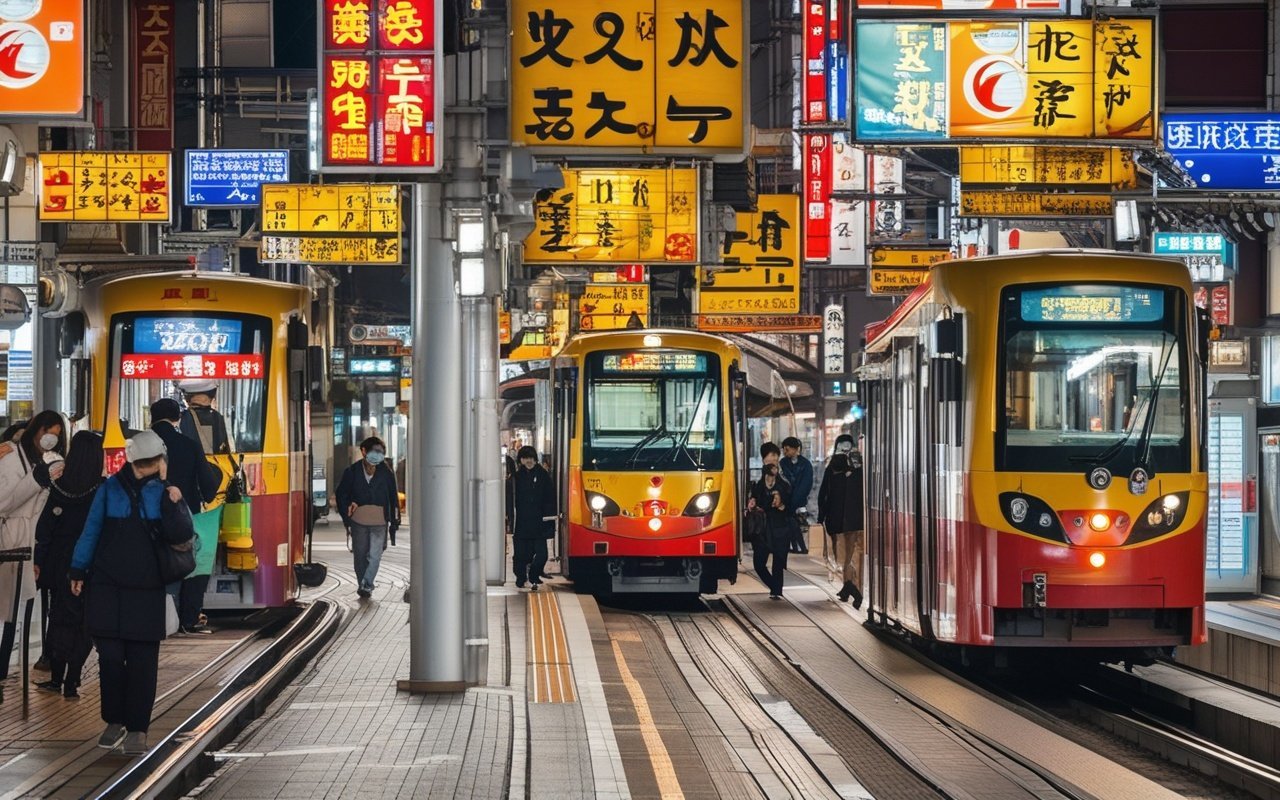
Kanagawa Safety Tips for Tourists 2026 — Staying Safe in Kanagawa
Overview
General Safety in Kanagawa
Crime Statistics Context
Kanagawa has one of the lowest crime rates among Japan’s prefectures:
- Violent crime: 0.3 incidents per 100,000 people (vs. 3.7 in the US)
- Petty theft: 1.2 incidents per 100,000 people (vs. 20+ in major European cities)
- Pickpocketing: Rare, but watch out in crowded trains and festivals
Neighborhood Safety Ratings
| Area | Daytime Safety | Night Safety | Notes |
|---|---|---|---|
| Yokohama (Minato Mirai) | ★★★★★ | ★★★★☆ | Well-lit, tourist-friendly |
| Yokohama (Kannai) | ★★★★★ | ★★★★☆ | Business area quiet at night |
| Yokohama (Isezaki-cho) | ★★★★☆ | ★★★☆☆ | fun district, some touts |
| Kamakura | ★★★★★ | ★★★★☆ | Very safe, quiet at night |
| Hakone | ★★★★★ | ★★★★☆ | Resort area, very safe |
| Kawasaki (Station area) | ★★★★☆ | ★★★☆☆ | Busy station, some touts at night |
| Shonan Beaches (summer) | ★★★★☆ | ★★★☆☆ | Crowds attract some petty crime |
| Yokosuka (Dobuita St) | ★★★★☆ | ★★★☆☆ | Military area, some late-night noise |
Public Transport Safety
On Trains
- Keep bags zipped — mostly during rush hour (7:30-9:00 AM and 5:00-7:00 PM)
- Use luggage racks wisely — keep smaller bags at your feet on crowded trains
- Watch for chikan (gropers) — women-only carriages are available during morning rush hour (marked with pink signs)
- Follow platform markings — for faster boarding and smoother crowd flow
- Stay behind the yellow line — mostly on busy commuter lines
At Stations
- Beware of stairs — station stairs can be steep and crowded
- Use escalator etiquette — stand on one side, walk on the other (left in Kanagawa)
- Store luggage in coin lockers — they are monitored and safer than leaving bags unattended
- Never leave bags unattended — it creates security concerns and may result in police involvement
Scam Awareness
Common Scams in Kanagawa
While scams targeting tourists are less common in Kanagawa than in major tourist hubs like Tokyo or Kyoto, be aware of:
| Scam | How It Works | Prevention |
|---|---|---|
| Overpriced drinks | Touts outside clubs/bars invite you to a “members-only” bar with inflated charges | Only go to venues you researched; avoid touts |
| Temple donation pressure | Someone asks for a “donation” at a temple entrance | Donate only at official offering boxes; official temples have clearly marked donation areas |
| Taxi overcharging | Unmetered taxi or driver takes long route | Only use licensed taxis with illuminated meters (all official taxis in Kanagawa use meters) |
| Fake police | Someone claiming to be police asks to check your wallet for counterfeit money | Real Japanese police carry badges and will never ask to handle your wallet |
Pickpocket Prevention
- In crowds: Keep wallet in front pocket or a zipped bag
- At festivals: Use a money belt for valuables
- On trains: Avoid using your phone near doors during rush hour
- In restaurants: Do not hang bags on the back of your chair
Night Safety
Safe Night Activities
Kanagawa has vibrant but safe night-life options:
- Yokohama’s Minato Mirai — great lighting, family-friendly
- Noge (野毛) — Yokohama’s drinking district, generally safe but stay on main streets
- Kannai — quiet evenings, good for walks along the waterfront
- Kamakura — very safe but many shops close early (8:00 PM); Komachi-dori is well-lit until late
Night Safety Tips
- Stick to well-lit main streets — mostly in fun districts
- Walk confidently — even if you are lost, looking confident deters unwanted attention
- Avoid dark parks after sunset — while rare, incidents are most likely in poorly lit areas
- Keep your phone charged — for maps and emergency calls
- Know the last train — missing the last train can leave you stranded; the last trains in Kanagawa run until about midnight (12:00-12:30 AM)
- Use official taxis — ride-hailing apps (GO. Uber) are available and safer than hailing street taxis late at night
Solo Traveler Safety
Kanagawa is an great destination for solo travelers, including solo female travelers. The prefecture ranks among Japan’s safest for solo tourists.
For Solo Travelers
- Choose central lodging — hotels near Yokohama Station or Kamakura Station are well-found and safe
- Join organized tours — good way to explore while meeting other travelers
- Use hotel concierge — hotel staff can recommend safe routes and activities
- Visit popular spots during daytime — Yamashita Park, and Enoshima are all safe and better experienced during daylight hours
- Trust your instincts — if an area feels uncomfortable, leave
Family Safety
- Children are welcome everywhere — Japanese people are generally very child-friendly
- Use family restrooms — available at most train stations and shopping centers
- Keep children close in crowds — mostly at festivals and during holiday periods
- Most tourist areas are stroller-friendly — though Kamakura’s Komachi-dori can be crowded on weekends
Emergency Numbers Card
Print or save this:
🚨 KANAGAWA EMERGENCY CARD 🚨

Police: 110
Ambulance/Fire: 119
English Police Hotline: 045-211-1100
Japan Helpline (English): 0570-000-911 Hotel: [Write your hotel name]
Hotel Phone: [Write hotel phone]
Hotel Address: [Write hotel address] Embassy: [Your embassy phone]
Frequently Asked Questions
Q: How can I stay informed during an emergency in Japan?
A: Download the Safety Tips app by the Japan Tourism Agency for earthquake and tsunami warnings in English. Register with your embassy for emergency notifications. NHK World provides English-language disaster coverage. Most mobile phones in Japan receive emergency alerts automatically (J-ALERT) with English text. Q: What are the most important emergency numbers?
A: Dial 110 for police and 119 for ambulance or fire services. English-speaking operators are available 24/7. For non-emergency police help, visit a koban (police box) — there are over 6,000 in Kanagawa. The Japan Helpline (0570-000-911) offers 24/7 English support for tourists. Q: Where are emergency shelters in Kanagawa?
A: Emergency shelters (hinanjo) are found at schools, community centers, and public halls. The Safety Tips app shows the nearest shelter on a map. Major evacuation centers include Yokohama Arena (capacity 17,000) and Yokohama International Stadium (72,000). Yellow and green signs mark shelter locations throughout the city. Q: What should I include in my emergency kit?
A: Carry a small day-bag with: water bottle, copy of passport and hotel address in Japanese, and ¥10,000-20,000 in small bills. Convenience stores stock emergency supplies, During typhoon season (June-October), also pack a rain jacket and waterproof bag for electronics. Q: Is travel insurance recommended for Kanagawa?
A: Yes, comprehensive travel insurance is strongly recommended. It covers medical emergencies (including hospital visits), trip cancellation, lost luggage, and emergency evacuation. Some Japanese hospitals need upfront payment or proof of insurance before treatment. Keep your insurance card and a digital copy of your policy accessible at all times. . .
Final Thoughts
Kanagawa Safety Tips for Tourists 2026 —… is your starting point for exploring this part of Kanagawa. With these practical tips, you’ll navigate Kanagawa with confidence and enjoy a smooth travel time. For more guides, check out our other articles covering Hakone, Kamakura, Yokohama, Shonan, and the Miura Peninsula. —
How to Get There
Most locations in this guide are accessible from central Tokyo within 60-90 minutes by train. The JR lines and private railways connect major stations efficiently. For real-time routes, use Google Maps or Japan Travel by Navitime. Consider purchasing an IC card (Suica/Pasmo) for seamless travel across all train and bus lines.
When to Go
Each season in Kanagawa offers a different experience. Spring brings cherry blossoms and mild weather. Summer is beach season with festivals and fireworks. Autumn offers stunning fall foliage and comfortable temperatures. Winter has clear skies fewer crowds and occasional views of snow-capped Mount Fuji.
What to Expect
Visiting Kanagawa as a tourist offers a blend of urban convenience and natural beauty. Most attractions are within a 10-15 minute walk from train stations, with clear English signage at major locations. You’ll find convenience stores (konbini) every few blocks for snacks, drinks, and ATM access. Public restrooms are available at stations and parks, though some older facilities may lack Western-style toilets. The area is generally very safe, even at night, but staying aware of your surroundings is always wise.
Nearby Recommendations
If you have extra time, the surrounding area offers several worthwhile additions to your itinerary. Local tourist information centers can provide maps and suggestions for combining nearby attractions into an efficient route. Many areas offer combination tickets that save money compared to buying individual admission tickets. Consider extending your stay to explore neighboring towns and villages.
Local Tips
For the best experience, locals suggest exploring side streets away from the main tourist areas. Some of the best restaurants and shops are hidden down narrow alleys. Ask your accommodation staff for their personal recommendations – they often know the best local spots not found in guidebooks. If you see a line of locals waiting outside a restaurant, join it – it’s usually worth the wait.n
Conclusion
Whether you are planning exploring Kanagawa for the first time or returning for another visit, taking a little extra time to go beyond the obvious sights makes all the difference. During my visit I went with a rough plan and found that leaving room to wander made the trip far more memorable. I hope this guide helps you build an itinerary that fits your pace, and that your time in Kanagawa leaves you with memories worth coming back for.