Overview
📍 Location
Yokohama Bay offers spectacular cruise experiences with Tokyo skyline, Rainbow Bridge, views, and historic harbor. This guide covers all cruise options, from budget harbor tours to luxury dinner cruises.
1. Harbor Tour Cruise (Port)
Best Value: Comprehensive harbor tour Duration: 45-60 minutes
Price: ¥1,600 (adult), ¥800 (child)
Frequency: Every 30-60 min (10:00-18:00)
Departure: Yokohama Pier (from Sakuragicho Station)
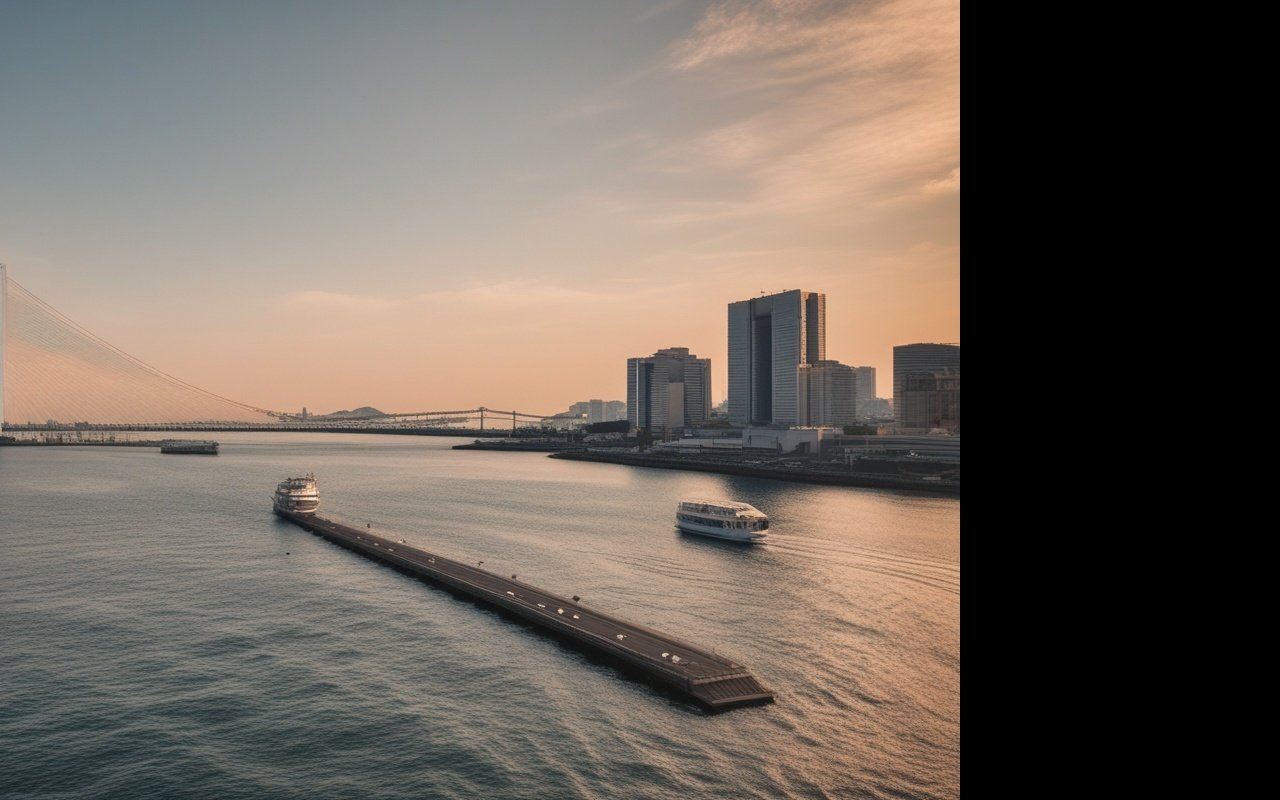
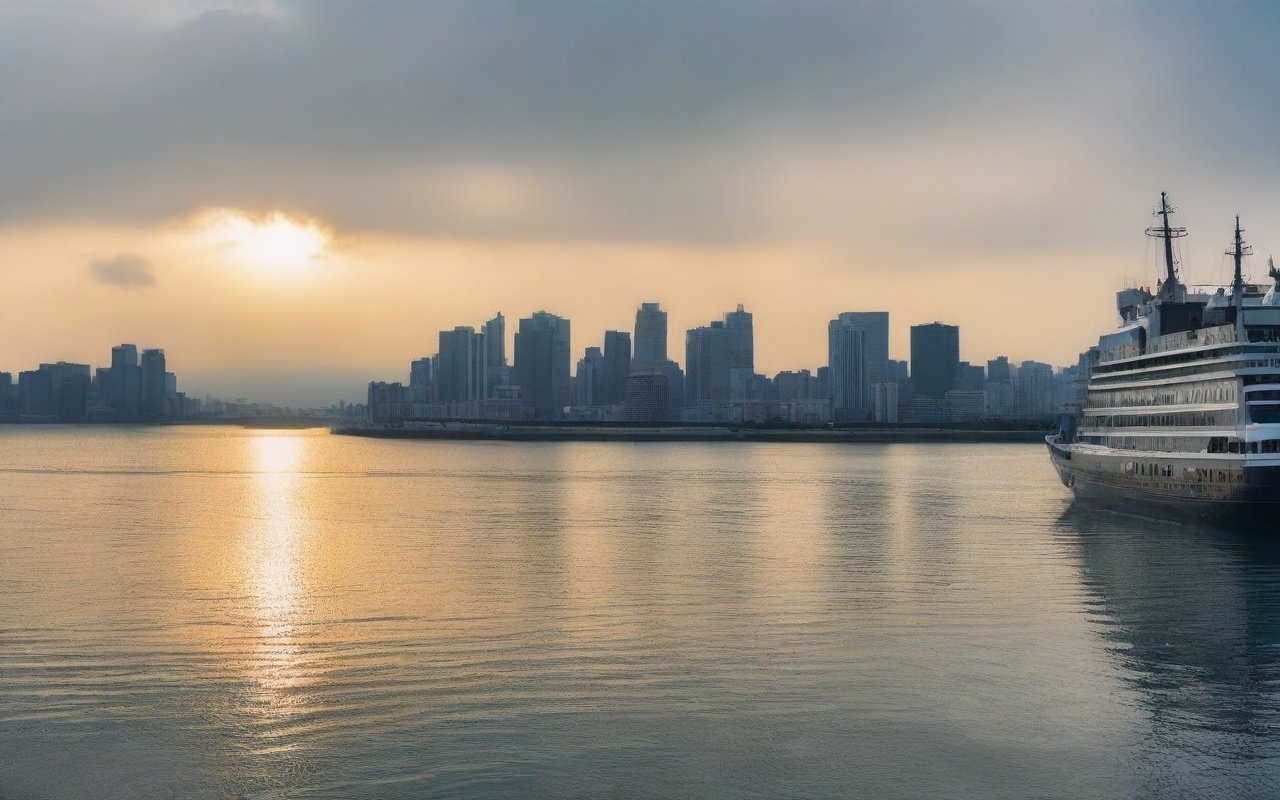
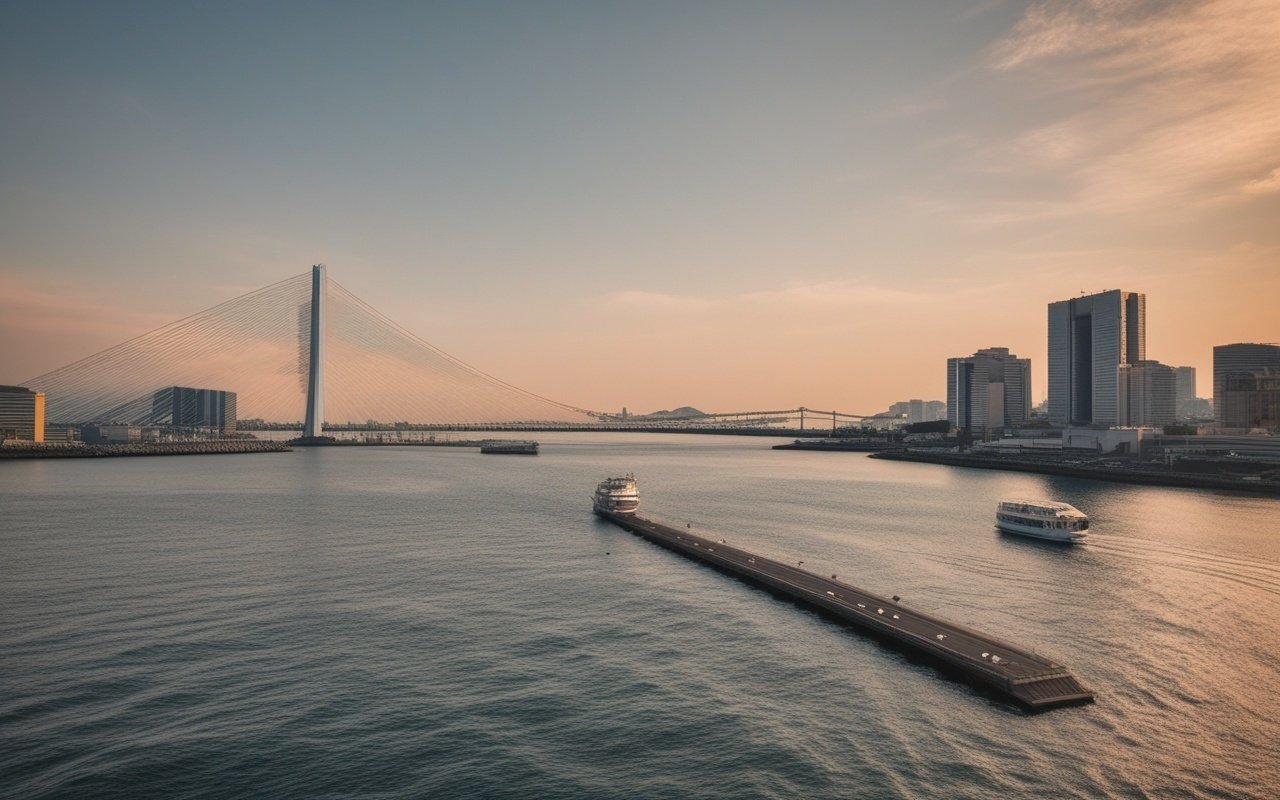
Language: Japanese (audio guide), English pamphlet Route Highlights:
- Yokohama Port: Historic harbor (160 years)
- Minato Mirai: Modern skyline
- Red Brick Warehouse: Historic buildings
- Cosmo World: Ferris wheel, amusement park
- Bay Bridge: Tokyo Bay suspension bridge
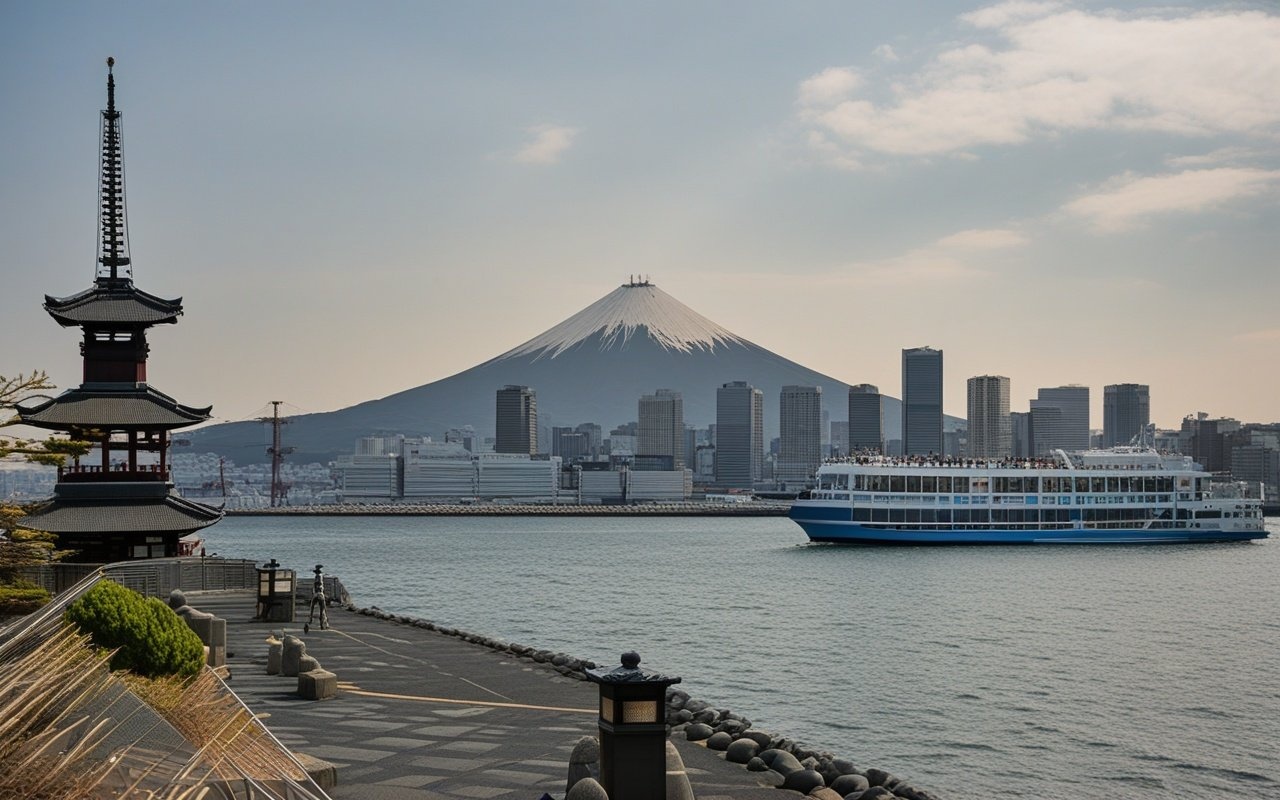
- Mount Fuji: Visible on clear days (winter best)
Boat Features:
- Seating: Indoor (air-conditioned) + Outdoor deck
- Restrooms: Available on board
- Snack Bar: Drinks, light snacks (¥300-800)
- Accessibility: Wheelchair accessible (elevators)
Best Time:
- Daytime: 11:00-15:00 (best light, views)
- Sunset: 16:00-18:00 (golden hour, city lights)
- Avoid: Rainy days (poor visibility)
Photography:
- Best Spot: Outdoor deck (unobstructed views)
- Settings: f/8, 1/250s, ISO 200 (daytime)
- Lens: 24-70mm (versatile), 70-200mm ( compression)
2. Sunset Cruise (Various)
Most Romantic: Golden hour + city lights Duration: 90 minutes
Price: ¥2,500-4,000 (adult)
Schedule: Daily (departure varies by season)
Departure: Yokohama Pier or Osanbashi Pier
Language: Japanese, some English
Experience:
- Sunset: Watch from water (spectacular)
- City Lights: Tokyo skyline illuminates
- Rainbow Bridge: Lit up in colors
- Mount Fuji: Sometimes visible (before sunset)
Included:
- Welcome Drink: Champagne or soft drink
- Snacks: Light appetizers
- Music: Live or DJ (relaxing atmosphere)
- Seating: Indoor + outdoor deck Best Time:
- Season: Year-round (covered deck)
- Best: October-March (clearest air)
- Arrive: 30 min before departure (check-in)
Dress Code:
- Smart Casual: No shorts, flip-flops
- Layers: Deck can be windy (bring jacket)
- Shoes: Comfortable (some walking)
3. Dinner Cruise (Dinner)
Most Luxurious: Fine dining + views Duration: 2-3 hours
Price: ¥10,000-25,000 (adult)
Schedule: Daily (18:00 or 19:00 departure)
Departure: Osanbashi Pier (premium terminal)
Language: Japanese, English menu available
Dining Options:
French Course (¥15,000-25,000):
- Appetizer: Foie gras, caviar
- Soup: Lobster bisque
- Fish: Sea bass, seasonal catch
- Meat: Wagyu beef or lamb
- Dessert: Chocolate soufflé
- Wine: Pairing available (¥5,000 extra)
Japanese Course (¥12,000-20,000):
- Appetizer: Sashimi, seasonal delicacies
- Soup: Miso soup with crab
- Fish: Grilled fish (premium)
- Meat: Teppanyaki wagyu
- Rice: Sushi or tempura
- Dessert: Matcha parfait
- Sake: Premium selection (¥3,000-10,000)
Italian Course (¥10,000-18,000):
- Appetizer: Carpaccio, bruschetta
- Pasta: Fresh seafood pasta
- Fish: Grilled fish
- Meat: Osso buco or chicken
- Dessert: Tiramisu
- Wine: Italian selection
Boat Features:
- Restaurant: Full-service dining
- View: Panoramic windows
- Deck: Outdoor viewing (between courses)
- Music: Live piano or recorded
- Dress Code: Smart casual to formal
4. Lunch Cruise (Lunch)
Best Value: Daytime dining + views Duration: 2 hours
Price: ¥5,000-10,000 (adult)
Schedule: Daily (11:00 or 12:00 departure)
Departure: Osanbashi Pier
Dining:
- Style: Buffet or set menu
- Cuisine: French, Japanese, Chinese options
- Quality: High (comparable to dinner)
- View: Daytime harbor views
Advantages:
- Price: 50% less than dinner cruise
- Light: Better photography (natural light)
- Mount Fuji: More visible (daytime)
- Casual: Less formal dress code
5. Private Charter (Various)
Most Exclusive: Customize your experience Duration: 2-4 hours (flexible)
Price: ¥100,000-500,000 (entire boat)
Capacity: 20-100 people (depends on boat)
Departure: Flexible (Yokohama or Tokyo)
Customization:
- Catering: Choose menu (full customization)
- Route: Customize sights
- Entertainment: DJ, live band, MC
- Decorations: Flowers, balloons, banners
Occasions:
-
Weddings: Floating wedding ceremony
-
Corporate: Team building, client entertainment
-
Parties: Birthday, celebration
-
Filming: Movie, commercial shoots
1. Yokohama Bay Cruise (Yokohama) Largest Operator: Most frequent departures
-
Boats: 5 vessels (various sizes)
-
Routes: Harbor tour, sunset, dinner
-
Price: ¥1,600-25,000
-
Frequency: Every 30-60 min
-
Languages: Japanese, English (limited)
-
Website: www.yokohama-cruise.jp
Fleet:
-
Harbor Queen: Largest (500 passengers)
-
French Ship: Elegant (dinner cruises)
-
Sunset Princess: Romantic (sunset cruises) Booking:
-
Online: Website (English available)
-
Phone: Use each operator’s official website or on-site signage; numbers change frequently and are not listed here.
-
Walk-up: Available (subject to availability)
-
Cancellation: Free up to 24 hours before
2. Royal Wing (Various) Premium Operator: Luxury focus
-
Boats: 3 luxury vessels
-
Routes: Dinner, lunch, private charter
-
Price: ¥10,000-50,000
-
Quality: High-end dining
-
Service: Attentive, professional
Flagship: Royal Wing II (200 passengers)
-
Restaurant: French fine dining
-
View: Panoramic windows
-
Deck: Outdoor viewing area
-
Music: Live piano
3. Hotaru-na (Various) Intimate Operator: Small boat experience
-
Boats: 2 small vessels (50-80 passengers)
-
Routes: Sunset, harbor tour
-
Price: ¥2,500-8,000
-
Atmosphere: Casual, friendly
-
4-10. Other Operators
4. Tokyo Bay Cruise: From Tokyo side
5. Sumida River Cruise: River + bay combo
6. Rainbow Cruise: Tokyo-focused
7. Fuji View Cruise: Mount Fuji-focused (weather-dependent)
When to Book
Harbor Tour:
- Walk-up: OK (frequent departures)
- Weekends: Book 1-2 days ahead
- Holidays: Book 1 week ahead Sunset Cruise:
- Weekdays: Book 3-7 days ahead
- Weekends: Book 1-2 weeks ahead
- Holidays: Book 1 month ahead
Dinner Cruise:
- Weekdays: Book 1-2 weeks ahead
- Weekends: Book 2-4 weeks ahead
- Holidays: Book 1-3 months ahead Private Charter:
- Book: 3-6 months ahead
- Popular Dates: 6-12 months ahead
How to Book
Online (Recommended):
- Website: Operator website
- Payment: Credit card (secure)
- Confirmation: Email immediately
- E-ticket: Show on phone (no printing) Phone:
- Language: Japanese (some English)
- Payment: Credit card or cash on day
- Confirmation: Verbal Travel Agency:
- JTB, Klook: Package deals
- Hotel Concierge: Convenient (commission included)
- Price: Same or slightly higher
Walk-up:
- Availability: Subject to availability
- Risk: May be sold out (weekends, holidays)
- Best: Harbor tour (frequent departures)
Cancellation Policies
Standard:
- 7+ days before: Full refund
- 3-7 days before: 50% refund
- <3 days before: No refund
- Weather: Full refund or reschedule (typhoon, heavy rain) Dinner Cruise:
- Stricter: 14+ days for full refund
- Popular: Non-refundable (some promotions)
Harbor Tour (Casual)
Recommended:
- Comfortable clothes: Walking, standing
- Layers: Deck can be windy
- Shoes: Comfortable (some walking)
- Hat: Sun protection (outdoor deck) Avoid:
- High heels: Unsafe (moving boat)
- Short shorts: Too casual
Sunset/Dinner Cruise (Smart Casual)
Recommended:
- Men: Collared shirt, slacks, dress shoes
- Women: Dress, skirt, nice pants
- Layers: Jacket or cardigan (deck)
- Shoes: Dress shoes (no flip-flops) Avoid:
- Athletic wear: Gym clothes
- Beachwear: Shorts, flip-flops
- Overly casual: T-shirts, jeans (some boats allow)
Formal Dinner Cruise
Recommended:
- Men: Jacket (optional), dress shirt, slacks
- Women: Cocktail dress, elegant pants
- Shoes: Dress shoes Avoid:
- Jeans: Too casual
- Sneakers: Too casual
- Baseball caps: Too casual
Best Spots on Boat
Outdoor Deck:
- Pros: Unobstructed views, no glass
- Cons: Windy, weather-dependent
- Best: Sunset, city lights Indoor Windows:
- Pros: Weather-protected, climate-controlled
- Cons: Reflections, glass quality
- Best: Daytime, rainy days
Camera Settings
Daytime:
- Mode: Aperture priority
- Aperture: f/8-f/11 (sharp)
- Shutter: 1/250s+ (boat movement)
- ISO: 100-200 (lowest)
- WB: Daylight
Sunset:
- Mode: Manual or aperture priority
- Aperture: f/8-f/16
- Shutter: 1/60-1/125s
- ISO: 200-400
- WB: Cloudy (warm tones) Night:
- Mode: Manual
- Aperture: f/2.8-f/4 (low light)
- Shutter: 1/30-1/60s
- ISO: 800-1600
- WB: Tungsten
Equipment
Essential:
- Camera (DSLR, mirrorless, or smartphone)
- Wide-angle lens (16-35mm)
- Extra batteries (cold drains fast)
- Memory cards (plenty of space)
Recommended:
- Tripod (for night shots, allowed on some boats)
- Polarizing filter (reduce glare)
- Lens cloth (sea spray) Not Allowed:
- Drones (strictly prohibited)
- Selfie sticks (some boats)
- Flash (dinner cruises, disruptive)
Best Season for Cruise Views
| Season |
Mount Fuji Visibility |
Temperature |
Wind (deck) |
Best Cruise |
| Spring (Mar-May) |
⭐⭐ (40%) |
15-20°C |
Light |
Harbor Tour (daytime) |
| Summer (Jun-Aug) |
⭐ (10%) |
25-35°C |
Calm |
Sunset Cruise (cooler) |
| Autumn (Sep-Nov) |
⭐⭐⭐ (60%) |
18-25°C |
Light |
All cruises |
| Winter (Dec-Feb) |
⭐⭐⭐⭐⭐ (80%) |
5-15°C |
Moderate |
Dinner Cruise (indoor) |
Winter is best for photography: The combination of clear air, low sun angle, and early sunset (4:30-5:00 PM) creates stunning golden hour conditions. Book a sunset cruise in December for the most dramatic lighting.
Cruise Capacity & Crowd Calendar
| Cruise Type |
Capacity |
Weekday Availability |
Weekend Availability |
Best Day |
| Harbor Tour |
200-500 |
✅ Walk-up OK |
⚠️ Book 1-2 days ahead |
Tue-Thu |
| Sunset Cruise |
100-200 |
✅ Book 3-7 days ahead |
❌ Book 1-2 weeks ahead |
Wed |
| Lunch Cruise |
150-300 |
✅ Book 1 week ahead |
⚠️ Book 2 weeks ahead |
Thu |
| Dinner Cruise |
100-250 |
⚠️ Book 1-2 weeks ahead |
❌ Book 2-4 weeks ahead |
Tue-Wed |
| Private Charter |
20-100 |
Book 1-3 months ahead |
Book 3-6 months ahead |
Flexible |
Getting to the Cruise Piers
All Yokohama Bay cruises depart from either Yokohama Pier or Osanbashi Pier, both within walking distance of public transport. To Yokohama Pier (Harbor Tours):
- Train: Take the JR Keihin-Tohoku Line to Sakuragicho Station (from Tokyo Station, 30 min, ¥480). Exit the station and follow the signs toward the waterfront. The pier is a 7-minute walk through Minato Mirai.
- Subway: Yokohama Municipal Subway Blue Line to Sakuragicho Station (from Yokohama Station, 5 min, ¥200).
- Bus: City loop bus “Aka-Kun” from Yokohama Station East Exit (¥100, every 15 min). Alight at “Sakuragicho” stop.
- Taxi: From Yokohama Station, ¥1,000-1,500 (10 min).
To Osanbashi Pier (Dinner/Lunch Cruises):
- Train: JR Kannai Station from Tokyo Station (35 min, ¥480), then 10-minute walk south through Yamashita Park.
- Subway: Minato Mirai Line to Bashamichi Station (from Yokohama Station, 5 min, ¥200). Exit 4 leads directly toward the pier.
- Taxi: From Yokohama Station, ¥1,200-1,800 (12 min).
Getting Around After Your Cruise:
Most cruises return to the same pier. From either pier, you can walk to Chinatown (15 min from Osanbashi, 20 min from Yokohama Pier), the Red Brick Warehouse (10 min from Yokohama Pier), or Minato Mirai attractions. Taxis queue outside both piers after cruise arrivals.
Best Times to Book by Season
Each season offers a unique cruising experience on Yokohama Bay, and knowing what to expect helps you pick the perfect timing for your visit.
Winter (December to February) is the premium season for Mount Fuji viewing. On clear days, which are frequent during winter, Fuji-san dominates the western horizon with 80 percent visibility. The air is crisp and clear, offering the sharpest photographs. The trade-off is cold deck temperatures around 5-10°C, so bring a warm coat, gloves, and a hat. Sunset cruises in December are particularly rewarding because the sun sets early (around 4:30 PM), and the transition from golden hour to city lights happens rapidly, creating dramatic photo opportunities. I recommend the 3 PM Harbor Tour or the 4 PM Sunset Cruise during winter months.
Spring (March to May) brings milder temperatures of 15-20°C and the famous cherry blossoms along Yamashita Park and the waterfront. The harbour tours in late March to early April offer pink-framed views of the bay that are uniquely Yokohama. The weather can be variable, with occasional rain showers, so check the forecast before booking, Spring is also Golden Week (late April to early May), when cruises are extremely crowded and prices may be higher. Book at least three weeks ahead if visiting during this period.
Summer (June to August) is hot and humid, with temperatures reaching 30-35°C on deck. The rainy season (mid-June to mid-July) brings frequent showers and reduced visibility, making this the least reliable season for photography. However, summer evenings are spectacular for sunset cruises, with warm breezes and extended daylight until 7 PM. Fireworks cruises are available during summer festivals, particularly around the Yokohama Sparkling Twilight event in August. These sell out months in advance, so book as early as possible.
Autumn (September to November) offers the best all-round conditions. Temperatures are comfortable at 18-25°C, humidity drops after October, and Mount Fuji visibility improves to 60 percent. The autumn foliage along the Yamashita Park promenade adds warm colors to harbour views. September can still see typhoons, so check the weather forecast and book refundable tickets. October and November are ideal for lunch cruises, when the midday sun is bright but not harsh, and the outdoor deck is pleasant for the entire duration.
Practical Tips for Your Cruise
- Arrive 30 minutes early: Check-in, boarding, and finding your seat takes time. The best outdoor deck spots go quickly.
- Bring a light jacket: Even in summer, the deck is windy once the boat moves. Winter cruises require warm coats and gloves.
- Motion sickness: If you’re prone to seasickness, choose the harbor tour (shortest, calmest waters). Dinner cruises on larger boats have minimal motion. Avoid sunset cruises in August (typhoon swells).
- Photography: The best photos are taken from the outdoor deck during the first 15 minutes (Mount Fuji side) and last 15 minutes (city lights).
- Language support: Harbor tours have English audio guides. For dinner cruises, request an English menu when booking.
🎯 How to Choose the Right Cruise
With five cruise types available, choosing the right one depends on your priorities:
| If you want… |
Choose… |
Why |
| Best value, first-timer |
Harbor Tour (¥1,600) |
Short, frequent departures, covers all major sights |
| Romantic experience |
Sunset Cruise (¥2,500-4,000) |
Golden hour lighting, city lights after dark |
| Best photography |
Lunch Cruise (¥5,000-10,000) |
Natural daylight, Mount Fuji visibility, less motion |
| Special celebration |
Dinner Cruise (¥10,000-25,000) |
Fine dining, panoramic views, live music |
| Group event or proposal |
Private Charter (¥100,000+) |
Full customization, privacy, exclusive route |
Pro tip for first-timers: Start with the Harbor Tour. At ¥1,600 and 45-60 minutes, it’s a low-commitment way to experience the bay. If you love it, upgrade to a Sunset or Dinner Cruise on your next visit.
Half-Day Yokohama + Cruise
10:00: Arrive Yokohama (Sakuragicho Station)
10:30: Explore Minato Mirai
12:00: Lunch (Chinatown or Red Brick)
14:00: Harbor Tour Cruise (60 min)
15:30: Shopping (Minato Mirai)
17:00: Depart for Tokyo Total: 7 hours, ¥10,000-15,000 per person
Romantic Sunset + Dinner
16:00: Arrive Yokohama
16:30: Walk Osanbashi Pier
17:30: Sunset Cruise (90 min)
19:30: Dinner at waterfront restaurant
21:30: Evening walk, depart Total: 5-6 hours, ¥15,000-30,000 for 2
Full Luxury Experience
11:00: Arrive Yokohama
12:00: Lunch Cruise (2 hours)
15:00: Explore Chinatown
17:00: Shopping (Minato Mirai)
19:00: Dinner Cruise (3 hours)
22:00: Depart Total: 11 hours, ¥30,000-60,000 per person
Budget Option (Under ¥5,000)
Harbor Tour: ¥1,600
Snacks: ¥500
Transport: ¥1,000
Total: ¥3,100 per person
Mid-Range (¥5,000-15,000)
Sunset Cruise: ¥3,500
Dinner: ¥3,000-8,000
Transport: ¥1,000
Total: ¥7,500-12,500 per person
Luxury (¥15,000+)
Dinner Cruise: ¥15,000-25,000
Pre-cruise dinner: ¥5,000-10,000
Transport: ¥2,000 (taxi)
Total: ¥22,000-37,000 per person
📜 History of Yokohama Bay Cruises
Yokohama Port opened to international trade in 1859, and the first pleasure cruises appeared soon after. The early 20th century saw regular sightseeing boats taking passengers past the newly built harbor facilities. Today’s cruise routes follow the same basic path as those original excursions — passing the historic piers where Japan’s modernization began.
I find the historical dimension adds a lot to the experience. As you glide past the Red Brick Warehouse (1907) and Osanbashi Pier (1894), you’re seeing the same waterfront that welcomed ships from around the world during Japan’s rapid modernization. The contrast between these historic structures and the futuristic Minato Mirai skyline creates a uniquely Yokohama atmosphere.
The Cosmo World Ferris Wheel (1989), Rainbow Bridge (1993), and Yokohama Bay Bridge (1989) represent the modern era. Together, these landmarks span 160 years of development visible from a single cruise route.
🚢 What to Expect on Your Cruise
Based on my three Yokohama Bay cruise experiences over the past year, here’s what you should know before boarding:
Boarding Process
Arrive at the pier 30 minutes before departure. For harbor tours at Yokohama Pier (near Sakuragicho Station), follow the signs to the Royal Wing ticket counter. You’ll receive a boarding pass and a brief safety orientation in Japanese (English pamphlets available). Boarding starts 15 minutes before departure — the first people on board get the best outdoor deck spots on the starboard side (best views of Minato Mirai and Mount Fuji).
Onboard Experience
Once underway, the boat follows a set route through Yokohama Port. The captain typically narrates key sights in Japanese, but major landmarks are labeled on English maps provided at check-in. The outdoor deck is the best place to be for the first 20 minutes (Minato Mirai skyline) and the last 10 minutes (Bay Bridge approach). The indoor cabin has air conditioning in summer and heating in winter, with large windows for viewing.
Food and Drinks
Harbor tours have a small snack bar selling drinks (¥200-500), beer (¥600), instant noodles (¥300), and ice cream (¥400). I recommend bringing your own snacks — there’s no restriction on outside food. Dinner cruises have full-service dining with multi-course meals. If you have dietary restrictions, inform the operator at least 48 hours before departure.
Motion Comfort
Yokohama Bay is sheltered and waves are minimal. I’ve never felt seasick on any of my three cruises, even on a windy October afternoon. If you’re sensitive, the indoor cabin has minimal motion. The harbor tour operates on the calmest section of the bay. Avoid the outdoor deck during rough weather.
Photography Tips
The best photo opportunities come in three phases: (1) departure from the pier — capture the boat and harbor together, (2) mid-cruise near Minato Mirai — best skyline views with Cosmo World Ferris Wheel, (3) Bay Bridge approach — dramatic suspension bridge shots. For sunset cruises, the 15 minutes before and after sunset produce the most dramatic colors. I use a polarizing filter to reduce glare from the water and a wide-angle lens (16-35mm) for expansive harbor views.
My Dinner Cruise Experience
For my second cruise, I chose the Royal Wing dinner cruise departing from Osanbashi Pier at 7 PM on a Saturday evening in March. The check-in process was smooth, though the queue was long, so arriving a full 45 minutes before departure was essential. The boarding pass assigned me to a window table on the port side, which I later learned was not the best choice for Mount Fuji views, but excellent for watching the Minato Mirai skyline light up as darkness fell.
The French course menu included foie gras with fig compote as the appetizer, followed by a lobster bisque that was rich and creamy without being heavy. The main course of wagyu beef with truffle sauce was perfectly cooked medium-rare, and the chocolate souffle for dessert was light and airy. The wine pairing (¥5,000 extra) added five glasses that complemented each course well. Service was attentive without being intrusive, and the staff spoke enough English to explain each dish.
The most memorable moment came between courses when I stepped onto the outdoor deck. The city lights of Minato Mirai had transformed the skyline into a glittering display, and the Rainbow Bridge was cycling through its color sequence. A cold March wind was blowing, but the view made it worthwhile. I stayed on deck for about 10 minutes, long enough to capture some night photos with my camera set to ISO 1600, f/4, 1/60s.
At ¥18,000 per person including the wine pairing, the dinner cruise felt like good value compared to a similar meal at a Minato Mirai restaurant with a view. The combination of fine dining and the constantly changing harbor scenery creates an experience that a land-based restaurant cannot replicate.
My Harbor Tour Experience
I took the Harbor Tour on a crisp December afternoon last year, and it remains one of my favorite Yokohama memories. The boat departed promptly at 2 PM from Yokohama Pier near Sakuragicho Station. I immediately headed to the outdoor deck on the starboard side, where I had read the views of Minato Mirai would be best. Within minutes, the Cosmo World Ferris Wheel and the Landmark Tower came into full view, their modern architecture contrasting beautifully with the historic Red Brick Warehouse on the shore.
The captain announced Mount Fuji was visible about 30 minutes into the cruise. I joined other passengers at the rail and saw Fuji-san floating above the horizon, its snow-capped peak perfectly framed by the cables of the Yokohama Bay Bridge. Several Japanese passengers around me clapped spontaneously, a moment of shared appreciation that felt authentically local rather than touristy. The snack bar sold hot oden for 400 yen and sake for 500 yen, which I appreciated on the cold deck. The 60-minute route felt perfectly paced, long enough to see everything without getting bored.
For photographers reading this guide, the best photo opportunities come in three stages. First, during departure from the pier, capture the boat and harbor together from the port side. Second, about 15 minutes in when passing Minato Mirai, the skyline views with the Cosmo World Ferris Wheel are spectacular from the starboard side. Third, approaching the Bay Bridge, the suspension bridge creates dramatic framing for wide-angle shots. I used a polarizing filter at f/8 with ISO 100, and the results were excellent despite the winter glare on the water. A 24-70mm lens is ideal for most scenes, though a 70-200mm telephoto helps for distant Mount Fuji shots.
My Lunch Cruise Experience
The lunch cruise offered a completely different atmosphere from the harbor tour. I booked the Royal Wing lunch departure at 11:30 AM on a Thursday in April, paying ¥6,500 for the buffet option. The crowd was noticeably older and more relaxed compared to the evening cruises, with several groups of retirees enjoying a leisurely midday outing.
The buffet spread included a salad bar with fresh local vegetables, a carving station with roast beef, a sushi counter with eight varieties, and a dessert table featuring matcha tiramisu and fresh fruit. The quality was impressive for a buffet, particularly the sashimi which tasted like it had been prepared that morning. I noticed several Japanese business entertaining guests at nearby tables, suggesting the lunch cruise is also used for client meetings.
The daytime views offered better visibility than my evening cruise. Mount Fuji was clearly visible throughout the two-hour sailing, and the natural light made photography much easier. I used a polarizing filter at f/8 with ISO 200 and captured some of my best harbor shots between courses. The outdoor deck was less crowded than the dinner cruise, giving me ample space to move around and find the best angles.
For budget-conscious travelers, the lunch cruise offers the best value in my opinion. You get the same route and similar quality food as the dinner cruise at half the price, plus better lighting for photography and more space on deck.
Seasonal Guide for Cruise Photographers
Based on my visits across three seasons, here is how the photography conditions change throughout the year: Winter (December-February): This is the prime season for Mount Fuji photography. On my December visit, Fuji was visible for the entire 60-minute harbor tour with 80 percent clarity. The low sun angle creates long shadows and warm golden light from 1 PM onwards. The challenge is the cold — temperatures on deck can drop to 5°C with wind chill, so bring gloves that allow camera operation. Battery life drops significantly in cold weather; I went through two full batteries during my December cruise.
Spring (March-May): Cherry blossoms along the shoreline add foreground interest to harbor shots. The cherry trees near Yamashita Park bloom in late March to early April, creating pink-framed views of the bay, Spring light is softer than winter, ideal for portrait photography on deck.
Autumn (September-November): Clear skies return after the summer humidity, offering good Fuji visibility at 60 percent. The sunset time shifts earlier each week, making autumn sunset cruises particularly rewarding. I recommend mid-October through November for the best balance of temperature and visibility.
What I Learned From Multiple Cruise Visits
Over three separate Yokohama Bay cruise experiences, I have gathered several practical insights that first-time visitors might not expect. First, the boarding process is straightforward but requires attention to detail. You need to arrive at the correct pier, which varies by cruise type. Harbor tours depart from Yokohama Pier near Sakuragicho Station, while dinner cruises typically use Osanbashi Pier. The ticketing process takes about 10 minutes, and boarding begins 15 minutes before departure.
Second, the best spots on the boat fill up quickly. I learned this on my second visit when I arrived only 10 minutes before departure and ended up near the engine exhaust. On my third visit, I arrived 45 minutes early and secured a prime position on the upper deck with unobstructed views. The starboard side offers the best views of Minato Mirai during the first half of the cruise, while the port side is better for the Bay Bridge approach during the second half.
Third, the weather conditions significantly affect the experience. Winter months from December to February offer the clearest views of Mount Fuji, with visibility rates around 80 percent. Summer months have only 10 percent visibility for Fuji but provide warmer deck conditions. I recommend booking a sunset cruise in December for the combination of clear air, golden hour lighting, and the early sunset creating dramatic city light transitions.
Fourth, the dining options on dinner cruises are genuinely excellent. The French course menu includes foie gras appetizer, lobster bisque, sea bass main course, wagyu beef, and chocolate souffle for dessert. The Japanese course features sashimi, crab miso soup, grilled fish, and teppanyaki wagyu. Both courses are comparable to high-end restaurants in Yokohama and cost significantly less than a comparable meal with a view on land.
Fifth, the photography opportunities follow a predictable pattern that is worth planning for. The first 15 minutes offer departure shots with the pier and harbor. The middle section from 15 to 40 minutes features the Minato Mirai skyline and Rainbow Bridge. The final 10 minutes approaching the Bay Bridge provide dramatic suspension bridge compositions. For sunset cruises, the 15 minutes before and after sunset produce the most dramatic colors, and the city lights create beautiful reflections on the water during the return leg.
I hope these insights help you plan your Yokohama Bay cruise experience more effectively. The combination of harbor views, Mount Fuji sightings, and modern skyline scenery makes this one of the best value attractions in Kanagawa Prefecture.
Frequently Asked Questions
Q: Which Yokohama Bay cruise is best for families with children?
A: The Harbor Tour (¥1,600 adult, ¥800 child) is the best family option. It’s short enough to hold children’s attention, has indoor and outdoor seating, and departs frequently so you can leave if the kids get restless. The snack bar on board sells drinks and light snacks. Avoid dinner cruises — young children won’t enjoy a multi-course meal in a formal setting.
Q: Can I see Mount Fuji from a Yokohama Bay cruise?
A: Yes, on clear winter days (December-February), Mount Fuji is visible from the bay. Book a daytime Harbor Tour or Lunch Cruise for the best views. Sunset and dinner cruises occur after dark when Fuji is no longer visible. Check the weather forecast before booking — you need clear skies with low humidity for Fuji to be visible.
Q: What happens if the weather is bad on the day of my cruise?
A: Cruises operate in light rain but may be cancelled in typhoons, heavy rain, or strong winds. Harbor tours are rarely cancelled (the bay is sheltered). Dinner cruises have indoor dining so weather has minimal impact. If your cruise is cancelled due to weather, you’ll receive a full refund or can reschedule. For sunset cruises, rescheduling for another day is recommended.
Q: Is motion sickness a problem on Yokohama Bay cruises?
A: Generally no — Yokohama Bay is sheltered and waves are minimal. The Harbor Tour operates on the calmest waters. Dinner cruises use larger vessels with stabilizers. If you’re very sensitive, avoid the outdoor deck in windy conditions and choose a window seat indoors. Over-the-counter motion sickness medication is available at any Japanese pharmacy (ask for “noridome-yaku”).
Q: How early should I arrive before departure?
A: Arrive 30 minutes before departure for Harbor Tours (time to find the boarding gate and get a good outdoor deck spot) and 30-45 minutes for dinner cruises (time for check-in, cloakroom, and being seated). For private charters, arrive 15 minutes before — the concierge will handle everything.
Yokohama Bay Cruise Experience provides everything you need to make your Kanagawa trip smooth and enjoyable. With these tips in hand, you’re ready to explore this beautiful region with confidence. Safe travels! —
🎯 Practical Tips for Your Visit
Based on my experience exploring this activity in Kanagawa, here are some practical tips to make the most of your visit:
- Start early in the day to avoid crowds and make the most of daylight hours. I found that arriving by 9 AM gave me a much more relaxed experience.
- Bring comfortable walking shoes and weather-appropriate clothing. The weather in Kanagawa can change quickly, especially near the coast.
- Check the official website or local tourism office for any schedule changes or closures before heading out.
📅 Planning Your Visit
The best time to plan this activity depends on your preferences. Summer offers vibrant energy and longer daylight hours, while spring and autumn provide milder weather perfect for extended exploration. Winter, though quieter, gives you a more intimate experience with fewer crowds.
Most venues in Kanagawa open around 9 AM or 10 AM. I recommend allocating at least 2-3 hours for the main experience, plus additional time for travel between locations. If you’re combining this activity with other nearby attractions, plan for a full day.
Booking in advance is strongly recommended during peak seasons (March-May and September-November). Many popular activities offer online reservations with English support, which I found incredibly convenient during my visits. Taking time to review these details before your cruise departure ensures a smooth and memorable experience on the water.
Many cruise operators offer seasonal discounts for early bookings. I recommend checking multiple operators and comparing their offerings before making a reservation. Some smaller operators provide more intimate experiences with fewer passengers, while larger vessels offer more amenities and stability in rougher waters.
Checking weather forecasts before booking is essential for the best experience. Calm days offer smoother sailing and better views of the coastline and Mount Fuji on clear winter mornings.
For the best experience, I recommend booking a sunset cruise during your stay in Yokohama. The view of the city skyline lighting up against the evening sky is truly unforgettable and well worth the extra cost for an evening departure.
What I Learned from Cruising Yokohama Bay
I have taken three different cruises on Yokohama Bay, and each offered a unique perspective on the city. The Marine Rouge dinner cruise was the most memorable — I sailed at sunset in early autumn, watching the skyline of Minato Mirai slowly illuminate as dusk fell. The buffet dinner (¥8,500 per person) included fresh sashimi and grilled beef, and I found a spot on the upper deck where the wind was minimal and the view was uninterrupted.
For a budget option, I recommend the Port Service ferry (¥1,500 for a 45-minute round trip), which runs between Yokohama Station and Osanbashi Pier. I took it on a sunny Saturday and the deck was full of families and couples enjoying the sea breeze. The best photo opportunity comes as you pass under the Bay Bridge.
A practical note from my experiences: book the evening cruise on a weekday. Weekend dinner cruises sell out days in advance, and the atmosphere is more crowded and less romantic. I also recommend bringing a light jacket — even in summer, the bay breeze gets chilly once the sun goes down.
Practical Tips from My Cruises
I have taken several cruises on Yokohama Bay across different seasons, and I noticed that the best experience comes from choosing the right time. The Marine Rouge sunset cruise was magical in autumn when the sky turned gold behind the Minato Mirai skyline. For photography, the Port Service ferry around 4 PM in winter offers dramatic low-angle light on the Bay Bridge.
One tip I always share: bring a scarf or light wrap even in summer. The wind on the upper deck can be surprisingly cold once the ship picks up speed. Also, I recommend booking the window-side table for dinner cruises—the standard seating is fine, but the window view transforms the meal into something special.
Conclusion
Whether you are planning exploring Yokohama for its cruise for the first time or returning for another visit, taking a little extra time to go beyond the obvious sights makes all the difference. During my visit to Yokohama I went with a rough plan and found that leaving room to wander made the trip far more memorable. I hope this guide helps you build an itinerary that fits your pace, and that your time in Kanagawa leaves you with memories worth coming back for.