
Overview
Misaki’s morning tuna market is one of Kanagawa’s best-kept food secrets. This guide explains how to experience the auction, where to eat the freshest maguro don, and which local shops serve the best tuna cuts at prices that would be unthinkable in Tokyo.
The Tuna Capital of Kanagawa
Misaki’s identity is inseparable from tuna. The port’s history stretches back to the Edo period, when it served as a key stop for ships navigating the coastal route between Edo (modern Tokyo) and the Kanto region. After the Meiji Restoration, Misaki developed into a modern fishing port, and by the mid-20th century, it had become a powerhouse for tuna longline fishing.
Today, Misaki is synonymous with maguro. The port’s fleet operates across the Pacific, bringing in bluefin, bigeye, and yellowfin tuna. Much of the catch is shipped directly to Toyosu Market in Tokyo, but the best cuts stay local — served in the small, family-run sushi restaurants clustered around the port.
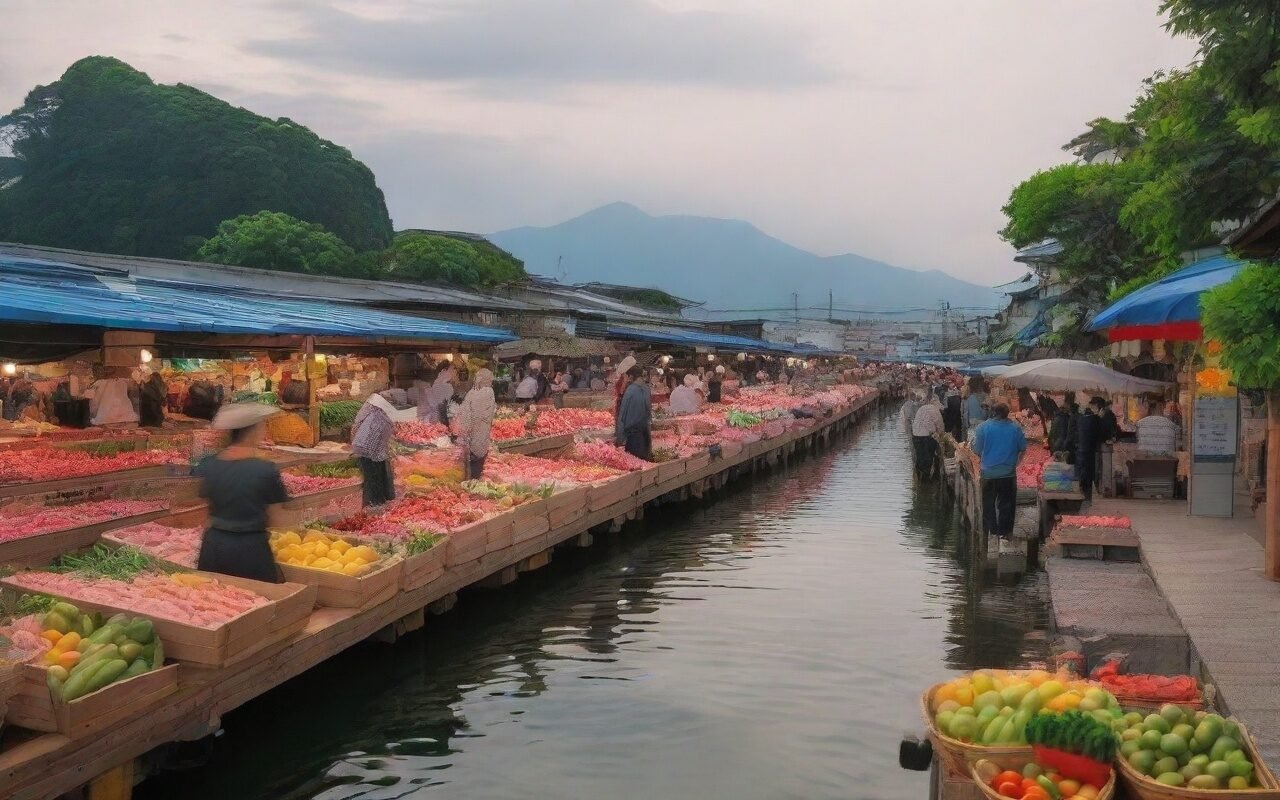
The morning market operates between 5:00 AM and 7:00 AM, when the day’s catch is still fresh off the boats. This is not a tourist-oriented market with souvenirs — it is a working wholesale operation where restaurants and local buyers bid on the catch. But here’s the thing, visitors are welcome to observe the action from designated areas.
What to Expect at the Morning Market
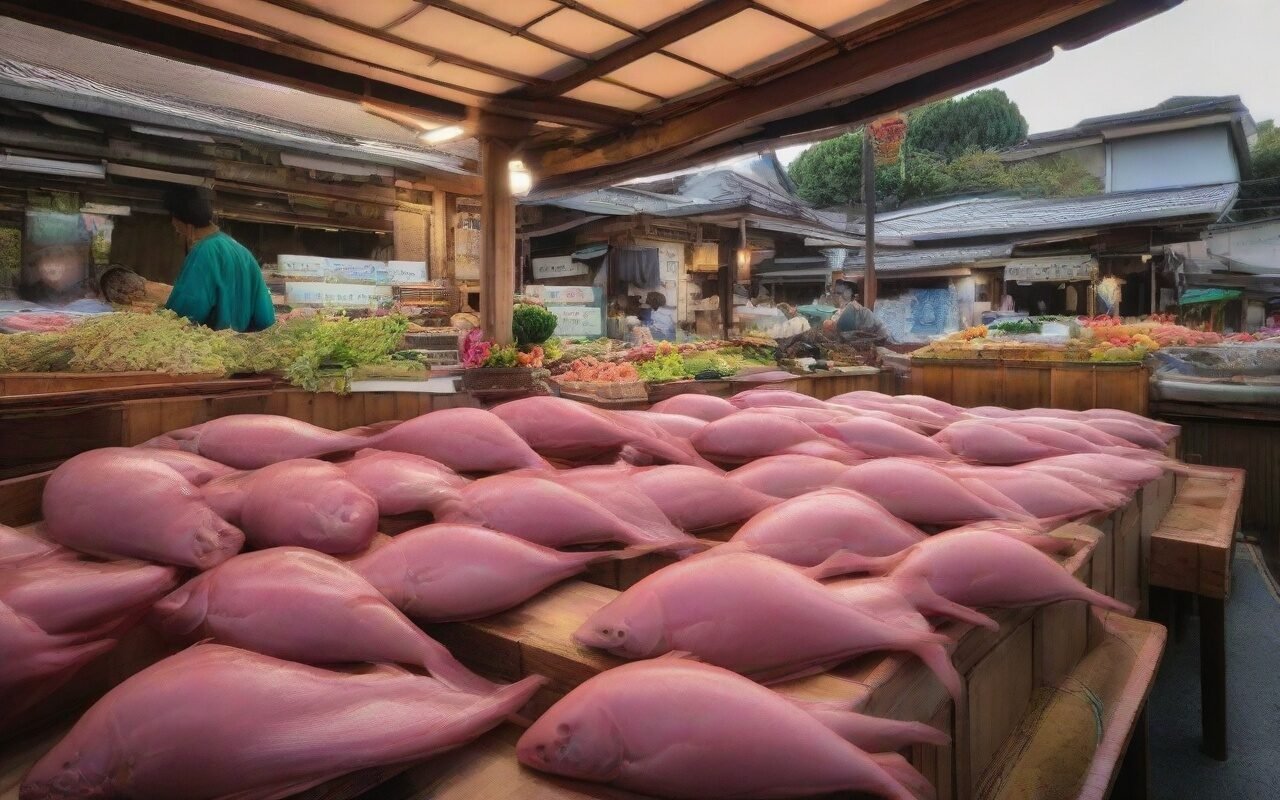
Arrive by 5:30 AM to catch the most activity. The market is compact but intense: rows of tuna laid out on tarps, their tails cut off to reveal the color and marbling of the meat; auctioneers calling out prices in rapid-fire Japanese; buyers examining each fish with flashlights and hooked tools to assess quality.
The auction process is fascinating to watch. Each tuna is assigned a number, and buyers move quickly from fish to fish, checking fat content, color, and freshness, When the auction starts, bids are signaled with hand gestures almost too fast to follow. A single premium bluefin tuna can fetch hundreds of thousands of yen, though most fish sell for ¥10,000–¥50,000 depending on size and quality.
Photography etiquette: You are welcome to take photos, but avoid using flash (it disturbs buyers assessing the fish), do not touch any tuna without permission, and stay behind any marked lines. The market floor is a busy workspace — be aware of forklifts, hand carts, and workers moving quickly.
Best Sushi Restaurants Near the Port
The real reward of a Misaki morning is breakfast sushi — asazushi — served within walking distance of the market. These restaurants open as early as 6:00 AM to serve the freshest possible fish.
Misaki Kō — The Gold Standard
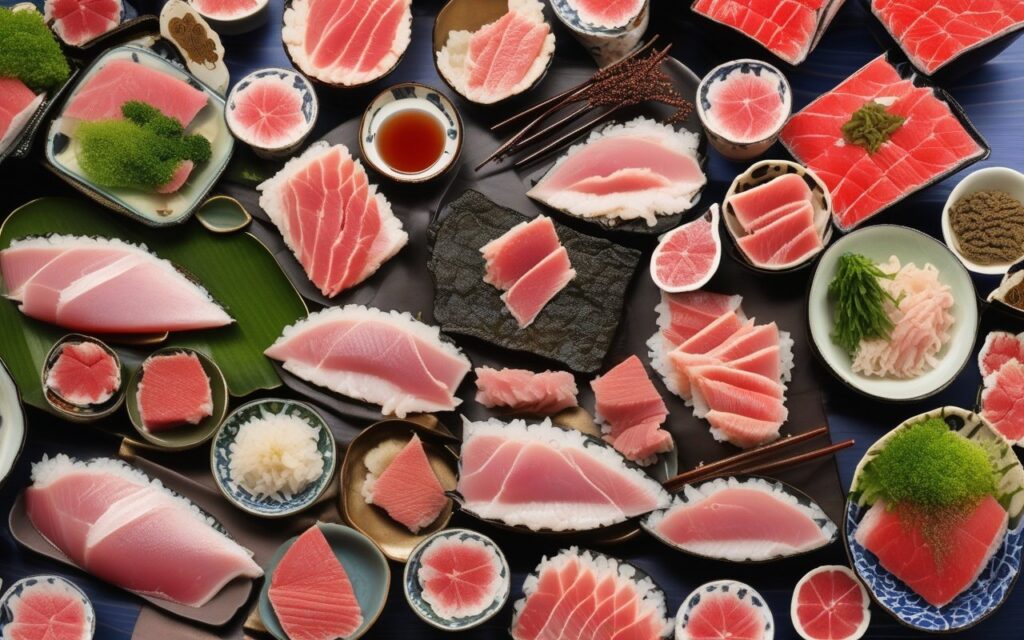
Located directly across from the port, Misaki Kō is the most famous sushi restaurant in the area. They have been serving sushi for over 50 years, sourcing tuna directly from the morning auction. The maguro don (tuna bowl, ¥1,800) is legendary — a generous portion of fresh raw tuna over vinegared rice, topped with a sprinkle of nori and wasabi. The tokujō (special) set (¥3,500) includes multiple cuts of tuna — lean akami, medium-fatty chūtoro, and the prized fatty ōtoro — along with tamago and miso soup.
Pro tip: Arrive by 6:30 AM to avoid the queue, which starts forming around 7:00 AM. They serve until they run out of fish, which is usually by 10:00 AM.
Kappō Uoseki
For a slightly more refined experience, Kappō Uoseki offers kaisen-don (seafood bowls) with a wider variety of toppings beyond tuna. Their kuro-maguro (bluefin tuna) course (¥4,500) includes five different preparations of tuna: sashimi, seared, marinated, minced as negitoro, and grilled. The restaurant is a 7-minute walk from the port and opens at 7:00 AM.
Misaki Port Shokudō
For a budget-friendly option, this informal diner serves maguro teishoku (tuna set meal, ¥1,200) — a bowl of rice topped with chopped tuna, a small salad, miso soup, and pickles. The atmosphere is pure working-port: vinyl tablecloths, a TV playing the morning news, and fishermen eating breakfast before their next shift. Opens at 5:30 AM.
Uogashi Misaki
This restaurant specializes in grilled tuna dishes, offering an alternative to raw preparations. Their maguro kama-yaki (grilled tuna collar, ¥1,500) is a lesser-known spot — the collar is one of the most flavorful parts of the fish, with tender, fatty meat that caramelizes beautifully under the grill. Opens at 6:00 AM.
Beyond Tuna: What Else Misaki Offers
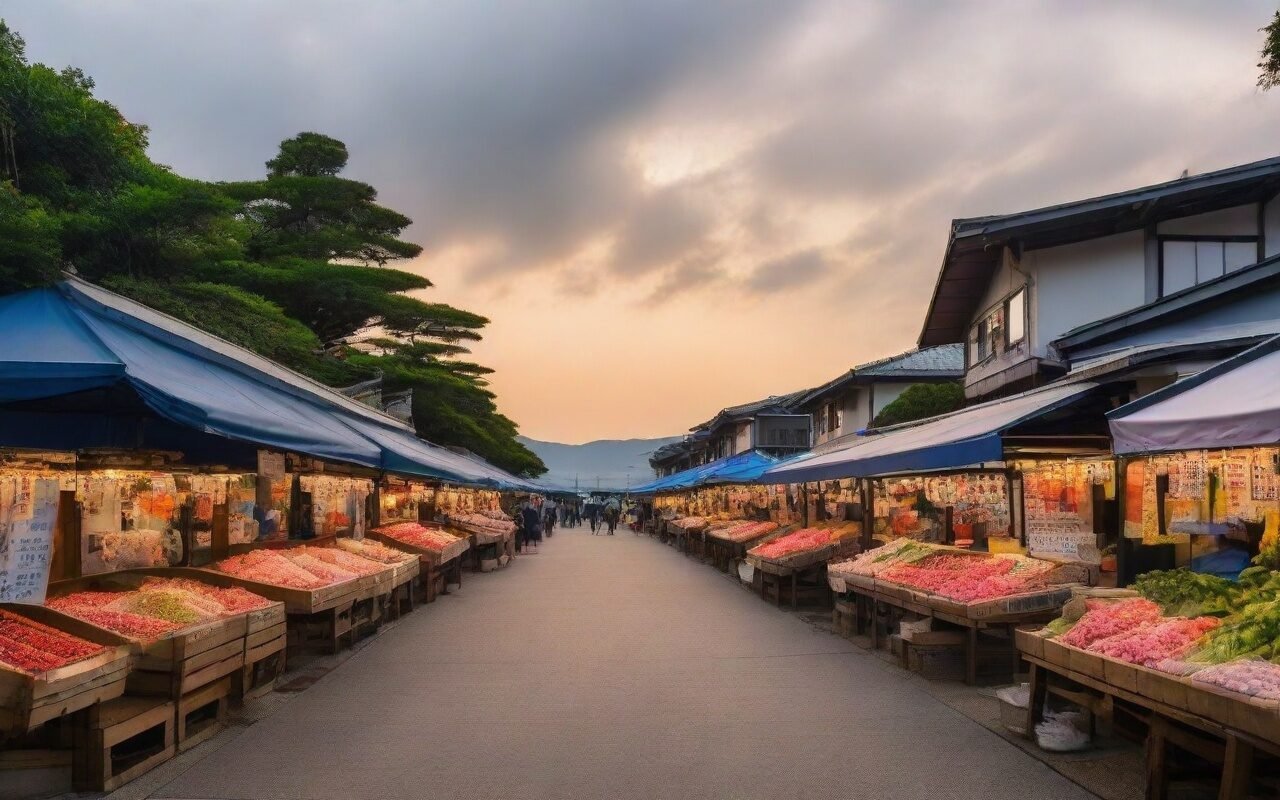
While tuna is the star, Misaki’s waters produce excellent kinmedai (golden eye snapper), aji (horse mackerel), and ika (squid). Some stalls near the market sell himono (dried fish) — salted and dried fish that grills up beautifully for breakfast. Local shops also offer tsukudani (seaweed and small seafood simmered in soy sauce), which makes a great souvenir.
📍 Location
Misaki Port is located at the southern tip of the Miura Peninsula. From Tokyo, take the Keikyu Line to Misakiguchi Station (approximately 90 minutes, ¥1,200), then take a local bus to Misaki Port (15 minutes, ¥300). Alternatively, drive via the Daiichi Keihin Road and the Miura Peninsula Toll Road — parking is available near the port for ¥500–¥700 per day.
💰 Budget Breakdown
| Item | Price |
|---|---|
| Keikyu Line round trip (Tokyo to Misakiguchi) | ¥2,400 |
| Local bus to port | ¥600 round trip |
| Breakfast sushi (per person) | ¥1,200–¥3,500 |
| Dried fish souvenirs | ¥500–¥2,000 |
| Total per person | ¥4,000–¥6,500 |
Practical Tips for Your Visit
- Start early: The market is most active between 5:30 AM and 6:30 AM. Aim to arrive at Misakiguchi Station by 5:30 AM. The first Keikyu train from Shinagawa departs around 5:00 AM — check the schedule in advance.
- Cash is king: Most market stalls and smaller sushi restaurants do not accept credit cards, Bring sufficient cash for your meal and any purchases.
- Seasonal note: Winter (November–February) is peak season for fatty bluefin tuna. Summer tuna is leaner but still excellent, and the morning commute is more comfortable.
- Combine with other activities: The Miura Peninsula has beautiful coastal hiking trails, including the Misaki Coastal Trail with views of Jogashima Island. The Misaki Marine Park and aquarium are a 15-minute walk from the port.
- Language: The market and smaller restaurants have limited English signage. A few Japanese phrases — ikura desu ka? (how much?), osusume wa? (what do you recommend?) — go a long way.
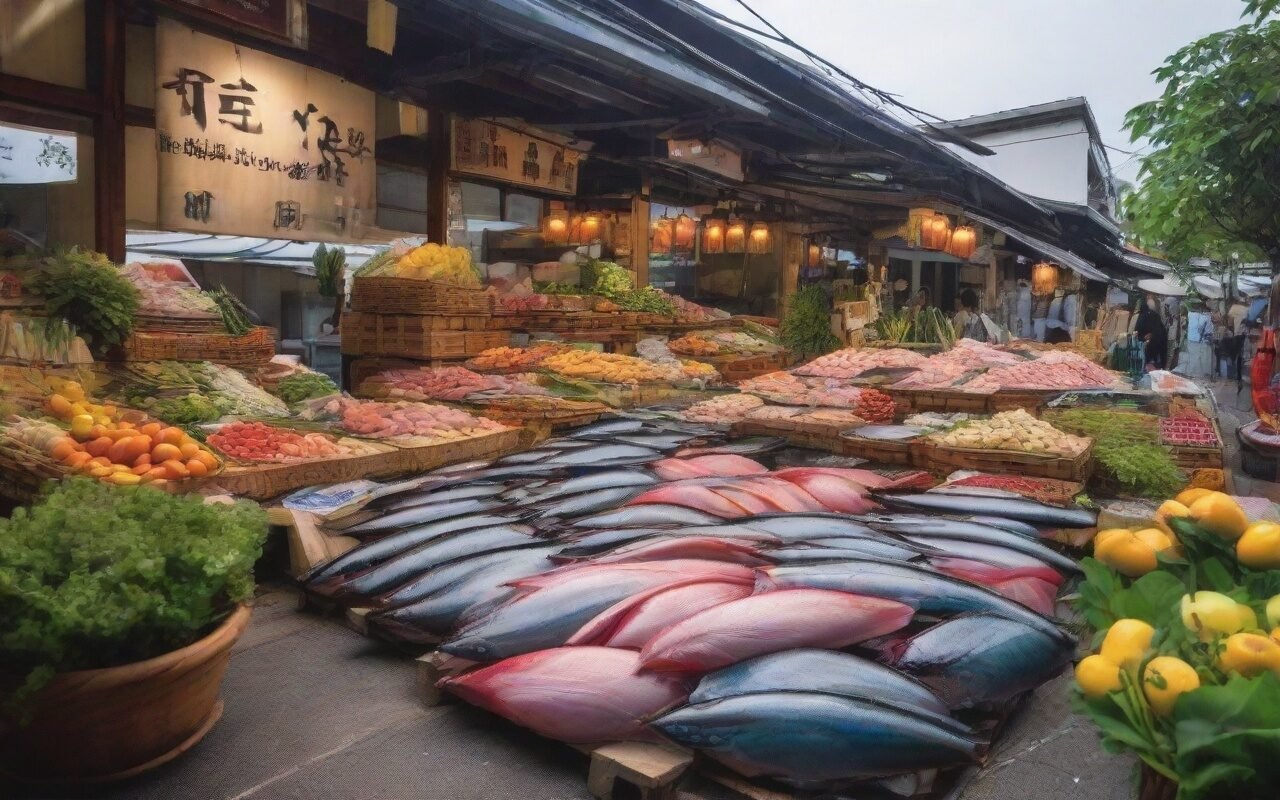
For anyone who loves seafood, a morning at Misaki Port is an unforgettable experience. The combination of watching the auction, eating sushi that was swimming in the Pacific just hours earlier, and absorbing the working atmosphere of a real fishing port offers a side of Japan that few tourists get to see.
Miura Peninsula
|—|—|—|—|—|
| Misaki Port Tuna Restaurants | Seafood | 🔗 Official Website | 10:00-18:00 | ¥1,500-5,000 |
Misaki Port Tuna Restaurants
- 🏷️ Type: Seafood
- 🌐 Official Website: https://www.city.miura.kanagawa.jp/soshiki/umigyosuisanka/umigyosuisanka_shijo/index.html
- 📞 Phone: Various
- ⏰ Hours: 10:00-18:00
- 💰 Price: ¥1,500-5,000
- 📍 Area: Misaki Port
- 📅 Reservation: Book a Table (recommended for weekends)
Frequently Asked Questions
Q: When should I visit for the best weather?
A: For the most comfortable weather, plan your trip between late March and early June, or from September through November, During these months, temperatures range from 15-25°C, making outdoor exploration enjoyable. Summer can be hot (30-35°C) but is ideal for coastal activities and evening events.
Q: Is this destination easy to reach by public transport?
A: Yes. Kanagawa has excellent public transport connections from Tokyo. Most destinations are within an hour by train. The nearest station is typically a short walk or bus ride from the main attractions. For detailed route information, check the transport section above.
Q: How much time should I spend at Misaki?
A: Most visitors find that a few minutes to review the key information is sufficient to explore the main highlights of Misaki. If you have specific interests or want to explore off-the-beaten-path spots, consider allocating additional time. The article above provides suggested itineraries and time recommendations for different interests and schedules.
Q: What should I prepare before my trip?
A: Prepare by checking the latest travel advisories, booking accommodation in advance during peak seasons, downloading offline maps, saving emergency numbers, and carrying a portable charger. It is also helpful to learn a few basic Japanese phrases and have a copy of your passport and insurance information accessible.
Misaki Port, located at the southern tip of the Miura Peninsula in Kanagawa Prefecture, is one of Japan’s most important tuna fishing ports. Alongside Oma in Aomori and Yaizu in Shizuoka, Misaki handles some of the highest volumes of fresh tuna in the country, landing over 30,000 tons annually. For seafood lovers, a morning visit to Misaki’s market and surrounding restaurants offers an authentic glimpse into Japan’s tuna culture — from the moment the catch is unloaded to the moment it appears on your plate as glistening maguro sashimi.
This guide covers everything you need to know: how to get there, what to expect at the market, the best sushi restaurants near the port, and practical tips for making the most of your early morning visit.
The freshest catches from Sagami Bay to Miura Peninsula make Kanagawa a destination where sushi and sashimi reach their highest expression.
Conclusion
Whether you are planning exploring Kanagawa for its tuna for the first time or returning for another visit, taking a little extra time to go beyond the obvious sights makes all the difference. During my visit I went with a rough plan and found that leaving room to wander made the trip far more memorable. I hope this guide helps you build an itinerary that fits your pace, and that your time in Kanagawa leaves you with memories worth coming back for.