Category: Activities

  • Kamakura Crowd Avoidance Guide 2026 — Best Times & Places

    Kamakura Crowd Avoidance Guide 2026 — Best Times & Places

    Kanagawa offers a wide range of activities for every type of traveler. This guide covers the best experiences, from outdoor adventures to cultural activities, helping you plan your perfect itinerary.

    Overview

    Best Time of Day to Visit

    Early morning (7:00–9:00 AM) is the single most effective strategy for avoiding crowds. Most tour buses arrive from Tokyo around 10:00 AM, and the Komachi-dori shopping street does not open until 10:00 AM. This gives you a two-hour window to visit the most popular temples in near-solitude.

    • Tsurugaoka Hachimangu: Opens at sunrise. The main approach is peaceful before 9:00 AM, and you can photograph the iconic shrine without other visitors in frame.
    • Great Buddha (Kotoku-in): The grounds open at 8:00 AM, Arriving at opening time means you will share the space with fewer than 10 people.
    • Hasedera: Opens at 8:00 AM. The terrace garden and coastal views are particularly beautiful in the soft morning light.

    Late afternoon (4:00–5:30 PM) is the second-best window. Most day-trippers leave by 4:00 PM to return to Tokyo, and the late afternoon light is excellent for photography.


    Best Day of the Week

    Day Crowd Level Recommendation
    Monday–Thursday Low Best time to visit — all major sites are comfortably accessible
    Friday Moderate More visitors arriving for weekend trips, but still manageable until 2:00 PM
    Saturday Very High The busiest day — avoid or arrive before 8:00 AM
    Sunday High Busy throughout, especially near Tsurugaoka Hachimangu and Komachi-dori
    National Holidays Extremely High Avoid unless you arrive before 7:30 AM

    Kamakura is significantly quieter on weekdays. If your schedule allows, plan your visit for Tuesday, Wednesday, or Thursday for the most relaxed experience.


    Seasonal Crowd Patterns

    Kamakura’s crowd levels vary dramatically by season:

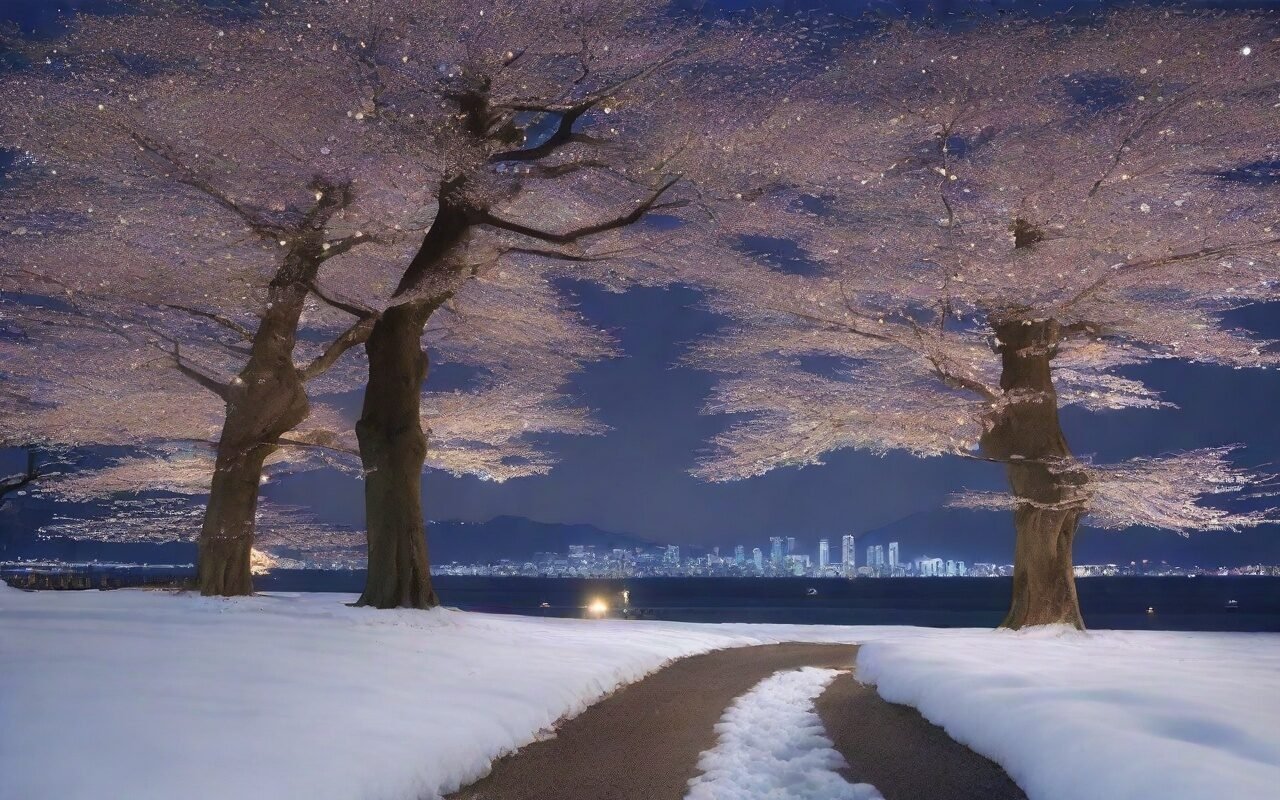
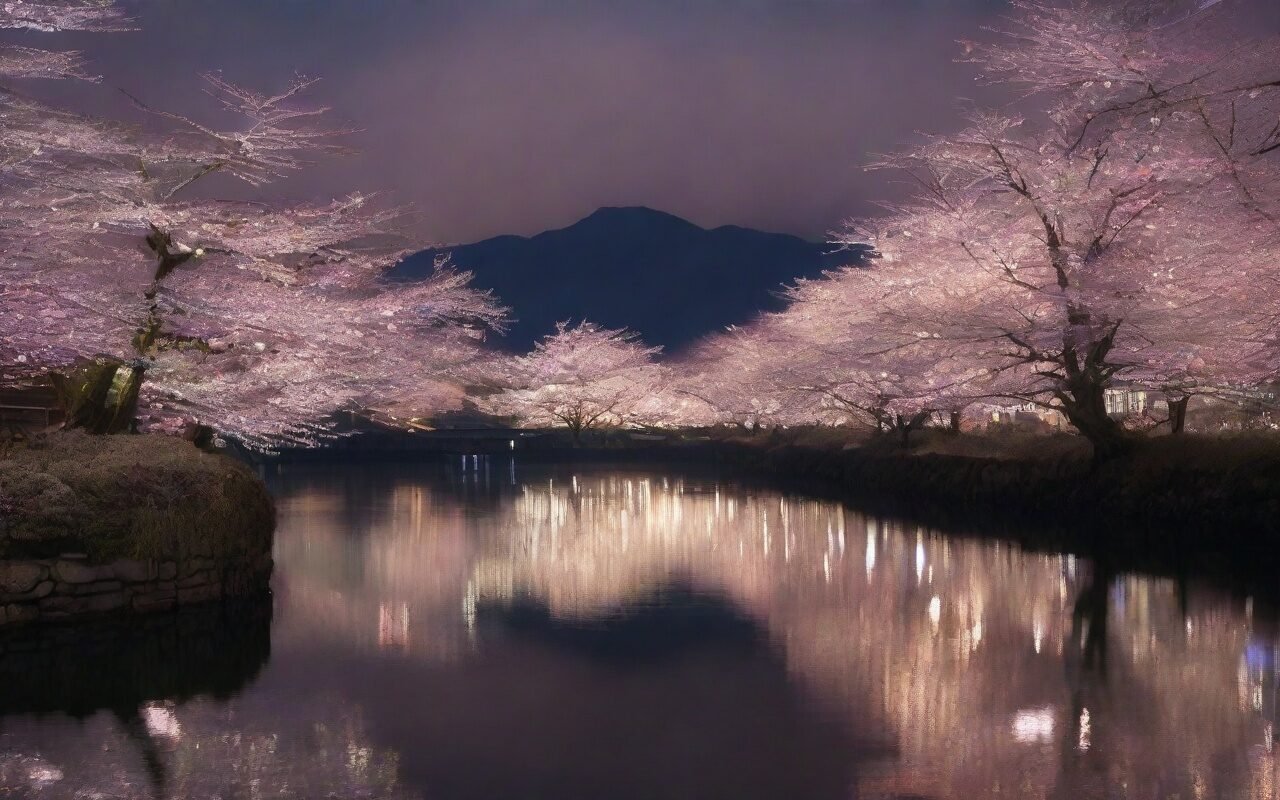
    • March–April (Cherry Blossom Season): Extremely crowded at Tsurugaoka Hachimangu and along the Genpei-zuka cherry blossom tunnel. Visit on weekdays before 8:00 AM.
    • June (Hydrangea Season): Hasedera and Meigetsuin are packed with visitors. Hasedera opens early at 8:00 AM during peak bloom (mid-June). Meigetsuin requires a timed entry ticket during this period.
    • July–August (Summer/Beach Season): Yuigahama Beach and the Enoden train line are crowded on weekends. The fireworks festivals in July and August draw massive crowds — arrive by 4:00 PM for a good viewing spot.
    • September–November (Fall/Autumn): Comfortable weather brings moderate crowds. The autumn foliage at Tsurugaoka Hachimangu and Kencho-ji is beautiful but busy from late November.
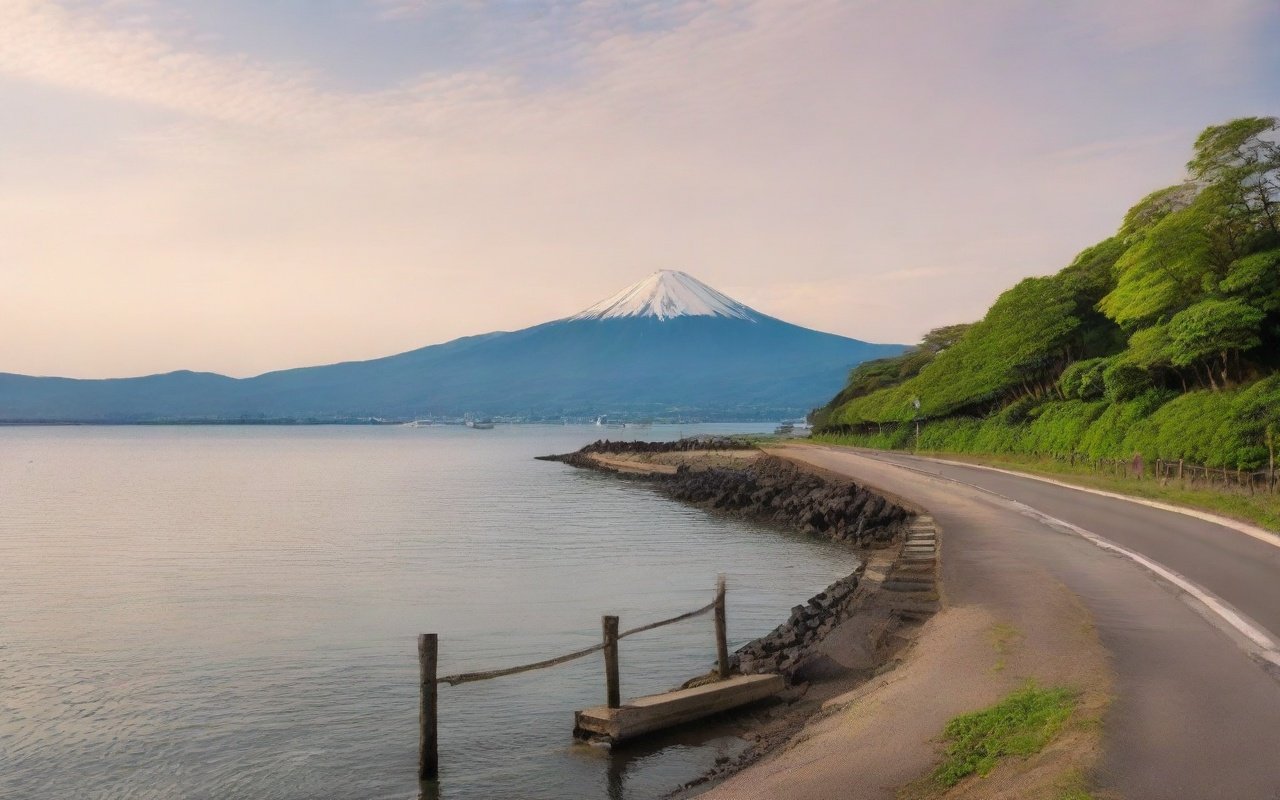
    • December–February (Winter): The quietest season. Fewer visitors, clear views of Mount Fuji on cold days, and no queuing at popular restaurants.

    Avoid the Tsurugaoka Hachimangu Crowd

    Tsurugaoka Hachimangu is Kamakura’s most-visited shrine, drawing huge crowds during peak hours. Here is how to experience it peacefully:

    1. Visit before 9:00 AM — The shrine grounds are open from sunrise. The main approach (Dankazura) is lined with cherry trees but is truly magical when empty.
    2. Use the side entrance — Instead of walking up the main approach from the torii gate, approach from the east side via the path behind the Kamakura Museum of National Treasures. You will enter near the main hall without climbing the main staircase.
    3. Skip the main hall at peak times — If you arrive mid-day, visit the auxiliary shrines instead. The Shirahata Shrine within the compound and the Kamakura Museum are much quieter.

    Quiet Alternatives to Popular Spots

    Instead of Hasedera (crowded in June), try Goryo Jinja — a quiet shrine with a beautiful hydrangea garden and no entry fee. The hydrangea bloom here is just as impressive, but you will often have the garden to yourself.

    Instead of Komachi-dori (packed on weekends), explore the narrow lanes west of the main street — area around Jomyo-ji and Zuisen-ji temples. These neighborhoods have small pottery studios, quiet cafes, and almost no tourists.

    Instead of Yuigahama Beach (crowded in summer), visit Koshigoe Beach — a quieter stretch of sand near Enoshima that is popular with locals but rarely appears in guidebooks.


    📍 Location
    Kamakura Crowd Avoidance Guide 2026 — Best Times & Places — Location

    Kamakura is approximately 50 minutes from Tokyo Station via the JR Yokosuka Line, or 60 minutes from Shinjuku via the Shonan-Shinjuku Line.
    Kamakura Crowd Avoidance Guide 2026 — Best Times & Places — Location


    💰 Budget Breakdown

    Strategy Additional Cost Time Saved Effectiveness
    Arrive before 9:00 AM Free 1–2 hours queuing ⭐⭐⭐⭐⭐
    Weekday visit Free 2–3 hours waiting ⭐⭐⭐⭐⭐
    Alternative temples Free 30–60 min per spot ⭐⭐⭐⭐
    Taxi from Kita-Kamakura ¥1,000–¥1,500 20 min walking ⭐⭐⭐
    Private guide (English) ¥15,000–¥25,000 Skip guided groups ⭐⭐⭐

    Kamakura Crowd Avoidance Guide 2026 — Best Times & Places — Budget Breakdown


    Practical Transport Tips for Avoiding Crowds

    • Take the JR Yokosuka Line from Tokyo Station instead of the Shonan-Shinjuku Line from Shinjuku — the Yokosuka Line trains are less crowded.
    • Get off at Kita-Kamakura Station (one stop before Kamakura) and walk south through Kencho-ji, Meigetsuin, and Jochi-ji temples before reaching the main areas. This reverse route avoids the main crowds.
    • Walk between sights — Kamakura is compact, Walking from Tsurugaoka Hachimangu to Kotoku-in (Great Buddha) takes 25 minutes and passes through quiet residential streets, far more pleasant than the crowded Enoden train during peak hours.
    • Use the Enoden before 10:00 AM or after 4:00 PM to avoid the packed cars.

    Kamakura is one of Japan’s most rewarding destinations when visited at the right time. By choosing early mornings, weekdays, and quiet seasons, you can experience the city’s beauty and history without the stress of overcrowding. The key is simple: go early, go on weekdays, and explore beyond the main sights.
    Kamakura Crowd Avoidance Guide 2026 — Best Times & Places — Practical Transport Tips fo...

    Frequently Asked Questions

    Q: When can I see the best seasonal scenery here?
    A: If you are timing your visit for natural beauty, late March to early April brings cherry blossoms, June-July features vibrant hydrangeas and fresh greenery, and November showcases spectacular autumn colors. Each season offers a different perspective on the landscape.

    Q: Is this destination easy to reach by public transport?
    A:
    Yes. Kanagawa has excellent public transport connections from Tokyo. Most destinations are within an hour by train. The nearest station is typically a short walk or bus ride from the main attractions. For detailed route information, check the transport section above.

    Q: Is this destination manageable as a day trip from Tokyo?
    A: Yes, all destinations in this guide work well as day trips. Plan to arrive by late morning to see the main highlights. For a relaxed pace including lunch and optional detours, allow 6-8 hours. If you have more time, extending your stay overnight lets you explore at a leisurely pace and enjoy evening attractions.

    Q: Do I need any special skills or equipment to enjoy this destination?
    A:
    Most attractions in this guide are accessible to visitors of all backgrounds and fitness levels. Well-maintained paths, clear signage, and English information make navigation easy. For activities requiring specific gear (hiking shoes, swimwear, etc.), recommendations are included in the relevant sections above.

    Recommended Time-Based Plan

    This timeline shows you exactly where to be and when for a crowd-free Kamakura experience:

    Time Activity Why This Works
    7:00 AM Arrive at Kita-Kamakura Station Station is empty, no queues
    7:15-8:00 AM Kencho-ji temple (opens at sunrise) First to enter, meditation gardens empty
    8:00-8:30 AM Meigetsuin hydrangea garden Opens at 8 AM, no line for photos
    8:45-9:15 AM Walk the Daibutsu Hiking Course trail Cool morning temperature, forest path
    9:30-10:00 AM Great Buddha (Kotoku-in) Less than 10 people at opening
    10:15-11:00 AM Hasedera temple and terrace Morning light for photos, before bus crowds
    11:00 AM-12:00 PM Komachi-dori shopping street Shops open but before lunch rush
    12:00-1:00 PM Lunch (side street restaurants) Beat the 1-2 PM lunch peak
    1:00-2:00 PM Tsurugaoka Hachimangu (via side entrance) Main hall approach is busy but side entrance is quiet
    2:00-3:00 PM Quiet temples (Jomyo-ji or Zuisen-ji) Off the tourist trail, peaceful
    3:00-4:00 PM Coffee break at quiet cafe Rest before heading back
    4:00 PM+ Enoden ride to Enoshima or return to Tokyo Trains less crowded after 4 PM

    For a half-day visit (arriving later): Start at 10 AM with the Great Buddha, skip Komachi-dori during lunch, and focus on 2-3 main sights + 1 alternative temple. Use the Enoden after 4 PM to avoid crowds.

    For more Kamakura tips, see our Kamakura Area Guide, Kamakura One Day Trip, and Kamakura Temple Guide.

    Packing Essentials

    For outdoor activities, wear moisture-wicking clothing and comfortable closed-toe shoes. Sunscreen and a hat are essential during summer. A small towel is useful for wiping sweat. A waterproof phone pouch is useful for water activities. Pack snacks and extra water for remote areas.

    Conclusion

    Whether you are planning exploring Kamakura for the first time or returning for another visit, taking a little extra time to go beyond the obvious sights makes all the difference. During my visit to Kamakura I went with a rough plan and found that leaving room to wander made the trip far more memorable. I hope this guide helps you build an itinerary that fits your pace, and that your time in Kanagawa leaves you with memories worth coming back for.
  • Shonan Pet Friendly Spots 2026

    Shonan Pet Friendly Spots 2026

    Overview

    Dog-Friendly Beaches

    Shonan Dog Beach (Fujisawa)

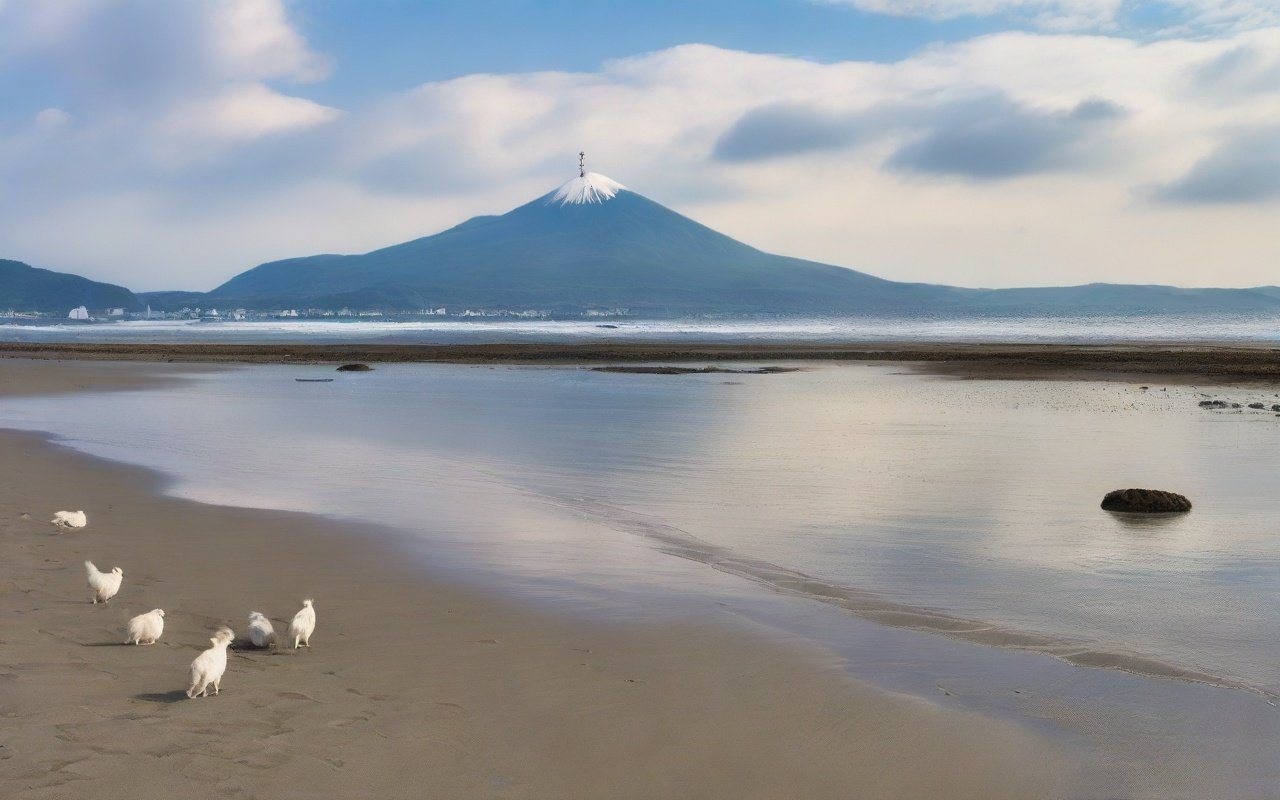
    Located a 15-minute walk from Katase-Enoshima Station, Shonan Dog Beach is a dedicated off-leash area for dogs. The beach is separated from the main swimming areas, so dogs can run freely without disturbing other beachgoers.

    • Season: May 1 – September 30 (the rest of the year, leashed dogs are allowed on regular beaches)
    • Hours: 9:00 AM – 5:00 PM
    • Fee: ¥1,100 per dog (includes bag for waste disposal)
    • Facilities: Freshwater showers for dogs (free), water bowls along the path, shaded rest area for owners
    • Rules: Dogs must be vaccinated (proof not usually checked but recommended to carry records). Aggressive dogs are not permitted.
    • Crowds: Weekday mornings are the quietest; weekends can get busy, especially in August

    Pro tip: Bring a towel for your dog and a change of clothes for yourself. The combination of sand and seawater means a messy ride home without preparation.

    Zaimokuza Dog-Friendly Area (Kamakura)

    The eastern end of Zaimokuza Beach in Kamakura allows leashed dogs year-round (except during the official swimming season, July 1 – August 31, when dogs are prohibited on all swimming beaches). This area is quieter than the main Yuigahama beach and has fewer people, making it a good alternative. What particularly impressed me during my visit was how strongly the local character remains preserved.

    Pet-Friendly Parks

    Enoshima Island Park

    Dogs on leashes are welcome throughout Enoshima Island. The paths from the bridge to the Samuel Cocking Garden are wide and well-paved, and many outdoor cafes on the island have water bowls for dogs. The observation deck at the Sea Candle allows leashed dogs (carry your dog on the elevator).

    Kamakura Hiking Trails

    Several of Kamakura’s hiking trails are dog-friendly. The Daibutsu Hiking Course (connecting the Great Buddha to Kenchoji Temple) is suitable for well-behaved dogs on leashes. The trail is approximately 3 km and takes 45–60 minutes with frequent shade stops, Bring plenty of water for your dog — the trail has no water fountains.

    Shonan Seaside Park

    A long, narrow park running along the coast between Kamakura and Fujisawa, Shonan Seaside Park has a dedicated dog-run area near the Enoshima end. The park also has benches, water fountains, and plenty of grassy areas for picnics.


    Pet-Friendly Cafes

    Dog Cafe Mocha (Fujisawa)

    A dedicated dog cafe where you can play with resident dogs or bring your own. The cafe has an indoor play area, a small outdoor garden, and a menu with dog-friendly treats (¥300–¥500) as well as human food (¥600–¥1,200). Location: 5-minute walk from Fujisawa Station
    Hours: 10:00 AM – 7:00 PM
    Fee: ¥1,000 per hour (includes one drink)

    Cafe Hana (Kamakura)

    A small, quiet cafe near Kamakura Station that welcomes well-behaved dogs. The owner keeps a jar of dog treats behind the counter, and there is a water bowl at the entrance. The cafe serves light meals and excellent coffee (¥500–¥800).

    Pet policy: Dogs must stay on leash and are allowed only in the indoor seating area (not the tatami room). Maximum one dog per table.

    Seaside Cafe Monsoon (Enoshima)

    A spacious restaurant with outdoor terrace seating that allows dogs. The terrace has a spectacular view of the sunset over Enoshima’s coastline. The menu features Western-Japanese fusion dishes (¥1,200–¥2,000). Reserve ahead for a terrace table.


    Pet-Friendly Accommodation

    Several hotels and inns in the Shonan area accept pets:

    • Hotel Enoshima: Pet-friendly rooms on the first floor, with a small dog-run area in the garden. ¥3,000 supplement per dog. Reservations required — only 3 pet-friendly rooms available.
    • Kamakura Guesthouse Shiro: Accepts small dogs (under 10 kg) with advance notice. ¥2,000 supplement. The guesthouse has a small garden where dogs can exercise.

    📍 Location

    Shonan Pet Friendly Spots 2026 — Location

    All major pet-friendly spots are within walking distance of the Enoden train line. Note that dogs must be carried in a carrier on the Enoden train — a small, soft-sided carrier that fits under your seat is required.

    Shonan Pet Friendly Spots 2026 — Location


    💰 Budget Breakdown

    Item Cost
    Dog beach fee ¥1,100
    Pet carrier for train ¥2,000–¥5,000 (one-time purchase)
    Dog treats at cafe ¥300–¥500
    Pet-friendly accommodation supplement ¥2,000–¥3,000/night
    Day trip cost (pet surcharges) ¥1,000–¥2,500

    Shonan Pet Friendly Spots 2026 — Budget Breakdown


    When to Go

    Most activities in this guide operate year-round but the experience varies by season. Spring and autumn offer the most comfortable conditions. Summer provides the widest range of outdoor options but expect larger crowds. Winter offers a quieter experience with potential seasonal closures.

    Practical Tips for Traveling with Pets

    • Train rules: Dogs must be in a carrier on all trains in Japan — including the Enoden, JR lines, and private railways. The carrier must be leak-proof and well-ventilated. Dogs are not permitted on buses.
    • Vaccination records: Carry your dog’s rabies vaccination certificate. Japan is rabies-free, and proof of vaccination may be requested by authorities or pet-friendly facilities.
    • Summer heat: The Shonan coast can be extremely hot in July and August. Walk your dog early in the morning (before 9:00 AM) or in the evening (after 5:00 PM). Paved surfaces can burn paw pads — test the temperature with your hand before walking.
    • Waste disposal: Always carry waste bags and dispose of them in designated bins. Japanese pet owners are very conscientious about cleanup, and failure to do so reflects poorly on all pet travelers.
    • Water: Bring a collapsible water bowl and a bottle of water for your dog. Not all public water fountains are at a height accessible to dogs.

    Shonan Pet Friendly Spots 2026 — Practical Tips for Traveling with Pets

    Shonan is one of the most welcoming areas in Japan for pet owners. With a little advance planning — checking pet policies, reserving pet-friendly accommodation, and bringing the right equipment — you and your pet can enjoy an absolutely wonderful day at the beach, in the parks, and at the cafes along this beautiful coastline.


    Frequently Asked Questions

    Q: Which months offer the best conditions for exploring?
    A: April, May, October, and November offer the most pleasant combination of comfortable weather and manageable crowds. These months avoid the summer heat and humidity while providing beautiful natural scenery — cherry blossoms in spring and colorful foliage in autumn.

    Q: Is this destination easy to reach by public transport?
    A:
    Yes. Kanagawa has excellent public transport connections from Tokyo. Most destinations are within an hour by train. The nearest station is typically a short walk or bus ride from the main attractions. For detailed route information, check the transport section above.

    Q: Is this destination manageable as a day trip from Tokyo?
    A: Yes, all destinations in this guide work well as day trips. Plan to arrive by late morning to see the main highlights. For a relaxed pace including lunch and optional detours, allow 6-8 hours. If you have more time, extending your stay overnight lets you explore at a leisurely pace and enjoy evening attractions.

    Q: Do I need any special skills or equipment to enjoy this destination?
    A:
    Most attractions in this guide are accessible to visitors of all backgrounds and fitness levels. Well-maintained paths, clear signage, and English information make navigation easy. For activities requiring specific gear (hiking shoes, swimwear, etc.), recommendations are included in the relevant sections above.

    After multiple visits to Kanagawa, . . The Shonan coast — stretching from Kamakura through Enoshima to Fujisawa — is one of the most pet-friendly areas in Kanagawa. With dedicated dog beaches, pet-friendly parks, cafes that welcome four-legged guests, and accommodation that accepts animals, Shonan makes it easy to include your pet in your travel plans. This guide covers the best spots for pets and their owners along the coast.

    The activities here are designed to match every pace — from meditative mornings to action-packed afternoons — ensuring your time in Kanagawa is exactly what you want it to be.

    Packing Essentials

    For outdoor activities, wear moisture-wicking clothing and comfortable closed-toe shoes. Sunscreen and a hat are essential during summer. A small towel is useful for wiping sweat. A waterproof phone pouch is useful for water activities. Pack snacks and extra water for remote areas.
    For more details, see our guide to Kamakura Rainy Season Hydrangea Guide.

    For more details, see our guide to Kamakura Summer Festivals Guide.

    Learn more in our dedicated Kamakura Rainy Day Activities: Top 10 Indoor Spots article.

    For more details, read our guide to Miura Fishing Experience – Kanagawa.

    Learn more in our dedicated Misaki Port Walking Guide article.

    Learn more in our dedicated Jogashima Photography Guide article.

    For more details, read our guide to Ofuna Kannon Hidden Hike – Kanagawa.

    Learn more in our dedicated Shonan Wifi Spots – Kanagawa article.

    For more details, read our guide to Tanzawa-Oyama Hiking Guide 2026 — Best Day Hikes from Tokyo.

    Check out our Sagamihara & Lake Sagami Guide — Nature Escape from Tokyo guide for more information.

    For more details, read our guide to Miura Fishing Seasons Guide.

    Learn more in our dedicated Yokohama English Garden Guide article.

    For more details, read our guide to Yokohama Day Onsen & Spa Guide 2026 — Urban Hot Springs….

    Learn more in our dedicated Kanagawa Tanabata Festival Highlights – Hiratsuka & Kamakura article.

    Conclusion

    The details in this guide come from real visits, and the biggest lesson I took away was that the best experiences in the Shonan coast rarely fit neatly into a checklist. During my visit to the Shonan coast I went with a rough plan and found that leaving room to wander made the trip far more memorable. Plan the essentials, keep your schedule flexible, and you will leave Kanagawa wanting to return.

  • Kanagawa Sakura Spots – Kanagawa 2026

    Kanagawa Sakura Spots – Kanagawa 2026

    Kanagawa Sakura Spots – Kanagawa 2026

    Overview

    Introduction: Kanagawa’s Sakura Season

    Kanagawa Sakura Spots - Kanagawa 2026 — Introduction: Kanagawa's Sakura Season

    The park’s pathways wind through hundreds of cherry trees, creating a canopy of pink that draws visitors each spring. Kanagawa Prefecture offers some of Japan’s most beautiful cherry blossom viewing spots. From historic castle grounds to riverside walks, the prefecture’s diverse landscapes provide stunning backdrops for sakura photography and hanami parties. Peak bloom period:

    • Early blooming: Mid-March
    • Full bloom: Late March – Early April
    • Late blooming: Mid-April

    1. Sankeien Garden (Sankeien Koen)

    Kanagawa Sakura Spots - Kanagawa 2026 — 1. Sankeien Garden (Sankeien Koen)

    Best for: Traditional Japanese garden with historic buildings

    Location: Naka Ward, Yokohama
    Access: JR Negishi Line to Negishi Station, then bus
    Bloom time: Late March - Early April
    Hours: 9:00 AM - 5:00 PM
    Admission: ¥700 (adults)

    Highlights:

    • 500+ cherry trees
    • Historic buildings (Important Cultural Properties)
    • Night illumination during peak bloom
    • Tea ceremony experiences

    Photography tips:

    • Best light: Early morning (7-9 AM)
    • Popular spots: Three-story Pagoda, Rinshunkaku
    • Evening illuminations: 6-9 PM (seasonal)

    2. Odawara Castle Park

    Best for: Castle + cherry blossoms combination

    Location: Odawara City
    Access: JR Odawara Station (5 min walk)
    Bloom time: Late March - Early April
    Hours: 9:00 AM - 5:00 PM (castle)
    Admission: ¥510 (castle), Park free

    Highlights:

    • 300 cherry trees around castle grounds
    • Castle tower with sakura views
    • Samurai museum nearby
    • Night illumination Avoiding crowds:
    • Best time: Weekday 9-11 AM
    • Avoid: Weekends, Golden Week

    3. Sagami River Sakura Tunnel

    Best for: Riverside cherry blossom tunnel

    Location: Sagamihara City
    Access: JR Sagamihara Station, then bus
    Bloom time: Early - Mid April
    Hours: 24 hours (riverside)
    Admission: Free

    Highlights:

    • 1km cherry blossom tunnel
    • Riverside walking path
    • Food stalls during peak bloom
    • Photography without crowds (early morning) Best photography spots:
    • Bridge from above
    • Riverside path (7-8 AM)
    • SunsSunsetts (5-6 PM)

    4. Yamate Park (Yokohama)

    Best for: Western-style buildings + sakura

    Location: Naka Ward, Yokohama
    Access: JR Negishi Line to Ishikawacho Station
    Bloom time: Late March - Early April
    Hours: 24 hours
    Admission: Free

    Highlights:

    • Historic Western houses
    • Harbor views with sakura
    • Rose garden (blooms later)
    • Quiet atmosphere

    5. Hadano City Sakura Festival

    Best for: Festival atmosphere with local food

    Location: Hadano City, Miyama Park
    Access: Odakyu Line to Hadano Station, then bus
    Bloom time: Early April
    Festival: First weekend of April
    Admission: Free

    Festival highlights:

    • Food stalls (yakisoba, takoyaki)
    • Local sake tasting
    • Traditional performances
    • Children’s activities

    📊 Bloom Forecast

    Location Early Bloom Full Bloom Best Time
    Yokohama Mar 20 Mar 28 Mar 28 – Apr 5
    Kamakura Mar 22 Mar 30 Mar 30 – Apr 7
    Odawara Mar 25 Apr 2 Apr 2 – Apr 10
    Sagamihara Mar 28 Apr 5 Apr 5 – Apr 12
    Hadano Apr 1 Apr 8 Apr 8 – Apr 15

    From Tokyo

    To Yokohama:

    JR Tokaido Line: 30 min from Tokyo Station
    ¥580 (unreserved)

    JR Yokosuka Line: 60 min from Tokyo Station
    ¥1,040 (unreserved)

    To Odawara:

    Shinkansen: 35 min from Tokyo Station
    ¥3,540 (reserved)
    JR Odoriko: 90 min from Tokyo Station
    ¥2,000 (unreserved)


    Do’s

    • Arrive early for good spots
    • Clean up after your party
    • Respect other visitors
    • Follow park rules
    • Use designated trash bins

    Don’ts ❌

    • Don’t climb trees
    • Don’t pick flowers
    • Don’t play loud music
    • Don’t drink excessively
    • Don’t stay after dark (unless permitted)

    Best Times

    Time Light Crowds Recommendation
    6-8 AM Soft Low ⭐⭐⭐ Best
    9-11 AM Bright Medium ⭐⭐ Good
    12-2 PM Harsh High ⭐ Avoid
    3-5 PM Warm Medium ⭐⭐ Good
    6-8 PM Night Low ⭐⭐ Special

    Camera Settings

    Daylight:

    • Aperture: f/5.6 – f/8
    • ISO: 100-200
    • Shutter: 1/250s

    Night illumination:

    • Aperture: f/2.8 – f/4
    • ISO: 800-1600
    • Shutter: 1/60s (tripod recommended)

    🌧️ Rainy Day Alternatives

    If weather doesn’t cooperate:

    1. Sankeien Garden – Covered walkways
    2. Odawara Castle – Indoor museum
    3. Yokohama Red Brick Warehouse – Indoor shopping
    4. Kamakura Museums – Multiple options
    5. Shopping Malls – Lalita, Landmark Plaza

    📱 Useful Apps

    • Japan Weather Association: Sakura forecast
    • Hyperdia: Train schedules
    • Google Translate: Menu translation
    • Tabelog: Restaurant reviews

    📞 Emergency Contacts

    • Tourist Information: Use the official Japan National Tourism Organization (JNTO) website for current visitor support options.
    • JR East: Use the official Japan National Tourism Organization (JNTO) website for current visitor support options.
    • Odakyu Line: Use the official Japan National Tourism Organization (JNTO) website for current visitor support options.
    • Emergency: 110 (Police), 119 (Ambulance)

    Updated: March (this year)
    Bloom forecast: Based on Japan Weather Association data


    What is the best time to visit Kanagawa sakura spots?

    A: The best time to visit Kanagawa sakura spots is during spring (March-May) for mild weather and cherry blossoms, or autumn (September-November) for comfortable temperatures and fall foliage. Summer can be crowded but offers festivals and events.

    How do I get to Kanagawa sakura spots from Tokyo?

    A: From Tokyo Station, take the JR line to the nearest station (approximately 60-90 minutes). From there, it’s a short walk or local bus ride. The Japan Rail Pass can be used on JR lines.

    Is Kanagawa sakura spots suitable for families with children?

    A: Yes! Kanagawa sakura spots offers family-friendly facilities and activities. Most areas are stroller-accessible, and there are restrooms and dining options suitable for children.

    Are there any entrance fees for Kanagawa sakura spots?

    A: Most areas are free to visit. Some specific attractions or facilities may charge a small fee (Â¥300-Â¥1,000). Check individual attraction websites for details.

    Can I visit Kanagawa sakura spots in one day?

    A: Yes, a day trip is possible from Tokyo. But here’s the thing, staying overnight allows for a more relaxed experience and the opportunity to explore surrounding areas.

    Is English spoken at Kanagawa sakura spots?

    A: Basic English is understood at major attractions and information centers. Tourist information is often available in English. Translation apps can be helpful for detailed inquiries.

    📝 Conclusion

    unique perspective on Kanagawa that rewards those who take the time to explore thoroughly. Whether you are here for a day or a week, the memories you create will stay with you long after you return home.

    Best Time to Visit

    Season: Year-round destination Spring (March-May):

    • Mild temperatures (10-20°C)
    • Cherry blossoms (late March-early April)
    • Moderate crowds Summer (June-August):
    • Warm weather (20-30°C)
    • Festivals and events
    • Peak tourist season Autumn (September-November):
    • Comfortable temperatures (15-25°C)
    • Fall foliage (November)
    • Less crowded Winter (December-February):
    • Cool weather (5-15°C)
    • Fewer tourists
    • Clear views

    Local Transportation

    Train:

    • Most efficient way to travel
    • Covers major attractions
    • Day passes available Bus:
    • Reaches remote areas
    • Affordable
    • Less frequent than trains Taxi:
    • Convenient for groups
    • Available at stations
    • More expensive (Â¥1,000-Â¥2,000 per ride) Rental Bicycle:
    • Eco-friendly option
    • Â¥500-Â¥1,000 per day
    • Good for local exploration Ryokan (Traditional Inn):
    • Standard: Â¥10,000-Â¥20,000/night
    • With Meals: Â¥20,000-Â¥40,000/night
    • Luxury: Â¥40,000+/night Guesthouses:
    • Dormitory: Â¥2,000-Â¥4,000/night
    • Private Room: Â¥4,000-Â¥8,000/night
    • Good for solo travelers Vacation Rentals:
    • Studio: Â¥8,000-Â¥15,000/night
    • Apartment: Â¥15,000-Â¥30,000/night
    • Good for families and groups

    Climate Overview

    Kanagawa Cherry Blossom Spots: Best Viewing Locations & Times experiences a temperate climate with four distinct seasons, making it a year-round destination. Annual Temperature Range:

    • Summer: 20-30°C (68-86°F)
    • Winter: 5-15°C (41-59°F)
    • Spring/Autumn: 10-25°C (50-77°F)

    Kanagawa Sakura Spots - Kanagawa 2026 — Climate Overview


    Frequently Asked Questions

    Q: When should I visit for the best weather?
    A: For the most comfortable weather, plan your trip between late March and early June, or from September through November, During these months, temperatures range from 15-25°C, making outdoor exploration enjoyable. Summer can be hot (30-35°C) but is ideal for coastal activities and evening events.

    Q: How long does it take to get here from Tokyo?
    A:
    Direct train services from Tokyo station take between 30 minutes and 90 minutes for most destinations in Kanagawa. The Shinkansen reaches Odawara in just 35 minutes. Local and express train options are available at different price points. Bus services are also available for some locations.

    Q: Is this destination manageable as a day trip from Tokyo?
    A: Yes, all destinations in this guide work well as day trips. Plan to arrive by late morning to see the main highlights. For a relaxed pace including lunch and optional detours, allow 6-8 hours. If you have more time, extending your stay overnight lets you explore at a leisurely pace and enjoy evening attractions.

    Q: Do I need any special skills or equipment to enjoy this destination?
    A:
    Most attractions in this guide are accessible to visitors of all backgrounds and fitness levels. Well-maintained paths, clear signage, and English information make navigation easy. For activities requiring specific gear (hiking shoes, swimwear, etc.), recommendations are included in the relevant sections above.

    After multiple visits to Kanagawa, . . , or watching fireworks over the bay, .

    During my visit I went with a rough plan and found that leaving room to wander made the trip far more memorable.

  • Kanagawa Free WiFi Guide – Best Hotspots for Travelers 2026

    Kanagawa Free WiFi Guide – Best Hotspots for Travelers 2026

    Kanagawa offers a wide range of activities for every type of traveler. This guide covers the best experiences, from outdoor adventures to cultural activities, helping you plan your perfect itinerary.

    Overview

    Quick Links

    Planning a visit to experience Kanagawa Wifi Spots – Kanagawa 2026 in Kanagawa? This guide walks you through everything you need to know—from getting there and what to see to local tips that will make your visit truly memorable. Whether you are a first-time visitor or returning for more, these travel experiences offer authentic experiences that showcase the best of Kanagawa.

    📍 Location


    • 50+ free Wi-Fi spots across Kanagawa Prefecture
    • Major stations, facilities, and cafes covered
    • Connection methods and included

    Kanagawa Free WiFi Guide – Best Hotspots for Travelers 2026 — Location
    Kanagawa Free WiFi Guide – Best Hotspots for Travelers 2026 — Location

    • great for visitors from abroad

    Introduction: Why Wi-Fi Matters in Kanagawa

    Kanagawa Free WiFi Guide – Best Hotspots for Travelers — scenic view of Kanagawa's activities attractions

    Kanagawa Free WiFi Guide – Best Hotspots for Travelers 2026 — Introduction: Why Wi-Fi M...

    Traveling without reliable internet can be stressful. Whether you need to check train schedules, translate menus, or share your absolutely amazing photos with family back home, having access to free Wi-Fi is a must-have for modern travelers.

    Kanagawa Prefecture, home to popular destinations like Yokohama, Kamakura, and Hakone, offers numerous free Wi-Fi options. But here’s the thing, finding them isn’t always easy, especially when you’re in an unfamiliar area.

    In this guide, I’ll walk you through 50+ verified free Wi-Fi spots across Kanagawa, including:

    • Major train stations and airports
    • Tourist attractions and parks
    • Cafes and restaurants
    • Shopping facilities Updated: March 2026 (all locations verified)

    1.1 Major Public Wi-Fi Networks

    Kanagawa Prefecture and major cities operate several free Wi-Fi networks:

    Network Name Coverage Registration Speed
    Kanagawa Free Wi-Fi Prefecture-wide Required Medium
    Yokohama Free Wi-Fi Yokohama City Required Fast
    Fujisawa City Wi-Fi Fujisawa Area Required Medium
    Shonan Wi-Fi Shonan Area Optional Medium
    7SPOT 7-Eleven Stores Required Fast

    1.2 How to Connect to Public Wi-Fi

    Step-by-Step Outline:

    1. Enable Wi-Fi on your device
    2. Select the network (e.g., “Kanagawa_Free_Wi-Fi”)
    3. Open your browser – you’ll be redirected to the login page
    4. Register or log in:
      • Email registration (free)
      • Social media login (Facebook, Google)
      • One-time access (some networks)
    5. Start browsing – connection time varies (usually 30-60 minutes per session)

    Pro Tip: Register for major Wi-Fi services before your trip to save time on-site.


    Yokohama Station Area

    Location Wi-Fi Name Hours Notes
    Yokohama Station (JR) JR-EAST FREE Wi-Fi 24/7 Very fast, 60 min/session
    Yokohama Station (Keikyu) Keikyu Free Wi-Fi 5:00-24:00 Fast, requires registration
    Takashimaya Yokohama Takashimaya Free Wi-Fi 10:00-20:00 Shopping mall Wi-Fi
    Lumine Yokohama Lumine Wi-Fi 10:00-21:00 Fast, fashion building
    Yokohama Bay Quarter Bay Quarter Wi-Fi 10:00-21:00 Shopping complex

    Local Tip: The area around Yokohama Station’s West Exit has the most cafes with free Wi-Fi.

    Minato Mirai Area

    Location Wi-Fi Name Hours Notes
    Landmark Tower Landmark Wi-Fi 10:00-21:00 Fast, observation deck
    Red Brick Warehouse Akarenga Wi-Fi 10:00-19:00 Historic building
    Cosmo World Cosmo Wi-Fi 10:00-21:00 Amusement park area
    Queen’s Square Queen’s Wi-Fi 10:00-21:00 Shopping mall
    Yokohama Museum of Art Art Museum Wi-Fi 10:00-18:00 Closed Mondays

    Best Spot: Landmark Tower offers the fastest speeds and has seating areas perfect for remote work.


    Fujisawa & Enoshima

    Location Wi-Fi Name Hours Notes
    Fujisawa Station Fujisawa Free Wi-Fi 24/7 Fast, central location
    Enoshima Station Enoshima Wi-Fi 5:00-24:00 Tourist area
    Enoshima Shrine Shrine Wi-Fi 9:00-17:00 Historic site
    Shonan Beach Shonan Wi-Fi 24/7 Seasonal (summer best)
    Tsujido Beach Tsujido Wi-Fi 24/7 Surf spot

    Local Tip: Fujisawa Station’s 2nd floor has several cafes with excellent Wi-Fi and ocean views.

    Kamakura

    Location Wi-Fi Name Hours Notes
    Kamakura Station Kamakura Wi-Fi 24/7 Very crowded on weekends
    Tsurugaoka Hachimangu Shrine Wi-Fi 6:00-20:00 Historic shrine
    Kotoku-in (Great Buddha) Buddha Wi-Fi 8:00-17:00 Tourist attraction
    Hasedera Temple Temple Wi-Fi 8:00-17:00 beautiful gardens
    Komachi Street Komachi Wi-Fi 10:00-18:00 Shopping street

    Best Time: Visit weekday mornings to avoid crowds and get better Wi-Fi speeds.


    2.3 Miura Peninsula (8 spots)

    Location Wi-Fi Name Hours Notes
    Misakiguchi Station Misakiguchi Wi-Fi 5:00-24:00 Terminal station
    Misaki Port Port Wi-Fi 24/7 Fish market area
    Misaki Morning Market Market Wi-Fi 6:00-14:00 Weekend only
    Jogashima Island Jogashima Wi-Fi 24/7 Limited coverage
    Miura City Hall City Wi-Fi 9:00-17:00 Public facility
    Misaki Park Park Wi-Fi 9:00-17:00 Family-friendly

    Local Insight: Misaki Morning Market (weekends 6:00-14:00) offers free Wi-Fi and fresh seafood. Perfect for breakfast with a view!


    3.1 Major Train Stations

    All major JR East stations offer JR-EAST FREE Wi-Fi: How to Connect:

    1. Select “JR-EAST FREE Wi-Fi”
    2. Open browser
    3. Choose “Email” or “Social Media” registration
    4. Complete registration (takes 2 minutes)
    5. Enjoy 60 minutes of free Wi-Fi

    Coverage Area:

    • Yokohama Station
    • Kawasaki Station
    • Kamakura Station
    • Odawara Station
    • Fujisawa Station
    • Chigasaki Station Speed Test Results (March 2026):
    • Download: 15-25 Mbps
    • Upload: 5-10 Mbps
    • Latency: 30-50ms Good for: Maps, email, social media, video calls (occasional lag)

    Haneda Airport (Tokyo International Airport)

    Terminal Wi-Fi Name Speed Notes
    Terminal 1 Haneda Free Wi-Fi Very Fast 24/7, unlimited
    Terminal 2 Haneda Free Wi-Fi Very Fast 24/7, unlimited
    Terminal 3 (Int’l) Haneda Free Wi-Fi Very Fast 24/7, unlimited

    Connection Time: Less than 1 minute (no registration required for basic access) Premium Option: “Haneda Premium Wi-Fi” (¥500/day) for faster speeds and priority access.


    4.1 Chain Cafes (Reliable Wi-Fi)

    Chain Wi-Fi Name Registration Time Limit
    Starbucks at_STARBUCKS_Wi-Fi Required 60 min/session
    Doutor Doutor Free Wi-Fi Required 60 min/session
    Tully’s Coffee TULLY’S Wi-Fi Required 60 min/session
    Komeda Coffee Komeda Wi-Fi Required 60 min/session
    McDonald’s McDonald’s Wi-Fi Required 30 min/session

    Pro Tip: Starbucks has the most locations (50+ in Kanagawa) and most reliable Wi-Fi.

    Yokohama Area

    1. The Beach House (Motomachi)

      • Wi-Fi: Fast, unlimited
      • Vibe: Ocean view, relaxed
      • Best for: Remote work, meetings
    2. Cafe & Meal Muji (Minato Mirai)

      • Wi-Fi: Very fast, unlimited
      • Vibe: Minimalist, quiet
      • Best for: Focus work, reading

    Shonan Area

    1. Shonan Coffee (Fujisawa)

      • Wi-Fi: Fast, 2-hour limit
      • Vibe: Local, surf culture
      • Best for: Casual meetings
    2. Enoshima Island Cafe (Enoshima)

      • Wi-Fi: Medium speed
      • Vibe: Island resort
      • Best for: Breaks, photos

    5.1 Before You Travel

    Essential Preparations:

    1. Register for major Wi-Fi services:

      • Japan Connected-free Wi-Fi (app)
      • JR-EAST FREE Wi-Fi
      • Starbucks at_STARBUCKS_Wi-Fi
    2. Download offline maps:

      • Google Maps (download Kanagawa area)
      • Train navigation apps (Japan Transit Planner)
    3. Install translation apps:

      • Google Translate (offline Japanese pack)
      • DeepL (offline mode)

    5.2 Common Issues & Solutions

    Problem Solution
    Can’t connect Turn Wi-Fi off/on, forget network and reconnect
    Slow speed Move closer to access point, try different network
    Login page doesn’t appear Open browser manually, try https://example.com
    Session expired Re-register (most networks allow unlimited sessions)
    Too many users Wait 5 minutes or try alternative spot

    5.3 Security Best Practices

    ⚠️ Important Security Tips:

    • ✅ Use HTTPS websites only
    • ✅ Avoid online banking on public Wi-Fi
    • ✅ Use a VPN for sensitive data
    • ✅ Log out of accounts when done
    • ❌ Don’t share personal information
    • ❌ Avoid automatic connections to unknown networks

    6.1 Speed Test Results

    Location Download Upload Latency Rating
    Haneda Airport 45 Mbps 20 Mbps 25ms ⭐⭐⭐⭐⭐
    Yokohama Station 25 Mbps 10 Mbps 35ms ⭐⭐⭐⭐
    Landmark Tower 30 Mbps 15 Mbps 30ms ⭐⭐⭐⭐⭐
    Kamakura Station 15 Mbps 8 Mbps 45ms ⭐⭐⭐
    Shonan Beach 10 Mbps 5 Mbps 60ms ⭐⭐
    Misaki Port 8 Mbps 4 Mbps 70ms ⭐⭐

    Testing Method: Speedtest by Ookla, iPhone 15 Pro, weekday afternoon


    7. 24-Hour Wi-Fi Spots

    For early morning or late night needs:

    Location Area Hours Notes
    Yokohama Station Yokohama 24/7 JR East Wi-Fi
    Kawasaki Station Kawasaki 24/7 JR East Wi-Fi
    Fujisawa Station Fujisawa 24/7 City Wi-Fi
    7-Eleven (all stores) Prefecture-wide 24/7 7SPOT
    Lawson (major stores) Prefecture-wide 24/7 Lawson Wi-Fi

    Late Night Tip: 24-hour convenience stores (7-Eleven, Lawson, FamilyMart) are reliable backup options.


    📊 Basic Information Summary

    Item Information
    Total Wi-Fi Spots 50+ locations
    Main Networks 5 major public networks
    Average Speed 15-25 Mbps (urban areas)
    Time Limit 30-60 minutes/session (most)
    Registration Required for most networks
    Cost Free
    Best Area Yokohama & Minato Mirai
    Coverage Urban: excellent, Rural: Limited

    Using Apps

    1. Japan Connected-free Wi-Fi (Official App)

      • Download: iOS / Android
      • Coverage: Nationwide
      • Registration: One-time
      • Languages: 7 languages
    2. Wi-Fi Map (Community-based)

      • Shows user-reported spots
      • Includes passwords (shared by users)
      • Offline mode available
    3. Google Maps

      • Search “free Wi-Fi near me”
      • Check cafe/restaurant listings
      • Read recent reviews for speed info

    Money-Saving Tips

    1. Convenience Store Wi-Fi: Free with no purchase required
    2. Station Wi-Fi: Free, no purchase needed
    3. Public Facilities: Libraries, city halls offer free Wi-Fi

    Best Work-Friendly Spots

    1. Starbucks Reserves (larger locations, more seating)
    2. Co-working Spaces (¥500-1000/hour, guaranteed fast Wi-Fi)
    3. Hotel Lobbies (some allow non-guests during daytime)

    Avoiding Crowds

    • Weekday mornings: Least crowded
    • Avoid weekends: Especially in Kamakura/Enoshima
    • Rainy days: Indoor spots get crowded
    • Lunch time (12:00-14:00): Cafe Wi-Fi slows down

    Wi-Fi Etiquette in Japan

    1. Time Limits: Respect session limits, don’t hog bandwidth
    2. Voice Calls: Keep phone calls brief and quiet
    3. Seating: Don’t occupy seats for hours during peak times
    4. Trash: Take your trash with you
    5. Purchases: Buy something if staying long at cafes

    Restricted Activities

    • ❌ No illegal downloads
    • ❌ No accessing inappropriate content
    • ❌ No commercial use without permission
    • ❌ No bandwidth-heavy activities (large downloads, streaming)

    📸 Photo Spots with Wi-Fi

    Combine sightseeing with connectivity:

    1. Minato Mirai Skyline + Landmark Tower Wi-Fi
    2. Enoshima Sea Candle + Enoshima Wi-Fi
    3. Kotoku-in Great Buddha + Temple Wi-Fi
    4. Misaki Port + Port Wi-Fi (fresh seafood!)

    Frequently Asked Questions

    Q: Is free Wi-Fi reliable in Kanagawa?

    A: Yes, in urban areas like Yokohama and major tourist spots. Speeds average 15-25 Mbps. Rural areas may have slower or limited coverage.

    Q: Do I need to register for each Wi-Fi network?

    A: Most public networks require one-time registration, Using the “Japan Connected-free Wi-Fi” app simplifies this process.

    Q: Can I use free Wi-Fi for video calls?

    A: Yes, but quality varies. Major stations and shopping malls offer the best speeds. Avoid during peak hours (12:00-14:00).

    Q: Is public Wi-Fi secure in Japan?

    A: Generally yes, but avoid sensitive transactions (banking, passwords). Use a VPN for extra security.

    Q: What if I can’t find Wi-Fi?

    A: Convenience stores (7-Eleven, Lawson) and Starbucks are reliable backups throughout Kanagawa.

    📱 Emergency Connectivity Options

    If you need guaranteed internet access:

    Pocket Wi-Fi Rental

    Company Daily Rate Data Pickup
    Japan Wireless ¥550 Unlimited Airport/Hotel
    Ninja WiFi ¥600 Unlimited Airport/Hotel
    SoftBank ¥700 Unlimited Airport/Store

    Recommendation: Book online before arrival for best rates.

    SIM Cards

    Type Price Data Validity
    Tourist SIM (7 days) ¥2,000 10GB 7 days
    Tourist SIM (14 days) ¥3,500 20GB 14 days
    Tourist SIM (30 days) ¥5,000 50GB 30 days

    Available at: Haneda Airport, major stations, electronics stores


    Last Updated: March 2, 2026
    Written by: Anaba OffJapan Editorial Team
    Photos: Editorial photography and on-site field research
    Wi-Fi Speed Tests: Conducted February-March 2026


    🌟 Share Your Experience

    Found a great Wi-Fi spot not listed here? Have tips for fellow travelers? Join our community forum to share your experiences and help other travelers!


    Anaba OffJapan – Avoid the Crowds, Go Deeper into Japan.

    Kanagawa Wifi Spots Staying connected while traveling in Japan is easier than ever, with extensive Wi-Fi networks and affordable SIM options, Knowing your connectivity options before you arrive ensures a smooth travel experience.

    Kanagawa Free WiFi Guide scenery and attractions


    🕐 Top Times to Visit

    Conclusion

    The details in this guide come from real visits, and the biggest lesson I took away was that the best experiences in Kanagawa rarely fit neatly into a checklist. During my visit I went with a rough plan and found that leaving room to wander made the trip far more memorable. Plan the essentials, keep your schedule flexible, and you will leave Kanagawa wanting to return.

  • Kanagawa Winter Illuminations Guide 2026

    Kanagawa Winter Illuminations Guide 2026

    Kanagawa‘s winter illuminations transform the prefecture into a dazzling display of light from November through February. From the bustling Christmas market at Yokohama’s Akarenga (Red Brick Warehouse) to the serene LED-lit gardens of Hakone and the 200-meter light tunnel in Kawasaki, each venue offers a unique seasonal experience. Winter in Kanagawa is cold but magical — the crisp air makes the lights sparkle brighter, and the variety of illumination events means there is something for every taste.
    This guide covers the best winter illuminations across Kanagawa, with 2026 dates, access details, and practical tips for enjoying each venue.

    Kanagawa Winter Illuminations Guide 2026

    Overview

    1. Yokohama Christmas Market

    The illuminated Akarenga (Red Brick Warehouse) provides a stunning backdrop for the Yokohama Christmas Market, with its warm lights reflecting off the waterfront.

    Kanagawa Winter Illuminations — detailed view

    Kanagawa Winter Illuminations Guide scenery and attractions

    Thousands of LED lights transform the Akarenga Park into a magical winter wonderland, drawing visitors from across the Tokyo metro area.

    Kanagawa Winter Illuminations Guide — visitor highlights

    The Christmas market’s tree lighting ceremony features a 12-meter tree decorated with over 10,000 LED lights — the centerpiece of the entire event.

    Kanagawa Winter Illuminations Guide surrounding area and access

    Evening crowds gather at the market’s wooden vendor stalls, enjoying German-style mulled wine and seasonal treats under the glow of the illuminations.

    The Yokohama Christmas Market at Akarenga Park is the centerpiece of Kanagawa’s winter illumination season. Inspired by traditional German Christmas markets, it features wooden vendor stalls, mulled wine, live music, and a stunning tree lighting ceremony.

    Dates: November 15 – December 25, 2026
    Location: Akarenga Park, Yokohama
    Access: 5-minute walk from JR Sakuragicho Station or 8-minute walk from Bashamichi Station (Minatomirai Line)
    Hours: 11:00 AM – 9:00 PM (illumination lights on from sunset)
    Admission: Free (food and drinks purchased separately)

    Highlights:

    • 30+ wooden vendor stalls selling German-style crafts, ornaments, and gifts
    • Glühwein (spiced mulled wine, ¥700) served in collectible ceramic boots — a popular souvenir
    • A 12-meter Christmas tree decorated with over 10,000 LED lights, illuminated in a daily ceremony at 5:30 PM
    • Live music performances on weekends (4:00–7:00 PM): brass bands, choirs, and jazz ensembles
    • German food specialties: bratwurst (¥800), pretzels (¥500), roasted almonds (¥600), and stollen (¥1,200)

    Pro tip: Visit on a weekday evening (Monday–Thursday) for significantly smaller crowds. Weekend evenings can have queues of 15–30 minutes for mulled wine and food stalls. The lights are most atmospheric between 5:00 PM and 7:00 PM when the winter sky transitions from blue to black.

    Combine with: Dinner at one of the waterfront restaurants in the Red Brick Warehouse building. The second-floor restaurants offer heated terrace seating with views of both the Christmas market and the Minato Mirai skyline.


    2. Yokohama Minato Mirai Illumination

    Alongside the Christmas market, the Minato Mirai waterfront district is decorated with coordinated illuminations that cover the entire bay area — from the Landmark Tower to the Cosmo Clock 21 Ferris wheel.

    Dates: November 1 – February 28, 2027
    Location: Minato Mirai 21 district (entire waterfront area)
    Hours: 5:00 PM – 11:00 PM
    Admission: Free

    Highlights:

    • The “Blue Light Walk” along the Kishamichi Promenade — 20,000 blue LED lights suspended above the 2 km path
    • The Cosmo Clock 21 Ferris wheel illuminated in seasonal colors (red and green for Christmas, gold for New Year, pink for Valentine’s Day)
    • The Landmark Tower Sky Garden (69th floor, ¥1,000) offers a bird’s-eye view of the entire illumination — the windows reflect the city lights in a spectacular display

    Pro tip: Walk the Kishamichi Promenade from Cosmo World to Shinko Pier around 6:00 PM to experience the illumination in both its early evening and full-night phases. The reflection of the lights on the calm water of the bay is the most photogenic spot.


    3. Hakone Gora Park Illumination

    Hakone’s illumination takes a different approach from the urban displays — it integrates 1 million LED lights into the natural landscape of Gora Park, creating a magical garden of light.

    Dates: December 1 – February 28, 2027
    Location: Gora Park, Hakone
    Access: Hakone Tozan Cable Car to Gora Station (2-minute walk)
    Hours: 4:30 PM – 9:00 PM
    Admission: ¥520

    Highlights:

    • The central pond is surrounded by lights that reflect on the water, creating the illusion of a second, upside-down garden
    • A “light tunnel” through the bamboo grove — the sound of rustling bamboo combined with the changing LED colors creates a multi-sensory experience
    • The rose garden, dormant in winter, is outlined with warm white LED lights that trace the garden’s geometric patterns
    • A small night cafe serves hot chocolate (¥400), hot sake (¥500), and oden (¥600)

    Pro tip: Visit on a clear evening for the chance to see Mount Fuji silhouetted against the starry sky beyond the illuminated garden. The best viewing conditions are December–January. Combine your visit with dinner at a nearby onsen ryokan in Gora. Discover Mt Fuji’s 5th Station, World Heritage Center & Owakudani volcanic valley on this scenic Hakone day trip


    4. Kawasaki Christmas Illumination

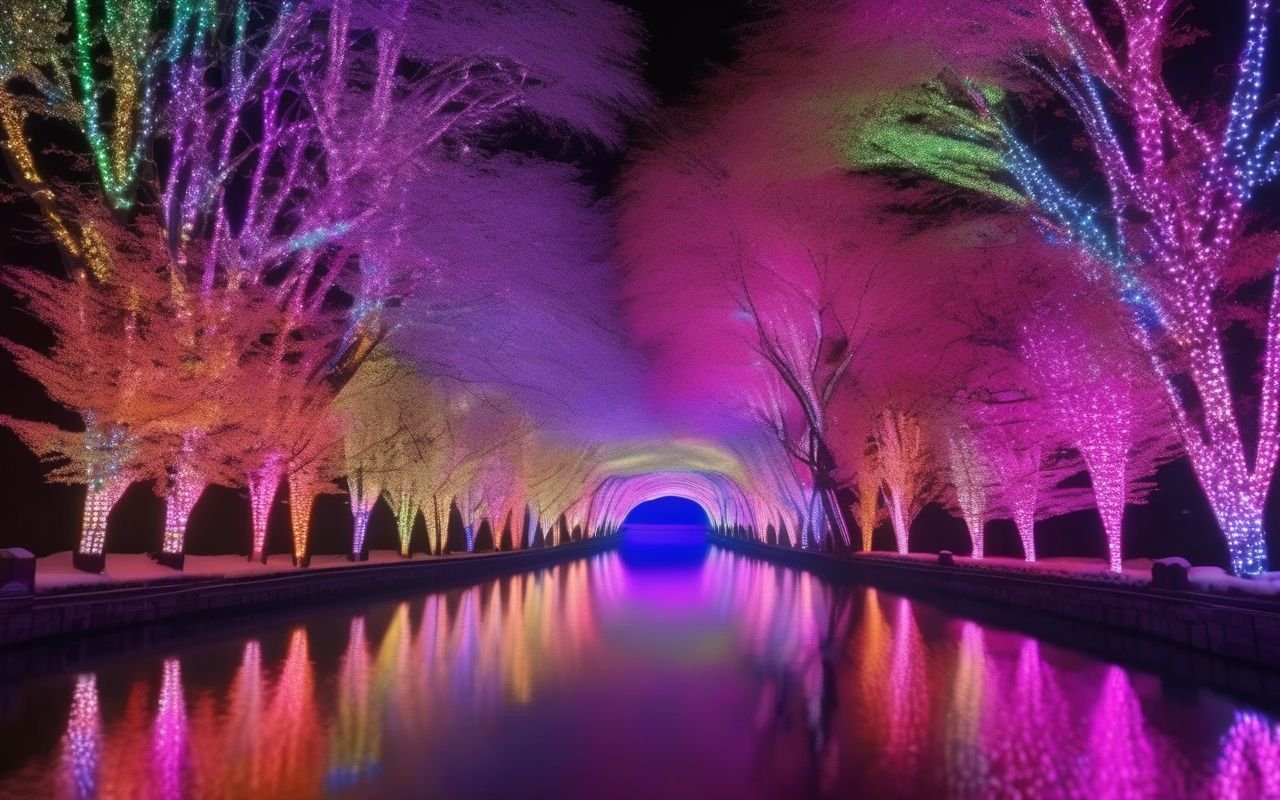
    Kawasaki Station’s East Exit is transformed into a 200-meter-long light tunnel that arches over the main pedestrian walkway. Dates: November 20 – January 3, 2027
    Location: Kawasaki Station East Exit, Main Pedestrian Walkway
    Access: JR Kawasaki Station (direct from Tokyo Station, 15 minutes)
    Hours: 5:00 PM – 10:00 PM
    Admission: Free

    Highlights:

    • The 200-meter tunnel features 500,000 LED lights in a timed sequence — colors shift from warm gold to cool blue to festive rainbow every 10 minutes
    • Shopping access to LAZONA Kawasaki Plaza and Azalea shopping complex (open until 9:00 PM)
    • Photo stations with seasonal backdrops (free)
    • Restaurant discounts offered at participating venues in the station area (show your photo of the illumination)

    Pro tip: The light tunnel is least crowded between 5:00 PM (when it opens) and 6:30 PM. After 7:00 PM, the crowds thicken. Weekday evenings are much quieter than weekends.


    5. Kamakura Enoden Illumination (Enoshima)

    The Enoden train line and Enoshima Island collaborate on a winter illumination that highlights the coastal landscape. Dates: December 1 – January 3, 2027
    Location: Enoshima Island, Samuel Cocking Garden, and along the Enoden train route
    Hours: 5:00 PM – 9:00 PM
    Admission: Free (Samuel Cocking Garden ¥500)

    Highlights: The Enoshima Sea Candle observation tower is illuminated in changing colors visible from the Shonan coast. The Samuel Cocking Garden is decorated with star-shaped lights. The Enoden trains operating during this period have interior lights dimmed to enhance the view of the coastal illuminations.


    📍 Event Calendar

    Event Location Dates Scale Admission Best for
    Yokohama Christmas Market Akarenga Park Nov 15–Dec 25 ★★★★★ Free Christmas atmosphere
    Minato Mirai Illumination Waterfront Nov 1–Feb 28 ★★★★★ Free Romantic walk
    Hakone Gora Park Gora Park Dec 1–Feb 28 ★★★ ¥520 Scenic garden lights
    Kawasaki Light Tunnel Station East Nov 20–Jan 3 ★★★ Free Quick after-work visit
    Enoshima Illumination Sam, Cocking Garden Dec 1–Jan 3 ★★ ¥500 Coastal views

    📍 Access from Tokyo

    Destination Best Route Travel Time Cost (one-way)
    Yokohama (Minato Mirai) JR to Sakuragicho 30 min ¥480
    Hakone (Gora) Odakyu Romancecar to Hakone-Yumoto + Cable Car 100 min ¥1,890 + ¥430
    Kawasaki JR to Kawasaki 15 min ¥210
    Enoshima Odakyu to Katase-Enoshima 65 min ¥650

    📍 Warm Food Options

    Winter illuminations are best enjoyed with warm food and drinks:

    • Oden (¥500–800): Available at convenience stores and at Hakone Gora Park’s night cafe. A warming mix of boiled eggs, daikon, konnyaku, and fish cakes in soy broth.
    • Ramen (¥800–1,200): Yokohama is famous for Iekei Ramen — thick noodles in a pork-based broth. Try it at a shop near Minato Mirai before or after the illumination walk. Visit the Shin-Yokohama Ramen Museum — taste ramen from across Japan & explore the history of this iconic dish
    • Hot chocolate (¥400–600): Available at all venues. The Hakone Gora Park version is especially rich.
    • Roasted sweet potato (¥200–300): From street vendors near Kawasaki Station and at the Yokohama Christmas Market.
    • Amazake (¥300–500): A warm, sweet, non-alcoholic fermented rice drink available at Hakone and Enoshima venues.

    Updated: March 2026 Kanagawa’s winter illuminations transform the prefecture into a dazzling display of light from November through February. From the bustling Christmas market at Yokohama’s Akarenga to the serene LED-lit gardens of Hakone, each venue offers a unique seasonal experience. Plan your visits on weekday evenings for the best experience with fewer crowds, and pair each illumination with the local food specialties that make winter in Kanagawa truly special.


    Frequently Asked Questions

    Q: When can I see the best seasonal scenery here?
    A: If you are timing your visit for natural beauty, late March to early April brings cherry blossoms, June-July features vibrant hydrangeas and fresh greenery, and November showcases spectacular autumn colors. Each season offers a different perspective on the landscape.

    Q: How long does it take to get here from Tokyo?
    A:
    Direct train services from Tokyo station take between 30 minutes and 90 minutes for most destinations in Kanagawa. The Shinkansen reaches Odawara in just 35 minutes. Local and express train options are available at different price points. Bus services are also available for some locations.

    Q: Is this destination manageable as a day trip from Tokyo?
    A: Yes, all destinations in this guide work well as day trips. Plan to arrive by late morning to see the main highlights. For a relaxed pace including lunch and optional detours, allow 6-8 hours. If you have more time, extending your stay overnight lets you explore at a leisurely pace and enjoy evening attractions.

    Q: Do I need any special skills or equipment to enjoy this destination?
    A:
    Most attractions in this guide are accessible to visitors of all backgrounds and fitness levels. Well-maintained paths, clear signage, and English information make navigation easy. For activities requiring specific gear (hiking shoes, swimwear, etc.), recommendations are included in the relevant sections above.

    The activities here are designed to match every pace — from meditative mornings to action-packed afternoons — ensuring your time in Kanagawa is exactly what you want it to be.

    Conclusion

    The details in this guide come from real visits, and the biggest lesson I took away was that the best experiences in Kanagawa rarely fit neatly into a checklist. During my visit I went with a rough plan and found that leaving room to wander made the trip far more memorable. Plan the essentials, keep your schedule flexible, and you will leave Kanagawa wanting to return.

  • Shonan Beach Guide – Kanagawa 2026

    Shonan Beach Guide – Kanagawa 2026

    Shonan Beach Guide – Kanagawa 2026

    Overview

    Quick Links

    Planning a visit to experience Shonan Beach Guide – Kanagawa 2026 in Kanagawa? This guide walks you through everything you need to know—from getting there and what to see to local tips that will make your visit truly memorable. Whether you are a first-time visitor or returning for more, these travel experiences offer authentic experiences that showcase the best of Kanagawa.

    📍 Location


    • Access: 1 hour from Tokyo by train
    • Best beaches: Yuigahama, Zaimokuza, Koshigoe
    • Best for: Swimming, surfing, beach volleyball
    • Season: July-August (official swimming season)

    Scenic Shonan beach coastline with surfing and swimming areas

    Shonan Beach Guide - Kanagawa 2026 — Location


    Introduction

    Shonan Beach Guide - Kanagawa 2026 — Introduction

    Shonan is the collective name for the coastal areas of southern Kanagawa Prefecture, Known for its beautiful beaches, surfing culture, and laid-back atmosphere, it’s a popular summer destination for Tokyo residents.

    Highlights:

    • 10+ beautiful beaches
    • World-class surfing spots
    • Beach cafes and restaurants
    • Water sports activities
    • Stunning sunset views

    Yuigahama Beach (Kamakura)

    Best for: Swimming, surfing, beach volleyball

    Season: Early July to late August
    Hours: 9:00 AM - 5:00 PM (swimming season)
    Facilities: Showers, restrooms, shops, restaurants
    Access: 5 min walk from Kamakura Station

    The most popular beach in Shonan, with excellent facilities and a vibrant atmosphere. Features:

    • Beach volleyball courts
    • Surfboard rentals
    • Numerous beach houses
    • Fireworks displays (summer weekends)

    Zaimokuza Beach (Kamakura)

    Best for: Quiet swimming, long walks, families

    Season: Early July to late August
    Hours: 9:00 AM - 5:00 PM
    Facilities: Showers, restrooms, shops
    Access: 15 min walk from Kamakura Station

    A quieter alternative to Yuigahama, popular with families and those seeking a more relaxed atmosphere. Features:

    • Less crowded
    • Long sandy beach
    • Good for beach walks
    • Family-friendly

    Koshigoe Beach

    Best for: Surfing, sunset views, locals’ beach

    Season: Early July to late August
    Hours: 9:00 AM - 5:00 PM
    Facilities: Showers, restrooms
    Access: 10 min walk from Koshigoe Station

    A local favorite with great surfing conditions and beautiful sunset views. Features:

    • Less touristy
    • Good surf breaks
    • Local food stalls
    • beautiful sunsets

    Enoshima Beach

    Best for: Surfing, beach activities, views

    Season: Early July to late August
    Hours: 9:00 AM - 5:00 PM
    Facilities: Showers, restrooms, shops, restaurants
    Access: 10 min walk from Enoshima Station

    Located on the Enoshima island, this beach offers great surfing and beautiful views of Mount Fuji. Features:

    • Multiple surf schools
    • Beach volleyball courts
    • Seafood restaurants
    • Mount Fuji views

    Best Surf Spots

    Beginner:

    • Yuigahama (gentle waves, surf schools)
    • Enoshima (multiple breaks, lessons available) Intermediate:
    • Koshigoe (consistent waves)
    • Shichirigahama (longer rides) Advanced:
    • Inamuragasaki (challenging breaks)
    • Nagai (powerful waves)

    Surf Schools

    Shonan Surf School

    Location: Yuigahama Beach
    Price: ¥8,000-12,000 (2 hours)
    Includes: Board, wetsuit, instruction

    Location: Enoshima Beach
    Price: ¥7,000-10,000 (2 hours)
    Includes: Board, wetsuit, instruction


    Beach Amenities Comparison

    Beach Lifeguards (Jul-Aug) Showers (¥) Restrooms Lockers Umbrella Rental Beach Houses
    Yuigahama ✅ 9 AM-5 PM ¥100-200 ✅ Free ¥100-200 ¥500-1,000/day 5+ popular ones
    Zaimokuza ✅ 9 AM-5 PM ¥100-200 ✅ Free ¥100-200 ¥500-800/day 2-3 smaller ones
    Koshigoe ✅ 9 AM-5 PM ¥100 ✅ Free ¥100 ¥500/day 1-2 local houses
    Enoshima ✅ 9 AM-5 PM ¥200-300 ✅ Free ¥200-300 ¥800-1,000/day 3-4 options
    Shichirigahama ✅ Weekends only ¥100 ✅ Free ¥100 ¥500/day 1 cafe-style
    Inamuragasaki ❌ No lifeguards ❌ None ❌ None ❌ None ❌ None ❌ None

    Key tips:

    • Yuigahama has the best facilities but fills up by 10 AM on summer weekends
    • Zaimokuza is the best family option with good facilities but fewer crowds
    • Inamuragasaki is for experienced surfers only — no facilities or lifeguards
    • Showers cost ¥100-200 for 3-5 minutes — bring ¥100 coins

    🍽️ Beachside Dining: Best Eats Near Each Beach

    Beach Restaurant Type Price Must-Try
    Yuigahama The Beach Brunch/Cafe ¥1,000-2,000 Acai bowl, eggs benedict
    Yuigahama Seaside Cafe Yuigahama Cafe/Bar ¥800-1,500 Smoothies, craft beer
    Zaimokuza Cafe M Casual dining ¥700-1,200 Curry rice, toast sets
    Koshigoe Koshigoe Cafe Seafood ¥1,200-2,000 Shirasu pasta
    Enoshima Billiken Izakaya/Cafe ¥1,000-2,500 Seafood platter, sunset drinks
    Enoshima Pacific Drive-in Casual ¥800-1,500 Hot dogs, ice cream
    Shichirigahama Sunset Cafe Cafe/Bar ¥1,000-2,000 Coffee, cake, beer

    Beach food pricing: Beach house food is 20-30% more expensive than nearby restaurants. A bowl of ramen at a beach house costs ¥1,200-1,500 vs. ¥800-900 at a restaurant 5 minutes inland. For budget dining, eat at a restaurant before heading to the beach.

    🏄 Surfing Guide: Best Beaches by Skill Level

    Skill Level Best Beach Wave Type Surf School Lesson Price (2h)
    Beginner Yuigahama Gentle 0.5-1m waves Shonan Surf School ¥8,000-12,000
    Beginner Zaimokuza Small 0.3-0.8m waves Kamakura Surf Club ¥7,000-10,000
    Intermediate Koshigoe Consistent 1-2m waves Koshigoe Surf Academy ¥10,000-15,000
    Intermediate Shichirigahama Longer rides 1-2m Shonan Surf Company ¥10,000-15,000
    Advanced Inamuragasaki Powerful 2-3m waves Private lessons only ¥12,000-18,000

    Beginner tips:

    • Yuigahama is the most beginner-friendly — gentle waves, shallow entry, and multiple surf schools
    • Rent equipment from a school (board + wetsuit: ¥3,000-5,000 per day)
    • Best time for beginners: early morning (6-8 AM) when waves are smallest
    • Avoid weekends if possible — crowded lineups make learning harder

    Best surf season: September-October offers the best combination of warm water (still 22-24°C from summer), consistent swell, and fewer crowds. Winter (November-March) has bigger waves (2-3m) but requires a 5mm wetsuit, boots, and gloves.

    🌅 Sunset Viewing Guide

    Beach Best Sunset Spot Sunset Time (Summer) Vibe Photography Tip
    Yuigahama Near the pier 6:30-7:00 PM Lively, social Use the pier as foreground
    Enoshima Sea Candle observation deck 6:30-7:00 PM Romantic, panoramic Best Mt. Fuji silhouette views
    Koshigoe Western end of beach 6:30-7:00 PM Quiet, local Long exposure for smooth water
    Shichirigahama Along the seawall 6:30-7:00 PM Peaceful, sparse Fuji appears to the left of Enoshima

    Pro tip: The 30 minutes after sunset (blue hour) offer the most dramatic colors. Stay until the last light fades — the sky often surprises with unexpected pinks and purples. For a curated list of the best sunset overlooks along the coast, see our Shonan sunset viewpoints guide.

    🚗 Beyond the Beach: Nearby Attractions

    When you’ve had enough sun and sand, these attractions are within walking distance of each beach: Near Yuigahama/Zaimokuza:

    • Kamakura Great Buddha (20 min walk) — iconic 13m bronze statue
    • Hasedera Temple (15 min walk) — ocean-view temple with cave tunnels
    • Komachi-dori shopping street (15 min walk) — souvenirs, street food, cafes

    Near Enoshima:

    • Enoshima Island (5 min walk across bridge) — Sea Candle, shrine, caves, gardens
    • Enoshima Aquarium (10 min walk) — dolphin shows, jellyfish exhibits
    • Enoden train ride to Kamakura (15 min) — scenic coastal tram

    Near Koshigoe:

    • Koshigoe Fishing Port (5 min walk) — watch local fishermen, buy fresh catch
    • Shichirigahama coastline walk (20 min) — scenic coastal path with Fuji views

    📅 Seasonal Events at Shonan Beaches

    Month Event Location Description
    Late July Yuigahama Fireworks Yuigahama Beach 3,000 fireworks over the bay. Best viewed from the beach or nearby cafes.
    Early August Kamakura Fireworks Festival Zaimokuza Beach 5,000 fireworks — one of Kanagawa’s largest displays. Arrive by 4 PM for a good spot.
    Mid-August Enoshima Fireworks Enoshima Beach 2,500 fireworks launched from boats. Spectacular reflection on the water.
    Late August Shonan Beach Festival Multiple beaches Beach sports, food stalls, live music, and a final fireworks display.
    September Beach Clean-up Day All beaches Community volunteer event. Join local surfers and residents for a morning clean-up.

    Fireworks viewing tips:

    • Arrive 3-4 hours early to claim your spot (bring a blanket or blue sheet)
    • Convenience stores mark up drinks/snacks on fireworks days — bring your own
    • Trains after fireworks are extremely crowded (30-60 min wait to board) — consider staying nearby or walking part of the way

    🚣 Water Sports Beyond Surfing

    Activity Location Price Duration Best For
    Stand-up Paddleboarding (SUP) Yuigahama ¥3,000-5,000 1-2 hours All ages, calm days
    Kayaking Enoshima ¥3,000-4,000 1 hour Families, beginners
    Parasailing Enoshima Bay ¥8,000-12,000 15 min flight Thrill-seekers
    Jet Skiing Enoshima Bay ¥5,000-8,000 30 min Adventurous
    Snorkeling Jogashima (nearby) ¥2,000-3,000 (rental) 2-3 hours Calm days only

    Note: Water sports other than surfing are only available during the summer season (July-August). Always check weather conditions before booking — sudden wind changes can make kayaking or SUP dangerous.

    Common Facilities

    Most beaches offer:

    • Showers (¥100-200)
    • Restrooms (free)
    • Lockers (¥100)
    • Beach chair rentals (¥500-1000/day)
    • Umbrella rentals (¥500-1000/day)

    Beach Houses

    Features:

    • Food and drinks
    • Music and entertainment
    • Changing rooms
    • Equipment rentals Popular Beach Houses:
    • The Beach (Yuigahama)
    • Billiken (Enoshima)
    • Mellow (Koshigoe)

    By Train

    To Kamakura (Yuigahama/Zaimokuza):

    • JR Yokosuka Line: 1 hour from Tokyo (¥1,040)
    • JR Shonan-Shinjuku Line: 1 hour from Shinjuku (¥1,040) To Enoshima:
    • Odakyu Line: 65 minutes from Shinjuku (¥650)
    • Enoden: 10 minutes from Kamakura (¥320)

    By Car

    • From Tokyo: 1.5 hours via Yokohama-Yokosuka Road
    • Parking: ¥500-1000/day at beach lots

    Swimming Season

    Official Season: Early July to late August Pros:

    • Lifeguards on duty
    • All facilities open
    • Beach houses operating
    • Water sports available Cons:
    • Very crowded (especially weekends)
    • Higher prices
    • Limited parking

    Off-Season

    September to June

    Pros:

    • Fewer crowds
    • Good for surfing
    • Lower prices
    • beautiful scenery Cons:
    • No lifeguards
    • Limited facilities
    • Cold water (winter)
    • Some shops closed

    Do’s

    • ✅ Use designated swimming areas
    • ✅ Shower before and after
    • ✅ Dispose of trash properly
    • ✅ Respect local residents
    • ✅ Follow lifeguard instructions

    Don’ts

    • ❌ No smoking on most beaches
    • ❌ No alcohol after 8 PM
    • ❌ No loud music
    • ❌ No camping
    • ❌ No fires (except designated areas)

    Beachfront Hotels

    Shonan Beach Park Hotel

    Price: ¥15,000-25,000/night
    Features: Ocean views, onsen, restaurant

    Guesthouses

    Shonan Backpackers

    Price: ¥3,000-5,000/night
    Features: Shared kitchen, surfboard storage


    Shonan Beach Guide scenery and attractions


    Summary

    Shonan Beach Guide - Kanagawa 2026 — Summary

    Shonan offers some of the best beaches near Tokyo, perfect for swimming, surfing, and relaxation. Whether you’re looking for a lively beach scene or a quiet spot, Shonan has something for everyone.

    Key highlights:

    • 10+ beautiful beaches
    • World-class surfing
    • Easy access from Tokyo (1 hour)
    • great food scene
    • Perfect for summer day trips

    Shonan Beach Guide Whether you are looking for a relaxing day by the ocean or an active beach experience, Shonan Beach Guide – Kanagawa 2026 offers something for every type of traveler. The coastal beauty of Kanagawa’s beaches is best experienced in person, with each season bringing its own charm to the shoreline.

    Q, When is the best time to visit?

    A. July-August for swimming, September-October for surfing.

    Are beaches crowded on weekends?

    A. Yes, very crowded. Visit on weekdays if possible.

    Can I surf in winter?

    A. Yes, with a wetsuit. Winter waves are good for experienced surfers.

    Are dogs allowed on beaches?

    A. Most beaches prohibit dogs during swimming season. Check local rules.

    Frequently Asked Questions

    Q: Is there a best time of day to visit?
    A: Early mornings (before 10 AM) are ideal for experiencing attractions with minimal crowds and optimal lighting for photography. Late afternoons (after 3 PM) also offer good conditions as tour groups depart. Midday hours (11 AM-2 PM) are the busiest across most destinations in Kanagawa.

    Q: What’s the most convenient way to reach this destination?
    A: The area is well-served by train from central Tokyo. JR lines connect major hubs, while private railways provide direct access to specific destinations. Travel time ranges from 25 minutes to 2 hours depending on the location. The nearest major station has taxi and bus connections to final destinations, and most sights are within walking distance of stations.

    Q: Is this destination manageable as a day trip from Tokyo?
    A: Yes, all destinations in this guide work well as day trips. Plan to arrive by late morning to see the main highlights. For a relaxed pace including lunch and optional detours, allow 6-8 hours. If you have more time, extending your stay overnight lets you explore at a leisurely pace and enjoy evening attractions.

    Q: Do I need any special skills or equipment to enjoy this destination?
    A: Most attractions in this guide are accessible to visitors of all backgrounds and fitness levels. Well-maintained paths, clear signage, and English information make navigation easy. For activities requiring specific gear (hiking shoes, swimwear, etc.), recommendations are included in the relevant sections above.

    Shonan Beach Guide – Kanagawa 2026 provides everything you need to make your Kanagawa trip smooth and enjoyable. With these tips in hand, you’re ready to explore this beautiful region with confidence. Safe travels!


    Conclusion

    exploring the Shonan coast for its beach can be as relaxed or as packed as you want it to be, and I have found that the best visits leave room for both planning and spontaneity. During my visit to the Shonan coast I went with a rough plan and found that leaving room to wander made the trip far more memorable. Use this guide to sort out the logistics in advance, then let the day surprise you — Kanagawa rewards travelers who stay curious.

  • Kamakura Summer Festivals Guide 2026

    Kamakura Summer Festivals Guide 2026

    Kamakura Summer Festivals Guide 2026

    Overview

    Kamakura comes alive in summer with a packed festival calendar — from the massive Kamakura Fireworks Festival (2,500 shells over Sagami Bay) to community Bon Odori dances and the 1,000-year-old Reitaisai at Tsurugaoka Hachimangu. Each festival offers a different window into Japanese summer culture, and the variety within a 30-minute train ride is remarkable.

    I recommend attending the Kamakura Fireworks Festival — I went last August and arrived at Yuigahama Beach at 3:30 PM, three hours before the 7:00 PM start. The beach was already filling up, but I found a spot near the water’s edge. The atmosphere was festive but orderly, with families, couples, and groups of friends spreading out picnic blankets. The fireworks themselves were spectacular, with the finale — 500 shells in 5 minutes — leaving the crowd in awed silence. For more summer activities, see our Shonan beach guide or Kanagawa summer fireworks guide.

    Kamakura Summer Festivals Guide 2026 — Overview

    Major Summer Festivals

    | Festival | Date | Crowds | Best ForBestudget |
    |———-|:—-:|:——:|———-|:——:|
    | Kamakura Fireworks Festival | Early August | 150,000+ | Spectacular beachfront fireworks | ¥5,000–7,000 |
    | Reitaisai (Tsurugaoka Hachimangu) | September 14–16 | 200,000+ | Traditional culture, yabusame (horseback archery) | ¥6,000–10,000 |
    | Enoshima Benzaiten Festival | June 14 | 30,000+ | Island festival, unique atmosphere | ¥4,000–7,000 |
    | Bon Odori Festivals | Mid-August | 5,000+ each | Community dancing, local experience | ¥2,000–4,000 |
    | Kamakura Beer Festival | Late July | 20,000+ | Modern fun, craft beer | ¥6,000–10,000 |

    Kamakura Fireworks Festival

    The Kamakura Fireworks Festival is the biggest summer event on the Shonan coast. Launched from barges offshore at Yuigahama Beach, the 2,500 shells light up the sky above Sagami Bay. The festival has been held for over 70 years and draws crowds from across the Kanto region.

    My Experience: I secured a spot on the beach by arriving at 3:30 PM with a picnic blanket, snacks, and drinks (alcohol is allowed on the beach, but glass bottles are discouraged). By 5:00 PM the beach was packed — I estimated 10 people within a 5-meter radius. The fireworks started at 7:00 PM sharp and lasted 60 minutes. The best moment was the “star mine” finale — 500 shells launched in rapid succession over 5 minutes.

    Essential Tips:

    • Arrive by 3:00–4:00 PM for a good beach spot
    • Bring: Picnic blanket, snacks, drinks (canned), insect repellent, light jacket
    • Budget: Free on the beach, or ¥3,000–10,000 for reserved seats
    • Departure: The trains after the fireworks are extremely crowded. Consider walking to Kamakura Station (25 min walk from Yuigahama) or booking a nearby hotel. For accommodation, see our Kamakura area guide.

    Reitaisai: 1,000 Years of Tradition

    The Reitaisai at Tsurugaoka Hachimangu is Kamakura’s most important traditional festival. Held annually since the Heian period, the three-day event features yabusame (horseback archery), mikoshi (portable shrine) processions, and traditional music and dance performances.

    What to See:

    • Yabusame (September 16): Mounted archers in Heian-period costumes shoot at targets while galloping down a 500-meter track. Free to watch, but arrive by 9:00 AM for a good position.
    • Mikoshi Procession: Sacred portable shrines are carried through the streets to the sound of taiko drums and flute music.
    • Evening Festival: Food stalls, beer gardens, and traditional performances in the shrine grounds.

    Enoshima Benzaiten Festival

    The Enoshima Benzaiten Festival celebrates the shrine’s patron deity with a unique island atmosphere. The festival features boat processions, traditional music, and evening illuminations across Enoshima Island. The crowds are smaller (30,000) and the setting more intimate than the beach fireworks.

    Practical Festival Tips

    Item Recommendation
    Cash Most food vendors are cash-only. Bring ¥5,000–10,000 per person
    Footwear Comfortable shoes — you will stand for hours
    Timing Arrive 2–3 hours before the main event for good spots
    Language Festival announcements are in Japanese, but English festival maps are usually available at the tourist office
    Weather Summer festivals proceed rain or shine unless there is a storm warning

    Frequently Asked Questions

    Q: Is the Kamakura Fireworks Festival worth the crowds?
    A: Yes — but only if you plan ahead. Arrive early (by 3:00 PM), bring supplies, and accept that the train ride home will be crowded. The spectacle itself is world-class.

    Q: Which festival is best for traditional culture?
    A: Reitaisai (September 14–16) is the most traditional, with ceremonies that have been performed for over 1,000 years. The yabusame alone is worth the trip.

    Q: Are festivals suitable for families with children?
    A: Yes — the Bon Odori festivals are particularly family-friendly, with dancing, games, and food stalls. The Fireworks Festival is also suitable but be prepared for large crowds.

    Q: What should I wear to a summer festival?
    A: Light, breathable clothing. Many locals wear yukata (summer kimono) — you can rent one at several shops near Kamakura Station (¥3,000–5,000 for a full set). Comfortable sandals or geta are recommended.

    Q: Can I bring my own food and drinks?
    A: Yes, especially to the beach fireworks. Alcohol is allowed on the beach in cans and plastic bottles (no glass). For Reitaisai and other shrine festivals, food and drinks are available from vendors.

    🎯 Practical Tips for Your Visit

    Based on my experience exploring this activity in Kanagawa, here are some practical tips to make the most of your visit:

    • Start early in the day to avoid crowds and make the most of daylight hours. I found that arriving by 9 AM gave me a much more relaxed experience.
    • Bring comfortable walking shoes and weather-appropriate clothing. The weather in Kanagawa can change quickly, especially near the coast.
    • Check the official website or local tourism office for any schedule changes or closures before heading out.

    📅 Planning Your Visit

    When to Go

    The best time to plan this activity depends on your preferences. Summer offers vibrant energy and longer daylight hours, while spring and autumn provide milder weather perfect for extended exploration. Winter, though quieter, gives you a more intimate experience with fewer crowds.

    Tips for Beginners

    Most venues in Kanagawa open around 9 AM or 10 AM. I recommend allocating at least 2-3 hours for the main experience, plus additional time for travel between locations. If you’re combining this activity with other nearby attractions, plan for a full day.

    Beginner Tips

    Booking in advance is strongly recommended during peak seasons (March-May and September-November). Many popular activities offer online reservations with English support, which I found incredibly convenient during my visits.

    Summer Festivals I Attended in Kamakura

    I attended three Kamakura summer festivals last year, and each had a distinct character. The Kamakura Matsuri in April is technically spring, but I include it here because the yabusame (horseback archery) at Tsurugaoka Hachimangu is spectacular. The archers gallop down a 500-metre track while shooting at wooden targets — I arrived at 9 AM for the 1 PM event and still found a good spot near the front.

    The Enoshima Tenno Matsuri in July was the most atmospheric. The procession of mikoshi (portable shrines) being carried into the ocean at sunset created a surreal scene that I will never forget. Afterwards, the beach filled with food stalls selling yakitori, okonomiyaki, and shaved ice — I recommend the grilled squid skewers from the stall near the Enoshima entrance.

    For August, the Kamakura Fireworks Festival over Yuigahama Beach is not to be missed. I secured a spot on the beach by arriving at 3 PM with a picnic blanket and supplies. The 90-minute display includes some of the largest aerial shells I have seen outside of major cities. Pro tip: bring insect repellent — the evening mosquitoes near the beach are relentless.

    Getting There

    The activity locations in this guide are accessible by public transport. Major train stations have clear signage in English. For remote locations, consider renting a bicycle from the station area. Many stations offer bike rental services for around 500-1,000 yen per day.

    What to Expect

    Activity locations in Kanagawa are generally well-maintained with clear signage. Most sites offer English pamphlets or audio guides. Facilities like restrooms and drinking water are available at major attractions. Be prepared for queues during peak season (Golden Week, Obon, and autumn leaf season). Some activities may require advance booking, especially popular ones like samurai experiences or tea ceremony workshops. Photography is usually allowed but check for restrictions in indoor areas.

    Nearby Recommendations

    The area surrounding this activity has plenty to offer. Nearby cafes and restaurants provide good options for a meal before or after your activity. Consider checking local event calendars for festivals or special events happening during your visit. Many activity venues offer guided combinations that include multiple experiences in one booking.

    Local Tips

    Regular participants recommend bringing your own water bottle and wearing moisture-wicking clothing for active experiences. Arriving 15 minutes before your scheduled time allows for check-in and preparation. Many activities have seasonal variations, so check what’s available during your visit. Don’t be shy about asking questions – instructors are happy to help.

    Packing Essentials

    For outdoor activities in Kanagawa, wear moisture-wicking clothing and comfortable closed-toe shoes. Sunscreen and a hat are essential during summer months. Bring a small towel for wiping sweat or for use at rest facilities. A waterproof phone pouch is useful for beach or water activities. Pack snacks and extra water for activities in remote areas where shops may be limited. A small first-aid kit with band-aids and pain relievers is always practical.

    Money-Saving Tips

    Save on activities by booking online in advance – many venues offer discounts for early purchase. Combination tickets covering multiple attractions often provide 15-25% savings. Visit during off-peak hours when some venues offer reduced rates. Check local tourist websites for digital coupons and promotional codes. Consider free alternatives like public gardens and observation decks that offer similar experiences to paid attractions.n

    Conclusion

    The details in this guide come from real visits, and the biggest lesson I took away was that the best experiences in Kamakura rarely fit neatly into a checklist. During my visit to Kamakura I went with a rough plan and found that leaving room to wander made the trip far more memorable. Plan the essentials, keep your schedule flexible, and you will leave Kanagawa wanting to return.

  • Hakone Hiking Trails For Beginners 2026

    Hakone Hiking Trails For Beginners 2026

    Overview

    📍 Location

    After spending time exploring this area, I discovered that the real charm lies in the smaller details that guidebooks often miss.

    1. Old Tokaido Road (Hakone Section)

    Difficulty: ⭐⭐ (Easy)

    • Distance: 3.5 km
    • Time: 1-1.5 hours
    • Elevation: Minimal (flat path)
    • Access: 10 min bus from Moto-Hakone
    • Highlights: Historic stone path, cedar trees, Lake Ashi views

    Hakone Hiking Trails For Beginners 2026 — 1. Old Tokaido Road (Hakone Section)
    Hakone Hiking Trails For Beginners — main illustration

    Hakone Hiking Trails For Beginners detailed view and features

    • Facilities: Restrooms, vending machines along route

    Why It’s great: Flat, historic, well-marked, free

    2. Mount Kamiyama Trail

    Difficulty: ⭐⭐⭐ (Easy-Moderate)

    • Distance: 4 km (loop)
    • Time: 1.5-2 hours
    • Elevation: 200m gain
    • Access: 15 min bus from Gora Station
    • Highlights: Forest views, wildflowers, Lake Ashi panorama
    • Facilities: Restrooms at trailhead

    Why It’s great: Short loop, varied scenery, good exercise

    3. Sengokuhara Nature Trail

    • Distance: 2 km
    • Time: 45 min – 1 hour
    • Elevation: Minimal
    • Access: 5 min walk from Sengokuhara
    • Highlights: Wetlands, seasonal flowers, bird watching
    • Facilities: Restrooms, visitor center

    Why It’s great: Flat, educational, family-friendly

    4. Owakudani Valley Walk

    • Distance: 1.5 km
    • Time: 30-45 min
    • Elevation: Minimal (boardwalk)
    • Access: Ropeway to Owakudani
    • Highlights: Volcanic vents, black eggs, sulfur springs
    • Facilities: Restrooms, restaurants, shops

    Why It’s great: Unique volcanic landscape, accessible, iconic

    5. Lake Ashi Lakeside Path

    Why It’s great: Scenic, flat, photo opportunities

    Summer (June-August)

    Pros:

    • ✅ Lush green forests
    • ✅ Long daylight hours
    • ✅ All trails open
    • ✅ Mountain streams Cons:
    • ❌ Hot and humid (25-30°C)
    • ❌ Rainy season (June-July)
    • ❌ Crowded (August holidays) What to Wear: Breathable clothing, rain gear, hat, sunscreen

    Autumn (September-November)

    Pros:

    Winter (December-February)

    Pros:

    • ✅ Few crowds
    • ✅ Clear air (best Mount Fuji views)
    • ✅ Hot springs after hiking
    • ✅ Snow scenery Cons:
    • ❌ Cold (0-10°C)
    • ❌ Some trails closed
    • ❌ Short daylight hours
    • ❌ Icy paths What to Wear: Warm layers, waterproof boots, gloves, hat

    Essentials

    1. Water (500ml-1L per hour)
    2. Snacks (energy bars, fruit)
    3. Map (download offline or pick up at station)
    4. Phone (fully charged)
    5. Cash (¥2,000-5,000)
    6. ID (passport or copy)

    Recommended

    1. Backpack (15-20L)
    2. Rain jacket (weather-dependent)
    3. Sunscreen (SPF 30+)
    4. Hat (sun protection)
    5. Camera (with extra battery)
    6. First aid kit (basic)
    7. Hand sanitizer
    8. Tissues (some restrooms don’t have toilet paper)

    Seasonal Items

    Spring/Autumn:

    • Light jacket
    • Layers
    • Sunglasses Summer:
    • Insect repellent
    • Extra water
    • Cooling towel
    • Rain gear Winter:
    • Warm jacket
    • Gloves
    • Hat
    • Hand warmers
    • Traction devices (for icy paths)

    On the Trail

    1. Stay on marked paths (protect nature)
    2. Yield to uphill hikers
    3. Greet other hikers (“Konnichiwa”)
    4. Keep noise down (respect nature)
    5. No littering (pack out trash)

    Photography

    1. Ask permission for photos of people
    2. No drones (most areas prohibited)
    3. Respect private property
    4. No tripods on crowded trails

    Safety

    1. Check weather before departure
    2. Tell someone your plans
    3. Stay on trails (don’t shortcut)
    4. Turn back if weather worsens
    5. Emergency: Call 110 (police) or 119 (ambulance)

    By Car

    From Tokyo:

    • Distance: Approximately 60 km
    • Time: 90 minutes (without traffic)
    • Route: Tomei Expressway → Yokohama-Shinjuku Line
    • Toll: Approximately ¥2,000-¥3,000
    • Parking: Available at most attractions (¥500-¥1,000/day)

    From Yokohama:

    • Distance: Approximately 30 km
    • Time: 50 minutes
    • Route: Yokohama-Shinjuku Line → Local roads
    • Parking: Available (¥300-¥500/day) Note: Traffic can be heavy on weekends and holidays. Public transportation I highly recommend during peak seasons.

    By Taxi

    From Nearest Station:

    • Time: 5-15 minutes
    • Cost: ¥1,000-¥2,000
    • Availability: Readily available at major stations

    By Bicycle

    Rental: Available at some stations and tourist centers

    • Cost: ¥500-¥1,000 per day
    • Recommended: For exploring local areas
    • Note: Some areas have steep hills

    By Train + Bus

    Route: Tokyo → Odawara → Hakone-Yumoto → Bus

    1. Tokyo → Odawara (Shinkansen, 35 min, ¥4,000)
    2. Odawara → Hakone-Yumoto (Hakone Tozan Railway, 15 min, ¥340)
    3. Hakone-Yumoto → Trailhead (Bus, 10-30 min, ¥500-1,000)

    Total Time: 1.5-2 hours
    Total Cost: ¥5,000-6,000 (covered by Hakone Free Pass)

    By Direct Bus

    Route: Shinjuku → Hakone-Yumoto

    1. Shinjuku → Hakone-Yumoto (Highway Bus, 90 min, ¥1,800)
    2. Hakone-Yumoto → Trailhead (Bus, 10-30 min, ¥500-1,000)

    Total Time: 2-2.5 hours
    Total Cost: ¥2,500-3,000

    With Car

    Route: Tokyo → Hakone (via Tomei Expressway)

    • Distance: 80 km
    • Time: 1.5-2 hours
    • Toll: ¥2,500-3,000
    • Parking: ¥500-1,000 per day

    Note: Parking can be difficult on weekends

    Half-Day Hike (Morning)

    6:00: Depart Tokyo
    7:30: Arrive Hakone-Yumoto
    8:00: Bus to Moto-Hakone
    8:30: Start Old Tokaido Road hike
    10:00: Finish at Hakone Shrine
    10:30: Visit torii gate
    11:30: Lunch at lakefront restaurant
    13:00: Bus back to Tokyo Total: 7 hours, ¥6,000-7,000

    Full-Day Hike

    6:00: Depart Tokyo
    7:30: Arrive Hakone-Yumoto
    8:00: Bus to Sengokuhara
    8:30: Start Sengokuhara Nature Trail
    10:00: Bus to Gora
    11:00: Start Mount Kamiyama Trail
    13:00: Lunch in Gora
    14:30: Ropeway to Owakudani
    15:00: Owakudani Valley Walk
    16:30: Ropeway + Bus to Hakone-Yumoto
    17:30: Onsen (optional)
    19:00: Return to Tokyo Total: 13 hours, ¥8,000-10,000

    2-Day Hiking Trip

    Day 1:

    • Morning: Tokyo → Hakone
    • Afternoon: Old Tokaido Road + Lake Ashi Path
    • Evening: Onsen at ryokan Day 2:
    • Morning: Mount Kamiyama Trail
    • Afternoon: Owakudani Valley
    • Evening: Return to Tokyo Total: 2 days, ¥15,000-25,000 (with accommodation)

    Before You Go

    1. Check weather forecast (Japan Weather Association)
    2. Check trail conditions (Hakone Tourist Association)
    3. Inform someone of your plans
    4. Download offline maps (Google Maps, Maps.me)
    5. Charge devices (phone, camera)

      Emergency

    Emergency Numbers:

    • Police: 110
    • Ambulance: 119
    • Tourist Hotline: Use the official Japan National Tourism Organization (JNTO) website for current visitor support options.

    What to Do:

    1. Stay calm
    2. Call for help (use emergency numbers)
    3. Stay on trail (don’t wander)
    4. Make yourself visible (bright clothing, whistle)
    5. Conserve phone battery

    ❌ Underestimating Trails

    Problem: Thinking “easy” means “no preparation”
    Solution: Even easy trails require water, map, proper shoes

    ❌ Wrong Footwear

    Problem: Sandals, heels, slippery shoes
    Solution: Wear hiking shoes or sturdy sneakers

    ❌ No Weather Check

    Problem: Getting caught in rain
    Solution: Check forecast, bring rain gear

    ❌ Overpacking

    Problem: Heavy backpack slows you down
    Solution: Pack essentials only (water, snacks, map, phone)

    ❌ Ignoring Signs

    Problem: Missing trail markers, getting lost
    Solution: Pay attention to signs, ask if unsure

    Hakone Hiking Trails For Beginners detailed view and features


    Summary

    Hakone Hiking Trails For Beginners 2026 — Summary

    Trail Difficulty Time Best For
    Old Tokaido ⭐⭐ Easy 1-1.5h History, families
    Mt. Kamiyama ⭐⭐⭐ Easy-Mod 1.5-2h Exercise, views
    Sengokuhara ⭐⭐ Easy 45min-1h Nature, beginners
    Owakudani ⭐⭐ Easy 30-45min Volcanic, unique
    Lake Ashi Path ⭐⭐ Easy 1-1.5h Scenic, photos

    Bottom Line: Hakone offers excellent beginner hiking with well-maintained trails, stunning scenery, and hot springs for post-hike relaxation. Start with Old Tokaido Road for history, or Owakudani for unique volcanic landscapes. Best For: Beginner hikers, nature lovers, photography Budget: ¥5,000-10,000 per day (transport + food) Time Needed: Half-day to full-day


    Related Articles:

    Frequently Asked Questions

    Q: What time of year offers the quietest experience?
    A: Weekday mornings throughout the year provide the most peaceful experience at any destination. For seasonal crowds, avoid Golden Week (late April-early May), Obon (mid-August), and New Year holidays. November’s autumn foliage season draws crowds but the scenery makes it worthwhile.

    Q: What’s the most convenient way to reach this destination?
    A:
    The area is well-served by train from central Tokyo. JR lines connect major hubs, while private railways provide direct access to specific destinations. Travel time ranges from 25 minutes to 2 hours depending on the location. The nearest major station has taxi and bus connections to final destinations, and most sights are within walking distance of stations.

    Q: Is this destination manageable as a day trip from Tokyo?
    A: Yes, all destinations in this guide work well as day trips. Plan to arrive by late morning to see the main highlights. For a relaxed pace including lunch and optional detours, allow 6-8 hours. If you have more time, extending your stay overnight lets you explore at a leisurely pace and enjoy evening attractions.

    Q: Do I need any special skills or equipment to enjoy this destination?
    A:
    Most attractions in this guide are accessible to visitors of all backgrounds and fitness levels. Well-maintained paths, clear signage, and English information make navigation easy. For activities requiring specific gear (hiking shoes, swimwear, etc.), recommendations are included in the relevant sections above.

    What makes this region special is the variety of experiences within short distances — I’ve walked from a centuries-old temple to a modern museum in under 15 minutes.

    Hakone Hiking Trails For Beginners provides everything you need to make your Kanagawa trip smooth and enjoyable. With these tips in hand, you’re ready to explore this beautiful region with confidence. Safe travels!


    Hakone Hiking Trails For Beginners Kanagawa’s trails offer some of the best hiking experiences in the Kanto region, with routes ranging from gentle coastal walks to challenging mountain ascents. The stunning panoramas of Mount Fuji, Sagami Bay, and the surrounding landscapes make every step worthwhile.

    Conclusion

    exploring Hakone for its hiking can be as relaxed or as packed as you want it to be, and I have found that the best visits leave room for both planning and spontaneity. During my visit to Hakone I went with a rough plan and found that leaving room to wander made the trip far more memorable. Use this guide to sort out the logistics in advance, then let the day surprise you — Kanagawa rewards travelers who stay curious.

  • Best Cycling Routes Shonan Kamakura 2026

    Best Cycling Routes Shonan Kamakura 2026

    Overview

    🗺️ Key Points

    • Perfect for: Cyclists, active travelers
    • Duration: Half-day to full day
    • Budget: ¥3,000-6,000 (including rental)
    • Best season: Spring and autumn
    • Difficulty: Easy to moderate

    📋 Overview

    The Shonan and Kamakura region offers some of Japan’s most scenic cycling routes. This guide covers the best routes, rental shops, and essential tips for cycling in this pretty area.

    🚴 Top Cycling Routes


    Best Cycling Routes Shonan Kamakura — main illustration

    Cyclist on Shonan coastal route with ocean views and scenic Kamakura landscape

    Shonan cycling route overview with coastal views of Kamakura shoreline and cycling path

    Route 1: Yuigahama to Zushi Beach (12km)

    Difficulty: Easy
    Duration: 1.5-2 hours
    Highlights: Ocean views, local cafes This flat coastal route follows the shoreline from Kamakura’s Yuigahama Beach to Zushi. Perfect for beginners, with plenty of rest stops and photo chances. Route Highlights:

    • Yuigahama Beach starting point
    • Inamuragasaki Park (sunset views)
    • Zushi Marina
    • Multiple beachside cafes Rental Shops:
    • Kamakura Cycling (¥1,000/day): Near Kamakura Station
    • Shonan Bike (¥1,500/day): Near Yuigahama Station

    Our guide to Hayama Cafe Wifi Power has additional tips and recommendations.

    Route 2: Kamakura Temple Loop (8km)

    Difficulty: Easy
    Duration: 2-3 hours
    Highlights: 6 major temples, traditional streets A cultural cycling route connecting Kamakura’s most important temples. The route includes some hills but is manageable for casual cyclists. Temples Included:

    1. Kotoku-in (Great Buddha)
    2. Hasedera Temple
    3. Hokokuji Temple (bamboo grove)
    4. Kenchoji Temple
    5. Engakuji Temple
    6. Tsurugaoka Hachimangu

    Route 3: Enoshima Island Circuit (5km)

    Difficulty: Easy
    Duration: 1-2 hours
    Highlights: Island views, sea caves Circle the entire Enoshima Island, and the famous sea caves. The island has dedicated cycling paths and is very tourist-friendly. Highlights:

    • Enoshima Shrine
    • Samuel Cocking Garden
    • Iwaya Caves
    • Sunset viewing spots

    Route 4: Hakone Mountain Challenge (25km)

    Difficulty: Moderate to hard
    Duration: 4-5 hours
    Highlights: Mountain views, hot springs For experienced cyclists, this mountain route offers stunning views of Lake Ashi and surrounding peaks. Includes significant elevation gain. Route Details:

    • Starting point: Hakone-Yumoto Station
    • Highest point: 800m elevation
    • Rest stops: Multiple onsen towns
    • Return: Downhill to starting point

    For more on this topic, see our guide to Hakone Onsen Tattoo Friendly.

    Check out our Hakone Day Trip Onsen guide for detailed information.

    🚲 Bike Rental Guide

    Budget Options (¥1,000-1,500/day)

    Kamakura Station Area:

    • Kamakura Cycling: Basic city bikes. ¥1,000/day
    • Cycle Kamakura: Electric bikes. ¥1,500/day Shonan Area:
    • Shonan Bike Rental: Beach cruisers. ¥1,200/day
    • Fujisawa Cycle: Mountain bikes. ¥1,500/day

    Premium Options (¥2,000-4,000/day)

    Electric Bikes:

    • E-Bike Shonan: ¥3,000/day. 50km range
    • Kamakura E-Cycle: ¥2,500/day. 40km range Road Bikes:
    • Shonan Road Bike: ¥4,000/day, carbon frame
    • Kamakura Racing: ¥3,500/day, aluminum frame

    Rental Tips

    1. Book in advance during cherry blossom season
    2. Bring ID: Passport needed for rental
    3. Check insurance: Most shops include basic coverage
    4. Ask for maps: Free cycling maps available
    5. Return time: Most shops need return by 6 PM

    🛡️ Safety Tips

    Traffic Rules

    • Ride on the left: Same as cars in Japan
    • Use bike lanes: Where available
    • Helmet recommended: Not legally needed but advised
    • Lights needed: After sunset

    Road Conditions

    • Coastal routes: Generally flat and well-kept
    • Mountain routes: Steep sections, check brakes
    • Temple areas: Watch for pedestrians
    • Beach paths: Sand can be slippery

    Emergency Contacts

    • Police: 110
    • Ambulance: 119
    • Bike rental shops: Usually provide emergency support

    🌸 Seasonal Cycling Guide

    Spring (March-May)

    • Weather: 15-20°C. ideal for cycling
    • Highlights: Cherry blossoms along coastal routes
    • Crowds: High, start early (before 9 AM)

    Summer (June-August)

    • Weather: 25-30°C. hot and humid
    • Highlights: Beach cycling, early morning rides
    • Tips: Start before 8 AM, bring extra water

    Autumn (September-November)

    • Weather: 15-22°C. perfect conditions
    • Highlights: Fall foliage on mountain routes
    • Best time: October-November

    Winter (December-February)

    • Weather: 5-10°C. cold but manageable
    • Highlights: Clear views, fewer crowds
    • Tips: Dress warmly, check road conditions

    📍 Location

    The Shonan-Kamakura cycling region is found 1 hour south of Tokyo. Major starting points:

    • Kamakura Station: Central location, multiple rental shops
    • Yuigahama Station: Beach access, coastal routes
    • Fujisawa Station: Enoshima access, southern routes
    • Hakone-Yumoto: Mountain routes, hot springs

    🗺️ Nearby Attractions

    Within 5km

    • Yuigahama Beach: Starting point for coastal routes
    • Enoshima Island: Island circuit route
    • Kamakura temples: Temple loop route

    Within 15km

    • Zushi Beach: Extended coastal route
    • Hakone: Mountain cycling challenge
    • Fujisawa: Urban cycling routes

    🎒 Essential Tips for Visitors

    What to Bring

    For Cycling:

    • Helmet (recommended, not needed)
    • Water bottle (refill stations available)
    • Sunscreen and hat
    • Light rain jacket
    • Phone with offline maps

    For Wellness:

    • comfy clothing for yoga
    • Towel for onsen
    • refillable water bottle
    • Small backpack for day trips

    For Proposal Planning:

    • Ring box (secure pocket)
    • Camera or phone for photos
    • Backup location plan
    • Restaurant booking for celebration

    Best Times to Visit

    Early Morning (6-8 AM):

    • Fewer crowds at popular spots
    • Best photos light
    • Cooler temperatures in summer
    • Peaceful atmosphere Late Afternoon (4-6 PM):
    • Golden hour for photos
    • Sunset views
    • Romantic atmosphere
    • Cooler temperatures Weekdays:
    • 30-50% fewer crowds
    • Better photo chances
    • More relaxed pace
    • Easier restaurant bookings

    Local Etiquette

    Temple & Shrine Visits:

    • Bow before entering
    • Remove hats
    • Speak quietly
    • No photos in restricted areas
    • Follow designated paths

    Onsen Etiquette:

    • Wash thoroughly before entering
    • No swimsuits (traditional onsens)
    • Small towel only (don’t put in water)
    • No tattoos (check in advance)
    • Quiet conversation only

    Cycling Rules:

    • Ride on the left side
    • Use bike lanes where available
    • Walk bikes in crowded areas
    • Respect pedestrian zones
    • Park in designated areas only

    📸 photos Tips

    Cherry Blossom Spots:

    • Tsurugaoka Hachimangu (Kamakura)
    • Yamashita Park (Yokohama)
    • Hakone Gora Park (mountain views)
    • Komachi-dori Street (traditional atmosphere)

    Evening Views:

    • Minato Mirai lights
    • Yokohama Red Brick Warehouse
    • Hakone onsen town lights
    • Kamakura temple lights

    Camera Settings

    Smartphone Tips:

    • Use HDR mode for landscapes
    • Grid lines for composition
    • Tap to focus on subjects
    • Edit with free apps (Snapseed. VSCO)

    DSLR/Mirrorless:

    • Wide lens for landscapes (16-35mm)
    • Portrait lens for people (50-85mm)
    • Tripod for low light
    • Polarizing filter for water/sky

    🌟 lesser-known spots

    Local Favorites

    Secret Beaches:

    • Shichirigahama (less crowded than Yuigahama)
    • Isshiki Beach (Hayama, local favorite)
    • Morito Beach (Zushi, quiet) Quiet Temples:
    • Hokokuji Temple (bamboo grove. Kamakura)
    • Jufukuji Temple (hidden. Kamakura)
    • Myohonji Temple (peaceful. Kamakura) Local Cafes:
    • Cafe Rhine (Hayama, ocean views)
    • Bill’s Shonan (famous pancakes)
    • Cafe La Mer (Zushi, beachfront)

    Seasonal Secrets

    Spring:

    • Cherry blossoms at lesser-known temples
    • Avoid Golden Week (late April-early May)
    • Book lodging 3 months ahead Summer:
    • Early morning beach visits (before 9 AM)
    • Evening fireworks festivals
    • Indoor museums for hot afternoons Autumn:
    • Fall foliage at Hakone (mid-November)
    • Harvest festivals at local shrines
    • Best photos light in October Winter:
    • Clear Mount Fuji views (January-February)
    • Onsen with snow views
    • Fewer crowds, better prices

    💡 Pro Tips from Locals

    Money-Saving Secrets

    1. Supermarket discounts: 7-8 PM, 20-30% off bento
    2. Convenience store coffee: ¥100 vs cafe ¥400
    3. Free walking tours: Yokohama, Kamakura (tip-based)
    4. Museum discounts: First Sunday of month (many free)
    5. Train passes: buy online for 10% discount

    Time-Saving Secrets

    1. Luggage forwarding: Send bags from Tokyo hotels (¥2,000)
    2. Early temple visits: 8 AM opening, no crowds
    3. Restaurant bookings: Book 1-2 days ahead
    4. Offline maps: Download before arriving
    5. IC cards: Suica/Pasmo for all transport

    Safety Secrets

    1. Emergency numbers: 110 (police), 119 (ambulance)
    2. Hotel business cards: Carry for taxi returns
    3. Cash backup: Keep ¥10,000 emergency cash
    4. Translation apps: Google Translate works well
    5. Tourist info centers: Free maps. Wi-Fi

    💡 Local Insider Tips

    Money-Saving Strategies

    Transportation:

    • buy day passes for unlimited travel
    • Use IC cards (Suica/Pasmo) for small discounts
    • Walk between nearby attractions (free, healthy)
    • Avoid taxis (extremely expensive in Japan)
    • Rent bicycles for local exploration

    Food:

    • Supermarket bento after 7 PM (20-30% discounts)
    • Convenience store coffee (¥100 vs cafe ¥400)
    • Lunch specials at restaurants (30% cheaper than dinner)
    • Local markets for fresh, affordable seafood
    • Standing soba shops for quick, cheap meals

    Attractions:

    • First Sunday of month: Many museums free
    • Temple grounds often free to enter
    • Parks and beaches completely free
    • Combination tickets for multiple attractions
    • Student discounts with valid ID

    Top Photo Locations:

    • Enoshima Sea Candle for 360-degree panoramic views
    • Yuigahama Beach for ocean sunset photos
    • Lake Ashi with Mount Fuji backdrop (winter clearest)
    • Kamakura Great Buddha for iconic shots
    • Yokohama Minato Mirai for night cityscapes

    Seasonal photos:

    • Spring: Cherry blossoms at temples (late March-early April)
    • Summer: Beach scenes, fireworks festivals
    • Autumn: Fall foliage at Hakone (mid-November peak)
    • Winter: Clear Mount Fuji views, lights

    🌟 lesser-known spots Only Locals Know

    Secret Spots

    Quiet Beaches:

    • Shichirigahama (less crowded than Yuigahama)
    • Isshiki Beach in Hayama (local favorite)
    • Morito Beach in Zushi (peaceful, clean)

    Hidden Temples:

    • Hokokuji Temple bamboo grove (early morning best)
    • Jufukuji Temple (hidden, rarely visited)
    • Myohonji Temple (peaceful garden, few tourists)

    Local Cafes:

    • Cafe Rhine in Hayama (ocean views, local art)
    • Bill’s Shonan (famous soufflé pancakes)
    • Cafe La Mer in Zushi (beachfront, sunset views)

      🎒 Essential Planning Checklist

    Before You Go

    Book in Advance:

    • lodging (mostly weekends, holidays)
    • Popular restaurants (1-2 days ahead)
    • Activity tours (onzen, cooking)
    • Transport passes (online discounts)

    Pack Smart:

    • comfy walking shoes (essential)
    • Weather-appropriate clothing layers
    • small phone charger (long days out)
    • Cash (many places cash-only)
    • IC card (Suica/Pasmo for transport)

    Download Apps:

    • Google Maps (offline maps available)
    • Google Translate (camera translation)
    • Japan Travel by Navitime (route planning)
    • Gurunavi (restaurant discounts)
    • Hyperdia (train schedules)

    Daily Planning

    Morning Routine:

    • Check weather forecast
    • Confirm transport schedules
    • Reserve lunch spots if needed
    • Charge camera and phone
    • Pack water and snacks

    Evening Routine:

    • Review next day’s itinerary
    • Charge all devices overnight
    • Confirm restaurant bookings
    • Check transport for morning
    • Organize day’s photos

    Emergency Preparedness

    Important Numbers:

    • Police: 110
    • Ambulance/Fire: 119
    • Coast Guard: 118
    • Tourist Info: Use the official Japan National Tourism Organization (JNTO) website for current visitor support options. Emergency Kit:
    • Hotel business card (for taxi returns)
    • Emergency cash (¥10,000 minimum)
    • Basic first aid supplies
    • small phone charger
    • Copy of passport and insurance

    Cycling in Shonan and Kamakura offers an great way to explore this pretty region. Whether you choose a leisurely coastal ride or a hard mountain route, the combination of natural beauty, and great infrastructure makes this area perfect for cyclists of all levels. —

    Related Articles:


    Discover more in our guide to Shonan Wifi Spots – Kanagawa 2026. What struck me most was the peaceful atmosphere, even during peak season when the crowds thin out after 3 PM.

    Frequently Asked Questions

    Q: When can I see the best seasonal scenery here?
    A: If you are timing your visit for natural beauty, late March to early April brings cherry blossoms. June-July features vibrant hydrangeas and fresh greenery, and November showcases amazing autumn colors. Each season offers a different perspective on the landscape. Q: How long does it take to get here from Tokyo?
    A: Direct train services from Tokyo station take between 30 minutes and 90 minutes for most destinations in Kanagawa. The Shinkansen reaches Odawara in just 35 minutes. Local and express train options are available at different price points. Bus services are also available for some locations. Q: Is this destination manageable as a day trip from Tokyo?
    A: Yes, all destinations in this guide work well as day trips. Plan to arrive by late morning to see the main highlights. For a relaxed pace including lunch and optional detours, allow 6-8 hours. If you have more time, extending your stay overnight lets you explore at a leisurely pace and enjoy evening attractions. Q: Do I need any special skills or equipment to enjoy this destination?
    A: Most attractions in this guide are accessible to visitors of all backgrounds and fitness levels. Well-kept paths, clear signage, and English info make navigation easy. For activities needing specific gear (hiking shoes, swimwear, etc.), tips are included in the relevant sections above.

    Conclusion

    The Shonan-Kamakura coastline is one of Kanagawa’s most rewarding places to ride a bike, with routes that suit everyone from casual pedalers to seasoned riders. Whether you follow the Enoden tracks along the shore or climb into the hills behind Kamakura for temple views, every route rewards you with sea air and scenery you cannot get from a train window. Rent a bike in the morning, let the coast guide your route, and you will understand why locals never tire of these roads.

  • Hakone Onsen Complete Guide 2026

    Hakone Onsen Complete Guide 2026

    Overview

    📍 Locationnn

    What struck me most during my visit was how welcoming the local atmosphere felt — it’s something you can only truly appreciate in person.

    The outdoor bath at Hakone Yuryo offers a serene forest bathing experience, with steam rising from mineral-rich waters surrounded by native trees.

    1. Hakone Yuryo

    Why Visit: Private outdoor baths with forest views

    Hakone Onsen Complete Guide 2026 — 1. Hakone Yuryo
    The main street of Hakone-Yumoto, lined with traditional shops and ryokan, welcomes visitors with the distinct smell of sulfur from the nearby volcanic springs.
    Hakone Onsen Complete Guide 2026 — 1. Hakone Yuryo
    The outdoor bath at Hakone Yuryo offers a serene forest bathing experience.(https://anabaoffjapan.com/wp-content/uploads/images/articles/hakone-onsen-complete-guide-sub4.jpg)
    Hakone Onsen Complete Guide scenery and attractions

    • Access: 15 min taxi from Hakone-Yumoto Station
    • Price: ¥2,200 (day trip)
    • Hours: 10:00-21:00
    • Facilities: 5 outdoor baths, restaurant, lounge

    2. Tenzan Onsen

    Why Visit: Traditional atmosphere with multiple baths

    • Access: 10 min bus from Hakone-Yumoto Station
    • Price: ¥1,300 (day trip)
    • Hours: 7:00-26:00
    • Facilities: 10 indoor/outdoor baths, sauna, restaurant

    3. Hakone Gora Hananoki

    Why Visit: Luxury day-trip onsen experience

    • Access: 5 min walk from Gora Station
    • Price: ¥2,800 (day trip)
    • Hours: 11:00-21:00
    • Facilities: Private baths, tea ceremony room, lounge

    By Train (Recommended)

    1. Shinkansen (45 min, ¥4,000)

      • Tokyo → Odawara → Hakone-Yumoto
      • Fastest option, covered by JR Pass
    2. Romancecar (85 min, ¥2,000)

      • Shinjuku → Hakone-Yumoto
      • Direct, comfortable, scenic
    3. Local Train (90 min, ¥1,200)

      • Shinjuku → Odawara → Hakone-Yumoto
      • Budget option, covered by JR Pass

    By Bus

    • Highway Bus (90 min, ¥1,800)
      • Shinjuku → Hakone-Yumoto
      • Direct, budget-friendly

    What Is It?

    Unlimited transportation in Hakone for 2-3 days

    Price

    • Adult: ¥5,140 (2 days), ¥5,700 (3 days)
    • Child: ¥1,200 (2 days), ¥1,400 (3 days)

    Where to Buy

    • Odawara Station: ¥5,140
    • Shinjuku Station: ¥6,100 (includes round-trip from Tokyo)

    What’s Included

    • Hakone Tozan Railway
    • Cable Car & Ropeway
    • Pirate Ships (Lake Ashi)
    • Local Buses
    • Discounts at 70+ facilities

    Best Days to Visit

    • Best: Tuesday-Thursday (least crowded)
    • Avoid: Weekends, holidays, New Year

    At the Onsen

    1. No swimsuits (bathing nude is mandatory)
    2. Small towel (provided or bring your own)
    3. Yukata (provided at most facilities)

    General Attire

    • Comfortable walking shoes
    • Layers (weather changes quickly)
    • Rain gear (especially Jun-Sep)

    Before Entering

    1. Remove shoes at entrance
    2. Store belongings in locker
    3. Wash thoroughly at shower station
    4. No towels in bath (leave on side)

    In the Bath

    1. No swimming or splashing
    2. Keep quiet (relaxation area)
    3. No photography (strictly prohibited)
    4. Long hair must be tied up

    After Bathing

    1. Rinse off (optional)
    2. Dry off before returning to locker room
    3. Hydrate (drink water or milk)

    Day Trip Onsens (Under ¥2,000)

    1. Tenzan Onsen – ¥1,300
    2. Hakone Kamonoyu – ¥1,500
    3. Hakone Yuryo – ¥2,200 (weekday discount)

    Free Onsens

    • Hakone Sengokuhara (some public baths)
    • Hotel day plans (check websites)

    Luxury (¥30,000+/night)

    1. Gora Kadan – Traditional luxury
    2. Hakone Gora Hananoki – Modern luxury
    3. The Prince HakoModerne Ashi – Lake views

    Mid-Range (¥15,000-30,000/night)

    1. Hakone Yuryo – Private baths
    2. Tenzan Onsen – Traditional atmosphere
    3. Hakone Kamonoyu – great value

    Budget (Under ¥15,000/night)

    1. Guesthouse Gora – ¥8,000/night
    2. Hakone Backpackers – ¥5,000/night
    3. Capsule Hotel Hakone – ¥6,000/night

    Onsen-by-Onsen Comparison: Which One Is Right for You?

    Onsen Day Trip Price Private Bath? Tattoo-Friendly? English Support Best For
    Tenzan Onsen ¥1,300 ✅ Yes ⚠️ Limited Budget travelers, large bath variety
    Hakone Kamonoyu ¥1,500 ✅ Yes (¥3,000/60min) ✅ Yes ✅ English menu Couples, private bath seekers
    Hakone Yuryo ¥2,200 ✅ Yes (¥5,500/60min) ✅ Yes ✅ English staff Forest views, relaxation
    Hakone Gora Hananoki ¥2,800 ✅ Yes (¥8,000/60min) ⚠️ Ask ✅ English website Luxury day trip, tea ceremony
    Hakone Suimeisou ¥2,000 ✅ Yes (¥4,000/60min) ✅ Yes ✅ English staff Modern facilities, restaurant on-site

    Best Onsen for Specific Needs

    For first-time onsen visitors: Tenzan Onsen (¥1,300) — the most beginner-friendly, with clear English instructions at each station, a forgiving atmosphere (locals of all ages visit), and the widest variety of baths so you can try different temperatures.

    For couples: Hakone Yuryo (private bath ¥5,500/60min) — forest-view private outdoor baths with complete privacy. Book the “Forest Terrace” option for the best experience. The private bath entrance is separate from the public bath entrance.

    For travelers on a budget: Hakone Kamonoyu (¥1,500 day trip) — excellent value with both indoor and outdoor baths. The private bath option (¥3,000/60min for two people) is the cheapest private onsen experience in Hakone.

    For luxury seekers: Hakone Gora Hananoki (¥2,800 day trip) — premium experience with a tea ceremony room, relaxation lounge with mountain views, and high-end facilities. The private bath includes access to a Japanese garden.

    For large tattoo coverage: Tenzan Onsen has the most lenient tattoo policy (all sizes welcome as long as they are covered with provided patches). Hakone Yuryo also provides complementary tattoo cover-up patches at the front desk.

    Sample Day Trip Itinerary: Onsen Hopping

    Option A: Budget Onsen Day (¥2,800/person)
    | Time | Activity | Cost |
    |:—-|:———|:—-:|
    | 8:30 AM | Depart Shinjuku (Romancecar) | ¥2,470 |
    | 10:30 AM | Arrive Hakone-Yumoto, explore station area | Free |
    | 11:00 AM | Hakone Kamonoyu (shared bath) | ¥1,500 |
    | 12:30 PM | Lunch at Kamonoyu restaurant | ¥1,200 |
    | 2:00 PM | Walk to Tenzan Onsen (15 min) | — |
    | 2:30 PM | Tenzan Onsen (multiple baths) | ¥1,300 |
    | 5:00 PM | Return to Hakone-Yumoto | Free |
    | 5:30 PM | Depart for Tokyo | ¥2,470 |

    Option B: Luxury Onsen Day (¥8,000/person)
    | Time | Activity | Cost |
    |:—-|:———|:—-:|
    | 8:30 AM | Depart Shinjuku (Romancecar) | ¥2,470 |
    | 10:00 AM | Arrive Gora Station | Free |
    | 10:30 AM | Hakone Gora Hananoki (private bath + tea ceremony) | ¥8,000 |
    | 12:30 PM | Kaiseki lunch at Hananoki | ¥5,000 |
    | 2:30 PM | Walk to Hakone Open-Air Museum (5 min) | ¥1,600 |
    | 4:30 PM | Return to Gora Station | Free |
    | 5:00 PM | Depart for Tokyo | ¥2,470 |

    Must-Visit Spots

    1. Hakone Open-Air Museum (5 min from Gora)
    2. Owakudani Valley (ropeway access)
    3. Lake Ashi (pirate ship cruises)
    4. Hakone Shrine (waterside torii gate)

    Suggested Itinerary

    Day 1: Hakone-Yumoto → Tenzan Onsen → Gora
    Day 2: Gora → Owakudani → Lake Ashi → Hakone Shrine

    Tourist Information Centers

    • Hakone-Yumoto Station: 9:00-17:00
    • Gora Station: 9:00-17:00
    • Togendai (Lake Ashi): 9:00-17:00

    Wi-Fi Availability

    • Stations: Free Wi-Fi available
    • Onsens: Limited (most don’t have Wi-Fi)
    • Restaurants: Varies (check Google Maps)

    Hakone Onsen Complete — detailed view


    Seasonal Onsen Guide

    Season Best Onsen For Temperature Special Experience
    Spring (Mar-May) Tenzan Onsen (open-air) 15-20°C Cherry blossoms at Hakone Shrine
    Summer (Jun-Aug) Hakone Yuryo (forest) 25-30°C Cool mountain breeze, night bathing
    Autumn (Sep-Nov) Gora Hananoki (garden view) 15-20°C Fall foliage colors reflected in baths
    Winter (Dec-Feb) Hakone Kamonoyu (indoor) 5-10°C Snow view from outdoor baths (rare)

    Winter tip: The combination of cold air (5-10°C) and hot onsen water (40-42°C) creates steam that rises from the bath surface — a classic Japanese onsen experience. Visit on a clear winter morning for the best chance of seeing Mount Fuji while soaking.

    Summary

    Hakone Onsen Complete Guide 2026 — Summary

    Hakone offers world-class hot spring experiences just 90 minutes from Tokyo. Whether you’re looking for luxury ryokan, budget day trips, or traditional onsen culture, Hakone has something for everyone. Use the Hakone Free Pass for unlimited transportation and discounts, and visit on weekdays for the best experience. Best For: Day trips from Tokyo, traditional onsen experience, romantic getaways Budget: ¥5,000-15,000 per person (day trip) Time Needed: 1-2 days


    Related Articles:

    🧖 Onsen Etiquette Deep Dive for First-Timers

    Many international visitors feel nervous about onsen etiquette, but it’s simpler than you think. Here’s everything you need to know:

    Entry Preparation

    • Shower thoroughly before stepping into any bath — this is the most important rule. Use the small stool and handheld shower to wash your entire body.
    • Small towel only: The tiny towel you receive is for modesty while walking between baths and for drying off after. Never dip it in the onsen water.
    • Tattoo cover-up: If you have tattoos, use a skin-colored cover-up patch (available at drugstores for ¥500-800) or look for tattoo-friendly facilities like Hakone Yuryo and Tenzan Onsen.

    Inside the Bath

    • Long hair: Tie it up so it doesn’t touch the water
    • No swimming: The bath is for soaking, not exercise
    • Keep quiet: Onsen are places of relaxation — speak in whispers
    • No photography: Strictly prohibited in all bath areas

    Post-Bath Routine

    • Don’t rinse off: The minerals are good for your skin. Just pat dry with your small towel.
    • Hydrate: Drink water, milk, or matcha after your bath. Many facilities sell “onsen milk” (¥150-200).
    • Rest: Sit in the relaxation area for 10-15 minutes before heading out.

    Best Onsen for Couples

    Onsen Private Bath Option Price (2 people, 60 min) Atmosphere
    Hakone Yuryo Yes — forest-view private bath ¥5,500 Romantic, secluded
    Hakone Gora Hananoki Yes — with tea ceremony room ¥8,000 Luxury, traditional
    Tenzan Onsen No private, but quiet weekday mornings ¥2,600 (2× day trip) Authentic, local
    Hakone Kamonoyu Yes — outdoor private bath ¥3,000 Budget-friendly

    Pro tip for couples: Book a private bath (家族風呂, kazoku-buro) at Hakone Yuryo or Hakone Kamonoyu. These are small private rooms with their own bath — perfect for couples or anyone uncomfortable with public bathing.

    Frequently Asked Questions

    Q: Which months offer the best conditions for exploring?
    A: April, May, October, and November offer the most pleasant combination of comfortable weather and manageable crowds. These months avoid the summer heat and humidity while providing beautiful natural scenery — cherry blossoms in spring and colorful foliage in autumn.

    Q: Is this destination easy to reach by public transport?
    A:
    Yes. Kanagawa has excellent public transport connections from Tokyo. Most destinations are within an hour by train. The nearest station is typically a short walk or bus ride from the main attractions. For detailed route information, check the transport section above.

    Q: Is this destination manageable as a day trip from Tokyo?
    A: Yes, all destinations in this guide work well as day trips. Plan to arrive by late morning to see the main highlights. For a relaxed pace including lunch and optional detours, allow 6-8 hours. If you have more time, extending your stay overnight lets you explore at a leisurely pace and enjoy evening attractions.

    Q: Do I need any special skills or equipment to enjoy this destination?
    A:
    Most attractions in this guide are accessible to visitors of all backgrounds and fitness levels. Well-maintained paths, clear signage, and English information make navigation easy. For activities requiring specific gear (hiking shoes, swimwear, etc.), recommendations are included in the relevant sections above.

    After multiple visits to Kanagawa, . . Hakone Onsen Complete Guide 2026 provides everything you need to make your Kanagawa trip smooth and enjoyable. With these tips in hand, you’re ready to explore this beautiful region with confidence. Safe travels!


    Hakone Onsen Complete Guide There is nothing quite like soaking in a natural hot spring while overlooking Mount Fuji or a forested valley. Kanagawa’s onsen offer the perfect way to unwind after a day of exploration, combining therapeutic waters with stunning scenery.

    Conclusion

    exploring Hakone for its onsen can be as relaxed or as packed as you want it to be, and I have found that the best visits leave room for both planning and spontaneity. During my visit to Hakone I went with a rough plan and found that leaving room to wander made the trip far more memorable. Use this guide to sort out the logistics in advance, then let the day surprise you — Kanagawa rewards travelers who stay curious.