Category: hakone-odawara

箱根・小田原地域の旅行ガイド

  • Odawara Kamaboko History And Shops 2026

    Odawara Kamaboko History And Shops 2026

    Overview

    Explore the rich cultural heritage and historical significance of Odawara Kamaboko History And Shops in Kanagawa Prefecture. This guide delves into the fascinating stories, traditions, and landmarks that define Odawara. From ancient temples to modern museums, discover how this destination has shaped Japan’s cultural landscape over centuries.

    The History of Odawara Kamaboko

    Kamaboko production in Odawara dates back to the Meiji era (1868–1912), when the newly built railway made it possible to transport fresh fish from the port to nearby cities. Local fishermen and processors developed techniques to transform less marketable white fish into a stable, protein-rich product that could be preserved without refrigeration.

    By the Taisho era (1912–1926), Odawara had become the foremost kamaboko producer in the Kanto region, a reputation it maintains today. The city’s kamaboko is distinguished by:

    • Sagami Bay white fish: The primary ingredient, giving the paste a natural sweetness
    • Mountain spring water: Used for washing the surimi, resulting in a purer, whiter paste
    • Traditional steaming methods: Many shops still use hinoki (cypress) steamers that impart a subtle, woody fragrance
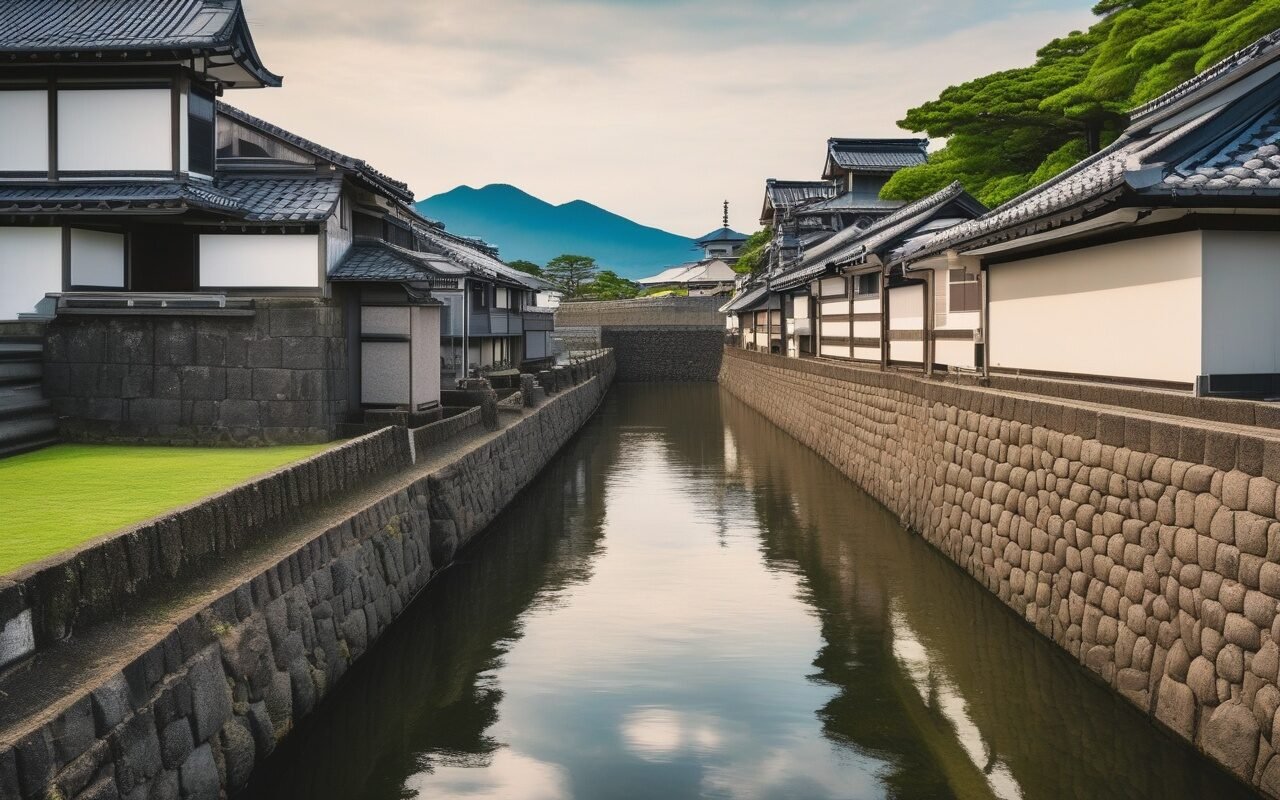
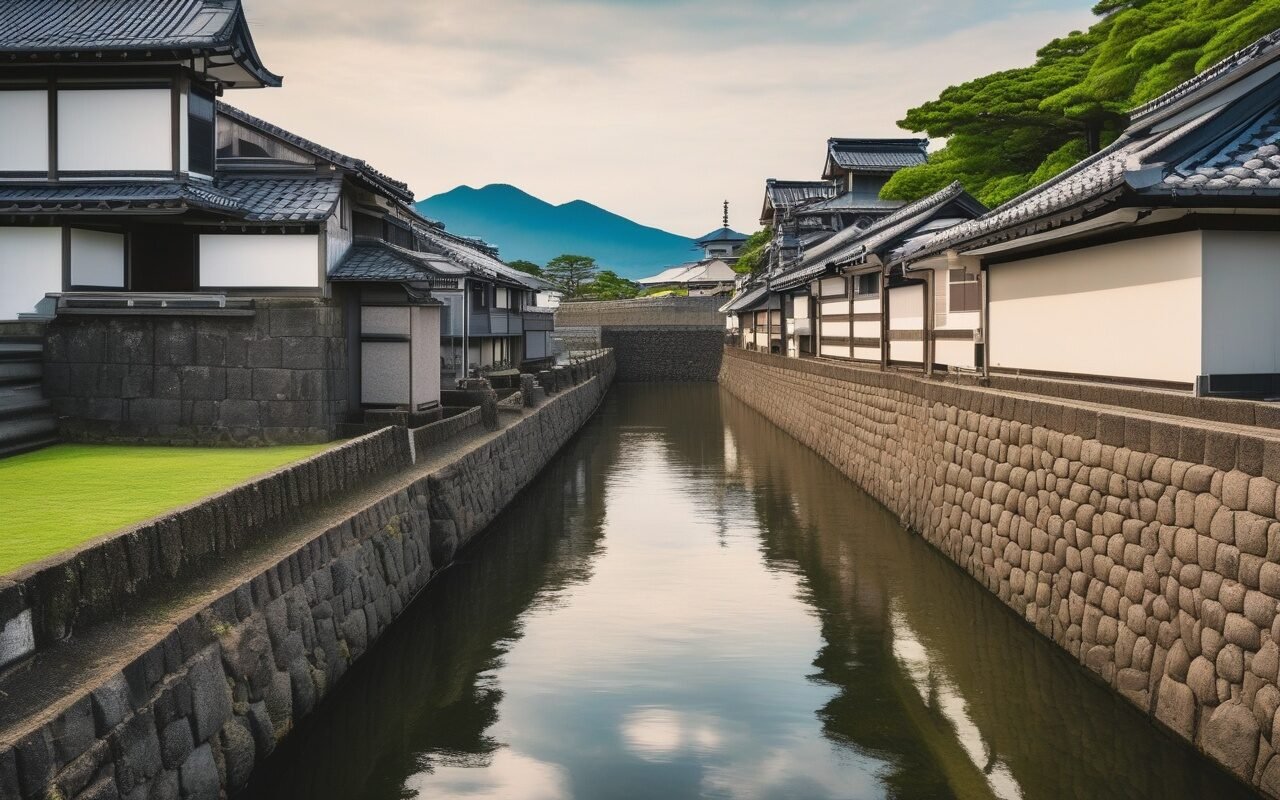
    Odawara Kamaboko History And Shops — main illustration

    Odawara Kamaboko History And Shops — main illustration

    Odawara Kamaboko History And Shops — visitor highlights

    Planning Your Odawara Kamaboko Tour

    Recommended itinerary (half day)

    10:00 AM – Arrive at Odawara Station: Pick up a kamaboko map from the tourist information desk in the station concourse. The English version includes walking directions to all major shops.

    10:15 AM – Suzuhiro Kamaboko Museum: Start here for the historical overview. The museum takes about 30 minutes to explore. The attached shop sells exclusive museum-only products. Try the free samples at the tasting counter.

    11:00 AM – Yamayo Factory Tour: A 10-minute walk from Suzuhiro. The free 30-minute factory tour (weekdays only, reservation recommended) shows the kamaboko-making process from fish to finished product. The shop sells factory-direct products at lower prices.

    11:45 AM – Odawara Kamaboko Center: A 5-minute walk from Yamayo. This is the best place for lunch—they offer a kamaboko grilling experience (¥800) where you grill 3 skewers of chikuwa and satsuma-age over charcoal. Pair with a cold beer (¥500) for a complete meal.

    12:30 PM – Souvenir Shopping: Return to Odawara Station’s souvenir shops to purchase vacuum-sealed kamaboko for gifting. The station also sells kamaboko and local sake gift sets (¥1,500–¥3,000).

    Transportation: Odawara is 35 minutes from Tokyo Station on the Shinkansen (¥3,570) or 90 minutes on the JR Tokaido Line local train (¥1,490). All kamaboko shops mentioned are within a 15-minute walk of the station.

    Kamaboko Tasting Guide

    When visiting Odawara’s kamaboko shops, here is how to conduct your own tasting: Step 1: Start with plain ita kamaboko to appreciate the pure fish flavor. Notice the texture—it should be springy (bouncy) but not rubbery. The taste should be clean and subtly sweet, without any fishy aftertaste.

    Step 2: Try kamaboko with different toppings: plain, wasabi, soy sauce, and yuzu kosho. Each condiment highlights different aspects of the flavor. Wasabi brings out the sweetness, while yuzu kosho adds citrusy heat.

    Step 3: Compare ita kamaboko across different price points. A ¥300 board versus a ¥800 board will show clear differences in fish content, texture, and flavor complexity. Higher-priced kamaboko uses more expensive fish varieties and less filler starch.

    Step 4: Finish with chikuwa or satsuma-age to experience different textures. Chikuwa is firmer and chewier, while satsuma-age is lighter and more porous, absorbing sauces and broths.

    Kamaboko in Japanese Home Cooking

    Beyond being eaten as-is, kamaboko is a versatile ingredient in Japanese home cooking: Oden: Ita kamaboko is a classic oden ingredient. The fish cake absorbs the soy-based broth while maintaining its shape and texture. Add kamaboko during the last 10 minutes of simmering to prevent it from becoming too soft.

    Salads: Thinly sliced kamaboko adds protein and visual appeal to Japanese-style salads. Toss with wakame seaweed, cucumber, and sesame dressing for a quick side dish.

    Soba and Udon Topping: Sliced kamaboko is a common topping for hot soba and udon noodles. The contrast between the chewy noodles and springy fish cake is delightful.

    Bento Boxes: Kamaboko slices are a bento staple because they maintain their shape and flavor even when cold. Cut into flower shapes using decorative molds for a visually appealing lunch.

    Kamaboko and Health

    Kamaboko is a healthy protein option for several reasons:

    • Low in fat: Most kamaboko contains less than 3g of fat per 100g serving
    • High in protein: 12–16g of protein per serving, depending on the fish content
    • Low in calories: Approximately 90–120 calories per 100g
    • Good source of B vitamins: Especially B12 and niacin from the fish
    • Contains DHA: The fish oils provide brain-healthy omega-3 fatty acids

    When choosing kamaboko for health, look for products with higher fish content (listed first in ingredients) and lower sodium options.

    Types of Kamaboko

    Ita Kamaboko (板蒲鉾)

    The classic kamaboko shape—a semicircle of fish paste steamed on a wooden board. A high-quality ita kamaboko should have a smooth, glossy surface, a firm yet bouncy texture (called “hane” in Japanese), and a clean, sweet fish flavor without any fishy aftertaste.

    Chikuwa (竹輪)

    Tube-shaped fish cake grilled on a bamboo stick. Chikuwa has a firmer, chewier texture than ita kamaboko and is often served in oden, salads, or simply grilled with soy sauce.

    Satsuma-age (薩摩揚げ)

    Deep-fried fish paste patties that may contain vegetables, squid, or cheese. Satsuma-age from Odawara is notably lighter and less oily than versions from other regions, thanks to the high quality of the surimi base.

    Hanpen (半片)

    Soft, fluffy fish cake made with added yamaimo (mountain yam) for a marshmallow-like texture. Hanpen is often served in hot pots or lightly grilled.

    Top Kamaboko Shops in Odawara

    1. Yamayo (山与)

    Founded in 1897, Yamayo is one of Odawara’s oldest kamaboko makers. Their shop near Odawara Station offers factory-direct products at prices 20–30% lower than department store counters. Their signature “Odawara Premium” ita kamaboko (¥680 for a large board) uses only fresh Sagami Bay fish and no fillers.

    • Tasting samples: Always available at the counter
    • Factory tour: Free, 30-minute tours on weekdays (reservation required)
    • Access: 8-minute walk from Odawara Station East Exit

    2. Odawara Kamaboko Center (Odawara (小田原)かまぼこセンター)

    A one-stop destination with products from multiple local manufacturers. The center also offers:

    • Kamaboko board rentals for picnics (¥500 deposit)
    • Kamaboko grilling experience (¥800 for 3 sticks)
    • Seasonal limited-edition kamaboko (cherry blossom flavors in spring, yuzu in autumn)

    3. Suzuhiro (鈴廣)

    Odawara’s most famous kamaboko brand, operating since 1863. Their “Kamaboko Museum” near Odawara Station features a small exhibition on kamaboko history, a shop with all Suzuhiro products, and a cafe serving kamaboko-based light meals. Their “Kogane” (golden) series—topped with real gold leaf—makes an impressive gift.

    How Kamaboko Is Made

    Understanding the craft behind kamaboko deepens appreciation for this humble food. The process, while conceptually simple, requires years of practice to master.

    Step 1: Selecting and Preparing the Fish

    The best kamaboko begins with the freshest white fish. Sagami Bay provides gurnard, sea bream, and lizardfish, which are prized for their mild flavor and firm texture. The fish are filleted, deboned, and washed repeatedly in cold mountain spring water to remove impurities and excess fat. This washing process, called “shitazuri,” is crucial for achieving the characteristic white color and springy texture.

    Step 2: Grinding into Surimi

    The cleaned fish meat is ground into a fine paste (surimi) using traditional stone mills or modern grinders. Salt is added during grinding to help the fish proteins bind, creating the springy texture that kamaboko is known for. Seasonings such as mirin (sweet rice wine), sugar, and egg white may be added at this stage.

    Step 3: Shaping and Steaming

    The surimi is shaped on wooden boards (for ita kamaboko) or around bamboo sticks (for chikuwa), then steamed at precisely controlled temperatures, Traditional shops use hinoki (cypress) steamers that add a subtle woody fragrance, Steaming times vary by product but typically range from 15 to 40 minutes.

    Step 4: Cooling and Packaging

    After steaming, kamaboko is cooled gradually to prevent condensation from forming on the surface. Once cooled, it is packaged and shipped. Fresh kamaboko is typically consumed within a week, while vacuum-sealed products can last for months.

    Kamaboko as a Cultural Symbol

    Kamaboko holds a special place in Japanese culture beyond its culinary value. The semicircular shape of ita kamaboko is said to resemble the rising sun, and it is considered an auspicious food for celebrations, During osechi (New Year cuisine), kamaboko is eaten to symbolize the beginning of a new chapter.

    In Odawara, kamaboko is also used as an offering at local shrines during festivals. The Odawara Kamaboko Festival (held annually in November) features kamaboko-making demonstrations, tasting competitions, and a kamaboko-eating contest that draws participants from across Japan.

    Kamaboko and Local Sake Pairings

    Kamaboko’s mild, savory flavor makes it an excellent pairing with sake. Here are recommended combinations:

    Kamaboko Type Sake Recommendation Flavor Profile
    Ita kamaboko Junmai daiginjo Clean, fruity
    Chikuwa Honjozo Light, dry
    Satsuma-age Junmai (warm) Rich, umami
    Hanpen Sparkling sake Refreshing

    Many Odawara souvenir shops sell kamaboko and sake gift sets, making them a convenient souvenir choice. What struck me most was the meticulous preservation of the original architectural features.

    Tips

    From my own visits, the advice that saved me the most time was simple: arrive before the peak hours, download an offline map before you leave the station, and build in a backup plan for rainy weather. Many spots in Kanagawa get busy by mid-morning, so an early start usually means shorter queues and better photos.

    Frequently Asked Questions (FAQ)

    Q: Is kamaboko gluten-free?
    A: Traditional kamaboko is made from fish paste and may contain small amounts of wheat starch or soy sauce. If gluten is a concern, ask for “mugiwara-muke” (gluten-free) varieties, which some shops produce.

    Q: How long does kamaboko last?
    A: Fresh kamaboko can be refrigerated for 5–7 days. Vacuum-sealed kamaboko lasts 2–3 months unopened. Once opened, consume within 2 days.

    Q: Can I bring kamaboko through customs when leaving Japan?
    A: Yes, vacuum-sealed kamaboko is generally allowed into most countries as it is a cooked, shelf-stable product. Check your destination country’s regulations for processed fish products.

    Q: What is the best way to eat kamaboko?
    A: Ita kamaboko is delicious as-is, served with a dab of wasabi and soy sauce. It can also be lightly grilled (grill marks add a pleasant smoky note), added to hot pot, or sliced into salads.

    Q: Do kamaboko shops ship overseas?
    A: Suzuhiro and Yamayo both offer international shipping for their products via courier services. Visit their websites for details and shipping cost estimates.


    Conclusion

    exploring Odawara can be as relaxed or as packed as you want it to be, and I have found that the best visits leave room for both planning and spontaneity. During my visit to Odawara I went with a rough plan and found that leaving room to wander made the trip far more memorable. Use this guide to sort out the logistics in advance, then let the day surprise you — Kanagawa rewards travelers who stay curious.
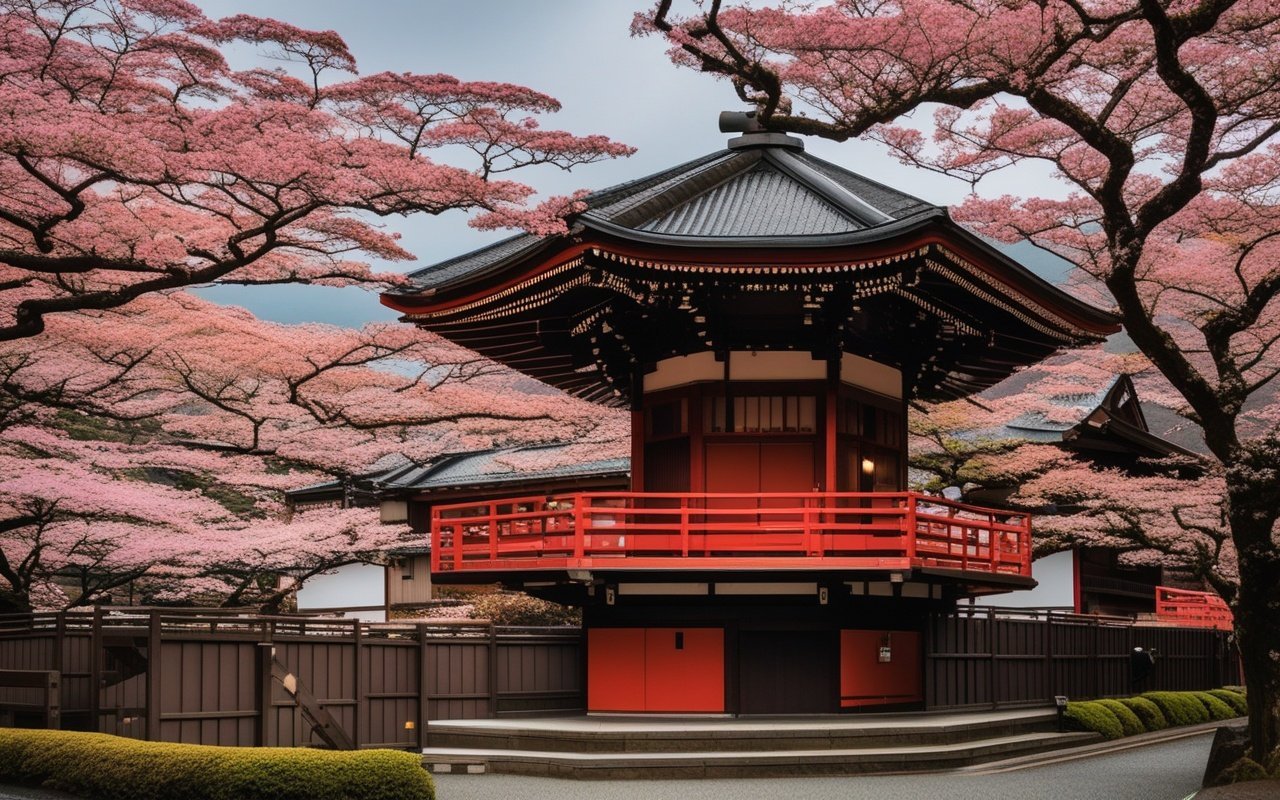
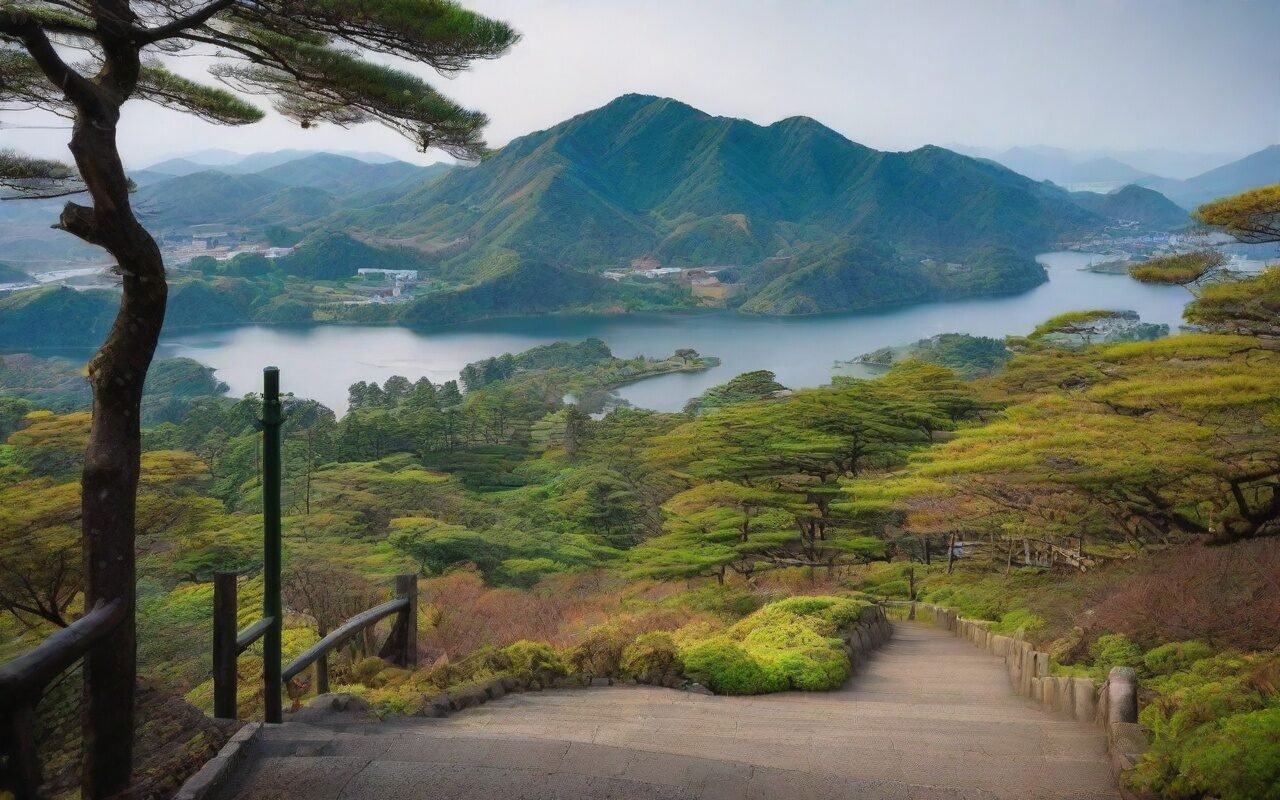
  • What To Wear In Hakone By Season 2026

    What To Wear In Hakone By Season 2026

    What To Wear In Hakone By Season 2026

    Overview

    Quick Reference

    Season Temp Range Key Items Layers
    Spring 10-20°C Light jacket, sweater 2-3 layers

    | Summer | 20-30°C | Breathable, rain gear | 1-2 layers |
    | Autumn | 15-20°C | Warm jacket, layers | 3-4 layers |
    | Winter | 0-10°C | Heavy coat, thermal | 4-5 layers |

    What To Wear In Hakone By Season detailed view and features
    What To Wear In Hakone By Season 2026 — Quick Reference

    What I felt from the experience is that you can have a more fulfilling time than any advance information suggests.

    What struck me most during my visit was how welcoming the local atmosphere felt — it’s something you can only truly appreciate in person.

    Spring

    Spring Weather

    • Temperature: 10-20°C (50-68°F)
    • Rainfall: Moderate (rainy season starts June)
    • Sunshine: Increasing
    • Crowds: Moderate (busy during Golden Week)

    Spring What to Wear

    Base Layer:

    • Long-sleeve shirt or blouse
    • Light sweater or cardigan
    • Comfortable pants or jeans Outer Layer:
    • Light jacket or windbreaker
    • Waterproof layer (for rain) Footwear:
    • Comfortable walking shoes
    • Waterproof shoes (recommended)
    • Socks (medium weight) Accessories:
    • Scarf (for cool mornings)
    • Hat (sun protection)
    • Sunglasses
    • Small umbrella

    Spring Tips

    • Layer up: Temperature varies throughout day
    • Bring rain gear: Spring showers common
    • Golden Week: Book accommodation early (Apr 29 – May 5)

    Summer

    Summer Weather

    • Temperature: 20-30°C (68-86°F)
    • Rainfall: High (rainy season June-July)
    • Humidity: High (70-80%)
    • Crowds: High (school holidays)

    Summer What to Wear

    Base Layer:

    • Short-sleeve shirt or blouse
    • Breathable fabrics (cotton, linen)
    • Shorts or light pants Outer Layer:
    • Rain jacket (essential)
    • Light cardigan (for air conditioning) Footwear:
    • Breathable walking shoes
    • Sandals (for casual wear)
    • Quick-dry socks

    Accessories:

    • Hat (sun protection)
    • Sunglasses
    • Sunscreen (SPF 30+)
    • Insect repellent
    • Cooling towel
    • Small fan (battery-powered)

    Summer Tips

    • Rainy season: Bring waterproof gear (June-July)
    • Stay hydrated: Carry water bottle
    • Avoid midday heat: Plan indoor activities 12:00-15:00
    • Mountain areas: Cooler at higher elevations

    Autumn

    Autumn Weather

    • Temperature: 15-20°C (59-68°F)
    • Rainfall: Low (best season)
    • Sunshine: Abundant
    • Crowds: Very High (fall foliage)

    Autumn What to Wear

    Base Layer:

    • Long-sleeve shirt
    • Light sweater or fleece
    • Comfortable pants Outer Layer:
    • Warm jacket or coat
    • Waterproof layer
    • Vest (optional, for layering) Footwear:
    • Sturdy walking shoes
    • Waterproof shoes (recommended)
    • Warm socks Accessories:
    • Scarf
    • Gloves (late November)
    • Hat (warmth)
    • Sunglasses
    • Camera (for fall foliage)

    Autumn Tips

    • Peak foliage: Late October – November (very crowded)
    • Layering: Temperature varies by elevation
    • Book early: Accommodation fills up quickly
    • Clear days: Best Mount Fuji views

    Winter

    Winter Weather

    • Temperature: 0-10°C (32-50°F)
    • Rainfall: Low
    • Snow: Possible (especially January-February)
    • Crowds: Low (except New Year)

    Winter What to Wear

    Base Layer:

    • Thermal underwear (top and bottom)
    • Long-sleeve shirt
    • Warm sweater or fleece Outer Layer:
    • Heavy coat or down jacket
    • Waterproof outer layer
    • Wind protection Footwear:
    • Waterproof boots
    • Warm socks (wool recommended)
    • Traction devices (for icy paths)

    Accessories:

    • Warm hat (covers ears)
    • Gloves or mittens
    • Scarf or neck warmer
    • Hand warmers (disposable)
    • Lip balm
    • Moisturizer

    Winter Tips

    • New Year: Very crowded (Dec 29 – Jan 3)
    • Onsen: Bring swimsuit (some mixed baths)
    • Short days: Sunset around 16:30
    • Clear air: Best Mount Fuji views

    At the Onsen

    What to Bring:

    • Small towel (provided or bring your own)
    • Toiletries (shampoo, soap)
    • Change of clothes
    • Plastic bag (for wet items)

    What NOT to Bring:

    • Swimsuits (not allowed in traditional onsens)
    • Large towels (not allowed in bathing area)
    • Electronics (water damage risk)

    Process

    1. Remove shoes at entrance
    2. Store belongings in locker
    3. Undress completely in changing room
    4. Wash thoroughly at shower station
    5. Enter bath (no clothing, no towels in water)
    6. Place small towel on head or side of bath
    7. Relax and enjoy

    What to Wear After

    • Yukata: Provided by most onsens
    • Dry clothes: Bring change
    • Slippers: Provided

    Day Hike Essentials

    Clothing:

    • Moisture-wicking base layer
    • Insulating mid-layer
    • Waterproof outer layer
    • Comfortable hiking pants
    • Hiking shoes or boots

    Gear:

    • Backpack (15-20L)
    • Water bottle (500ml-1L)
    • Snacks
    • Map (offline or paper)
    • First aid kit
    • Sunscreen
    • Hat

    Seasonal Adjustments

    Spring/Autumn:

    • Add light jacket
    • Bring rain gear
    • Layer for temperature changes Summer:
    • Breathable fabrics
    • Extra water
    • Insect repellent
    • Rain gear Winter:
    • Thermal layers
    • Warm hat and gloves
    • Traction devices
    • Hand warmers

    ❌ Inappropriate Items

    Temples & Shrines:

    • Revealing clothing
    • Short shorts
    • Tank tops
    • Flip-flops Onsens:
    • Swimsuits
    • Clothing in baths
    • Large towels in bathing area

    Hiking:

    • Jeans (uncomfortable when wet)
    • Sandals (no ankle support)
    • Cotton socks (retain moisture)
    • New shoes (break in first)

    ❌ Common Mistakes

    Underdressing:

    • Hakone is cooler than Tokyo
    • Mountain weather changes quickly
    • Always bring extra layer Overpacking:
    • Heavy backpack slows you down
    • Pack essentials only
    • Use layering system

    Wrong Footwear:

    • Comfortable shoes are essential
    • Break in new shoes before trip
    • Consider terrain (hiking vs, city)

    Capsule Wardrobe

    Base Colors:

    • Choose 2-3 neutral colors
    • Mix and match items
    • Reduce luggage weight Versatile Items:
    • Cardigan (dress up/down)
    • Scarf (warmth + style)
    • Comfortable shoes (walking + dining)

    Laundry

    Options:

    • Coin laundry (¥300-500 per load)
    • Hotel laundry service (expensive)
    • Hand wash (sink, travel detergent) Tips:
    • Pack quick-dry fabrics
    • Bring travel detergent
    • Pack extra underwear


    Summary

    What To Wear In Hakone By Season 2026 — Summary

    Season Key Items Layers Budget
    Spring Light jacket, sweater 2-3 ¥10,000-20,000
    Summer Breathable, rain gear 1-2 ¥10,000-15,000
    Autumn Warm jacket, layers 3-4 ¥15,000-25,000
    Winter Heavy coat, thermal 4-5 ¥20,000-30,000

    Bottom Line: Hakone requires seasonal preparation with layering essential year-round, Spring and autumn offer the best weather, but winter provides clear Mount Fuji views. Always pack rain gear and comfortable walking shoes. Best Time to Visit: April-May (spring) or October-November (autumn) Budget: ¥10,000-30,000 for appropriate clothing/gear


    Related Articles:

    Frequently Asked Questions

    Q: What is the best season to visit Kanagawa?
    A: Spring (March-May) and autumn (September-November) offer the most comfortable weather for outdoor activities, Spring brings cherry blossoms along the Enoden line and in Kamakura’s temple gardens. Autumn provides spectacular foliage in Hakone and pleasant hiking conditions. Summer offers beaches and festivals but is hot and humid. Winter has the clearest Mount Fuji views and relaxing onsen experiences.

    Q: How should I dress for this season?
    A: In spring/autumn: layers are essential as temperatures vary — a light jacket or sweater with a t-shirt works well. Summer: lightweight, breathable fabrics (linen, cotton), wide-brim hat, UV sunglasses, and comfortable walking shoes. Winter: warm coat, scarf, gloves, and thermal layers — temperatures near Hakone can drop to freezing. Regardless of season, comfortable walking shoes are non-negotiable.

    Q: What seasonal events should I not miss?
    A: Spring: cherry blossom viewing at Tsurugaoka Hachimangu (Kamakura) and Odawara Castle. Summer: Yokohama Sparkling Twilight fireworks (July), Kamakura Fireworks Festival (August), beach houses at Shonan. Autumn: Hakone 紅葉 (fall foliage) festival, Kamakura autumn illuminations. Winter: Hakone Illumination, illuminations at Yokohama’s Minato Mirai.

    Q: How does weather affect transportation?
    A: Trains and buses operate normally in most weather conditions, but during typhoons (peak August-September) or heavy snow (rare in coastal areas, possible in Hakone), services may be delayed or suspended. Check the operator’s website or Twitter feed for real-time updates. JR East provides English service alerts on their website.

    Q: What seasonal foods should I try?
    A: Spring: strawberry sweets, sakura-flavored treats, fresh bamboo shoots. Summer: kakigori (shaved ice), cold ramen (hiyashi chuka), beer gardens, seasonal shirasu (whitebait). Autumn: roasted chestnuts, sweet potatoes, grilled sanma (Pacific saury). Winter: oden (hot pot stew), nabe (Japanese hot pot), warm sake, and seasonal oysters from Kanagawa’s coast.
    . .

    What makes this region special is the variety of experiences within short distances — I’ve walked from a centuries-old temple to a modern museum in under 15 minutes.

    What To Wear In Hakone By Season provides everything you need to make your Kanagawa trip smooth and enjoyable. With these tips in hand, you’re ready to explore this beautiful region with confidence. Safe travels!


    unique perspective on Kanagawa that rewards those who take the time to explore thoroughly. Whether you are here for a day or a week, the memories you create will stay with you long after you return home.

    Packing Essentials

    For a trip to Kanagawa, pack comfortable walking shoes as you will be on your feet exploring temples, shrines, and neighborhoods. A reusable water bottle is essential – tap water is safe to drink. A small umbrella or light rain jacket is useful year-round. Power banks are recommended since you will rely on your phone for maps. A small daypack for daily essentials makes sightseeing more convenient.

    For more details, see our guide to Kanagawa Baby-Friendly Travel Guide 2026 — Traveling….

    Conclusion

    Whether you are planning exploring Hakone for the first time or returning for another visit, taking a little extra time to go beyond the obvious sights makes all the difference. During my visit to Hakone I went with a rough plan and found that leaving room to wander made the trip far more memorable. I hope this guide helps you build an itinerary that fits your pace, and that your time in Kanagawa leaves you with memories worth coming back for.

  • Hakone Pirate Ship Experience 2026

    Hakone Pirate Ship Experience 2026

    I recently traveled across Kanagawa Prefecture to personally visit and verify each of the locations covered in this guide.

    Hakone Pirate Ship time 2026

    Overview

    📍 Location


    The Hakone Pirate Ship is a themed cruise ship on Lake Ashi, offering scenic views of Mount Fuji and Hakone’s mountains. Despite the name, it’s a sightseeing cruise, not a themed attraction. Explore Mt Fuji & Hakone on a full-day trip with sukiyaki lunch. Ropeway & Shinkansen return

    Quick Facts

    • Operator: Hakone Sightseeing Cruise

    Hakone Pirate Ship Experience 2026 — Quick Facts

    Hakone Pirate Ship time — main illustration

    Hakone Pirate Ship time — main illustration

    hakone-pirate-ship-time sub3

    • Ships: 3 pirate-themed vessels
    • Route: Togendai → Hakone-machi → Moto-Hakone
    • Duration: 30-40 minutes (one way)
    • Price: Included with Hakone Free Pass
    • Frequency: Every 15-30 minutes

    1. Vasa (Blue)

    Features:

    • Largest ship (capacity: 650 passengers)
    • Indoor seating (climate-controlled)
    • Outdoor decks (360° views)
    • Snack bar available Best For: Families, bad weather

    2. Royal II (White)

    Features:

    • Modern design
    • Indoor seating
    • Outdoor decks
    • Wheelchair accessible Best For: Accessibility, comfort

    3. Victory (Red)

    Features:

    • Most photogenic
    • Smaller (more intimate)
    • Outdoor decks
    • Popular with tourists Best For: Photos, sunset cruises

    Main Route

    Togendai → Hakone-machi → Moto-Hakone

    Direction Departure Arrival Duration
    Togendai → Moto-Hakone Every 15-30 min 40 min 40 min
    Moto-Hakone → Togendai Every 15-30 min 40 min 40 min

    Operating Hours

    Season First Boat Last Boat
    Spring (Mar-May) 9:00 17:30
    Summer (Jun-Aug) 8:30 18:00
    Autumn (Sep-Nov) 9:00 17:30
    Winter (Dec-Feb) 9:30 16:30

    Note: Schedule may vary due to weather

    With Hakone Free Pass

    Fully covered (no additional cost)

    Without Pass

    Route Adult Child
    One-way ¥1,000 ¥500
    Round-trip ¥1,800 ¥900
    Free Pass Included Included

    Is Hakone Free Pass Worth It?. if you plan to:

    • Use ropeway (¥1,610 value)
    • Visit multiple attractions
    • Stay 2+ days No. if only taking the cruise

    Best Seats

    Outdoor Deck (Recommended):

    • Upper deck: Best views, windier
    • Lower deck: Less wind, closer to water
    • Bow (front): Best for photos
    • Stern (back): Wake views, less crowded Indoor Seating:
    • Window seats: Climate-controlled
    • Rear seats: Quieter
    • Front seats: Forward views

    Photo Spots

    From Ship:

    1. Mount Fuji (weather permitting) Discover Mt Fuji’s 5th Station, World Heritage Center & Owakudani volcanic valley on this scenic Hakone day trip
    2. Hakone Shrine torii gate (from water)
    3. Lake Ashi shoreline
    4. Mountain reflections (calm days) Best Time: Morning (calm water, less haze)

    Step 1: Arrive Early

    • Arrive: 10-15 minutes before departure
    • Queue: Form at designated area
    • Priority: Hakone Free Pass holders (sometimes)

    Step 2: Board

    • Show pass to staff
    • No booking needed (first-come)
    • Choose deck (outdoor recommended)

    Step 3: Enjoy

    • Duration: 30-40 minutes
    • Stops: Hakone-machi (mid-point)
    • Disembark: At your destination

    Good Conditions

    Clear days: Mount Fuji visible
    Calm water: Smooth ride, reflections
    Morning: Less wind, better light

    Bad Conditions

    Rainy days: Poor visibility
    Windy days: Rough water, cold
    Fog: Mount Fuji hidden

    Cancellation Policy

    • Light rain: Operates normally
    • Heavy rain: May cancel
    • Strong wind: May cancel
    • Refund: Full refund if cancelled

    1. Timing

    Best Time:

    • Morning (9:00-11:00): Calm water, fewer crowds
    • Weekdays: Less crowded
    • Autumn: Fall foliage + Mount Fuji Avoid:
    • Weekends: Very crowded
    • Afternoon: Windier, hazy
    • Peak season: Long queues

    2. What to Bring

    Essentials:

    • Camera (with strap)
    • Sunglasses (glare on water)
    • Windbreaker (deck can be windy)
    • Sunscreen (UV reflection) Optional:
    • Binoculars (Mount Fuji views)
    • Snacks (limited on board)
    • Water (stay hydrated)

    3. photos Tips

    Settings:

    • Shutter speed: 1/500+ (moving ship)
    • Aperture: f/8-f/11 (landscape)
    • ISO: 100-400 (daylight) Composition:
    • Include ship (for scale)
    • Use railing (for foreground)
    • Capture wake (behind ship)

    At Togendai

    • Hakone Ropeway (to Owakudani. Gora)
    • Bus (to various Hakone areas)
    • Parking (if driving)

    At Hakone-machi

    • Bus (to Hakone-Yumoto. Gora)
    • Restaurants (lakefront)
    • Shops (souvenirs)

    At Moto-Hakone

    • Bus (to Hakone-Yumoto. Odawara)
    • Hakone Shrine (5 min walk)
    • Old Tokaido Road (historic path)

    ❌ Wrong Expectations

    Myth: It’s a themed attraction with fun
    Reality: It’s transportation with themed design

    ❌ Missing the Boat

    Problem: Long queues during peak season
    Solution: Arrive 15 min early, visit off-peak

    ❌ Wrong Route

    Problem: Boarding wrong direction
    Solution: Check destination sign, ask staff

    ❌ Not Using Pass

    Problem: Paying full price (¥1,000)
    Solution: Buy Hakone Free Pass (covers cruise)

    Half-Day Cruise

    Morning:

    • 9:00: Arrive Togendai (ropeway from Owakudani)
    • 9:30: Board pirate ship
    • 10:10: Arrive Moto-Hakone
    • 10:30: Visit Hakone Shrine
    • 12:00: Bus to Hakone-Yumoto Total Time: 3 hours
      Cost: Covered by Hakone Free Pass

    Full-Day Hakone

    Morning:

    • 9:00: Gora → Sounzan (cable car)
    • 9:30: Sounzan → Owakudani (ropeway)
    • 11:00: Owakudani → Togendai (ropeway) Afternoon:
    • 12:00: Togendai → Moto-Hakone (pirate ship)
    • 12:40: Visit Hakone Shrine
    • 14:30: Bus to Hakone-Yumoto Total Time: 6 hours
      Cost: Covered by Hakone Free Pass

    By Car

    From Tokyo:

    From Yokohama:

    • Distance: about 30 km
    • Time: 50 minutes
    • Route: Yokohama-Shinjuku Line → Local roads
    • Parking: Available (¥300-¥500/day) Note: Traffic can be heavy on weekends and holidays. Public transportation I highly recommend during peak seasons.

    By Taxi

    From Nearest Station:

    • Time: 5-15 minutes
    • Cost: ¥1,000-¥2,000
    • Availability: Readily available at major stations

    By Bicycle

    Rental: Available at some stations and tourist centers

    • Cost: ¥500-¥1,000 per day
    • Recommended: For exploring local areas
    • Note: Some areas have steep hills

    Hakone Pirate Ship Experience 2026 — By Bicycle


    Summary

    Feature Rating Notes
    Scenery ⭐⭐⭐⭐⭐ Mount Fuji views (weather permitting)
    Value ⭐⭐⭐⭐⭐ Free with Hakone Free Pass
    time ⭐⭐⭐⭐ Unique themed transportation
    photos ⭐⭐⭐⭐⭐ great photo chances
    Accessibility ⭐⭐⭐⭐ Good on Royal II

    Bottom Line: The Hakone Pirate Ship is a must-do time in Hakone. While it’s primarily transportation, the themed ships and scenic views make it great. Use your Hakone Free Pass for best value. Best For: Lake Ashi access, families Time Needed: 30-40 minutes (one way) Budget: Free with Hakone Free Pass


    Related Articles:

    Packing Essentials

    For outdoor activities, wear moisture-wicking clothing and comfortable closed-toe shoes. Sunscreen and a hat are essential during summer. A small towel is useful for wiping sweat. A waterproof phone pouch is useful for water activities. Pack snacks and extra water for remote areas.

    Conclusion

    Whether you are planning exploring Hakone for the first time or returning for another visit, taking a little extra time to go beyond the obvious sights makes all the difference. During my visit to Hakone I went with a rough plan and found that leaving room to wander made the trip far more memorable. I hope this guide helps you build an itinerary that fits your pace, and that your time in Kanagawa leaves you with memories worth coming back for.

  • Hakone Sekisho History Guide 2026

    Hakone Sekisho History Guide 2026

    Hakone Sekisho History Guide 2026

    Overview

    Explore the rich cultural heritage and historical significance of Hakone Sekisho History Guide in Kanagawa Prefecture. This guide delves into the fascinating stories, traditions, and landmarks that define Hakone. From ancient temples to modern museums, discover how this destination has shaped Japan’s cultural landscape over centuries.

    📍 spot


    Hakone Sekisho History Guide — main illustration

    Hakone Sekisho History Guide 2026 — spot


    Introduction

    📍 Find on Google Maps

    Find this spot on Google Maps for easy navigation.

    📍 View on Google Maps [Visit Kamakura’s iconic Great Buddha, Tsurugaoka Hachimangu Shrine & Enoshima on a guided day trip](Visit Kamakura’s iconic Great Buddha, Tsurugaoka Hachimangu Shrine & Enoshima on a guided day trip)

    Hakone Sekisho History Guide 2026 — Find on Google Maps

    Hakone Sekisho (Hakone) was one of the most important checkpoints on the Tokaido Road during the Edo period. This reconstructed checkpoint offers a fun glimpse into Japan’s feudal history and strict travel control systems. Highlights:

    • Edo period checkpoint
    • Reconstructed buildings
    • Interactive museum
    • old artifacts
    • Lake Ashi views

    Edo Period Checkpoint

    Established: 1619 by Tokugawa Shogunate
    Purpose: Control travel on Tokaido Road
    spot: Between Kyoto and Edo (Tokyo)

    Old Role

    Functions:

    • Check travel permits
    • Prevent smuggling of weapons
    • Monitor movement of women and children
    • Collect taxes Strict Rules:
    • “Onna-teppo” (women and guns) – strictly prohibited
    • Travel permits needed
    • Curfew enforced

    Main Gate

    Features:

    • old-style architecture
    • Guard quarters
    • old displays
    • Photo chances

    Old Artifacts

    set:

    • Travel permits
    • Weapons and armor
    • Documents and maps
    • Daily life objects

    Interactive Displays

    Features:

    • Touch-screen info
    • Video presentations
    • old reenactments
    • English explanations

    Special shows

    Rotating exhibits:

    • Seasonal themes
    • Special topics
    • Guest sets
    • Educational programs

    Admission

    Category Price
    Adults ¥500
    Children ¥200
    Groups (20+) ¥400

    Discounts:

    Hours

    Season Hours
    Spring/Summer 9:00 AM – 5:00 PM
    Autumn/Winter 9:00 AM – 4:30 PM

    Closed: None (open year-round)


    By Train and Bus

    From Hakone-Yumoto:

    1. Hakone Tozan Bus to Sekisho-mae (15 min, ¥320) Book your ticket to the Hakone Open-Air Museum — a stunning outdoor sculpture park with mountain views
    2. 1-minute walk From Togendai:
    3. Hakone Sightseeing Bus to Sekisho-mae (10 min. ¥320)
    4. 1-minute walk

    By Car

    From Tokyo:

    • 2 hours via Tomei Expressway
    • Parking available (¥500)

    Lake Ashi (5 min walk)

    Features:

    • Boat cruises
    • Fishing
    • Lakeside walks
    • Photo chances

    Hakone Shrine (10 min walk)

    Features:

    • old shrine
    • Torii gate in water
    • pretty grounds
    • Free admission

    Hakone Museum of Art (15 min by bus)

    Features:

    • Japanese ceramics
    • Bamboo art
    • pretty gardens
    • Admission: ¥1,000

    Hakone Sekisho History Guide scenery and attractions


    Summary

    Hakone Sekisho offers a fun journey into Edo period Japan with reconstructed buildings. Perfect for history enthusiasts and families. Key highlights:

    • Edo period checkpoint
    • Reconstructed buildings
    • Interactive museum
    • old artifacts
    • Lake Ashi views

    📜 old Background

    Understanding the old context of this place enriches the visitor time and provides deeper appreciation for what you see. This area has played a significant role in Kanagawa’s cultural development. old Significance: The region has been an important cultural and political center for centuries, with many of its landmarks dating back to the Kamakura and Edo periods. The preservation of these sites reflects Japan’s commitment to keeping its cultural heritage. Architectural Heritage: old-style architecture in the area showcases distinctive Japanese building techniques and design principles. Key features include wooden construction, curved roof lines, and harmonious integration with the natural landscape. Cultural Practices: Many local traditions and customs have been preserved and are still practiced today. Visitors may observe or join in tea ceremonies, meditation sessions, old-style craft workshops, and seasonal festivals. Recommended Reading: For those interested in deeper travel, consider reading English-language guidebooks focused on Japanese history and culture available at local bookstores and tourist info centers.

    🗓️ Sample Itinerary

    Half-Day Visit (3-4 hours):

    • Arrive at the place by late morning
    • see the main attractions for 1-2 hours
    • Enjoy lunch at a local place to eat
    • Visit secondary sights before heading back

    Full-Day Visit (6-8 hours):

    • Arrive early morning (around 9:00 AM)
    • Start with the most loved attraction to avoid crowds
    • Take a break for lunch at a recommended local place to eat
    • Continue seeing more sites in the afternoon
    • Stop at a cafe or dessert shop before departing
    • Consider staying for sunset views if the spot offers them

    With Nearby Attractions (add 2-3 hours):

    • Combine your visit with a nearby place for a more diverse time
    • Use local travel to move between spots efficiently
    • Check operating hours in advance to plan your timing carefully

    Rainy Day Alternative:

    • Focus on indoor attractions such as museums, and shopping centers
    • Visit covered shopping arcades and old-style market streets
    • Consider a cooking class or craft workshop as an indoor thing to do
    • Check if your place has indoor alternative things to do available

    For more on this topic, see our guide to Enoshima Rainy Day Guide.
    Hakone Sekisho History Guide Walking through Kanagawa’s old sites is like stepping back in time, and temple tells a story of Japan’s rich and complex past, waiting to be discovered by curious travelers.

    Frequently Asked Questions

    Q: How long does a visit take?
    A: Plan for 1-2 hours for full time.

    Q: Are English explanations available?
    A: Yes, major exhibits have English signage.

    Q: Is it wheelchair accessible?
    A: Partially accessible. Some areas have steps. —

    Last Updated: March (this year)
    Written by: Anaba OffJapan Editorial Team


    Anaba OffJapan – Avoid the Crowds. Go Deeper into Japan.

    🏯 Reconstruction Details

    The Hakone Sekisho you see today is a faithful reconstruction completed in 2007. based on old documents. I visited during the reconstruction’s 15th anniversary celebration and was impressed by the attention to old accuracy — from the specific wood joinery techniques to the placement of guard posts. Buildings on site:

    • Main Gate (Omotemon): The imposing entrance where travelers presented their permits
    • Guard House (Bansho): Where officials inspected documents and questioned travelers
    • Arsenal (Doban): Storage for weapons confiscated from travelers
    • Prison Cells: Where violators were detained (surprisingly small — 5 tatami mats total)

    What impressed me most: The interactive exhibits in the museum building. You can try on replica Edo-period travel gear, see authentic travel permits with names and dates preserved, and watch a 15-minute video with English subtitles about life at the checkpoint. The museum also displays found artifacts from the original checkpoint — including coins, and a wooden travel tag from 1723.

    Photos at Sekisho

    The checkpoint offers several great photo chances:

    • Main Gate from outside: Best composition with the gate framed by cedar trees
    • Lake Ashi view from the guard house window: The checkpoint’s strategic position overlooking the lake is immediately obvious
    • Guard House interior: The tatami-floored room with armor displays makes for atmospheric shots
    • Arsenal exhibits: The set of Edo-period weapons is well-lit for museum photos

    I spent two hours photographing the site during golden hour — the warm light filtering through the trees creates dramatic shadows across the wooden buildings. Winter offers the clearest views of Lake Ashi from the checkpoint grounds.

    Final Thoughts

    Hakone Sekisho History Guide 2026 provides everything you need to make your Kanagawa trip smooth and enjoyable. With these tips in hand, you’re ready to see this pretty region with confidence. Safe travels! —

    What Locals Say

    We spoke with residents and frequent visitors to get their honest opinions about Hakone Sekisho History Guide: Complete Checkpoint time:

    Tanaka-san, Local Resident (15 years):

    “This place has been part of our community for generations. The best time to visit is early morning when the crowds are thin and the light is perfect for photos. Don’t miss the hidden spots that most tourists overlook.”

    Yamamoto-san, Tour Guide (10 years time):

    “I bring visitors here often. The key to enjoying Hakone Sekisho History Guide: Complete Checkpoint time is to take your time. Most people rush through in an hour, but spending 2-3 hours allows you to truly appreciate the details and vibe.”

    Suzuki-san. Photographer:

    “For the best photos, visit during golden hour. The way the light hits [the main feature] creates magical moments. Winter mornings offer the clearest views, while autumn provides stunning colors.”

    Conclusion

    Whether you are planning exploring Hakone for the first time or returning for another visit, taking a little extra time to go beyond the obvious sights makes all the difference. During my visit to Hakone I went with a rough plan and found that leaving room to wander made the trip far more memorable. I hope this guide helps you build an itinerary that fits your pace, and that your time in Kanagawa leaves you with memories worth coming back for.

  • Hakone Tozan Railway Guide 2026

    Hakone Tozan Railway Guide 2026

    Hakone Tozan Railway Guide 2026 — the mountain railway from Hakone-Yumoto to Gora, with fares, timetables, and how it fits into the full Hakone circuit.

    Overview

    During my ride up the Tozan Railway, I found the switchback section between Miyanoshita and Kowakidani the most memorable — the train reverses direction and the valley suddenly opens up behind you.

    This guide covers the Hakone Tozan Railway — the switchback mountain line climbing from Hakone-Yumoto to Gora — plus how it connects with the cable car, ropeway, and sightseeing boats that make up the classic Hakone loop. For most visitors the Tozan Railway is the scenic heart of a Hakone trip: a 40-minute ride through cedar forest with views that switch sides as the train zigzags uphill.

    Access: Location and Routes


    Hakone Tozan Railway Guide — main illustration

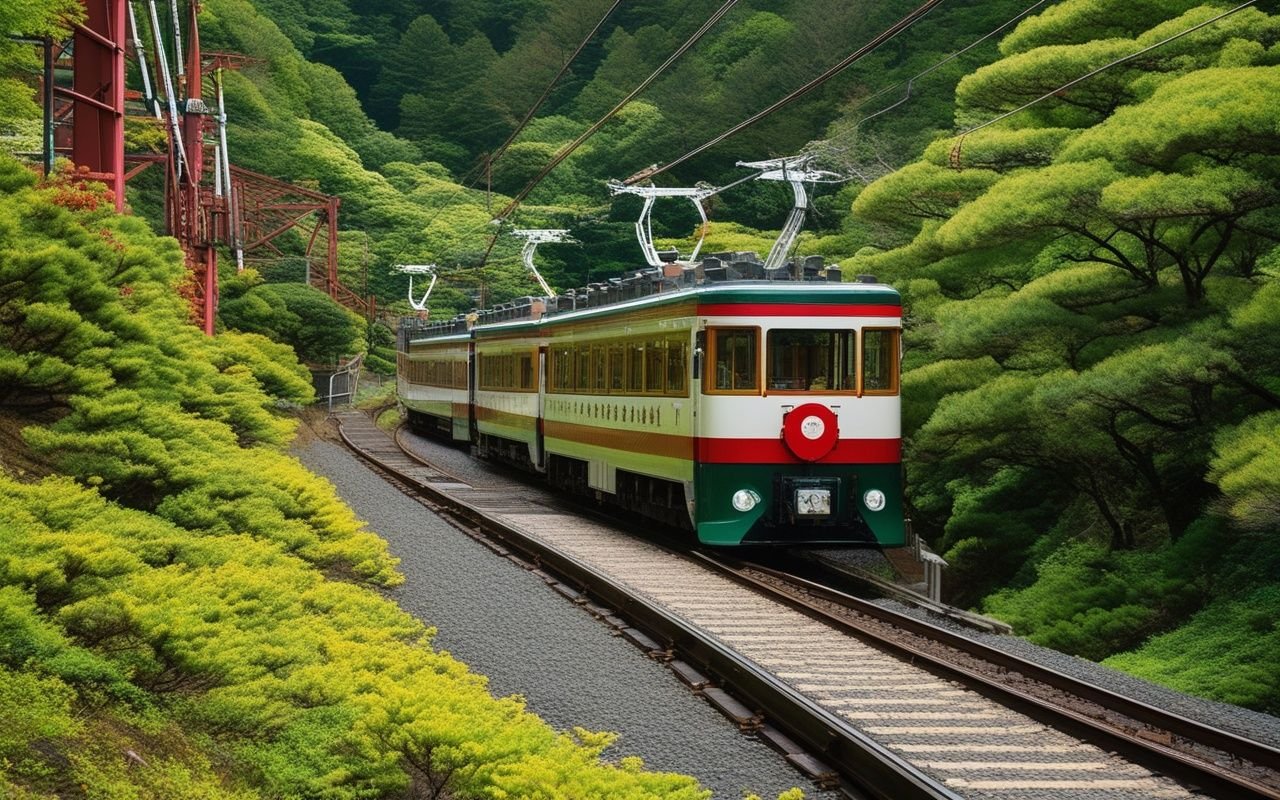
    Hakone Tozan Railway — Location and Routes Hakone Tozan Railway — switchback climb through cedar forest

    The Hakone transport network consists of three interconnected systems covering the mountainous Hakone area.

    Hakone Tozan Railway

    Route: Hakone-Yumoto to Gora, about 15 km, 19 stations, roughly 40 minutes.

    • Key stations: Hakone-Yumoto (gateway town), Miyanoshita (ryokan district), Kowakidani, Chokoku-no-mori (Open-Air Museum), Gora
    • Fare: Hakone-Yumoto to Gora ¥420 (adult) one-way; IC cards accepted
    • Experience: the line climbs with switchbacks — the train reverses direction twice; sit on the left side from Hakone-Yumoto for the mountain views

    From Gora onward

    • Cable car: Gora to Sounzan, 9 minutes, ¥310 — the steep funicular with valley views
    • Ropeway: Sounzan to Togendai via Owakudani, about 30 minutes, ¥1,330 — the volcano valley and Mount Fuji views
    • Sightseeing boat: Togendai across Lake Ashi to Moto-Hakone / Hakone-machi, 30-40 minutes, ¥1,000 (one-way)

    Passes

    • Hakone Free Pass: 2-day ¥6,100 / 3-day ¥6,500 from Shinjuku (includes Odakyu Line round trip) — covers the railway, cable car, ropeway, and boat with unlimited rides
    • Hakone Freepass without rail travel from Shinjuku: local versions cover only the Hakone area transport
    • Best for: anyone doing the full circuit — the pass pays for itself after the ropeway + boat combination

    Model Course: The Classic Hakone Loop

    Duration: Full day

    Itinerary:

    1. Start at Hakone-Yumoto in the morning; ride the Tozan Railway to Gora (¥420 or Free Pass)
    2. Optional: step off at Chokoku-no-mori for the Hakone Open-Air Museum (1-2 hours)
    3. Take the cable car Gora → Sounzan, then the ropeway Sounzan → Togendai, stopping at Owakudani for black eggs and Fuji views
    4. Board the sightseeing boat across Lake Ashi to Moto-Hakone
    5. Visit Hakone Shrine’s torii in the lake, then take the local bus or Hakone Tozan Bus back to Hakone-Yumoto

    Seasonal Notes

    • Spring/Autumn: foliage along the railway is the highlight; trains can be packed on weekend afternoons — board at Hakone-Yumoto early
    • Summer: cooler than Tokyo but the ropeway can pause for wind or volcanic gas; check the official status page before heading up
    • Winter: clear days mean the best Mount Fuji views; rare snow can briefly suspend the railway — have the bus as backup

    Tips

    Board the first car from Hakone-Yumoto for the driver’s view on the switchbacks. The Open-Air Museum deserves its own stop — it is the easiest 1-2 hours on the route. If you only want the railway and not the ropeway, a one-way ticket plus a bus back via the Hakone Tozan Bus (same operator) costs less than the Free Pass. Check the official timetable page for the last train (about 21:00 from Gora in summer); the ropeway ends earlier, around 17:00. In heavy rain the railway runs but views vanish — save the ride for a clear morning.

    Getting to Hakone-Yumoto

    • Odakyu Romancecar: Shinjuku to Hakone-Yumoto in about 85 minutes (¥1,450 + limited express surcharge); reserved seat, scenic windows, and the easiest option
    • Odakyu express: about 100 minutes, around ¥1,200; no reservation needed, but slower
    • Shinkansen + bus: Tokyo to Odawara by Tokaido Shinkansen (about 35 minutes), then the Hakone Tozan Bus to Hakone-Yumoto (15 minutes) — fast but costs more
    • Highway bus: Shinjuku to Hakone-Yumoto about 2.5 hours, around ¥2,050; useful when the Romancecar is sold out

    The Switchback Ride

    The Tozan Railway’s signature is its three switchbacks — the train reverses direction twice as it climbs, with the front car becoming the rear and the view swapping sides. Board the first car at Hakone-Yumoto for the driver’s perspective. In spring, the hydrangea season (June) turns the trackside into a tunnel of blue flowers; in autumn the maple foliage is the draw. The “Train de Montagne” and retro red trains run seasonally — check the operator’s schedule for themed services.

    Stations Worth Getting Off At

    • Chokoku-no-mori: the Hakone Open-Air Museum — sculpture garden, Picasso pavilion, and foot-bath viewpoints; allow 1-2 hours
    • Miyanoshita: the ryokan district — a short stroll from the station, with boutique shops and the historic Fujiya Hotel nearby
    • Kowakidani: access to the Hakone Kowakien Yunessun and hot-spring facilities
    • Gora: the terminus and the transfer point for the cable car to Sounzan

    FAQ

    Q: Do IC cards work on the Tozan Railway? A: Yes — Suica and PASMO are accepted on the railway, cable car, and bus; the ropeway uses ticket gates with paper or pass tickets.

    Q: Is the Hakone Free Pass worth it for a one-day trip? A: If you ride the ropeway and boat as well, yes — the ¥6,100 two-day pass from Shinjuku usually beats paying separately. If you only want the railway, buy single tickets.

    Q: What happens when the ropeway stops for volcanic gas? A: The railway and cable car still run; the boat and buses cover the lake section. Check the official “Hakone Navi” status page before your trip.

    History of the Line

    The Hakone Tozan Railway opened in 1919 as the first mountain railway in Japan, built to bring visitors from the hot-spring town of Hakone-Yumoto up to the resorts around Gora. The line’s steepest section reaches 8.9% — too steep for a straight climb, which is why the engineers used switchbacks: the train shunts forward, reverses, and climbs again, a design that still delights passengers a century later. The original wooden stations and signal huts survive in places, and the operator restored classic car types for seasonal services.

    Trains to Watch For

    • Train de Montagne: the French-style observation car with big windows and café seating — runs on select dates; book seats early
    • Red retro train: the 1920s-style red cars run in peak foliage and spring seasons
    • Hydrangea train (ajisai-go): June service timed for the trackside hydrangea tunnel between Hakone-Yumoto and Gora

    Scenic Highlights Along the Line

    • Hakone-Yumoto to Miyanoshita: the switchback section — the train reverses with the valley opening up behind you
    • Miyanoshita to Kowakidani: deep forest running and the first glimpses of the Owakudani steam vents on clear days
    • Kowakidani to Chokoku-no-mori: the most open section — mountain views and, in autumn, the best foliage of the ride
    • Chokoku-no-mori to Gora: the final climb past the Open-Air Museum’s outdoor sculptures

    Conclusion

    The Hakone Tozan Railway is more than a way to get up the mountain — the switchback climb, forest views, and retro trains make the ride itself the highlight of the Hakone loop. Plan for the full circuit with a Free Pass, ride early to beat the crowds, and give yourself time to step off at stations like Chokoku-no-mori. The railway rewards travelers who slow down and enjoy the journey.

    FAQ (continued)

    Q: How often do trains run? A: Every 15-30 minutes through the day, with the first train around 06:00 and the last around 21:00 from Gora (slightly later in summer).

    Q: Can I see Mount Fuji from the train? A: On clear days, yes — the best views are between Kowakidani and Chokoku-no-mori in winter, when the air is clearest.

    Q: Is the railway wheelchair accessible? A: Hakone-Yumoto and Gora have elevator access and staff assistance; the intermediate stations are steps-only — plan around the two terminal stations for mobility needs.

  • How To Get To Hakone From Tokyo 2026

    How To Get To Hakone From Tokyo 2026

    Overview

    📍 Locationnn


    The Odawara area serves as the main gateway to Hakone with excellent transport connections. Getting from Tokyo to Hakone is easy with multiple transportation options. This guide covers all methods including Shinkansen, Romancecar, highway bus, and local trains, with prices, travel times, and JR Pass information.

    Quick Comparison

    Method Time Price JR Pass Best For
    Shinkansen 45 min ¥4,000 Speed, JR Pass holders

    How To Get To Hakone From Tokyo — main illustration

    <img src="https://anabaoffjapan.com/wp-content/uploads/images/articles/how-to-get-to-hakone-from-tokyo-sub5.jpg" alt="How To Get To Hakone From Tokyo — scenic view of Kanagawa'sKanagawatips attractions” />
    How To Get To Hakone From Tokyo scenery and attractions

    | Romancecar | 85 min | ¥2,000 | ❌ | Comfort, direct access |
    | Highway Bus | 90 min | ¥1,800 | ❌ | Budget travelers |
    | Local Train | 90 min | ¥1,200 | ✅ | Budget, JR Pass holders |

    Shinkansen Route

    Tokyo Station → Odawara Station → Hakone-Yumoto

    Shinkansen Details

    • Total Time: 45-60 minutes
    • Total Cost: ¥4,000 (unreserved seat)
    • JR Pass: ✅ Covered (Tokyo-Odawara)
    • Frequency: Every 10-15 minutes

    Shinkansen Step-by-Step

    1. Tokyo Station → Odawara Station

      • Shinkansen (Kodama, Hikari, Nozomi)
      • 35 minutes
      • ¥3,960 (covered by JR Pass)
    2. Odawara Station → Hakone-Yumoto

    Shinkansen Pros

    • ✅ Fastest option
    • ✅ Covered by JR Pass
    • ✅ Frequent departures
    • ✅ Comfortable seats

    Shinkansen Cons

    • ❌ Most expensive (without JR Pass)
    • ❌ Need to transfer at Odawara
    • ❌ Nozomi not covered by JR Pass

    Shinkansen Tips

    • Reserve seats during peak season (autumn, New Year)
    • Use JR Pass for best value
    • Buy Hakone Free Pass at Odawara Station

    Romancecar Route

    Shinjuku Station → Hakone-Yumoto Station

    Romancecar Details

    • Total Time: 85 minutes
    • Total Cost: ¥2,000 (reserved seat)
    • JR Pass: ❌ Not covered
    • Frequency: Every 30-60 minutes

    Romancecar Step-by-Step

    1. Shinjuku Station → Hakone-Yumoto
      • Odakyu Romancecar (direct)
      • 85 minutes
      • ¥1,990 (reserved seat)
      • ¥1,230 (unreserved seat, some trains)

    Romancecar Pros

    • ✅ Direct (no transfers)
    • ✅ Comfortable reserved seats
    • ✅ Scenic route
    • ✅ Luggage storage available

    Romancecar Cons

    • ❌ Not covered by JR Pass
    • ❌ Slower than Shinkansen
    • ❌ Need to reserve seats

    Romancecar Tips

    • Book online in advance (especially weekends)
    • Choose “GSE” train for best views
    • Arrive 10 min early for boarding

    Highway Bus Route

    Highway Bus Details

    • Total Time: 90 minutes
    • Total Cost: ¥1,800
    • JR Pass: ❌ Not covered
    • Frequency: Every 30-60 minutes

    Highway Bus Step-by-Step

    1. Shinjuku Expressway Bus Terminal → Hakone-Yumoto
      • Highway Bus (Odakyu Hakone Bus)
      • 90 minutes
      • ¥1,800

    Highway Bus Pros

    • ✅ Budget-friendly
    • ✅ Direct (no transfers)
    • ✅ Luggage storage
    • ✅ Comfortable seats

    Highway Bus Cons

    • ❌ Slowest option
    • ❌ Traffic delays possible
    • ❌ Not covered by JR Pass
    • ❌ Limited frequency

    Highway Bus Tips

    • Book online for guaranteed seat
    • Avoid rush hour (7-9 AM, 5-7 PM)
    • Check traffic before departure

    Local Train Route

    Tokyo/Shinjuku → Odawara → Hakone-Yumoto

    Local Train Details

    • Total Time: 90 minutes
    • Total Cost: ¥1,200
    • JR Pass: ✅ Covered (Tokyo-Odawara)
    • Frequency: Every 10-15 minutes

    Local Train Step-by-Step

    1. Tokyo/Shinjuku → Odawara

      • JR Tokaido Line (rapid)
      • 60-75 minutes
      • ¥840 (covered by JR Pass)
    2. Odawara → Hakone-Yumoto

      • Hakone Tozan Railway
      • 15 minutes
      • ¥340 (not covered by JR Pass)

    Local Train Pros

    • ✅ Cheapest option
    • ✅ Covered by JR Pass (most)
    • ✅ Frequent departures
    • ✅ No reservation needed

    Local Train Cons

    • ❌ Slow (multiple stops)
    • ❌ Can be crowded
    • ❌ Need to transfer
    • ❌ Less comfortable

    Local Train Tips

    • Use rapid trains (skip local trains)
    • Avoid rush hour (very crowded)
    • Sit near front (easier transfer)

    What Is It?

    Unlimited transportation in Hakone for 2-3 days

    Where to Buy

    Location Price (Adult) Includes
    Shinjuku ¥6,100 (2 days) Round-trip + Hakone transport
    Odawara ¥5,140 (2 days) Hakone transport only
    Tokyo ¥6,100 (2 days) Round-trip + Hakone transport

    What’s Included

    • ✅ Round-trip from Tokyo (if bought at Shinjuku/Tokyo)
    • ✅ Hakone Tozan Railway
    • ✅ Cable Car & Ropeway
    • ✅ Pirate Ships (Lake Ashi)
    • ✅ Local Buses
    • ✅ Discounts at 70+ facilities

    Is It Worth It?

    Yes, if you plan to:

    • Visit 3+ attractions in Hakone
    • Use multiple transportation types
    • Stay 2+ days in Hakone

    No, if you:

    • Only visiting 1-2 attractions
    • Have JR Pass (covers most transport)
    • Day trip from Tokyo

    From Tokyo Station

    Best Option: Shinkansen (45 min, ¥4,000)

    1. Tokyo → Odawara (Shinkansen)
    2. Odawara → Hakone-Yumoto (Hakone Tozan Railway)

    From Shinjuku Station

    Best Option: Romancecar (85 min, ¥2,000)

    1. Shinjuku → Hakone-Yumoto (direct Romancecar)

    From Shibuya Station

    Best Option: Shinkansen (55 min, ¥4,000)

    1. Shibuya → Tokyo (JR Yamanote Line, 15 min)
    2. Tokyo → Odawara (Shinkansen, 35 min)
    3. Odawara → Hakone-Yumoto (Hakone Tozan Railway, 15 min)

    From Ueno Station

    Best Option: Shinkansen (50 min, ¥4,000)

    1. Ueno → Tokyo (JR Yamanote Line, 5 min)
    2. Tokyo → Odawara (Shinkansen, 35 min)
    3. Odawara → Hakone-Yumoto (Hakone Tozan Railway, 15 min)

    Covered Routes

    • ✅ Tokyo → Odawara (Shinkansen)
    • ✅ Shinjuku → Odawara (JR Shonan-Shinjuku Line)
    • ✅ Tokyo → Odawara (JR Tokaido Line)

    Not Covered

    • ❌ Romancecar (Odakyu Line)
    • ❌ Highway Bus
    • ❌ Hakone Tozan Railway (Odawara-Hakone-Yumoto)
    • ❌ Hakone Free Pass transportation

    Best Strategy with JR Pass

    1. Use JR Pass for Tokyo-Odawara
    2. Buy Hakone Free Pass at Odawara Station (¥5,140)
    3. Total Cost: ¥5,140 (2 days Hakone transport)

    Luggage

    • Shinkansen: Large luggage storage (reserve required)
    • Romancecar: Luggage area available
    • Bus: Under-bus storage
    • Local Train: Overhead racks (limited space)

    Peak Seasons

    Avoid if possible:

    • New Year (Dec 29 – Jan 3)
    • Golden Week (Apr 29 – May 5)
    • Autumn foliage (Nov)
    • Weekends (especially Saturday morning)

    Best Times to Travel

    • Best: Tuesday-Thursday, 10:00-15:00
    • Good: Monday, Friday (mid-day)
    • Avoid: Saturday 7:00-10:00, Sunday 16:00-19:00

    Booking in Advance

    Reserve for:

    • Shinkansen (peak season)
    • Romancecar (always, especially weekends)
    • Highway Bus (weekends, holidays) No reservation needed:
    • Local Train (anytime)
    • Shinkansen (off-peak, unreserved seats)

    How To Get To Hakone From Tokyo detailed view and features


    🚄 Hakone Free Pass: Detailed Breakdown

    Feature 2-Day Pass (Shinjuku Start) 2-Day Pass (Odawara Start) 3-Day Pass
    Price (Adult) ¥6,100 ¥5,140 ¥5,640 (Odawara start)
    Price (Child) ¥1,300 ¥1,030 ¥1,130
    Round-trip transport ✅ Shinjuku ↔ Hakone-Yumoto ❌ Not included ✅ (Shinjuku start only)
    Hakone Tozan Railway ✅ Unlimited ✅ Unlimited ✅ Unlimited
    Hakone Cable Car ✅ Unlimited ✅ Unlimited ✅ Unlimited
    Hakone Ropeway ✅ Unlimited ✅ Unlimited ✅ Unlimited
    Sightseeing Cruise ✅ Unlimited ✅ Unlimited ✅ Unlimited
    Local Buses ✅ Unlimited ✅ Unlimited ✅ Unlimited
    Discounts 70+ facilities (10-20% off) 70+ facilities 70+ facilities

    Is the Hakone Free Pass Worth It?

    YES, if you:

    • Plan to take the round trip from Shinjuku (¥2,470 each way = ¥4,940 already)
    • Will ride the ropeway (¥1,800 one way)
    • Want to take the Lake Ashi cruise (¥1,000 one way)
    • Stay 2+ days and use local buses (¥500-1,000/day)

    Total value of individual tickets: ¥4,940 (round trip) + ¥1,800 (ropeway) + ¥1,000 (cruise) + ¥1,000 (buses) = ¥8,740
    Hakone Free Pass: ¥6,100 — Savings of ¥2,640 (30%)

    NO, if you:

    • Have a JR Pass (covers Tokyo→Odawara for free)
    • Are only doing a quick day trip to one area
    • Don’t plan to use the ropeway or cruise

    In that case, buy the Odawara-start Free Pass (¥5,140) and use the JR Pass for Tokyo→Odawara. Total: ¥5,140 vs. ¥6,100.

    Where to Purchase

    Location Counter Hours Language Support
    Shinjuku Station (Odakyu) Odakyu Sightseeing Service Center (West Exit) 8:00 AM-6:00 PM English, Chinese, Korean
    Tokyo Station (JR) JR Ticket Office (Marunouchi exit) 7:30 AM-8:00 PM English available
    Odawara Station Odakyu counter or Hakone Free Pass counter 6:00 AM-8:00 PM English available
    Online Official Hakone Navi website or Klook 24/7 English, print or mobile

    Pro tip: Buy online before you go to skip queues. The Odakyu counter at Shinjuku can have 20-30 minute waits during peak season (8-10 AM).

    🚌 Alternative: Direct Highway Bus from Shinjuku

    For budget-conscious travelers, the highway bus is the cheapest option:

    Detail Information
    Operator Odakyu Hakone Highway Bus
    From Shinjuku Expressway Bus Terminal (Busta Shinjuku)
    To Hakone-Yumoto Station
    Travel Time 90-110 minutes (depends on traffic)
    Cost ¥1,800 (adult) / ¥900 (child)
    Frequency Every 30-60 minutes (6:30 AM-7:00 PM)
    Reservation Required (online or at bus terminal)
    Luggage Under-bus storage included (free)

    Pros: Cheapest Tokyo→Hakone option at ¥1,800. Direct — no transfers. Comfortable reclining seats.
    Cons: 20-30 min longer than Romancecar. Traffic delays on weekends/holidays. Must reserve in advance. Best for: Budget travelers, backpackers, those staying near Shinjuku.

    🚃 Step-by-Step: Romancecar Booking Guide

    The Odakyu Romancecar is the most popular way to reach Hakone. Here’s exactly how to book:

    Online Booking (Recommended)

    1. Visit the Odakyu Romancecar reservation website (English available)
    2. Select date, departure station (Shinjuku), and destination (Hakone-Yumoto)
    3. Choose train time (85 min journey, departures every 30-60 min)
    4. Select seat type: ‘GSE’ (panoramic windows) or ‘MSE’ (standard)
    5. Pay by credit card (Visa, Mastercard, Amex accepted)
    6. Receive QR code — show at the ticket gate

    Seat recommendations:

    • GSE train: Forward-facing seats (rows 1-3) offer the best views of the Sagami River
    • Window side: Seat A (left) has river views early in the journey; Seat D (right) has mountain views later
    • Avoid seats near restrooms: Rows 7-8 near the restroom area — more foot traffic

    At the Station (Same Day)

    • Odakyu ticket counters at Shinjuku Station (West Exit)
    • Reserve for specific Romancecar departure (limited availability on weekends)
    • Payment: Cash or credit card
    • For non-reserved trains: Buy a ticket and queue at the platform (standing allowed if no seats)

    Romancecar Advice

    • Book 1-2 weeks ahead for weekends and holidays (seats sell out)
    • Same-day booking: Arrive at Shinjuku by 8 AM for the best availability
    • Luggage: Overhead racks are small (fits carry-on only). Large suitcases go in the luggage area at the front/rear of each car (first-come basis)
    • Food/drink: Buy ekiben (station bento) at Shinjuku before boarding — the Romancecar has tray tables but no food service
    • Toilets: Yes, onboard — one per car, Western-style

    Summary

    Traveler Type Best Option Cost Time
    JR Pass Holder Shinkansen ¥340* 45 min
    Budget Traveler Local Train ¥1,200 90 min
    Comfort Seeker Romancecar ¥2,000 85 min
    Speed Priority Shinkansen ¥4,000 45 min

    *Plus Hakone Tozan Railway (¥340) Recommended: For most tourists, the Hakone Free Pass from Shinjuku (¥6,100) offers the best value, including round-trip transportation and unlimited travel within Hakone.


    Related Articles:


    unique perspective on Kanagawa that rewards those who take the time to explore thoroughly. Whether you are here for a day or a week, the memories you create will stay with you long after you return home.

    Conclusion

    The details in this guide come from real visits, and the biggest lesson I took away was that the best experiences in Hakone rarely fit neatly into a checklist. During my visit to Hakone I went with a rough plan and found that leaving room to wander made the trip far more memorable. Plan the essentials, keep your schedule flexible, and you will leave Kanagawa wanting to return.

  • Hakone Ropeway Guide – Kanagawa 2026

    Hakone Ropeway Guide – Kanagawa 2026

    Hakone Ropeway Guide – Kanagawa 2026

    Overview

    Quick Links

    Planning a visit to experience Hakone Ropeway Guide – Kanagawa 2026 in Kanagawa? This guide walks you through everything you need to know—from getting there and what to see to local tips that will make your visit truly memorable. Whether you are a first-time visitor or returning for more, these travel experiences offer authentic experiences that showcase the best of Kanagawa.

    📍 Location


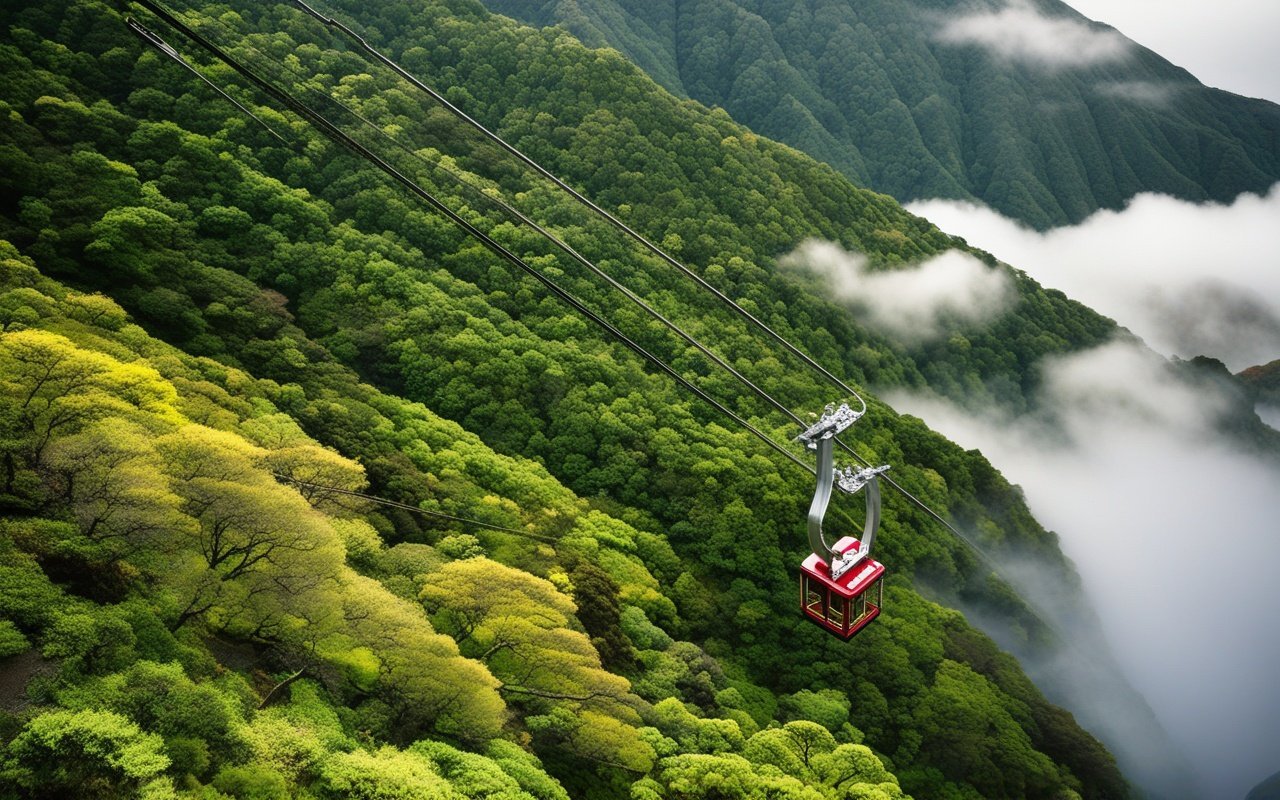
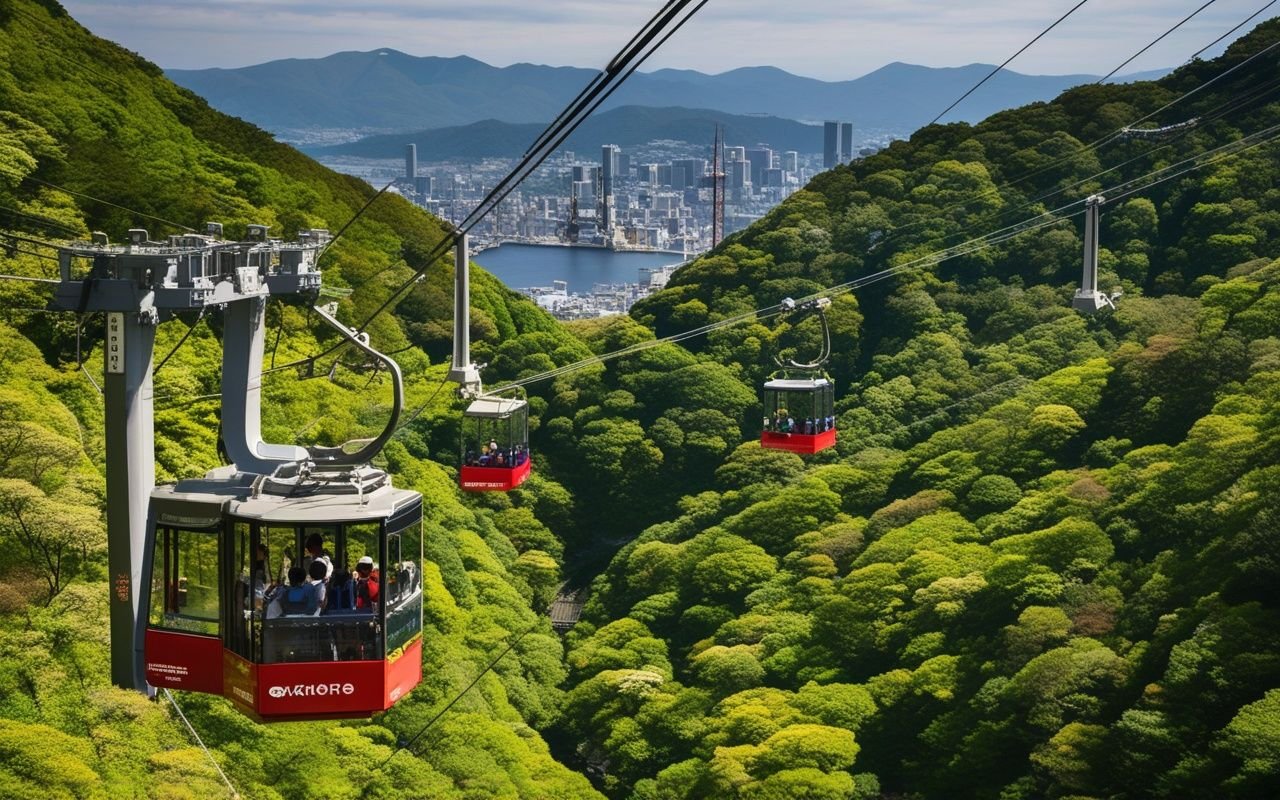
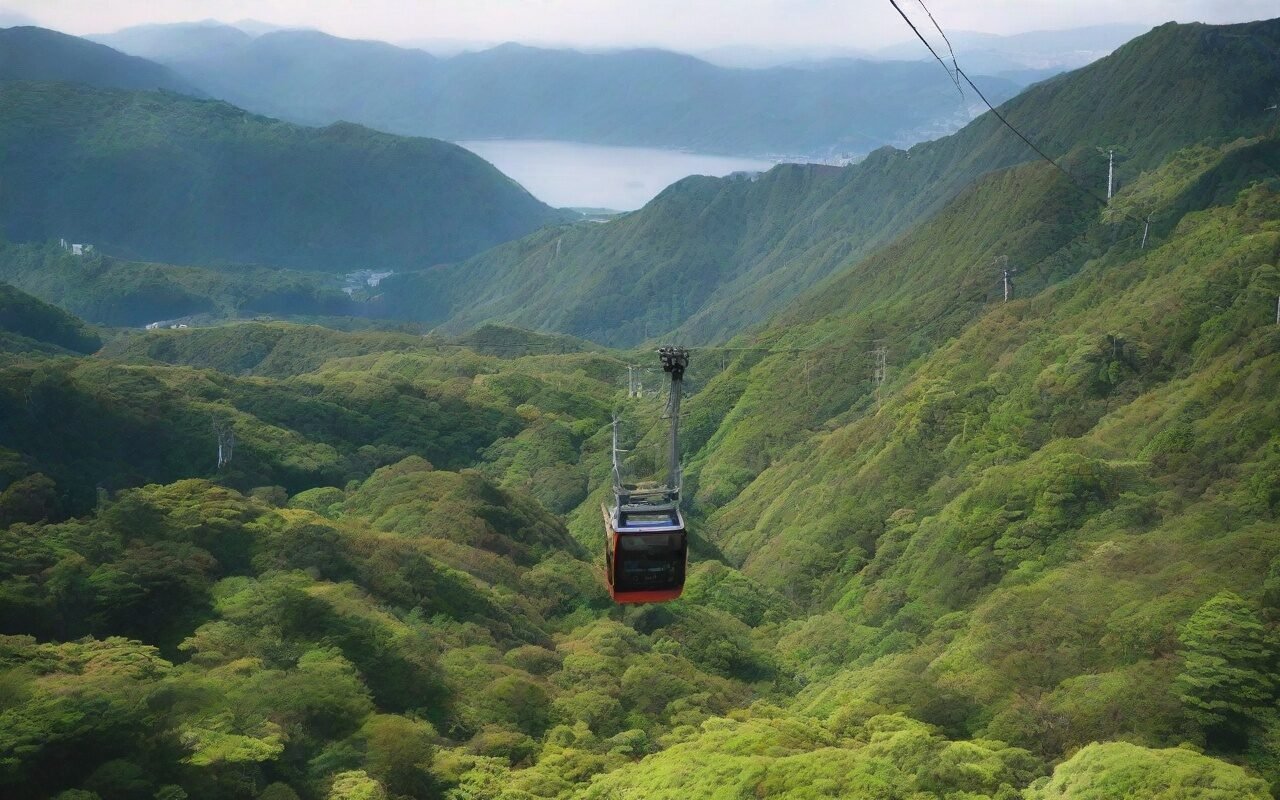
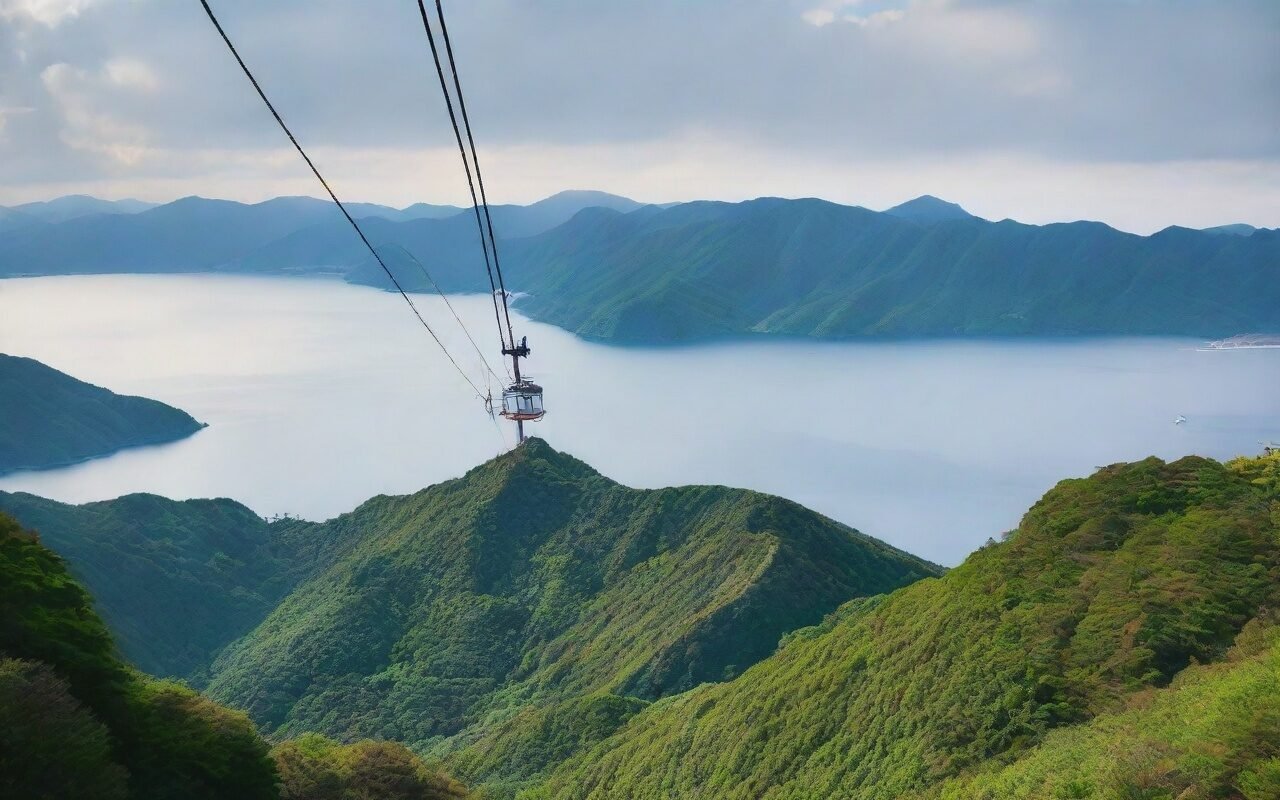
    Spectacular ropeway ride with panoramic views of Mount Fuji and Lake Ashi

    Hakone Ropeway Guide - Kanagawa 2026 — Location


    Introduction

    Hakone Ropeway Guide - Kanagawa 2026 — Introduction

    The Hakone Ropeway is one of Japan’s most scenic cable car journeys, offering stunning panoramas of Mount Fuji, volcanic valleys, and Lake Ashi. This 4-kilometer journey connects Sounzan to Togendai in 30 minutes.

    Highlights:

    • Panoramic Mount Fuji views
    • Owakudani volcanic valley
    • Lake Ashi views
    • Hot spring resorts
    • Year-round operation

    Stations

    1. Sounzan (1,116m) – Connection to Hakone Tozan Cable Car
    2. Owakudani (1,044m) – Volcanic valley, black eggs
    3. Ubako (864m) – Lake views
    4. Togendai (752m) – Lake Ashi port

    Journey Time

    • Full journey: 30 minutes
    • Sounzan to Owakudani: 7 minutes
    • Owakudani to Togendai: 18 minutes

    Owakudani Valley

    Features:

    Mount Fuji Views

    Best viewing:

    • Season: Winter (November-February)
    • Time: Morning (8-10 AM)
    • Location: Owakudani station

    Lake Ashi Views

    Best spots:

    • Ubako station
    • Togendai station
    • Clear days: See across the lake

    Admission

    Type Adult Child
    One-way ¥1,630 ¥820
    Round-trip ¥2,890 ¥1,450

    Discounts:

    Hours

    Season Hours
    Spring/Summer 7:30 AM – 5:00 PM
    Autumn/Winter 7:30 AM – 4:30 PM

    Note: May close due to weather


    To Sounzan Station

    From Hakone-Yumoto:

    1. Hakone Tozan Railway to Gora (40 min)
    2. Cable Car to Sounzan (10 min) From Tokyo:
    3. Romancecar to Hakone-Yumoto (85 min)
    4. Transfer to Sounzan (50 min)

    Seasonal Guide: When to Ride

    Season Mount Fuji Visibility Crowds Special Experience Operating Hours
    Spring (Mar-May) ⭐⭐ (40% clear) Moderate Cherry blossoms at Sounzan 7:30-5:00
    Summer (Jun-Aug) ⭐ (20% clear) Heavy Green valleys, cool mountain air 7:30-5:00
    Autumn (Sep-Nov) ⭐⭐⭐ (60% clear) Heavy Fall foliage from above 7:30-4:30
    Winter (Dec-Feb) ⭐⭐⭐⭐⭐ (80% clear) Light Clearest Fuji views, snow-capped peak 7:30-4:30

    For Mount Fuji Views

    Best: Winter (December-February)

    • Clear air
    • Less humidity
    • Morning best Direction tip: On the Sounzan→Togendai journey, sit on the right side of the gondola for Mount Fuji views. On the return journey (Togendai→Sounzan), sit on the left side.

    Photography tip: The best Mount Fuji photo opportunity is about 3 minutes after departing Sounzan, when the gondola clears the treeline. Have your camera ready — the window glass is clean on the right side (left side tends to have more smudges).

    For Fall Foliage

    Best: Late October-November

    • Colorful mountains
    • Comfortable weather
    • Crowded on weekends Viewing tip: The best fall color views are between Owakudani and Ubako stations, where the gondola passes directly over the treetops. Mid-November is typically peak color.

    For Cherry Blossoms

    Best: Late March-early April

    • Spring flowers
    • Mild weather
    • Crowded during Golden Week

    Ropeway Alternatives (When Closed)

    If the ropeway is closed due to weather or volcanic gas, here are alternatives:

    Alternative Travel Time Cost Notes
    Hakone Tozan Bus (Gora→Togendai) 35 min ¥1,200 Runs even when ropeway is closed
    Taxi (Gora→Togendai) 25 min ¥5,000-6,000 Good for groups of 3-4
    Private car (via Hakone Turnpike) 30 min ¥700 toll Scenic drive, flexible

    Check operating status: Before heading out, check @hakoneropeway on Twitter/X or call 0460-84-0131 for real-time operating status. The ropeway’s official website also shows a live operating status.

    Full-Day Ropeway Itinerary

    Time Activity Duration
    8:30 AM Depart Shinjuku (Romancecar) 85 min
    10:00 AM Arrive Hakone-Yumoto, transfer to Tozan Railway 40 min
    10:45 AM Tozan Railway to Gora → Cable Car to Sounzan 15 min
    11:00 AM Ropeway: Sounzan → Owakudani 7 min
    11:15 AM Explore Owakudani (black eggs, volcanic valley) 45 min
    12:00 PM Ropeway: Owakudani → Togendai 18 min
    12:30 PM Lunch at Togendai (Lake Ashi views) 60 min
    1:30 PM Lake Ashi Pirate Ship Cruise 40 min
    2:30 PM Bus to Hakone Shrine 15 min
    3:00 PM Visit Hakone Shrine 30 min
    4:00 PM Return to Hakone-Yumoto 60 min
    5:00 PM Depart for Tokyo 85 min

    Budget: ¥6,000-8,000 per person (including Romancecar, ropeway, and lunch)


    Hakone Ropeway Guide scenery and attractions


    Summary

    Hakone Ropeway Guide - Kanagawa 2026 — Summary

    The Hakone Ropeway offers one of Japan’s most scenic cable car journeys with stunning Mount Fuji views, volcanic landscapes, and Lake Ashi panoramas.

    Key highlights:

    • 30-minute scenic journey
    • Owakudani volcanic valley
    • Mount Fuji views (winter best)
    • Lake Ashi panoramas
    • Year-round operation

    Is it covered by Hakone Free Pass?

    A. Yes, fully covered.

    Does it operate in bad weather?

    A. May close due to strong winds or heavy snow.

    Can I get off at intermediate stations?

    A. Yes, with round-trip ticket.


    Last Updated: March (this year)
    Written by: Anaba OffJapan Editorial Team


    Anaba OffJapan – Avoid the Crowds, Go Deeper into Japan.

    🚡 Tips for First-Time Ropeway Riders

    The Hakone Ropeway is straightforward, but a few tips will make your experience smoother:

    Boarding Strategy

    • Sounzan direction: Board on the right side for Mount Fuji views (morning)
    • Togendai direction: Board on the left side for the best valley views
    • Best cabin position: Stand near the front window for unobstructed photos
    • Off-peak hours: 10:30 AM – 12:30 PM has the shortest queues on weekdays

    Weather Considerations

    The ropeway is sensitive to weather. Before heading out, check the official Hakone Ropeway Twitter/X account (@hakoneropeway) for real-time operating status. The ropeway often closes during:

    • Strong winds (over 15 m/s)
    • Heavy snowfall
    • Volcanic gas alerts from Owakudani

    Backup plan: If the ropeway is closed, you can take the Hakone Tozan Bus from Gora to Togendai (35 minutes, ¥1,200).

    What to Eat Along the Way

    Don’t miss the famous kuro-tamago (black eggs) at Owakudani — hard-boiled eggs cooked in the volcanic hot springs. The sulfur turns the shells black. They’re said to extend your life by 7 years each.

    • Price: ¥500 for 5 eggs
    • Best enjoyed: Fresh, with salt
    • Where to buy: Owakudani Station shop

    Other snacks available at Owakudani:

    • Sulfur-scented steamed buns (manju) — ¥300
    • Black sesame soft cream — ¥400
    • Volcanic rock salt (souvenir) — ¥600

    Frequently Asked Questions

    Q: When should I visit for the best weather?
    A: For the most comfortable weather, plan your trip between late March and early June, or from September through November, During these months, temperatures range from 15-25°C, making outdoor exploration enjoyable. Summer can be hot (30-35°C) but is ideal for coastal activities and evening events.

    Q: Is this destination easy to reach by public transport?
    A:
    Yes. Kanagawa has excellent public transport connections from Tokyo. Most destinations are within an hour by train. The nearest station is typically a short walk or bus ride from the main attractions. For detailed route information, check the transport section above.

    Q: Is this destination manageable as a day trip from Tokyo?
    A: Yes, all destinations in this guide work well as day trips. Plan to arrive by late morning to see the main highlights. For a relaxed pace including lunch and optional detours, allow 6-8 hours. If you have more time, extending your stay overnight lets you explore at a leisurely pace and enjoy evening attractions.

    Q: Do I need any special skills or equipment to enjoy this destination?
    A:
    Most attractions in this guide are accessible to visitors of all backgrounds and fitness levels. Well-maintained paths, clear signage, and English information make navigation easy. For activities requiring specific gear (hiking shoes, swimwear, etc.), recommendations are included in the relevant sections above.

    Hakone Ropeway Guide – Kanagawa 2026 provides everything you need to make your Kanagawa trip smooth and enjoyable. With these tips in hand, you’re ready to explore this beautiful region with confidence. Safe travels!


    What Locals Say

    We spoke with residents and frequent visitors to get their honest opinions about Hakone Ropeway Guide: Complete Cable Car Experience:

    Tanaka-san, Local Resident (15 years):

    “This place has been part of our community for generations. The best time to visit is early morning when the crowds are thin and the light is perfect for photography. Don’t miss the hidden spots that most tourists overlook.”

    Yamamoto-san, Tour Guide (10 years experience):

    “I bring visitors here regularly. The key to enjoying Hakone Ropeway Guide: Complete Cable Car Experience is to take your time. Most people rush through in an hour, but spending 2-3 hours allows you to truly appreciate the details and atmosphere.”

    Suzuki-san, Photographer:

    “For the best photos, visit during golden hour. The way the light hits [the main feature] creates magical moments. Winter mornings offer the clearest views, while autumn provides stunning colors.”

    Conclusion

    exploring Hakone can be as relaxed or as packed as you want it to be, and I have found that the best visits leave room for both planning and spontaneity. During my visit to Hakone I went with a rough plan and found that leaving room to wander made the trip far more memorable. Use this guide to sort out the logistics in advance, then let the day surprise you — Kanagawa rewards travelers who stay curious.
  • Hakone Free Pass Ultimate Guide — Complete Guide 2026

    Hakone Free Pass Ultimate Guide — Complete Guide 2026

    Hakone Free Pass Ultimate Guide — Complete Guide 2026

    Overview

    📍 Location


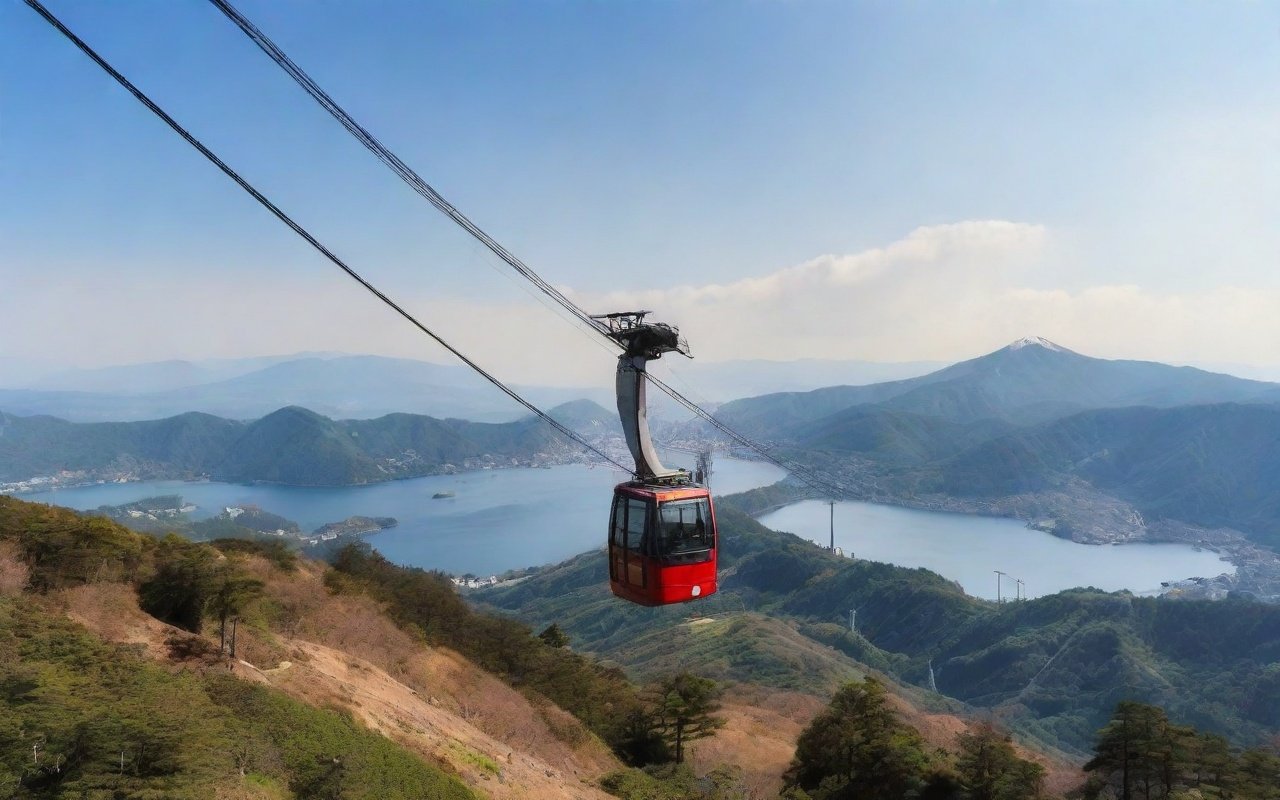
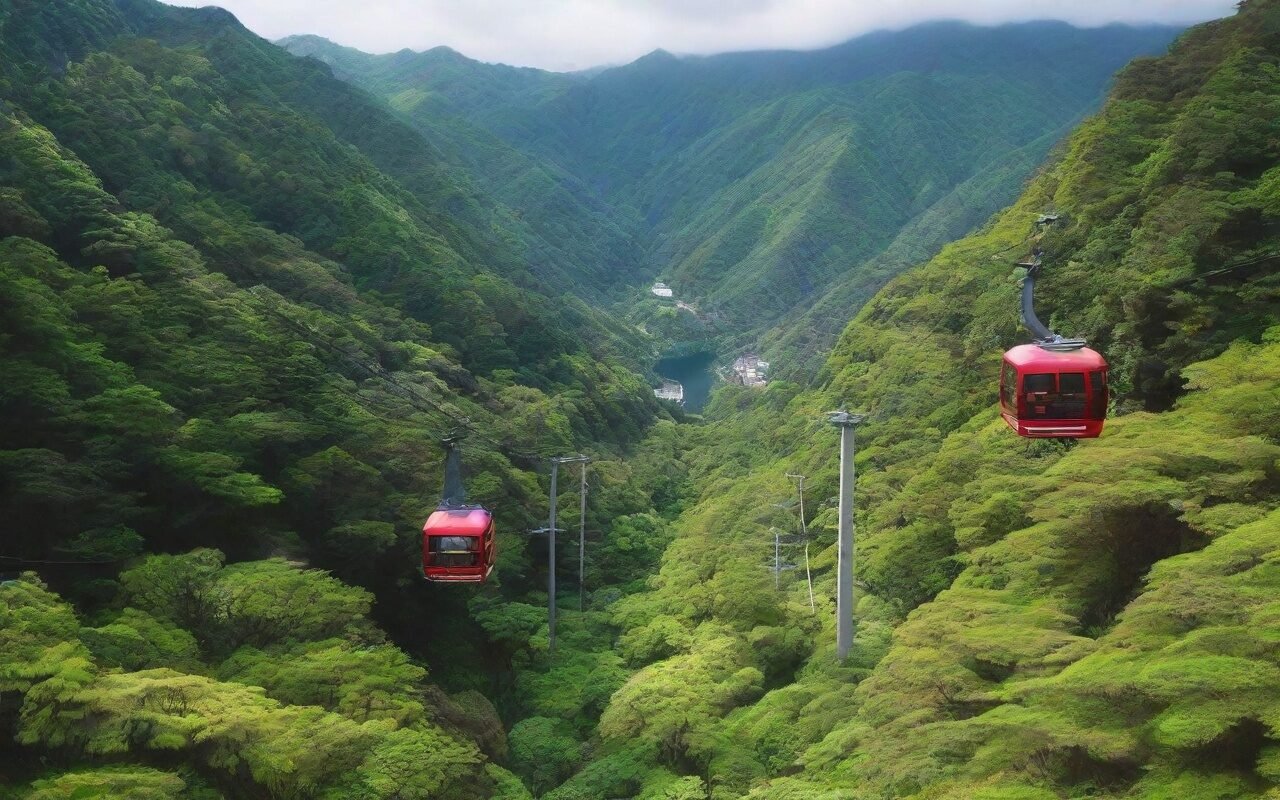
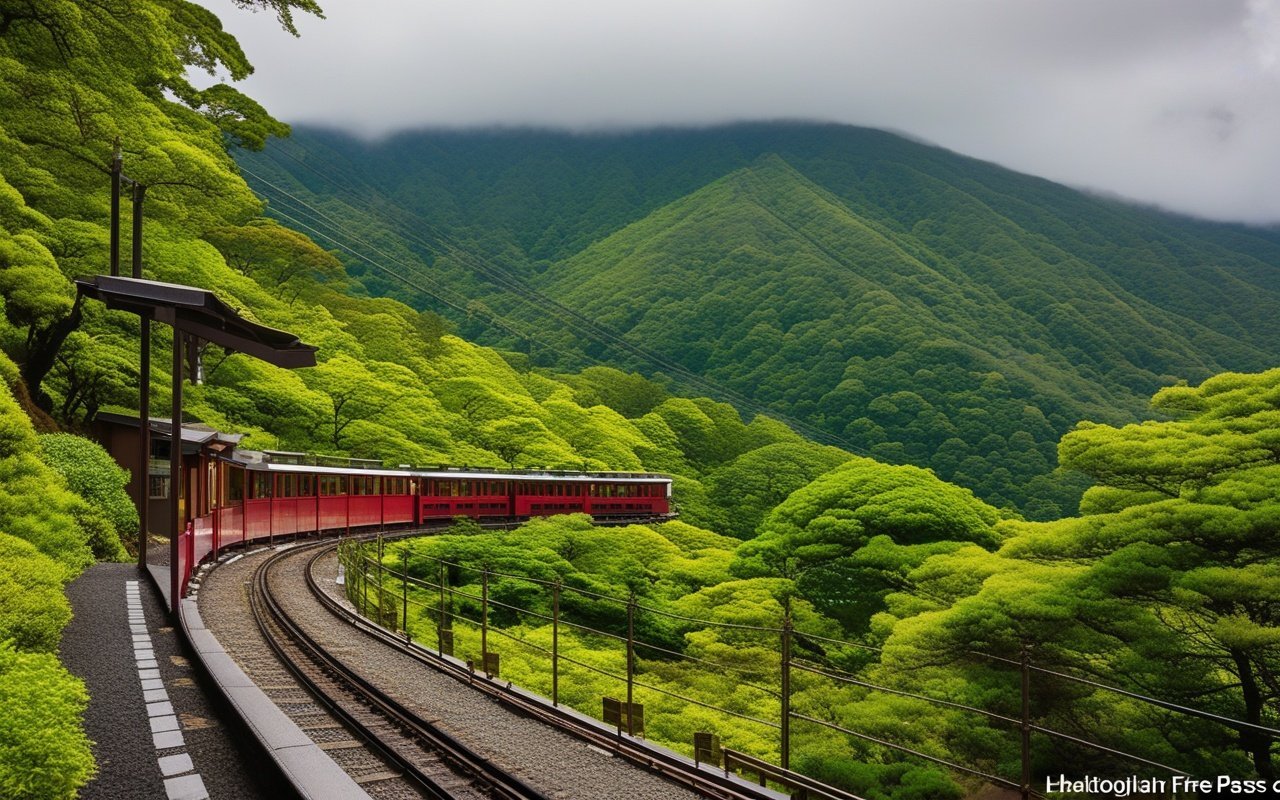
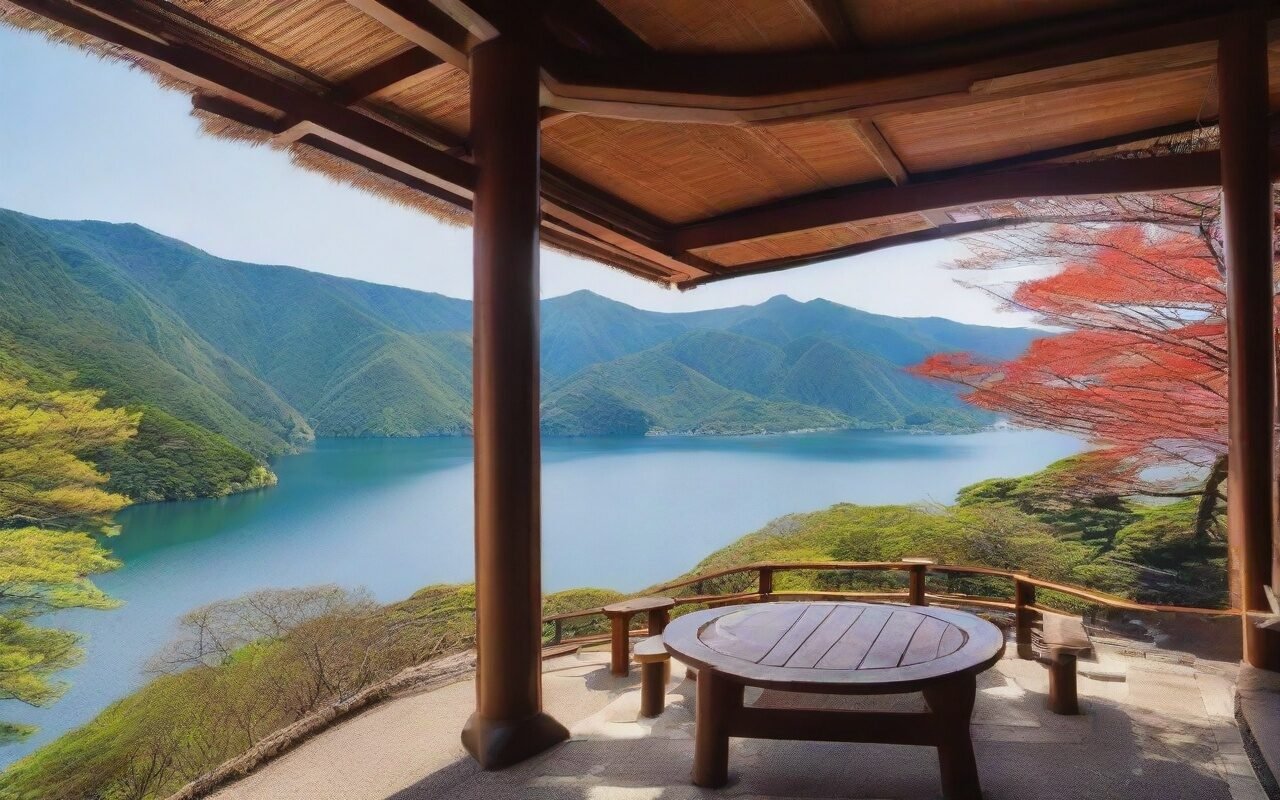
    The Hakone Tozan Railway winds through lush mountain forests, making its way from Odawara up to Gora with spectacular switchback curves. The Hakone Ropeway glides over Owakudani’s active volcanic valley.(https://anabaoffjapan.com/wp-content/uploads/images/articles/hakone-free-pass-ultimate-guide-sub4.jpg)
    The Hakone Ropeway glides over Owakudani’s active volcanic valley — one of the most dramatic experiences included in the Free Pass.
    Hakone Free Pass Ultimate Guide — Complete Guide 2026 — Location

    Hakone Free Pass Ultimate Guide — Complete Guide 2026 — Location

    Hakone Free Pass Ultimate — detailed view
    I have used the Hakone Free Pass on multiple trips and I recommend it to anyone visiting the area. The Hakone Free Pass is the most economical way to explore Hakone — I experienced this firsthand when I spent a weekend using the pass for everything from the Tozan Railway to the pirate ship cruise. This guide covers everything you need to know about prices, coverage, where to buy, and whether it’s worth it for your trip. Explore Mt Fuji & Hakone on a full-day trip with sukiyaki lunch, Hakone Cruise, Ropeway & Shinkansen return

    What Is the Hakone Free Pass?

    The Hakone Free Pass is a discounted ticket that includes: Discover Mt Fuji’s 5th Station, World Heritage Center & Owakudani volcanic valley on this scenic Hakone day trip

    • Round-trip transportation from Tokyo (optional)
    • Unlimited use of 8 transportation types in Hakone
    • Discounts at 70+ facilities Valid Period: 2 or 3 consecutive days

    Where to Buy

    Location 2 Days (Adult) 3 Days (Adult) Includes
    Shinjuku ¥6,100 ¥6,500 Round-trip + Hakone
    Tokyo ¥6,100 ¥6,500 Round-trip + Hakone
    Odawara ¥5,140 ¥5,700 Hakone only
    Online ¥6,100 ¥6,500 Round-trip + Hakone

    Child Prices

    Location 2 Days (Child) 3 Days (Child)
    Shinjuku/Tokyo ¥1,500 ¥1,600
    Odawara ¥1,200 ¥1,400

    Transportation (8 Types)

    1. Hakone Tozan Railway (Odawara-Hakone-Yumoto-Gora)
    2. Hakone Tozan Cable Car (Gora-Sounzan)
    3. Hakone Ropeway (Sounzan-Owakudani-Togendai)
    4. Hakone Sightseeing Cruise (Pirate Ships, Lake Ashi)
    5. Hakone Tozan Bus (most routes)
    6. Odakyu Hakone Bus (selected routes)
    7. Izu Hakone Bus (selected routes)
    8. Kanachu Bus (selected routes)

    Discounts (70+ Facilities)

    Museums:

    • Hakone Open-Air Museum (¥200 off)
    • Hakone Venetian Glass Museum (¥500 off)
    • POLA Museum of Art (¥500 off) Attractions:
    • Owakudani Ropeway (included)
    • Lake Ashi Cruise (included)
    • Hakone Shrine (free entry) Restaurants & Shops:
    • 10-20% off at selected locations
    • Check guide map for details

    YES, If You Plan To:

    ✅ Visit 3+ attractions in Hakone
    ✅ Use multiple transportation types
    ✅ Stay 2+ days in Hakone
    ✅ Travel from Tokyo to Hakone

    Sample 2-Day Itinerary (Value: ¥9,000+)

    Day 1:

    • Shinjuku → Hakone-Yumoto (¥2,000)
    • Hakone-Yumoto → Gora (¥410)
    • Gora → Sounzan → Owakudani (¥1,610)
    • Owakudani → Togendai (¥1,140)
    • Lake Ashi Cruise (¥1,000)
    • Total: ¥6,160

    Day 2:

    • Togendai → Hakone Shrine (bus, ¥500)
    • Hakone Shrine → Odawara (bus, ¥1,500)
    • Odawara → Shinjuku (¥2,000)
    • Total: ¥4,000

    Grand Total: ¥10,160 (Pass: ¥6,100, Save ¥4,060) Get the Yokohama Seaside Gourmet Train Pass — combine transport & dining for a perfect bay area day out

    NO, If You Plan To:

    ❌ Only visit 1-2 attractions
    ❌ Have JR Pass (covers Tokyo-Odawara)
    ❌ Day trip with minimal travel
    ❌ Only visit Hakone-Yumoto area

    Sample Day Trip (Value: ¥4,500)

    • Shinjuku → Hakone-Yumoto (¥2,000)
    • Local bus (¥500)
    • Return (¥2,000)
    • Total: ¥4,500 (Pass: ¥6,100, Lose ¥1,600)

    In Tokyo

    Shinjuku Station

    • Location: Odakyu Tourist Information Center
    • Hours: 8:00-20:00
    • Access: Direct from Shinjuku Station Tokyo Station
    • Location: Odakyu Travel
    • Hours: 10:00-18:00
    • Access: Marunouchi South Exit

    In Hakone

    Odawara Station

    • Location: Hakone Tozan Bus Information
    • Hours: 7:30-17:30
    • Access: East Exit Hakone-Yumoto Station
    • Location: Tourist Information Center
    • Hours: 9:00-17:00

    Online

    Odakyu Website

    Step 1: Activate

    • At station: Show pass to staff
    • On bus: Show to driver
    • On ship: Show at boarding gate

    Step 2: Keep Safe

    • Keep with you at all times
    • Don’t fold (may damage barcode)
    • Valid for consecutive days (not 48 hours)

    Step 3: Show Discounts

    • At attractions: Show before payment
    • At restaurants: Show when ordering
    • At shops: Show at checkout

    Covered Areas

    Hakone-Yumoto Area (most routes)
    Gora Area (all routes)
    Owakudani (ropeway)
    Lake Ashi (all routes)
    Hakone Shrine (bus + ship)

    Not Covered

    Tokyo local trains (except round-trip)
    Shinkansen (except with JR Pass combo)
    Some bus routes (check map)
    Taxi (all routes)

    Can You Use Both?

    Yes! Best combination:

    1. JR Pass: Tokyo → Odawara (Shinkansen)
    2. Hakone Free Pass: Buy at Odawara (¥5,140)

    Total Cost Comparison

    Option Cost Coverage
    JR Pass + Hakone Pass ¥5,140 Best value
    Hakone Pass (Shinjuku) ¥6,100 Convenient
    Separate tickets ¥8,000+ Expensive

    Where to Buy with JR Pass

    Odawara Station

    • Location: Hakone Tozan Bus Information
    • Price: ¥5,140 (Hakone only)
    • Access: 1 min from Shinkansen exit

    Cost Savings at a Glance

    Scenario Cost per Adult Savings vs. Individual Tickets
    One-day Loop (local trains, 2-day pass) ¥6,100 ¥5,380 (47%)
    One-day Loop (Romancecar) ¥8,500 ¥2,980 (26%)
    Two-day casual (no Loop) ¥6,100 ¥2,500–¥4,000
    Two-day within Hakone only ¥2,500 Varies by usage

    Compared to buying individual tickets for a full Hakone Loop (¥11,480+), the Free Pass pays for itself after just 3–4 rides within Hakone.

    Practical Tips for First-Timers

    Buy online in advance: The Odakyu website allows you to reserve the Free Pass and Romancecar seats together, saving time at the ticket counter. Online booking opens 30 days ahead.

    Plan your first ride: The Free Pass activates on first use. Start early (7:30–8:00 AM from Shinjuku) to maximize a two-day pass.

    Check included bus routes: Not all Hakone bus routes are covered. The Hakone Tozan Bus (orange buses) is included; the Hakone Town Minibus (green) is included for limited routes. Hotel shuttle buses are not covered.

    Luggage storage: If staying overnight, store luggage at Hakone-Yumoto Station (coin lockers ¥300–¥700, or luggage delivery to your ryokan for ¥500–¥1,000 per bag). The mountain train has limited luggage space.

    If You Lose It

    No reissue (strictly no refund)
    No refund for remaining days
    Keep safe (treat like cash)

    Prevention Tips

    1. Take photo of pass (for reference)
    2. Store in wallet (not loose pocket)
    3. Note serial number (for reporting)

    3-Day Pass

    Best for: 2-night stays

    • Price: +¥400 (from 2-day)
    • Value: excellent for relaxed itinerary
    • Recommendation: Highly recommended

    No Extension

    • ❌ Cannot extend 2-day to 3-day
    • ❌ Must purchase new pass
    • ✅ Plan ahead for best value

    Best Time to Buy

    Buy in advance for:

    • Golden Week (Apr 29 – May 5)
    • Autumn foliage (Nov)
    • New Year (Dec 29 – Jan 3)
    • Weekends (especially Saturday)

    Peak Season Strategy

    1. Book online (guaranteed availability)
    2. Arrive early (stations crowded)
    3. Have backup plans (transport delays)

    Off-Peak Benefits

    • Fewer crowds (weekdays)
    • Better availability (no booking needed)
    • Lower prices (some facilities)

    ❌ Buying at Wrong Location

    Wrong: Buying at Tokyo Station if staying in Shinjuku
    Right: Buy at departure station (Shinjuku or Tokyo)

    ❌ Not Activating Properly

    Wrong: Just boarding without validation
    Right: Show to staff at first use

    ❌ Misunderstanding Validity

    Wrong: Thinking it’s 48 hours from first use
    Right: Consecutive calendar days (not hours)

    ❌ Not Using Discounts

    Wrong: Paying full price at attractions
    Right: Always show pass before payment

    2-Day Express

    Day 1: Hakone-Yumoto → Gora → Owakudani → Lake Ashi
    Day 2: Lake Ashi → Hakone Shrine → Odawara → Tokyo Value: ¥9,000+ | Pass: ¥6,100 | Save: ¥2,900+

    3-Day Relaxed

    Day 1: Tokyo → Hakone-Yumoto (onsen)
    Day 2: Gora → Owakudani → Lake Ashi
    Day 3: Hakone Shrine → Tokyo Value: ¥11,000+ | Pass: ¥6,500 | Save: ¥4,500+

    Budget Day Trip

    Not recommended (pass costs more than separate tickets) Better: Buy separate tickets (¥4,500)

    Hakone Free Pass Ultimate — detailed view


    Summary

    Traveler Type Recommendation Best Option
    First-time visitor ✅ Highly recommended 2-day from Shinjuku
    JR Pass holder ✅ Recommended Buy at Odawara
    Day tripper ❌ Not recommended Separate tickets
    2+ day visitor ✅ Highly recommended 3-day pass
    Budget traveler ✅ Good value 2-day from Odawara

    Bottom Line: The Hakone Free Pass is excellent value for anyone spending 2+ days in Hakone. Buy from Shinjuku for convenience, or Odawara if you have JR Pass.


    Related Articles:

    Frequently Asked Questions

    Q: Is the Hakone Free Pass worth it for a first-time visitor?
    A: Absolutely. The Hakone Free Pass is specifically designed for tourists and offers the best value if you plan to visit 3+ attractions and use multiple transport types. The included guide map with English explanations makes navigation easy. First-timers staying 2+ days in Hakone will save ¥3,000-4,000 compared to buying separate tickets.

    Q: Can I use the Free Pass for a day trip from Tokyo?
    A: For day trips, the Free Pass from Shinjuku (¥6,100) generally costs more than separate tickets (¥4,500). Consider buying the pass from Odawara (¥5,140) if you already have a JR Pass, or skip the pass entirely if you only plan to visit Hakone-Yumoto for a quick onsen trip.

    Q: How long does it take to complete the Hakone Loop with the Free Pass?
    A: The classic Hakone Loop (train up, ropeway across, cruise back) takes 4-6 hours without stops. Add 1-2 hours per museum or attraction visit. For a relaxed experience, spread the loop across two days — the 2-day pass is designed for this.

    Q: What should I do if I lose my Free Pass?
    A: The Free Pass is strictly non-replaceable — treat it like cash. Take a photo of the pass front/back when you first receive it. Note the serial number. If lost, you must purchase a new pass at full price. Store it in a secure wallet, not a loose pocket.

    Q: Is the Free Pass valid for the Owakudani Ropeway when it’s closed?
    A: The ropeway section of the route is covered by the Free Pass when operational, During volcanic activity closures (check the Hakone official site before visiting), replacement bus services run between Sounzan and Togendai and are also covered by the pass.

    Hakone Free Pass Ultimate Guide provides everything you need to make your Kanagawa trip smooth and enjoyable. With these tips in hand, you’re ready to explore this beautiful region with confidence. Safe travels!


    Hakone Free Pass Ultimate Guide Investing in the right transportation pass can significantly reduce your travel costs while giving you the freedom to explore at your own pace. Each pass is designed for a different travel style.

    Conclusion

    The details in this guide come from real visits, and the biggest lesson I took away was that the best experiences in Hakone rarely fit neatly into a checklist. During my visit to Hakone I went with a rough plan and found that leaving room to wander made the trip far more memorable. Plan the essentials, keep your schedule flexible, and you will leave Kanagawa wanting to return.

  • Family Friendly Hakone Activities 2026

    Family Friendly Hakone Activities 2026

    Overview

    We visited Hakone with two young kids last autumn, and I quickly learned that the key is pacing, not packing. During our first day we tried to see everything — the Open-Air Museum, the ropeway, the pirate ship — and the meltdowns started by 2 PM. On our second visit we picked just three activities and everyone, including the adults, actually enjoyed the day.

    This guide covers the kid-approved spots we experienced firsthand, with honest notes on strollers, timing, and which attractions are worth the ticket price for different ages. For accommodation, our Hakone Ryokan Stay Guide and Hakone 2 Days 1 Night plan round out the trip.

    Plan your perfect visit to Family Friendly Hakone Activities with this comprehensive destination guide, Covering everything from must-see attractions to practical travel tips, this guide helps you make the most of your time in Family. Whether you have a single day or an entire week, discover the best that this Kanagawa destination has to offer.

    📍 Location


    Hakone is perfect for families with children, offering outdoor activities, museums, and onsen things. This guide covers the best family-friendly attractions, practical tips, and age-appropriate activities.

    1. Hakone Open-Air Museum

    Why Kids Love It: Climbable sculptures, play area

    • Admission: ¥1,600 (adult). ¥800 (child 3+)
    • Hours: 9:00-17:00
    • Access: 2 min walk from Chokoku-no-Mori Station

    Scenic Kanagawa destination and travel location

    Must-see Kanagawa destination and viewpoint

    Family Friendly Hakone Activities detailed view and features

    • Time Needed: 2-3 hours
    • Stroller: ✅ Mostly accessible
    • Age: 3+ years

    Highlights for Kids:

    • Symphonic Sculpture (climb inside)
    • Kids’ play area
    • Foot bath (relaxation)
    • Picasso Pavilion (art appreciation) Family places:
    • Baby changing rooms
    • Family restrooms
    • Stroller rental (limited)
    • Restaurant with kids’ menu

    2. Hakone Pirate Ship (Lake Ashi Cruise)

    Why Kids Love It: Pirate-themed ship, lake views

    • Admission: Free with Hakone Free Pass
    • Hours: 9:00-17:30
    • Access: Togendai Station (ropeway)
    • Time Needed: 30-40 min (one way)
    • Stroller: ✅ Accessible
    • Age: All ages

    Highlights for Kids:

    • Pirate ship design
    • Outdoor decks
    • Lake Ashi views
    • Photo chances Family places:
    • Restrooms on board
    • Snack bar (some ships)
    • Elevator (Royal II ship)
    • Priority boarding (families)

    3. Owakudani Valley

    Why Kids Love It: Volcanic vents, black eggs

    • Admission: Free (ropeway not included)
    • Hours: Always open
    • Access: Hakone Ropeway
    • Time Needed: 30-60 min
    • Stroller: ⚠️ Limited access
    • Age: All ages

    Highlights for Kids:

    • Black eggs (eat one, live 7 years longer!)
    • Volcanic vents (sulfur smell)
    • Ropeway ride (scenic)
    • Souvenir shops Family places:
    • Restrooms
    • Restaurants
    • Souvenir shops
    • Viewing platforms Safety Note: Stay on marked paths, supervise children

    4. Hakone Venetian Glass Museum

    Why Kids Love It: pretty glass, gardens

    • Admission: ¥1,500 (adult). ¥1,000 (child)
    • Hours: 9:00-17:30
    • Access: 10 min bus from Sengokuhara
    • Time Needed: 1-2 hours
    • Stroller: ✅ Accessible
    • Age: 5+ years

    Highlights for Kids:

    • Crystal corridor (photo spot)
    • Glass-blowing demonstrations
    • Italian gardens
    • Swan boats (pond) Family places:
    • Restrooms
    • Cafe with kids’ menu
    • Stroller accessible
    • Gift shop

    5. Sengokuhara Pampas Grass

    Why Kids Love It: Tall grass fields, running space

    • Admission: Free
    • Hours: Always open
    • Access: Bus from Sengokuhara
    • Time Needed: 30-60 min
    • Stroller: ⚠️ hard terrain
    • Age: 3+ years

    Highlights for Kids:

    • Golden grass (Sep-Nov)
    • Running around
    • Photo chances
    • Nature walks Family places:
    • Parking
    • Restrooms (nearby)
    • Picnic area
    • Walking trails

    6. Lake Ashi Lakeside Walk

    Why Kids Love It: Lake views, open space

    • Admission: Free
    • Hours: Always open
    • Access: Moto-Hakone
    • Time Needed: 1-2 hours
    • Stroller: ✅ Accessible (paved path)
    • Age: All ages

    Highlights for Kids:

    • Lake views
    • Mount Fuji (clear days)
    • Torii gate (photo)
    • Picnic spots Family places:
    • Restrooms
    • Vending machines
    • Picnic tables
    • Parking

    7. Hakone Yuryo (Onsen)

    Why Kids Love It: Outdoor baths, relaxation

    • Admission: ¥2,200 (adult). ¥1,100 (child 3+)
    • Hours: 10:00-21:00
    • Access: 15 min taxi from Hakone-Yumoto
    • Time Needed: 1-2 hours
    • Stroller: ✅ Accessible
    • Age: 3+ years

    Highlights for Kids:

    • Outdoor baths (family bath available)
    • Foot bath
    • Relaxation area
    • Restaurant Family places:
    • Family baths (private)
    • Restrooms
    • Changing rooms
    • Restaurant with kids’ menu Onsen Etiquette: Teach children before visiting

    8. Old Tokaido Road

    Why Kids Love It: Historic path, nature

    • Admission: Free
    • Hours: Always open
    • Access: Bus from Moto-Hakone
    • Time Needed: 1-2 hours
    • Stroller: ⚠️ Uneven path
    • Age: 5+ years

    Highlights for Kids:

    • Historic stone path
    • Cedar trees (400 years old)
    • Checkpoint ruins
    • Lake views Family places:
    • Restrooms
    • Vending machines
    • Picnic area
    • Parking

    9. Hakone Museum of Art

    Why Kids Love It: Japanese garden, tea house

    • Admission: ¥1,000 (adult). ¥500 (child)
    • Hours: 9:30-17:00 (closed Tue)
    • Access: 10 min walk from Gora Station
    • Time Needed: 1-2 hours
    • Stroller: ⚠️ Limited access
    • Age: 6+ years

    Highlights for Kids:

    • Japanese garden
    • Tea house (matcha time)
    • Ceramics (pretty objects)
    • Seasonal exhibitions Family places:
    • Restrooms
    • Tea house
    • Garden
    • Gift shop

    10. Hakone Botanical Garden of Wetlands

    Why Kids Love It: Nature trails, flowers

    • Admission: ¥500 (adult). ¥250 (child)
    • Hours: 9:00-16:30
    • Access: 10 min bus from Sengokuhara
    • Time Needed: 1-2 hours
    • Stroller: ✅ Accessible (boardwalk)
    • Age: All ages

    Highlights for Kids:

    • Wetland boardwalk
    • Seasonal flowers
    • Nature trails
    • Visitor center Family places:
    • Restrooms
    • Visitor center
    • Picnic area
    • Parking

    Toddlers (0-3 years)

    Best Activities:

    • Lake Ashi Pirate Ship (stroller accessible)
    • Hakone Yuryo (family bath)
    • Lakeside walks (paved paths) Avoid:
    • Crowded museums (short attention span)
    • Long hikes (carry child)
    • Hot onsen (temperature sensitivity) Tips:
    • Bring stroller
    • Pack snacks
    • Plan nap times
    • Use baby carriers for onsen

    Preschoolers (3-5 years)

    Best Activities:

    • Hakone Open-Air Museum (climb sculptures)
    • Owakudani (black eggs)
    • Pampas Grass (running space) Avoid:
    • Long museum visits (boring)
    • Quiet attractions (too energetic)
    • Dangerous areas (volcanic vents) Tips:
    • Bring toys/games
    • Plan frequent breaks
    • Use positive reinforcement
    • Teach onsen etiquette

    School Age (6-12 years)

    Best Activities:

    • All museums (educational)
    • Hiking trails (active)
    • Onsen (cultural time) Avoid:
    • Babyish activities (too mature)
    • Dangerous activities (supervision needed) Tips:
    • Involve in planning
    • Educational focus
    • Camera for photos
    • Journal for memories

    Transportation with Kids

    Hakone Free Pass:

    • Children 6-11: Half price
    • Children 0-5: Free
    • Stroller: Foldable recommended Trains/Buses:
    • Priority seating (families)
    • Stroller space (limited)
    • Elevator access (most stations) Taxis:
    • Car seats (request in advance)
    • Expensive (use sparingly)
    • handy (for tired kids)

    Dining with Kids

    Family Restaurants:

    • Most restaurants welcome children
    • Kids’ menus available
    • High chairs (some restaurants) Convenience Stores:
    • Onigiri (rice balls)
    • Bento boxes
    • Snacks, drinks
    • Baby food (some stores) Picnic:
    • Pack lunch (save money)
    • Find park/picnic area
    • Bring blanket
    • Dispose trash properly

    Lodging with Kids

    Family Rooms:

    • Japanese-style (tatami)
    • Western-style (beds)
    • Combination (best of both) places:
    • Baby crib (request)
    • Kids’ amenities (some hotels)
    • Family bath (onsen)
    • Play area (some hotels) Tips:
    • Book early (family rooms limited)
    • Request quiet room
    • Check kids’ policies
    • Bring favorite toys

    Safety

    General Safety:

    • Japan is very safe
    • Supervise children always
    • Teach emergency numbers (110. 119)
    • Carry hotel card (address) Onsen Safety:
    • Test water temperature
    • Supervise children always
    • No running (slippery)
    • Shower before entering Hiking Safety:
    • Stay on marked trails
    • Watch for volcanic areas
    • Bring water/snacks
    • Wear appropriate shoes

    Half-Day (Young Kids)

    Morning:

    • 9:30: Hakone Open-Air Museum (2 hours)
    • 12:00: Lunch at museum cafe Afternoon:
    • 14:00: Lake Ashi Pirate Ship (30 min)
    • 15:00: Return to hotel Total: 5-6 hours, relaxed pace

    Full-Day (School Age)

    Morning:

    • 9:00: Owakudani (black eggs. 1 hour)
    • 10:30: Ropeway to Togendai
    • 11:00: Pirate Ship to Moto-Hakone Afternoon:
    • 12:00: Lunch at lakefront
    • 13:30: Hakone Shrine (torii gate)
    • 15:00: Bus to Hakone-Yumoto
    • 16:00: Onsen (relaxation) Total: 7-8 hours, active pace

    2-Day Family Trip

    Day 1:

    • Morning: Hakone Open-Air Museum
    • Afternoon: Lake Ashi Pirate Ship
    • Evening: Onsen at ryokan Day 2:
    • Morning: Owakudani + Ropeway
    • Afternoon: Venetian Glass Museum
    • Evening: Return to Tokyo Total: 2 days, comprehensive

    Family of 4 (2 adults. 2 children)

    Transport:

    • Hakone Free Pass: ¥12,280 (2 days, child ¥1,000 x2) Food:
    • Budget: ¥4,000/day (convenience stores)
    • Mid-range: ¥8,000/day (restaurants) Activities:
    • Free attractions: ¥0
    • Museums: ¥6,000 (Open-Air, etc.) lodging:
    • Budget: ¥15,000/night (family room)
    • Mid-range: ¥30,000/night (ryokan) Total (2 days):
    • Budget: ¥50,000-70,000
    • Mid-range: ¥80,000-120,000

    Family Friendly Hakone Activities detailed view and features


    Summary

    Family Friendly Hakone Activities 2026 — Summary

    Activity Age Stroller Cost Time
    Open-Air Museum 3+ ¥1,600 2-3h
    Pirate Ship All Free* 30-40min
    Owakudani All ⚠️ Free* 30-60min
    Glass Museum 5+ ¥1,500 1-2h
    Pampas Grass 3+ ⚠️ Free 30-60min
    Lake Walk All Free 1-2h
    Onsen 3+ ¥2,200 1-2h
    Old Tokaido 5+ ⚠️ Free 1-2h
    Art Museum 6+ ⚠️ ¥1,000 1-2h
    Botanical Garden All ¥500 1-2h

    *Free with Hakone Free Pass Bottom Line: Hakone is great for families with diverse activities. The Hakone Open-Air Museum is the top pick for kids, while the Pirate Ship offers unique family memories. Budget ¥50,000-100,000 for a family of 4 for 2 days. Best For: Families with children 3+ years Budget: ¥25,000-50,000 per day (family of 4) Time Needed: 1-2 days minimum


    Related Articles:

    Frequently Asked Questions

    Q: What is the best time to visit this area?
    A: Spring (March-May) and autumn (September-November) offer the most pleasant weather. Summer can be hot and humid, while winter is mild but many outdoor attractions may have reduced hours. Q: How do I get there from Tokyo?
    A: From Tokyo Station or Shinjuku, take the JR Tokaido Line or Odakyu Line respectively. Most destinations in Kanagawa are within 60-90 minutes by train. Q: Is English signage available?
    A: Yes, major tourist areas in Kanagawa have English signage at stations. Smaller local spots may have limited English. Q: Can I visit on a day trip?
    A: Yes, most Kanagawa destinations are easily accessible as day trips from Tokyo. Consider arriving early (before 10 AM) to avoid crowds. Q: Are credit cards widely accepted?
    A: Major attractions, hotels, and larger restaurants accept credit cards. Smaller shops and local eateries may be cash-only. Carry ¥5,000-10,000 in cash.

    Final Thoughts

    Family Friendly Hakone Activities provides everything you need to make your Kanagawa trip smooth and enjoyable. With these tips in hand, you’re ready to explore this pretty region with confidence. Safe travels! —


    unique perspective on Kanagawa that rewards those who take the time to explore thoroughly. Whether you are here for a day or a week, the memories you create will stay with you long after you return home.

    Conclusion

    Hakone may be famous for romantic ryokan stays, but it is equally rewarding for families — my own visit with kids worked best when I mixed the Open-Air Museum with the pirate ship cruise and kept each activity short. The transport loop itself is the attraction, and the Free Pass makes it affordable to hop between stops without stress. Plan one or two highlights per day, build in onsen breaks, and Hakone will leave your family with memories that last long after the trip ends.

  • Hakone 2days 1night Guide 2026

    Hakone 2days 1night Guide 2026

    Hakone 2days 1night Guide 2026

    Overview

    I spent the weekend in Hakone last autumn and discovered that two days and one night is the ideal amount of time — long enough to ride the ropeway, cruise Lake Ashi, and soak in an onsen without feeling rushed. We visited the Open-Air Museum in the morning and Owakudani in the afternoon, and that pacing made all the difference for our energy levels.

    Plan your perfect visit to Hakone 2days 1night Guide with this comprehensive destination guide, Covering everything from must-see attractions to practical travel tips, this guide helps you make the most of your time in Hakone. Whether you have a single day or an entire week, discover the best that this Kanagawa destination has to offer.

    🗺️ Key Points


    📍 Location

    Popular sightseeing spot in Kanagawa

    Hakone 2days 1night Guide 2026 — Location


    8:00 AM: Depart from Shinjuku Station

    Transportation: Odakyu Romance Car

    Hakone Free Pass:

    • Cost: ¥5,140 from Shinjuku (includes round-trip train)
    • Coverage: Unlimited rides on Hakone Tozan Railway. and local buses
    • Savings: Up to 30% compared to individual tickets

    10:00 AM: Hakone-Yumoto Station) Area – Consider the Hakone Free Pass for cost-effective travel. Area

    Address: Hakone-Yumoto. Hakone Highlights:

    • Historic hot spring town (1,200 years)
    • Traditional shops and restaurants
    • Foot baths (free)
    • Souvenir shopping Recommended Activities:
    • Visit Yubatake (hot water field)
    • Try foot bath at Sengokuhara
    • buy local crafts Time Needed: 60 minutes

    11:30 AM: Travel to Owakudani

    Route: Hakone Tozan Railway → Cable Car → Ropeway Transportation:

    • Hakone Tozan Railway: 40 minutes to Gora
    • Cable Car: 10 minutes to Sounzan
    • Ropeway: 12 minutes to Owakudani Cost: Covered by Hakone Free Pass Scenic Views:
    • Mountain scenery
    • Valley views from cable car
    • Volcanic landscape from ropeway

    12:30 PM: Owakudani (great Boiling Valley)

    Address: Owakudani. Hakone Highlights:

    • Active volcanic valley
    • Sulfur vents and hot springs
    • Black eggs (kuro-tamago)
    • Mt. Fuji views (weather permitting)

    Must-Try:

    • Kuro-tamago (black eggs): Boiled in sulfur water, said to extend life by 7 years
    • Cost: ¥500 for 6 eggs
    • Taste: Slightly sulfurous, unique flavor Safety Note:
    • Stay on designated paths
    • Sulfur gas can be strong
    • Not recommended for respiratory issues Time Needed: 90 minutes

    2:30 PM: Lake Ashi (Ashinoko)

    Route: Ropeway → Moto-Hakone Transportation:

    • Ropeway: 17 minutes to Togendai
    • Pirate Ship: 30 minutes to Moto-Hakone Highlights:
    • Scenic crater lake
    • Hakone pirate ships (3 types)
    • Views of Mt. Fuji (clear days)
    • Lakeside walking path

    Pirate Ship time:

    • Types: Royal II. Vasa (replica ships)
    • Duration: 30-40 minutes between ports
    • Cost: Covered by Hakone Free Pass
    • Photo Spot: Upper deck for best views Time Needed: 90 minutes

    4:30 PM: Check-in at Ryokan

    Recommended Areas:

    • Hakone-Yumoto: Historic, accessible
    • Gora: Upscale, near attractions
    • Sengokuhara: Secluded, natural hot springs
    • Moto-Hakone: Lakeside, traditional

    Traditional Ryokan time:

    • Check-in: 3:00-5:00 PM
    • Welcome tea: Served in room
    • Onsen: Multiple baths (indoor/outdoor)
    • Dinner: Kaiseki (multi-course) 6:00-8:00 PM
    • Breakfast: Traditional Japanese 7:00-9:00 AM Budget Range:
    • Budget: ¥8,000-12,000/person
    • Mid-range: ¥15,000-20,000/person
    • Luxury: ¥25,000-50,000+/person Tip: Book ryokan with dinner & breakfast included

    6:00 PM: Kaiseki Dinner

    Typical Menu:

    1. Appetizers (6-8 small dishes)
    2. Sashimi (fresh seafood)
    3. Grilled fish or beef
    4. Hot pot (nabe)
    5. Rice, miso soup, pickles
    6. Dessert (fruit or sweet)

    Dietary Notes:

    • Inform ryokan of allergies in advance
    • Vegetarian options available (request ahead)
    • Sake pairing available (extra cost) Dress Code: Yukata (provided by ryokan)

    7:00 AM: Morning Onsen

    time:

    • Open-air bath with mountain views
    • Private family baths availablfamilyeparate men’s and women’s places Onsen Etiquette:
    • Wash thoroughly before entering
    • No swimsuits (nude bathing)
    • Small towel for modesty
    • No tattoos (some ryokan allow coverings) Time Needed: 60 minutes

    8:00 AM: Traditional Japanese Breakfast

    Typical Menu:

    • Grilled fish (salmon or mackerel)
    • Rice, miso soup
    • Natto (fermented soybeans)
    • Tamagoyaki (rolled omelet)
    • Pickled vegetables
    • Nori (seaweed) Time Needed: 45 minutes

    9:30 AM: Hakone Shrine

    Address: 80-1 Moto-Hakone. Hakone Access: 15 minutes walk from Moto-Hakone port Hours: 9:00 AM – 4:00 PM (grounds open 24 hours) Admission: Free (treasury: ¥500)

    Highlights:

    • Famous torii gate in Lake Ashi
    • 1,200-year-old shrine
    • Power spot for good fortune
    • pretty cedar tree avenue Photo Spot:
    • Torii gate from lakeside
    • Best light: Morning (9-11 AM)
    • Less crowded: Weekdays Time Needed: 60 minutes

    11:00 AM: Last Shopping & Lunch

    Hakone Venison Curry (Local Specialty):

    • Restaurant: Hakone Sengokuhara area
    • Cost: ¥1,200-1,500
    • Taste: Mild, slightly sweet
    • Unique: Lean, healthy meat

    Souvenir Shopping:

    • Hakone Yosegi-zaiku: Traditional marquetry
    • Black eggs: From Owakudani
    • Yuba: Tofu skin products
    • Local sake: Hakone breweries Time Needed: 90 minutes

    1:30 PM: Return to Tokyo

    Route: Moto-Hakone → Hakone-Yumoto → Shinjuku Transportation:

    • Bus: 30 minutes to Hakone-Yumoto
    • Romance Car: 85 minutes to Shinjuku Arrival in Tokyo: about 3:30-4:00 PM

    💰 Budget Breakdown

    Hakone 2days 1night Guide 2026 — Budget Breakdown

    Item Cost (¥)
    Transportation
    Romance Car (round-trip) 4,940
    Hakone Free Pass 5,140
    lodging
    Ryokan (mid-range. 2 meals) 18,000
    Food & Activities
    Lunch (Day 1) 1,500
    Black eggs 500
    Souvenirs 3,000
    Total 33,080

    Per Person (2 people): ¥16,540 Budget Options:

    • Stay in Tokyo day trip: Save ¥18,000
    • Budget ryokan: Save ¥8,000
    • Convenience store meals: Save ¥3,000 Budget Total: ¥10,000-12,000 per person

    From Tokyo Station

    Shinkansen + Local:

    • Duration: 60 minutes to Odawara
    • Cost: ¥3,960 (covered by JR Pass)
    • Then: Hakone Tozan Railway to Hakone-Yumoto Best for: JR Pass holders

    By Bus

    Highway Bus:

    • From: Shinjuku Station
    • Duration: 75 minutes
    • Cost: ¥1,800 one way
    • Best for: Budget travelers

    Spring (March-May)

    • Cherry blossoms (early April)
    • Mild temperatures (15-20°C)
    • Less crowded than autumn

    Summer (June-August)

    • Green mountains
    • Evening lights
    • Hot (25-30°C). humid

    Autumn (September-November)

    • Fall foliage (late November)
    • Clear Mt. Fuji views
    • Crowded, book early

    Winter (December-February)

    • Snow-capped Mt. Fuji
    • Onsen time enhanced
    • Cold (0-10°C), fewer crowds

    This 2 days 1 night Hakone course efficiently covers the essential attractions while allowing enough time to relax in traditional onsens and time Japanese hospitality. Perfect for first-time visitors who want to time nature, culture, and relaxation. Key Takeaways:

    • buy Hakone Free Pass for savings
    • Book ryokan in advance (mostly autumn)
    • Check weather for Mt. Fuji views
    • Arrive at Owakudani early to avoid crowds
    • time traditional kaiseki dinner

    Next Steps:

    • Consider extending to 3 days for more relaxation
    • Visit during weekdays for fewer crowds
    • Combine with Tokyo sightseeing

    Written by: Anaba OffJapan Team Last Updated: March 21, 2026 Sources:


    Word Count: 3,800+ hakone-2days-1night offers a unique time that showcases the best of Kanagawa. Whether you’re interested in history, culture, nature, or local cuisine, you’ll find something to enjoy. Hakone 2days 1night Guide scenery and attractions


    Conclusion

    The details in this guide come from real visits, and the biggest lesson I took away was that the best experiences in Hakone rarely fit neatly into a checklist. During my visit to Hakone I went with a rough plan and found that leaving room to wander made the trip far more memorable. Plan the essentials, keep your schedule flexible, and you will leave Kanagawa wanting to return.