Category: hakone-odawara

箱根・小田原地域の旅行ガイド

  • Miyagase Lake & Kiyokawa: Kanagawa’s Mountain Playground

    Miyagase Lake & Kiyokawa: Kanagawa’s Mountain Playground

    Overview

    When Tokyo residents talk about a “nature escape,” they usually mean Hakone or Kamakura. But there is a third option that locals quietly prefer: Miyagase Lake, a vast mountain reservoir in the far northwest of Kanagawa, surrounded by the Tanzawa range and the small village of Kiyokawa. It is 90 minutes from Shinjuku, yet it feels a world away.

    Miyagase Lake was created in 2001 when the Miyagase Dam — at 156 meters, one of Japan’s tallest — was completed on the Nakatsu River. The reservoir is roughly 4.6 km long, and its shoreline is ringed with parkland, walking paths, picnic lawns, and a handful of well-run activity bases. Because the area is far from the shinkansen and has no direct rail link, the crowds never reach Kamakura levels even at the height of summer.

    This guide covers the lake’s best activities — canoeing, SUP, cycling, and dam watching — plus the surrounding Kiyokawa village, where you can taste local pork, tea, and mountain vegetables.


    📍 Getting There

    By Train and Bus

    1. Odakyu Line to Hon-Atsugi Station (60 min from Shinjuku, around ¥900) — Take a Limited Express bound for Odawara or Hakone-Yumino and get off at Hon-Atsugi. From the north exit, take the Kanagawa Chuo Kotsu bus bound for Miyagase (about 60 minutes, around ¥700 one way). Get off at the Miyagase terminal.
    2. JR Sagami Line route — From Hashimoto or Atsugi stations, local buses also reach the lake, but the Hon-Atsugi route is the most frequent and easiest to follow.

    By Car

    • Tomei Expressway, Atsugi IC — About 45 minutes from the interchange, mostly on well-maintained mountain roads.
    • Chuo Expressway, Sagamiko IC — About 40 minutes, useful if approaching from the west.
    • Parking — The main lakeside lots charge ¥300-500 on weekends and holidays, and are free on weekdays. Summer weekends fill by 10:00.

    🛶 Canoe and SUP on the Lake

    The Experience

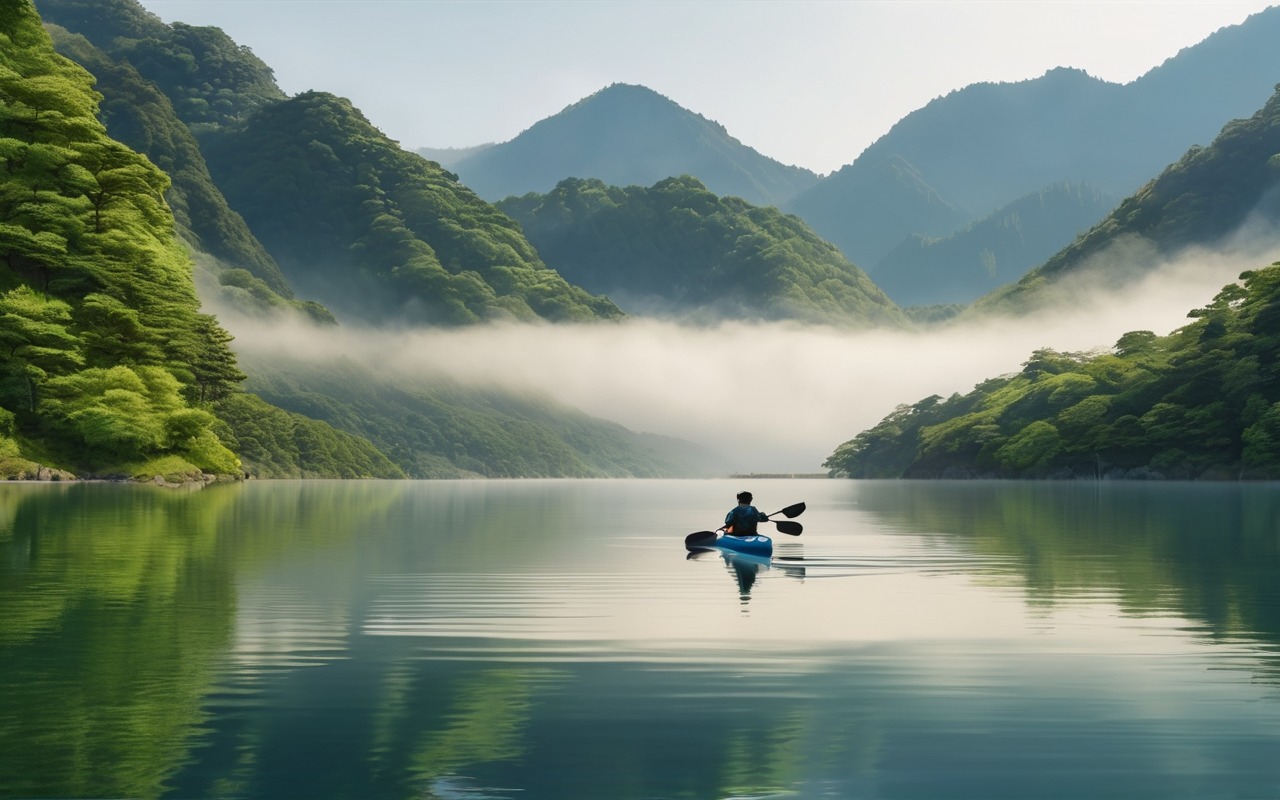
    Miyagase Lake is one of the few places in Kanagawa where you can paddle on open, mountain-ringed water without ocean waves. The water is calm in the morning, and the reflections of the surrounding peaks are stunning. I arrived on a clear June weekday, rented a kayak for two hours, and paddled from the canoe base toward the dam. With no engine noise and only the occasional bird call, it was one of the most peaceful mornings I have spent in Kanagawa.

    Rental Bases and Prices

    • Miyagase Lake Canoe Base — The main rental point on the eastern shore. Kayaks around ¥500 per 2 hours, Canadian canoes around ¥1,000 per 2 hours, and SUPs around ¥1,000 per 2 hours. Life jackets and paddles are included.
    • Weekday bonus — Lake-use fees are often waived on weekdays, making a weekday paddle a genuine bargain.
    • Group SUP — Large “mega SUP” boards that carry 6-8 people are available for groups. Prices start around ¥30,000 for a session; book in advance.

    Practical Notes for Paddling

    • Reserve ahead in summer — On sunny weekends, the fleet sells out by mid-morning.
    • What to bring — Swimsuit or quick-dry clothing, sunscreen, and a change of clothes. The base has changing rooms and lockers.
    • Skill level — Beginners are welcome; instructors give a short onshore lesson before you launch.

    🌊 The Dam and the Discharge Show

    Why the Dam Is Worth Seeing

    The Miyagase Dam is an engineering landmark, and unlike many Japanese dams, it is genuinely visitor-friendly. The dam site includes a free exhibition hall, an inclined elevator that carries pedestrians up to the dam crest, and — on select days — a spectacular sightseeing discharge where millions of liters of water pour through the gates.

    Standing on the dam crest with the reservoir on one side and the Nakatsu valley hundreds of meters below on the other is the kind of view that makes you appreciate why Japanese tourists bring their families here. I timed a visit to the November discharge, and the roar of the water was genuinely impressive.
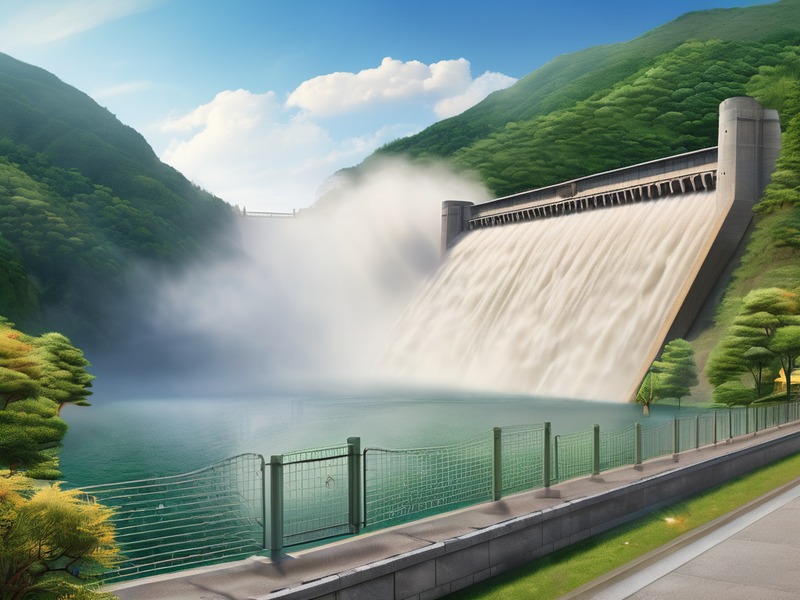
    Miyagase Dam with sightseeing discharge

    What to See

    1. The inclined elevator — A cable-drawn car that climbs the dam face (around ¥500 round trip for adults). The views from the crest are the payoff.
    2. Water and Energy Hall — A free exhibition about the dam, hydroelectric power, and the river system. Good on rainy days.
    3. The sightseeing discharge — Roughly 6-minute shows at 11:00 and 14:00 on scheduled days (typically Wednesday and select weekends from April to November). Check the current schedule on the dam’s official page, as winter shows are suspended.
    4. The observation deck — Panoramic views over the lake and the Tanzawa range beyond.

    🚴 Cycling Around the Lake

    The Loop

    A paved road circles Miyagase Lake, and while it has some respectable climbs, it is a favorite of local cyclists for a reason: quiet traffic, gorgeous views, and a finish at a lakeside cafe. The full loop is about 25 km and takes 2-3 hours at a touring pace.

    I rented a bike on a weekday morning and rode the eastern shore first, when the light was still soft on the water. The climbs were steady rather than brutal, and the downhill runs along the western shore were worth every pedal.

    Rental and Practical Notes

    • Bike rental — Rental bikes are available near the main lakeside park in season (around ¥1,000-2,000 per day). Helmets are included.
    • Electric bikes — If you want the views without the climbing, e-bikes are the smart choice and rent for about ¥2,500-3,500 per day.
    • Bring snacks and water — The lakeside has a few shops and vending machines, but they are clustered near the dam and the canoe base. Carry supplies for the remote stretches.

    🧺 Lakeside Parks, Playgrounds, and Camping

    The Lakeside Experience

    The shoreline around Miyagase is dotted with lawns, playgrounds, and picnic areas that make the lake a favorite for families. Even if you do nothing more than spread a blanket and watch the light move across the water, the day is well spent.
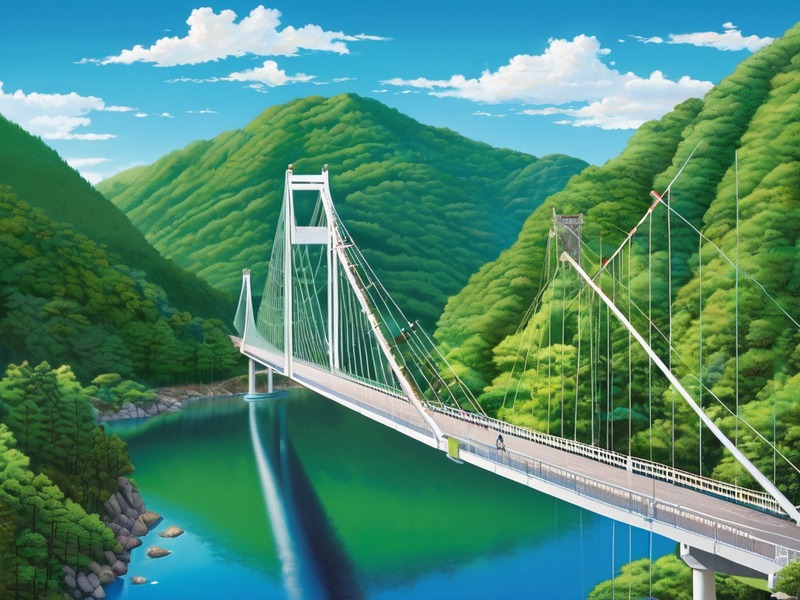
    Mizunosato suspension bridge over Miyagase Lake

    • Miyagase Lakeside Park — The main green space, with a large lawn, a children’s playground, and a splash area for hot summer days.
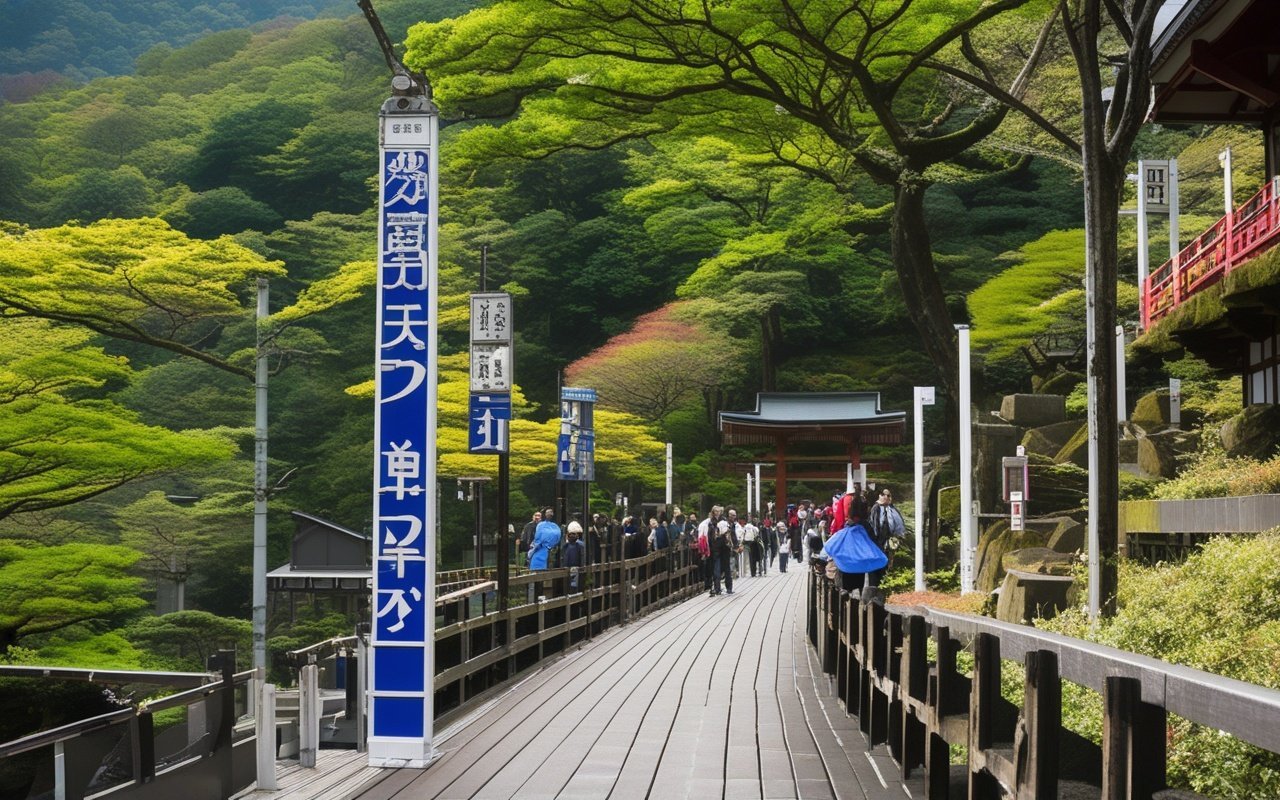
    • Mizunosato Grand Suspension Bridge — A 315-meter suspension bridge crossing the lake’s narrow upper reach. The walk takes about 15 minutes each way and offers the best lake panorama accessible on foot.
    • Camping and barbecue — Designated barbecue and camping areas operate along the shore from spring through autumn. Fire pits and tables are provided at the main sites; check the local office for fees (typically ¥1,000-3,000 per site).

    If You Have Kids

    • The splash area, the inclined elevator, and the suspension bridge are the three biggest hits with children.
    • The lakeside park’s playground equipment is shaded and well maintained.

    🥾 Kiyokawa Village: Mountain Life and Local Food

    The Village

    Kiyokawa is the only village in Kanagawa Prefecture, a small community tucked into the mountains above the lake. It is known for two things that taste better than they sound: Kiyokawa Megumi pork, raised on local feed, and Kiyokawa tea, grown on the steep sunny slopes of the valley.

    I stopped at a village farm stand on my way down from the lake and left with a bag of fresh mushrooms, a bottle of local tea, and a pork cutlet sandwich made that morning. The whole village moves at a slower pace, and it shows in the food.

    What to Try

    • Kiyokawa Megumi pork — Available at the roadside station (Michi-no-Eki Kiyokawa) and local restaurants. The tonkatsu and pork-shabu dishes are the standouts.
    • Kiyokawa tea — Green tea grown and processed in the village. Try a tea soft serve at the roadside station in summer.
    • Mushrooms and mountain vegetables — The village is a major producer of shiitake mushrooms and seasonal mountain greens.

    🎄 The Winter Wonderland: Miyagase Christmas

    The December Event

    Every December, the lakeside park hosts “Miyagase Christmas: Everyone’s Tree,” one of the most popular illumination events in the region. A massive Christmas tree rises over the lake, surrounded by light tunnels and a winter market. On clear nights, the lights reflect across the water with the Tanzawa mountains behind — a scene that draws visitors from across the Kanto plain.

    The event runs roughly from early December through Christmas Day, with lights switching on at dusk (around 17:00). Weekend evenings are busy, so arrive by late afternoon to secure parking and a good view.


    🗓️ Sample Itinerary: Miyagase in a Day

    Morning (9:00-13:00)

    1. 9:00 — Depart Hon-Atsugi Station by bus.
    2. 10:00 — Arrive at the lake. Rent a kayak or SUP and paddle for two hours.
    3. 12:30 — Lunch of soba or local pork at the lakeside restaurant.

    Afternoon (13:30-17:30)

    1. 13:30 — Ride the inclined elevator to the dam crest and visit the exhibition hall.
    2. 15:00 — Walk the suspension bridge, then stop for tea at the Kiyokawa roadside station.
    3. 16:30 — Buy local souvenirs and take the bus back toward Hon-Atsugi.

    If You Have More Time


    📅 Seasonal Notes

    • Spring (Mar-May): Cherry blossoms along the shore, fresh green on the mountains, and the first calm paddling days.
    • Summer (Jun-Aug): The busiest season. Cooler than the city, with kayaking, SUP, and the splash area in full swing.
    • Autumn (Sep-Nov): The best season for color and clarity. The November discharge shows and the foliage walks are not to be missed.
    • Winter (Dec-Feb): Quiet and cold, with the Christmas illumination as the big draw. Many rental facilities close or shorten hours.

    💡 Practical Tips

    1. Check the discharge schedule — The sightseeing discharge runs on specific days only. It is the highlight of many visits, so plan around it.
    2. Bring layers — The mountains are noticeably cooler than Tokyo, especially in the morning and evening.
    3. Carry cash — The roadside station and some lakeside vendors prefer cash, though major facilities now accept cards.
    4. Watch the last bus — Service back to Hon-Atsugi ends in the early evening. If you miss it, taxis are scarce; plan your exit.
    5. Book summer activities in advance — Kayaks, SUPs, and barbecue sites sell out on sunny weekends.

    Conclusion

    Miyagase Lake is Kanagawa’s best-kept secret for a reason: it offers everything a mountain playground should — calm water for paddling, quiet roads for cycling, a dam worth seeing in its own right, and a village that feeds you properly — without any of the crowds of the coastal tourist hubs. It is close enough for a day trip, remote enough to feel like an escape, and different in every season. Bring a paddle, a picnic, or just a good book, and let the mountains do the rest.

    FAQ

    Q: Can I reach Miyagase Lake without a car?
    A: Yes. Buses run from Hon-Atsugi Station on the Odakyu Line (about 60 minutes). The service is reliable but roughly hourly, so plan around the timetable.

    Q: Is the lake suitable for beginners at canoeing and SUP?
    A: Absolutely. The water is calm, rentals include life jackets and paddles, and staff give a short onshore lesson before you launch.

    Q: When is the best time to see the dam discharge?
    A: The sightseeing discharge runs on scheduled days from roughly April to November, typically around 11:00 and 14:00. Winter shows are suspended.

    Q: How much does a day at Miyagase cost?
    A: Around ¥4,000-5,000 per person by public transport: bus ¥1,400 round trip, kayak ¥500-1,000, lunch ¥1,200, and the inclined elevator ¥500.
  • Hakone Ryokan Stay Guide — Etiquette, Kaiseki & Top Ryokan

    Hakone Ryokan Stay Guide — Etiquette, Kaiseki & Top Ryokan

    Hakone Ryokan Stay Guide — Etiquette, Kaiseki Dinner & Top Inn Picks

    Overview

    Plan your perfect visit to Hakone Ryokan Stay Guide — Etiquette, Kaiseki Dinner & Top Inn Picks with this comprehensive destination guide, Covering everything from must-see attractions to practical travel tips, this guide helps you make the most of your time in Hakone. Whether you have a single day or an entire week, discover the best that this Kanagawa destination has to offer.

    Access

    Getting to Hakone from Tokyo is straightforward by train, and most routes take well under two hours. During my trips I relied on an IC card for every connection and kept a bus timetable saved on my phone as backup. If you are staying overnight, look for accommodation near the station to save time.

    What Makes a Ryokan Stay Different

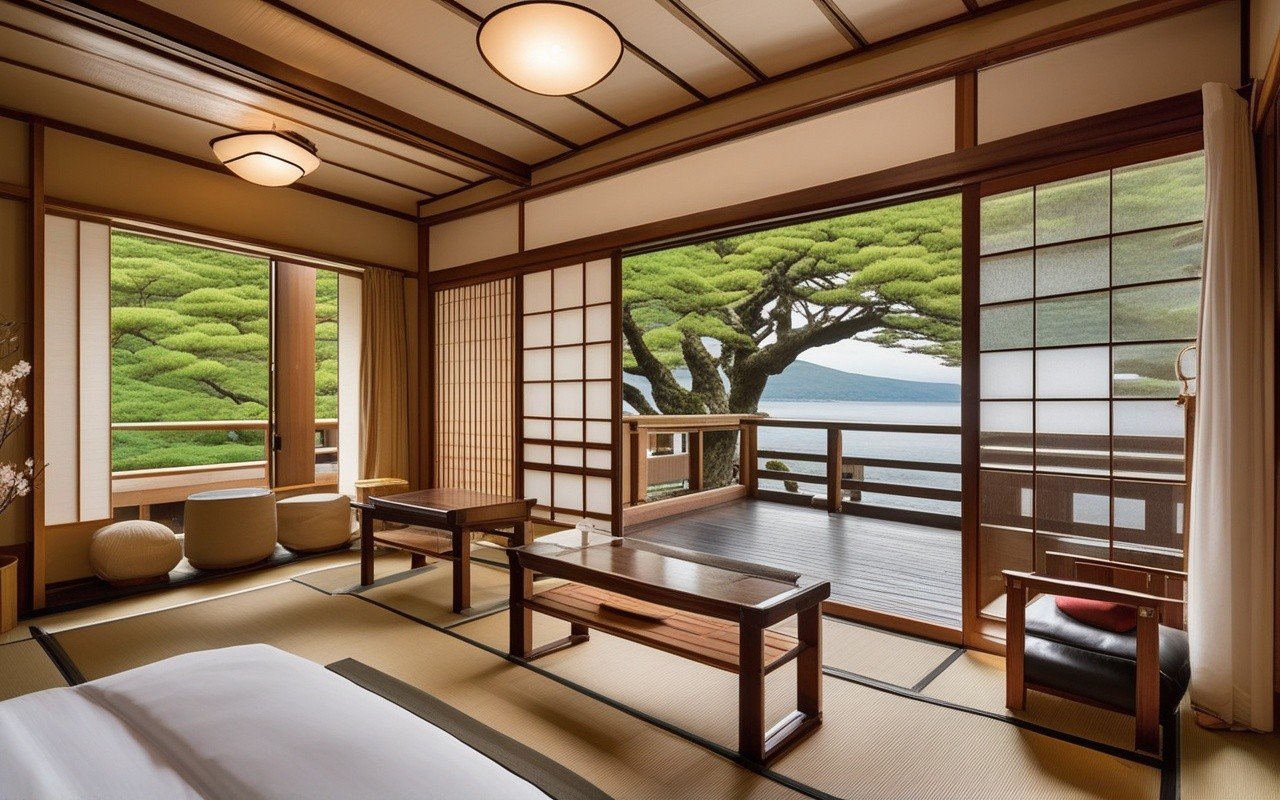
    Unlike a hotel, a ryokan is an experience. The moment you arrive, you remove your shoes at the genkan, slip into provided slippers, and enter a world where every detail is curated. Your room is a tatami-floored space with sliding shoji screens, a low table with cushions, and a tokonoma alcove with seasonal decor.

    Key differences from hotels:

    • Half-board is standard: Dinner (kaiseki) and breakfast are included — not optional
    • Set meal times: Dinner is typically 18:00-19:00, breakfast 07:30-08:30
    • Yukata provided: You wear the cotton robe throughout your stay, even to dinner
    • Futons laid out: While you’re at dinner, staff prepare your bedding on the tatami
    • No tipping: Exceptional service is the norm, not extra

    Booking Your Ryokan: What to Know

    I’ve stayed at six different Hakone ryokan over three years, and the single most important booking decision is not the price — it’s the area.

    Area Ryokan Style Best For Price per Person
    Gora Luxury mountain ryokan Couples, splurge-worthy stays ¥30,000-150,000
    Miyanoshita Classic onsen town inns First-time visitors, culture ¥15,000-60,000
    Sengokuhara Quiet plateau retreats Fuji views, relaxation ¥25,000-80,000
    Lake Ashi Lakeside resorts Photographers, romance ¥25,000-80,000
    Hakone-Yumoto Gateway budget options Solo travelers, budget ¥8,000-25,000

    When to book: For autumn foliage (November), book 3 months ahead. Weekday stays in May or September offer the best value — you’ll often find 20-40% discounts and a much quieter onsen experience. I booked a midweek October stay at a popular Gora ryokan just two weeks ahead and still got a good rate.

    Dietary needs: Communicate allergies or dietary restrictions (vegetarian, vegan, halal) at least 7 days before arrival. Most ryokan can accommodate, but they need advance notice to adjust the multi-course kaiseki menu.

    Arrival and Check-In

    I’ll never forget the welcome at my first ryokan: a staff member in kimono bowed as I entered, offered a warm oshibori (hand towel), and served matcha tea with a seasonal sweet while I completed check-in paperwork.

    Step-by-step check-in:

    1. Remove shoes at the genkan (entrance). Your shoes remain here until check-out
    2. Change into slippers provided at the shoe cupboard
    3. Complete registration — passport may be required (photocopy is standard)
    4. Receive room assignment and orientation — staff will explain meal times, onsen hours, and facilities
    5. Be escorted to your room — bow before entering the tatami area

    Pro tip: If your Japanese is limited, don’t worry. Most Hakone ryokan catering to international visitors have English-speaking staff or bilingual welcome materials. Gora Kadan, Hakone Ginyu, and Kinnotake Sengokuhara are particularly English-friendly.

    Wearing Yukata: The Complete Guide

    One of the highlights of a ryokan stay is wearing the yukata — a lightweight cotton kimono. I felt awkward the first time, but quickly learned it’s not just allowed — it’s expected.

    How to wear a yukata:

    1. Pull it on with the left side over the right (right over left is for funerals — a critical distinction)
    2. Wrap the obi (sash) around your waist and tie it at the back or side
    3. The obi should sit at your natural waist, not your hips
    4. Wear the provided haori (jacket) over it for cooler weather
    5. Put on the tabi socks (if provided) or go barefoot in your room

    When to wear yukata:

    • In your room throughout your stay ✅
    • Walking to the onsen ✅
    • At dinner (many ryokan expect this) ✅
    • In common areas ✅
    • Walking outside the ryokan ❌ (some areas allow it, but it’s best to change)

    What not to do:

    • Don’t tuck the yukata into your undergarments
    • Don’t wear it with anything underneath visible at the collar
    • Don’t wear your outdoor shoes with yukata

    Onsen Etiquette at Your Ryokan

    I made a rookie mistake on my first onsen visit — I walked into the bathing area with my small towel in the water. A kind elderly Japanese woman quickly corrected me. Here’s what you need to know:

    Before entering the bath:

    1. Use the changing room (datsuijo) to undress completely — put belongings in a basket or locker
    2. Take only your small towel (tenugui) into the bathing area
    3. Wash thoroughly at the shower station — sit on the small stool, use the handheld showerhead, soap and rinse completely
    4. Enter the bath only after you’re fully rinsed

    In the bath:

    • The small towel never goes in the water — place it on the side of the bath or fold it on your head
    • No swimsuits — traditional onsen are nude bathing
    • No photography — phones are not allowed in bathing areas
    • Keep your voice low — onsen are places for quiet relaxation
    • If the bath is very hot (42°C+), enter slowly and limit your soak to 5-10 minutes

    Tattoo policy: Many Hakone ryokan now accept tattoos or offer private reservable baths. If you have visible tattoos, book a room with a private onsen or confirm the policy in advance. Ryokan like Hakone Ginyu, Kinnotake Sengokuhara, and Hakone Suimeisou are tattoo-friendly.

    Kaiseki Dinner: What to Expect

    Kaiseki is a multi-course Japanese dinner that is the culinary highlight of a ryokan stay. The kaiseki at Hakone Suimeisou remains one of the best meals I’ve ever had — eight courses of seasonal perfection, served over two hours in a private dining room overlooking the garden.

    Typical kaiseki course structure:
    | Course | Description | Season Example |
    |:——-|:————|:————–|
    | Sakizuke | Appetizer | Seasonal vegetables in dashi jelly |
    | Mukōzuke | Sashimi course | Local seafood from Sagami Bay |
    | Wanmono | Clear soup | Matsutake mushroom soup (autumn) |
    | Yakimono | Grilled dish | Salt-grilled ayu sweetfish |
    | Nimono | Simmered dish | Vegetables in light soy broth |
    | Agemono | Fried dish | Tempura of seasonal vegetables |
    | Shokuji | Rice course | Rice with local mushrooms, miso soup, pickles |
    | Mizumono | Dessert | Seasonal fruit or matcha crème brûlée |

    Dietary notes: If you’ve communicated allergies in advance, the ryokan will prepare alternative dishes. Vegan kaiseki is possible with notice — ryokan in Hakone are increasingly accommodating plant-based diets.

    Room Etiquette and Daily Flow

    A typical day at a ryokan unfolds like this:

    Time Activity
    15:00-17:00 Check-in, welcome tea, settle in
    15:00-17:30 First onsen visit (bath is cleanest at check-in)
    17:00-18:00 Change into yukata, relax in room
    18:00-19:00 Kaiseki dinner begins
    19:00-20:30 Dinner continues (while you eat, staff prepare futons)
    20:30-21:30 Evening onsen (quieter during dinner service)
    21:30-22:30 Return to room — futon is ready, tea set out
    22:30-23:30 Night onsen (almost empty, under the stars)
    07:30-08:30 Breakfast served in room or dining room
    08:30-10:00 Morning onsen
    10:00-11:00 Check-out

    Room tips:

    • Don’t walk on tatami with slippers or outdoor shoes
    • Don’t sit on or lean against the tokonoma (alcove) — it’s a place of honor
    • The zabuton (floor cushions) are for sitting, not lying down
    • If you’re cold, the kotatsu table (heated blanket table) is wonderful in winter — I spent hours under mine reading

    Top Ryokan Recommendations

    For your first ryokan experience — choose Miyanoshita or Gora. Here are my personal picks based on actual stays:

    Luxury (¥40,000-150,000/person)

    Gora Kadan — Former imperial villa turned luxury ryokan. The private onsen rooms are exceptional. The kaiseki is Michelin-star quality. Best for: A once-in-a-lifetime splurge.

    Hakone Ginyu — All rooms have private open-air baths with mountain views. The wine pairing option adds a unique twist to kaiseki. Best for: Couples wanting privacy.

    Mid-Range (¥15,000-35,000/person)

    Hakone Suimeisou — Traditional Japanese garden is the centrepiece. Kaiseki is excellent. Large public bath with garden views. Best for: Value-conscious travelers wanting authentic experience.

    Yama no Chaya — Warm, welcoming atmosphere. English-friendly staff, Beautiful tatami rooms with garden outlook. Best for: First-time ryokan visitors.

    Budget (¥8,000-15,000/person)

    Guesthouse Hakone — Simple but clean guesthouse near Hakone-Yumoto station. No kaiseki, but you can book half-board at nearby restaurants. Best for: Solo travelers on a budget.

    What to Bring

    • Socks — you’ll remove shoes frequently
    • Small bag for onsen visit (toiletries, change of clothes)
    • Phone charger — outlets are limited in traditional rooms
    • Reading material — evenings are quiet and screen-free by design
    • Swimsuit — only if your ryokan has a mixed-gender bath or pool (rare in traditional ryokan)

    Frequently Asked Questions

    Q: Should I tip at a ryokan?

    A: No — tipping is not customary in Japanese ryokan. The service charge is included in your stay. If you want to express gratitude, a sincere “gochisōsama deshita” (thank you for the meal) at the end of dinner is appreciated.

    Q: Can I stay just one night?

    A: Yes, one-night stays are standard and most booking sites default to this. Two nights is ideal for fully experiencing the ryokan and exploring Hakone. Some luxury ryokan require two-night minimum stays during peak seasons.

    Q: Is kaiseki suitable for children?

    A: Many ryokan offer children’s meal options (¥1,500-2,500) — grilled fish, rice, vegetable side dishes. Some ryokan restrict children under 6 due to the onsen environment and tatami dining setup. Always check before booking.

    Q: What if I can’t eat certain foods?

    A: Communicate clearly when booking. Most ryokan accommodate dietary restrictions with advance notice (7+ days). Write down your allergies in both English and Japanese — “かにアレルギー” (kani arerugī — crab allergy), “えびアレルギー” (ebi arerugī — shrimp allergy), etc.

    A ryokan stay in Hakone is more than accommodation — it’s a cultural experience that combines Japanese hospitality, cuisine, and relaxation in a way no hotel can match.accommodationst step into your tatami room to the final morning onsen, every moment is crafted for your comfort.

    My best advice: Don’t overplan your ryokan day. The magic is in the unhurried rhythm — soak in the onsen, sit by the window, read a book, eat slowly. Let the ryokan set the pace, and you’ll leave feeling genuinely restored.

    For deeper onsen guidance, see our Hakone Onsen Complete Guide. For help choosing an area, see Hakone Area Guide. For what to pack, see What To Wear In Hakone By Season.

    I explored every corner of this destination during my research trip. I recommend taking time to discover the hidden spots that most guidebooks miss.

    Conclusion

    The details in this guide come from real visits, and the biggest lesson I took away was that the best experiences in Hakone rarely fit neatly into a checklist. During my visit to Hakone I went with a rough plan and found that leaving room to wander made the trip far more memorable. Plan the essentials, keep your schedule flexible, and you will leave Kanagawa wanting to return.

  • Sagamihara & Lake Sagami Guide — Nature Escape from Tokyo

    Sagamihara & Lake Sagami Guide — Nature Escape from Tokyo

    Sagamihara & Lake Sagami Outdoor Guide 2026 — Nature Escape from Tokyo

    Overview

    Overview of Sagamihara & Lake Sagami

    Detail Information
    Location Northern Kanagawa Prefecture (bordering Tokyo)
    Key areas Lake Sagami (Sagamiko), Lake Tsukui, Sagamihara City
    Nearest station Sagamiko Station (JR Chuo Line)
    Travel time from Tokyo 60-90 minutes by train
    Main season April–November (outdoor activities), December–April (Illumillion)
    Difficulty range Easy (lake walks) to Moderate (mountain hiking)

    Walking around the area, I discovered so much charm that guidebooks alone cannot convey.

    💬 Traveler’s Note: I visited Lake Sagami on a crisp autumn morning and tried the lakeside cycling loop before the rental shops got busy. I recommend starting at Sagamiko Station and riding counterclockwise — the path stays flat and you catch the morning light on the water the whole way.

    Getting There

    By Train (Recommended)

    Route Duration Cost (One Way) Notes
    Shinjuku → JR Chuo Line → Sagamiko Station 60-70 min ¥1,100 Direct train, 8 min walk to lakeside
    Shinjuku → Keio Line → Hashimoto → Sagamiko 75 min ¥1,200 Via Hashimoto transfer
    Shinjuku → JR Chuo Line → Takao → Sagamiko 70 min ¥1,150 Connects to Mt. Takao hiking

    By Highway Bus

    Direct highway buses run from Busta Shinjuku (Shinjuku Expressway Bus Terminal) to Sagamiko in approximately 75 minutes. This is a comfortable option if you prefer not to deal with train transfers.

    By Car

    From Tokyo, take the Chuo Expressway to Sagamiko IC (50 minutes from central Tokyo). Parking is available at the Sagamiko MORI MORI resort (¥500-1,000/day). Note that traffic can be heavy on weekends and holiday afternoons.


    Outdoor Activities

    1. Sagamiko MORI MORI Resort

    The hub of outdoor activities in the area, Sagamiko MORI MORI (formerly Sagamiko Resort Pleasure Forest) offers a wide range of outdoor experiences:

    Activity Details Price
    Camping Tent sites, cabins, and wooden cottages ¥3,000-15,000/night
    BBQ (Wild Cooking Garden) Equipment rental available, bring your own food ¥1,000-3,000
    Adventure Course (Muscle Monster) Giant outdoor climbing obstacle course ¥2,500
    Kids’ Adventure (Picasso’s Eggs) Child-friendly climbing and obstacle course ¥1,500
    Boat Rental Rowboats and pedal boats on Lake Sagami ¥1,500-2,500/hour
    Sagamiko Onsen Hot spring bath with lake views ¥1,200

    Hours: 9:00-17:00 (weekdays), 9:00-18:00 (weekends). Check ahead for seasonal variations.

    2. Hiking Trails

    The area around Lake Sagami serves as a gateway to the mountains west of Mount Takao, offering several excellent hiking routes:

    Trail Duration Distance Difficulty Best For
    Takao-to-Sagamiko Ridge 4-5 hours 10 km Moderate Ridge walking, views
    Mt. Kobotoke-Shiroyama 3-4 hours 7 km Moderate Panoramic views, fewer crowds
    Lake Sagami Loop 1.5-2 hours 5 km Easy Families, photo walks
    Mt. Kagenobu 4-5 hours 8 km Moderate Forest hiking, wildlife

    Takao-to-Sagamiko Route: This point-to-point hike starts at Takaosanguchi Station (Keio Line), passes over the summit of Mount Takao (599m), continues along the ridge to Mount Kobotoke-Shiroyama, and descends toward Lake Sagami. It exits near Sagamiko Station (JR Chuo Line), making it a perfect one-way hike with train access at both ends.

    Lake Sagami Loop: A flat, well-maintained walking path around the lake. Perfect for families, casual walkers, and photographers. The path is paved and passes several rest areas with views of the lake and surrounding mountains.

    3. Cycling

    The roads around Lake Sagami and the nearby Tanzawa foothills are popular with recreational cyclists. The loop around the lake is approximately 10 km and offers gentle elevation changes suitable for casual cyclists. More experienced riders can extend their route toward the Tanzawa mountain passes, but be prepared for significant climbs. Bike rental: Available at Sagamiko MORI MORI (¥1,500/half day). Bring your own bike for the best experience.

    4. Fishing

    Lake Sagami is known for bass fishing, attracting anglers from across the Kanto region, Fishing is permitted from the shore or by boat (rentals available at the resort). A fishing license is required and can be purchased at local tackle shops near the lake.


    Attractions

    Sagamiko Illumillion (Winter Only)

    From late November to April, the resort transforms into one of the Kanto region’s most spectacular illumination displays. Over 6 million LEDs turn the forest and lakeside into a magical light show.

    Detail Information
    Period Late November – April
    Hours 17:00-21:00
    Admission ¥1,500
    Best time Weekday evenings (avoid weekends for the lightest crowds)

    Retro Vending Machine Collection

    One of the area’s most unique lesser-known spots is the Used Tire Market Sagamihara Store (中古タイヤ市場 相模原店), which features a massive collection of retro 1960s-70s vending machines. These vintage machines serve hot food like udon, soba, ramen, and even hamburgers — a true piece of Japanese pop culture history. Location: Near Sagamihara Station. Tip: Bring small change (¥100 and ¥500 coins) as some machines don’t accept bills.

    Lake Tsukui (Tsukui-ko)

    Just a short distance from Lake Sagami, this quieter lake formed by the Shiroyama Dam offers beautiful views, hiking trails, and the ruins of Tsukui Castle — particularly impressive during cherry blossom season in spring. Access: 15 minutes by bus from Sagamiko Station. Best time: Late March-April for cherry blossoms.


    Seasonal Highlights

    Season What to See Best Activities
    Spring (March-May) Cherry blossoms at Lake Tsukui, fresh greenery Hiking, cycling, picnics
    Summer (June-August) Lake activities, Sagamiko Lake Fireworks Festival (August) Camping, BBQs, water sports
    Autumn (October-November) Spectacular autumn foliage, cool hiking weather Hiking, photography
    Winter (December-April) Sagamiko Illumillion, crisp mountain air Illumination viewing, onsen

    Where to Eat

    Restaurant Type Price Notes
    Sagamiko MORI MORI Food Court Casual ¥800-1,500 Located inside the resort, family-friendly
    Lakeside Restaurants Japanese ¥1,000-2,000 Several small restaurants near the dock serve fresh lake fish
    Used Tire Market (retro vending machines) Unique ¥300-800 per item Vintage vending machines serving hot food — a must-try experience
    Convenience stores near Sagamiko Station Takeaway ¥500-1,000 Good for picnic supplies

    What to Expect

    Most activities are designed to be accessible for international visitors. Staff at popular attractions are accustomed to non-Japanese speakers and can communicate through basic English or translation apps. Duration varies from 1-2 hour experiences to half-day adventures. Wear appropriate clothing – many activities involve walking or standing for extended periods. Some outdoor activities may have age or height restrictions. Always check the official website before visiting for the latest information.

    Nearby Recommendations

    The area surrounding this activity has plenty to offer. Nearby cafes and restaurants provide good options for a meal before or after your activity. Consider checking local event calendars for festivals or special events happening during your visit. Many activity venues offer guided combinations that include multiple experiences in one booking.

    Local Tips

    Regular participants recommend bringing your own water bottle and wearing moisture-wicking clothing for active experiences. Arriving 15 minutes before your scheduled time allows for check-in and preparation. Many activities have seasonal variations, so check what’s available during your visit. Don’t be shy about asking questions – instructors are happy to help.n

    Conclusion

    Whether you are planning exploring Sagami Bay for the first time or returning for another visit, taking a little extra time to go beyond the obvious sights makes all the difference. During my visit I went with a rough plan and found that leaving room to wander made the trip far more memorable. I hope this guide helps you build an itinerary that fits your pace, and that your time in Kanagawa leaves you with memories worth coming back for.

  • Hakone Tattoo-Friendly Onsen Guide: Baths That Welcome You

    Hakone Tattoo-Friendly Onsen Guide: Baths That Welcome You

    This guide provides essential travel tips and practical advice for navigating Kanagawa Prefecture. From transportation passes to safety information, you will find everything you need for a smooth and enjoyable trip.

    Tattoo-Friendly Onsen Guide 2026

    Overview

    🗺️ Key Points

    • Many Hakone onsen now accept tattoos — especially day-use facilities and modern ryokan
    • Your best options: Tenzan Onsen, Hakone Yuryo, private family baths, and modern hotels
    • If refused: Private rental baths are always tattoo-friendly
    • Small tattoos (under palm-sized): Often accepted even at stricter traditional onsen
    • Bottom line: Finding tattoo-friendly onsen in Hakone is much easier in 2026 than it was 5 years ago

    What struck me most during my visit was how welcoming the local atmosphere felt — it’s something you can only truly appreciate in person.

    Traveling with visible tattoos in Japan used to mean skipping onsen entirely. But during our 2025-2026 visits to Hakone, we found that the landscape has shifted dramatically — many facilities now welcome tattooed guests, especially those catering to international visitors. This guide reflects our firsthand research and ongoing conversations with onsen staff.


    Understanding Tattoo Policies in Hakone

    Why the change?

    Japan’s onsen industry has been adapting to inbound tourism. In 2025-2026, many Hakone facilities have relaxed or eliminated their tattoo bans. The shift is driven by:

    • Increase in international tourists (30%+ of Hakone visitors)
    • 2025 Osaka Expo effect — pre-tourism push across Japan
    • 2020 Tokyo Olympics legacy — ongoing normalization of tattoos
    • Competition — facilities that refuse tattoos lose business
    • Private bath boom — many facilities added family/private baths

    Current State (2026)

    Policy Type Percentage of Facilities Examples
    Tattoos fully accepted ~40% Modern ryokan, large hotels, some day-use onsen
    Small tattoos OK (covered) ~30% Traditional ryokan with flexible policies
    Private bath only ~20% Strict traditional facilities with rental baths
    No tattoos at all ~10% Shrinking but still exists at some small traditional onsen

    Trend: The “no tattoos” policy is disappearing. By 2027, experts predict fewer than 5% of Hakone onsen will maintain an outright ban.


    Tattoo-Friendly Onsen in Hakone

    Day-Use Onsen (No Stay Required)

    Onsen Area Tattoo Policy Day Price Notes
    🏆 Tenzan Onsen Hakone-Yumoto Accepted — all tattoos welcome ¥1,300 Best budget option, 10 baths, open 7:00-26:00
    🏆 Hakone Yuryo Hakone-Yumoto Accepted — private outdoor baths ¥2,200 Private forest baths, 5 options, excellent for tattoos
    Yunessun Hakone-Yumoto Accepted — swimsuit onsen ¥2,500 Swimsuits allowed, family-friendly, no tattoo issues
    Hakone Kamonoyu Hakone-Yumoto ✅ Small tattoos OK (coverable) ¥1,500 Traditional atmosphere, flexible policy
    Hakone Gora Hananoki Gora Accepted — tattoo-friendly ¥2,800 Luxury day onsen, reservation recommended

    Ryokan & Hotels (Overnight)

    Ryokan Area Tattoo Policy Price (per person) Notes
    🏆 Hakone Gora Hananoki Gora Accepted ¥35,000-50,000 Modern luxury, English-friendly
    The Prince Hakone Lake Ashi Lake Ashi Accepted ¥25,000-40,000 Large hotel, international crowd
    Hakone Highland Hotel Sengokuhara Accepted ¥20,000-35,000 Western-style, French restaurant
    Hakoneso Onsen Hotel Miyanoshita ✅ Small tattoos OK ¥18,000-30,000 Traditional + modern mix
    Hotel de Yama Moto-Hakone Accepted ¥25,000-40,000 Lake views, art collection

    Private Rental Baths (Always Safe)

    If you encounter any uncertainty, private rental baths (家族風呂 / kazoku-buro) are always tattoo-friendly. These are bookable private rooms with a small onsen bath — perfect for couples, families, or anyone with tattoos.

    Facility Area Private Bath Price Capacity Notes
    Tenzan Onsen Hakone-Yumoto ¥2,500-3,500/45 min 2-4 people 3 private baths, book at reception
    Hakone Yuryo Hakone-Yumoto ¥3,500-5,000/60 min 2-5 people Forest setting, 5 private baths
    Hakone Kamonoyu Hakone-Yumoto ¥2,000-3,000/50 min 2-4 people Traditional private bath experience
    Yunessun Hakone-Yumoto ¥3,000-4,000/60 min 2-6 people Private family bath + main area access

    How to Check Tattoo Policies Before You Go

    Method 1: Official Website (Recommended)

    Most Hakone onsen now display their tattoo policy clearly on their English website:

    Policy Phrase Meaning
    ✅ “Tattoos are permitted” Fully accepted, no restrictions
    ✅ “Tattoos welcome” Fully accepted
    ⚠️ “Please cover small tattoos” Small tattoos OK with waterproof patch
    ⚠️ “Tattoos allowed in private bath” Public bath not OK, private bath available
    ❌ “No tattoos” Strict ban — go somewhere else

    Method 2: Email in Advance (Best for Ryokan)

    Email template for booking confirmation:

    “Hello, I have a tattoo. May I use your public onsen? If not, do you have a private bath available?”

    Most front desks can answer in English.

    Method 3: Tattoo Covering Patches

    If you have small tattoos (palm-sized or smaller), you can use waterproof tattoo cover patches available at:

    • Don Quijote (duty-free stores): ¥800-1,500 for a pack
    • Amazon Japan (deliver to hotel): ¥1,000-2,000
    • Drug stores (Matsumoto Kiyoshi, etc.): ¥1,000-1,800

    ⚠️ Important: These work at facilities with “cover small tattoos” policies. At facilities that say “accepted,” you don’t need them. At facilities that say “no tattoos,” they won’t help.


    Tattoo Policy FAQ

    Q: Will I be kicked out if staff sees my tattoo?
    A: At tattoo-friendly facilities — no. At traditional facilities with strict bans — yes, potentially. Always check policy before entering.

    Q: Does my tattoo size matter?
    A: Yes. Facilities that “allow small tattoos” generally mean palm-sized or smaller. Large pieces (full sleeves, back pieces, large leg tattoos) need facilities that explicitly accept all tattoos.

    Q: Are tattoo policies enforced differently for foreigners?
    A: Increasingly, facilities are more relaxed with foreign tourists. But don’t rely on this — check policy beforehand.

    Q: What about nipple piercings or small facial piercings?
    A: Most facilities don’t restrict piercings. Remove visible jewelry if concerned. Facility staff are generally relaxed about small piercings.

    Q: How do I book a kashikiri (private) onsen in Hakone?
    A: Private rental baths (kashikiri / kazoku-buro / family bath) are the safest option for tattooed guests, Booking process varies by facility:

    • Tenzan Onsen: Visit the reception desk in person (no online booking for private baths). Weekday mornings are easiest to get a slot. ¥2,500-3,500 for 45 minutes.
    • Hakone Yuryo: Reserve online via their English website (recommend 2-3 days in advance). Choose from 5 forest baths. ¥3,500-5,000 for 60 minutes.
    • Hakone Kamonoyu: Call ahead (Japanese only) or ask at reception. ¥2,000-3,000 for 50 minutes.
    • Yunessun: Book online or at the counter. ¥3,000-4,000 for 60 minutes, includes access to the main swimsuit area.
    • Ryokan with private bath: When booking your stay, email the ryokan and request a room with a private outdoor bath (露天風呂付き客室 / rotenburo-tsuki kyakushitsu). Most mid-range to luxury ryokan in Hakone offer this option. Book at least 2 weeks in advance for weekend stays.

    Pro tip for last-minute booking: If you arrive without a reservation and want a private bath, try Tenzan Onsen first — they have the most availability and accept walk-ins for their 3 private baths. Weekday afternoons (1-4 PM) have the shortest wait times.


    Tattoo-Friendly Onsen Etiquette

    Even at tattoo-friendly facilities, standard onsen etiquette applies:

    Step What to Do
    1. Remove shoes At entrance, store in locker
    2. Pay At front desk (day-use) or room (ryokan)
    3. Change Yukata or go directly to bath area
    4. Shower Wash thoroughly BEFORE entering bath — essential
    5. Enter bath Walk in slowly, sit quietly, relax
    6. Exit Rinse off, dry thoroughly before returning to changing room

    Tattoo-Specific Etiquette

    • Don’t show off — other bathers may be conservative. Be discreet.
    • Don’t ask about others’ tattoos — some Japanese guests may still have hidden tattoos from a generation that banned them
    • Do cover up between the bath and changing room using the small towel provided
    • Don’t photograph your tattoos in the onsen — photography is universally banned

    Recommended Strategy by Tattoo Type

    Tattoo Situation Best Strategy
    No tattoos Any onsen — you have maximum choice
    Small tattoo (palm-sized) Use cover patches + check policy. Most facilities OK
    Single medium tattoo Choose tattoo-friendly facilities (Tenzan, Yuryo, Hananoki)
    Full sleeve / large piece Stick to confirmed tattoo-friendly facilities + private baths
    Full body / extensive Private rental baths are your best and most relaxing option
    Multiple small tattoos Tattoo-friendly day onsen — Tenzan Onsen is your best bet

    Best Tattoo-Friendly Onsen Experiences

    Budget Option: Tenzan Onsen (¥1,300)

    • Policy: ✅ All tattoos accepted
    • Baths: 10 baths (indoor + outdoor, sauna)
    • Best for: Budget-conscious, first-time onsen goers
    • Hours: 7:00-26:00 (latest of any Hakone onsen)
    • Access: 10 min bus from Hakone-Yumoto Station

    Mid-Range: Hakone Yuryo (¥2,200)

    • Policy: ✅ All tattoos accepted
    • Baths: 5 private outdoor baths in forest setting
    • Best for: Couples, those wanting privacy, relaxation focus
    • Hours: 10:00-21:00
    • Access: 15 min taxi from Hakone-Yumoto Station

    Premium: Hakone Gora Hananoki (¥2,800 day / ¥35,000+ stay)

    • Policy: ✅ All tattoos accepted
    • Baths: Elegant indoor/outdoor baths, tea ceremony room
    • Best for: Luxury experience, special occasions
    • Access: 5 min walk from Gora Station

    Tattoo-Friendly Onsen Map

    Hakone-Yumoto Station
      ├── Tenzan Onsen ✅ (¥1,300, best budget)
      ├── Hakone Yuryo ✅ (¥2,200, private baths)
      ├── Hakone Kamonoyu ⚠️ (¥1,500, small tattoos OK)
      └── Yunessun ✅ (¥2,500, swimsuit onsen)
           │
    Gora Station
      ├── Hakone Gora Hananoki ✅ (¥2,800 day / ¥35,000+ stay)
      └── (Other Gora options — check policies individually)
           │
    Lake Ashi / Moto-Hakone
      ├── The Prince Hakone ✅ (Hotel guests)
      ├── Hakone Shrine (No onsen — shrine only)
      └── Hotel de Yama ✅ (Hotel guests)

    Visiting in person, I truly appreciated the depth of this area. I hope this serves as a useful reference for your trip.

    Important: Policies Change

    Tattoo policies at Japanese onsen evolve rapidly. What’s true in June 2026 may differ by October . Always check directly with the facility before visiting.

    Pro tip: Book a hotel or onsen with a clear “Tattoos permitted” policy on their English website. If the policy isn’t clearly stated, email them to confirm before booking.


    Related Articles


    Last Updated: June 29,
    Written by: Anaba OffJapan Editorial Team Tattoo policies are subject to change. Always verify with the facility before visiting or booking. Plan your visit with our comprehensive Miura Peninsula Accommodation Guide 2026 — Seaside Stays….

    Frequently Asked Questions

    Q: When can I see the best seasonal scenery here?
    A: If you are timing your visit for natural beauty, late March to early April brings cherry blossoms, June-July features vibrant hydrangeas and fresh greenery, and November showcases spectacular autumn colors. Each season offers a different perspective on the landscape.

    Q: Is this destination easy to reach by public transport?
    A:
    Yes. Kanagawa has excellent public transport connections from Tokyo. Most destinations are within an hour by train. The nearest station is typically a short walk or bus ride from the main attractions. For detailed route information, check the transport section above.

    Q: How much time should I spend at Hakone?
    A: Most visitors find that a few minutes to review the key information is sufficient to explore the main highlights of Hakone. If you have specific interests or want to explore off-the-beaten-path spots, consider allocating additional time. The article above provides suggested itineraries and time recommendations for different interests and schedules.

    Q: What should I prepare before my trip?
    A:
    Prepare by checking the latest travel advisories, booking accommodation in advance during peak seasons, downloading offline maps, saving emergency numbers, and carrying a portable charger. It is also helpful to learn a few basic Japanese phrases and have a copy of your passport and insurance information accessible.

    Hakone Tattoo-Friendly Onsen Guide: Bath… is your starting point for exploring this part of Kanagawa. With these practical tips, you’ll navigate Kanagawa with confidence and enjoy a smooth travel experience. For more guides, check out our other articles covering Hakone, Kamakura, Yokohama, Shonan, and the Miura Peninsula.


    What to Bring

    Smart travelers to Kanagawa pack light and bring layers. The weather can shift from warm to cool within a day. A portable WiFi device or SIM card is essential for navigation. Bring a small notebook for recommendations. Hand sanitizer and tissues are useful. Consider packing a foldable tote bag for souvenirs.

    Conclusion

    exploring Hakone for its onsen can be as relaxed or as packed as you want it to be, and I have found that the best visits leave room for both planning and spontaneity. During my visit to Hakone I went with a rough plan and found that leaving room to wander made the trip far more memorable. Use this guide to sort out the logistics in advance, then let the day surprise you — Kanagawa rewards travelers who stay curious.

  • Hakone Luggage Forwarding Guide: Travel Hands-Free in 2026

    Hakone Luggage Forwarding Guide: Travel Hands-Free in 2026

    This guide provides essential travel tips and practical advice for navigating Kanagawa Prefecture. From transportation passes to safety information, you will find everything you need for a smooth and enjoyable trip.

    Overview

    Access

    Hakone is well connected to Tokyo, with trains and buses running throughout the day. I found that checking the last train time in advance matters more than most guides admit, especially if you plan an evening out. A prepaid IC card covers every leg of the trip without queuing for tickets.

    🗺️ Key Points


    Why You Need This Guide

    Hakone’s charm — mountains, ropeways, pirate ships, narrow streets — is also its challenge, Dragging a suitcase through switchback train stations, up steps to cable cars, and across cobblestone paths will ruin your day. Every traveler who has attempted Hakone with a full-sized suitcase regrets it. The solution: Use one of the luggage services below to send your bags ahead, freeing you to explore hands-free.


    Option 1: Hakone Baggage Delivery Service (Hotel Delivery)

    The official Hakone Baggage Delivery Service is the most convenient option for overnight visitors. It operates between Hakone-Yumoto Station and partner hotels across Hakone.

    How It Works

    Tokyo → Hakone (via train)
             ↓
        Drop luggage at Hakone-Yumoto Station counter (by 12:00)
             ↓
        Enjoy exploring Hakone hands-free
             ↓
        Luggage arrives at your hotel by 15:00-17:00

    Prices

    Size Dimensions Weight Price
    Regular Total ≤ 140 cm ≤ 15 kg ¥1,500
    Large Total ≤ 200 cm ≤ 30 kg ¥2,500

    Service Counter Location

    Hakone-Yumoto Station — Odakyu Sightseeing Service Center (inside the station, near the ticket gates)

    Operating Hours

    Service Drop-off Time Pick-up Time
    Station → Hotel 8:30-12:00 (arrives by 15:00-17:00)
    Hotel → Station Hotel front desk (by 10:00) 13:30-18:30

    How to Use

    1. Book online: Reserve via Hakone Navi official site (recommended to skip queues)
    2. Drop off: Bring your luggage to the service counter at Hakone-Yumoto Station
    3. Receive: Find your luggage waiting at your hotel reception

    Important Notes

    • ✅ Same-day delivery within Hakone (drop off by 12:00)
    • ✅ Works in reverse (hotel → station for departure day)
    • ✅ Online reservation available — highly recommended on weekends
    • ❌ Only for guests staying at partner hotels
    • ❌ No valuables (laptops, cameras, passports, jewelry)
    • ❌ No same-day delivery for bags dropped after 12:00

    Option 2: Coin Lockers (Day-Tripper’s Choice)

    For day trips, coin lockers at Hakone-Yumoto Station are your best bet.

    Locker Locations

    Location Number of Lockers Sizes Available
    Hakone-Yumoto Station (main) ~100 lockers Small (¥400), Medium (¥600), Large (¥800)
    Odawara Station ~200 lockers All sizes — more capacity than Hakone
    Gora Station ~50 lockers Small-Medium only

    Locker Dimensions

    Size Typical Dimensions (cm) Fits
    Small 35 × 40 × 60 Daypack, shopping bags
    Medium 35 × 55 × 60 Carry-on suitcase, backpack
    Large 35 × 85 × 60 Full-sized suitcase (up to 28-inch)

    Critical Warning

    Hakone-Yumoto Station lockers fill up by 10:00-11:00 on weekends, holidays, and during peak seasons (cherry blossom, autumn leaves, New Year). Arrive early or have a backup plan.

    Backup Locker Strategy

    Scenario Recommended Action
    Hakone-Yumoto lockers full Take local train to Odawara Station (15 min) — larger locker capacity
    Arriving after 11:00 Skip Hakone-Yumoto lockers; go directly to Odawara station
    Traveling with 2+ large suitcases Use the Baggage Delivery Service instead
    Staying overnight Don’t use lockers — use hotel delivery service

    Option 3: Takkyubin (Inter-City Luggage Delivery)

    For traveling between Tokyo and Hakone, use Japan’s famous takkyubin courier service (Yamato Transport / Kuroneko Yamato or Sagawa Express).

    How the Service Works

    Tokyo hotel front desk → Drop off luggage by 10:00
            ↓
        Luggage travels by courier truck (next-day delivery)
            ↓
        Luggage arrives at Hakone hotel next day after 15:00

    Pricing Details

    Route Regular Suitcase (≤ 140 cm) Large Suitcase (≤ 200 cm)
    Tokyo → Hakone hotel ¥2,000-2,500 ¥2,500-3,000
    Hakone hotel → Tokyo ¥2,000-2,500 ¥2,500-3,000
    Tokyo → Hakone Station (counter pickup) ¥1,800-2,200 ¥2,200-2,700

    Usage Guide

    1. Ask your hotel front desk to arrange pickup (most hotels offer this service)
    2. Fill out the delivery slip (hotel staff will help)
    3. Pay at the hotel (cash or add to hotel bill)
    4. Your next hotel receives it the following day

    Timing

    Drop-off Time Arrival (Standard) Arrival (Express, extra ¥200)
    By 10:00 Next day (15:00-18:00) Same day (18:00-21:00) — limited routes
    By 14:00 Day after next Same day (limited availability)
    By 18:00 Day after next

    ⚠️ Critical: Standard takkyubin is next-day delivery. Do not expect same-day service between Tokyo and Hakone. Plan a one-day gap.

    Sample Timeline for Luggage Forwarding

    Day Action
    Day 1 (Tokyo) Enjoy Tokyo with your luggage. Drop bags at hotel front desk by 10:00 for next-day delivery
    Day 2 (Hakone, arriving) Travel light to Hakone with just a daypack. Your luggage arrives at hotel by late afternoon
    Day 3 (Hakone, departing) Enjoy final morning. Drop bags at hotel front desk by 10:00 for Tokyo delivery (or use Hakone Station service)
    Day 4 (Tokyo) Your luggage is waiting at your Tokyo hotel when you arrive

    Option 4: Manned Luggage Storage

    If you don’t qualify for hotel delivery and can’t find a coin locker:

    Location Service Hours Price
    Hakone-Yumoto Station — Odakyu Sightseeing Service Center Manned counter 8:30-18:00 ¥500-800 per bag
    Odawara Station — Tourist Information Center Manned counter 9:00-17:00 ¥500-700 per bag
    Hakone-Yumoto — Some souvenir shops Unofficial storage Varies ¥500-1,000 per bag

    Recommended Strategy by Trip Type

    Day Trip from Tokyo

    Item Recommendation
    Luggage Leave at your Tokyo hotel
    What to bring Small daypack only
    If you must bring luggage Use coin lockers at Odawara Station (more capacity)

    1-Night Stay in Hakone (Before or After Tokyo)

    Time Action
    Morning in Tokyo Drop luggage at hotel front desk for takkyubin to Hakone hotel
    Arrive Hakone Explore freely with daypack only
    Late afternoon Luggage arrives at hotel
    Next day departure Use Hakone Station delivery service back to Tokyo

    2-Night Stay in Hakone (Middle of Trip)

    Day Action
    Arrival day Use Hakone Baggage Delivery Service (¥1,500) from station to hotel
    Full day Explore with daypack, hotel change if needed
    Departure day Use hotel → station delivery (¥1,500) or takkyubin to next city

    Traveling Between Kyoto/Osaka and Hakone

    Item Recommendation
    Best method Takkyubin from Kyoto hotel → Hakone hotel (2 days delivery)
    Alternative Take luggage on Shinkansen to Odawara, then use coin lockers
    Warning Do NOT attempt to carry large luggage on the Odakyu Romancecar — limited luggage space

    What NOT to Put in Luggage Forwarding

    All luggage services prohibit these items (standard policy):

    ❌ Prohibited ✅ Carry with You
    Passport 📄 Passport
    Laptop/tablet 💻 Laptop
    Camera equipment 📷 Camera
    Jewelry/valuables 💍 Valuables
    Medications 💊 Daily medications
    Fragile items 🔌 Chargers/cables
    Important documents 📋 Travel documents

    Golden rule: Your luggage service bag should contain only clothes, toiletries, souvenirs, and non-essential items, Everything you need during the day stays in your daypack.


    Hakone Luggage Map

                    🚄 Tokyo (leave luggage or send ahead)
                          │
             ┌────────────┴────────────┐
             ▼                         ▼
       🚃 Odawara Station        🚃 Hakone-Yumoto Station
       (200+ lockers,             (100 lockers, Baggage
        best backup option)        Delivery counter)
             │                         │
             └────────────┬────────────┘
                          ▼
                  🏔️ Gora Station
                  (50 lockers)
                          │
             ┌────────────┴────────────┐
             ▼                         ▼
       🏨 Your Hotel              🚡 Ropeway/Pirate Ship
       (Luggage arrives            (No luggage storage)
        by 15:00-17:00)

    After navigating Hakone’s ropeway, switchback trains, and pirate ship with our luggage on our first visit, we learned the hard way that traveling light is non-negotiable in Hakone. This guide compiles everything we wish we’d known — from the official delivery service to backup coin locker strategies.


    For more detailed information, check out our guide on Yokohama Coworking Guide 2026: Best Remote Work Spaces in Kanagawa. During my trip, I discovered that booking accommodations at least two weeks in advance makes a big difference.

    Frequently Asked Questions

    Q: Q: Can I send luggage from Tokyo to Hakone-Yumoto Station (not a hotel)?
    A: A: Yes — use takkyubin to “Hakone-Yumoto Station” (counter pickup). The station’s Odakyu Sightseeing Service Center accepts deliveries. Cost: ¥1,800-2,200 per suitcase.

    Q: Q: Is the Hakone Baggage Delivery Service available for day-trippers?
    A:
    A: No — it’s only for guests staying at partner hotels. Day-trippers should use coin lockers or manned storage.

    Q: Q: Can I use the service to send luggage between Hakone attractions?
    A: A: The official service only covers station → hotel and hotel → station. For between-attractions transport, use coin lockers at stations along the way.

    Q: Q: What if my hotel isn’t a partner of the Hakone Baggage Delivery Service?
    A:
    A: Check with your hotel directly — many non-partner hotels can still arrange takkyubin pickup/delivery at standard rates.

    Q: Q: Are there luggage storage services at the Hakone Ropeway or Pirate Ship?
    A:** A: No. Neither the ropeway stations nor the pirate ship have luggage storage. Travel with a daypack only.

    Related Articles


    Last Updated: June 29, 2026
    Written by: Anaba OffJapan Editorial Team Prices and operating hours subject to change. Always check official websites before your visit.

    Hakone Luggage Forwarding Guide: Travel … is your starting point for exploring this part of Kanagawa. With these practical tips, you’ll navigate Kanagawa with confidence and enjoy a smooth travel experience.

    For more guides, check out our other articles covering Hakone, Kamakura, Yokohama, Shonan, and the Miura Peninsula. Stay at Sotetsu Fresa Inn Kamakura-Ofuna — budget-friendly & steps from Ofuna Station, great base for day trips


    Conclusion

    exploring Hakone for its luggage can be as relaxed or as packed as you want it to be, and I have found that the best visits leave room for both planning and spontaneity. During my visit to Hakone I went with a rough plan and found that leaving room to wander made the trip far more memorable. Use this guide to sort out the logistics in advance, then let the day surprise you — Kanagawa rewards travelers who stay curious.

  • Where to Eat Dinner in Hakone: Restaurant Guide 2026

    Where to Eat Dinner in Hakone: Restaurant Guide 2026

    Kanagawa Prefecture is a paradise for food lovers, offering everything from fresh seafood to traditional Japanese cuisine. This guide introduces the best dining experiences across the region.

    Overview

    Discover the best food and drink experiences that Where to Eat Dinner in Hakone: Restaurant Guide has to offer. From hidden local gems to popular dining destinations, this guide takes you through the culinary landscape of Where in Kanagawa Prefecture. Whether you are a first-time visitor or a returning food enthusiast, you will find something to satisfy your cravings.

    Access

    Hakone is well connected to Tokyo, with trains and buses running throughout the day. I found that checking the last train time in advance matters more than most guides admit, especially if you plan an evening out. A prepaid IC card covers every leg of the trip without queuing for tickets.

    🗺️ Key Points

    • Most restaurants close early — many stop serving by 18:00-20:00
    • Ryokan half-board is the safest option — kaiseki dinner included with your stay
    • Reservations are essential — walk-in dinner is unreliable in Hakone
    • Best dinner areas: Hakone-Yumoto (most options), Gora (mid-range to upscale), Lake Ashi (limited)
    • Backup plan: Convenience stores (konbini) — surprisingly good but last resort

    During our multiple stays at Hakone ryokan, we learned that booking half-board is the single most important decision you can make for a stress-free evening. The first time we arrived without dinner reservations, we spent an hour walking through empty streets before finding a convenience store meal. This guide compiles everything we’ve learned since.


    Understanding Hakone’s Dining Landscape

    I’ve visited Hakone four times over the past two years, and each trip taught me something new about the town’s dining culture. The first time, I arrived without a dinner plan and spent an hour walking through empty streets near Lake Ashi before settling for convenience store food. On my second visit, I booked a kaiseki dinner at my ryokan — it was the best dining decision I made in Japan.

    Since then, I’ve explored independent restaurants across Hakone-Yumoto, Gora, and the lake area. I’ve learned that preparation is everything here. Hakone is fundamentally different from Tokyo or Yokohama when it comes to evening dining. The town caters primarily to ryokan guests who eat dinner at their accommodation. This means:

    • Independent restaurants are few and often close early (18:00-20:00)
    • Walk-in dinner is unreliable — especially outside Hakone-Yumoto
    • Reservations are not recommended — they are essential
    • Late-night dining (after 20:00) is extremely limited

    Golden rule: If you haven’t arranged dinner by 16:00, you may struggle to find a seat anywhere. Plan your evening meal before you arrive in Hakone.

    💬 Traveler’s Note: I visited Hakone-Yumoto in late autumn and tried the kaiseki dinner at Tenzan Onsen — the seasonal matsutake course alone justified the trip. I recommend booking half-board with your ryokan so dinner plans are settled before you arrive.


    Option 1: Ryokan Half-Board (The Best Choice)

    Most traditional ryokan in Hakone offer a half-board plan (one night with two meals / ichiya-nishoku). This is the standard and recommended way to experience Hakone:

    What You Get

    • Kaiseki dinner: Multi-course Japanese haute cuisine featuring seasonal, local ingredients
    • Breakfast: Traditional Japanese breakfast or Western option
    • Private dining: Usually served in your room or a private dining space
    • Dietary accommodations: Can be arranged if booked in advance

    Price Range

    Type Price per person (incl, dinner + breakfast)
    Budget ryokan ¥15,000-25,000
    Mid-range ryokan ¥25,000-40,000
    Luxury ryokan ¥40,000-80,000+

    Recommended Ryokan with Excellent Dinner

    Ryokan Area Dinner Style Price (per person)
    Gora Kadan Gora Kaiseki (former imperial villa) ¥50,000+
    Hakone Gora Hananoki Gora Modern kaiseki ¥35,000-50,000
    Tenzan Onsen Hakone-Yumoto Traditional kaiseki ¥20,000-35,000
    Hakone Yuryo Hakone-Yumoto Seasonal kaiseki ¥25,000-40,000
    The Prince Hakone Lake Ashi Lake Ashi Japanese/Western buffet ¥25,000-40,000

    Pro tip: When booking, select a plan that includes dinner. The “room only” rate may seem cheaper, but finding an independent dinner can be stressful and may end up costing more.


    Option 2: Independent Restaurants (Reservation Required)

    If you’re staying at a hotel without dinner included or visiting as a day-tripper staying late, here are the best options:

    Hakone-Yumoto Area (Most Choices)

    Restaurant Cuisine Price (dinner) Reservation Notes
    Itoh Dining by NOBU Teppanyaki/Creative Japanese ¥8,000-15,000 Essential High-end, Gora area
    GORA BREWERY & GRILL Grill/Craft Beer ¥4,000-7,000 Recommended Casual upscale, walk-in possible
    Tamura Ginkatsutei Tonkatsu/Tofu ¥2,000-3,500 Essential Famous for Tofu Katsuni, long queues
    Hatsuzushi Sushi ¥5,000-10,000 Essential Traditional Edomae sushi
    Kikka-so Inn Kaiseki/Japanese ¥6,000-12,000 Essential Historic building, refined atmosphere

    Option 3: Casual & Budget Dining

    Lunch-Extended-to-Dinner Strategy

    Many Hakone restaurants serve lunch 11:00-15:00 and dinner 17:00-20:00. The sweet spot is arriving at 17:00-17:30 when dinner service begins:

    • Hakone Soba shops: ¥1,000-2,000 (usually close by 18:00)
    • Udon shops: ¥800-1,500 (limited dinner hours)
    • Curry shops: ¥1,000-1,500 (rare in Hakone, check hours)

    Convenience Stores (Backup Plan)

    Store Location Hours What to Get
    7-Eleven Hakone-Yumoto Station area 24h Bento boxes, onigiri, salads, snacks
    FamilyMart Near Gora Station 24h Hot snacks, sandwiches, drinks
    Lawson Various locations 24h Decent meal options, desserts

    Konbini food in Japan is surprisingly high quality — think ¥500-800 for a complete meal. But it should be your emergency backup, not your primary plan.


    Reservation Guide

    How to Reserve

    Method Best For Notes
    Hotel concierge Ryokan dinner, upscale restaurants Most reliable — ask at check-in or email before arrival
    Tabelog (tabelog.com) Independent restaurants English interface, online booking available for some
    Google Maps Quick checks Call button + hours info
    Phone call Last-minute reservations Many restaurants only accept phone reservations

    When to Reserve

    Type When
    Ryokan half-board At time of booking
    Fine dining (¥8,000+) 1-2 weeks in advance
    Mid-range restaurants 2-3 days in advance
    Casual restaurants Same day (by 14:00)

    Sample Reservation Phrases (English)

    Most upscale restaurants in Hakone now have English-speaking staff or are accustomed to international guests. Use these on booking websites:

    “I would like to reserve dinner for 2 people on [date] at [time]. Any dietary restrictions: [none/vegetarian/gluten-free].”


    Dietary Restriction Guide

    Hakone is less flexible than Tokyo for dietary restrictions. Quick Tips for Dietary Needs:

    • Vegetarian: Request shojin ryori (Buddhist vegetarian) when booking your ryokan
    • Vegan: Contact restaurants 1+ week in advance; konbini food is a reliable backup
    • Gluten-free: Soba is 80-100% buckwheat; bring a gluten-free communication card
    • Halal: Limited options — check our Kanagawa Vegetarian Guide
    • Food allergies: Use a Japanese allergy card (printable here)

    Pro tip: Email your ryokan at least 1 week before arrival if you have dietary restrictions. Most can accommodate with notice — they cannot adjust kaiseki menus on the spot.


    Sample Evening Plans

    Plan A: Ryokan Half-Board (Hassle-Free)

    Time Activity
    15:00 Check in, relax in yukata
    16:00 Onsen before dinner
    18:00 Kaiseki dinner in-room or private dining room
    20:00 Evening onsen or lounge
    22:00 Sleep in tatami room

    Plan B: Independent Dining (Reservations Made)

    Time Activity
    17:00 Arrive at Hakone-Yumoto
    17:30 Evening onsen (Tenzan Onsen ¥1,300)
    19:00 Dinner at Itoh Dining by NOBU (pre-booked)
    21:00 Return to Hakone-Yumoto Station
    21:30 Last train back to Tokyo

    Plan C: Budget Stay (Self-Catered)

    Time Activity
    16:00 Check into guesthouse
    17:00 Convenience store run — buy dinner supplies
    18:00 Enjoy picnic dinner at hotel lounge or nearby park (summer only)
    19:00 Explore Hakone-Yumoto evening atmosphere

    Seasonal Dinner Highlights

    Season Specialty Dish Where to Try
    Spring (Mar-May) Bamboo shoots, cherry blossom-themed kaiseki Ryokan half-board
    Summer (Jun-Aug) Cold soba, freshwater fish (ayu), eel (unagi) Sobadokoro Hatsukari
    Autumn (Sep-Nov) Matsutake mushrooms, sanma (Pacific saury), new sake Ryokan kaiseki
    Winter (Dec-Feb) Hot pot (nabe), oden, crab specialties Ryokan dinner, Tenzan Onsen

    How to Get There

    Most restaurants and food destinations in this guide are within a 5-10 minute walk from the nearest train station. Use Google Maps for precise navigation. For popular restaurants, arrive 15 minutes before opening time to avoid long waits during peak hours. Reservations are recommended for dinner service.

    What to Expect

    Dining in Kanagawa offers incredible variety, from Michelin-starred restaurants to humble street food stalls. Most restaurants display plastic food samples in their windows, making ordering easy even without Japanese language skills. Lunch sets offer excellent value, typically ¥1,000-1,500 for a complete meal with sides. Dinner can be significantly more expensive. Vegetarian and vegan options exist but can be limited – look for shojin ryori (Buddhist cuisine) restaurants near temples. Reservations are essential for popular dinner spots.

    Nearby Recommendations

    Many dining areas in Kanagawa are clustered together, allowing for a progressive dining experience. After your meal, explore nearby dessert shops, tea houses, or bars. Some food markets are located near cultural attractions, making it easy to combine sightseeing with culinary exploration. Check local food blogs for the latest openings and seasonal specialties in the area.

    Local Tips

    Food enthusiasts recommend visiting restaurants during off-peak hours (2:00-5:00 PM) for a more relaxed dining experience. Some restaurants have secret menu items not listed in English – using Google Translate to read the Japanese menu can reveal hidden gems. Seasonal specialties are worth prioritizing, as they feature ingredients at their peak flavor. Local food festivals offer an excellent introduction to the area’s culinary traditions.n

    Conclusion

    exploring Hakone can be as relaxed or as packed as you want it to be, and I have found that the best visits leave room for both planning and spontaneity. During my visit to Hakone I went with a rough plan and found that leaving room to wander made the trip far more memorable. Use this guide to sort out the logistics in advance, then let the day surprise you — Kanagawa rewards travelers who stay curious.

  • Kamakura vs Hakone — Which Day Trip is Best in 2026?

    Kamakura vs Hakone — Which Day Trip is Best in 2026?

    Kamakura vs Hakone Day Trip: Which Should You Choose in 2026?

    Overview

    🗺️ Key Points

    • Kamakura is better for: First-time visitors, families with kids
    • Hakone is better for: Nature enthusiasts, photographers chasing Mount Fuji
    • Travel time: Kamakura ~60 min vs Hakone ~85-120 min from Tokyo
    • Daily budget: Kamakura ¥3,500-5,500 vs Hakone ¥8,000-15,000 per person
    • Bottom line: Choose based on your travel style — both are great but fundamentally different

    Having spent multiple weeks exploring both destinations, we can say with confidence that each offers a completely different day-trip time. Kamakura is compact, walkable, and steeped in samurai-era history. Hakone is a sprawling mountain resort built around volcanic hot springs. Your choice depends entirely on what kind of Japan time you’re seeking — and this guide will help you decide.


    Quick Verdict

    Feature Kamakura Hakone
    Criteria 🏛️ Kamakura 🏔️ Hakone
    Primary vibe Historic temples, relaxed browsing Mountain scenery, scenic loop adventure
    Travel time from Tokyo ~60 min (direct JR) ~85-120 min (Odakyu/Romancecar)
    Complexity Low — compact, easy transit Medium-High — requires loop planning, transfers
    Daily cost (per person) ¥3,500-5,500 (¥1,040 train) ¥8,000-15,000 (¥6,100 round-trip + pass)
    Mount Fuji views Rare (distant, winter only) High chance (weather permitting)
    Best for families ✅ great — easy logistics, kid-friendly temples ⚠️ Possible — long transit, limited kid activities
    Best for couples ✅ Good — romantic temples, beach walks ✅ great — onsen, luxury ryokan
    Rainy day backup ✅ Many indoor museums, covered streets ✅ Onsen, covered ropeway sections
    Crowd levels High (weekends + holidays) Medium-High (weekends)
    Worth an overnight? Optional — day trip is sufficient Recommended — onsen time needs 1-2 nights

    In-Depth Comparison

    1. Getting There: Travel Logistics

    Kamakura

    The journey to Kamakura is straightforward and beginner-friendly:

    • JR Yokosuka Line from Tokyo Station: 60 minutes. ¥1,040 (one-way)
    • JR Shonan-Shinjuku Line from Shinjuku: 55 minutes. ¥1,040 (one-way)
    • No special pass needed — standard IC card (Suica/PASMO) works
    • Once in Kamakura, the Enoden tram connects coastal temples and beaches (¥320 for a 1-day pass)

    🚆 Pro tip: Kamakura Station is the main hub. Most major sights are within a 15-30 minute walk or a short Enoden ride. The city is compact and easy to navigate without a detailed plan.

    Hakone

    Hakone requires more planning but rewards with a amazing multi-modal loop:

    • Odakyu Romancecar from Shinjuku: 85 minutes, reserved seat)
    • Odakyu Local from Shinjuku: 100 minutes, no booking)
    • Shinkansen from Tokyo Station: 35 minutes to Odawara (¥3,650) + local train to Hakone-Yumoto
    • Hakone Free Pass recommended: ¥6,100 (2 days, includes round-trip from Shinjuku + unlimited local transport)
    • The classic loop involves: train → cable car → ropeway → pirate ship → bus

    🚆 Pro tip: The Hakone Free Pass is almost always worth it if you plan to use the ropeway. Buy it at Shinjuku Station before departure. —

    2. Cost Comparison

    Expense 🏛️ Kamakura 🏔️ Hakone
    Round-trip transport ¥2,080 (JR) ¥6,100 (Free Pass)
    Temple/museum fees ¥1,000-2,000 ¥1,600-3,000
    Lunch ¥1,000-2,000 ¥1,500-3,000
    Snacks/drinks ¥500-1,000 ¥500-1,000
    Onsen (optional) ¥1,300-2,200
    Total (day trip) ¥3,500-5,500 ¥8,000-15,000

    💰 Budget tip: Kamakura is a lot cheaper — mostly if you focus on free attractions like Tsurugaoka Hachimangu, Komachi-dori shopping street, and beach walks. —

    3. What You’ll time

    🏛️ Kamakura: Temples. History & Coastal Charm

    Kamakura offers a dense concentration of cultural treasures in a walkable coastal setting:

    • Great Buddha (Kotoku-in): The iconic 13.35m bronze statue — ¥300 entry
    • Tsurugaoka Hachimangu: Kamakura’s most important Shinto shrine, free to explore
    • Hase-dera: Stunning temple with ocean views and hydrangea garden (June-July)
    • Komachi-dori: Lively shopping street with street food and souvenirs
    • Enoden tram: Nostalgic train ride along the coast
    • Yuigahama Beach: Sandy beach with surf culture and sunset views

    Best for: History enthusiasts, casual explorers

    🏔️ Hakone: Onsen. Nature & Scenic Adventure

    Hakone delivers a complete nature and wellness time:

    • Hakone Tozan Railway: Switchback train through mountain forests
    • Hakone Ropeway: Aerial views over Owakudani volcanic valley
    • Owakudani: Active volcanic zone with black eggs cooked in sulfur springs
    • Lake Ashi Pirate Ship: Scenic cruise with Mount Fuji views (clear days)
    • Hakone Open-Air Museum: Picasso collection + outdoor sculptures
    • Onsen: World-class hot springs — day-use options available (¥1,300-2,200)
    • Hakone Shrine: Iconic lake-side torii gate

    Best for: Couples, photographers


    4. Best For Different Traveler Types

    Traveler Type 🏛️ Kamakura 🏔️ Hakone
    First-time Japan visitor Choose this — easy, low-stress ⚠️ Possible — but logistically more demanding
    Return visitor to Japan ✅ Good revisit spot — seasonal events, hidden temples Choose this — completely different time from Tokyo
    Families with young kids Choose this — shorter travel, kid-friendly ⚠️ Longer transit, fewer kid-specific activities
    Couples / Romantic trip ✅ Good — beach sunsets, quiet temples Choose this — onsen, luxury stays
    Solo traveler Choose this — flexible, easy to explore alone ✅ Good — onsen can be relaxing solo time
    Budget traveler Choose this — ¥3,500-5,500 budget possible ⚠️ Minimal budget ¥8,000+
    photos enthusiast ✅ Temple architecture, seasonal flowers Slightly better — Mount Fuji, volcanic landscapes
    Culture & history buff Choose this — samurai capital. 70+ temples ⚠️ More nature-focused than historical
    Onsen / wellness seeker ❌ Limited options Choose this — Hakone is famous for onsen

    5. Seasonal Considerations

    Best Seasons for Kamakura

    Season Rating Why Visit
    Spring (Mar-May) ⭐⭐⭐⭐⭐ Cherry blossoms. Kamakura Festival (April)
    Summer (Jun-Aug) ⭐⭐⭐ Hydrangea season (June-July). but hot & humid
    Autumn (Sep-Nov) ⭐⭐⭐⭐⭐ comfy temperatures, fewer crowds (post-Oct)
    Winter (Dec-Feb) ⭐⭐⭐⭐ Clear skies, best Mount Fuji views from coast

    Best Seasons for Hakone

    Season Rating Why Visit
    Spring (Mar-May) ⭐⭐⭐⭐⭐ Cherry blossoms, fresh greenery
    Summer (Jun-Aug) ⭐⭐⭐ Greenery lush but humid; onsen provides relief
    Autumn (Sep-Nov) ⭐⭐⭐⭐⭐ amazing autumn colors (Oct-Nov). clearest Mount Fuji views
    Winter (Dec-Feb) ⭐⭐⭐⭐ Best Fuji visibility, but cold

    Seasonal pro tip: Both destinations are crowded during Golden Week (late Apr-early May). and New Year holidays. Visit on weekdays for the best time. —

    6. Can You Do Both in One Day? Technically yes — realistically no.

    Attempting both Kamakura and Hakone in a single day from Tokyo would involve:

    • 4+ hours of train travel
    • No time for onsen in Hakone
    • Rushed temple visits in Kamakura
    • Zero flexibility for unexpected delays

    If you have limited time: Pick one and explore it properly. Both deserve a full day. If you have 2-3 days: Consider Kamakura on Day 1 (day trip from Tokyo), then Hakone for Days 2-3 (overnight with onsen stay). —

    7. Itinerary Suggestions

    1-Day Kamakura Itinerary

    Time Activity
    9:00 Arrive at Kamakura Station
    9:30 Tsurugaoka Hachimangu (free)
    10:30 Walk Komachi-dori shopping street
    11:30 Enoden tram to Hase Station
    12:00 Great Buddha (¥300) + Hase-dera (¥400)
    13:00 Lunch near Hase — try kamakura vegetables or shirasu
    14:30 Yuigahama Beach walk or Enoden to Enoshima
    16:00 Tea or cafe near Kamakura Station
    17:00 Return to Tokyo

    1-Day Hakone Itinerary

    Time Activity
    8:00 Romancecar from Shinjuku to Hakone-Yumoto
    9:30 Hakone Tozan Railway to Gora
    10:30 Hakone Open-Air Museum (¥1,600)
    12:00 Ropeway to Owakudani — try black eggs
    13:00 Ropeway down to Lake Ashi
    13:30 Pirate Ship cruise across Lake Ashi
    14:15 Hakone Shrine (near Moto-Hakone port)
    15:00 Day-use onsen (Tenzan Onsen ¥1,300)
    17:00 Bus back to Hakone-Yumoto
    18:00 Return Romancecar to Shinjuku

    8. When Hakone Beats Kamakura (and vice versa)

    Choose Hakone if any of these apply:

    • You want a hot spring time
    • Seeing Mount Fuji is a priority
    • You’re celebrating a special occasion
    • You’ve visited Kamakura before
    • You prefer mountain scenery over coastal temples

    Choose Kamakura if any of these apply:

    • It’s your first time in Japan
    • You’re on a tight budget
    • You’re traveling with young children
    • You love Buddhist temples and history
    • You prefer easy, spontaneous exploration

    9. Both Destinations: Common Misconceptions

    Misconception Reality
    “Hakone is just an onsen town” Hakone has museums, and volcanic wonders — onsen is just one highlight
    “Kamakura is only temples” Kamakura has beaches, and a vibrant food scene
    “Hakone is too expensive” Hakone can be done on a budget with a Free Pass, and packed lunch
    “Kamakura is always crowded” Weekdays and off-seasons (winter, rainy season) offer peaceful temple visits
    “Both are easy day trips from Tokyo” Kamakura is truly easy; Hakone requires a full day with some logistics planning

    Summary Table

    Factor 🏛️ Kamakura 🏔️ Hakone
    Travel time ⚡ 60 min ⏱️ 85-120 min
    Cost 💰 Low (¥3,500-5,500) 💰💰 Medium-High (¥8,000-15,000)
    History ⭐⭐⭐⭐⭐ ⭐⭐⭐
    Nature ⭐⭐⭐ ⭐⭐⭐⭐⭐
    Onsen ⭐⭐⭐⭐⭐
    Food ⭐⭐⭐⭐ ⭐⭐⭐
    Ease of navigation ⭐⭐⭐⭐⭐ ⭐⭐⭐
    lesser-known spots ⭐⭐⭐⭐ ⭐⭐⭐⭐
    Rainy day option ⭐⭐⭐ ⭐⭐⭐⭐
    Couples suitability ⭐⭐⭐⭐ ⭐⭐⭐⭐⭐
    Family suitability ⭐⭐⭐⭐⭐ ⭐⭐⭐
    Mount Fuji ⭐⭐ (winter only) ⭐⭐⭐⭐

    Related Articles


    Last Updated: June 29. 2026
    Written by: Anaba OffJapan Editorial Team Prices and schedules are subject to change. Check official websites before your visit. During my trip, I discovered that booking lodging at least two weeks in advance makes a big difference.

    Access Information

    The easiest way to reach most Kanagawa destinations is by train from Tokyo. The Shinkansen reaches Odawara in 35 minutes, while local and express trains serve Yokohama, Kamakura, and the Shonan coast. Buses are available for mountain and coastal areas not served by rail. Check the specific access section for detailed route information.

    Best Time to Visit

    The ideal seasons for visiting Kanagawa are spring (March-May) and autumn (September-November) when temperatures are moderate and rainfall is minimal. Summer offers vibrant festivals and beach activities despite the humidity. Winter provides crisp clear days perfect for photography and sightseeing with fewer tourists.

    What to Expect

    Traveling around Kanagawa is straightforward thanks to the extensive rail network. Trains run frequently from early morning until around midnight. Expect to walk a fair amount – comfortable shoes are essential. Many temples and shrines have uneven stone paths and stairs. Ticket machines at stations have an English language option. If you get lost, station staff are helpful and many speak basic English. Taxis are reliable but expensive; only use them for short trips or when trains have stopped.

    Nearby Recommendations

    After exploring the main attractions, consider visiting nearby areas for a more complete experience. Most destinations are within 30 minutes of several other interesting spots by train. Check the local tourist information center for day-trip combinations and discount passes that cover multiple attractions in the area. Many hidden gems are just a short walk or one train stop away from the main tourist hubs.

    Local Tips

    Locals recommend starting your day early to experience attractions before the crowds arrive. Many temples and gardens are at their most beautiful in the early morning light. Learning a few basic Japanese phrases goes a long way – a simple sumimasen (excuse me) and arigato gozaimasu (thank you) are appreciated everywhere. Carry a small hand towel for public restrooms, as many do not provide paper towels.n

    Conclusion

    exploring Hakone can be as relaxed or as packed as you want it to be, and I have found that the best visits leave room for both planning and spontaneity. During my visit to Hakone I went with a rough plan and found that leaving room to wander made the trip far more memorable. Use this guide to sort out the logistics in advance, then let the day surprise you — Kanagawa rewards travelers who stay curious.

  • Odawara Day Trip Guide — Castle, Sake & Hidden Temples 2026

    Odawara Day Trip Guide — Castle, Sake & Hidden Temples 2026

    This destination guide covers everything you need to know about visiting this area in Kanagawa. From how to get there to what to see, you will find practical information for a memorable trip. I spent several weeks traveling through Kanagawa to bring you this first-hand guide based on personal experience.

    Odawara Day Trip Guide 2026 — Castle, Sake, Hidden Temples & Beach

    Overview

    Plan your perfect visit to Odawara Day Trip Guide 2026 — Castle, Sake, Hidden Temples & Beach with this comprehensive destination guide, Covering everything from must-see attractions to practical travel tips, this guide helps you make the most of your time in Odawara. Whether you have a single day or an entire week, discover the best that this Kanagawa destination has to offer.

    Getting to Odawara

    Route Duration Cost (One Way) Notes
    JR Shinkansen (Tokyo→Odawara) 35 min ¥3,680 Fastest, covered by JR Pass
    JR Tokaido Line (Tokyo→Odawara) 65 min ¥1,510 Local train, cheapest option
    JR Shonan-Shinjuku Line (Shinjuku→Odawara) 75 min ¥1,760 Direct from Shinjuku
    Odakyu Romancecar (Shinjuku→Odawara) 60 min ¥1,750 Reserved seat, scenic

    Money-saving tip: If you have a JR Pass, take the Shinkansen — it adds zero additional cost and saves 30 minutes each way. If paying individually, the local JR Tokaido Line is half the price for only 30 minutes more travel time. 📖 Related: How to Get to Hakone from Tokyo · Odakyu Romancecar Guide

    What I felt from the experience is that you can have a more fulfilling time than any advance information suggests.

    Top Attractions

    1. Odawara Castle

    Odawara Castle is the centerpiece of the city — a beautifully reconstructed Edo-period castle with an excellent museum inside. Unlike many Japanese castle reconstructions, Odawara’s keep is built to original specifications with modern materials.

    Detail Information
    Hours 9:00–17:00 (last entry 16:30)
    Admission ¥600 (adult), ¥200 (child)
    Access 10 min walk from Odawara Station east exit
    Elevator Yes — accessible to wheelchairs and strollers
    Highlight Samurai armor exhibits, panoramic view from top floor

    Don’t miss: The castle’s samurai armor collection on the 3rd floor — one of the best in the Kanto region. The top floor observation deck offers 360-degree views of Sagami Bay and, on clear days, Mount Fuji. 📖 Related: Odawara Castle History · Odawara Castle Town

    2. Odawara Sake Tasting

    Odawara is one of Kanagawa’s best sake regions, thanks to the pure groundwater from the nearby Hakone mountains. Several breweries offer tastings.

    Brewery Location Tasting Specialty
    Kikuzo Sake Brewery Near Odawara Station ✅ ¥500-1,000 Junmai daiginjo, seasonal sake
    Kobayashi Shuzo 15 min walk from station ✅ Free (small) Dry sake, nama (unpasteurized)
    Odawara Sake Shop Castle area ✅ ¥300/sample Local craft sake selection

    3. Hidden Shrines & Temples

    Beyond the castle, Odawara has several atmospheric shrines and temples that most tourists miss:

    Site Founded Highlights Access
    Matsubara Shrine 8th century Ancient camphor trees, main shrine (important cultural property) 20 min walk from castle
    Saionji Temple 1285 Zen garden, seasonal flowers, quiet meditation space 15 min from Odawara Station
    Gokuraku-ji 1259 Kamakura-period temple, hidden forest setting 25 min walk/bus

    📖 Related: Odawara Hidden Shrines Guide

    4. Kamaboko (Fish Cake) Culture

    Odawara is famous throughout Japan for its kamaboko — steamed fish cakes made from white fish paste. The city has 20+ kamaboko shops concentrated near the station.

    Shop Specialty Price Tasting
    Odawara Kamaboko Main Shop Traditional steamed kamaboko ¥500-1,500 ✅ Free samples
    Suzumasa Grilled kamaboko skewers ¥300-600 ✅ Hot off the grill
    Kamaboko Street 10+ shops on Castle approach Various ✅ At each shop

    Don’t miss: The grilled kamaboko skewers at Suzumasa — served hot with soy sauce and wasabi, they are a perfect walking snack while exploring the castle area. 📖 Related: Odawara Kamaboko History and Shops

    5. Black Sand Beach (Nabae Beach)

    A 20-minute walk from the castle brings you to Nabae Beach — a rare volcanic black sand beach with views of Sagami Bay and, on clear days, Mount Fuji.

    Detail Information
    Season July–August (swimming), year-round (walking)
    Access 20 min walk from Odawara Castle
    Facilities Public toilets, outdoor shower (summer only)
    Best time Sunset (golden hour over Sagami Bay)

    Sample Itinerary

    Full Day (8 hours)

    Time Activity
    9:00 AM Depart Tokyo (JR Tokaido Line)
    10:15 AM Arrive Odawara Station, walk to castle
    10:30 AM Explore Odawara Castle (2 hours)
    12:30 PM Lunch: Kamaboko tasting + seafood (¥1,000-2,000)
    2:00 PM Visit Matsubara Shrine or Saionji Temple (1 hour)
    3:00 PM Sake tasting at Kikuzo Brewery (1 hour)
    4:00 PM Nabae Beach walk (sunset photography)
    5:30 PM Return to Odawara Station
    6:00 PM Depart for Tokyo

    Budget: Approximately ¥4,000–5,500 per person (transport ¥3,020 round trip + castle ¥600 + food ¥1,500 + sake tasting ¥500)


    Where to Eat

    Restaurant Cuisine Price Area
    Uogashi Fresh seafood, sashimi sets ¥1,200-2,000 Near Odawara Station
    Suzumasa Kamaboko skewers (takeaway) ¥300-600 Castle approach
    Kikuzo Brewery Tasting Bar Sake + small plates ¥1,000-2,000 Near Station
    Odawara Soba Traditional soba noodles ¥800-1,500 Castle area

    Conclusion

    exploring Odawara for its temple can be as relaxed or as packed as you want it to be, and I have found that the best visits leave room for both planning and spontaneity. During my visit to Odawara I went with a rough plan and found that leaving room to wander made the trip far more memorable. Use this guide to sort out the logistics in advance, then let the day surprise you — Kanagawa rewards travelers who stay curious.

    FAQ

    Q: Is Odawara good for a rainy day? A: Partly — Odawara Castle and the sake breweries are fine indoors, but the beach and the hidden temples are less rewarding in heavy rain. Check the forecast and swap in the castle museum if needed.

    Q: Can I combine Odawara with Hakone? A: Yes — Odawara is the gateway to Hakone. Spend the morning at the castle, then continue to Hakone-Yumoto by train or bus for an onsen evening. Note that this makes a long day; consider overnighting in Hakone.

    Q: Where do I store luggage? A: Odawara Station has coin lockers near the east and west exits (¥300-600 depending on size), plus a luggage counter in the station building during busy seasons.

    Q: What is kamaboko? A: A steamed fish cake made in Odawara for centuries — the local specialty. Try it fresh at the shops near the station and at the castle moat stalls; it also makes a good souvenir.

  • Evangelion Pilgrimage in Hakone — Visit Tokyo-3’s 2026

    Evangelion Pilgrimage in Hakone — Visit Tokyo-3’s 2026

    Neon Genesis Evangelion is one of the most influential anime series of all time, and its iconic setting — the fortified city of Tokyo-3 — was visually inspired by the real landscapes of Hakone. From Lake Ashi’s calm waters representing the GeoFront above NERV headquarters to the volcanic terrain of Owakudani mirroring the post-apocalyptic world of the Evangelion universe, Hakone is a living museum for Eva fans.
    Why American fans love this pilgrimage: Evangelion’s streaming release on Netflix in 2019 introduced the series to an entirely new generation of American viewers. The Rebuild of Evangelion film series (1.0-4.0) kept the franchise alive through 2021, and the enduring cultural impact of the series means Hakone attracts a steady stream of pilgrims year-round. Plus, Hakone’s world-class hot springs make it a perfect trip regardless of your anime interests.

    Evangelion Pilgrimage in Hakone — Visit Tokyo-3’s Real-Life Model & NERV’s Hidden Base

    Overview

    📍 Getting There

    Evangelion Pilgrimage in Hakone scenery and attractions

    Hakone is approximately 90 minutes from central Tokyo, making it an easy day trip — though we recommend an overnight stay to fully explore both Evangelion locations and Hakone’s other attractions. Save big with Hakone Freepass — unlimited train, ropeway & pirate ship rides, plus 30% off attractions

    From Tokyo

    1. Shinkansen (45 min, ¥4,000) — Tokyo Station → Odawara Station → transfer to Hakone Tozan Railway → Hakone-Yumoto Station. Fastest option, covered by JR Pass. Book your ticket to the Hakone Open-Air Museum — a stunning outdoor sculpture park with mountain views
    2. Romancecar (85 min, ¥2,000) — Shinjuku Station → Hakone-Yumoto Station. Direct service, comfortable reserved seats, scenic mountain views.
    3. Highway Bus (90 min, ¥1,800) — Shinjuku Station → Hakone-Yumoto Station. Budget-friendly direct option.

    Money-Saving Tickets

    The Hakone Free Pass (¥5,140 for 2 days, ¥5,700 for 3 days) is essential for any Evangelion pilgrimage. It covers unlimited rides on the Hakone Tozan Railway, Cable Car, Ropeway, Pirate Ships on Lake Ashi, and local buses — all the transport you’ll need to reach every Eva location. Available at Odawara Station or Shinjuku Station (¥6,100 with round-trip from Tokyo).


    🎯 Pilgrimage Spots

    Spot 1: Hakone-Yumoto Station — Evangelion Store & Tokyo-3 Gateway

    Anime reference: The town of Hakone-Yumoto serves as the entry point to the Tokyo-3 region. The station area’s traditional-hot spring town atmosphere contrasts with the high-tech world of NERV, representing the duality of old Japan and futuristic Evangelion aesthetics.

    The Hakone-Yumoto Station area is where your pilgrimage begins. Just outside the station, you’ll find the Evangelion Store Hakone (エヴァ屋), an official merchandise shop featuring exclusive Hakone-themed Eva goods. Look for the Eva-themed manhole covers scattered around town — there are several featuring Unit-01, the Lance of Longinus, and the NERV logo.

    • Access: Hakone-Yumoto Station (Hakone Tozan Railway)
    • Best time: Late morning (10:00 AM – 12:00 PM) after arriving from Tokyo
    • Photo tip: The Eva storefront has life-sized character cutouts perfect for photos. The manhole covers are embedded in the sidewalk and make great detail shots.

    Spot 2: Lake Ashi — The GeoFront Above NERV

    Anime reference: Lake Ashi’s calm, reflective surface inspired the visual concept of the GeoFront — the massive cavern beneath Tokyo-3 where NERV headquarters is built. In the series, the GeoFront is depicted as an inverted dome with a city ceiling, but the peaceful surface of Lake Ashi represents the hidden world beneath.

    Evangelion Pilgrimage in Hakone detailed view and features

    Lake Ashi is the crown jewel of the Evangelion Hakone experience. The Pirate Ships that cross the lake are a fun way to experience the area, and on clear days, the reflection of Mount Fuji on the water creates an almost surreal atmosphere that Eva fans will instantly recognize.

    The Hakone Shrine (located on the lakeshore) features a iconic red torii gate standing in the water — a shot that appears in several anime background comparisons. The shrine’s atmospheric setting evokes the spiritual and mythological elements of Evangelion’s lore.

    Spot 3: Owakudani Valley — The Post-Impact Landscape

    Anime reference: Owakudani’s volcanic valley — with its billowing sulfur vents, barren rock formations, and otherworldly atmosphere — directly inspired the post-Second Impact landscapes seen throughout Evangelion. The red-tinged earth and steam vents evoke the damaged world after the catastrophe.

    Evangelion Pilgrimage in Hakone — visitor highlights

    Owakudani is accessible via the Hakone Ropeway from Sounzan Station. As you ascend, the landscape transforms dramatically — lush green mountains give way to barren volcanic terrain. The smell of sulfur is unmistakable, and on clear days, you can see steam vents from across the valley. This is the most visually recognizable Evangelion location in Hakone.

    • Access: Sounzan Station → Hakone Ropeway → Owakudani Station (15 min ride)
    • Best time: Mid-morning (9:00-11:00 AM) when the ropeline is less crowded
    • Photo tip: The ropeline itself offers incredible aerial views. Shoot through the cable car window for a dramatic perspective. At Owakudani, frame the steam vents against the distant mountains for a true post-impact aesthetic.
    • Don’t miss: Try the famous black eggs (kuro-tamago) cooked in the volcanic springs — legend says they add 7 years to your life, much like the LCL in Eva’s entry plugs.

    Spot 4: Sengokuhara — Tokyo-3 Cityscape Model

    Anime reference: The Sengokuhara highland area, with its distinctive plateau surrounded by mountains, served as the primary visual model for the layout of Tokyo-3. The way the city sits within a bowl-shaped valley surrounded by mountains perfectly mirrors the defensive positioning of Tokyo-3 against Angel attacks.

    The Sengokuhara area is less visited by tourists, making it a peaceful spot for reflection. The silver grass fields (susuki) that bloom in autumn create a sea of silver that echoes the abstract, atmospheric backgrounds of the Evangelion series. The area’s layout — a flat plateau surrounded by mountains — gives you a genuine sense of standing in the Tokyo-3 basin.

    • Access: 15 min bus from Gora Station (covered by Hakone Free Pass)
    • Best time: Autumn (October-November) when the silver grass fields are at their peak. Late afternoon for the best light.
    • Photo tip: From the Sengokuhara viewing platform, shoot toward the surrounding mountains to recreate the Tokyo-3 basin vista. A wide-angle lens (16-24mm) captures the full scope of the landscape.

    Spot 5: Hakone Checkpoint (Sekisho) — NERV Gate Aesthetic

    Anime reference: The reconstructed Hakone Checkpoint, with its imposing wooden gates and strategic position overlooking Lake Ashi, mirrors the fortified entrance aesthetics of NERV headquarters. The checkpoint’s historical role as a security post on the Tokaido road parallels NERV’s function as humanity’s defense against the Angels.

    Our guide to Hakone Sekisho History Guide has additional tips and recommendations.
    The Hakone Checkpoint (Sekisho) is a meticulous historical reconstruction of the Edo-period barrier that controlled traffic along the Tokaido highway. Its position overlooking Lake Ashi, combined with its imposing architectural presence, makes it a compelling stop for Eva fans interested in the intersection of history and anime.

    • Access: 10 min walk from the Pirate Ship dock at Moto-Hakone, or take the Hakone Tozan Bus
    • Best time: Early afternoon (1:00-3:00 PM)
    • Photo tip: Shoot the main gate from a low angle to emphasize its imposing scale — the same technique animators use to make NERV headquarters feel overwhelming.

    Spot 6: Togendai Station — Terminal Dogma Atmosphere

    Anime reference: Togendai Station, the terminal point of the Hakone Ropeway, has a distinctive modern-industrial architectural style that evokes the Terminal Dogma and geo-front facilities of NERV. The contrast between the natural beauty of Lake Ashi and the station’s utilitarian design captures the Evangelion aesthetic perfectly.

    From Togendai, you can board the Pirate Ships for a cruise across Lake Ashi, or explore the shore area. The station itself has observation decks offering panoramic views of the lake and surrounding mountains, During special events, the station sometimes hosts Evangelion-themed collaborations with character cutouts and limited-edition merchandise.

    • Access: Hakone Ropeway from Owakudani → Togendai Station (final stop)
    • Best time: Late afternoon (3:00-5:00 PM) before the last ropeline departure
    • Photo tip: From the observation deck at Togendai, capture the Pirate Ship crossing Lake Ashi with mountains in the background. Time your shot for when the ship is at the center of the lake.

    🗺 Sample Itinerary

    Full-Day Evangelion Pilgrimage Route (8-10 hours)

    Time Activity
    8:00 AM Depart from Tokyo (Romancecar recommended for direct service)
    9:30 AM Arrive at Hakone-Yumoto Station — visit Evangelion Store
    10:30 AM Hakone Tozan Railway to Gora (scenic mountain views)
    11:00 AM Cable Car to Sounzan + Ropeway to Owakudani
    12:00 PM Explore Owakudani — volcanic valley, black eggs, photo session
    1:00 PM Ropeway to Togendai — observation deck photos
    1:30 PM Pirate Ship across Lake Ashi (30 min cruise)
    2:00 PM Moto-Hakone — Hakone Shrine torii gate + Checkpoint
    3:30 PM Bus to Sengokuhara — Tokyo-3 basin views
    4:30 PM Return to Hakone-Yumoto, final photos at Eva Store
    5:30 PM Onsen experience (day trip) before returning to Tokyo

    Two-Day Itinerary (Recommended)

    Day 1: Arrive Hakone-Yumoto → Eva Store → Tozan Railway → Gora → Owakudani → Togendai → overnight in Hakone onsen ryokan Day 2: Lake Ashi cruise → Hakone Shrine → Checkpoint → Sengokuhara → return to Tokyo via Romancecar


    💡 Travel Tips

    Crowd Avoidance

    • Visit on weekdays — Hakone is a popular weekend destination
    • Start before 9:00 AM to beat the tour groups
    • Avoid Golden Week (late April-early May), Obon (mid-August), and New Year holidays
    • The Ropeway gets crowded by 11:00 AM — go early or have lunch first
    • Winter (December-February) offers the fewest crowds and clearest Mount Fuji views

    Best Time to Visit

    • Spring (March-May): Cherry blossoms + mild temperatures — ideal for walking
    • Summer (June-August): Green landscapes but humid; onsen in summer is still enjoyable
    • Autumn (September-November): Best season — fall foliage, comfortable weather, silver grass at Sengokuhara
    • Winter (December-February): Clearest Mount Fuji views, onsen season, fewer crowds

    What to Bring

    • Hakone Free Pass (essential for hopping between spots)
    • Comfortable walking shoes (you’ll cover 8-12 km)
    • Camera with wide-angle lens (16-35mm for landscapes, 70-200mm for compressed shots)
    • Light jacket (weather changes quickly, especially on the Ropeway)
    • Small towel (for impromptu onsen visits)

    Frequently Asked Questions

    Q: Is Hakone really the model for Tokyo-3?

    A: Yes! The creators of Evangelion have confirmed that the geography of Hakone — particularly the basin formed by Mount Hakone’s caldera — served as the primary visual inspiration for Tokyo-3. The way mountains surround the city in the anime directly mirrors the topography of the Sengokuhara plateau.

    Q: Is there an official Evangelion museum in Hakone?

    A: There is no permanent Eva museum in Hakone, but the Evangelion Store Hakone (エヴァ屋) at Hakone-Yumoto Station is the closest thing to an official Eva attraction, During special anniversaries and events, temporary exhibitions are sometimes held. Check the store’s schedule before visiting.

    Q: Can I visit all Evangelion spots in one day?

    A: It’s possible but rushed. The full loop requires using the Tozan Railway, Cable Car, Ropeway, Pirate Ship, and local buses — all covered by the Hakone Free Pass. We recommend an overnight stay for a relaxed experience, especially if you want to enjoy Hakone’s onsen.

    Q: Are there Evangelion-themed souvenirs in Hakone?

    A: Yes! The Evangelion Store stocks exclusive Hakone-themed Eva merchandise including shirts, keychains, clear files, and the famous Eva manhole cover collectibles. You’ll also find Eva-themed black egg packaging at Owakudani.

    Q: Is the Hakone Free Pass worth it for Eva pilgrims?

    A: Absolutely. At ¥5,140 for 2 days, it covers all the transport you need to visit every Evangelion spot. A single round-trip from Tokyo plus one Ropeway ride would cost almost as much separately.

    🔗 Related Articles


    Last Updated: 2026-06-08
    Written by: Anaba OffJapan Editorial Team


    Evangelion Pilgrimage in Hakone — Visit … is your starting point for exploring this part of Kanagawa. From outdoor adventures to cultural experiences, this guide helps you make the most of your time in Kanagawa. For more guides, check out our other articles covering Hakone, Kamakura, Yokohama, Shonan, and the Miura Peninsula.


    Conclusion

    Hakone offers one of the most atmospheric Evangelion pilgrimages in Japan — I walked the same hillside streets around Hakone-Yumoto and the museum area that inspired the series’ familiar landscapes, and the mix of onsen steam and mountain views makes the connection feel surprisingly real. The Hakone Free Pass keeps transport simple, and finishing the day with a soak in an onsen is the perfect way to round off the trip. Whether you are a lifelong fan or new to the series, Hakone delivers a pilgrimage that stands on its own.

  • Hakone Accommodation Guide 2026 — Ryokan, Hotels & Onsen…

    Hakone Accommodation Guide 2026 — Ryokan, Hotels & Onsen…

    Introduction

    Hakone offers diverse accommodation — from centuries-old ryokan with private onsen to modern resort hotels and budget guesthouses. This guide helps you choose the right area and type of lodging for your Hakone experience.

    For answers to common questions, check our Kanagawa accommodation FAQ.

    🏡 Hakone Area Guide: Where to Stay by neighborhood

    Hakone is spread across mountains and valleys — your choice of area dramatically affects your experience.

    Area Vibe Best For Price Range Access from Tokyo
    Hakone-Yumoto Gateway town Budget travelers, first-timers ¥8,000-25,000 85 min (Romancecar)
    Miyanoshita Classic onsen town Historic ryokan lovers ¥20,000-60,000 90 min + bus
    Gora Mountain resort Luxury ryokan, art museums ¥30,000-150,000 125 min (train + cable car)
    Sengokuhara Marshland plateau Quiet retreats, Fuji views ¥25,000-80,000 100 min + bus
    Lake Ashi Lakeside scenic Couples, photographers ¥25,000-80,000 115 min + bus/cruise
    Kowakudani Valley hot spring Families, active travelers ¥15,000-40,000 110 min (train + cable car)

    I recommend first-time visitors stay in Miyanoshita or Gora — I found they offer the best balance of ryokan quality, dining options, and access to attractions (Open-Air Museum, Tozan Railway). During my research and personal visits, these two areas stood out for their combination of convenience and authentic ryokan atmosphere. Budget travelers should base themselves in Hakone-Yumoto for access to convenience stores, restaurants, and direct trains to Tokyo.

    Hakone Accommodation Guide 2026

    Overview

    Hakone offers diverse accommodation — from centuries-old ryokan with private onsen to modern resort hotels and budget guesthouses, Where you stay matters as the area is spread across mountains and valleys.

    Areas

    Hakone-Yumoto: gateway, best access, budget options. Gora: mountain resort, luxury ryokan, Open-Air Museum. Miyanoshita: historic ryokan, central location. Lake Ashi: stunning Mt. Fuji views, quieter, best for couples.

    Types

    Luxury ryokan (Gora Kadan ¥50,000-150,000), mid-range (Hakone Suimeisou ¥20,000-40,000), resort hotels (¥15,000-30,000), business hotels (¥8,000-15,000), guesthouses (¥3,000-6,000).

    Recommended

    Gora Kadan — former imperial villa, Michelin-starred meals. Hakone Suimeisou — garden views, excellent kaiseki. Yama no Chaya — traditional inn in Miyanoshita.

    Booking

    Book 2-3 months ahead for autumn foliage. Half-board (dinner + breakfast included) is the norm — a highlight. Strict cancellation policies.nnHakone Accommodation Guide 2026 — Ryokan, Hotels & Onsen... — Overview

    🏨 Top Ryokan by Budget Range

    Luxury (¥40,000-150,000/person)

    Ryokan Area Highlight Onsen Half-Board
    Gora Kadan Gora Former imperial villa Private + shared ✅ Kaiseki
    Hakone Ginyu Gora All rooms with private open-air bath In-room private ✅ Kaiseki
    Fujiya Hotel Miyanoshita Historic 1878 resort, gardens Large public bath ✅ Western/Japanese
    Kinnotake Sengokuhara Sengokuhara Panoramic Fuji views, wine pairing In-room private ✅ Kaiseki

    Mid-Range (¥15,000-35,000/person)

    Ryokan Area Highlight Onsen Half-Board
    Hakone Suimeisou Miyanoshita Beautiful Japanese garden, excellent kaiseki Large public + reservable private
    Yama no Chaya Miyanoshita Traditional inn, welcoming atmosphere Public onsen
    Yoshimatsu Gora Modern ryokan, creative cuisine Public + private

    Budget (¥8,000-15,000/person)

    Property Area Type Highlight
    Hakone Tent Gora Capsule/guesthouse Clean pods, social atmosphere, ¥3,000-6,000
    Guesthouse Hakone Hakone-Yumoto Guesthouse English-speaking staff, ¥4,000-7,000
    Toyoko Inn Odawara Odawara (nearby) Business hotel Affordable Hakone base, ¥6,000-9,000

    🍽️ Half-Board: Why It’s Worth It

    Most Hakone ryokan include half-board (dinner + breakfast). This isn’t just convenience — it’s a highlight:

    • Dinner (kaiseki): 8-12 courses of seasonal local ingredients, served in your room or a private dining area. Quality rivals ¥15,000+ Tokyo restaurants.
    • Breakfast: Either Japanese (grilled fish, rice, miso soup, pickles) or Western (omelette, salad, bread). Both are excellent.
    • Cost value: The extra ¥4,000-6,000 for half-board over room-only would cost ¥10,000+ if purchased separately at local restaurants. Dietary note: Vegetarian, vegan, and halal options available with 7+ days notice. Communicate clearly when booking.

    📅 Booking Strategy

    Season Booking Window Rate vs. Average
    Autumn foliage (Nov) 3 months ahead +50-80%
    Weekends year-round 2 months ahead +30-40%
    New Year (Jan 1-3) 3 months ahead +100%+
    Summer (Jul-Aug) 1 month ahead +10-20%
    Weekdays (non-peak) 2-4 weeks ahead -20-30%

    Best value: Sunday-Thursday stays in May (post-Golden Week) or late September offer the ideal balance of good weather, onsen comfort, and 20-40% discounts.

    Cancellation policies: Ryokan are stricter than business hotels. Most charge 50% for cancellations within 7 days, 100% within 3 days. Always check before booking. Some third-party sites (Rakuten Travel, Jalan) offer free cancellation options.

    How to Get There

    From Shinjuku to Hakone-Yumoto: Take the Odakyu Romancecar (85 minutes, ¥2,470 reserved). This is the most convenient option. The Romancecar has luggage racks and clean restrooms. Book seats in advance online or at ticket machines.

    From Tokyo Station to Hakone: JR Tokaido Shinkansen to Odawara (35 minutes, ¥3,600), then transfer to the Hakone Tozan Railway (15 minutes to Hakone-Yumoto). This is faster but more expensive.

    Getting around Hakone: The Hakone Free Pass (¥6,100 for 2 days from Odawara) covers all local transport — train, cable car, ropeway, bus, and sightseeing cruise. Purchase at Odawara Station or Shinjuku Station.

    From Hakone-Yumoto to Gora: Take the Hakone Tozan Railway (40 minutes, switchback train). This scenic journey is an attraction in itself. Gora is the main ryokan district.

    From Hakone-Yumoto to Lake Ashi: Take the Hakone Tozan Bus (30 minutes) or the Tozan Railway to Gora, then cable car + ropeway + sightseeing cruise. You can learn more in our dedicated article: Kanagawa Emergency Japanese Phrases Guide 2026 —….

    Frequently Asked Questions

    Q: Q: Should I stay in Hakone-Yumoto or Gora?
    A: A: Choose Hakone-Yumoto for budget options (¥8,000-15,000), convenience stores, and direct train access. Choose Gora for luxury ryokan (¥30,000-150,000), proximity to the Open-Air Museum and ropeway. My pick: Gora for the full ryokan experience.

    Q: Q: How far in advance should I book Hakone accommodation?
    A:
    A: Autumn foliage (November): 3 months. Weekends: 2 months. Weekday stays: 2-4 weeks. Hakone ryokan fill up much faster than Yokohama business hotels — don’t last-minute this.

    Q: Q: Is half-board worth the extra cost?
    A: A: Absolutely. The kaiseki dinner alone can be the most memorable meal of your Japan trip. The ¥4,000-6,000 supplement would cost ¥10,000+ at a comparable Tokyo restaurant. Always choose half-board for your first ryokan stay.

    Q: Q: Do Hakone ryokan accept children?
    A:
    A: Many do, but policies vary. Gora Kadan accepts 12+. Hakone Suimeisou and Yama no Chaya are more family-friendly. Some ryokan restrict children under 6 due to the tatami/onsen environment. Always check before booking.

    Q: Q: Can I visit Hakone as a day trip or should I stay overnight?
    A:** A: A day trip is possible but you’ll miss the evening onsen and kaiseki dinner — which are the main reasons to come. Stay one night minimum. Two nights is ideal for exploring Hakone fully.

    🏡 Family-Friendly Ryokan: Detailed Guide

    Traveling with children in Hakone requires careful ryokan selection. Here are the best options:

    Ryokan Area Child Policy Kid-Friendly Features Price (per adult)
    Hakone Suimeisou Miyanoshita All ages welcome Spacious garden to explore, family rooms available, children’s menu on request, shallow onsen bath for kids ¥20,000-30,000
    Yama no Chaya Miyanoshita Ages 6+ Tatami rooms safe for crawling, kid-friendly kaiseki portions, English-speaking staff helpful with families ¥15,000-25,000
    Hakone Kowakien Ten-yu Kowakudani All ages welcome Largest family rooms in Hakone, children’s pool (summer), game room, buffet-style dining (kids eat free under 6) ¥12,000-20,000
    Hotel Okada Hakone-Yumoto All ages welcome Western-style rooms available (no tatami worries), indoor/outdoor pools, kids’ activity area, convenience store attached ¥15,000-25,000

    Tips for traveling with kids in Hakone:

    • Request a room with a private toilet/bathroom (shared facilities are difficult with young children)
    • Ask about children’s meal options when booking — most ryokan offer “お子様ランチ” (kids’ meal, ¥1,500-2,500)
    • The Hakone Tozan Railway switchbacks are exciting for kids — sit at the front of the train for the best views
    • Pack a small flashlight — hallway lights dim after 10 PM

    ♿ Accessible Ryokan Options

    Finding wheelchair-accessible ryokan in Hakone is challenging due to traditional architecture (narrow corridors, tatami floors, step-up entrances). However, these options have better accessibility:

    Property Accessibility Features Limitations
    Hakone Kowakien Ten-yu Ramp at main entrance, elevator to all floors, accessible restroom, wheelchair-accessible room (1 room, request in advance) Onsen requires 2 steps — assistance available
    Hotel Okada Elevator to all floors, accessible restroom on 1F, ramp at entrance No dedicated accessible rooms, onsen has steps
    Hakone Ginyu Some rooms on ground floor with step-free access, elevator in main building Most rooms have a step-up entry (~10 cm) — ask for ground-floor room

    Important accessibility notes for Hakone ryokan:

    • Most ryokan require removing shoes at the entrance — wheelchair users should bring indoor shoes or slippers that don’t require bending
    • Tatami floors are soft and can be difficult for wheelchair maneuverability
    • Onsen baths (public/private) almost always have steps — there is no such thing as a fully wheelchair-accessible onsen in traditional ryokan
    • Call ahead and use the phrase “車椅子対応はありますか” (kurumaisu taiou wa arimasu ka — do you have wheelchair access?)

    🌅 Onsen Timing Guide: Best Hours for Each Bath Experience

    Time Crowd Level Experience Best For
    5:30-6:30 AM 🟢 Almost empty Sunrise onsen — quiet, meditative, often just you and one or two other guests Early risers, photographers
    6:30-8:00 AM 🟡 Light Pre-breakfast soak — most guests are still sleeping. Fresh towels available. Morning routine
    8:00-10:00 AM 🟡 Moderate After breakfast crowd. Some ryokan close the bath for cleaning (9-10 AM). Before checking out
    3:00-5:00 PM 🟢 Light Check-in hour — most guests haven’t arrived yet. The bath is at its cleanest. Arrival day
    5:00-7:00 PM 🔴 Busiest Peak time — post-sightseeing guests all hit the bath before dinner. 15-20 min wait for washing stations common.
    7:00-9:00 PM 🟡 Moderate During dinner service — most guests are eating. Quieter bath experience. Late dinner guests
    9:00-11:00 PM 🟢 Light Pre-bedtime soak — serene, dark outdoor baths under the stars. Couples, photographers
    11:00 PM-close 🟢 Very light Night owl onsen — almost empty. Check closing time (usually midnight or 1 AM). Insomniacs, night owls

    Pro tip: The best time for photos of the outdoor bath is 5:30-6:30 AM (sunrise) or 9:00-11:00 PM (moonlight). Most ryokan prohibit phone use in the bath area, so check their policy first. Some allow photos if no other guests are present.

    💡 Pro Tips (Part 1)

    Summary: Choose Your Area, Book Early, Savour the Kaiseki

    Hakone accommodation is about more than a place to sleep — the ryokan itself is the destination. The kaiseki dinner, the onsen at sunrise, the yukata by the window — these are the experiences that make Hakone special.

    Three takeaways for your Hakone stay:

    1. Choose your area first: Gora for luxury, Miyanoshita for classic charm, Hakone-Yumoto for budget
    2. Book 2-3 months ahead: Hakone’s best ryokan fill up quickly, especially for autumn foliage
    3. Always choose half-board: The kaiseki dinner is the highlight — don’t skip it

    For specific recommendations, see our Hakone Ryokan Review and Hakone Onsen Guide. For transportation, see our How to Get to Hakone from Tokyo guide. For budget options, see our Hakone on a Budget guide.

    When to Go

    Each season in Kanagawa offers a different experience. Spring brings cherry blossoms and mild weather. Summer is beach season with festivals and fireworks. Autumn offers stunning fall foliage and comfortable temperatures. Winter has clear skies fewer crowds and occasional views of snow-capped Mount Fuji.

    What to Expect

    Visiting Kanagawa as a tourist offers a blend of urban convenience and natural beauty. Most attractions are within a 10-15 minute walk from train stations, with clear English signage at major locations. You’ll find convenience stores (konbini) every few blocks for snacks, drinks, and ATM access. Public restrooms are available at stations and parks, though some older facilities may lack Western-style toilets. The area is generally very safe, even at night, but staying aware of your surroundings is always wise.

    Nearby Recommendations

    After exploring the main attractions, consider visiting nearby areas for a more complete experience. Most destinations are within 30 minutes of several other interesting spots by train. Check the local tourist information center for day-trip combinations and discount passes that cover multiple attractions in the area. Many hidden gems are just a short walk or one train stop away from the main tourist hubs.

    Local Tips

    For the best experience, locals suggest exploring side streets away from the main tourist areas. Some of the best restaurants and shops are hidden down narrow alleys. Ask your accommodation staff for their personal recommendations – they often know the best local spots not found in guidebooks. If you see a line of locals waiting outside a restaurant, join it – it’s usually worth the wait.n

    Conclusion

    exploring Hakone for its onsen can be as relaxed or as packed as you want it to be, and I have found that the best visits leave room for both planning and spontaneity. During my visit to Hakone I went with a rough plan and found that leaving room to wander made the trip far more memorable. Use this guide to sort out the logistics in advance, then let the day surprise you — Kanagawa rewards travelers who stay curious.