Kamakura Rainy Season Hydrangea Guide 2026
Overview
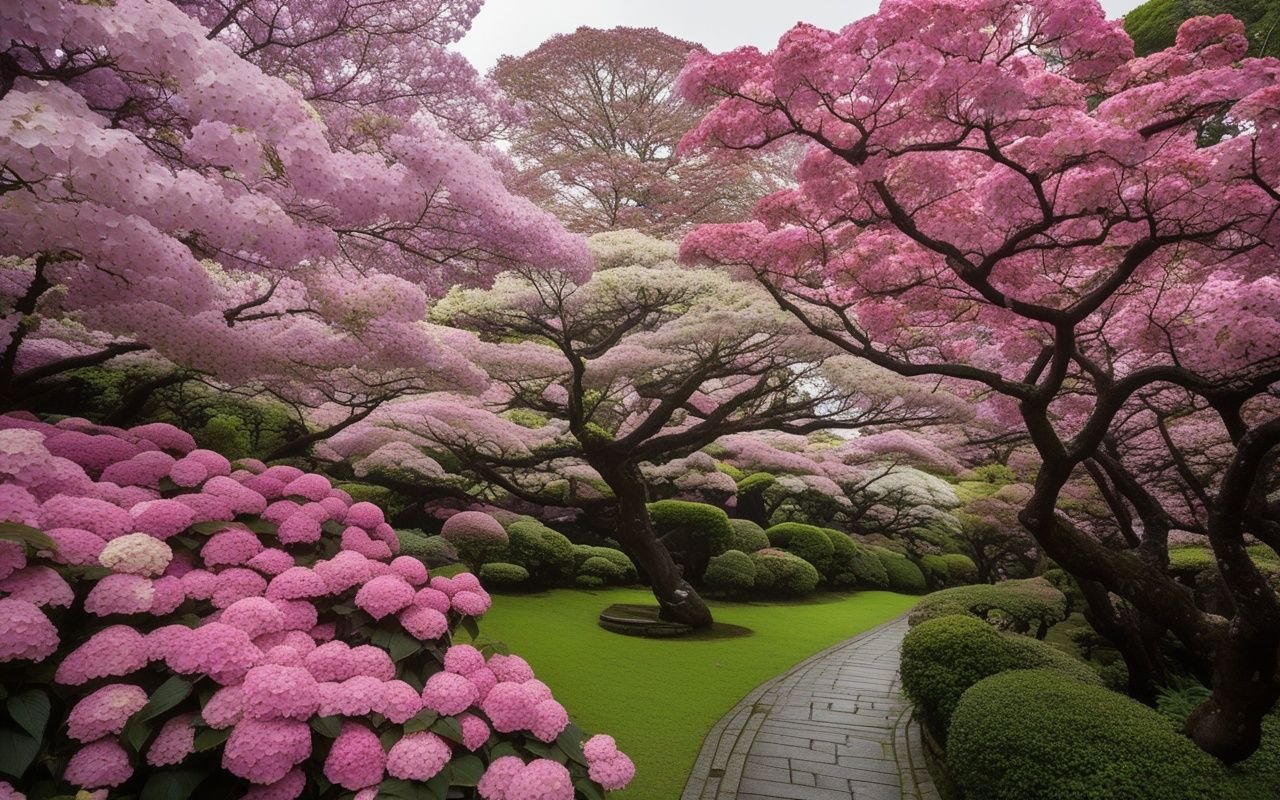
Kamakura’s rainy season (tsuyu) runs from early June to mid-July, and while the weather is unpredictable, this is when the city’s famous hydrangeas (ajisai) reach peak bloom. Over 2,500 hydrangea bushes at Meigetsu-in Temple alone create a stunning display of blues, purples, and pinks that transform temple grounds into living gardens. Explore Kamakura & Yokohama on a day tour — Great Buddha, Enoshima, Enoden train & night views from Tokyo
I visited Meigetsu-in on a drizzly Tuesday morning in mid-June, arriving at 8:15 AM — 15 minutes after opening. The misty rain added a atmospheric quality to the hydrangeas, with water droplets clinging to the petals. By 9:30 AM the temple grounds were filling up, and by 10:00 AM the line to enter stretched down the street. The early arrival was absolutely worth it. For more Kamakura seasonal guides, see our Kamakura area guide or Kamakura temple guide.
Top Hydrangea Viewing Temples
| Temple | Hydrangeas | Admission | Best Time | Crowds |
|---|---|---|---|---|
| Meigetsu-in | 2,500+ bushes | ¥500 | 8:30 AM weekday | Very High |
| Hase-dera | 30+ varieties | ¥400 | 9:00 AM weekday | Moderate |
| Hokoku-ji | Bamboo + hydrangea combo | ¥300 | 9:00-11:00 AM | Low-Moderate |
| Kencho-ji | Historic setting, fewer crowds | ¥500 | 10:00 AM weekday | Low |
| Engaku-ji | Zen garden setting | ¥500 | 8:00 AM weekday | Moderate |
Meigetsu-in: The Hydrangea Temple
Meigetsu-in, known as the “Hydrangea Temple,” is the most famous spot for hydrangea viewing in Kamakura. The temple’s hillside is covered with 2,500 hydrangea bushes that bloom in overlapping waves from early June to mid-July.
My Experience: The approach path to Meigetsu-in is lined with hydrangeas on both sides, creating a corridor of color. The main viewing area is behind the temple, where a circular path leads through the hydrangea garden. The round window (sōmon) in the main hall frames the garden perfectly — it is one of Kamakura’s most photographed views. I spent about 45 minutes here, taking photos and simply standing in the rain, which somehow made the colors more vibrant.
Practical Tips:
- Arrive by 8:15 AM — the temple opens at 8:00 and fills by 9:00
- Weekdays only — weekends are unbearably crowded during peak season
- Rain gear — bring an umbrella and waterproof shoes; the paths get muddy
- Photography: A 70-200mm lens lets you capture close-ups of individual flowers without stepping off the path
Hase-dera: Variety and Views
Hase-dera’s hydrangea collection includes over 30 varieties planted along the hillside paths. The temple’s elevated location offers the bonus of ocean views framed by hydrangeas — a combination unique to this temple.
The hydrangea path at Hase-dera is less crowded than Meigetsu-in because the temple grounds are larger. I visited on a weekday at 9:30 AM and found it comfortable, with enough space to set up a tripod in designated areas. The temple also has a small tea house where you can rest and admire the view.
Hokoku-ji: Bamboo and Hydrangeas
Hokoku-ji offers a quieter alternative with its combination of bamboo grove and hydrangea garden. The bamboo shades some of the hydrangeas, creating a softer, dappled light that photographers love. The temple’s matcha set (¥700) lets you enjoy tea while looking out at the garden — a moment of calm away from the crowds.
Peak Bloom Calendar
| Period | Bloom Status | Best Temples | Crowd Level |
|---|---|---|---|
| June 1–10 | Early bloom (30%) | Hase-dera, Kencho-ji | Moderate |
| June 10–25 | Peak bloom (80-100%) | Meigetsu-in, all temples | Very High |
| June 25–July 5 | Late peak (60-80%) | Hase-dera, Hokoku-ji | High |
| July 5–15 | Final blooms (30%) | Hokoku-ji, Engaku-ji | Low-Moderate |
Access and Transportation
| Route | Time from Kamakura Station | Cost | Combine Kamakura & Enoshima sightseeing with the Atami Sea Fireworks Festival — the ultimate summer evening
|——-|:————————-:|:—-:|
| Meigetsu-in (bus) | 10 min + 5 min walk | ¥200 |
| Meigetsu-in (walk) | 25 min via Komachi-dori | Free |
| Hase-dera (Enoden) | 5 min to Hase Station + 5 min walk | ¥190 |
| Hokoku-ji (bus) | 15 min + 5 min walk | ¥200 |
For transport tips, see our Enoden unlimited guide or Kamakura access guide.
What to Bring for Rainy Season Viewing
- Umbrella (compact, wind-resistant)
- Waterproof shoes or sandals that can handle mud
- Zip-lock bags for camera/phone protection
- Towel or handkerchief — temples provide shoe removal areas
- Light waterproof jacket — humidity makes rain feel warmer than expected
Frequently Asked Questions
Q: When is the best time to see hydrangeas in Kamakura? Book the Hakone Kamakura Pass — unlimited travel between two regions, perfect for a multi-day Kanagawa trip
A: Mid-June (June 10-25) is peak bloom. Visit on a weekday morning before 9:00 AM for the best experience.
Q: Which temple has the most hydrangeas?
A: Meigetsu-in has over 2,500 bushes, making it the clear winner. Hase-dera has the most variety (30+ types).
Q: Is it worth visiting on a rainy day?
A: Absolutely — rain adds a beautiful misty atmosphere and makes the colors more vibrant. Hydrangeas actually prefer damp conditions.
Q: Are the temples open in rainy weather?
A: Yes, all temples remain open in rain. Some outdoor areas may be closed during heavy rain for safety.
Q: How crowded does it get?
A: Meigetsu-in can have queues of 30-60 minutes during peak season weekends. Weekday mornings (8:00-10:00) are manageable at all temples.
Q: Can I take photos inside the temples?
A: Yes, outdoor photography is allowed. Indoor flash photography is prohibited at most temples. Tripods are not allowed on busy days at Meigetsu-in.
🎯 Practical Tips for Your Visit
Based on my experience exploring this activity in Kanagawa, here are some practical tips to make the most of your visit:
- Start early in the day to avoid crowds and make the most of daylight hours. I found that arriving by 9 AM gave me a much more relaxed experience.
- Bring comfortable walking shoes and weather-appropriate clothing. The weather in Kanagawa can change quickly, especially near the coast.
- Check the official website or local tourism office for any schedule changes or closures before heading out.
Navigating the Crowds — What Worked for Me
Hydrangea season in Kamakura is magical but crowded. I visited Meigetsuin on a weekday morning in mid-June, arriving right at 8:30 AM opening. Even then, a queue of about 50 people had already formed. The famous hydrangea path is narrow, and visitors move in a single file — it took me about 20 minutes to walk the full route, which gave me plenty of time to appreciate the gradient of blues and purples.
I found that the best hydrangea photos come from Tokeiji Temple, which is less crowded and has a stunning hillside garden. The rain actually enhances the colors — the water droplets on the petals create an almost iridescent effect. I recommend bringing a clear umbrella rather than a colored one, as it does not distort the light in your photographs.
Best Hydrangea Varieties I Saw
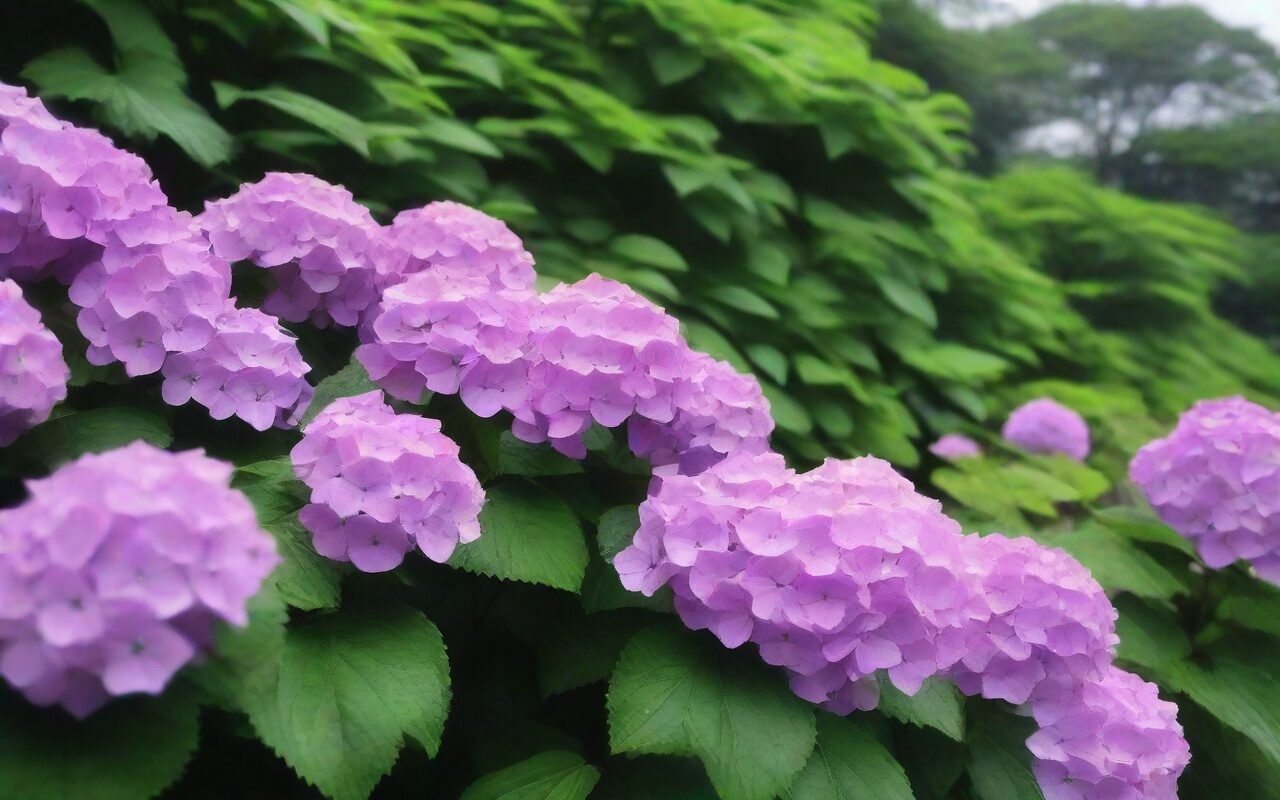
During my hydrangea-viewing trips to Kamakura, I made a point of identifying the different varieties. The most common is Hydrangea macrophylla (the classic mophead), with large round clusters of blue or pink flowers. The color depends on the soil pH — acidic soil produces blue flowers, while alkaline soil produces pink. At Meigetsuin, the soil is particularly acidic, creating intense blue shades that I have not seen elsewhere.
I was also impressed by the lacecap hydrangeas (Hydrangea serrata) at Tokeiji Temple. These have flat flower heads with tiny fertile flowers in the center surrounded by larger sterile flowers. The lacecap variety is more delicate and subtle than the mophead, and I found it photographed better because the structure is visible.
A rare variety I discovered at Hase Temple is the Hydrangea paniculata ‘Limelight’, which produces cone-shaped flower heads in pale green that fade to pink and burgundy in autumn. Unlike the common varieties that bloom only in June–July, ‘Limelight’ flowers from July through October, making it a good option for late-summer visitors. The temple has a small garden map (¥100) showing the location of each variety — I recommend buying one because the temple grounds are larger than they appear.
Best Time to Visit
Outdoor activities are best enjoyed in spring and autumn when temperatures are comfortable. Summer activities like swimming and surfing are popular from July to August. Some activities may close during winter months. Check operating schedules before planning your visit. Weekday mornings offer the best experience with fewer crowds.
What to Expect
Activity locations in Kanagawa are generally well-maintained with clear signage. Most sites offer English pamphlets or audio guides. Facilities like restrooms and drinking water are available at major attractions. Be prepared for queues during peak season (Golden Week, Obon, and autumn leaf season). Some activities may require advance booking, especially popular ones like samurai experiences or tea ceremony workshops. Photography is usually allowed but check for restrictions in indoor areas.
Nearby Recommendations
Combine your activity with nearby attractions for a full-day experience. Many activity locations are close to other points of interest, making it easy to plan a varied itinerary. Check the official website for nearby partner attractions that offer discounts when visited together. Most areas have good lunch options within walking distance of activity venues.
Local Tips
Regular participants recommend bringing your own water bottle and wearing moisture-wicking clothing for active experiences. Arriving 15 minutes before your scheduled time allows for check-in and preparation. Many activities have seasonal variations, so check what’s available during your visit. Don’t be shy about asking questions – instructors are happy to help.n
Conclusion
exploring Kamakura for its hydrangea can be as relaxed or as packed as you want it to be, and I have found that the best visits leave room for both planning and spontaneity. During my visit to Kamakura I went with a rough plan and found that leaving room to wander made the trip far more memorable. Use this guide to sort out the logistics in advance, then let the day surprise you — Kanagawa rewards travelers who stay curious.