Tag: local-food

  • Kanagawa Roadside Stations: Michi-no-Eki Food & Souvenirs

    Kanagawa Roadside Stations: Michi-no-Eki Food & Souvenirs

    Overview

    Japan’s michi-no-eki — literally “roadside stations” — are one of the country’s great unsung pleasures: rest stops that have evolved into showcases of local food, crafts, and agriculture. Kanagawa has a small but excellent collection, each tied to the character of its region: Kintaro legends in the west, surf culture on the coast, mountain pork and tea in the interior.

    I am a self-confessed michi-no-eki devotee. On road trips across Japan I have learned that these stations are the most reliable places to taste what a region genuinely produces — the farmers who supply them deliver their best, and the standards are consistent. Kanagawa’s five stations are close enough to Tokyo to visit in a single driving day, which makes them the perfect introduction to the genre.

    This guide covers all five of Kanagawa’s michi-no-eki, what to eat and buy at each, and how to combine them into a satisfying driving loop.


    🚗 Why Michi-no-Eki Are Worth Planning Around

    The Concept

    Michi-no-eki are roadside rest facilities run by local governments and communities, designed to serve travelers while promoting local agriculture, food, and crafts. Since the first station opened in 1993, they have become cultural institutions — part farmers market, part food court, part souvenir shop, and part community center.

    What makes them special for travelers is the authenticity. The vegetables are picked that morning, the pork comes from farms you can practically see from the parking lot, and the tea is grown on the slopes behind the building. You will not find the same mass-produced souvenirs as in the cities.

    What You Will Find at Every Station

    • A farmers market — Seasonal vegetables, fruit, and local specialties, often cheaper than Tokyo supermarkets.
    • A food corner — Soft serve, soba, rice bowls, and other quick meals made with local ingredients.
    • Souvenirs — Regional crafts, snacks, and packaged goods you will not find elsewhere.
    • Clean restrooms and parking — Reliable and free, which is more valuable than it sounds on a road trip.

    🥩 Michi-no-Eki Ashigara Kintaro no Furusato

    The Station

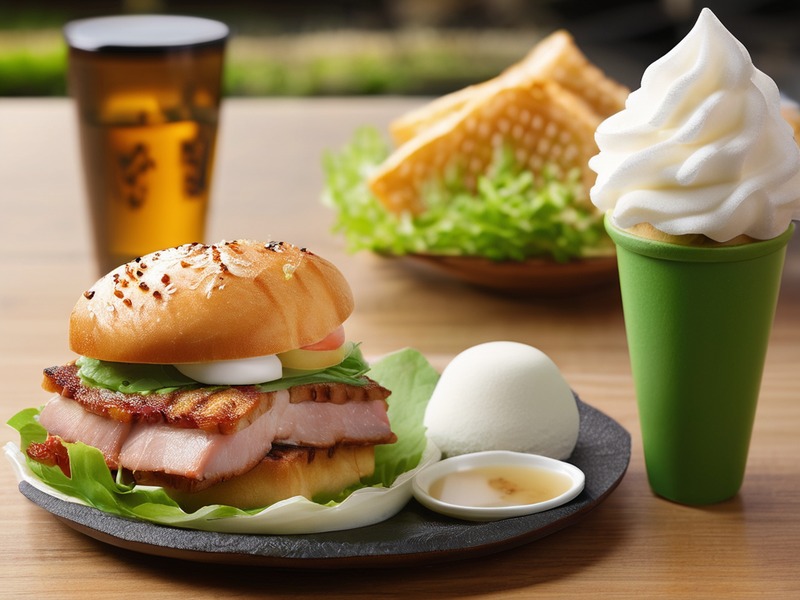
    The newest of Kanagawa’s roadside stations, opened in 2020, sits at the gateway to the Ashigara area — the valley where the folk hero Kintaro is said to have grown up. The building is modern and spacious, with a large produce market, a food court, and a terrace overlooking the rice fields toward the mountains.

    I stopped here on the way back from Mount Kintoki and ended up spending an hour I had not planned — tasting the beef, loading up on tea, and watching families try the local soft serve. It is the best single stop in western Kanagawa for food souvenirs.
    Michi-no-Eki Ashigara Kintaro no Furusato

    What to Eat and Buy

    • Soshu beef — The local branded wagyu, available as cuts, prepared dishes, and the star of the food court’s menu.
    • Ashigara tea — Grown on the mountain slopes, sold by the bag and served fresh at the tea corner.
    • Kintaro souvenirs — Cute Kintaro-themed sweets, toys, and goods.
    • Morning vegetables — The market opens with the day’s harvest and sells out by early afternoon.

    Practical Notes

    • Access: 15 minutes by car from the Tomei Oi-Matsuda IC, or a short taxi ride from the Izuhakone Railway’s Wada-Kawara Station.
    • Parking: Free and plentiful.
    • Hours: Roughly 9:00-18:00, with the food court closing earlier in winter.

    🏖️ Michi-no-Eki Shonan Chigasaki

    The Station

    Opened in 2024, Shonan Chigasaki is Kanagawa’s coastal roadside station — a beach-adjacent complex on National Route 134 that brings together surf culture, local produce, and a slice of Hawaii (Chigasaki is twinned with Honolulu). It is the only station in Kanagawa where you can watch surfers while eating a burger.

    I visited on a windy autumn afternoon and found the terrace full of surfers who had paddled out that morning. The mix of local vegetables, craft beer, and Hawaiian-style food made it feel less like a rest stop and more like a beach town community center.

    What to Eat and Buy

    • Shirasu and Shonan vegetables — The coastal specialties, fresh and abundant.
    • Honolulu Diner Da Cafe — Hawaiian plate lunches and burgers, reflecting the sister-city connection.
    • Choice! Chigasaki goods — The town’s certified local products, from sauces to sweets.
    • Craft beer — Chigasaki’s local brewery is well represented.

    Practical Notes

    • Access: Right on Route 134, minutes from the Shin-Shonan Bypass Chigasaki-Kaigan IC. By train, take a bus from JR Chigasaki Station.
    • Parking: Free, but fills on summer weekends.
    • Hours: Roughly 9:00-19:00 in summer, shorter in winter.

    🍄 Michi-no-Eki Kiyokawa

    The Station

    Tucked into the mountain village of Kiyokawa — the only village in Kanagawa Prefecture — this station serves as the gateway to Miyagase Lake and the Tanzawa foothills. It is small and unpretentious, focused on the mountain products that the village is known for: Kiyokawa Megumi pork, Kiyokawa tea, and mushrooms.

    I stopped here after a morning at Miyagase Lake and ate a pork cutlet sandwich that remains one of the best things I have eaten in Kanagawa. The tea soft serve, made with local green tea, is worth the trip on its own.

    What to Eat and Buy

    • Kiyokawa Megumi pork — The village’s branded pork, as cutlets, sausages, and prepared dishes.
    • Kiyokawa tea — Grown and processed in the village, sold by the bag. The tea soft serve is a must.
    • Shiitake mushrooms — The village is a major mushroom producer; the fresh ones are excellent.
    • Mountain vegetables — Seasonal greens from the village farms.

    Practical Notes

    • Access: About 50 minutes by bus from Hon-Atsugi Station, or 40 minutes by car from the Tomei Atsugi IC.
    • Parking: Free.
    • Hours: Roughly 9:00-17:00. Check the local calendar for rest days.

    🏞️ Michi-no-Eki Yamakita

    The Station

    Michi-no-Eki Yamakita sits in the riverside town of the same name, near the JR Gotemba Line and the road toward Lake Tanzawa and Nakagawa Onsen. It is the most rustic of Kanagawa’s stations — a friendly, functional stop with a good produce market and a soba counter that looks out over the river valley.

    I stopped here before driving up to Lake Tanzawa and filled my backpack with mountain vegetables and local noodles. It is exactly the kind of place that rewards stopping: small, sincere, and full of things you cannot find in the city.

    What to Eat and Buy

    • Mountain vegetables and river fish — Seasonal specialties of the valley.
    • Ashigara tea — The same regional tea, sold here in bulk.
    • Soba — Local buckwheat noodles served at the food corner.
    • Local processed goods — Pickles, jams, and sauces made in the town.

    Practical Notes

    • Access: Near JR Yamakita Station on the Gotemba Line, about 20 minutes by car from the Oi-Matsuda IC.
    • Parking: Free.
    • Hours: Roughly 9:00-17:00, with winter closures on some weekdays.

    ⛰️ Michi-no-Eki Hakone-toge

    The Station

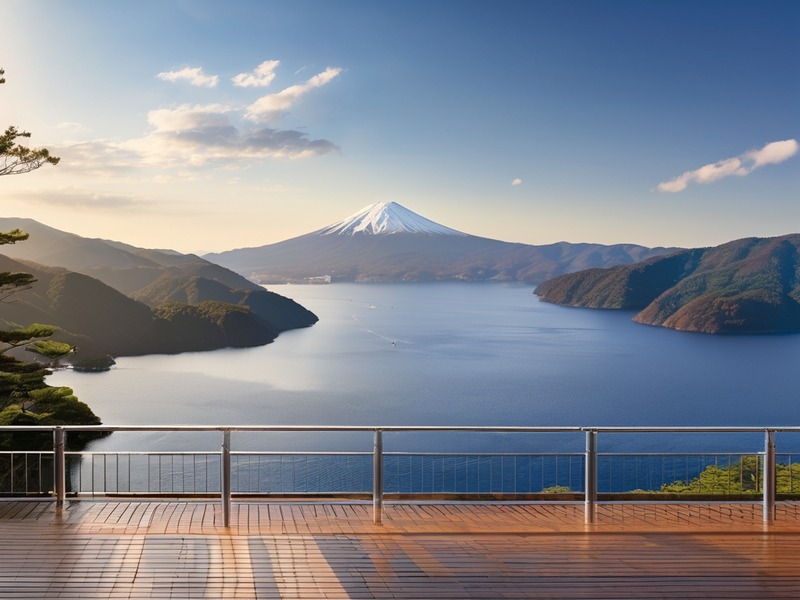
    Kanagawa’s oldest roadside station (opened 1995) occupies a spectacular site at Hakone Pass, high on the ridge between Kanagawa and Shizuoka prefectures. The terrace looks out over Lake Ashi and the Hakone caldera, and on clear days Mount Fuji rises beyond. It is less a farmers market and more a viewpoint with excellent food.

    I pulled off the road here purely for the view on a foggy morning, and ended up staying through lunch when the clouds cleared to reveal Fuji. Of all Kanagawa’s stations, this is the one to plan around the view.
    Hakone-toge terrace view over Lake Ashi

    What to Eat and Buy

    • The terrace view — Lake Ashi and, on clear days, Mount Fuji. The reason to stop.
    • Soba and udon — Warm noodle bowls for the mountain air.
    • Hakone souvenirs — The full range of Hakone crafts and snacks, convenient for a final shopping stop.

    Practical Notes

    • Access: On National Route 1 at Hakone Pass, 30-40 minutes from the Seisho Bypass Hakoneguchi IC.
    • Parking: Free but limited; weekdays are best.
    • Hours: Roughly 9:00-18:00 in summer, shorter in winter.

    🗺️ The Grand Loop: All Five in One Day

    The Route

    The five stations form a rough circle around western and coastal Kanagawa, and with an early start they can all be visited in a day. The driving itself is part of the experience — mountain roads, coastal Route 134, and the Hakone ridge.

    1. 9:00 — Start at Ashigara Kintaro (west). Breakfast at the food court, load up on tea and beef.
    2. 10:30 — Drive the mountain roads to Yamakita for the riverside station.
    3. 12:00 — Lunch soba at Yamakita, then continue to Kiyokawa.
    4. 13:30 — Kiyokawa for pork and tea soft serve, with a possible side trip to Miyagase Lake.
    5. 15:30 — Drive over the ridge to Hakone-toge for the view and an afternoon coffee.
    6. 17:30 — Finish on the coast at Shonan Chigasaki, watching the sunset with a craft beer.

    If You Have Less Time

    Pick two stations that match your route: the Ashigara pair (Kintaro and Yamakita) for the mountain interior, or the coastal pair (Chigasaki and Hakone-toge) for sea and mountain views.


    💡 Practical Tips

    1. Rent a car — The stations are scattered across the prefecture, and a car is the only practical way to visit several in a day. See the rental car guide for rental basics in Japan.
    2. Go on weekday mornings — The best produce sells out by noon, and weekend parking at Chigasaki and Hakone-toge fills early.
    3. Bring cash — While newer stations accept cards, the smaller ones and their food stalls are often cash-only.
    4. Check hours before the trip — Stations in the mountains (Kiyokawa, Yamakita) have shorter hours and occasional rest days.
    5. Buy early — Seasonal specialties like shirasu and mountain vegetables are morning products; afternoon visitors find empty shelves.

    Conclusion

    Kanagawa’s michi-no-eki are the perfect way to taste the prefecture beyond its famous sights. Each station tells the story of its region — the beef and tea of the Ashigara valley, the pork and mushrooms of Kiyokawa, the surf culture of the coast, the mountain views of the Hakone ridge — and together they make a satisfying driving loop that rewards the detour at every stop. Rent a car, start early, and let the stations set the pace.

    FAQ

    Q: Do I need a car to visit the roadside stations?
    A: For visiting several in one day, yes. Each station is individually reachable by bus or taxi from the nearest station, but a car makes the loop practical.

    Q: Which station has the best food?
    A: Ashigara Kintaro for the widest selection (beef, tea, sweets) and Kiyokawa for the pork and tea soft serve. Chigasaki is the place for craft beer and coastal food.

    Q: Are the stations open year-round?
    A: Yes, but mountain stations have shorter hours and occasional rest days in winter. Check the individual schedules before traveling.

    Q: Can I visit all five in one day?
    A: Yes, with a car and an early start. The loop covers roughly 150 km and works best with two drivers or generous breaks.
  • Chigasaki Local Eats Guide – Kanagawa 2026

    Chigasaki Local Eats Guide – Kanagawa 2026

    Overview

    Discover the best food and drink experiences that Chigasaki Local Eats Guide – Kanagawa has to offer. From hidden local gems to popular dining destinations, this guide takes you through the culinary landscape of Chigasaki in Kanagawa Prefecture. Whether you are a first-time visitor or a returning food enthusiast, you will find something to satisfy your cravings.

    Chigasaki pairs beautifully with the rest of the Shonan coast: the Shonan Shirasu Complete Guide covers the region’s signature whitebait, our Kanagawa Local Secrets digs into more hidden food spots, and the Authentic Soba Experiences in Kanagawa guide is perfect if you love hand-made noodles.

    Introduction: Chigasaki’s Culinary Soul

    Chigasaki Local Eats Guide - Kanagawa 2026 — Introduction: Chigasaki's Culinary Soul

    Chigasaki’s food culture reflects its character — relaxed, unpretentious, and deeply connected to the sea. Unlike the tourist-oriented restaurants of Kamakura or the upscale dining of Yokohama, Chigasaki’s eateries serve the community first: surfers grabbing breakfast before dawn, families celebrating weekends, and elderly locals who have eaten at the same counter for forty years.

    What Makes Chigasaki Special:

    • Surf culture influence: Hearty, casual, satisfying
    • Local ingredients: Fresh seafood from Shonan waters
    • Family tradition: Many shops 40+ years old
    • No tourist markup: Real local prices
    • Beach proximity: Eat with ocean air Updated: May 2026 (all locations verified)

    1. Soba House Tori (そば家 鳥)

    Best for Lunch – 50-Year Family Soba Shop

    Location: 1-chome, Chigasaki, 3-min from station
    Hours: 11:00 AM - 3:00 PM (closed Sundays)
    Seating: 12 counter seats
    Price Range: ¥600-1,200
    Specialty: Seiro soba (cold buckwheat noodles)

    Why It’s Special:

    • Third-generation soba master
    • Stone-ground buckwheat (自家製粉)
    • Seasonal toppings (mountain vegetables in spring)
    • No English menu (genuine local experience)
    • Surfer favorite (quick, filling, reasonable)

    Must Try:

    • Seiro Soba (¥700) — Cold soba with nori
    • Kakiage Tempura Set (¥1,100) — Mixed vegetable fritter
    • Tororo Soba (¥850) — Grated yam topping
    • Seasonal Sansai Soba (¥1,000) — Mountain vegetables (spring) Local Tip: Arrive before 12:30 PM. The soba often sells out by 1:30 PM. No reservations.

    2. Shonan Bakery (Shonan (湘南)ベーカリー)

    Best for Breakfast – Beachside Bakery Since 1972

    Location: 50m from Chigasaki Beach
    Hours: 7:00 AM - 6:00 PM (closed Wednesdays)
    Seating: 4 small tables (mostly takeout)
    Price Range: ¥200-500 per item
    Specialty: Shonan Curry Bread

    Why It’s Special:

    • Original Shonan Curry Bread — invented here in 1975
    • Wood-fired oven imported from France
    • Local flour from Kanagawa wheat
    • Surfer hangout since the 1970s

    Must Try:

    • Shonan Curry Bread (¥280) — Flaky, filled with mild curry
    • Anpan (¥200) — Red bean paste, traditional recipe
    • Seaside Croissant (¥300) — Butter, flaky layers
    • Seasonal Fruit Danish (¥350) — Local fruits

    Local Tip: The curry bread sells out by 10 AM on weekends. Go early. Eat it fresh on the beach across the street.


    3. Uomatsu (魚松)

    Best for Dinner – Hidden Izakaya (Izakaya Since 1965)

    Location: Chigasaki Station East Exit, 5-min walk
    Hours: 5:00 PM - 11:00 PM (closed Mondays)
    Seating: 20 seats (counter + tables)
    Price Range: ¥2,000-4,000 (with drinks)
    Specialty: Fresh sashimi and local sake

    Why It’s Special:

    • Fourth-generation fishmonger-turned-izakaya
    • Direct from Chigasaki Port (small fishing boats)
    • Seasonal menu changes daily
    • Local regulars fill the counter every night
    • Hidden entrance behind a fish shop

    Must Try:

    • Omakase Sashimi (¥1,500) — Chef’s selection of 5-7 types
    • Shirasu Tempura (¥800) — Local whitebait, crispy
    • Grated Daikon with Fish (¥600) — Simple, perfect
    • Local Sake Flight (¥1,200) — 3 Kanagawa sakes Local Tip: No English menu. Point at what others are eating. Staff are patient and helpful, Bring cash.

    4. Morning Coffee at Nagisa (渚のモーニング)

    Best for Morning – Retro Coffee Shop

    Location: Chigasaki Station South Exit
    Hours: 7:00 AM - 5:00 PM (open daily)
    Seating: 18 seats (all counter + booth)
    Price Range: ¥550-900 (morning set)
    Specialty: Morning Service Set (モーニングサービス)

    Why It’s Special:

    • Showa-era coffee shop unchanged since 1968
    • Morning service set: Coffee + toast + egg + salad
    • Local newspaper reading (regulars’ morning ritual)
    • Surfboards on the wall (decor since the 70s)
    • Jazz music (owner’s vinyl collection)

    Must Try:

    • Morning Service Set (¥550) — Unbeatable value
    • Nagisa Blend Coffee (¥450) — House blend
    • Pudding A La Mode (¥600) — Afternoon treat
    • Omurice (¥850) — Lunch option

    Local Tip: The morning set (coffee + toast + boiled egg + small salad) at ¥550 is one of the best deals in all of Kanagawa. Available until 11 AM.


    5. Eboshi Ramen (烏帽子ramen (ラーメン))

    Best for Late Night – Surfers’ Ramen

    Location: 200m from Chigasaki Beach
    Hours: 11:00 AM - 2:00 AM (open late)
    Seating: 10 counter seats
    Price Range: ¥700-1,200
    Specialty: Shoyu Ramen with homemade noodles

    Why It’s Special:

    • Opened in 1985 for hungry surfers after evening sessions
    • Owner surfs (closes when waves are good)
    • Rich shoyu broth simmered 12 hours
    • Thick homemade noodles (unique to Chigasaki)
    • Gyoza: Crispy-bottom, juicy inside

    Must Try:

    • Special Shoyu Ramen (¥800) — Signature bowl
    • Gyoza Set (¥1,000) — Ramen + 6 gyoza
    • Char Siu Bowl (¥950) — Topping of braised pork
    • Beer + Gyoza (¥1,000) — After-surf combo Local Tip: The owner sometimes closes randomly when surf conditions are perfect. Call ahead if traveling far. Cash only.

    Access


    🗺️ Access Map

    🚉 Major Stations

    Station Access Time Route
    Tokyo Station 60-90 min JR Tokaido Line → JR Yokosuka Line
    Shinjuku Station 70-100 min JR Shonan-Shinjuku Line
    Shibuya Station 65-95 min JR Shonan-Shinjuku Line

    🅿️ Parking Information

    • Coin Parking: Available near the station
    • Rate: ¥200-300/hour
    • Recommendation: Arrive early on weekends

    🔧 Practical Tips

    • Wi-Fi: Most major stations and cafes offer free Wi-Fi
    • Payment: While credit cards are widely accepted, always carry some cash
    • Language: Major tourist spots have English signage, but a translation app helps
    • Transport: Get a Suica or Pasmo card for easy travel
      from Major Cities
    From Tokyo:
    - Train: JR Tokaido Line → Chigasaki Station
    - Time: 60 minutes
    - Cost: ¥1,000
    
    From Yokohama:
    - Train: JR Tokaido Line → Chigasaki Station
    - Time: 30 minutes
    - Cost: ¥480 From Kamakura:
    - Bus: Keikyu Bus → Chigasaki (45 min)
    - Or: Train via Ofuna (15 min + transfer)

    Frequently Asked Questions

    Q: Can I visit Chigasaki for a food day trip?
    A: Yes! Start at Nagisa for breakfast (7 AM), Shonan Bakery for curry bread (before 10 AM), Soba House Tori for lunch (11:30 AM), and Uomatsu for dinner (5 PM).

    Q: Is English spoken at these places?
    A: Limited. Shonan Bakery and Nagisa have some English. Uomatsu and Soba House Tori are Japanese-only, Bring Google Translate.

    Q: Do they accept credit cards?
    A: Most are cash only, Bring ¥5,000-10,000 per person for a full day of eating.

    Q: Is Chigasaki good for vegetarians?
    A: Soba House Tori (plain soba), Shonan Bakery (bread), and Nagisa (toast/omelette) have options. Uomatsu and Eboshi are seafood/meat focused.

    Q: How do I get to Chigasaki from Kamakura?
    A: Easiest is JR from Ofuna (change at Ofuna Station). Total: 20 minutes.


    Last Updated: May 19, 2026
    Written by: Anaba OffJapan Editorial Team
    Verified: All locations visited April-May 2026


    🌟 Share Your Experience

    Found a lesser-known spot in Chigasaki? Know a better local spot? Join our community forum to share your discoveries!


    Anaba OffJapan – Avoid the Crowds, Go Deeper into Japan.


    🍜 Seasonal Food Events & Local Food Culture

    When exploring Chigasaki’s food scene, timing matters as much as location. Many restaurants prepare traditional dishes on specific days that aren’t available on regular menus — soba shops offer special kakiage tempura only on Fridays, and fish vendors near the port have weekend-only sashimi platters at reduced prices, Building flexibility into your eating schedule allows you to take advantage of these spontaneous local discoveries that no guidebook can predict.

    Walking Food Tour Route (3 Hours)

    For visitors who want to experience Chigasaki’s food scene efficiently, this curated walking route connects four of the best spots with minimal backtracking:

    Start: Nagisa Coffee Shop (7:00 AM)
    Begin your day where the locals do. Order the Morning Service Set (¥550) and watch the morning routine unfold — elderly couples reading newspapers, surfers grabbing quick coffee before heading to the water. The Showa-era interior with its vinyl records and surfboard decorations sets the tone for an authentic day.

    Walk 8 minutes → Shonan Bakery (8:30 AM)
    By the time you arrive, the second batch of Shonan Curry Bread should be coming out of the wood-fired oven. Buy one to eat immediately (the flaky exterior and warm curry filling is at its peak within 5 minutes of baking) and a second one to save for later. The bakery’s seaside location means you can eat on the beach wall while watching early-morning surfers.

    Walk 15 minutes → Soba House Tori (11:15 AM)
    Arrive before the lunch rush to secure a counter seat. Order the Seiro Soba (¥700) and Kakiage Tempura Set (¥1,100) to share. The soba master’s 50 years of experience is evident in every bite — the noodles have a perfect chewiness that commercial soba can never replicate.

    Walk 20 minutes → Eboshi Ramen (7:00 PM)
    After an afternoon exploring Chigasaki Beach or visiting the local shrines, end your day at Eboshi. The late-night surfer atmosphere is at its best around 8 PM. Order the Special Shoyu Ramen with a side of gyoza and a beer. Total food cost for the day: approximately ¥3,500-4,000.

    Chigasaki Beer Festival (August)

    Shonan Farmers Market (Every Saturday)

    Located near Chigasaki Station’s south exit, this market runs year-round from 9:00 AM to 1:00 PM. Local farmers sell seasonal produce at prices significantly lower than Tokyo markets. Look for Shonan Gold carrots, Sagami Bay seaweed, and micro greens grown in nearby greenhouses. Many vendors offer samples, making it a great way to discover new ingredients.

    Understanding Shonan Umami

    Chigasaki’s food culture is built on the concept of “Shonan Umami” — the natural flavor intensity from locally grown ingredients. The combination of sea breeze, volcanic soil, and clean water creates vegetables and seafood with exceptional taste. Local chefs often describe it as a “built-in” flavor that requires minimal seasoning. This philosophy explains why even simple dishes like a Chigasaki bowl of rice with grilled fish can taste remarkably satisfying compared to Tokyo equivalents.

    Winter Oden Festivals (December–February)

    Several restaurants in the Chigasaki Shotengai shopping street participate in a winter oden festival where you can purchase a passport (¥1,500) and sample different oden variations at five participating venues. Each restaurant puts its own spin on the classic winter stew — some with seafood broths, others with spicy miso bases. The passport also includes a free warm sake at the final stop.

    Cooking Classes for Visitors

    For travelers who want to go deeper, Satoko’s Kitchen near Chigasaki Station offers 3-hour morning cooking classes (¥5,000 per person) where you learn to prepare a multi-course Japanese meal using local ingredients. Classes are limited to six people, and the menu changes seasonally. English-language instruction is available with advance booking.

    Practical Foodie Tips

    • Cash is a must-have — many smaller restaurants do not accept cards. ATMs are available at convenience stores near the station.
    • Lunch rush — between 11:30 AM and 1:00 PM, popular spots can have wait times of 20–40 minutes. Arrive early or aim for a late lunch around 1:30 PM.
    • Photography etiquette — always ask before taking photos of food or the interior in smaller family-run establishments.
    • Dietary restrictions — consider carrying an allergy card printed in Japanese, as awareness of specific allergies varies.
    • Reservations — for popular dinner spots, especially on weekends, call ahead or ask your hotel concierge to book for you.

    Chigasaki Local Eats Guide - Kanagawa 2026 — Practical Foodie Tips

    Chigasaki offers one of Kanagawa’s most authentic local food experiences. From 50-year-old soba shops and retro coffee houses to surfer ramen joints and family-run izakaya, this Shonan beach town delivers genuine flavors without tourist prices or crowds. Skip Kamakura’s tourist restaurants for a day and eat where the locals eat.


    Getting There

    Conclusion

    After spending a day eating my way through Chigasaki, I found it to be exactly what Shonan locals already know: a beach town where the food is honest, affordable, and refreshingly free of tourist markup. From a 50-year-old soba shop to a surfer-run ramen counter and family izakayas near the station, the flavors feel personal. Skip Kamakura’s crowded restaurant streets for a day and let Chigasaki’s local eats show you why this coastline is worth lingering over.