
Overview
Soba culture thrives in Kanagawa, where mountain spring water and local buckwheat flour create exceptional noodles. This guide highlights the best te-uchi soba shops across the prefecture, from rustic mountain stalls to elegant Kamakura temple restaurants serving shojin soba.
The Art of Soba Making
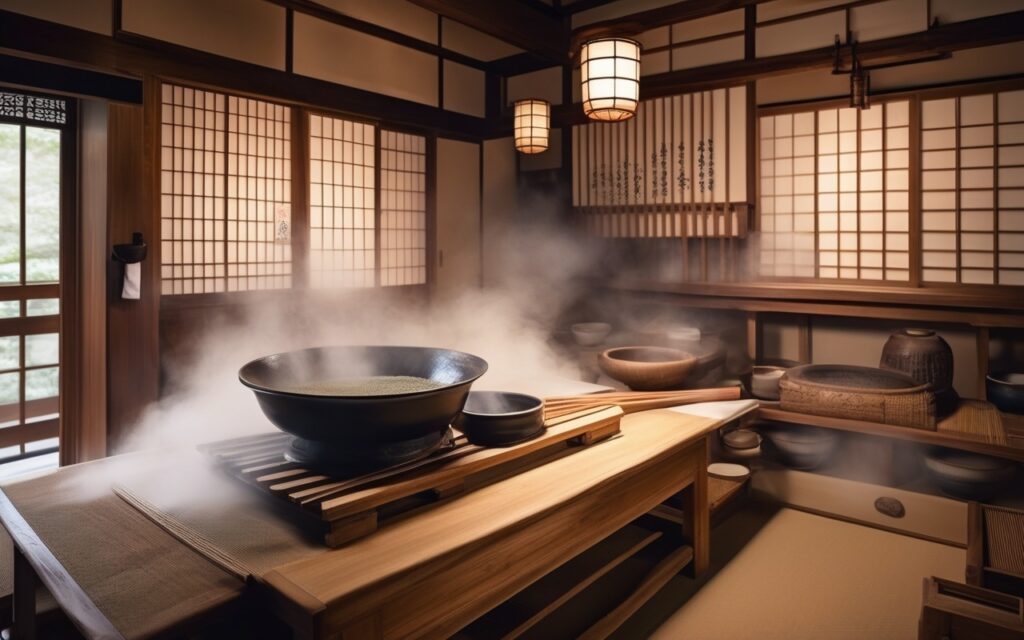
Making Soba is considered a high craft in Japan, often requiring years of apprenticeship. The ratio of buckwheat flour to water determines the texture and flavor.
- Ju-wari Soba (十割そば): Uses 100% buckwheat. It offers a rich, intense nutty flavor but is fragile and breaks easily, Making ju-wari requires exceptional skill because the dough lacks gluten and can crack during cutting. Only experienced soba masters attempt it.
- Ni-hachi Soba (二八そば): Uses a mix of 80% buckwheat and 20% wheat flour. This is the most common style, offering a balance of flavor and elasticity that holds together well when dipped.
- Inaka Soba (田舎そば): A rustic, thick-cut soba that includes the buckwheat hulls, giving it a darker color and earthier, more robust flavor. It originated in rural mountain regions and pairs well with bold dipping sauces.
Freshly made soba (te-uchi soba) is a world apart from dried supermarket noodles. Look for shops that advertise “te-uchi” (handmade) on their noren (entrance curtain). Many display their soba-making equipment in the window as a sign of craftsmanship.
Best Spots for Soba Lovers
Hakone: Mountain Soba with a View
Hakone’s volcanic slopes produce excellent spring water, filtered through porous pumice stone, which soba masters prize for its purity. Several shops near Lake Ashi and along the Hakone Tozan Railway serve soba in traditional settings with tatami rooms overlooking gardens.
Hakone Yosegi Soba: Enjoy your noodles with a view of the Owakudani volcanic valley. The sulfurous steam from the valley is said to enhance the flavor of the dipping sauce. Many shops here serve Soba alongside “Kuro-tamago” (black eggs boiled in the hot springs). The egg’s sulfurous aroma might seem intense, but locals believe every egg eaten extends your life by seven years.
- Access: A short walk from the Hakone Ropeway Togendai station.
- Price: ¥1,200–¥1,800 for a soba set with kuro-tamago.
- Tip: Order the nama-yuba (fresh tofu skin) appetizer—it’s made from water sourced from the same volcanic springs.
Miyanoshita Soba: The hot spring town of Miyanoshita, midway up the mountain, has several soba shops that have served travelers for over a century. Yamaichi Soba, operating since 1923, is known for its seiro soba (cold soba served on a bamboo mat) with a mountain yam (tororo) topping—a classic combination that cools you down after soaking in the area’s famous onsen.
Kamakura: Temple and Shojin Soba
Kamakura, the ancient capital, has a deep Zen Buddhist tradition that extends to its food culture. Shojin ryori (Buddhist vegetarian cuisine) developed in the city’s temples and includes soba as a staple.
Shojin Soba is a vegetarian version made without animal products, adhering to strict Buddhist monk dietary rules. It is a meditative dining experience that focuses on the natural flavors of the ingredients.
Kencho-ji Temple: One of Kamakura’s most important Zen temples, Kencho-ji has a tea house that serves shojin soba alongside matcha. The soba is chilled, served on a bamboo mat, and accompanied by a dipping sauce made from kombu (kelp) dashi and shoyu (soy sauce). No bonito flakes are used, keeping it fully vegan. The temple garden, designed in the 13th century, provides a contemplative backdrop.
- Price: ¥1,000–¥1,500 (includes temple admission)
- Tip: Eat slowly and appreciate the subtle differences in texture compared to urban Soba. The experience is deliberately paced—rushing defeats the purpose.
Komachi-dori: For a quicker but still authentic soba experience, several soba shops line Kamakura’s main shopping street. Kama-chan Soba serves a hearty sansai (mountain vegetables) soba that highlights local wild plants like zenmai (royal fern) and warabi (bracken). Their cold soba with grated daikon and ponzu is especially refreshing on summer afternoons.
Sagamihara: Hidden Family-Run Mills
Sagamihara, in the hills northwest of Tokyo, is where Kanagawa’s buckwheat is actually grown. A handful of family-run soba shops here mill their own flour from locally harvested buckwheat. Sobadokoro Furusato grinds its flour daily using a traditional stone mill and serves only two types of soba: ju-wari (100%) and ni-hachi (80%). The menu is deliberately minimal—the soba is the star. The shop closes when it runs out of noodles, often by 1:30 PM on weekends.
- Access: 15-minute bus ride from Sagamihara Station.
- Price: ¥1,000–¥1,500
- Tip: Arrive before 11:30 AM to guarantee a seat. Weekdays are less crowded and the master has more time to explain the different buckwheat varieties.
How to Eat Soba Like a Local
- Pour the condiments: Mix wasabi, chopped green onions, and grated daikon into your dipping sauce (Tsuyu). Some shops also offer grated ginger or toasted sesame seeds. Add them sparingly—the goal is to enhance, not mask, the soba’s flavor.
- Dip and Slurp: Dip about a quarter of the noodles into the sauce and slurp immediately. Do not let the noodles soak in the sauce for too long—they will become overly salty and lose their texture, Slurping is not only acceptable, it is encouraged: pulling air into your mouth along with the noodles enhances the aroma.
- Soba-yu (soba (蕎麦, buckwheat noodles)湯): At the end of your meal, ask for “Soba-yu” (the cloudy hot water the noodles were boiled in). Pour this into your remaining dipping sauce and drink it as a soup. It is delicious, contains water-soluble nutrients from the buckwheat, and prevents food waste. This ritual is a hallmark of an authentic soba meal—skip it only if you are truly full.
Pairing Soba with Local Drinks
Soba pairs surprisingly well with sake, particularly dry, crisp varieties like junmai ginjo. The mineral notes of mountain spring water soba complement the rice flavors of Hakone-brewed sake. Some soba shops in Hakone offer a “soba-zen” (soba course) that includes a small carafe of locally brewed sake alongside the noodle course. Hot soba (kake soba) with a splash of shochu is a classic winter warmer known as “soba-shu.”
Seasonal Soba
- Spring (March–May): Fresh-harvest shin-soba (new soba) from the previous autumn’s buckwheat crop, served cold to highlight its delicate flavor
- Summer (June–August): Hiyashi soba (cold soba) with chilled dipping sauce, often topped with myoga (Japanese ginger) and shiso (perilla leaf)
- Autumn (September–November): Mushroom and chestnut soba, served warm with local sansai mushrooms
- Winter (December–February): Kake soba (hot soba in broth) with kamaboko (fish cake) and negi (green onion)—a warming staple
Frequently Asked Questions
Q: When can I see the best seasonal scenery here?
A: If you are timing your visit for natural beauty, late March to early April brings cherry blossoms, June-July features vibrant hydrangeas and fresh greenery, and November showcases spectacular autumn colors. Each season offers a different perspective on the landscape.
Q: Is this destination easy to reach by public transport?
A: Yes. Kanagawa has excellent public transport connections from Tokyo. Most destinations are within an hour by train. The nearest station is typically a short walk or bus ride from the main attractions. For detailed route information, check the transport section above.
Q: How much time should I spend at Kanagawa?
A: Most visitors find that a few minutes to review the key information is sufficient to explore the main highlights of Kanagawa. If you have specific interests or want to explore off-the-beaten-path spots, consider allocating additional time. The article above provides suggested itineraries and time recommendations for different interests and schedules.
Q: What should I prepare before my trip?
A: Prepare by checking the latest travel advisories, booking accommodation in advance during peak seasons, downloading offline maps, saving emergency numbers, and carrying a portable charger. It is also helpful to learn a few basic Japanese phrases and have a copy of your passport and insurance information accessible.
Tips for a Memorable Soba Experience
- Arrive early: Popular shops like the ones in this guide sell out of their handmade noodles by early afternoon — aim to arrive before 12:30 PM.
- Order seasonal specials: Many soba houses rotate their menu with the seasons, from mountain vegetables in spring to duck in autumn. Ask what’s fresh today.
- Slurp with confidence: Slurping is not only acceptable — it’s the proper way to enjoy soba and shows appreciation to the chef.
- Try the soba-yu: After finishing your noodles, ask for the hot soba-cooking water (soba-yu). Mixed with the dipping sauce, it makes a warming, traditional finish.
- Watch your train times: Soba shops near stations like Kamakura and Fujisawa are easy to fit into a temple-hopping day — pair your meal with the Kamakura Area Guide to plan the route.
Conclusion
Kanagawa’s soba culture is one of the region’s quietest pleasures — handmade noodles, seasonal toppings, and generations of craftsmanship served on a humble counter. Whether you’re a first-time visitor or a seasoned noodle lover, seeking out an authentic soba experience is one of the most rewarding ways to taste local Kanagawa. Slow down, order with curiosity, and let the soba master’s skill speak for itself.
Happy eating — and safe travels through Shonan.