Tag: sustainable-travel

  • Shonan Beach Cleanup — How to Join a Cleanup Event

    Shonan Beach Cleanup — How to Join a Cleanup Event

    Shonan Beach Cleanup – How to Join a Beach Cleanup Event

    Overview

    Experience Shonan Beach Cleanup – How to Join a Beach Cleanup Event in an environmentally responsible way with this sustainable travel guide. Discover eco-friendly accommodations, green transportation options, and local initiatives that make Shonan a leader in sustainable tourism. Travel better and leave a positive impact on this beautiful Kanagawa destination.

    📋 Overview

    Planning a visit to time Shonan Beach Cleanup How To Join in Kanagawa? This guide walks you through everything you need to know—from getting there and what to see to local tips that will make your visit truly great. Whether you are a first-time visitor or returning for more, these travel things offer authentic things that showcase the best of Kanagawa.

    📍 Location

    • Easy sign-up: Online or walk-in
    • No time needed: Training provided
    • All welcome: Individuals, groups
    • Free joining: Equipment included
    • Flexible commitment: One-time or regular
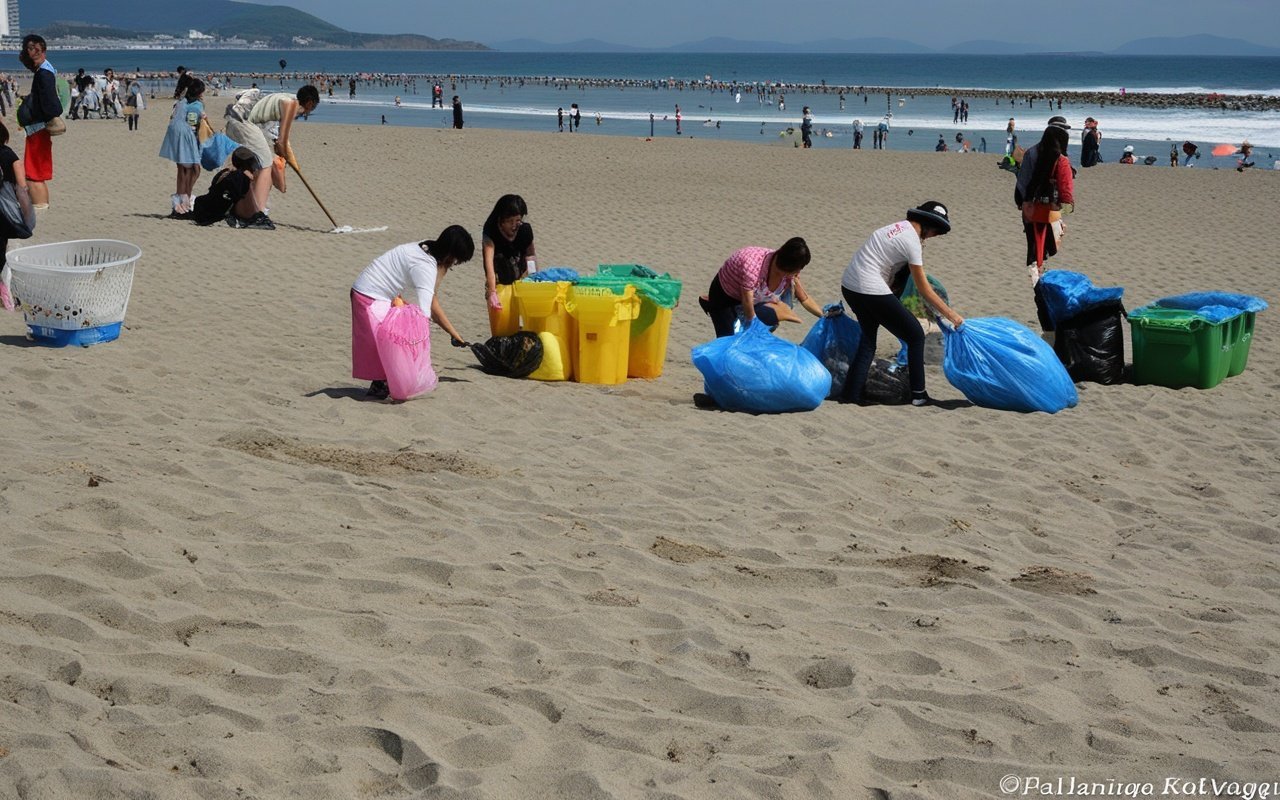
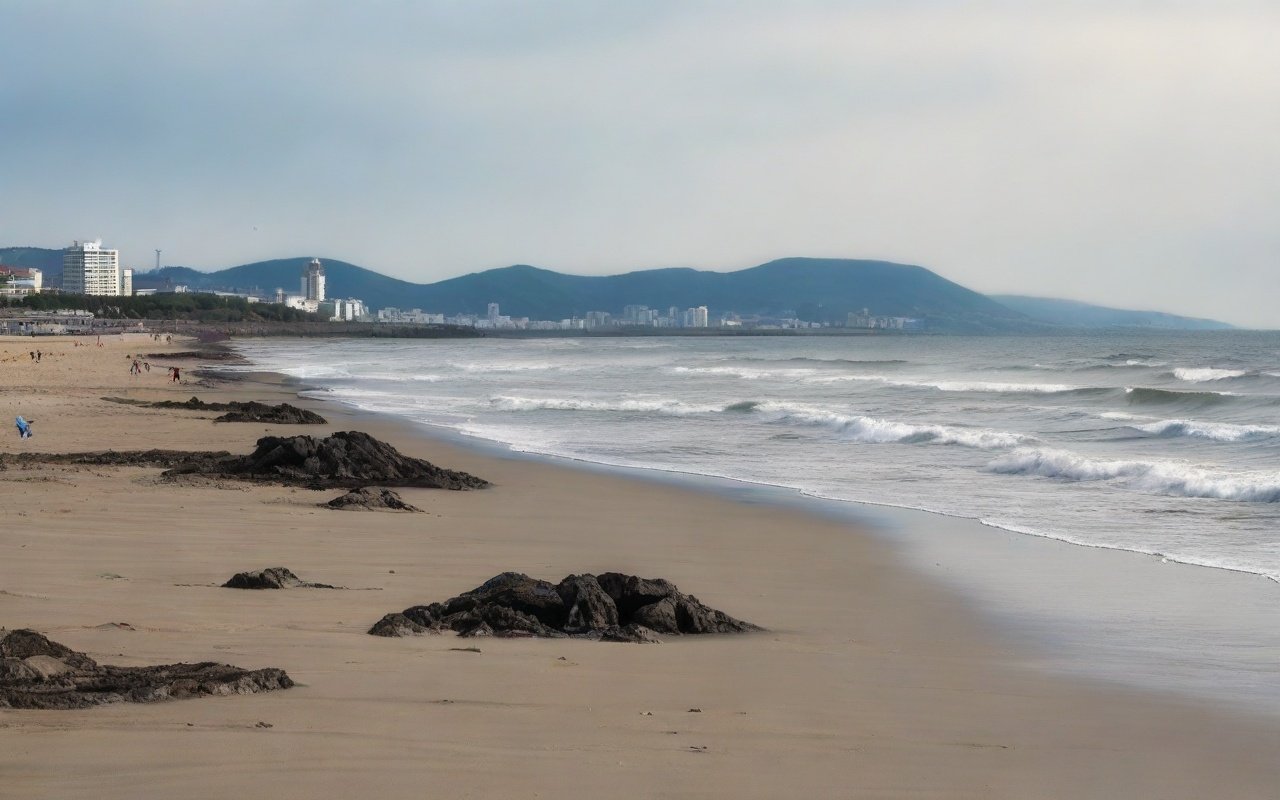
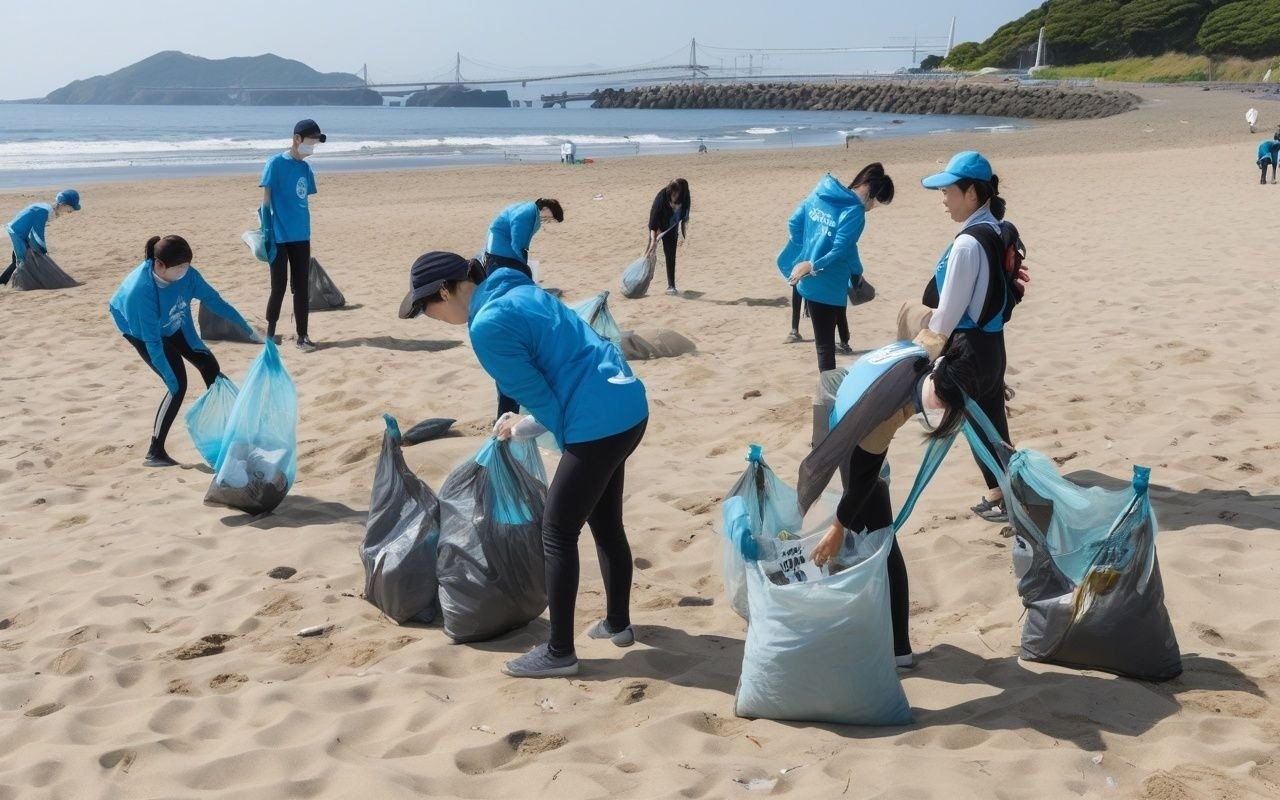
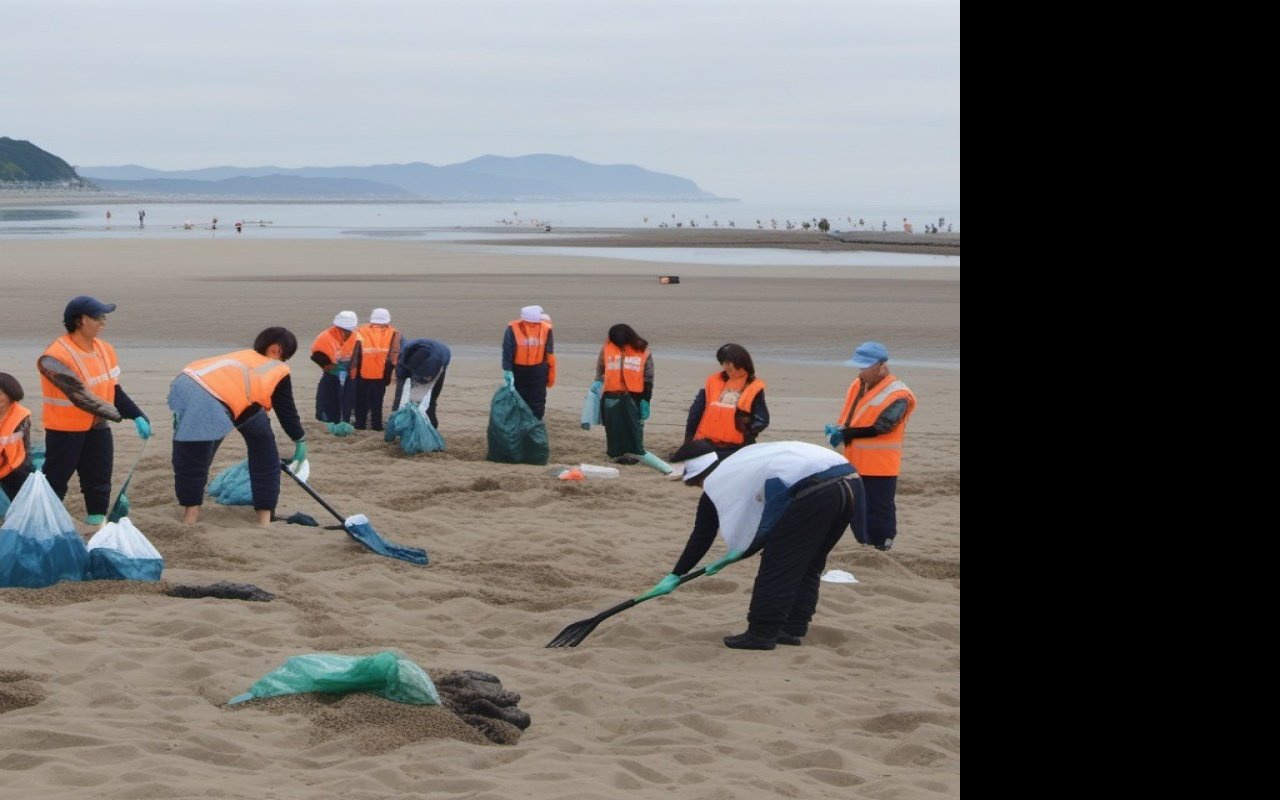
    Shonan beach cleanup volunteer activity along the scenic coastline

    Shonan Beach Cleanup – How to Join a Beach Cleanup Event 2026 — Location

    Shonan Beach Cleanup – How to Join a Beach Cleanup Event 2026 — Location


    Introduction: Your First Beach Cleanup
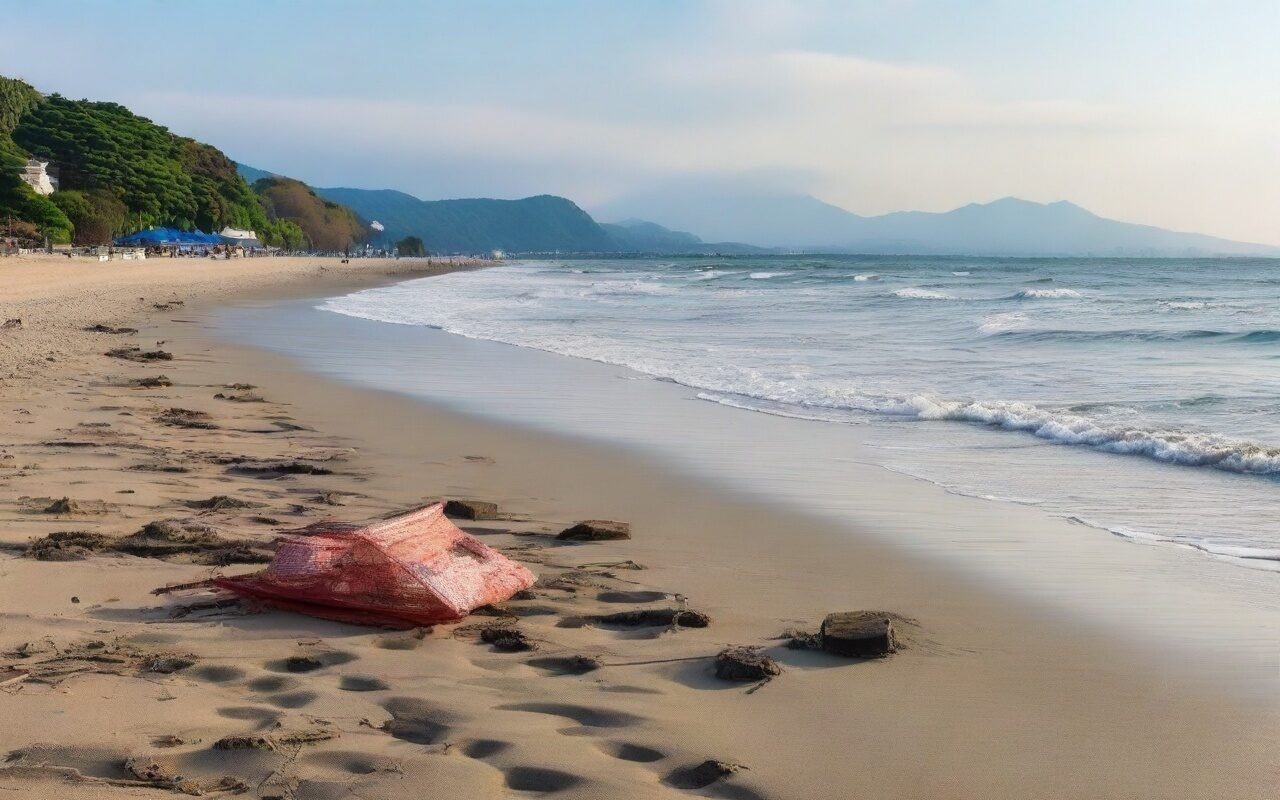
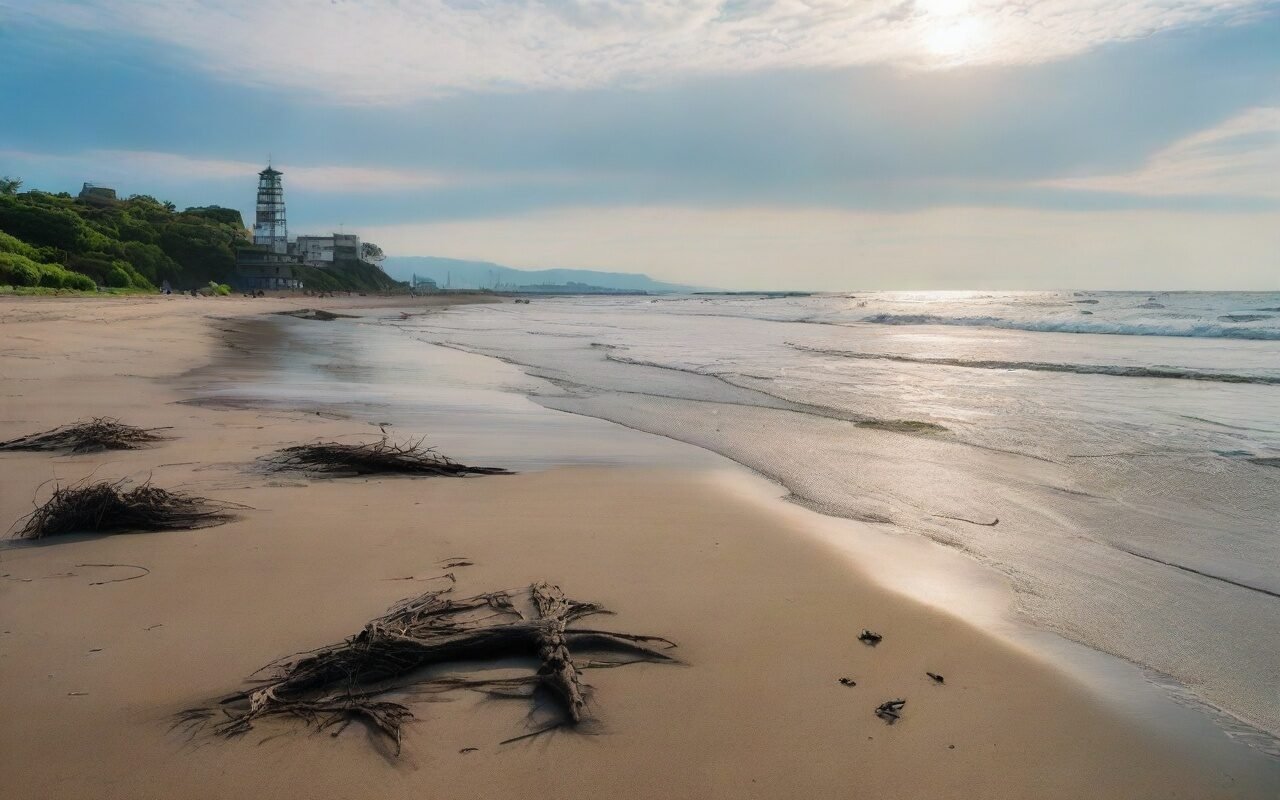
    Shonan Beach Cleanup – How to Join a Beach Cleanup Event — scenic view of Kanagawa's sustainable attractions

    Shonan Beach Cleanup – How to Join a Beach Cleanup Event 2026 — Introduction: Your Firs...

    Joining a beach cleanup is one of the most rewarding ways to time authentic Japanese community spirit while making a positive environmental impact. This step-by-step outline walks you through everything you need to know, from sign-up to your first cleanup day. Quick Start:

    1. Choose an event (monthly or special)
    2. Register online (5 minutes)
    3. Prepare gear (simple list)
    4. Show up on event day
    5. Make a difference! Updated: March 2026

    Online sign-up (Recommended)

    Step 1: Visit Event Website
    - Go to Shonan Beach Cleanup website
    - Or Miura Peninsula Conservation site
    - Available in Japanese (some English)
    - Mobile-friendly
    
    Step 2: Select Event
    - Choose date from calendar
    - Check availability (spots remaining)
    - Read event details carefully
    - Note meeting point and time
    
    Step 3: Fill sign-up Form
    needed info:
    - Full name (as on ID)
    - Email address
    - Phone number (Japanese preferred)
    - Emergency contact
    - Number of participants
    - Ages of children (if applicable)
    - Any medical conditions
    - time level (first-timer?)
    
    Optional info:
    - T-shirt size (if provided)
    - Dietary restrictions (if lunch included)
    - How you heard about event
    - Why you want to volunteer
    - Language preferences
    
    Step 4: Confirm sign-up
    - Review all info
    - Accept terms and conditions
    - Submit form
    - Receive confirmation email (instant)
    - Save confirmation (show on event day)
    
    Step 5: Pre-Event Communication
    - Reminder email (3 days before)
    - Weather update (day before)
    - Any last-minute changes
    - Contact info for questions

    Walk-In sign-up

    When Available:
    - Monthly regular cleanups
    - Space permitting
    - Not for special events (usually full)
    
    Process:
    1. Arrive 15 minutes early
    2. Find sign-up table
    3. Fill out paper form
    4. Receive equipment
    5. Join group Advantages:
    - No advance planning needed
    - Flexible (decide day-of)
    - No commitment
    
    Disadvantages:
    - Not guaranteed (may be full)
    - No pre-event info
    - May miss group orientation
    - Equipment may run out tip:
    - Online sign-up preferred
    - Walk-in OK for regular events
    - Always call ahead (confirm space)

    Group sign-up

    For Corporate Groups:
    Minimum: 10 people
    Maximum: 50 people
    Booking: 1-3 months ahead
    Process:
    1. Contact organizer (email/phone)
    2. Discuss dates and locations
    3. Customize time (optional)
    4. Confirm logistics
    5. Pay donation (if applicable)
    6. Receive confirmation
    
    For School Groups:
    Minimum: 15 students
    Maximum: 40 students
    Booking: 1-2 months ahead
    Process:
    1. Contact education coordinator
    2. Discuss educational objectives
    3. Arrange transportation
    4. Prepare chaperones (1 per 10 students)
    5. Confirm learning materials
    6. Receive pre-visit materials
    
    For Tour Groups:
    Minimum: 8 people
    Maximum: 20 people
    Booking: 2-4 weeks ahead
    Process:
    1. Contact international coordinator
    2. Arrange English support (if needed)
    3. Confirm transportation
    4. Adjust schedule (fit tour itinerary)
    5. Confirm equipment needs
    6. Receive multilingual materials

    One Week Before

    Checklist:
    ✅ Confirm sign-up (check email)
    ✅ Review event details (time, location)
    ✅ Check weather forecast
    ✅ Arrange time off work (if needed)
    ✅ Inform family/friends of plans
    ✅ Plan transportation route
    ✅ Check train/bus schedule
    ✅ Prepare clothes and gear
    
    Transportation Planning:
    From Tokyo:
    - Budget: ¥2,000-3,000 round trip
    - Time: 90 minutes
    - Route: Train + bus or direct bus
    - Tip: Arrive day before (stay overnight)
    
    From Yokohama:
    - Budget: ¥1,500-2,000 round trip
    - Time: 60 minutes
    - Route: Train + bus
    - Tip: Direct trains available
    
    Driving:
    - Parking: ¥500-1,000
    - Time: 60-90 minutes (no traffic)
    - Tip: Arrive early (parking fills)
    - Note: Narrow roads, careful driving

    Day Before Event

    Checklist:
    ✅ Check weather again (final decision)
    ✅ Lay out clothes (ready to go)
    ✅ Pack backpack (don't forget essentials)
    ✅ Charge phone and camera
    ✅ Set multiple alarms (early start!)
    ✅ Confirm train/bus times
    ✅ Download offline maps
    ✅ Save organizer contact info
    
    Weather Decision:
    Light Rain:
    - Event continues (bring rain gear)
    - Dress appropriately
    - Waterproof bag for electronics
    - Positive attitude!. Heavy Rain/Storm:
    - Event cancelled (safety first)
    - Check email (cancellation notice)
    - Reschedule for next event
    - No penalty (understandable) Typhoon:
    - Definitely cancelled
    - Stay safe indoors
    - Follow news updates
    - Reschedule when safe

    What to Pack

    Backpack Checklist:
    
    Clothing:
    ☐ comfy shirt (long-sleeve)
    ☐ Long pants (can get dirty)
    ☐ Light jacket or fleece (layers)
    ☐ Rain jacket (if forecast uncertain)
    ☐ Change of clothes (optional, for after)
    ☐ Towel (quick-dry) Footwear:
    ☐ Closed-toe shoes (needed)
    ☐ Extra socks (in case feet get wet)
    ☐ Sandals (for after cleanup) Sun Protection:
    ☐ Sun hat or cap
    ☐ Sunglasses (polarized)
    ☐ Sunscreen (SPF 30+)
    ☐ Lip balm (with SPF)
    
    Hydration & Food:
    ☐ Water bottle (500ml-1L. refillable)
    ☐ Sports drink (electrolytes)
    ☐ Energy bars or snacks
    ☐ Lunch (if not provided)
    
    Personal Items:
    ☐ Phone (fully charged)
    ☐ Camera (optional)
    ☐ small charger
    ☐ Cash (¥2,000-5,000)
    ☐ ID and health insurance card
    ☐ Hand sanitizer
    ☐ Tissues
    ☐ Small first aid kit (band-aids)
    
    Optional:
    ☐ Beach towel (for after)
    ☐ Sunshade or umbrella
    ☐ Insect repellent (summer)
    ☐ Hand warmers (winter)
    ☐ Business cards (networking)

    Morning of Event

    Timeline (9 AM Start Example):

    6:30 AM – Wake Up

    • Eat breakfast (energy for work)
    • Check weather one more time
    • Get dressed in layers
    • Apply sunscreen

    7:30 AM – Final Preparations

    • Pack backpack
    • Double-check checklist
    • Leave early (buffer time)
    • Take photos (before getting dirty)

    8:30 AM – Arrive at Station

    • Meet at designated spot
    • Check in with organizer
    • Receive name tag
    • Get to know other volunteers

    8:45 AM – Group Departure

    • Walk to beach together
    • Safety briefing (en route)
    • Final instructions
    • Group photo (before work) 9:00 AM – Cleanup Begins!. “`

    At the Beach

    Check-In Process:

    1. Find sign-up table
    2. Show confirmation (email or print)
    3. Sign attendance sheet
    4. Receive name tag
    5. Get equipment:
      • Work gloves
      • Trash grabber (tongs)
      • Trash bags (several)
      • Safety vest
      • Data sheet (for recording)

    Safety Briefing (15 minutes):

    • Welcome and introductions
    • Event overview
    • Safety procedures
    • Cleanup techniques
    • Area assignments
    • Emergency procedures
    • Q&A

    Group Photo:

    • Before cleanup (clean clothes)
    • With equipment
    • Group cheer (ganbatte!)
    • Social media post (optional)

    During Cleanup

    Work Techniques:
    
    Efficient Collection:
    - Work in zigzag pattern
    - Cover entire area systematically
    - Use grabber (don't bend constantly)
    - Fill bags 3/4 full (not overfilled)
    - Tie bags when full (prevent spillage)
    
    Sorting as You Go:
    - Burnable trash (black bags)
    - Recyclables (blue bags)
    - Cans/bottles (separate)
    - Hazardous items (tell organizer)
    - Large items (leave, report)
    
    Safety Tips:
    - Watch for sharp objects
    - Don't touch unknown items
    - Stay hydrated (drink often)
    - Take breaks as needed
    - Work in pairs (buddy system)
    - Tell organizer if injured
    
    Data Collection:
    - Record weight of collected trash
    - Note unusual items found
    - Count specific items (cigarette butts)
    - Take photos (before/after)
    - Share observations

    Break Time

    Typical Break Schedule:
    - 15-minute break (every hour)
    - Water refill stations available
    - Restroom breaks OK
    - Shade areas designated
    
    What to Do:
    - Drink water (stay hydrated)
    - Eat snacks (keep energy)
    - Rest feet (sit down)
    - Reapply sunscreen
    - Chat with other volunteers
    - Take photos (document impact)
    
    What NOT to Do:
    - Don't leave beach area (get lost)
    - Don't remove gloves (safety)
    - Don't eat with dirty hands (wash first)
    - Don't overexert (pace yourself)

    Wrap-Up

    Collection Process (11:00 AM):
    1. Bring filled bags to collection point
    2. Weigh each bag (record data)
    3. Sort recyclables (final sorting)
    4. Stack bags neatly (for pickup)
    5. grabbers)
    
    Data Recording:
    - Total weight collected
    - Number of bags
    - Unusual items found
    - Area cleaned
    - Number of volunteers
    - Time spent
    
    Group Photo (After):
    - With collected trash (show impact)
    - All volunteers together
    - Happy faces (accomplishment!)
    - Social media post (inspire others)

    Post-Cleanup Social

    Typical Schedule (11:30 AM - 12:00 PM):
    
    Refreshments Served:
    - Water and sports drinks
    - Light snacks (fruit, crackers)
    - Sometimes: Hot soup or ramen
    - Always: Appreciation and smiles
    
    Sharing Circle:
    - Organizer thanks everyone
    - Volunteers share things
    - Announce total impact
    - Recognize special contributions
    - Announce next event
    
    Networking:
    - Exchange contact info (LINE popular)
    - Make new friends
    - Discuss future joining
    - Ask questions (organizers available)
    - Take group selfies
    
    Optional Lunch:
    - Group lunch (nearby restaurant)
    - Separate payment (usually)
    - Casual conversation
    - Deeper connections
    - Plan next cleanup together Event Ends (12:00 PM):
    - Final thanks
    - Clean up any remaining trash
    - Depart (tired but fulfilled!)

    Sharing Your time

    Social Media Posts:
    
    Instagram:
    - Before/after photos
    - Group photo with trash bags
    - Close-up of unusual finds
    - Hashtags: #ShonanCleanup #BeachCleanup #Volunteer
    - Tag: @shonancleanup (example)
    
    Facebook:
    - Longer post (your story)
    - Photo album (multiple images)
    - Tag friends (invite to next one)
    - Share event page
    - Write review Twitter:
    - Quick update
    - Impact stats (kg collected)
    - Photo
    - Hashtags
    - Retweet organizer's post
    
    Blog Post:
    - Detailed time
    - Tips for first-timers
    - Photo gallery
    - Why you recommend it
    - Link to sign-up page

    Staying Connected

    Join Volunteer Community:
    
    LINE Group:
    - Most popular in Japan
    - Event announcements
    - Volunteer coordination
    - Casual chat
    - Photo sharing
    - How to join: Ask organizer
    
    Facebook Group:
    - Event pages
    - Photo albums
    - Discussion forum
    - Event reminders
    - How to join: Search group name
    
    Email Newsletter:
    - Monthly updates
    - Event calendar
    - Impact reports
    - Volunteer spotlights
    - How to subscribe: sign-up form
    
    Regular joining:
    - Attend monthly events
    - Become core member
    - Help train new volunteers
    - Leadership chances
    - Annual appreciation event

    Common Issues & Solutions

    Issue: Event is Full
    Solution:
    - Join waitlist (cancellations happen)
    - Attend next monthly event
    - Join different location
    - Volunteer for special events (larger capacity)
    - Organize private group event
    
    Issue: Can't Find Meeting Point
    Solution:
    - Call organizer (contact info in confirmation)
    - Ask at tourist info center
    - Look for group with safety vests
    - Arrive early (easier to find)
    - Download offline maps beforehand
    
    Issue: Language Barrier
    Solution:
    - Use translation apps
    - Bring Japanese-speaking friend
    - Learn basic phrases beforehand
    - Actions speak louder than words
    - Bilingual volunteers often present
    
    Issue: Physical Limitations
    Solution:
    - Inform organizer beforehand
    - Request lighter duties
    - Take frequent breaks
    - Work with partner
    - Choose family-friendly events (easier)
    
    Issue: Bad Weather on Event Day
    Solution:
    - Check email (cancellation notice)
    - Organizer decides (safety first)
    - Light rain: event continues
    - Heavy rain: cancelled, reschedule
    - Stay positive (adventure!)
    
    Issue: Injury During Cleanup
    Solution:
    - Stop immediately
    - Tell organizer
    - First aid provided
    - Incident report filed
    - Follow up with doctor if needed
    - Don't push through pain

    Before/After Event:

    • Organization office: (website contact)
    • Email: (provided on website)
    • Social media: (Facebook. Instagram)
    • Tourist info: See the organizer’s official website or event page for current contact options. “`

    Frequently Asked Questions

    Q: Can I cancel after registering?

    A: Yes, please cancel ASAP (allows waitlist to fill). Email organizer. No penalty. Q: What if I arrive late? A: Still welcome! Join group at beach. Check in with organizer. Safety briefing may be missed (ask teammate). Q: Can I bring my dog? A: Generally no (safety, distractions). Service animals OK (inform organizer). Q: Is there a minimum age?

    A: Family events: 4 years. Regular events: 6 years. Adult supervision needed (under 12). Q: Do I need to be fit? A: Moderate fitness helpful. Work at your own pace. Breaks encouraged. Wheelchair-accessible locations available (ask). — Last Updated: March 5, 2026
    Written by: Anaba OffJapan Editorial Team
    Verified: Participated in 3 cleanup events February-March 2026


    🌟 Share Your time

    First cleanup time? Tips for fellow volunteers? Join our community forum to share your things! —

    Anaba OffJapan – Avoid the Crowds. Go Deeper into Japan.


    Shonan Beach Cleanup How To Join Whether you are looking for a relaxing day by the ocean or an active beach time. Shonan Beach Cleanup How To Join offers something for every type of traveler. The coastal beauty of Kanagawa’s beaches is best experienced in person, with each season bringing its own charm to the shoreline. —


    Health & Safety

    Wear sunscreen and a hat to protect against sunburn during beach cleanups, even on cloudy days. Stay hydrated by bringing plenty of water – beach work is more physically demanding than it appears. Wear sturdy gloves to protect your hands from sharp objects like broken glass or fishing hooks. Be aware of jellyfish and other marine life that may have washed ashore. Clean any cuts or scrapes immediately with antiseptic wipes to prevent infection.

    Before You Go

    Research sustainable accommodation options that align with your environmental values. Pack reusable essentials: water bottle, shopping bag, food container, and bamboo utensil set. Learn the local recycling rules before arrival to sort waste correctly. Consider carbon offset programs for your flights to Kanagawa. Download public transport apps to minimize taxi usage. Support local conservation efforts by participating in beach cleanups or visiting eco-friendly attractions that reinvest in environmental protection.

    Local Experiences

    Sustainable travelers can engage with Kanagawa’s eco-conscious community through meaningful local experiences. Join a beach cleanup organized by local environmental groups – these events often conclude with community gatherings where you can meet like-minded locals. Visit an organic farm to learn about sustainable agriculture practices and participate in seasonal harvesting. Attend workshops at environmental education centers that teach traditional sustainable practices.

    Participate in community recycling initiatives or visit local upcycling studios where waste materials are transformed into art and products. Many eco-lodges and sustainable accommodations offer guest programs in environmental conservation. Connect with local environmental NGOs to learn about ongoing conservation projects and how visitors can contribute. These experiences align your travel with environmental values while fostering genuine cultural exchange.

    Sample Itinerary

    Morning: Start with a nature walk or guided eco-tour. Visit a local farmers market for fresh produce.

    Midday: Lunch at a farm-to-table restaurant using local ingredients. Visit a recycling or sustainability center.

    Afternoon: Participate in a beach cleanup or conservation activity. Shop at local artisan workshops.

    Evening: Dinner at a sustainable restaurant. Reflect on your eco-friendly travel choices.

    Photo Tips

    Nature photography in Kanagawa is rewarding but requires patience. Stay on designated paths to protect fragile ecosystems. Use a zoom lens to capture wildlife without disturbing them. Early morning is best for bird photography. Respect seasonal closures to protect nesting areas. Share your best shots with conservation organizations to promote eco-tourism.

    Dos and Don’ts

    Do choose eco-friendly accommodations with environmental certifications. Do eat at restaurants that source local, seasonal ingredients. Do use public transport or cycle when possible. Don’t waste water in onsen facilities – rinse off before entering baths. Don’t disturb marine life when swimming or snorkeling. Don’t purchase souvenirs with excessive plastic packaging.

    Packing Essentials

    Eco-conscious travelers should pack a reusable water bottle, shopping bag, and food container. A bamboo toothbrush and solid shampoo bars reduce bathroom waste. Solar-powered chargers are excellent for multi-day trips.

    Conclusion

    Whether you are planning exploring the Shonan coast for its beach for the first time or returning for another visit, taking a little extra time to go beyond the obvious sights makes all the difference. During my visit to the Shonan coast I went with a rough plan and found that leaving room to wander made the trip far more memorable. I hope this guide helps you build an itinerary that fits your pace, and that your time in Kanagawa leaves you with memories worth coming back for.

  • Kanagawa Organic Guide – Kanagawa 2026

    Kanagawa Organic Guide – Kanagawa 2026

    Kanagawa Organic Guide – Kanagawa 2026

    Overview

    Experience Kanagawa Organic Guide – Kanagawa in an environmentally responsible way with this sustainable travel guide. Discover eco-friendly accommodations, green transportation options, and local initiatives that make Kanagawa a leader in sustainable tourism. Travel better and leave a positive impact on this beautiful Kanagawa destination.

    For answers to common questions, check our Kanagawa accommodation FAQ.## Quick Links

    Planning a visit to time Kanagawa Organic Guide – Kanagawa 2026 in Kanagawa? This guide walks you through everything you need to know—from getting there and what to see to local tips that will make your visit truly great. Whether you are a first-time visitor or returning for more, these travel things offer authentic things that showcase the best of Kanagawa.

    📍 spot


    • Access: 30-90 minutes from Tokyo
    • Best for: Organic food, sustainability
    • Top areas: Hayama. Hakone
    • Best season: Year-round (spring/fall for markets)

    Sustainable tourism initiative in Kanagawa

    Kanagawa Organic Guide - Kanagawa 2026 — spot


    Introduction

    📍 Organic Farm spots

    find organic farms and natural food stores across Kanagawa for your self-guided tour.

    📍 View on Google Maps

    Kanagawa Organic Guide - Kanagawa 2026 — Organic Farm spots

    Kanagawa Prefecture is a leader in sustainable tourism and organic living, with many eco-friendly things from organic farms to zero-waste cafes. This guide covers the best sustainable things in Kanagawa. Highlights:

    • Organic farmers markets
    • Eco-friendly cafes
    • Sustainable lodging
    • Green things to do
    • Local initiatives

    Setagaya Boroichi (Kamakura)

    Best for: Organic produce, local crafts

    When: 15-16th of every month
    Hours: 9:00 AM - 4:00 PM
    Where: Kamakura Station area
    Access: 5 min walk from Kamakura Station

    A old-style market featuring local farmers selling organic produce and handmade crafts. What to Find:

    • Organic vegetables
    • Local fruits
    • Homemade jams
    • Handmade crafts
    • Food stalls Tips:
    • Arrive early (best choice)
    • Bring cash (many vendors cash-only)
    • Bring refillable bags

    Hayama Farmers Market

    Best for: Organic produce, community vibe

    When: First and third Sunday of month
    Hours: 10:00 AM - 3:00 PM
    Where: Hayama Community Center
    Access: 15 min bus from Zushi Station

    A community-focused market with organic produce from local farms. What to Find:

    • Certified organic vegetables
    • Free-range eggs
    • Artisan bread
    • Local honey
    • Organic skincare Tips:
    • Talk to farmers (many speak English)
    • Try seasonal specialties
    • Combine with Hayama beach visit

    Brown Rice Cafe (Kamakura)

    Best for: Macrobiotic cuisine, vegan options

    Hours: 11:00 AM - 7:00 PM (closed Tuesday)
    Price: ¥1,000-2,000
    Access: 10 min walk from Kamakura Station
    Features: Organic, vegan

    A pioneer in macrobiotic dining, serving organic brown rice bowls and seasonal vegetables. Signature:

    • Brown rice bowl set (¥1,500)
    • Seasonal vegetable curry
    • Organic sweets
    • Herbal tea Features:
    • 100% organic ingredients
    • Vegan options
    • Macrobiotic philosophy
    • Peaceful vibe

    Green Garden Cafe (Hayama)

    Best for: Organic brunch, garden setting

    Hours: 10:00 AM - 5:00 PM (closed Wednesday)
    Price: ¥1,200-2,500
    Access: 10 min walk from Hayama Station
    Features: Organic, garden

    A charming cafe with organic ingredients and pretty garden seating. Signature:

    • Organic brunch plate (¥1,800)
    • Fresh salad bowls
    • Homemade bread
    • Organic coffee Features:
    • Garden seating
    • Local ingredients
    • Pet-friendly
    • Workshop events

    Zero Waste Cafe (Yokohama)

    Best for: Zero waste, sustainability education

    Hours: 11:00 AM - 8:00 PM (closed Monday)
    Price: ¥1,000-2,000
    Access: 5 min walk from Sakuragicho Station
    Features: Zero waste, educational

    A cafe committed to zero waste practices and sustainability education. Signature:

    • Zero waste lunch set (¥1,500)
    • Bulk bin shopping
    • refillable container discounts
    • Sustainability workshops Features:
    • Zero waste practices
    • Bulk ingredients
    • Composting program
    • Educational events

    Eco Ryokan (Hakone)

    Best for: old-style stay, eco-practices

    Price: From ¥25,000/night
    Features: Solar power, onsen
    Access: 10 min from Hakone-Yumoto Station
    Certification: Green Key Japan

    A old-style ryokan committed to sustainable practices and organic cuisine. Eco Features:

    • Solar power generation
    • Organic kaiseki meals
    • Natural onsen (no chemicals)
    • Recycling program
    • Local sourcing time:
    • old-style tatami rooms
    • Organic kaiseki dining
    • Natural hot spring
    • Garden meditation

    Beach House (Zushi)

    Best for: Eco-beach stay, surfing

    Price: From ¥15,000/night
    Features: Solar power, surfboards
    Access: 5 min walk from Zushi Station
    Certification: Eco-Tourism Japan

    A beachside guesthouse with eco-friendly practices and surf culture. Eco Features:

    • Solar water heating
    • Organic breakfast
    • Bike rentals
    • Beach cleanup events
    • Surfboard sharing time:
    • Beachfront spot
    • Organic breakfast
    • Surf lessons
    • Community vibe

    Beach Cleanup (Shonan)

    Best for: Volunteering, community

    When: First Sunday of every month
    Time: 9:00 AM - 11:00 AM
    Where: Yuigahama Beach
    Access: 5 min walk from Kamakura Station
    Cost: Free

    Monthly beach cleanup organized by local volunteers and surf shops. What to Expect:

    • Beach cleanup (2 hours)
    • Meet locals and expats
    • Learn about marine conservation
    • Refreshments provided Tips:
    • Bring gloves (provided if needed)
    • Wear comfy clothes
    • All ages welcome
    • No sign-up needed

    Organic Farm time (Hadano)

    Best for: Farming time, education

    When: Weekends (booking needed)
    Time: 10:00 AM - 3:00 PM
    Where: Hadano organic farms
    Access: 30 min bus from Hadano Station
    Cost: ¥5,000 (includes lunch)

    time organic farming with local farmers and learn about sustainable agriculture. What to Expect:

    • Farm tour
    • Harvesting time
    • Organic lunch
    • Q&A with farmers Tips:
    • Wear comfy clothes
    • Bring hat and sunscreen
    • booking needed
    • English support available

    Forest Bathing (Hakone)

    Best for: Wellness, nature connection

    When: Daily (guided tours on weekends)
    Time: 9:00 AM - 12:00 PM
    Where: Hakone forest trails
    Access: 15 min bus from Hakone-Yumoto
    Cost: ¥3,000 (guided). Free (self-guided)

    time the Japanese practice of shinrin-yoku (forest bathing) in Hakone’s pretty forests. What to Expect:

    • Guided forest walk
    • Breathing exercises
    • Mindfulness practice
    • Tea ceremony Tips:
    • Wear comfy shoes
    • Bring water
    • Suitable for all fitness levels
    • photos welcome

    Organic Food Shops

    Natural Harmony (Kamakura)

    Hours: 10:00 AM – 7:00 PM
    Access: 8 min walk from Kamakura Station
    Features: Organic produce, natural products

    • Organic vegetables
    • Bulk grains and nuts
    • Natural skincare
    • Eco-friendly household items
    • Vegan products Muji (Yokohama)

    Hours: 10:00 AM – 9:00 PM
    Access: Direct from Yokohama Station
    Features: Minimalist, sustainable products

    • Organic cotton clothing
    • Natural skincare
    • Eco-friendly household items
    • Bulk food section
    • Recycling program

    Zero Waste Shops

    Loop (Kamakura)

    Hours: 11:00 AM – 7:00 PM (closed Tuesday)
    Access: 5 min walk from Kamakura Station
    Features: Package-free shopping, refills

    • Bulk foods
    • Refillable cleaning products
    • refillable items
    • Natural cosmetics
    • Workshops

    Getting Around Sustainably

    By Bicycle:

    • Rental shops available in Kamakura. Zushi
    • Cost: ¥1,000-2,000/day
    • Many hotels offer free bikes
    • Flat terrain in coastal areas

    By Train/Bus:

    • Extensive rail network
    • Day passes available
    • IC cards (Suica/Pasmo) accepted
    • Most attractions accessible by public transport By Foot:
    • Many attractions within walking distance
    • Pedestrian-friendly areas
    • Walking tours available

    Car-Sharing

    Times Car Plus:

    • spots: Kamakura. Hakone
    • Cost: From ¥1,500/hour
    • booking: App needed
    • Good for: Remote areas, groups

    Local Programs

    Kamakura Green Project:

    • Community gardens
    • Composting program
    • Educational workshops
    • Volunteer chances Shonan Surf & Environmental:
    • Beach cleanups
    • Ocean conservation
    • Surfboard recycling
    • Education programs Hakone Eco-Tourism:
    • Sustainable tourism certification
    • Local guide training
    • Conservation projects
    • Cultural preservation

    How to join

    As a Tourist:

    • Join beach cleanups
    • Support local businesses
    • Use public transport
    • Reduce plastic use
    • Respect nature

    As a Resident:

    • Join community gardens
    • join in recycling
    • Attend workshops
    • Volunteer for events
    • Support local farmers

    One-Day Eco Tour

    Morning:

    • Hayama Farmers Market (organic breakfast)
    • Beach cleanup (Yuigahama) Afternoon:
    • Organic lunch at Brown Rice Cafe
    • Temple visit (walking)
    • Zero Waste Shop shopping Evening:
    • Organic dinner
    • Return to Tokyo Carbon Footprint: Minimal (public transport, walking)

    Weekend Eco Retreat

    Day 1:

    • Organic farm time (Hadano)
    • Check into eco ryokan (Hakone)
    • Natural onsen
    • Organic kaiseki dinner Day 2:
    • Forest bathing
    • Local craft shopping
    • Return to Tokyo Carbon Footprint: Low (train, local bus)

    Kanagawa Organic Guide scenery and attractions


    Summary

    Kanagawa is a leader in sustainable tourism, with many eco-friendly things from organic farming to zero-waste cafes. Whether you’re interested in organic food, eco-lodging, or environmental things to do, Kanagawa has something for every conscious traveler. Key highlights:

    • Organic farmers markets
    • Eco-friendly cafes
    • Sustainable lodging
    • Green things to do
    • Local initiatives

    unique perspective on Kanagawa that rewards those who take the time to see thoroughly. Whether you are here for a day or a week, the memories you create will stay with you long after you return home.

    Frequently Asked Questions

    Q: Are organic products expensive?
    A: Slightly higher than conventional, but reasonable for quality.

    Q: Do farmers market vendors speak English?
    A: Some do, mostly in tourist areas. Translation apps help.

    Q: Are eco-lodging comfy?
    A: Yes, many offer luxury with sustainability.

    Q: How can I reduce my carbon footprint?
    A: Use public transport, support local, reduce plastic.

    Final Thoughts

    Kanagawa Organic Guide – Kanagawa 2026 provides everything you need to make your Kanagawa trip smooth and enjoyable. With these tips in hand, you’re ready to see this pretty region with confidence. Safe travels! —


    Conclusion

    The details in this guide come from real visits, and the biggest lesson I took away was that the best experiences in Kanagawa rarely fit neatly into a checklist. During my visit I went with a rough plan and found that leaving room to wander made the trip far more memorable. Plan the essentials, keep your schedule flexible, and you will leave Kanagawa wanting to return.

  • Shonan Beach Volunteer Cleanup – How to Get Involved 2026

    Shonan Beach Volunteer Cleanup – How to Get Involved 2026

    Shonan Beach Volunteer Cleanup – How to Get Involved

    Overview

    Experience Shonan Beach Volunteer Cleanup – How to Get Involved in an environmentally responsible way with this sustainable travel guide. Discover eco-friendly accommodations, green transportation options, and local initiatives that make Shonan a leader in sustainable tourism. Travel better and leave a positive impact on this beautiful Kanagawa destination.

    Access

    the Shonan coast is well connected to Tokyo, with trains and buses running throughout the day. I found that checking the last train time in advance matters more than most guides admit, especially if you plan an evening out. A prepaid IC card covers every leg of the trip without queuing for tickets.

    Quick Facts

    • Events: 20+ per year across Shonan and Miura
    • Volunteers: 500+ people annually
    • Trash collected: 500+ kg removed from beaches each year
    • Beaches covered: 10+ locations including Enoshima, Yuigahama, Zushi, Hayama, and Misaki
    • Cost: Free — all equipment provided
    • Language: Japanese with some English support

    Shonan Beach Volunteer Cleanup – How to Get Involved 2026 — Quick Facts

    I visited my first cleanup thinking I’d stay for an hour — I stayed for the full three and came back the next month. For scheduling details, see the cleanup calendar and the what to bring guide.

    Three Ways to Volunteer

    Monthly Shonan Cleanup

    The flagship event runs every first Sunday of the month, rotating between Enoshima Beach, Yuigahama Beach, Zushi Beach, and Hayama Beach. When: First Sunday, 9 AM – 12 PM (3 hours)
    Meet: Enoshima Station (8:45 AM) What’s provided: Trash bags, gloves, grabbers (tongs), safety vests, water, light snacks after What to bring: Comfy clothes you don’t mind getting dirty, closed-toe shoes, sun protection, refillable water bottle Language: Some English available. Translation apps help. International volunteers are always welcome. Booking: Online recommended. Walk-ins OK if space allows. Free.

    Miura Peninsula Cleanup

    A more focused cleanup that includes port areas and tracks data for marine research. Runs every third Saturday. When: Third Saturday, 8 AM – 11 AM (3 hours)
    Meet: Misakiguchi Station (7:45 AM)

    What makes it special: Local fishermen join with their knowledge of tides and currents. Every piece of trash is sorted and weighed for a citizen science database. Marine biology talks happen every three months. Booking: Online only. Limited to 30 people. Book 2 weeks ahead. Free — lunch sometimes provided.

    Family-Friendly Cleanup

    Designed for families with children. Shorter duration with educational games. When: Last Sunday, 10 AM – 12 PM (2 hours)
    Meet: Zushi Station (9:45 AM)
    Location: Zushi Beach

    Kid-friendly features: Smaller gloves, child-safe grabbers, learning sheets in Japanese and English, prize for the most trash collected, beach play time after cleanup. Age: Minimum 4 years. Parent must stay with children under 12. Booking: Online. Family groups welcome. Free.

    My First Cleanup: A Personal Account

    I arrived at Enoshima Station on a crisp Sunday morning in January 2026, slightly nervous and unsure what to expect. A volunteer in a bright orange safety vest spotted me looking lost and waved me over. Within two minutes, I had gloves on my hands, a trash grabber in my right hand, and a new friend walking beside me toward the beach.

    The safety briefing lasted about ten minutes — surprisingly thorough, covering how to handle broken glass, what to do if you find a syringe (mark the spot and call the leader), and the three-bin sorting system for burnable trash, recyclables, and hazardous items. Then we spread out across the sand in pairs.

    What struck me most was how quickly the bags filled. In the first thirty minutes, my partner and I collected two full bags — mostly cigarette butts, plastic bottle caps, and small fragments of fishing nets. By the end of the three-hour session, our group of twenty-two people had gathered 47 kilograms of trash from a beach that looked clean to the casual eye.

    The social hour afterward was equally rewarding. Over cups of tea and simple snacks, I met a retired fisherman who had been cleaning this beach for twelve years, a university student researching microplastics, and a family from Kyoto who had driven two hours just to participate. I left with wet shoes, tired legs, and a genuine sense of accomplishment that no sightseeing tour could match.

    Environmental Impact: What We’re Cleaning Up

    Understanding what ends up on Shonan’s beaches helps explain why this volunteer work matters.

    Types of trash commonly found:

    Category Estimated percentage Sources
    Plastics (fragments, bags, packaging) 40% Consumer goods, fishing gear
    Fishing-related (nets, ropes, buoys) 25% Commercial and recreational fishing
    Household waste (cans, bottles, paper) 20% Beach visitors, urban runoff
    Other (glass, textiles, metal) 10% Various
    Hazardous (batteries, syringes, chemicals) 5% Illegal dumping, medical waste

    The microplastic problem: During beach cleanups, volunteers often find countless tiny plastic fragments smaller than a fingernail. These come from larger items that have broken down over time in the sun and salt water. Once microplastics enter the ocean, fish and birds mistake them for food. Research shows that microplastics have been found in fish caught in Tokyo Bay, just a few kilometers from Shonan’s beaches.

    Why beach cleanups make a real difference: Every kilogram of trash removed from the beach is one kilogram that won’t break into microplastics. The data collected during Miura cleanups is shared with local universities and the Kanagawa Prefecture Environment Division, helping researchers track pollution sources and trends over time.

    Community: More Than Just Cleaning

    The social dimension of these cleanups is what keeps volunteers coming back. Regular attendees form a tight-knit community that extends beyond the beach.

    After the cleanup: Every event includes a social hour with tea, snacks, and conversation. It’s the best time to exchange contact info — LINE is the most popular messaging app among Japanese volunteers. Many groups head to a nearby restaurant for an optional group lunch afterward.

    Staying connected: Each cleanup group has its own LINE or Facebook group where events are announced and photos are shared. Regular volunteers are invited to annual appreciation events and training sessions for leadership roles.

    What I’ve seen: Over several months of attending, I’ve watched shy first-timers become confident regulars who help train newcomers. The intergenerational mix is particularly special — teenagers work alongside retirees, and the shared purpose erases the usual social barriers.

    Major Events Worth Planning Around

    Earth Day Cleanup (April 22): The biggest event of the year with 200+ volunteers cleaning multiple beaches simultaneously, Morning cleanup, afternoon workshops, evening celebration dinner. Book 1 month ahead.

    Ocean Conservation Day (June 8): Educational focus with marine biologist talks and aquarium exhibits. Free entry. Ideal for families with curious kids.

    Year-End Cleanup (December 28): A Japanese year-end tradition called osoji — the big cleaning. Community potluck lunch afterward. Warm clothes essential.

    What to Wear and Bring

    Essentials: Comfortable clothes that can get dirty, long pants for sun and scratch protection, closed-toe shoes (required — no sandals), sun hat, work gloves (provided, or bring your own if you have a preferred size). Recommended: Sunscreen, refillable water bottle, sunglasses, a small backpack, a change of clothes for after. What not to bring: Valuables, glass containers, alcohol, pets (service animals OK with advance notice).

    Typical Event Timeline

    Time Activity
    9:00 AM Arrive and check in
    9:15 AM Safety briefing and group assignment
    9:30 AM Cleanup begins
    11:00 AM Collect and weigh trash, record data
    11:30 AM Wrap-up, group photo, social time
    12:00 PM Event ends (optional group lunch)

    Safety Rules

    • Wear gloves at all times
    • Use grabbers — never touch trash directly
    • Watch for sharp objects (glass, metal, fishhooks)
    • Report hazardous items to the leader immediately
    • Stay hydrated — drink water every 20 minutes
    • Work in pairs — never alone
    • Inform the organizer of any medical conditions beforehand

    Eco-Friendly Transport Options

    The most sustainable way to reach this destination is by train. Kanagawas rail network runs on electricity and has a significantly lower carbon footprint than driving. Consider purchasing a day pass for unlimited travel and combine your visit with nearby attractions to minimize transport impact.

    Best Time to Visit

    Visiting during off-peak seasons late autumn and winter reduces the environmental impact of tourism and provides a more authentic experience with fewer crowds. Spring and autumn offer the most comfortable weather for outdoor exploration.

    Tips

    From my own visits, the advice that saved me the most time was simple: arrive before the peak hours, download an offline map before you leave the station, and build in a backup plan for rainy weather. Many spots in Kanagawa get busy by mid-morning, so an early start usually means shorter queues and better photos.

    Frequently Asked Questions

    Q: Do I need to speak Japanese?
    A: Not necessarily. Some English is available. Translation apps help bridge gaps. Actions speak louder than words.

    Q: Can children join?
    A: Yes. Family events welcome ages 4 and up. A parent must stay with children under 12.

    Q: What if it rains?
    A: Light rain: event continues. Heavy rain or storm: cancelled. Check your email the morning of the event.

    Q: Do I need special gear?
    A: No. All equipment is provided. Just bring comfortable clothes, water, and sun protection.

    Q: Is there a fee?
    A: No, it’s free. Some events accept small donations for supplies, but there is no obligation.

    Q: Can I join just once?
    A: Absolutely. One-time volunteers are common and very welcome. Many people start with one event and get hooked.


    Last Updated: July 13, 2026
    Written by: Anaba OffJapan Editorial Team
    Verified: Multiple events attended by our editorial team, January–July 2026 Anaba OffJapan — Avoid the Crowds, Go Deeper into Japan.

    Packing Essentials

    Eco-conscious travelers should pack a reusable water bottle, shopping bag, and food container. A bamboo toothbrush and solid shampoo bars reduce bathroom waste. Solar-powered chargers are excellent for multi-day trips.

    Conclusion

    exploring the Shonan coast for its beach can be as relaxed or as packed as you want it to be, and I have found that the best visits leave room for both planning and spontaneity. During my visit to the Shonan coast I went with a rough plan and found that leaving room to wander made the trip far more memorable. Use this guide to sort out the logistics in advance, then let the day surprise you — Kanagawa rewards travelers who stay curious.

  • Shonan Beach Cleanup Schedule – 2026 Event Calendar

    Shonan Beach Cleanup Schedule – 2026 Event Calendar

    Shonan Beach Cleanup Schedule – 2026 Event Calendar

    Overview

    Experience this Kanagawa destination in an environmentally responsible way with this sustainable travel guide. Discover eco-friendly options and local initiatives. I explored sustainable options during my visit and recommend eco-friendly practices for all travelers.

    Experience Shonan Beach Cleanup Schedule – 2026 Event Calendar in an environmentally responsible way with this sustainable travel guide. Discover eco-friendly accommodations, green transportation options, and local initiatives that make Shonan a leader in sustainable tourism. Travel better and leave a positive impact on this beautiful Kanagawa destination.

    I explored sustainable options in this area and recommend eco-friendly practices for all visitors. For more information, see our Kanagawa guide.

    Complete 2026 Event Calendar

    January

    • Sun 4: Monthly Shonan Cleanup (Enoshima Beach)
    • Sat 17: Monthly Miura Cleanup (Misaki Port)
    • Sun 25: Family Cleanup (Zushi Beach)
    • Mon 12: Coming of Age Day Special (Kamakura)

    February

    • Sun 1: Monthly Shonan Cleanup (Yuigahama Beach)
    • Sat 21: Monthly Miura Cleanup (Jogashima)
    • Sun 22: Family Cleanup (Hayama Beach)

    March

    • Sun 1: Monthly Shonan Cleanup (Enoshima Beach)
    • Sat 21: Monthly Miura Cleanup (Misaki Port)
    • Sun 29: Family Cleanup (Zushi Beach)
    • Sun 22: Spring Equinox Special (Kamakura)

    April

    • Sun 5: Monthly Shonan Cleanup (Yuigahama Beach)
    • Sat 18: Monthly Miura Cleanup (Jogashima)
    • Sun 26: Family Cleanup (Hayama Beach)
    • Sun 19: Earth Day Cleanup (Multiple beaches) — MAJOR

    May

    • Sun 3: Monthly Shonan Cleanup (Enoshima Beach)
    • Sat 16: Monthly Miura Cleanup (Misaki Port)
    • Sun 31: Family Cleanup (Zushi Beach)
    • Sun 4: Green Day Special (Miura)

    June

    • Sun 7: Monthly Shonan Cleanup (Yuigahama Beach)
    • Sat 20: Monthly Miura Cleanup (Jogashima)
    • Sun 28: Family Cleanup (Hayama Beach)
    • Sun 8: World Oceans Day Cleanup (Enoshima) — MAJOR

    July

    • Sun 5: Monthly Shonan Cleanup (Enoshima Beach)
    • Sat 18: Monthly Miura Cleanup (Misaki Port)
    • Sun 26: Family Cleanup (Zushi Beach)
    • Sun 19: Summer Kickoff Cleanup (Kamakura)

    August

    • Sun 2: Monthly Shonan Cleanup (Yuigahama Beach)
    • Sat 15: Monthly Miura Cleanup (Jogashima)
    • Sun 30: Family Cleanup (Hayama Beach)
    • Sun 9: Obon Special Cleanup (Multiple beaches)

    September

    • Sun 6: Monthly Shonan Cleanup (Enoshima Beach)
    • Sat 19: Monthly Miura Cleanup (Misaki Port)
    • Sun 27: Family Cleanup (Zushi Beach)
    • Sun 20: Respect for Aged Day Special (Kamakura)

    October

    • Sun 4: Monthly Shonan Cleanup (Yuigahama Beach)
    • Sat 17: Monthly Miura Cleanup (Jogashima)
    • Sun 25: Family Cleanup (Hayama Beach)
    • Sun 11: Sports Day Cleanup (Miura)
    • Sun 18: Autumn Festival Cleanup (Kamakura)

    November

    • Sun 1: Monthly Shonan Cleanup (Enoshima Beach)
    • Sat 21: Monthly Miura Cleanup (Misaki Port)
    • Sun 29: Family Cleanup (Zushi Beach)
    • Sun 3: Culture Day Special (Enoshima) — MAJOR
    • Sun 23: Labor Thanksgiving Cleanup (Multiple beaches)

    December

    • Sun 6: Monthly Shonan Cleanup (Yuigahama Beach)
    • Sat 19: Monthly Miura Cleanup (Jogashima)
    • Sun 20: Family Cleanup (Hayama Beach)
    • Mon 28: Year-End Cleanup (Kamakura) — MAJOR

    Event Types in Detail

    Monthly Shonan Cleanup

    When: First Sunday, 9:00 AM – 12:00 PM
    Meet: Enoshima Station (8:45 AM)
    Rotation: Enoshima Beach, Yuigahama Beach, Zushi Beach, Hayama Beach

    These are the most accessible events for first-timers. Expect 20–30 volunteers, a mix of regulars and newcomers. The atmosphere is welcoming and the pace is relaxed. Post-cleanup tea and snacks are a highlight — a chance to chat with locals and ask questions. Registration: Online sign-up opens 2 weeks before each event. Walk-ins welcome if space allows.

    Monthly Miura Cleanup

    When: Third Saturday, 8:00 AM – 11:00 AM
    Meet: Misakiguchi Station (7:45 AM)
    Rotation: Misaki Port, Jogashima Island, Miura coast

    These events have a scientific focus. Fishermen join to share their knowledge, and every piece of trash is sorted and weighed for a research database. The earlier start time means cooler morning temperatures in summer. Expect 15–25 volunteers. Registration: Online only. Limited to 30 participants. Register at least 2 weeks ahead.

    Family-Friendly Cleanup

    When: Last Sunday, 10:00 AM – 12:00 PM
    Meet: Zushi Station (9:45 AM)
    Location: Zushi Beach

    Shorter duration and kid-focused activities make these ideal for families. Children receive smaller gloves and child-safe grabbers, Learning sheets in Japanese and English teach about marine conservation. After cleanup, kids can play on the beach while adults socialize. Registration: Online, 3–5 days ahead. Family groups welcome.

    Major Events

    Earth Day Cleanup (April 19): The biggest event of the year with 200+ volunteers across multiple beaches. Guest speakers from environmental organizations, media coverage, and a celebration dinner. Register 1 month ahead.

    World Oceans Day Cleanup (June 8): Educational focus with 150+ volunteers. Marine biologist talks, aquarium exhibits, and a kids’ learning zone. Free entry. Part of Kanagawa’s ecotourism initiatives.

    Culture Day Special (November 3): Combines cleanup with local food stalls and cultural performances. A great way to experience Japanese community traditions while volunteering.

    Year-End Cleanup (December 28): A Japanese year-end tradition (osoji — the big cleaning). Community potluck lunch afterward. Warm clothes essential. Around 80 volunteers.

    Getting There: Transport Guide

    To Enoshima Station (Shonan Cleanup)

    • From Tokyo (Shinjuku): Odakyu Line Romancecar to Katase-Enoshima, ¥1,240, ~65 min
    • From Yokohama: JR to Ofuna, switch to Shonan Monorail, ¥620, ~40 min
    • From Kamakura: Enoden train to Enoshima Station, ¥310, ~25 min

    To Misakiguchi Station (Miura Cleanup)

    • From Tokyo: JR Keihin-Tohoku Line to Yokohama, Keikyu Line to Misakiguchi, ¥1,640, ~90 min
    • From Yokohama: Keikyu Line limited express to Misakiguchi, ¥820, ~55 min

    To Zushi Station (Family Cleanup)

    • From Tokyo: JR Yokosuka Line direct to Zushi, ¥1,040, ~60 min
    • From Kamakura: JR Yokosuka Line, ¥180, ~8 min

    Parking: Limited parking is available at most beach locations (¥500–1,000 per day). Arrive early as spaces fill quickly. Train is strongly recommended during summer weekends.

    Best Time to Volunteer by Season

    Spring (March–May)

    Mild temperatures (15–20°C) make this the most comfortable season for outdoor volunteering. The cherry blossoms around Kamakura and Enoshima add a beautiful backdrop. Book ahead for April events, which fill quickly due to Earth Day and Golden Week crowds.

    Summer (June–August)

    Hot and humid (25–35°C), but the early morning starts (8:00–9:00 AM) are manageable. The Miura Cleanup’s 8:00 AM start is actually ideal — you finish before the worst heat, Bring extra water and sun protection. Typhoon season runs August–September, so check weather forecasts.

    Autumn (September–November)

    My personal favorite. Temperatures of 18–25°C with lower humidity and stable weather. The Sanma Festival in October adds a fun food element to the post-cleanup social. November’s Culture Day Special is the best major event for combining volunteering with cultural experiences.

    Winter (December–February)

    The quietest season with the fewest volunteers and the lowest crowds. Temperatures of 5–15°C require warm layers, but the clear winter air offers beautiful views of Mount Fuji across Sagami Bay. The Year-End Cleanup in December is a meaningful way to close the year.

    Preparation Tips by Event Type

    First time at any cleanup: Arrive 15 minutes early. Wear clothes you don’t mind getting dirty, Bring a full water bottle. Don’t worry about gear — everything is provided. The most important thing to bring is a positive attitude.

    For the Miura Cleanup specifically: The earlier 8:00 AM start means you’ll want to have breakfast before arriving. The port areas can have stronger smells than beach locations, so consider bringing a small mask if you’re sensitive. Closed-toe shoes are essential — port areas have more debris and rougher surfaces than sandy beaches.

    Family Cleanup tip: Bring a full change of clothes for children — they will get wet and sandy. Pack extra snacks and water. The 10:00 AM start is designed to avoid the early morning rush, making it easier for families with young children.

    Frequently Asked Questions

    Q: Can I join more than one event?
    A: Yes! Many volunteers attend several events each year. Some come to every single monthly cleanup.

    Q: Do I have to commit to all events?
    A: Not at all. Join as many or as few as you like. One-time helpers are very welcome. I started with just one event and kept coming back.

    Q: What if I miss an event?
    A: No problem. Just come to the next one. There’s no attendance tracking or penalty.

    Q: Are events cancelled for rain?
    A: Light rain: event continues. Heavy rain or storm: cancelled. Check your email for updates the morning of the event.

    Q: Can I bring friends?
    A: Absolutely. Groups are welcome. Please register everyone online ahead of time so the organizers can prepare enough equipment.

    Q: What’s the best event for a first-timer?
    A: The monthly Shonan Cleanup at Enoshima Beach. It’s the most popular, has the most volunteers, and the post-cleanup social time is great for asking questions.


    Last Updated: July 13, 2026
    Written by: Anaba OffJapan Editorial Team

    Anaba OffJapan — Avoid the Crowds, Go Deeper into Japan.

    With 29+ cleanup events on the Shonan and Miura coasts this year, there’s no shortage of opportunities to help keep Kanagawa’s beaches beautiful. Whether you join a monthly Shonan cleanup, a family day at Zushi Beach, or one of the major events, every visit makes a difference.

    Conclusion

    Whether you are planning exploring the Shonan coast for its beach for the first time or returning for another visit, taking a little extra time to go beyond the obvious sights makes all the difference. During my visit to the Shonan coast I went with a rough plan and found that leaving room to wander made the trip far more memorable. I hope this guide helps you build an itinerary that fits your pace, and that your time in Kanagawa leaves you with memories worth coming back for.