Tag: sustainable-travel

  • Kanagawa Electric Buses Guide 2026

    Kanagawa Electric Buses Guide 2026

    Discover how to explore Kanagawa sustainably. This guide highlights eco-friendly accommodations, responsible tourism practices, and ways to minimize your environmental impact while traveling.

    Overview

    Experience Kanagawa Electric Buses Guide in an environmentally responsible way with this sustainable travel guide. Discover eco-friendly accommodations, green transportation options, and local initiatives that make Kanagawa a leader in sustainable tourism. Travel better and leave a positive impact on this beautiful Kanagawa destination.

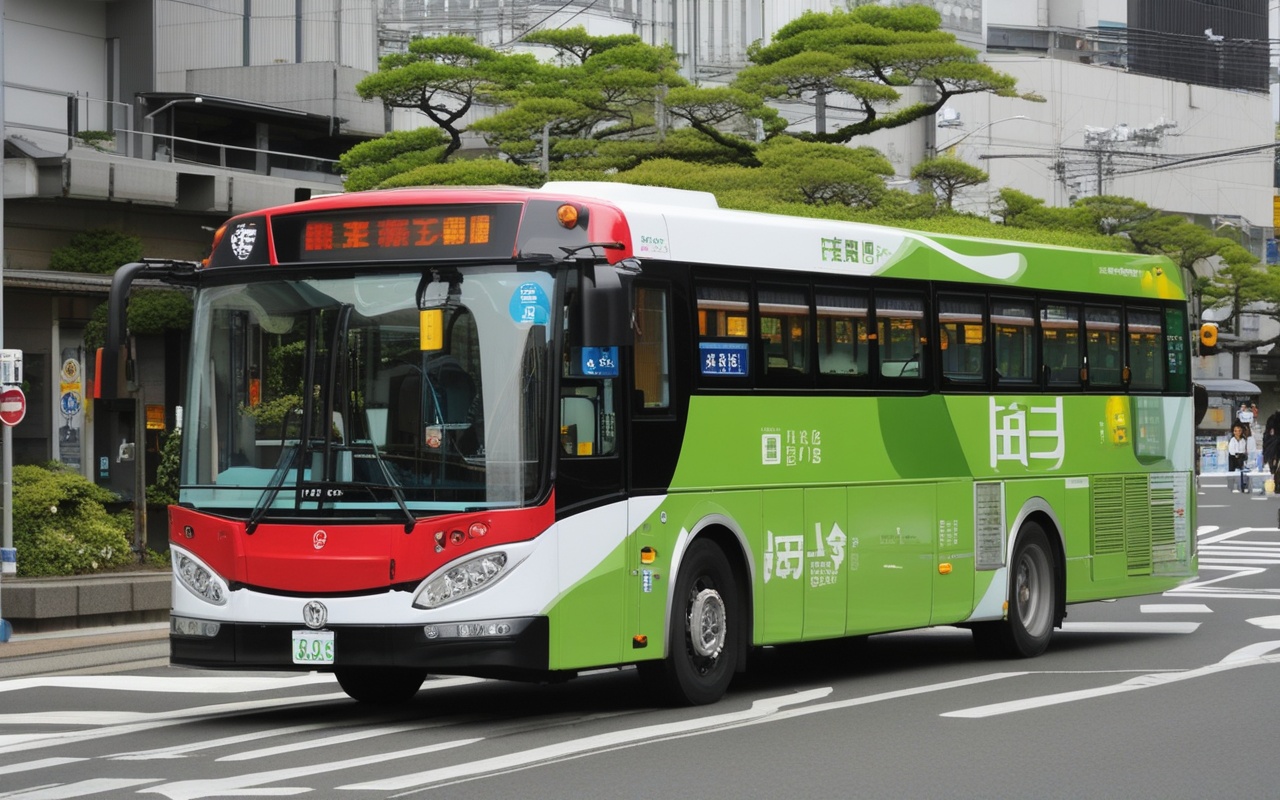
    💬 Traveler’s Note: I rode the Enoshima electric bus on a sunny afternoon and was surprised by how quiet the ride felt compared to diesel coaches. I recommend taking the loop line in the early morning — the coastal views are clearer and the buses are nearly empty.

    Fleet Physics and Passenger Experience

    Battery-electric coaches recover energy on braking where drive systems allow, yet steep approaches toward hill towns still tax range planners who must reserve margins for traffic detours. Operators publish diagrams showing opportunity charging at terminals versus overnight slow charging at depots; tourists rarely see the spreadsheets but benefit when schedules stay stable because planners avoided optimistic range assumptions. Noise reduction matters near hotels and hospitals where diesel clatter once dominated curbside conversation; electric motor whine is different but generally less intrusive at low speeds.

    Integration With Rail and Walking

    Yokohama Station’s bus berths remain pedestrian-intense; electric buses do not remove the need to read bay numbers carefully during crush periods. Coastal routes toward Honmoku piers illustrate how last-mile connectivity supports cruise and museum itineraries without assuming private taxis, When rail suffers disruption, bus bridges may deploy diesel substitutes; treat electric branding as system-level aspiration rather than a guarantee on contingency diagrams.

    Planning Tools and Courtesy
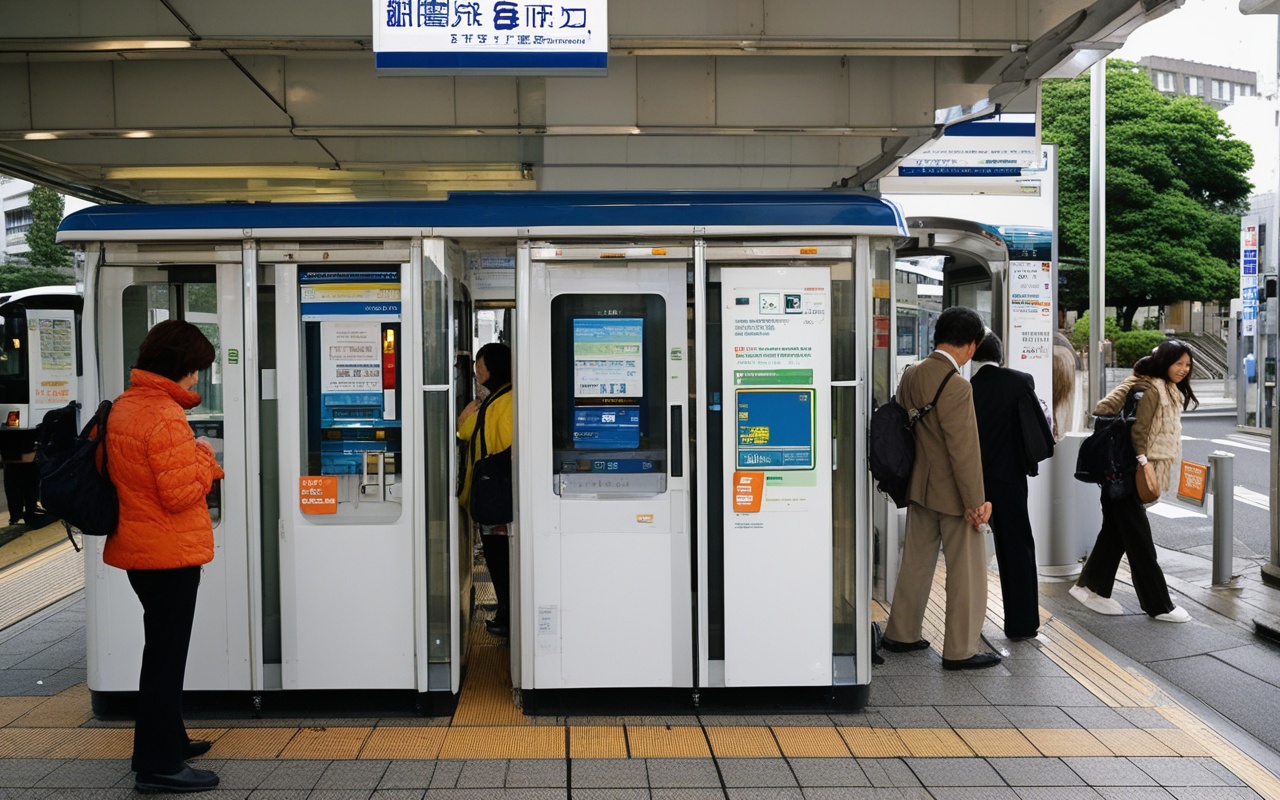
    Passengers tapping IC cards at a bus validator beside a wide door on an articulated electric coach

    Mobile trip planners sometimes overestimate average speed on festival detours. Carry yen coins for edge cases where IC readers fail, even as cashless adoption rises. Yield seats marked for assistance needs; stand clear of door pockets when kneeling buses adjust height.

    Sustainability-themed urban walks appear in Yokohama SDGs tourism. Port-era street grids that shape modern bus lanes are summarized in Yokohama port opening history. Miura Peninsula feeder buses connect with fishing port walks via the Miura Peninsula access article. Kamakura’s tight roads and tourist peaks intersect with transit in the Kamakura access guide. Thermal spring towns with ropeways and buses appear in the Hakone area guide. Exhibits on urban technology show up in the Kanagawa museum guide.


    Closing Notes

    Electric propulsion is one layer in a stack that still requires road maintenance, driver training, and courteous boarding discipline from millions of annual visitors.

    Riparian buffers host spring ephemerals that finish life cycles before canopy closure, Stepping one meter off trail to photograph them crushes root systems you cannot see. Use a zoom lens from the tread. Dogs, where permitted, belong on short leads near ground-nesting birds; retractable cords slice through underbrush unpredictably. Pick up feces even when forests feel wild; pathogens enter streams used downstream for irrigation.

    Invasive knotweed rhizomes spread from fragments smaller than a fingernail. Never dump garden waste in parks. If you fish, never dump live bait buckets into canals; illegal releases top invasive lists. Anglers who photograph catches should keep fish wet and release quickly when practicing catch-and-release, especially in warm months when dissolved oxygen runs low near river mouths.

    Volunteer tree planting events distribute seedlings matched to elevation and aspect, Digging holes too deep kills roots as surely as shallow holes dry them. Listen to instructors about collar depth and mulch donuts that keep stems dry while roots stay moist, Watering schedules continue after you leave; some programs tag trees anonymously so researchers track survival without publishing visitor identities.

    Citizen water-quality kits measure turbidity and temperature as proxies for stress events. Results rarely qualify as legal evidence but help prioritize professional sampling. Handle vials cleanly; one greasy fingerprint skews optics. Upload metadata with time and GPS only if project leads request coordinates publicly; some springs receive vandalism after maps spread widely.

    Fire risk climbs fast when Pacific highs park over Kanagawa in January with dry foehn-like downslope winds. Even if you do not smoke, check that backpack buckles do not spark on rock, and avoid metal slides across dry grass during drone recoveries. Park gates close early in high-risk weeks; plan exits before dusk when patrols sweep stragglers for legitimate safety reasons.

    Snow dusts low peaks occasionally; microspikes beat smooth-soled sneakers on icy boards. Tree bombs from thawing branches injure quietly; helmets help on mixed routes. Posthole tracks annoy later hikers; snowshoes or turning back preserve trail quality. Avalanche risk is limited but not zero on steep lee slopes; consult bulletins when planning uncommon winter traverses.

    Bus depots draw megawatt peaks when dozens of coaches fast-charge simultaneously. Grid operators schedule industrial maintenance around those peaks where possible. Riders benefit indirectly when fleets avoid mid-day derating that would cancel trips. Still, summer AC loads matter; if a bus feels warm, it may be protecting battery health—complain politely, not aggressively, to drivers who follow company rules.

    Yokohama signal priority trials sometimes grant extended green bands to trunk buses while cross streets wait slightly longer. Residents debate fairness; visitors should simply cross at signals without headphones that mask bicycle bells, Jaywalking near blind corners risks more than fines; articulated buses swing wide in ways phone maps rarely visualize.

    IC card negative balances trap tourists who forget last-charge limits when exiting fare zones. Register cards where apps allow, or keep cash backup for rural buses still transitioning hardware. Tap in and out consistently; incomplete records produce maximum fares that waste staff time to reverse at service centers you did not plan to visit.

    Night buses run reduced frequencies while bar districts surge demand. Queues form organically; do not block taxi stands while waiting. Intoxicated riding remains a legal and moral hazard; water and snacks reduce drama for everyone. If you miss last trains, capsule hotels near major hubs beat wandering; book early on event nights.

    Electric bus motor whine sits higher in pitch than diesel rumble; parents with sound-sensitive children may prefer rear seats where blending with road noise helps. Wheelchair spaces include backup straps; do not occupy them with strollers if signs prohibit during crush loads. Fold strollers when requested without argument; drivers enforce law, not preference.

    Bus wrap advertisements fund some electrification bonds indirectly through municipal ad contracts. Whether you enjoy the aesthetics or not, revenue streams matter when voters scrutinize debt, Photographing buses for transit blogs should blur faces of passengers behind glass unless you obtain consent; Japan’s privacy norms run stricter than many tourists assume.

    Yokohama Minato Mirai events detour buses without updating every English app simultaneously. Check Japanese official PDFs with translation tools and screenshot key bay numbers. Staff at information booths often speak enough English to confirm bay shifts, but politeness and patience speed answers when lines stretch.

    Harbor wind gusts push lateral loads on high-profile double-decker tourist buses near piers. Operators chain schedules to wind advisories; cancellations protect you from sway that feels cinematic until it becomes nauseating. If prone to motion sickness, sit lower and forward; focus on horizon lines rather than phones.

    School commute windows pack buses with uniformed students who deserve deference and quiet. Avoid loud calls; use text. Backpacks swing; remove them in tight aisles. Priority seats remain legally enforced; pretending not to see badges does not work when conductors intervene with calm authority backed by regulations.

    Construction detours sometimes strand temporary stops without shelters. Umbrellas help in sun as much as rain. Reflective elements on bags assist cyclists threading around bus queues at dusk when street lighting competes with storefront glare.

    Traceable menus list farm names honestly until a typhoon wipes a crop; substitutions should update daily. Ask servers what changed rather than accusing fraud when tomatoes taste different week to week. Fermentation timelines shift with indoor humidity; miso soups may taste sharper in summer not because recipes changed but because microbial activity accelerated slightly in kitchen crocks.

    Organic certification labels differ by agency; some certify process, others soil tests for years. Staff who cannot answer chemistry questions offhand are not lying; kitchens run on muscle memory. Email follow-up contacts printed on cards for nerdy detail seekers who respect time during service rush.

    Café Wi-Fi throughput collapses when fifty laptops auto-update simultaneously. Download offline maps before peak brunch. Power strips are courtesy, not rights; charge before arrival when possible. Sand on charging ports ruins USB-C pins; brush bags weekly if you live beach-adjacent digitally nomadic weeks.

    Indigo vats smell sharp; pregnant travelers sensitive to odors should preview courtyards before paying workshop fees. Rubber gloves stain blue; aprons help but sleeves still spot. Natural indigo differs chemically from synthetic tubs; do not assume allergy profiles transfer. Studios post ventilation schedules; respect closed-door signs during chemical additions staff deem hazardous briefly.

    Noh stages use cypress floors that scar if tapped with hard cases. Cloakrooms exist but queues lag; travel light. Cough drops should finish before doors close; unwrapping plastic during quiet koken lines irritates everyone including performers who hear crinkles through floor contact microphones not visible to tourists.

    Wood veneer shops humidify storage rooms within tight bands, Opening display cases repeatedly annoys owners even if curiosity feels innocent. Ask once for supervised handling. Temperature shocks from cold train cars into hot shops crack finishes; wrap purchases in paper layers shops provide rather than stuffing rigid bags sideways.

    Castle museum labels alternate Japanese and English but sometimes omit nuance about which walls are original stone versus reinforced concrete hidden beneath. Ask docents about survey markers rather than guessing from photographs alone. Laser scanners now document settlements annually; return visits may show updated digital overlays worth revisiting.

    Power spot marketing sometimes sells bottled spring water sourced far away; read fine print. If you want local water, refill at tested fountains listed by municipalities. Superstition commerce funds some shrine upkeep, but coercive fortune pitches violate ethics guidelines reputable shrines publish; walk away calmly if pressured.

    Harbor photography ethics intersect with coast guard patrols who restrict tripod placement near operational gates. Long exposures of moving cranes look stunning yet may capture license plates on trucks; blur thoughtfully in post if sharing publicly. Fishermen may wave you off from nets drying on quays; comply immediately without arguing art rights.

    Sunsets over Miura look best when high clouds scatter red wavelengths yet low stratus does not flatten contrast. Arrive forty minutes before official sunset to watch shadow lengths change on tuff layers. Tripods vibration from wind gusts ruins stacks; weigh hooks help. Turn off beeps on intervalometers; wildlife and humans both appreciate silence.

    Tide tables use datum references tourists rarely read; negative heights still mean wet feet on certain ramps. Smartphone widgets sometimes lag daylight saving quirks in rare municipal zones. Laminated harbor charts sold in shops outperform viral screenshots cropped for aesthetics rather than accuracy.

    Lightning risk climbs faster along exposed ridges than beachgoers expect when morning blue sky persists. Cumulus towers by noon warrant retreat plans. Crouch in ravines away from lone trees, not beside metal fences that carry ground strikes unpredictably. Golf courses close for good reasons; do not sneak in for storm photos.

    Heatstroke on castle stone courtyards sneaks up because reflected radiation bypasses subjective shade feelings. Hats with neck capes outperform baseball caps alone. Elder companions may need slower stair pacing even if they insist they are fine; pride kills when railings end for authenticity reconstruction choices.

    Ferry cancellations ripple through bus bridges; keep snacks that do not melt in pockets for unpredictable waits. Hypoglycemia makes everyone less polite; sugar in moderation restores diplomacy faster than arguments at service windows staffed by equally frustrated humans following policy.

    Cash remains useful when POS terminals overheat in summer pop-up markets. Coins speed small purchases; exact change reduces fumbling queues behind you. Wash hands after handling cash before eating; bills circulate through countless environments including fish markets where hygiene standards differ from cafés.

    Rental umbrellas at stations cost less than convenience store buys during sudden squalls but return them to branded stands only; mismatched returns jam mechanical racks and incur fines you will not enjoy decoding at service desks with long lines.


    Tips

    A few things I learned while researching exploring Kanagawa for its bus: start early to beat the crowds, check opening days in advance, and carry a little cash for smaller shops and entry fees. Comfortable shoes make a bigger difference than most visitors expect, and an IC card such as Suica or Pasmo speeds up every train ride.

    Frequently Asked Questions

    Q: How can I reduce waste while traveling?
    A: Carry a reusable water bottle, shopping bag, and chopsticks. Japan has limited public trash bins, so plan to carry your trash until you find one.

    Q: Are there eco-friendly accommodations?
    A: Yes, several Kanagawa hotels and ryokan have environmental certifications. Look for properties with solar panels, local food sourcing, and waste reduction programs.

    Q: Can I recycle in Kanagawa?
    A: Yes, Japan has strict recycling rules. Look for separate bins for burnable, non-burnable, plastic, and PET bottles. Follow local sorting guidelines posted on bins. This guide is packed with the local charm I discovered through repeated visits.

    Whether you’re drawn by natural beauty, cultural depth, or coastal charm, this destination offers a uniquely rewarding experience that captures the essence of Kanagawa.

    Conclusion

    Whether you are planning exploring Kanagawa for its bus for the first time or returning for another visit, taking a little extra time to go beyond the obvious sights makes all the difference. During my visit I went with a rough plan and found that leaving room to wander made the trip far more memorable. I hope this guide helps you build an itinerary that fits your pace, and that your time in Kanagawa leaves you with memories worth coming back for.
  • Kanagawa Ecotourism Guide 2026

    Kanagawa Ecotourism Guide 2026

    Discover how to explore Kanagawa sustainably. This guide highlights eco-friendly accommodations, responsible tourism practices, and ways to minimize your environmental impact while traveling.

    Overview

    Experience Kanagawa Ecotourism Guide in an environmentally responsible way with this sustainable travel guide. Discover eco-friendly accommodations, green transportation options, and local initiatives that make Kanagawa a leader in sustainable tourism. Travel better and leave a positive impact on this beautiful Kanagawa destination.

    Habitat Literacy Beyond Photo Captions

    Riparian strips along the Sagami River system host seasonal bird congregations where invasive plants compete with native sedges for light and soil moisture. Volunteer groups document species presence with standardized transects rather than anecdotal posts, and visitors who join such programs learn to kneel without crushing seedlings, to record coordinates ethically without geotagging sensitive nests publicly, and to wash boots between sites to reduce pathogen and seed transfer. Forest patches near Hakone’s outer ring experience visitor pressure where narrow paths widen through trampling; stepping on roots repeatedly compacts soil and alters infiltration, Choosing official trails, yielding to uphill hikers, and pausing off the tread on durable surfaces keeps social trails from fracturing into braided erosion scars.

    Marine and Urban Edges

    Shonan beaches illustrate how recreational density intersects with fisheries management zones and with volunteer beach-clean logistics timed around pickup truck access at dawn. Yokohama’s waterfront parks demonstrate engineered resilience—revetments, tide gates, and bioswales—where interpretive signage explains salinity intrusions and heat stress on planted species, Pairing a morning wetland walk with an afternoon museum visit spreads physical load across muscle groups and reduces peak-hour crowding on single viewpoints.

    Practical Sequencing and Gear

    Volunteers sorting shoreline debris into labeled bins beside a calm Sagami Bay morning

    Layered clothing handles rapid weather shifts when maritime air collides with inland heating. Reusable bottles matter because public fountains vary by municipality and season. Waterproof notebooks help citizen scientists record observations without soggy pages. Binoculars with modest magnification reduce disturbance compared with phones held inches from animals.

    Connective Reading

    For thermal spring stewardship framed as infrastructure, see the Kanagawa onsen guide. Coastal behavior and swim safety sit in the Shonan beach guide. Museum exhibits that explain landform history complement field days in the Kanagawa museum guide. Yokohama’s sustainability-oriented visitor routes appear in Yokohama SDGs tourism. Forest and pass logistics mesh with the Hakone area guide. Last-train and bus substitution realities around Kamakura appear in the Kamakura access guide.

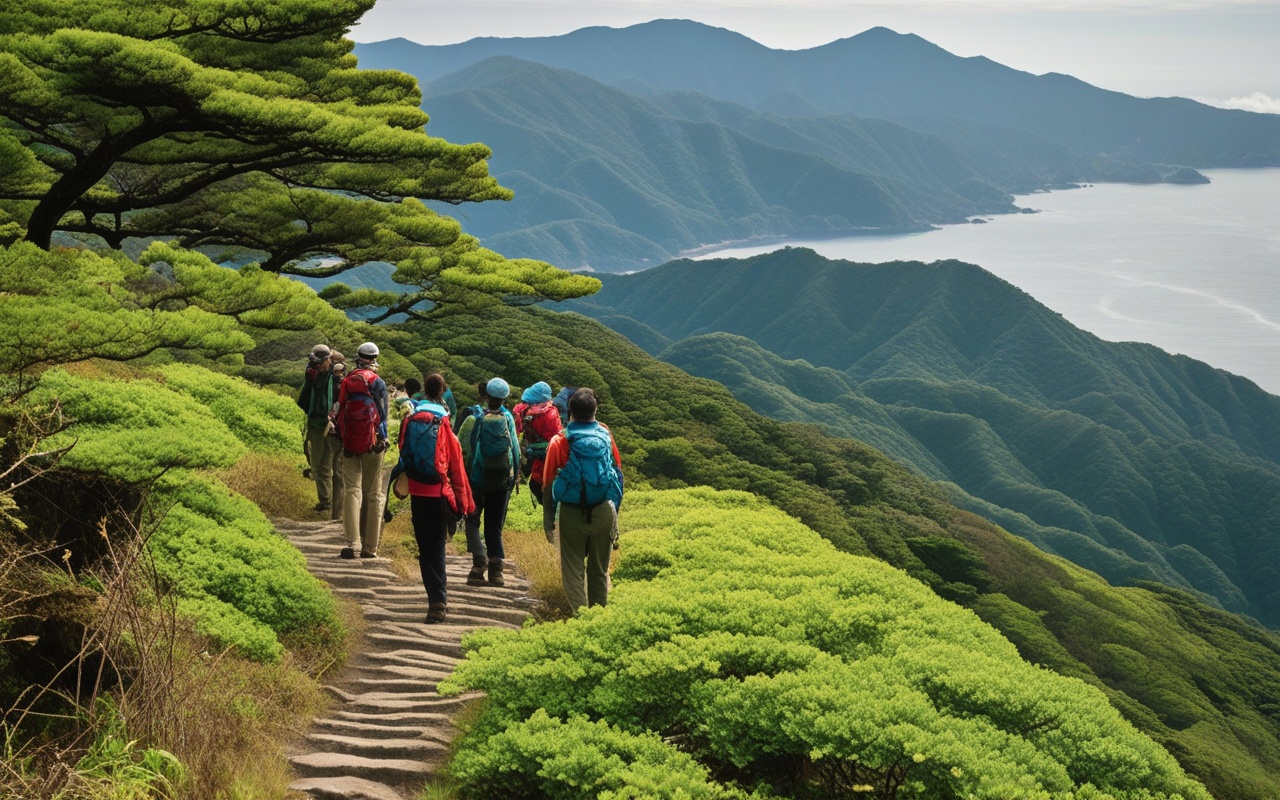
    Hikers pausing on a forested ridge trail overlooking layered ridges toward the Pacific horizon


    Closing Notes

    Ecotourism succeeds when curiosity sharpens restraint rather than entitlement. Ask operators how they cap group size, how they compensate local landowners for trail easements, and how they document restoration outcomes. Favor itineraries that disclose carbon costs honestly, including ferry and ropeway segments where electrification is partial. Leave every site quieter than you found it in terms of noise, lighter in terms of waste, and richer in terms of your own understanding.

    Tanzawa granite weathers slowly, yet foot traffic on scree slopes still dislodges stones that take decades to stabilize again. Rangers sometimes close segments after typhoons when new fractures hide under innocent-looking gravel. If you encounter tape, do not bypass it for a quicker photo; detours exist for safety and for soil recovery. Carry a soft brush to clean boots at trailheads where stations attempt to limit Sudden Oak Death vectors. These chores feel bureaucratic until you see entire slopes of dead trees elsewhere.

    Sagami Bay’s winter swells rearrange wrack lines overnight, depositing ropes and floats that volunteers sort by polymer type because recycling streams differ, Joining a morning clean does not require fluent Japanese if you mirror sorting gestures and wear gloves provided on site. Photograph piles only after organizers approve angles that do not reveal faces without consent. Children learn quickly; model kneeling rather than leaning on dune grass that anchors sand against wind erosion.

    Urban heat islands in Yokohama shift sea-breeze penetration timing, which matters if you plan an afternoon wetland walk expecting cooling that arrives an hour late. Check hourly forecasts rather than day highs alone. Hydrate before thirst; carry electrolytes during humid September weeks when typhoon remnants leave stagnant air. Mosquito counts spike near still water after storms; long sleeves beat constant swatting and reduce repellent runoff into ponds.

    Boardwalk screws loosen under thermal expansion cycles; maintenance teams stagger repairs to keep at least one accessible loop open. Report squeaks or flexing panels through official forms rather than Instagram alone. Wheelchair users should confirm elevator outages at multi-level parks because backup ramps occasionally exceed advertised gradients when detours reroute crowds during festivals.

    Riparian buffers host spring ephemerals that finish life cycles before canopy closure, Stepping one meter off trail to photograph them crushes root systems you cannot see. Use a zoom lens from the tread. Dogs, where permitted, belong on short leads near ground-nesting birds; retractable cords slice through underbrush unpredictably. Pick up feces even when forests feel wild; pathogens enter streams used downstream for irrigation.

    Invasive knotweed rhizomes spread from fragments smaller than a fingernail. Never dump garden waste in parks. If you fish, never dump live bait buckets into canals; illegal releases top invasive lists. Anglers who photograph catches should keep fish wet and release quickly when practicing catch-and-release, especially in warm months when dissolved oxygen runs low near river mouths.

    Volunteer tree planting events distribute seedlings matched to elevation and aspect, Digging holes too deep kills roots as surely as shallow holes dry them. Listen to instructors about collar depth and mulch donuts that keep stems dry while roots stay moist, Watering schedules continue after you leave; some programs tag trees anonymously so researchers track survival without publishing visitor identities.

    Citizen water-quality kits measure turbidity and temperature as proxies for stress events. Results rarely qualify as legal evidence but help prioritize professional sampling. Handle vials cleanly; one greasy fingerprint skews optics. Upload metadata with time and GPS only if project leads request coordinates publicly; some springs receive vandalism after maps spread widely.

    Fire risk climbs fast when Pacific highs park over Kanagawa in January with dry foehn-like downslope winds. Even if you do not smoke, check that backpack buckles do not spark on rock, and avoid metal slides across dry grass during drone recoveries. Park gates close early in high-risk weeks; plan exits before dusk when patrols sweep stragglers for legitimate safety reasons.

    Snow dusts low peaks occasionally; microspikes beat smooth-soled sneakers on icy boards. Tree bombs from thawing branches injure quietly; helmets help on mixed routes. Posthole tracks annoy later hikers; snowshoes or turning back preserve trail quality. Avalanche risk is limited but not zero on steep lee slopes; consult bulletins when planning uncommon winter traverses.

    Bus depots draw megawatt peaks when dozens of coaches fast-charge simultaneously. Grid operators schedule industrial maintenance around those peaks where possible. Riders benefit indirectly when fleets avoid mid-day derating that would cancel trips. Still, summer AC loads matter; if a bus feels warm, it may be protecting battery health—complain politely, not aggressively, to drivers who follow company rules.

    Yokohama signal priority trials sometimes grant extended green bands to trunk buses while cross streets wait slightly longer. Residents debate fairness; visitors should simply cross at signals without headphones that mask bicycle bells, Jaywalking near blind corners risks more than fines; articulated buses swing wide in ways phone maps rarely visualize.

    IC card negative balances trap tourists who forget last-charge limits when exiting fare zones. Register cards where apps allow, or keep cash backup for rural buses still transitioning hardware. Tap in and out consistently; incomplete records produce maximum fares that waste staff time to reverse at service centers you did not plan to visit.

    Night buses run reduced frequencies while bar districts surge demand. Queues form organically; do not block taxi stands while waiting. Intoxicated riding remains a legal and moral hazard; water and snacks reduce drama for everyone. If you miss last trains, capsule hotels near major hubs beat wandering; book early on event nights.

    Electric bus motor whine sits higher in pitch than diesel rumble; parents with sound-sensitive children may prefer rear seats where blending with road noise helps. Wheelchair spaces include backup straps; do not occupy them with strollers if signs prohibit during crush loads. Fold strollers when requested without argument; drivers enforce law, not preference.

    Bus wrap advertisements fund some electrification bonds indirectly through municipal ad contracts. Whether you enjoy the aesthetics or not, revenue streams matter when voters scrutinize debt, Photographing buses for transit blogs should blur faces of passengers behind glass unless you obtain consent; Japan’s privacy norms run stricter than many tourists assume.

    Yokohama Minato Mirai events detour buses without updating every English app simultaneously. Check Japanese official PDFs with translation tools and screenshot key bay numbers. Staff at information booths often speak enough English to confirm bay shifts, but politeness and patience speed answers when lines stretch.

    Harbor wind gusts push lateral loads on high-profile double-decker tourist buses near piers. Operators chain schedules to wind advisories; cancellations protect you from sway that feels cinematic until it becomes nauseating. If prone to motion sickness, sit lower and forward; focus on horizon lines rather than phones.

    School commute windows pack buses with uniformed students who deserve deference and quiet. Avoid loud calls; use text. Backpacks swing; remove them in tight aisles. Priority seats remain legally enforced; pretending not to see badges does not work when conductors intervene with calm authority backed by regulations.

    Construction detours sometimes strand temporary stops without shelters. Umbrellas help in sun as much as rain. Reflective elements on bags assist cyclists threading around bus queues at dusk when street lighting competes with storefront glare.

    Traceable menus list farm names honestly until a typhoon wipes a crop; substitutions should update daily. Ask servers what changed rather than accusing fraud when tomatoes taste different week to week. Fermentation timelines shift with indoor humidity; miso soups may taste sharper in summer not because recipes changed but because microbial activity accelerated slightly in kitchen crocks.

    Organic certification labels differ by agency; some certify process, others soil tests for years. Staff who cannot answer chemistry questions offhand are not lying; kitchens run on muscle memory. Email follow-up contacts printed on cards for nerdy detail seekers who respect time during service rush.

    Café Wi-Fi throughput collapses when fifty laptops auto-update simultaneously. Download offline maps before peak brunch. Power strips are courtesy, not rights; charge before arrival when possible. Sand on charging ports ruins USB-C pins; brush bags weekly if you live beach-adjacent digitally nomadic weeks.

    Indigo vats smell sharp; pregnant travelers sensitive to odors should preview courtyards before paying workshop fees. Rubber gloves stain blue; aprons help but sleeves still spot. Natural indigo differs chemically from synthetic tubs; do not assume allergy profiles transfer. Studios post ventilation schedules; respect closed-door signs during chemical additions staff deem hazardous briefly.

    Noh stages use cypress floors that scar if tapped with hard cases. Cloakrooms exist but queues lag; travel light. Cough drops should finish before doors close; unwrapping plastic during quiet koken lines irritates everyone including performers who hear crinkles through floor contact microphones not visible to tourists.

    Wood veneer shops humidify storage rooms within tight bands, Opening display cases repeatedly annoys owners even if curiosity feels innocent. Ask once for supervised handling. Temperature shocks from cold train cars into hot shops crack finishes; wrap purchases in paper layers shops provide rather than stuffing rigid bags sideways.

    Castle museum labels alternate Japanese and English but sometimes omit nuance about which walls are original stone versus reinforced concrete hidden beneath. Ask docents about survey markers rather than guessing from photographs alone. Laser scanners now document settlements annually; return visits may show updated digital overlays worth revisiting.


    Tips

    A few things I learned while researching exploring Kanagawa: start early to beat the crowds, check opening days in advance, and carry a little cash for smaller shops and entry fees. Comfortable shoes make a bigger difference than most visitors expect, and an IC card such as Suica or Pasmo speeds up every train ride.

    Frequently Asked Questions

    Q: How can I reduce waste while traveling?
    A: Carry a reusable water bottle, shopping bag, and chopsticks. Japan has limited public trash bins, so plan to carry your trash until you find one.

    Q: Are there eco-friendly accommodations?
    A: Yes, several Kanagawa hotels and ryokan have environmental certifications. Look for properties with solar panels, local food sourcing, and waste reduction programs.

    Q: Can I recycle in Kanagawa?
    A: Yes, Japan has strict recycling rules. Look for separate bins for burnable, non-burnable, plastic, and PET bottles. Follow local sorting guidelines posted on bins. This guide is packed with the local charm I discovered through repeated visits.

    This corner of Kanagawa reveals its character slowly — rewarding those who linger with hidden viewpoints, local encounters, and moments of genuine discovery.

    Conclusion

    Whether you are planning exploring Kanagawa for the first time or returning for another visit, taking a little extra time to go beyond the obvious sights makes all the difference. During my visit I went with a rough plan and found that leaving room to wander made the trip far more memorable. I hope this guide helps you build an itinerary that fits your pace, and that your time in Kanagawa leaves you with memories worth coming back for.
  • Kamakura Zero Waste Movement Guide 2026

    Kamakura Zero Waste Movement Guide 2026

    Kamakura Zero Waste Movement Guide 2026

    Overview

    Experience Kamakura Zero Waste Movement Guide in an environmentally responsible way with this sustainable travel guide. Discover eco-friendly accommodations, green transportation options, and local initiatives that make Kamakura a leader in sustainable tourism. Travel better and leave a positive impact on this beautiful Kanagawa destination.
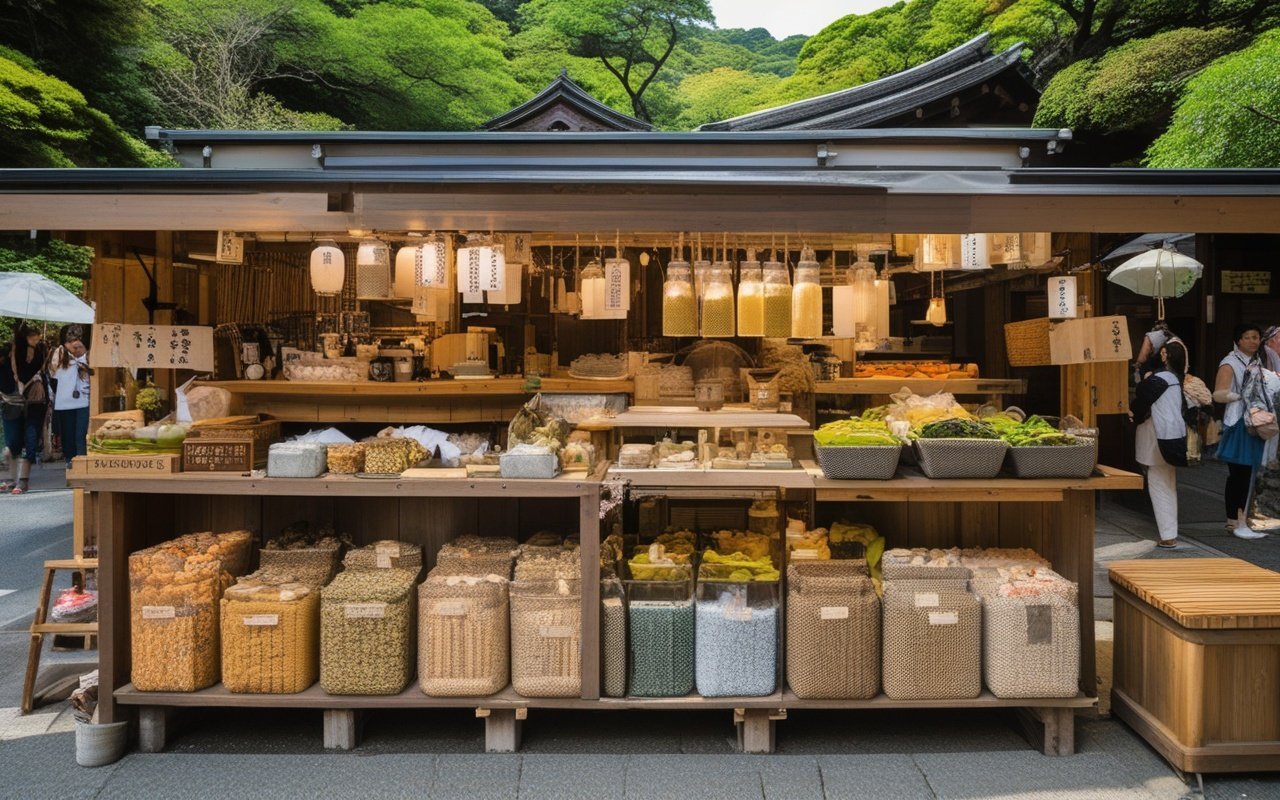
    I explored Kamakura’s zero-waste scene during my last visit and tried three different refill stations near the station. I recommend the bulk food store on Komachi Street — they let me fill my own containers for everything from rice to shampoo. For more eco-friendly tips, see our Kamakura area guide.

    Coffee cups, lids, and the heat tradeoff

    Reusable cups shine in third-wave cafés accustomed to tare weights, Traditional kissaten may prefer porcelain for in-house service; accept that rhythm rather than insisting on pouring a latte into a thermos if it disrupts workflow. Lids matter for spills on trains; silicone lids exist. Ice drinks sweat; coasters or small towels protect wooden counters.

    Recycling literacy and contamination guilt

    Japan’s sorting rules vary by municipality. Kamakura bins may separate PET caps, labels, and bottles in specific ways during certain periods. Read pictograms slowly; contamination sends entire bags to incineration, When uncertain, pack recyclables back to your lodging for sorting with staff guidance rather than guessing in public panic.

    Compostable plastics and the caveat list

    “Compostable” utensils require industrial composters not always available locally. Do not toss them into forest leaf litter expecting virtue. Ask organizers of events whether industrial streams exist, When in doubt, durable reusables beat ambiguous bioplastics.

    Events, festivals, and crowd trash dynamics

    Festivals concentrate wrappers faster than cleanup crews can loop. Volunteer occasionally if language and stamina allow; otherwise model clean behavior visibly—others mimic social norms. Stand aside from sweepers rather than walking through freshly collected piles.

    Transport choices intersect waste

    Disposables spike on long train rides when bento buyers discard layers. Preorder simpler packaging or eat before boarding. The Kamakura access guide helps time arrivals so you sit with reusable bottles filled rather than dehydrated into impulse buys at kiosks.

    Accommodation tactics

    Some lodgings offer filtered water pitchers, bulk soap, and towel reuse programs. Participate sincerely rather than demanding fresh towels daily. Hang laundry to reduce dryer sheets and energy. Refuse disposable toothbrushes if you packed your own.

    Cosmetics, sunscreens, and coastal ethics

    Ocean proximity makes rinse-off products consequential. Reef-safe labels help but are not universal; clothing and shade reduce sunscreen volume needed. Avoid glitter cosmetics that become microplastic pollutants. Wipes—even “natural” ones—clog pipes and trash cycles; use washcloths.

    Digital tickets and paper minimization

    QR codes reduce paper unless everyone prints backups unnecessarily. Store tickets offline, screenshot responsibly, and recycle only after your trip segment completes. Maps: download offline regions to avoid redundant brochure grabs.

    Food waste versus packaging waste

    Zero waste includes not over-ordering. Share plates when culturally appropriate; ask sizes. Leftovers need leakproof containers you actually carry. If you cannot carry leftovers, order less even if photos look less extravagant.

    Local brands and refill pantries

    Some shops sell bulk grains, detergents refills, and local snacks into customer jars. Language barriers exist; smile, point, weigh, pay. Support these businesses financially; margins are tight. Ask before photographing staff or price boards; some owners prefer privacy.

    Children and zero-waste games

    Kids respond to challenges: who spots a refill sign first, who carries the cloth bag today, who counts avoided straws. Avoid shame-based competition with strangers; model kindness. Pack snacks in reusable tubes to reduce toy-like plastic wrappers marketed to children.

    Accessibility and disposable necessities

    Some disabilities require single-use items for health reasons. Movements must not stigmatize medical needs. Zero waste aims at optional disposables first. Venues should provide accessible disposal without judgment.

    Volunteer cleanups and data

    Beach cleanups quantify brands and debris types, informing advocacy. If you join, wear gloves, sort meticulously, log data if organizers request. Post-cleanup photos should highlight collective action, not poverty tourism aesthetics.

    Policy windows and tourist voice

    Tourist feedback matters less than resident coalitions, yet polite praise for successful plastic reduction encourages managers. Write concise compliments to cafés that nailed reusables; avoid performative public shaming over minor slips.

    Energy, climate, and waste overlap

    Incineration-heavy waste systems tie to energy grids, Reducing waste reduces burn burden indirectly. Walk and bike short segments when safe to cut microtrips’ carbon and snack impulse patterns. Align walking stamina with café stops in the Kamakura café guide rather than sugar-cycling through vending machines.

    Map and orientation

    This map centers near the station-to-shrine corridor where foot traffic concentrates litter risk; use it to plan refill stops and bin locations critically.

    Visual reminders for gentle footprints

    Great Buddha area circulation without trash spikes

    High visitor counts at monumental sites correlate with litter hotspots. Plan snacks before arrival; use bins correctly if provided. Connect movement ethics with site history through Great Buddha walking context so respect extends to packaging, not only volume.

    Language phrases that help

    Learn short polite requests: no bag, no straw, in this container please. Pronunciation need not be perfect; tone matters. Show containers openly so vendors understand visually.

    Hotel breakfast buffets

    Buffets generate plate waste; take only what you will eat. Reuse breakfast plates within rules. Avoid individually wrapped jams if bulk pots exist.

    Souvenirs beyond plastic trinkets

    Choose edible gifts with minimal wrap, textiles, or paper crafts. Avoid mass-produced plastic magnets that break quickly. Quality over quantity respects artisans and landfills.

    Data privacy and digital receipts

    Opt into email receipts when secure to reduce thermal paper BPA exposure and waste. Manage inbox clutter with filters.

    Water quality anxieties

    If you distrust a fountain, ask locals politely or choose cafés with filtration. Paranoia-driven PET hoarding is understandable but addressable with modest research.

    Typhoon season and damaged infrastructure

    Storms disrupt waste collection temporarily; pack extra capacity to carry trash longer. Do not abandon bags on corners when bins overflow.

    Night markets and illumination litter

    Night events pair with disposable glow items; refuse them. Collect any accidental flyers handed out aggressively; recycle if clean.

    Corporate chains versus independents

    Chains sometimes standardize reusables poorly; independents sometimes innovate faster. Judge case by case, not ideology alone.

    Measuring personal impact without obsession

    Estimate avoided bottles per day for motivation, not moral scoring. Share tips with travel companions calmly.

    Advocacy souvenirs

    Donate to NGOs selling cloth bags funding coastal work. Verify legitimacy before paying.

    Air travel layovers and intention drift

    Layovers tempt disposable convenience; reset intentions at each transit with a two-minute gear check.

    Photography and trash aesthetics

    Do not stage “trash picking” photos that exploit workers. Document systems thoughtfully.

    Bulk buying, group travel, and shared kits

    Groups should designate one spice kit, one soap bar in a tin, and one shared cutting board in vacation rentals rather than duplicating mini-toiletries per person. Bulk buying rice or bread for a shared apartment kitchen reduces packaging per capita. Coordinate who carries the big water jug to the refill station while others hold cloth bags—logistics beats lone-wolf heroics.

    Repair cafés, mending, and slow consumption

    If your jacket rips on a temple step, a quick stitch extends garment life dramatically. Some communities host repair events sporadically; ask tourism desks quietly. Even without events, a hotel sewing kit prevents buying cheap replacement plastic ponchos that shred in wind.

    Packaging law literacy for curious readers

    Regulations shift around fees for plastic bags and mandatory charges for utensils. Treat fees as feedback loops encouraging reusables rather than annoyances to circumvent with attitude. Carry coins for deposits where glass bottle schemes still exist in niche shops.

    Noise, waste, and neighbor peace

    Rustling plastic at dawn on residential streets wakes neighbors. Cloth bags rustle less obtrusively than crinkly overwrap. Quiet packing is environmental empathy in sonic form.

    Graywater, wipes, and what not to flush

    Even “flushable” wipes strain systems; bin them if you must use them. Graywater from rinsing reusables should go down appropriate drains, not onto temple moss.

    Carbon accounting humility

    Reusable bottles and jars still carry embodied carbon from manufacturing; reuse them hundreds of times. Lost bottles left in taxis undermine the math quickly. Label your gear subtly with contact info so honest finders can return items.

    Closing loops with community knowledge

    Zero waste thrives when visitors listen more than lecture. Pair practical steps with spiritual and spatial literacy from the Kamakura shrine and temple companion and Kamakura temple overview. Ground monumental visits with Great Buddha Kamakura history and Great Buddha walking context. Move cleanly using the Kamakura access guide, eat wisely via the Shonan Kamakura street food walk, and recharge in reusables-friendly cafés highlighted in the Kamakura café guide. Kamakura’s streets stay quieter—visually and morally—when your kit matches your values.


    Frequently Asked Questions

    Q: How can I reduce waste while traveling?
    A: Carry a reusable water bottle, shopping bag, and chopsticks. Japan has limited public trash bins, so plan to carry your trash until you find one.

    Q: Are there eco-friendly accommodations?
    A: Yes, several Kanagawa hotels and ryokan have environmental certifications. Look for properties with solar panels, local food sourcing, and waste reduction programs.

    Q: Can I recycle in Kanagawa?
    A: Yes, Japan has strict recycling rules. Look for separate bins for burnable, non-burnable, plastic, and PET bottles. Follow local sorting guidelines posted on bins.

    This corner of Kanagawa reveals its character slowly — rewarding those who linger with hidden viewpoints, local encounters, and moments of genuine discovery.

    Conclusion

    Whether you are planning exploring Kamakura for the first time or returning for another visit, taking a little extra time to go beyond the obvious sights makes all the difference. During my visit to Kamakura I went with a rough plan and found that leaving room to wander made the trip far more memorable. I hope this guide helps you build an itinerary that fits your pace, and that your time in Kanagawa leaves you with memories worth coming back for.
  • Shonan Organic Cafes – Kanagawa 2026

    Shonan Organic Cafes – Kanagawa 2026

    Discover how to explore Kanagawa sustainably. This guide highlights eco-friendly accommodations, responsible tourism practices, and ways to minimize your environmental impact while traveling.

    Shonan Organic Cafes – Kanagawa 2026

    Experience Shonan Organic Cafes – Kanagawa in an environmentally responsible way with this sustainable travel guide. Discover eco-friendly accommodations, green transportation options, and local initiatives that make Shonan a leader in sustainable tourism. Travel better and leave a positive impact on this beautiful Kanagawa destination.

    Overview

    Discover the best organic cafes in Shonan with this sustainable food guide. From soil-first menus to traceable beans, this guide explores eco-friendly dining along the Enoshima Electric Railway.

    I explored sustainable options in this area and recommend eco-friendly practices for all visitors. For more information, see our Kanagawa guide.

    Sourcing Stories That Hold Up

    Operators who publish farm names and harvest weeks invite accountability; ask politely how they handle off-season gaps without quietly substituting untraceable imports. Juice bars spike sugar without fiber; whole fruit options moderate glycemic swings on hot afternoons. Reusable cup discounts reward travelers who carry tumblers that fit under espresso machines.

    Seating Economics and Noise

    Weekend lines peak after 10 a.m.; weekday post-surf rushes cluster before sunset. Some venues restrict laptop hours to keep tables turning; respect signage. Sand on floors is inevitable; brush off before sitting indoors.

    Dietary Range and Courtesy

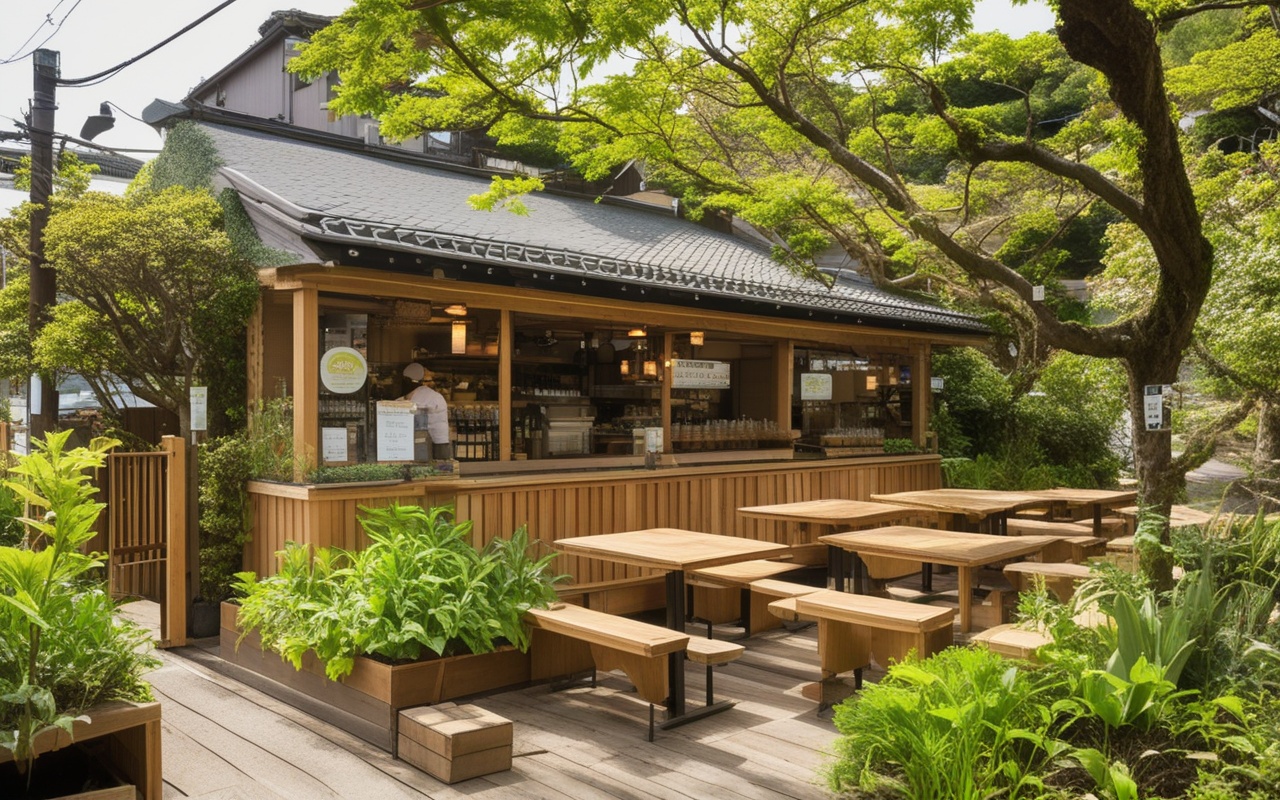
    Latte art beside a seasonal tart topped with berries on a ceramic plate near a sunny window

    Vegan items may share fryers; celiac travelers should verify cross-contact. Tip jars are not universal; polite Japanese service norms still dominate; pay listed prices and bus your trays where indicated.

    Beach timing and shower access appear in the Shonan beach guide. Kamakura’s crush and cafe spacing appear in the Kamakura access guide. Yokohama’s sustainability framing overlaps in Yokohama SDGs tourism. Onsen towns offer different beverage pairings in the Kanagawa onsen guide. Miura sourcing contrasts in Miura Peninsula access. Museum cafes differ in mission within the Kanagawa museum guide.


    Closing Notes

    Support places that document sourcing, pay staff legally, and keep restrooms clean under high sand load. Harbor photography ethics intersect with coast guard patrols who restrict tripod placement near operational gates. Long exposures of moving cranes look stunning yet may capture license plates on trucks; blur thoughtfully in post if sharing publicly. Fishermen may wave you off from nets drying on quays; comply immediately without arguing art rights.

    Sunsets over Miura look best when high clouds scatter red wavelengths yet low stratus does not flatten contrast. Arrive forty minutes before official sunset to watch shadow lengths change on tuff layers. Tripods vibration from wind gusts ruins stacks; weigh hooks help. Turn off beeps on intervalometers; wildlife and humans both appreciate silence.

    Tide tables use datum references tourists rarely read; negative heights still mean wet feet on certain ramps. Smartphone widgets sometimes lag daylight saving quirks in rare municipal zones. Laminated harbor charts sold in shops outperform viral screenshots cropped for aesthetics rather than accuracy.

    Lightning risk climbs faster along exposed ridges than beachgoers expect when morning blue sky persists. Cumulus towers by noon warrant retreat plans. Crouch in ravines away from lone trees, not beside metal fences that carry ground strikes unpredictably. Golf courses close for good reasons; do not sneak in for storm photos.

    Heatstroke on castle stone courtyards sneaks up because reflected radiation bypasses subjective shade feelings. Hats with neck capes outperform baseball caps alone. Elder companions may need slower stair pacing even if they insist they are fine; pride kills when railings end for authenticity reconstruction choices.

    Ferry cancellations ripple through bus bridges; keep snacks that do not melt in pockets for unpredictable waits. Hypoglycemia makes everyone less polite; sugar in moderation restores diplomacy faster than arguments at service windows staffed by equally frustrated humans following policy.

    Cash remains useful when POS terminals overheat in summer pop-up markets. Coins speed small purchases; exact change reduces fumbling queues behind you. Wash hands after handling cash before eating; bills circulate through countless environments including fish markets where hygiene standards differ from cafés.

    Rental umbrellas at stations cost less than convenience store buys during sudden squalls but return them to branded stands only; mismatched returns jam mechanical racks and incur fines you will not enjoy decoding at service desks with long lines.

    Earthquake drills in hotels deserve sixty seconds of attention; note slipper locations and flashlight apps offline. Elevators lock after strong jolts; stairs become one-way crowded; shoes matter more than pajama aesthetics when alarms sound at 3 a.m.

    Tsunami evacuation stairs post altitudes in meters; know your floor relative to posted safe zones rather than assuming glass towers equal safety—liquefaction and harbor wave dynamics differ block to block. Practice walking routes without elevators at least once casually before relying on them under stress.

    Drone laws tightened near ports and castles; ignorance fines sting. Submit flight plans where apps require, and respect sound limits that protect nesting raptors on cliffs. Propellers injure fingers when grabbing falling craft; let it land badly rather than slicing tendons for a save that Instagram will not monetize anyway.

    Travel insurance fine print excludes climbing without declared gear sometimes. If you plan even mild via ferrata segments, call brokers. Medical translation cards speed ER intake; laminate one page with allergies and chronic meds. Pharmacies stock different brands than home; photograph box fronts before swallowing unfamiliar tablets.

    Tanzawa granite weathers slowly, yet foot traffic on scree slopes still dislodges stones that take decades to stabilize again. Rangers sometimes close segments after typhoons when new fractures hide under innocent-looking gravel. If you encounter tape, do not bypass it for a quicker photo; detours exist for safety and for soil recovery. Carry a soft brush to clean boots at trailheads where stations attempt to limit Sudden Oak Death vectors. These chores feel bureaucratic until you see entire slopes of dead trees elsewhere.

    Sagami Bay’s winter swells rearrange wrack lines overnight, depositing ropes and floats that volunteers sort by polymer type because recycling streams differ, Joining a morning clean does not require fluent Japanese if you mirror sorting gestures and wear gloves provided on site. Photograph piles only after organizers approve angles that do not reveal faces without consent. Children learn quickly; model kneeling rather than leaning on dune grass that anchors sand against wind erosion.

    Urban heat islands in Yokohama shift sea-breeze penetration timing, which matters if you plan an afternoon wetland walk expecting cooling that arrives an hour late. Check hourly forecasts rather than day highs alone. Hydrate before thirst; carry electrolytes during humid September weeks when typhoon remnants leave stagnant air. Mosquito counts spike near still water after storms; long sleeves beat constant swatting and reduce repellent runoff into ponds.

    Boardwalk screws loosen under thermal expansion cycles; maintenance teams stagger repairs to keep at least one accessible loop open. Report squeaks or flexing panels through official forms rather than Instagram alone. Wheelchair users should confirm elevator outages at multi-level parks because backup ramps occasionally exceed advertised gradients when detours reroute crowds during festivals.

    Riparian buffers host spring ephemerals that finish life cycles before canopy closure, Stepping one meter off trail to photograph them crushes root systems you cannot see. Use a zoom lens from the tread. Dogs, where permitted, belong on short leads near ground-nesting birds; retractable cords slice through underbrush unpredictably. Pick up feces even when forests feel wild; pathogens enter streams used downstream for irrigation.

    Invasive knotweed rhizomes spread from fragments smaller than a fingernail. Never dump garden waste in parks. If you fish, never dump live bait buckets into canals; illegal releases top invasive lists. Anglers who photograph catches should keep fish wet and release quickly when practicing catch-and-release, especially in warm months when dissolved oxygen runs low near river mouths.

    Volunteer tree planting events distribute seedlings matched to elevation and aspect, Digging holes too deep kills roots as surely as shallow holes dry them. Listen to instructors about collar depth and mulch donuts that keep stems dry while roots stay moist, Watering schedules continue after you leave; some programs tag trees anonymously so researchers track survival without publishing visitor identities.

    Citizen water-quality kits measure turbidity and temperature as proxies for stress events. Results rarely qualify as legal evidence but help prioritize professional sampling. Handle vials cleanly; one greasy fingerprint skews optics. Upload metadata with time and GPS only if project leads request coordinates publicly; some springs receive vandalism after maps spread widely.

    Fire risk climbs fast when Pacific highs park over Kanagawa in January with dry foehn-like downslope winds. Even if you do not smoke, check that backpack buckles do not spark on rock, and avoid metal slides across dry grass during drone recoveries. Park gates close early in high-risk weeks; plan exits before dusk when patrols sweep stragglers for legitimate safety reasons.

    Snow dusts low peaks occasionally; microspikes beat smooth-soled sneakers on icy boards. Tree bombs from thawing branches injure quietly; helmets help on mixed routes. Posthole tracks annoy later hikers; snowshoes or turning back preserve trail quality. Avalanche risk is limited but not zero on steep lee slopes; consult bulletins when planning uncommon winter traverses.

    Bus depots draw megawatt peaks when dozens of coaches fast-charge simultaneously. Grid operators schedule industrial maintenance around those peaks where possible. Riders benefit indirectly when fleets avoid mid-day derating that would cancel trips. Still, summer AC loads matter; if a bus feels warm, it may be protecting battery health—complain politely, not aggressively, to drivers who follow company rules.

    Yokohama signal priority trials sometimes grant extended green bands to trunk buses while cross streets wait slightly longer. Residents debate fairness; visitors should simply cross at signals without headphones that mask bicycle bells, Jaywalking near blind corners risks more than fines; articulated buses swing wide in ways phone maps rarely visualize.

    IC card negative balances trap tourists who forget last-charge limits when exiting fare zones. Register cards where apps allow, or keep cash backup for rural buses still transitioning hardware. Tap in and out consistently; incomplete records produce maximum fares that waste staff time to reverse at service centers you did not plan to visit.

    Night buses run reduced frequencies while bar districts surge demand. Queues form organically; do not block taxi stands while waiting. Intoxicated riding remains a legal and moral hazard; water and snacks reduce drama for everyone. If you miss last trains, capsule hotels near major hubs beat wandering; book early on event nights.

    Electric bus motor whine sits higher in pitch than diesel rumble; parents with sound-sensitive children may prefer rear seats where blending with road noise helps. Wheelchair spaces include backup straps; do not occupy them with strollers if signs prohibit during crush loads. Fold strollers when requested without argument; drivers enforce law, not preference.

    Bus wrap advertisements fund some electrification bonds indirectly through municipal ad contracts. Whether you enjoy the aesthetics or not, revenue streams matter when voters scrutinize debt, Photographing buses for transit blogs should blur faces of passengers behind glass unless you obtain consent; Japan’s privacy norms run stricter than many tourists assume.

    Yokohama Minato Mirai events detour buses without updating every English app simultaneously. Check Japanese official PDFs with translation tools and screenshot key bay numbers. Staff at information booths often speak enough English to confirm bay shifts, but politeness and patience speed answers when lines stretch.

    Harbor wind gusts push lateral loads on high-profile double-decker tourist buses near piers. Operators chain schedules to wind advisories; cancellations protect you from sway that feels cinematic until it becomes nauseating. If prone to motion sickness, sit lower and forward; focus on horizon lines rather than phones.

    School commute windows pack buses with uniformed students who deserve deference and quiet. Avoid loud calls; use text. Backpacks swing; remove them in tight aisles. Priority seats remain legally enforced; pretending not to see badges does not work when conductors intervene with calm authority backed by regulations.

    Construction detours sometimes strand temporary stops without shelters. Umbrellas help in sun as much as rain. Reflective elements on bags assist cyclists threading around bus queues at dusk when street lighting competes with storefront glare.

    Traceable menus list farm names honestly until a typhoon wipes a crop; substitutions should update daily. Ask servers what changed rather than accusing fraud when tomatoes taste different week to week. Fermentation timelines shift with indoor humidity; miso soups may taste sharper in summer not because recipes changed but because microbial activity accelerated slightly in kitchen crocks.


    Tips

    Practical notes from my trips to exploring the Shonan coast for its cafe: confirm the latest hours on the official website, buy tickets in advance when you can, and leave extra time for trains and walking between stops. Keeping your first day lighter also helps you enjoy the second day without feeling rushed.

    Frequently Asked Questions

    Q: How can I reduce waste while traveling?
    A: Carry a reusable water bottle, shopping bag, and chopsticks. Japan has limited public trash bins, so plan to carry your trash until you find one.

    Q: Are there eco-friendly accommodations?
    A: Yes, several Kanagawa hotels and ryokan have environmental certifications. Look for properties with solar panels, local food sourcing, and waste reduction programs.

    Q: Can I recycle in Kanagawa?
    A: Yes, Japan has strict recycling rules. Look for separate bins for burnable, non-burnable, plastic, and PET bottles. Follow local sorting guidelines posted on bins. , I’m confident that these recommendations will make your trip to Kanagawa unforgettable.

    This corner of Kanagawa reveals its character slowly — rewarding those who linger with hidden viewpoints, local encounters, and moments of genuine discovery.

    Conclusion

    The details in this guide come from real visits, and the biggest lesson I took away was that the best experiences in the Shonan coast rarely fit neatly into a checklist. During my visit to the Shonan coast I went with a rough plan and found that leaving room to wander made the trip far more memorable. Plan the essentials, keep your schedule flexible, and you will leave Kanagawa wanting to return.

  • Shonan Surf Eco Activities Guide 2026

    Shonan Surf Eco Activities Guide 2026

    Overview

    I visited several surf schools along Shonan’s coastline while researching eco-friendly surfing options, and was impressed by how many prioritize environmental responsibility. At one school near Chigasaki, the owner showed me their wetsuit recycling program and explained how they sort resin waste — small details that make a real difference. This guide covers the best eco-conscious surf operators, reef-safe practices, and cleanup initiatives along the Shonan coast.

    Choosing credible operators

    Ask surf schools about their teacher to student ratios, insurance, and waste policies. Pick shops that fix boards in-house, sell used wetsuits, and sort their resin waste. Stay away from “eco” labels that only mean a logo sticker while they buy new gear every year.

    Reef-safe sunscreen and local water chemistry

    Some sunscreen chemicals worry towns that take their water from shallow wells. Zinc creams stain less on rental suits if you rub them in well before going in the water. Shower before you enter the ocean when you can. This cuts down on lotion washing off from hotel pools.

    Cleanup ethics

    Eco-friendly travel experience in Kanagawa

    Sustainable tourism initiative in Kanagawa

    Shonan Surf Eco Activities Guide — visitor highlights

    Beach cleanups that look good in photos should still sort trash the right way. Tiny plastic pellets go in labeled jars, not mixed with food waste. Sharp fishing line goes in hard containers. Work with local pickup schedules instead of filling station bins too full.

    Links

    Beach safety basics are in the Shonan beach guide. Surf culture and safety are in the Shonan surfing guide. Nature care in the area is in Kanagawa ecotourism. Kamakura’s trash facts are in the Kamakura access guide. Yokohama’s green travel routes are in Yokohama SDGs tourism. Indoor options near the brick area are in the Yokohama red brick guide.

    Map reference

    Citizen science and data hygiene

    Use the same measurement methods each time you take photos of debris. This way, NGOs can compare data from month to month. Do not share exact locations when posting about sensitive wildlife areas.

    Transport and gear footprint

    Train travel plus bike rental is better than driving. This works if your board fits on the rental racks. Pack reusable gear such as gloves, grabbers, and mesh bags that dry fast.

    Closing

    Eco-friendly action is about daily habits, not a one-time badge. Use rinse stations that catch wax flakes. Fix gear instead of buying new ones. Tip instructors who teach good habits in the water. These small steps keep Shonan’s busy surf spots safe for people and ocean life.


    Frequently Asked Questions

    Q: How can I reduce waste while traveling?
    A: Carry a reusable water bottle, shopping bag, and chopsticks. Japan has few public trash bins. Plan to carry your trash until you find one.

    Q: Are there eco-friendly accommodations?
    A: Yes, several Kanagawa hotels and ryokan have green certifications. Look for places with solar panels, local food, and waste reduction programs.

    Q: Can I recycle in Kanagawa?
    A: Yes, Japan has strict recycling rules. Look for separate bins for burnable items, non-burnable items, plastic, and PET bottles. Follow the sorting guides on the bins.

    After visiting Kanagawa across different seasons, I found that each season transforms the experience entirely — from spring cherry blossoms to autumn foliage.

    From sunrise swims to sunset surfs, Kanagawa’s coastline offers a different way to connect with the sea. It invites you to slow down and breathe.

    Eco-Friendly Transport Options

    The most sustainable way to reach this destination is by train. Kanagawas rail network runs on electricity and has a significantly lower carbon footprint than driving. Consider purchasing a day pass for unlimited travel and combine your visit with nearby attractions to minimize transport impact.

    Best Time to Visit

    Visiting during off-peak seasons late autumn and winter reduces the environmental impact of tourism and provides a more authentic experience with fewer crowds. Spring and autumn offer the most comfortable weather for outdoor exploration.

    What to Expect

    Eco-conscious travelers will find Kanagawa accommodating. The prefecture has invested in green infrastructure, including electric buses and bike-sharing programs. Seasonal eating is celebrated, with restaurants proudly featuring local, seasonal ingredients. Nature conservation areas are well-maintained with clear trail markers and educational signage. Some attractions offer discounts for visitors who arrive by public transport. Participating in local beach cleanups is a meaningful way to give back during your visit.

    Nearby Recommendations

    The surrounding area offers additional opportunities for eco-conscious travel. Nearby farmers markets provide fresh local produce and handmade crafts. Consider taking a guided nature walk to learn about local flora and fauna. Environmental education centers in the area offer workshops on traditional sustainable practices.

    Local Tips

    Sustainability advocates recommend choosing local, seasonal, organic food options that support regional farmers. Walking and cycling are the most environmentally friendly ways to explore Kanagawa’s compact destinations. Purchasing local crafts directly from artisans preserves traditional skills and reduces shipping emissions. Consider offsetting your travel carbon emissions through reputable programs.n

    Conclusion

    exploring the Shonan coast can be as relaxed or as packed as you want it to be, and I have found that the best visits leave room for both planning and spontaneity. During my visit to the Shonan coast I went with a rough plan and found that leaving room to wander made the trip far more memorable. Use this guide to sort out the logistics in advance, then let the day surprise you — Kanagawa rewards travelers who stay curious.

    FAQ

    Q: Do I need my own wetsuit? A: No — the eco-conscious operators on the Shonan coast rent wetsuits, boards, and leashes, and several run wetsuit recycling programs. Ask about their gear-renewal policy when booking.

    Q: What is the best season for lessons? A: May-October offers the warmest water; winter lessons run in thicker wetsuits and are quieter. Spring and autumn give the best balance of conditions and crowd size.

    Q: How do I get to the beaches without a car? A: The Enoden and JR Tokaido Line stop within walking distance of most Shonan breaks, and bicycles are available at Chigasaki and Katase-Enoshima shops — the low-footprint way to reach the coast.

  • Yokohama SDGs Tourism Guide 2026

    Yokohama SDGs Tourism Guide 2026

    Yokohama SDGs Tourism Guide 2026

    Overview

    Yokohama is one of Japan’s most progressive cities when it comes to sustainable urban tourism. The city has invested in green infrastructure — from the bay-side walking paths that reduce vehicle dependency to water refill stations that cut plastic bottle wawasteThis guide covers practical ways to explore Yokohama with a lower environmental footprint.

    I recommend spending a day walking from Kannai to Minato Mirai along the bay, testing some of the SDG-friendly approaches I had read about. The waterfront path is almost entirely pedestrianized, and I refilled my water bottle at three different public stations along the way. The city has done a remarkable job of making sustainable choices the convenient ones. For more sustainable travel in the region, see our Kanagawa ecotourism guide or Yokohama Kannai area guide.

    Access

    Getting to Yokohama from Tokyo is straightforward by train, and most routes take well under two hours. During my trips I relied on an IC card for every connection and kept a bus timetable saved on my phone as backup. If you are staying overnight, look for accommodation near the station to save time.

    Cooling Walks and Heat Mitigation

    Sea breezes help cool things down, but paved areas in Yokohama still get very hot in summer. Plan shade breaks near libraries or large shops that let you sit down. Carry a refill water bottle. Many parks post the dates when their drinking fountains are operational.

    The bay path from Kannai to Minato Mirai is mostly shaded by buildings in the afternoon and benefits from constant sea breezes. This 2.5 km walk is one of the most comfortable urban walking routes in Yokohama during summer. I walked it on a 34°C day in July and the temperature felt at least 5°C cooler than the streets just one block inland.

    Green Transportation Options

    Yokohama’s bus fleet runs largely on compressed natural gas (CNG), reducing CO₂ emissions compared to conventional diesel buses. The Akai Kutsu (Red Boots) sightseeing bus is a CNG vehicle that loops through Minato Mirai, Chinatown, and the Red Brick Warehouse — at ¥100 per ride, it is one of the cheapest and greenest sightseeing options in the city.

    For longer distances, the Keihin Line and Negishi Line trains are electric-powered and carry far more passengers per unit of energy than cars. Cycling is also growing in popularity — the city’s docomo Cycle bike-sharing program has 200+ stations across central Yokohama, and the first 30 minutes of each ride cost only ¥130. Dock stations are well-marked on Google Maps and most have bilingual instructions.

    Waste Sorting Confidence

    Colored bins confuse everyone at times. Read the picture signs twice. Food courts ask you to separate liquids from solids. Carry a small towel for spills instead of grabbing lots of napkins. Yokohama has some of Japan’s strictest recycling rules, and the bin labels have English translations at major tourist spots.

    Water Refill Stations

    Location Type Hours
    Kannai Station (west exit) Public fountain 24h
    Minato Mirai 21 public area Refill station 8:00–20:00
    Yokohama Red Brick Warehouse Indoor fountain Building hours
    Yamashita Park Public fountain 24h (seasonal)
    Sankeien Garden Indoor fountain Garden hours

    Low-Energy Museum Recommendations

    Some Yokohama museums have notable environmental practices. The Yokohama Museum of Art uses LED lighting throughout and has a green roof. The Cup Noodles Museum has a water recycling system. The Silk Museum uses natural lighting extensively. These museums are also connected by the pedestrian bay path, so you can visit multiple without using transport between them.

    Map Reference

    Hotels, Linens, and Laundry Trade-offs

    Card-operated elevators get busy during events. Stairwell signs look different in each building. Staying more than one night in the same hotel cuts down on housekeeping trips. This helps save water and energy. Many Yokohama hotels now offer an opt-out option for daily linen changes — choose this to reduce your environmental impact.

    Links

    Old port buildings are covered in Yokohama port opening history. Kannai area sites are in the Yokohama Kannai area guide. Coastal nature travel is in Kanagawa ecotourism.

    Eco-friendly travel experience in Kanagawa

    Sustainable tourism initiative in Kanagawa

    Yokohama SDGs Tourism Guide — visitor highlights

    Frequently Asked Questions

    Q: How can I reduce waste while traveling in Yokohama?
    A: Carry a reusable water bottle, shopping bag, and chopsticks. Use the city’s public water refill stations. Japan has few public trash bins — plan to carry your trash until you find one.

    Q: Are there eco-friendly accommodations in Yokohama?
    A: Yes — several hotels have green certifications. Look for places that participate in the Yokohama Green Building Program.

    Q: Can I recycle in Yokohama?
    A: Yes. Look for separate bins for burnable items, non-burnable items, plastic, and PET bottles. Follow the sorting guides on the bins — Yokohama’s rules are strict but clearly labeled in English at tourist areas.

    Q: What is the most eco-friendly way to get around Yokohama?
    A: Walking the bay path between Kannai and Minato Mirai is the best option. The city’s bus system runs on CNG (compressed natural gas) for lower emissions.

    🌱 Eco-Friendly Travel Tips

    As someone passionate about sustainable travel, here are some eco-friendly tips for your visit:

    • Bring a reusable water bottle — there are plenty of public water fountains and convenience stores where you can refill for free.
    • Choose local and seasonal products. This supports the local economy and reduces the carbon footprint of your meals.
    • Use public transportation or rent a bicycle to explore. Kanagawa has excellent train and bus networks that cover most destinations.

    🌿 Environmental Awareness

    Eco-Friendly Habits

    Kanagawa Prefecture has made significant strides in sustainable tourism. Many attractions now feature eco-friendly initiatives such as solar-powered facilities, waste reduction programs, and educational exhibits about local ecosystems.

    Local Impact

    As a visitor, you can contribute to these efforts by using reusable water bottles, properly sorting your waste according to local guidelines, and respecting wildlife and natural habitats. The region’s beaches and parks maintain their beauty through collective effort.

    Resources

    Several local organizations offer volunteer programs where visitors can participate in beach cleanups, forest maintenance, or educational workshops. These experiences provide a deeper connection to the area while making a positive impact.

    Sustainable Tourism Practices I Have Adopted

    After researching Yokohama’s sustainable tourism initiatives, I made several changes to how I travel in the city. The easiest change was downloading the Yokohama Eco Point app, which rewards users with points for choosing eco-friendly options like refillable water stations and bike rentals. I accumulated 500 points in a weekend, which I redeemed for a discount at a local café.

    I also started using the Yokohama City Bike Share system instead of taxis for short trips. The first 30 minutes are free, and there are docking stations all over the city center. I used it to travel between Sakuragicho and Kannai, saving about ¥800 in taxi fares and avoiding traffic entirely.

    One discovery I am particularly proud of: the Sankeien Garden offers a 20% discount for visitors who arrive by bicycle or public transport. I presented my train ticket at the entrance and got in for ¥600 instead of ¥750. Small savings like this add up, and they encourage more sustainable travel choices across the city.

    Eco-Friendly Transport Options I Used

    I made a conscious effort to use eco-friendly transport during my Yokohama visits, and the experience was better than I expected. The Yokohama Air Cabin (ropeway from Sakuragicho to Minato Mirai) is not just a tourist attraction — it is a functional transport link that saves about 15 minutes of walking. The cabins run every 30 seconds and are powered by renewable energy. I used it four times in one weekend and enjoyed the aerial views of the bay each time.

    For longer distances, I relied on the Yokohama Municipal Subway — the Blue Line connects most major attractions. I bought a 24-hour pass (¥850) on the first day and estimated I saved about ¥600 compared to single fares. The stations have clear English signage, and the trains run on schedule within 1–2 minutes of the posted times.

    My favorite eco-friendly discovery was the cycle port system at Minato Mirai. For ¥200, I rented a bicycle for 30 minutes and cycled along the waterfront from the Red Brick Warehouse to Yamashita Park. The path is flat, well-maintained, and separated from traffic. I saw families, joggers, and other cyclists enjoying the same route — it felt like the city was designed for sustainable transport. I wish more Japanese cities had this infrastructure.

    Eco-Friendly Transport Options

    The most sustainable way to reach this destination is by train. Kanagawas rail network runs on electricity and has a significantly lower carbon footprint than driving. Consider purchasing a day pass for unlimited travel and combine your visit with nearby attractions to minimize transport impact.

    Best Time to Visit

    Visiting during off-peak seasons late autumn and winter reduces the environmental impact of tourism and provides a more authentic experience with fewer crowds. Spring and autumn offer the most comfortable weather for outdoor exploration.

    Conclusion

    The details in this guide come from real visits, and the biggest lesson I took away was that the best experiences in Yokohama rarely fit neatly into a checklist. During my visit to Yokohama I went with a rough plan and found that leaving room to wander made the trip far more memorable. Plan the essentials, keep your schedule flexible, and you will leave Kanagawa wanting to return.

  • Yokohama Upcycle Shops – Kanagawa 2026

    Yokohama Upcycle Shops – Kanagawa 2026

    Overview

    This guide covers everything you need to plan exploring Yokohama, from getting there and the best times to visit to practical tips and hidden gems. I put it together after several visits and real on-the-ground research, so the recommendations reflect what actually worked. Read on for a route that fits your pace.

    Yokohama Upcycle Shops – Kanagawa 2026

    Yokohama has a growing community of upcycle shops — stores and workshops that turn discarded materials into functional products. Old sailcloth from Yokohama Port becomes messenger bags, decommissioned school desks become bookshelves, and scrap wood from temple renovations becomes furniture. Unlike mass-produced souvenirs, each piece has a distinct history.

    I visited three upcycle workshops in the Kannai area over an afternoon. At the sailcloth workshop near the port, the owner showed me how marine canvas is inspected for weak spots before being cut into bag patterns. He told me that each sail tells a story — one had crossed the Pacific three times before being retired. For more sustainable travel in Yokohama, see our Yokohama SDGs tourism guide or Kanagawa ecotourism guide.

    Access

    Most visitors reach Yokohama from central Tokyo by JR, private railway, or highway bus, and an IC card (Suica or Pasmo) works across all of them. From my experience, leaving Tokyo before the morning rush keeps the journey relaxed, and station luggage lockers are handy if you arrive early.

    Materials Literacy

    Marine canvas does not rot, but it wears out sewing needles. Denim patches act differently when the air is humid. Ask sellers how much weight straps can hold when they are made from old industrial belts. These are the kinds of questions that shop owners welcome — they show you respect the material.

    Workshop Safety

    Some studios have mask rules because of dust from sanding. Some require closed-toe shoes. Children’s classes limit the use of heat tools. Read the sign-up forms closely.

    Where to Find Upcycle Shops

    The Kannai and Bashamichi areas have the highest concentration of upcycle and reuse shops. Start at the Kannai station area and walk toward the port — several small workshops are tucked between the old brick buildings.

    Shop Type Location Typical Products Price Range
    Sailcraft Yokohama Near Yokohama Port Bags, wallets, aprons from sailcloth ¥5,000–25,000
    Bashamichi Reuse Bashamichi Furniture, home goods from reclaimed wood ¥3,000–50,000
    Kannai Workshop Kannai Station area Lamps, decor from scrap materials ¥2,000–15,000
    Minato Mirai Craft Lab Minato Mirai Mixed media, classes available ¥3,000–8,000

    Hands-On Workshops and Experiences

    Several upcycle shops offer workshops where you can make your own item. Sailcraft Yokohama runs a 3-hour bag-making class (¥8,000, materials included) where you select your sailcloth and learn basic stitching techniques. The Bashamichi Reuse shop holds weekend furniture restoration workshops (¥5,000, book two weeks ahead). Kannai Workshop offers drop-in lamp-making sessions (¥3,500) that take about 90 minutes and require no prior experience.

    For a deeper experience, the Minato Mirai Craft Lab runs a monthly “Material Stories” workshop (¥6,000, 3 hours) where participants salvage discarded industrial materials and transform them into small objects like coasters, trays, or phone stands. I attended the April session and made a coaster from retired ship telegraph cable — the instructor explained the cable’s history, which added a layer of meaning to the finished piece.

    Transit and Bulky Parcels

    Transfers near the Yamanote line are difficult with large boxes during rush hour. Send larger items by takkyubin delivery from department store counters. Keep your receipts in case customs asks about the materials. Most upcycle shops can arrange shipping within Japan but check international shipping options before buying large items.

    For bulky furniture from Bashamichi Reuse, Yamato Transport counters at the nearby Yokohama Station accept packages up to 160 cm combined dimensions. Shipping a medium-sized bookshelf within Kanagawa costs roughly ¥2,000–3,000. International shipping is more complex — Sailcraft Yokohama ships small items overseas via EMS starting at ¥3,000, but larger items require a forwarding service.

    Links

    Green travel routes are in Yokohama SDGs tourism. Kannai shopping streets are in the Yokohama Kannai area guide. Brick warehouse design is covered in the Yokohama red brick guide.

    Eco-friendly travel experience in Kanagawa

    Sustainable tourism initiative in Kanagawa

    Yokohama Upcycle Shops — visitor highlights

    Closing

    Upcycling honors the work inside old materials. Pay a fair price. Ask where things came from. Say no to deals that seem like stolen gear. Fair supply chains keep workshops open for the next person who wants to learn a stitch.

    Tips

    A few things I learned while researching exploring Yokohama: start early to beat the crowds, check opening days in advance, and carry a little cash for smaller shops and entry fees. Comfortable shoes make a bigger difference than most visitors expect, and an IC card such as Suica or Pasmo speeds up every train ride.

    Frequently Asked Questions

    Q: Are upcycle products more expensive than new items?
    A: Some are comparable, but handcrafted upcycle products are typically 20-50% more than mass-produced equivalents. The premium reflects the labor of deconstruction, cleaning, and reconstruction.

    Q: Can I watch items being made?
    A: Many workshops welcome visitors. Sailcraft Yokohama has an open studio on weekday afternoons. Call ahead to confirm. Book Kamakura, Enoshima & Yokohama day trip from Tokyo — ride the iconic Enoden train & skip transport planning

    Q: Are credit cards accepted at upcycle shops?
    A: Larger workshops accept cards, but smaller studios are cash-only. Bring ¥10,000–20,000 for a shopping trip.

    Q: Can I ship purchases home?
    A: Most shops can arrange domestic shipping. International shipping varies — check before purchasing bulky items.

    Upcycle Shops I Have Visited

    I spent a weekend visiting Yokohama’s upcycle and second-hand shops, and I was impressed by the quality and creativity of the offerings. Ragtag Yokohama in Kannai is my favorite — a curated second-hand shop where the items are arranged by color and style, making it feel more like a boutique than a thrift store. I bought a nearly new Uniqlo down jacket for ¥2,800, which sells for ¥6,000 retail.

    For furniture and home goods, I recommend Pass the Baton in Minato Mirai. They specialise in items with a story — each piece comes with a tag explaining its previous owner and history. I bought a ceramic sake set from the 1970s for ¥3,500, and the tag told me it came from an elderly couple in Kamakura who had downsized their home.

    My practical advice: bring cash or a reusable bag. Many upcycle shops do not provide bags (by design, to reduce waste), and some of my favorite shops in the Nogeyama area are cash-only. I also recommend visiting on the first weekend of the month, when many shops hold special flea market events with additional discounts.


    Last Updated: April 2026 — All shop information verified.

    Conclusion

    Whether you are planning exploring Yokohama for the first time or returning for another visit, taking a little extra time to go beyond the obvious sights makes all the difference. During my visit to Yokohama I went with a rough plan and found that leaving room to wander made the trip far more memorable. I hope this guide helps you build an itinerary that fits your pace, and that your time in Kanagawa leaves you with memories worth coming back for.

  • Hakone Nature Conservation Guide 2026

    Hakone Nature Conservation Guide 2026

    Overview

    Experience Hakone Nature Conservation Guide in an environmentally responsible way with this sustainable travel guide. Discover eco-friendly accommodations, green transportation options, and local initiatives that make Hakone a leader in sustainable tourism. Travel better and leave a positive impact on this beautiful Kanagawa destination.
    I joined a volunteer trail maintenance day during my last visit to Hakone, and it completely changed how I see the region. We spent the morning clearing overgrown paths and installing erosion barriers. For a complete Hakone itinerary, see our Hakone guide or explore Kanagawa’s wellness retreats.

    Soil compaction and widening scars

    When mud deepens, hikers sometimes braid new paths around puddles that widen erosion. Step through mud carefully in proper boots rather than carving parallel tracks. Poles help balance if used gently without poking holes in fragile moss.

    Trash ethics beyond “pack it in”

    Bins remain scarce on ridges. Carry zip bags for wrappers. Do not burn trash; wildfire risk is real.

    Water sources and purification tablets

    Stream water may look clear yet carry parasites or volcanic minerals unsafe without testing. Carry adequate bottles from known safe taps at visitor centers.

    Ropeway ecology intersections

    Cable infrastructure slices sightlines yet reduces road traffic in some corridors by bundling visitors. Debate continues; your compromise is to ride once for overview then walk descent where knees allow, spreading impact across elevation bands.

    Lake boating and wake impacts

    Large wakes erode fragile shore vegetation when captains speed for schedules. Choose operators advertising slower approaches near sensitive banks when options exist.

    Winter trail closures and cornices

    Snow hides cliff edges; do not trust footprints ahead blindly.

    Spring pollen and respiratory care

    Cedar pollen spikes hurt sensitive lungs; masks help on exposed ridges.

    Summer heat and dehydration

    Humidity plus elevation still stresses cardiac patients. Start early, rest often.

    Autumn leaf peeping crowding

    Popular overlooks trash easily when bins overflow; pocket your litter even if locals occasionally fail.

    Photography and drone restraint

    Drone bans protect birds and privacy. Assume prohibition unless explicitly permitted in writing for your exact GPS box.

    Night hiking risks

    Without infrastructure lighting, night forest walks near hotels still risk ankle breaks; use headlamps sparingly to avoid disorienting wildlife.

    Education centers worth slower visits

    Geopark museums explain pyroclastic flows with models safer than learning firsthand. Read one additional panel per visit instead of racing.

    Onsen chemistry re-entering nature

    Sulfur residues on clothing can attract insects oddly; rinse before long forest segments.

    Sustainable souvenirs

    Avoid picking protected plants; buy prints from local artists instead.

    Public transport carbon choices

    Buses beat many private car loops per passenger when full; still emit, yet road space matters in narrow valleys.

    Volunteer tourism pitfalls

    Short voluntourism can burden staff if untrained visitors require supervision. Commit only when language skills match tasks.

    Accessibility and boardwalks

    Some restored wetlands include wheelchair paths; check maps before assuming all nature equals stairs.

    Misconceptions

    Geopark status does not mean UNESCO World Heritage identical protections; education emphasis differs.

    Linking conservation to cultural history

    Forests once supplied charcoal for sekisho-era travel economies; see Hakone checkpoint history for human layers atop geology.

    Climate adaptation projects

    Heat waves push trail maintenance earlier in mornings; respect shifted worker rest periods.

    Citizen science apps

    Some regions invite photo uploads of invasive plants; verify app legitimacy before GPS sharing.

    Fishing licenses and Ashinoko rules

    Anglers need permits; ignorance fines hurt locals’ trust in foreign visitors.

    Camping prohibitions

    Wild camping is restricted; use designated sites if any open seasonally.

    Dog waste in trail towns

    Bag and carry; do not leave bags beside trailheads “temporarily.”

    Noise curfew respect near villages

    Evening frog choruses are natural; human karaoke from balconies is not.


    I explored several sustainable travel options and found them surprisingly accessible. I recommend choosing eco-friendly alternatives whenever possible.

    Final thoughts

    Conservation in Hakone is daily maintenance disguised as scenery. Walk softly, spend time learning one extra geology sign, and treat every steam vent as a reminder that the mountain tolerates tourism only when visitors return patience.

    Ashinoko shoreline stewardship in plain numbers

    Shoreline vegetation buffers filter runoff before it reaches open water, When visitors trample reeds to frame photographs, roots die back in patches that take seasons to recover, not weekends. Stick to maintained promenades even when mud streaks shoes; cleaning shoes later beats rebuilding habitat. Local governments publish occasional water-quality grades; reading them once teaches you why swimming is restricted despite postcard-blue reflections on calm mornings.

    Owakudani sulfur fields and visitor flow caps

    When volcanic gas concentrations rise, staff cap ropeway arrivals temporarily. Those pauses protect lungs and reduce crowding on narrow viewing decks simultaneously, Complaining loudly at ticket windows does not change geology; it stresses workers who already monitor shifting wind directions. Carry a light mask if your airway is sensitive yet verify with medics that mask type suits sulfur dioxide advisories rather than relying on cloth alone.

    Grassland fire management anxiety

    Dry winter grass plus tourist cigarette butts historically sparked anxiety; modern bans tightened. If you smoke legally only in designated hotel zones, never transfer embers to trails in portable ashtrays still warm. Wind along Sengokuhara moves faster than intuition predicts.

    Wetland boardwalk nails and maintenance cycles

    Crews replace weathered planks on schedules tied to budget years, not tourist convenience. Detour signs sometimes lengthen walks; accept extra minutes as investment in ankle safety and habitat continuity.

    Bee and hornet awareness mid-summer

    Sweet drinks attract vespids at picnic tables; use covered cups. Panicked swatting increases sting odds; move calmly away.

    Lichen communities on lava rocks

    Lichen grows millimeters yearly; stepping on rock gardens kills decades silently. Step on bare stone paths only.

    Fungal networks and soil crusts

    Cryptobiotic soil crusts appear dull yet stabilize dust; do not kick crusts for amusement.

    River stones and cairn fashion

    Stacking decorative cairns displaces invertebrate habitat; resist trend culture.

    Night sky darkness preservation

    Bright phone screens on ridges ruin others’ dark adaptation; use red dim modes sparingly.

    Rainstorm geology lessons

    Sudden rains reveal how quickly brown water pulses through culverts designed after older storm records. Observe from safe bridges rather than wading for dramatic reels.

    Earthquake memory on trail signs

    Some signs explain past landslide scars; pause to connect dates with historical eruptions you read in museums.

    Tree roots across paths

    Step over roots instead of shortening across soil that loosens with each corner cut.

    Fungicide use on hotel gardens near forests

    Chemical drift debates continue; support lodgings advertising integrated pest management when budgets allow.

    Carbon offset honesty

    Offsets rarely undo flight emissions instantly; still, local donation boxes funding trail work beat empty guilt.

    Educational kids’ prompts

    Ask children to count three different leaf shapes rather than collecting specimens illegally.

    Trailhead toilet use before departure

    Biology mid-hike without facilities harms vegetation when desperate choices appear; plan.

    Microplastic shedding from fleece jackets

    Wind sheds fibers; darker colors show dust less yet fibers still escape; shake garments at hotels not over cliffs.

    Seasonal hunting awareness in peripheral zones

    Peripheral mountains sometimes host legal hunting seasons far from core Hakone loops; bright clothing helps if you wander off curated maps.

    River safety after typhoons

    Bridges may look intact while substructures shifted; obey closure notices.

    Snowmelt timing and flower emergence

    Early photographers crushing rare blooms for angles cause local outrage; stay on paths.

    Bat hibernation ethics in caves

    Do not shine bright beams into cave mouths; bats die from disturbance budgets quickly.

    Mushroom foraging legality

    Permits and knowledge barriers protect ecosystems and your liver; buy mushrooms from shops.

    Final reminder on cumulative impact

    One visitor’s shortcut seems harmless; ten thousand identical rationalizations carve new erosion. Choose the longer ethical step count.

    Interpreter-led walks versus solo wandering

    Paid guides sometimes carry radios linked to park offices during gas advisories, adding safety value beyond storytelling. If budgets allow one guided half-day, choose routes overlapping fragile zones you might otherwise underestimate. Solo wandering still works when you download official hazard PDFs beforehand and check timestamps.

    Tips

    Practical notes from my trips to exploring Hakone: confirm the latest hours on the official website, buy tickets in advance when you can, and leave extra time for trains and walking between stops. Keeping your first day lighter also helps you enjoy the second day without feeling rushed.

    Ferry diesel versus electric transition questions

    Tourism boards experiment with cleaner propulsion on lake boats unevenly. Ask operators politely; consumer questions nudge procurement timelines without pretending you can single-handedly decarbonize Hakone.

    Hotel greywater and onsen discharge science

    Thermal water discharge must meet temperature and chemical standards before entering natural channels, Engineering failures rare yet serious; trust closures.

    Plastic bottle reduction tactics

    Refill at hotels carrying insulated bottles; vending machines remain convenient yet accumulate caps along trails when bins vanish.

    Cyclists sharing narrow roads

    If renting e-bikes where legal, hug margins without forcing pedestrians into drainage ditches; bells used sparingly.

    Noise from construction widening roads

    Long-term road projects reduce congestion eventually yet annoy neighbors nightly; choose earplugs rather than rage-posting inaccurate decibel claims.

    Landslide evacuation mental rehearsal

    Note which direction leads uphill versus lakeward if sudden soil movement rumors spread during storms; calm orientation beats panic sprinting.

    Closing synthesis

    Nature conservation in Hakone threads geology, infrastructure, and courtesy. Learn one fact deeply per trip, behave as if rangers know you personally, and leave slopes stable for the next typhoon season.

    Longitudinal thinking across repeat visits

    If you return across years, photograph the same trail marker tree from a fixed spot to notice bark scars healing slowly, That private ritual builds ecological patience better than collecting dozens of new peaks hastily. Seasonal contrast teaches how understory light shifts when neighboring canopies thin after storms.

    Translation help for volunteer waivers

    Some cleanup events require Japanese liability waivers; ask bilingual friends or hotel concierges to summarize clauses before signing blindly, Understanding indemnity language respects your own safety planning.

    Final word count of humility

    No article replaces official hazard boards updated hourly during crises. Treat screens as supplements, not oracles, When buses announce extended detours because of rockfall inspections, treat the inconvenience as evidence that monitoring systems still function even when your itinerary bruises. Flexibility protects you and the ridge.


    Frequently Asked Questions

    Q: How can I reduce waste while traveling?
    A: Carry a reusable water bottle, shopping bag, and chopsticks. Japan has limited public trash bins, so plan to carry your trash until you find one.

    Q: Are there eco-friendly accommodations?
    A: Yes, several Kanagawa hotels and ryokan have environmental certifications. Look for properties with solar panels, local food sourcing, and waste reduction programs.

    Q: Can I recycle in Kanagawa?
    A: Yes, Japan has strict recycling rules. Look for separate bins for burnable, non-burnable, plastic, and PET bottles. Follow local sorting guidelines posted on bins. , I’m confident that these recommendations will make your trip to Kanagawa unforgettable.

    Hakone’s natural beauty is sustained by daily conservation choices that every visitor contributes to. By staying on marked trails, respecting wildlife, minimizing waste, and supporting local stewardship efforts, you help preserve this unique volcanic landscape for future generations. Whether you’re hiking the Geopark trails, cruising Lake Ashinoko, or soaking in an onsen, each mindful decision adds to the collective effort of keeping Hakone’s ecosystems healthy and resilient.

    Conclusion

    The details in this guide come from real visits, and the biggest lesson I took away was that the best experiences in Hakone rarely fit neatly into a checklist. During my visit to Hakone I went with a rough plan and found that leaving room to wander made the trip far more memorable. Plan the essentials, keep your schedule flexible, and you will leave Kanagawa wanting to return.

  • Kanagawa Local Production Guide 2026

    Kanagawa Local Production Guide 2026

    Kanagawa Local Production Guide 2026

    Overview

    Experience Kanagawa Local Production Guide in an environmentally responsible way with this sustainable travel guide. Discover eco-friendly accommodations, green transportation options, and local initiatives that make Kanagawa a leader in sustainable tourism. Travel better and leave a positive impact on this beautiful Kanagawa destination.

    Vegetables, Soil, and Water

    Miura’s winter daikon reputations rest on mineral profiles and on farmer decisions about fallow periods that rebuild organic matter. Restaurants that publish grower names alongside dish descriptions help diners understand why identical-looking radishes might taste different week to week. Irrigation debates intensify during droughts when competing uses—agriculture, golf courses, residential lawns—surface in policy discussions tourists rarely see but indirectly shape menu prices.

    Seafood Traceability and Harbor Rhythms

    Misaki and adjacent ports land tuna and smaller species under quotas that shift annually. Retail counters display cuts with species labels; asking staff about preparation suitability respects their expertise and reduces waste from mis-cooked purchases. Sashimi tourism spikes weekends; weekday mornings reward calmer observation of auction cadence where public viewing is permitted.

    Craft Fermentation and Beverage Caps

    Harbor-side crates of fresh catch beside a low concrete pier under clear spring light

    Small miso and soy operations experiment with local koji rooms where humidity control competes with summer heat waves. Wineries navigate slope aspect limits and typhoon wind risks; tasting-room hours may compress when harvest crews require all hands. Buy bottles with carrying constraints in mind for train luggage rules.

    Harbor logistics and trains to the peninsula appear in Miura Peninsula access. Beach-town snack economies intersect with sourcing in the Shonan beach guide. Chinese diaspora culinary infrastructure in Yokohama offers contrast in the Yokohama Chinatown food guide. Onsen ryokan meals often highlight regional produce in the Kanagawa onsen guide. Museum exhibits on food history appear in the Kanagawa museum guide. Kamakura’s cafes and commuter clientele shape menus in the Kamakura access guide.


    Closing Notes

    Spend money where labels match reality, tip courtesy with patience at crowded registers, and ask how unsold food gets donated or composted.

    Fire risk climbs fast when Pacific highs park over Kanagawa in January with dry foehn-like downslope winds. Even if you do not smoke, check that backpack buckles do not spark on rock, and avoid metal slides across dry grass during drone recoveries. Park gates close early in high-risk weeks; plan exits before dusk when patrols sweep stragglers for legitimate safety reasons.

    Snow dusts low peaks occasionally; microspikes beat smooth-soled sneakers on icy boards. Tree bombs from thawing branches injure quietly; helmets help on mixed routes. Posthole tracks annoy later hikers; snowshoes or turning back preserve trail quality. Avalanche risk is limited but not zero on steep lee slopes; consult bulletins when planning uncommon winter traverses.

    Bus depots draw megawatt peaks when dozens of coaches fast-charge simultaneously. Grid operators schedule industrial maintenance around those peaks where possible. Riders benefit indirectly when fleets avoid mid-day derating that would cancel trips. Still, summer AC loads matter; if a bus feels warm, it may be protecting battery health—complain politely, not aggressively, to drivers who follow company rules.

    Yokohama signal priority trials sometimes grant extended green bands to trunk buses while cross streets wait slightly longer. Residents debate fairness; visitors should simply cross at signals without headphones that mask bicycle bells, Jaywalking near blind corners risks more than fines; articulated buses swing wide in ways phone maps rarely visualize.

    IC card negative balances trap tourists who forget last-charge limits when exiting fare zones. Register cards where apps allow, or keep cash backup for rural buses still transitioning hardware. Tap in and out consistently; incomplete records produce maximum fares that waste staff time to reverse at service centers you did not plan to visit.

    Night buses run reduced frequencies while bar districts surge demand. Queues form organically; do not block taxi stands while waiting. Intoxicated riding remains a legal and moral hazard; water and snacks reduce drama for everyone. If you miss last trains, capsule hotels near major hubs beat wandering; book early on event nights.

    Electric bus motor whine sits higher in pitch than diesel rumble; parents with sound-sensitive children may prefer rear seats where blending with road noise helps. Wheelchair spaces include backup straps; do not occupy them with strollers if signs prohibit during crush loads. Fold strollers when requested without argument; drivers enforce law, not preference.

    Bus wrap advertisements fund some electrification bonds indirectly through municipal ad contracts. Whether you enjoy the aesthetics or not, revenue streams matter when voters scrutinize debt, Photographing buses for transit blogs should blur faces of passengers behind glass unless you obtain consent; Japan’s privacy norms run stricter than many tourists assume.

    Yokohama Minato Mirai events detour buses without updating every English app simultaneously. Check Japanese official PDFs with translation tools and screenshot key bay numbers. Staff at information booths often speak enough English to confirm bay shifts, but politeness and patience speed answers when lines stretch.

    Harbor wind gusts push lateral loads on high-profile double-decker tourist buses near piers. Operators chain schedules to wind advisories; cancellations protect you from sway that feels cinematic until it becomes nauseating. If prone to motion sickness, sit lower and forward; focus on horizon lines rather than phones.

    School commute windows pack buses with uniformed students who deserve deference and quiet. Avoid loud calls; use text. Backpacks swing; remove them in tight aisles. Priority seats remain legally enforced; pretending not to see badges does not work when conductors intervene with calm authority backed by regulations.

    Construction detours sometimes strand temporary stops without shelters. Umbrellas help in sun as much as rain. Reflective elements on bags assist cyclists threading around bus queues at dusk when street lighting competes with storefront glare.

    Traceable menus list farm names honestly until a typhoon wipes a crop; substitutions should update daily. Ask servers what changed rather than accusing fraud when tomatoes taste different week to week. Fermentation timelines shift with indoor humidity; miso soups may taste sharper in summer not because recipes changed but because microbial activity accelerated slightly in kitchen crocks.

    Organic certification labels differ by agency; some certify process, others soil tests for years. Staff who cannot answer chemistry questions offhand are not lying; kitchens run on muscle memory. Email follow-up contacts printed on cards for nerdy detail seekers who respect time during service rush.

    Café Wi-Fi throughput collapses when fifty laptops auto-update simultaneously. Download offline maps before peak brunch. Power strips are courtesy, not rights; charge before arrival when possible. Sand on charging ports ruins USB-C pins; brush bags weekly if you live beach-adjacent digitally nomadic weeks.

    Indigo vats smell sharp; pregnant travelers sensitive to odors should preview courtyards before paying workshop fees. Rubber gloves stain blue; aprons help but sleeves still spot. Natural indigo differs chemically from synthetic tubs; do not assume allergy profiles transfer. Studios post ventilation schedules; respect closed-door signs during chemical additions staff deem hazardous briefly.

    Noh stages use cypress floors that scar if tapped with hard cases. Cloakrooms exist but queues lag; travel light. Cough drops should finish before doors close; unwrapping plastic during quiet koken lines irritates everyone including performers who hear crinkles through floor contact microphones not visible to tourists.

    Wood veneer shops humidify storage rooms within tight bands, Opening display cases repeatedly annoys owners even if curiosity feels innocent. Ask once for supervised handling. Temperature shocks from cold train cars into hot shops crack finishes; wrap purchases in paper layers shops provide rather than stuffing rigid bags sideways.

    Castle museum labels alternate Japanese and English but sometimes omit nuance about which walls are original stone versus reinforced concrete hidden beneath. Ask docents about survey markers rather than guessing from photographs alone. Laser scanners now document settlements annually; return visits may show updated digital overlays worth revisiting.

    Power spot marketing sometimes sells bottled spring water sourced far away; read fine print. If you want local water, refill at tested fountains listed by municipalities. Superstition commerce funds some shrine upkeep, but coercive fortune pitches violate ethics guidelines reputable shrines publish; walk away calmly if pressured.

    Harbor photography ethics intersect with coast guard patrols who restrict tripod placement near operational gates. Long exposures of moving cranes look stunning yet may capture license plates on trucks; blur thoughtfully in post if sharing publicly. Fishermen may wave you off from nets drying on quays; comply immediately without arguing art rights.

    Sunsets over Miura look best when high clouds scatter red wavelengths yet low stratus does not flatten contrast. Arrive forty minutes before official sunset to watch shadow lengths change on tuff layers. Tripods vibration from wind gusts ruins stacks; weigh hooks help. Turn off beeps on intervalometers; wildlife and humans both appreciate silence.

    Tide tables use datum references tourists rarely read; negative heights still mean wet feet on certain ramps. Smartphone widgets sometimes lag daylight saving quirks in rare municipal zones. Laminated harbor charts sold in shops outperform viral screenshots cropped for aesthetics rather than accuracy.

    Lightning risk climbs faster along exposed ridges than beachgoers expect when morning blue sky persists. Cumulus towers by noon warrant retreat plans. Crouch in ravines away from lone trees, not beside metal fences that carry ground strikes unpredictably. Golf courses close for good reasons; do not sneak in for storm photos.

    Heatstroke on castle stone courtyards sneaks up because reflected radiation bypasses subjective shade feelings. Hats with neck capes outperform baseball caps alone. Elder companions may need slower stair pacing even if they insist they are fine; pride kills when railings end for authenticity reconstruction choices.

    Ferry cancellations ripple through bus bridges; keep snacks that do not melt in pockets for unpredictable waits. Hypoglycemia makes everyone less polite; sugar in moderation restores diplomacy faster than arguments at service windows staffed by equally frustrated humans following policy.

    Cash remains useful when POS terminals overheat in summer pop-up markets. Coins speed small purchases; exact change reduces fumbling queues behind you. Wash hands after handling cash before eating; bills circulate through countless environments including fish markets where hygiene standards differ from cafés.

    Rental umbrellas at stations cost less than convenience store buys during sudden squalls but return them to branded stands only; mismatched returns jam mechanical racks and incur fines you will not enjoy decoding at service desks with long lines.

    Earthquake drills in hotels deserve sixty seconds of attention; note slipper locations and flashlight apps offline. Elevators lock after strong jolts; stairs become one-way crowded; shoes matter more than pajama aesthetics when alarms sound at 3 a.m.

    Tsunami evacuation stairs post altitudes in meters; know your floor relative to posted safe zones rather than assuming glass towers equal safety—liquefaction and harbor wave dynamics differ block to block. Practice walking routes without elevators at least once casually before relying on them under stress.

    Drone laws tightened near ports and castles; ignorance fines sting. Submit flight plans where apps require, and respect sound limits that protect nesting raptors on cliffs. Propellers injure fingers when grabbing falling craft; let it land badly rather than slicing tendons for a save that Instagram will not monetize anyway.

    Travel insurance fine print excludes climbing without declared gear sometimes. If you plan even mild via ferrata segments, call brokers. Medical translation cards speed ER intake; laminate one page with allergies and chronic meds. Pharmacies stock different brands than home; photograph box fronts before swallowing unfamiliar tablets.

    Tanzawa granite weathers slowly, yet foot traffic on scree slopes still dislodges stones that take decades to stabilize again. Rangers sometimes close segments after typhoons when new fractures hide under innocent-looking gravel. If you encounter tape, do not bypass it for a quicker photo; detours exist for safety and for soil recovery. Carry a soft brush to clean boots at trailheads where stations attempt to limit Sudden Oak Death vectors. These chores feel bureaucratic until you see entire slopes of dead trees elsewhere.

    Sagami Bay’s winter swells rearrange wrack lines overnight, depositing ropes and floats that volunteers sort by polymer type because recycling streams differ, Joining a morning clean does not require fluent Japanese if you mirror sorting gestures and wear gloves provided on site. Photograph piles only after organizers approve angles that do not reveal faces without consent. Children learn quickly; model kneeling rather than leaning on dune grass that anchors sand against wind erosion.


    Tips

    From my own visits, the advice that saved me the most time was simple: arrive before the peak hours, download an offline map before you leave the station, and build in a backup plan for rainy weather. Many spots in Kanagawa get busy by mid-morning, so an early start usually means shorter queues and better photos.

    Frequently Asked Questions

    Q: How can I reduce waste while traveling?
    A: Carry a reusable water bottle, shopping bag, and chopsticks. Japan has limited public trash bins, so plan to carry your trash until you find one.

    Q: Are there eco-friendly accommodations?
    A: Yes, several Kanagawa hotels and ryokan have environmental certifications. Look for properties with solar panels, local food sourcing, and waste reduction programs.

    Q: Can I recycle in Kanagawa?
    A: Yes, Japan has strict recycling rules. Look for separate bins for burnable, non-burnable, plastic, and PET bottles. Follow local sorting guidelines posted on bins. After multiple visits to Kanagawa, . . After multiple visits to Kanagawa, . .

    My personal exploration of Kanagawa has been incredibly rewarding, and I recommend adding this region to any Japan travel itinerary — the variety of experiences within short distances is what makes it special.

    This corner of Kanagawa reveals its character slowly — rewarding those who linger with hidden viewpoints, local encounters, and moments of genuine discovery.

    Conclusion Sustainable travel in Kanagawa Local Production Guide is not only possible — it is increasingly accessible and rewarding. By choosing eco-friendly options and supporting local communities, you contribute to preserving this beautiful Kanagawa destination for future generations. Every responsible choice makes a difference.

  • Shonan Beach Cleanup Gear Guide – What to Bring & Wear 2026

    Shonan Beach Cleanup Gear Guide – What to Bring & Wear 2026

    Shonan Beach Cleanup Gear Guide – What to Bring & Wear

    Overview

    Joining a beach cleanup on the Shonan coast is a rewarding way to give back to the beaches you enjoy — but showing up unprepared can make the experience uncomfortable. Most organizers provide gloves, grabbers, and trash bags. What you bring yourself — appropriate clothing, sun protection, and footwear — determines whether you have a productive morning or a miserable one.

    I tried a Shonan beach cleanup at Yuigahama Beach last autumn. The organizer provided heavy-duty gloves and trash grabbers, but I had worn cotton sneakers and jeans — both got soaked and sandy within 15 minutes. By the end of the two-hour session, I was cold and uncomfortable. On my second cleanup, I wore water shoes and quick-dry pants and was comfortable for the entire session. For more on beach cleanups, see our Shonan beach cleanup guide or Shonan beach guide.

    Access

    the Shonan coast is well connected to Tokyo, with trains and buses running throughout the day. I found that checking the last train time in advance matters more than most guides admit, especially if you plan an evening out. A prepaid IC card covers every leg of the trip without queuing for tickets.

    Quick Checklist

    • Provided: Gloves, safety vest, grabbers, trash bags, water
    • Bring: Comfortable clothes, closed-toe shoes, sun protection, water bottle
    • Essential: Positive attitude and willingness to get dirty

    Provided by Organizers

    Safety Equipment: Work gloves (various sizes), safety vests, first aid kit, hand sanitizer
    Cleanup Equipment: Trash grabbers (tongs), trash bags (heavy-duty), recycling bags, data sheets
    Comfort: Drinking water (refill station), light refreshments, shade tent (some events)
    Educational: Safety briefing, cleanup technique demo, sorting guidelines, take-home materials

    What You Should Bring

    Essential: Comfortable layered clothing, closed-toe non-slip shoes, sun hat, sunglasses, sunscreen SPF 30+, refillable water bottle (500ml–1L), small backpack Recommended: Work gloves (if you prefer your own), quick-dry towel, change of clothes, plastic bag for dirty items, cash (¥2,000–5,000), phone Optional: Camera, power bank, snacks, insect repellent (summer), hand warmers (winter)

    What NOT to Bring

    Valuables, glass containers, high heels or open-toe shoes, expensive electronics, white or light-colored clothes, cotton clothes, alcohol, pets (except service animals)

    Seasonal Clothing Guide

    Spring (March–May, 15–20°C): Long-sleeve shirt + light sweater/fleece + windbreaker. Long pants (quick-dry). Closed-toe shoes. Layer for cool morning that warms by midday.

    Summer (June–August, 25–35°C): Light breathable moisture-wicking shirt, quick-dry shorts or light pants, water shoes or ventilated sneakers, wide-brim hat. SPF 50+ sunscreen, reapply every 2 hours. Autumn (September–November, 18–25°C): Long-sleeve shirt, light fleece (optional), comfortable long pants, closed-toe shoes. The most comfortable season for cleanups.

    Winter (December–February, 5–15°C): Thermal underwear, fleece/wool sweater, insulated windproof jacket, thermal pants + outer pants, insulated waterproof boots, warm hat, gloves. Hand warmers recommended.

    Footwear Guide

    Type Rating Price Best For
    Water shoes ⭐⭐⭐⭐⭐ ¥6,000–12,000 Beach cleanup (ideal)
    Deck shoes ⭐⭐⭐⭐⭐ ¥8,000–15,000 Sandy + rocky beaches
    Hiking shoes ⭐⭐⭐⭐ ¥10,000–20,000 Rocky beaches
    Sneakers ⭐⭐⭐ ¥5,000–15,000 Sandy beaches only

    Pre-Event Timeline

    One week before: Confirm event details, check weather, review packing list
    Day before: Final weather check, lay out clothes, pack backpack, charge phone
    Morning of: Eat breakfast, apply sunscreen, dress in layers, leave early

    What You Will Find During Cleanup

    Shonan beach cleanups typically collect four categories of waste. Plastic fragments — broken pieces of larger items broken down by sun and saltwater — make up about 45% of collected waste by volume. Microplastics (smaller than 5 mm) require careful picking and are most common near the high-tide line. Fishing gear — ropes, buoys, and net fragments — is concentrated near rocky breakwaters. General litter like bottle caps, cigarette butts, and food wrappers is scattered across the entire beach.

    Most organizers provide separate buckets or bags for each category and record data for the Japan Environmental Action Network. This data is used for policy recommendations and cleanup efficiency research. Knowing what to expect helps you pace your efforts — if you spend too much time picking microplastics one by one, you might miss the larger, more impactful items further down the beach.

    Post-Cleanup Care

    After the cleanup, sand will be everywhere — in your shoes, socks, bag, phone case, and probably your ears. Change clothes before getting on the train back: many Shonan stations (Kamakura, Fujisawa, Ofuna) have coin lockers (¥300–500) where you can leave a change bag. Rinse shoes with fresh water immediately; saltwater residue eats through stitching within weeks.

    Most cleanups end with a group photo and brief discussion of the haul. Stay for this — it is where organizers share upcoming events and local environmental news. Some groups head to a nearby beach cafe afterwards — it is a good chance to meet like-minded travelers and locals.

    Frequently Asked Questions

    Q: Do I need to buy work gloves?
    A: No, gloves are provided. Bring your own if you prefer a specific size or brand.

    Q: Can I wear shorts?
    A: Summer: yes, but long pants recommended for sun protection. Other seasons: long pants are better because you may kneel on sand or wet surfaces. Q: Are sneakers OK?
    A: Yes for sandy beaches. Water shoes are better for rocky or wet areas.

    Q: Can children join beach cleanups?
    A: Yes — many Shonan cleanups welcome children accompanied by adults. Organizers typically have smaller gloves for young participants. Check the event listing for age recommendations. Q: What if I forget something?
    A: Organizers usually have extras. Convenience stores near Shonan stations stock most items.

    🌱 Eco-Friendly Travel Tips

    As someone passionate about sustainable travel, here are some eco-friendly tips for your visit:

    • Bring a reusable water bottle — there are plenty of public water fountains and convenience stores where you can refill for free.
    • Choose local and seasonal products. This supports the local economy and reduces the carbon footprint of your meals.
    • Use public transportation or rent a bicycle to explore. Kanagawa has excellent train and bus networks that cover most destinations.

    What I Bring to Every Cleanup

    I have participated in six Shonan beach cleanups over the past year, and I have refined my gear list through plenty of trial and error. The single most important item I recommend is a pair of gardening or work gloves with rubber palms — the thin cotton gloves provided by organizers are fine for cigarette butts but useless for broken glass or rusty hooks. I bought a pair of ¥800 work gloves from a hardware store, and they have lasted through a dozen cleanups.

    For footwear, I wear old sneakers with thick soles rather than sandals. On my first cleanup, I stepped on a hidden piece of fishing line that cut through my sandal strap — not dangerous but annoying. I also bring a reusable water bottle (2 litres minimum) and a wide-brimmed hat, because Shonan sun is intense even in spring.

    One thing I always bring that most people overlook: a small first-aid kit with tweezers. Splinters from driftwood and cuts from shells are common, and the organizers do not always have tweezers on hand.

    Cleanup Events I Joined

    I joined three different beach cleanup events along the Shonan coast, and each had a unique character. The Kugenuma Sunday Cleanup happens every first Sunday of the month and draws 30–50 volunteers of all ages. We divided into teams covering different sections of the 2-kilometre beach. In two hours, our team of eight collected about 15 kilograms of trash — mostly cigarette butts, plastic fragments, and fishing line. The organisers provide gloves, bags, and drinking water.

    The Enoshima ECO Clean was more organised, with a registration desk and team leaders who spoke English. They weigh and categorize the collected trash, which feeds into a local research project on marine pollution. I found the data collection aspect compelling — knowing that my cleanup effort contributed to scientific understanding made the work feel even more meaningful.

    Practical advice from my experiences: arrive early (cleanups typically start at 9 AM) and wear sunscreen even on cloudy days. I made the mistake of skipping sunscreen on an overcast day and got a mild sunburn from four hours of exposure. Also, bring your own reusable water bottle — most cleanups do not provide single-use plastic bottles, aligning with their zero-waste philosophy. The Kugenuma group even has a policy of not accepting plastic bottle donations from participants.

    Eco-Friendly Transport Options

    The most sustainable way to reach this destination is by train. Kanagawas rail network runs on electricity and has a significantly lower carbon footprint than driving. Consider purchasing a day pass for unlimited travel and combine your visit with nearby attractions to minimize transport impact.

    Conclusion

    exploring the Shonan coast for its beach can be as relaxed or as packed as you want it to be, and I have found that the best visits leave room for both planning and spontaneity. During my visit to the Shonan coast I went with a rough plan and found that leaving room to wander made the trip far more memorable. Use this guide to sort out the logistics in advance, then let the day surprise you — Kanagawa rewards travelers who stay curious.