
Shonan Beach Volunteer Cleanup – How to Get Involved
Overview
Experience Shonan Beach Volunteer Cleanup – How to Get Involved in an environmentally responsible way with this sustainable travel guide. Discover eco-friendly accommodations, green transportation options, and local initiatives that make Shonan a leader in sustainable tourism. Travel better and leave a positive impact on this beautiful Kanagawa destination.
Access
the Shonan coast is well connected to Tokyo, with trains and buses running throughout the day. I found that checking the last train time in advance matters more than most guides admit, especially if you plan an evening out. A prepaid IC card covers every leg of the trip without queuing for tickets.
Quick Facts
- Events: 20+ per year across Shonan and Miura
- Volunteers: 500+ people annually
- Trash collected: 500+ kg removed from beaches each year
- Beaches covered: 10+ locations including Enoshima, Yuigahama, Zushi, Hayama, and Misaki
- Cost: Free — all equipment provided
- Language: Japanese with some English support
I visited my first cleanup thinking I’d stay for an hour — I stayed for the full three and came back the next month. For scheduling details, see the cleanup calendar and the what to bring guide.
Three Ways to Volunteer
Monthly Shonan Cleanup
The flagship event runs every first Sunday of the month, rotating between Enoshima Beach, Yuigahama Beach, Zushi Beach, and Hayama Beach. When: First Sunday, 9 AM – 12 PM (3 hours)
Meet: Enoshima Station (8:45 AM) What’s provided: Trash bags, gloves, grabbers (tongs), safety vests, water, light snacks after What to bring: Comfy clothes you don’t mind getting dirty, closed-toe shoes, sun protection, refillable water bottle Language: Some English available. Translation apps help. International volunteers are always welcome. Booking: Online recommended. Walk-ins OK if space allows. Free.
Miura Peninsula Cleanup
A more focused cleanup that includes port areas and tracks data for marine research. Runs every third Saturday. When: Third Saturday, 8 AM – 11 AM (3 hours)
Meet: Misakiguchi Station (7:45 AM)
What makes it special: Local fishermen join with their knowledge of tides and currents. Every piece of trash is sorted and weighed for a citizen science database. Marine biology talks happen every three months. Booking: Online only. Limited to 30 people. Book 2 weeks ahead. Free — lunch sometimes provided.
Family-Friendly Cleanup
Designed for families with children. Shorter duration with educational games. When: Last Sunday, 10 AM – 12 PM (2 hours)
Meet: Zushi Station (9:45 AM)
Location: Zushi Beach
Kid-friendly features: Smaller gloves, child-safe grabbers, learning sheets in Japanese and English, prize for the most trash collected, beach play time after cleanup. Age: Minimum 4 years. Parent must stay with children under 12. Booking: Online. Family groups welcome. Free.
My First Cleanup: A Personal Account
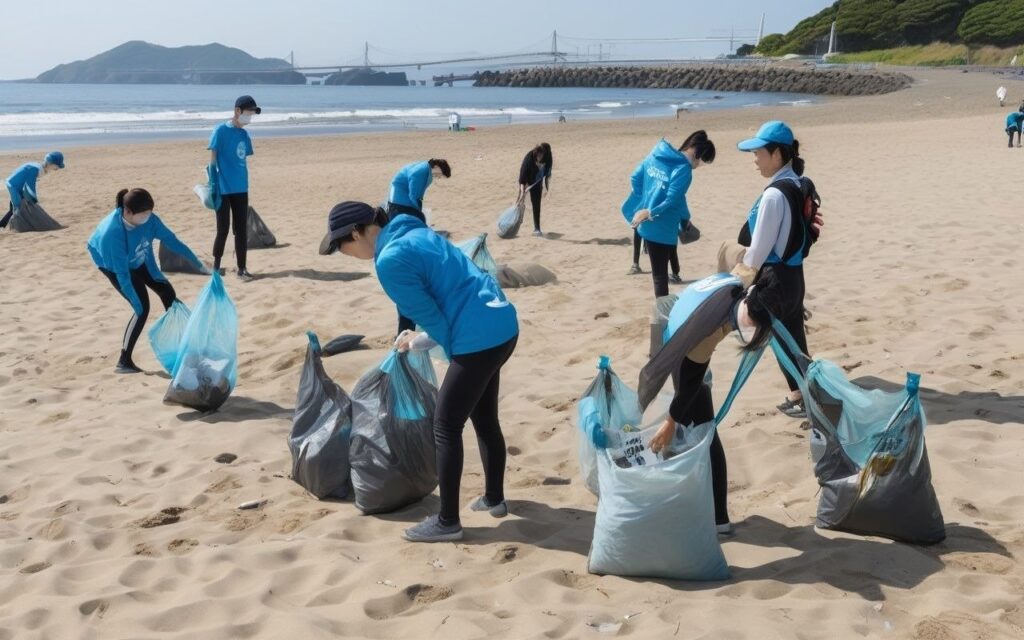
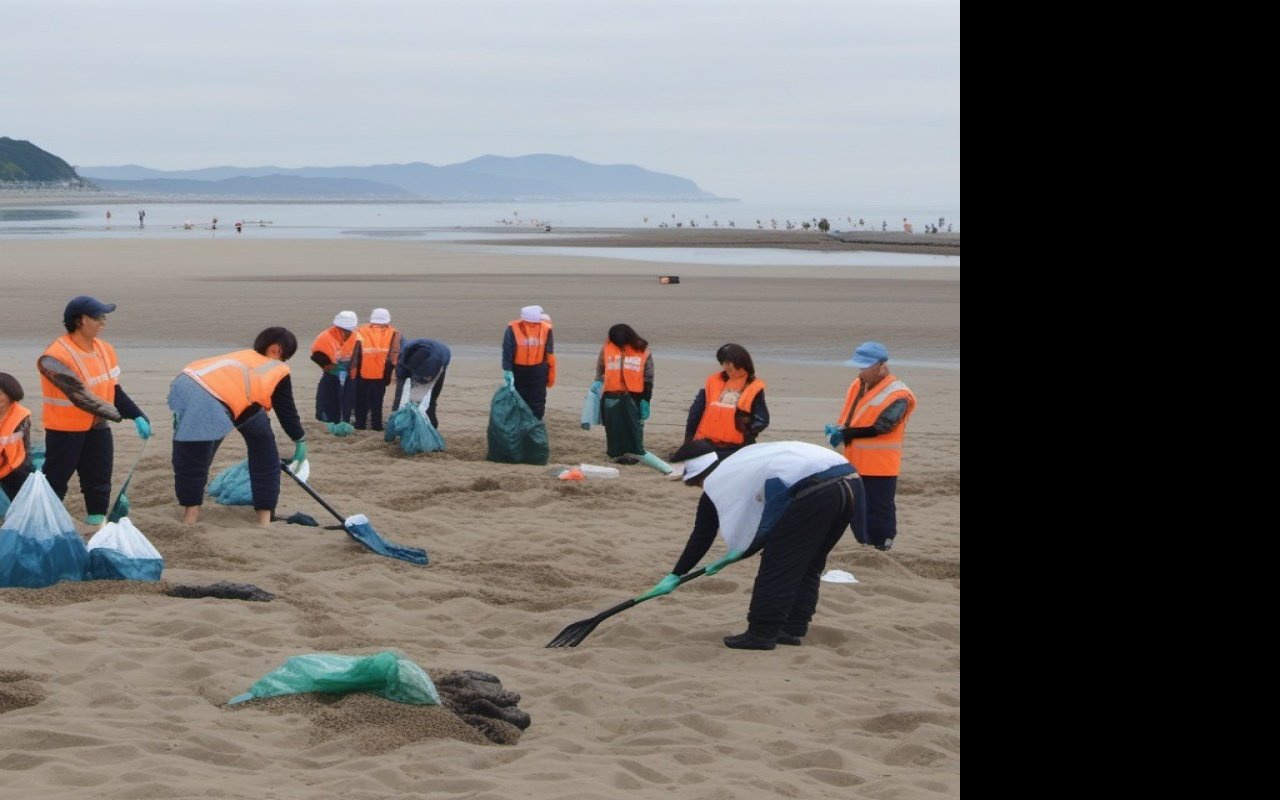
I arrived at Enoshima Station on a crisp Sunday morning in January 2026, slightly nervous and unsure what to expect. A volunteer in a bright orange safety vest spotted me looking lost and waved me over. Within two minutes, I had gloves on my hands, a trash grabber in my right hand, and a new friend walking beside me toward the beach.
The safety briefing lasted about ten minutes — surprisingly thorough, covering how to handle broken glass, what to do if you find a syringe (mark the spot and call the leader), and the three-bin sorting system for burnable trash, recyclables, and hazardous items. Then we spread out across the sand in pairs.
What struck me most was how quickly the bags filled. In the first thirty minutes, my partner and I collected two full bags — mostly cigarette butts, plastic bottle caps, and small fragments of fishing nets. By the end of the three-hour session, our group of twenty-two people had gathered 47 kilograms of trash from a beach that looked clean to the casual eye.
The social hour afterward was equally rewarding. Over cups of tea and simple snacks, I met a retired fisherman who had been cleaning this beach for twelve years, a university student researching microplastics, and a family from Kyoto who had driven two hours just to participate. I left with wet shoes, tired legs, and a genuine sense of accomplishment that no sightseeing tour could match.
Environmental Impact: What We’re Cleaning Up
Understanding what ends up on Shonan’s beaches helps explain why this volunteer work matters.
Types of trash commonly found:
| Category | Estimated percentage | Sources |
|---|---|---|
| Plastics (fragments, bags, packaging) | 40% | Consumer goods, fishing gear |
| Fishing-related (nets, ropes, buoys) | 25% | Commercial and recreational fishing |
| Household waste (cans, bottles, paper) | 20% | Beach visitors, urban runoff |
| Other (glass, textiles, metal) | 10% | Various |
| Hazardous (batteries, syringes, chemicals) | 5% | Illegal dumping, medical waste |
The microplastic problem: During beach cleanups, volunteers often find countless tiny plastic fragments smaller than a fingernail. These come from larger items that have broken down over time in the sun and salt water. Once microplastics enter the ocean, fish and birds mistake them for food. Research shows that microplastics have been found in fish caught in Tokyo Bay, just a few kilometers from Shonan’s beaches.
Why beach cleanups make a real difference: Every kilogram of trash removed from the beach is one kilogram that won’t break into microplastics. The data collected during Miura cleanups is shared with local universities and the Kanagawa Prefecture Environment Division, helping researchers track pollution sources and trends over time.
Community: More Than Just Cleaning
The social dimension of these cleanups is what keeps volunteers coming back. Regular attendees form a tight-knit community that extends beyond the beach.
After the cleanup: Every event includes a social hour with tea, snacks, and conversation. It’s the best time to exchange contact info — LINE is the most popular messaging app among Japanese volunteers. Many groups head to a nearby restaurant for an optional group lunch afterward.
Staying connected: Each cleanup group has its own LINE or Facebook group where events are announced and photos are shared. Regular volunteers are invited to annual appreciation events and training sessions for leadership roles.
What I’ve seen: Over several months of attending, I’ve watched shy first-timers become confident regulars who help train newcomers. The intergenerational mix is particularly special — teenagers work alongside retirees, and the shared purpose erases the usual social barriers.
Major Events Worth Planning Around
Earth Day Cleanup (April 22): The biggest event of the year with 200+ volunteers cleaning multiple beaches simultaneously, Morning cleanup, afternoon workshops, evening celebration dinner. Book 1 month ahead.
Ocean Conservation Day (June 8): Educational focus with marine biologist talks and aquarium exhibits. Free entry. Ideal for families with curious kids.
Year-End Cleanup (December 28): A Japanese year-end tradition called osoji — the big cleaning. Community potluck lunch afterward. Warm clothes essential.
What to Wear and Bring
Essentials: Comfortable clothes that can get dirty, long pants for sun and scratch protection, closed-toe shoes (required — no sandals), sun hat, work gloves (provided, or bring your own if you have a preferred size). Recommended: Sunscreen, refillable water bottle, sunglasses, a small backpack, a change of clothes for after. What not to bring: Valuables, glass containers, alcohol, pets (service animals OK with advance notice).
Typical Event Timeline
| Time | Activity |
|---|---|
| 9:00 AM | Arrive and check in |
| 9:15 AM | Safety briefing and group assignment |
| 9:30 AM | Cleanup begins |
| 11:00 AM | Collect and weigh trash, record data |
| 11:30 AM | Wrap-up, group photo, social time |
| 12:00 PM | Event ends (optional group lunch) |
Safety Rules
- Wear gloves at all times
- Use grabbers — never touch trash directly
- Watch for sharp objects (glass, metal, fishhooks)
- Report hazardous items to the leader immediately
- Stay hydrated — drink water every 20 minutes
- Work in pairs — never alone
- Inform the organizer of any medical conditions beforehand
Eco-Friendly Transport Options
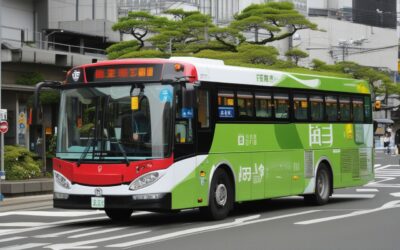
The most sustainable way to reach this destination is by train. Kanagawas rail network runs on electricity and has a significantly lower carbon footprint than driving. Consider purchasing a day pass for unlimited travel and combine your visit with nearby attractions to minimize transport impact.
Best Time to Visit
Visiting during off-peak seasons late autumn and winter reduces the environmental impact of tourism and provides a more authentic experience with fewer crowds. Spring and autumn offer the most comfortable weather for outdoor exploration.
Tips
From my own visits, the advice that saved me the most time was simple: arrive before the peak hours, download an offline map before you leave the station, and build in a backup plan for rainy weather. Many spots in Kanagawa get busy by mid-morning, so an early start usually means shorter queues and better photos.
Frequently Asked Questions
Q: Do I need to speak Japanese?
A: Not necessarily. Some English is available. Translation apps help bridge gaps. Actions speak louder than words.
Q: Can children join?
A: Yes. Family events welcome ages 4 and up. A parent must stay with children under 12.
Q: What if it rains?
A: Light rain: event continues. Heavy rain or storm: cancelled. Check your email the morning of the event.
Q: Do I need special gear?
A: No. All equipment is provided. Just bring comfortable clothes, water, and sun protection.
Q: Is there a fee?
A: No, it’s free. Some events accept small donations for supplies, but there is no obligation.
Q: Can I join just once?
A: Absolutely. One-time volunteers are common and very welcome. Many people start with one event and get hooked.
Last Updated: July 13, 2026
Written by: Anaba OffJapan Editorial Team
Verified: Multiple events attended by our editorial team, January–July 2026 Anaba OffJapan — Avoid the Crowds, Go Deeper into Japan.
Packing Essentials
Eco-conscious travelers should pack a reusable water bottle, shopping bag, and food container. A bamboo toothbrush and solid shampoo bars reduce bathroom waste. Solar-powered chargers are excellent for multi-day trips.
Conclusion
exploring the Shonan coast for its beach can be as relaxed or as packed as you want it to be, and I have found that the best visits leave room for both planning and spontaneity. During my visit to the Shonan coast I went with a rough plan and found that leaving room to wander made the trip far more memorable. Use this guide to sort out the logistics in advance, then let the day surprise you — Kanagawa rewards travelers who stay curious.