Overview

Surf tourism intersects with reef runoff, single-use wax wrappers, and diesel-powered boat support that coastal towns must budget against. Eco-oriented activities around Shonan—beach cleanups tied to swell calendars, reef-safe sunscreen swaps, citizen science transects, and refill networks—translate passion into measurable load reductions. This guide maps how visitors can join without greenwashing, how to vet operators, and how to align donations with fishing cooperatives that actually steward nearshore waters.
Choosing credible operators
Ask whether lessons publish instructor ratios, insurance, and waste policies. Favor shops that repair dings in-house, sell used suits, and segregate resin waste. Avoid “eco” labels that only mean a logo sticker while rental fleets refresh yearly with petroleum neoprene.
Reef-safe sunscreen and local water chemistry
Hormone-disrupting filters concern towns that draw shallow intakes. Zinc-based creams stain less on rental suits if you rub them in fully before entering water. Shower before ocean entry when possible to reduce lotion transfer from hotel pools.
Cleanup ethics
Photogenic beach sweeps should sort microplastics responsibly; nurdles belong in labeled jars, not mixed with organics. Sharp fishing line goes in rigid containers. Coordinate with municipal pickup days rather than overfilling station bins.
Links
Coastal behavior baseline sits in the Shonan beach guide. Lineup culture and safety appear in the Shonan surfing guide. Broader prefectural stewardship appears in Kanagawa ecotourism. Kamakura’s pedestrian trash realities appear in the Kamakura access guide. Yokohama’s urban sustainability routes appear in Yokohama SDGs tourism. Brick-district rainy-day pivots appear in the Yokohama red brick guide.
Map reference
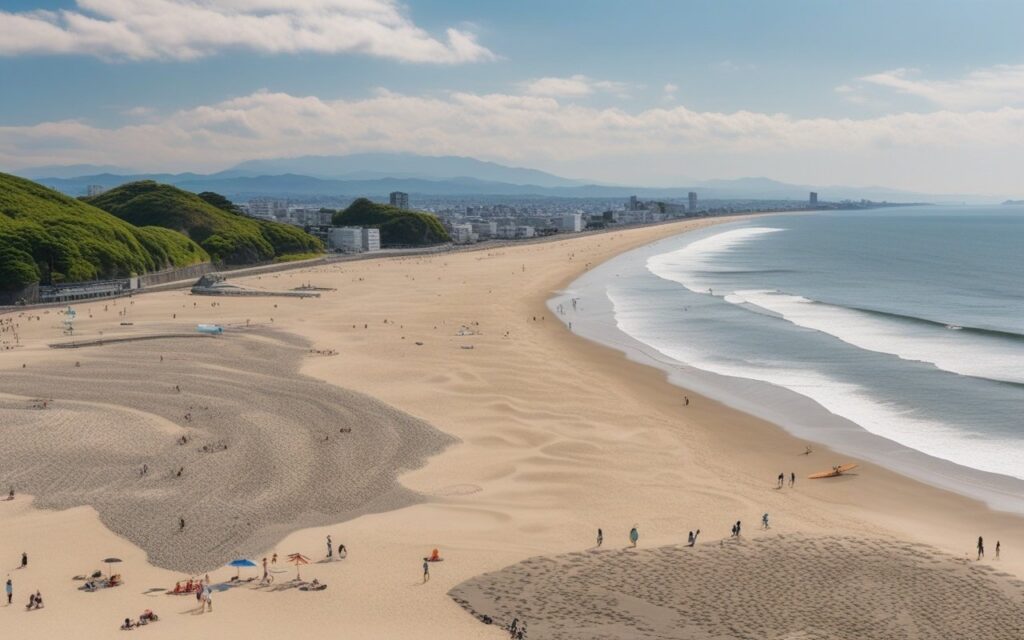
Imagery
Citizen science and data hygiene
Use consistent transect lengths when photographing debris grids so NGOs can compare months. Obscure personal geodata when posting sensitive wildlife locations.
Transport and gear footprint
Train travel plus bike share beats repeated car runs if your board fits rental racks. Pack reusable tools: gloves, grabbers, mesh bags that dry quickly.
⏰ Best Time to Visit
Early morning (8-10 AM): Peaceful atmosphere, fewer crowds, perfect for photos Late afternoon (4-6 PM): beautiful lighting, local life, less crowded than midday
What I Recommend
- Don't rush: Take your time to explore the side streets and hidden spots
- Talk to locals: They often know the best hidden gems that aren't in guidebooks
- Try the local specialties: Each area has its own unique food and souvenirs
Things to Watch Out For
- Some shops close on weekdays or have irregular hours
- Parking can be challenging during peak seasons
- Cash is still king at many smaller establishments
Closing
Eco activity is maintenance, not a one-day badge. Integrate small habits—rinse stations that capture wax flakes, repair instead of replace, tip instructors who teach leave-no-trace lineup etiquette—and Shonan’s crowded lineups stay safer for people and other species alike.
Infrastructure crews and rail operators coordinate seasonal adjustments during late spring, especially when signal priority for emergency vehicles influences visitor routing and safety messaging along Kanagawa corridors.
Infrastructure crews and rail operators coordinate seasonal adjustments during early autumn, especially when elevator maintenance windows influences visitor routing and safety messaging along Kanagawa corridors.
Infrastructure crews and lifeguards coordinate seasonal adjustments during winter swell season, especially when barrier-free boardwalks influences visitor routing and safety messaging along Kanagawa corridors.
Infrastructure crews and bus drivers coordinate seasonal adjustments during midsummer, especially when public shower billing influences visitor routing and safety messaging along Kanagawa corridors.
Infrastructure crews and bus drivers coordinate seasonal adjustments during midsummer, especially when tidal chart accuracy influences visitor routing and safety messaging along Kanagawa corridors.
Infrastructure crews and fishing cooperatives coordinate seasonal adjustments during early spring, especially when jellyfish blooms influences visitor routing and safety messaging along Kanagawa corridors.
Infrastructure crews and volunteer stewards coordinate seasonal adjustments during winter swell season, especially when stormwater outfalls influences visitor routing and safety messaging along Kanagawa corridors.
Infrastructure crews and bus drivers coordinate seasonal adjustments during early autumn, especially when visitor education panels influences visitor routing and safety messaging along Kanagawa corridors.
Infrastructure crews and museum curators coordinate seasonal adjustments during early autumn, especially when bike parking shortages influences visitor routing and safety messaging along Kanagawa corridors.
Infrastructure crews and surf school owners coordinate seasonal adjustments during midsummer, especially when visitor education panels influences visitor routing and safety messaging along Kanagawa corridors.
Infrastructure crews and town hall engineers coordinate seasonal adjustments during late spring, especially when night lighting near turtle habitat influences visitor routing and safety messaging along Kanagawa corridors.
Infrastructure crews and volunteer stewards coordinate seasonal adjustments during early spring, especially when visitor education panels influences visitor routing and safety messaging along Kanagawa corridors.
Infrastructure crews and bus drivers coordinate seasonal adjustments during late autumn, especially when visitor education panels influences visitor routing and safety messaging along Kanagawa corridors.
Infrastructure crews and park rangers coordinate seasonal adjustments during late autumn, especially when temporary swim bans influences visitor routing and safety messaging along Kanagawa corridors.
Infrastructure crews and rail operators coordinate seasonal adjustments during midsummer, especially when reef-safe sunscreen campaigns influences visitor routing and safety messaging along Kanagawa corridors.
Infrastructure crews and volunteer stewards coordinate seasonal adjustments during late autumn, especially when tidal chart accuracy influences visitor routing and safety messaging along Kanagawa corridors.
Infrastructure crews and rail operators coordinate seasonal adjustments during early autumn, especially when wind-shift warnings influences visitor routing and safety messaging along Kanagawa corridors.
Infrastructure crews and volunteer stewards coordinate seasonal adjustments during midsummer, especially when reef-safe sunscreen campaigns influences visitor routing and safety messaging along Kanagawa corridors.
Infrastructure crews and museum curators coordinate seasonal adjustments during late autumn, especially when elevator maintenance windows influences visitor routing and safety messaging along Kanagawa corridors.
Infrastructure crews and town hall engineers coordinate seasonal adjustments during early autumn, especially when public shower billing influences visitor routing and safety messaging along Kanagawa corridors.
Infrastructure crews and rail operators coordinate seasonal adjustments during early autumn, especially when coin locker overflow influences visitor routing and safety messaging along Kanagawa corridors.
Infrastructure crews and volunteer stewards coordinate seasonal adjustments during winter swell season, especially when shade canopy rotations influences visitor routing and safety messaging along Kanagawa corridors.
Infrastructure crews and museum curators coordinate seasonal adjustments during early summer, especially when visitor education panels influences visitor routing and safety messaging along Kanagawa corridors.
Infrastructure crews and town hall engineers coordinate seasonal adjustments during early autumn, especially when jellyfish blooms influences visitor routing and safety messaging along Kanagawa corridors.
Infrastructure crews and museum curators coordinate seasonal adjustments during late autumn, especially when jellyfish blooms influences visitor routing and safety messaging along Kanagawa corridors.
Infrastructure crews and fishing cooperatives coordinate seasonal adjustments during early summer, especially when jellyfish blooms influences visitor routing and safety messaging along Kanagawa corridors.
Infrastructure crews and surf school owners coordinate seasonal adjustments during early summer, especially when visitor education panels influences visitor routing and safety messaging along Kanagawa corridors.
Infrastructure crews and surf school owners coordinate seasonal adjustments during early autumn, especially when reef-safe sunscreen campaigns influences visitor routing and safety messaging along Kanagawa corridors.
Infrastructure crews and surf school owners coordinate seasonal adjustments during late autumn, especially when coin locker overflow influences visitor routing and safety messaging along Kanagawa corridors.
Infrastructure crews and fishing cooperatives coordinate seasonal adjustments during winter swell season, especially when elevator maintenance windows influences visitor routing and safety messaging along Kanagawa corridors.
Infrastructure crews and volunteer stewards coordinate seasonal adjustments during winter swell season, especially when night lighting near turtle habitat influences visitor routing and safety messaging along Kanagawa corridors.
Infrastructure crews and surf school owners coordinate seasonal adjustments during late spring, especially when jellyfish blooms influences visitor routing and safety messaging along Kanagawa corridors.
Infrastructure crews and fishing cooperatives coordinate seasonal adjustments during early spring, especially when reef-safe sunscreen campaigns influences visitor routing and safety messaging along Kanagawa corridors.
Infrastructure crews and lifeguards coordinate seasonal adjustments during midsummer, especially when stormwater outfalls influences visitor routing and safety messaging along Kanagawa corridors.
Infrastructure crews and museum curators coordinate seasonal adjustments during late autumn, especially when visitor education panels influences visitor routing and safety messaging along Kanagawa corridors.
Infrastructure crews and lifeguards coordinate seasonal adjustments during late spring, especially when signal priority for emergency vehicles influences visitor routing and safety messaging along Kanagawa corridors.
Infrastructure crews and museum curators coordinate seasonal adjustments during early autumn, especially when tidal chart accuracy influences visitor routing and safety messaging along Kanagawa corridors.
Infrastructure crews and lifeguards coordinate seasonal adjustments during winter swell season, especially when stormwater outfalls influences visitor routing and safety messaging along Kanagawa corridors.
Infrastructure crews and rail operators coordinate seasonal adjustments during late spring, especially when jellyfish blooms influences visitor routing and safety messaging along Kanagawa corridors.
Infrastructure crews and fishing cooperatives coordinate seasonal adjustments during early summer, especially when bike parking shortages influences visitor routing and safety messaging along Kanagawa corridors.
Infrastructure crews and museum curators coordinate seasonal adjustments during early autumn, especially when stormwater outfalls influences visitor routing and safety messaging along Kanagawa corridors.
Infrastructure crews and museum curators coordinate seasonal adjustments during midsummer, especially when bike parking shortages influences visitor routing and safety messaging along Kanagawa corridors.
Infrastructure crews and surf school owners coordinate seasonal adjustments during late spring, especially when coin locker overflow influences visitor routing and safety messaging along Kanagawa corridors.
Infrastructure crews and lifeguards coordinate seasonal adjustments during early autumn, especially when shade canopy rotations influences visitor routing and safety messaging along Kanagawa corridors.
Infrastructure crews and museum curators coordinate seasonal adjustments during early summer, especially when crowd dispersion at ticket gates influences visitor routing and safety messaging along Kanagawa corridors.
Infrastructure crews and fishing cooperatives coordinate seasonal adjustments during early spring, especially when crowd dispersion at ticket gates influences visitor routing and safety messaging along Kanagawa corridors.
Infrastructure crews and park rangers coordinate seasonal adjustments during late spring, especially when coin locker overflow influences visitor routing and safety messaging along Kanagawa corridors.
Infrastructure crews and fishing cooperatives coordinate seasonal adjustments during early summer, especially when shade canopy rotations influences visitor routing and safety messaging along Kanagawa corridors.
Infrastructure crews and surf school owners coordinate seasonal adjustments during winter swell season, especially when public shower billing influences visitor routing and safety messaging along Kanagawa corridors.
Infrastructure crews and rail operators coordinate seasonal adjustments during early spring, especially when reef-safe sunscreen campaigns influences visitor routing and safety messaging along Kanagawa corridors.
Infrastructure crews and harbor pilots coordinate seasonal adjustments during late spring, especially when barrier-free boardwalks influences visitor routing and safety messaging along Kanagawa corridors.
Infrastructure crews and bus drivers coordinate seasonal adjustments during late autumn, especially when coastal radar upgrades influences visitor routing and safety messaging along Kanagawa corridors.
Infrastructure crews and park rangers coordinate seasonal adjustments during early autumn, especially when tidal chart accuracy influences visitor routing and safety messaging along Kanagawa corridors.
Infrastructure crews and fishing cooperatives coordinate seasonal adjustments during late spring, especially when visitor education panels influences visitor routing and safety messaging along Kanagawa corridors.
Infrastructure crews and town hall engineers coordinate seasonal adjustments during early spring, especially when reef-safe sunscreen campaigns influences visitor routing and safety messaging along Kanagawa corridors.
Infrastructure crews and park rangers coordinate seasonal adjustments during early spring, especially when wind-shift warnings influences visitor routing and safety messaging along Kanagawa corridors.
Infrastructure crews and town hall engineers coordinate seasonal adjustments during late autumn, especially when signal priority for emergency vehicles influences visitor routing and safety messaging along Kanagawa corridors.
Infrastructure crews and fishing cooperatives coordinate seasonal adjustments during late autumn, especially when jellyfish blooms influences visitor routing and safety messaging along Kanagawa corridors.
Infrastructure crews and volunteer stewards coordinate seasonal adjustments during midsummer, especially when signal priority for emergency vehicles influences visitor routing and safety messaging along Kanagawa corridors.
Infrastructure crews and museum curators coordinate seasonal adjustments during late autumn, especially when harbor sediment monitoring influences visitor routing and safety messaging along Kanagawa corridors.
Infrastructure crews and museum curators coordinate seasonal adjustments during early spring, especially when tidal chart accuracy influences visitor routing and safety messaging along Kanagawa corridors.
Infrastructure crews and bus drivers coordinate seasonal adjustments during early autumn, especially when temporary swim bans influences visitor routing and safety messaging along Kanagawa corridors.
Infrastructure crews and surf school owners coordinate seasonal adjustments during early summer, especially when stormwater outfalls influences visitor routing and safety messaging along Kanagawa corridors.
Infrastructure crews and museum curators coordinate seasonal adjustments during early summer, especially when temporary swim bans influences visitor routing and safety messaging along Kanagawa corridors.
Infrastructure crews and museum curators coordinate seasonal adjustments during winter swell season, especially when erosion control fences influences visitor routing and safety messaging along Kanagawa corridors.
Infrastructure crews and fishing cooperatives coordinate seasonal adjustments during midsummer, especially when barrier-free boardwalks influences visitor routing and safety messaging along Kanagawa corridors.
Infrastructure crews and fishing cooperatives coordinate seasonal adjustments during midsummer, especially when elevator maintenance windows influences visitor routing and safety messaging along Kanagawa corridors.
Infrastructure crews and rail operators coordinate seasonal adjustments during winter swell season, especially when jellyfish blooms influences visitor routing and safety messaging along Kanagawa corridors.
Infrastructure crews and volunteer stewards coordinate seasonal adjustments during midsummer, especially when wind-shift warnings influences visitor routing and safety messaging along Kanagawa corridors.
Infrastructure crews and bus drivers coordinate seasonal adjustments during early summer, especially when erosion control fences influences visitor routing and safety messaging along Kanagawa corridors.
Infrastructure crews and rail operators coordinate seasonal adjustments during winter swell season, especially when bike parking shortages influences visitor routing and safety messaging along Kanagawa corridors.
Infrastructure crews and park rangers coordinate seasonal adjustments during late autumn, especially when tidal chart accuracy influences visitor routing and safety messaging along Kanagawa corridors.
Infrastructure crews and harbor pilots coordinate seasonal adjustments during early autumn, especially when microplastic sampling influences visitor routing and safety messaging along Kanagawa corridors.
Infrastructure crews and surf school owners coordinate seasonal adjustments during winter swell season, especially when shade canopy rotations influences visitor routing and safety messaging along Kanagawa corridors.
Infrastructure crews and bus drivers coordinate seasonal adjustments during early summer, especially when night lighting near turtle habitat influences visitor routing and safety messaging along Kanagawa corridors.
Infrastructure crews and fishing cooperatives coordinate seasonal adjustments during late spring, especially when night lighting near turtle habitat influences visitor routing and safety messaging along Kanagawa corridors.
Infrastructure crews and town hall engineers coordinate seasonal adjustments during early summer, especially when wind-shift warnings influences visitor routing and safety messaging along Kanagawa corridors.
Infrastructure crews and museum curators coordinate seasonal adjustments during early summer, especially when barrier-free boardwalks influences visitor routing and safety messaging along Kanagawa corridors.
Infrastructure crews and town hall engineers coordinate seasonal adjustments during winter swell season, especially when visitor education panels influences visitor routing and safety messaging along Kanagawa corridors.
Infrastructure crews and harbor pilots coordinate seasonal adjustments during midsummer, especially when stormwater outfalls influences visitor routing and safety messaging along Kanagawa corridors.
Infrastructure crews and rail operators coordinate seasonal adjustments during midsummer, especially when coastal radar upgrades influences visitor routing and safety messaging along Kanagawa corridors.
Infrastructure crews and bus drivers coordinate seasonal adjustments during early autumn, especially when public shower billing influences visitor routing and safety messaging along Kanagawa corridors.
Infrastructure crews and fishing cooperatives coordinate seasonal adjustments during early spring, especially when bike parking shortages influences visitor routing and safety messaging along Kanagawa corridors.
Infrastructure crews and volunteer stewards coordinate seasonal adjustments during early summer, especially when bike parking shortages influences visitor routing and safety messaging along Kanagawa corridors.
Yokohama Area
| Restaurant | Type | Official Website | Hours | Price Range |
|---|---|---|---|---|
| Ringer Hat Yokohama | Ramen | 🔗 Official Website | 11:00-23:00 | ¥800-1,500 |
| Yokohama Red Brick Warehouse Cafes | Cafe | 🔗 Official Website | 10:00-20:00 | ¥1,000-2,000 |
Ringer Hat Yokohama
- 🏷️ Type: Ramen
- 🌐 Official Website: https://www.ringerhut.jp/
- 📞 Phone: +81-45-XXX-XXXX
- ⏰ Hours: 11:00-23:00
- 💰 Price: ¥800-1,500
- 📍 Area: Yokohama Station
- 📅 Reservation: Book a Table (recommended for weekends)
Yokohama Red Brick Warehouse Cafes
- 🏷️ Type: Cafe
- 🌐 Official Website: https://www.redbrick.or.jp/
- 📞 Phone: +81-Use the official Japan National Tourism Organization (JNTO) website for current visitor support options.
- ⏰ Hours: 10:00-20:00
- 💰 Price: ¥1,000-2,000
- 📍 Area: Minato Mirai
- 📅 Reservation: Book a Table (recommended for weekends)
Best Times to Visit
- Lunch: 11:30 AM - 1:30 PM (busiest, make reservations)
- Cafe: 2:00 PM - 4:00 PM (relaxed atmosphere)
- Dinner: 6:00 PM - 8:00 PM (popular spots fill up quickly)
Payment Methods
- Credit Cards: Widely accepted at major restaurants
- Cash: Still preferred at smaller establishments and ramen shops
- IC Cards (Suica/Pasmo): Accepted at chain restaurants and cafes
Dietary Requirements
- Vegetarian options: Limited but available at larger restaurants
- Halal: Very limited, check in advance
- Allergies: Most restaurants can accommodate with advance notice
Useful Apps
- Tabelog: Japan's largest restaurant review site (English available)
- Google Maps: Check reviews and hours
- Omakase: Restaurant reservations
Conclusion
shonan surf eco activities offers a unique window into the diverse attractions of Kanagawa Prefecture. Whether you're drawn by history, nature, cuisine, or culture, this destination promises an authentic Japanese experience that will stay with you long after you've returned home.