
Overview
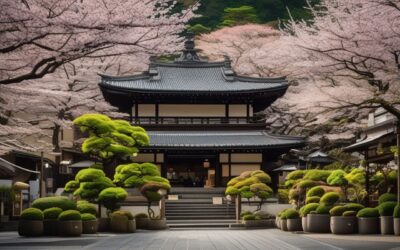
I rented a bike in Kamakura on a weekday morning, and I found the temple loop nearly empty — the best time to ride the narrow lanes before the tour groups arrive.
Kanagawa Rental Bicycle Guide 2026 — where to rent a bike in Yokohama, Kamakura, and Enoshima, what it costs, and which routes make sense on two wheels. A bicycle is the best way to cover the flat coastal stretches and the temple-lined streets that trains skip, and rentals are cheaper than you might expect.
Access
Most visitors reach Kanagawa from central Tokyo by train: Yokohama is about 30 minutes from Tokyo Station on the JR Tokaido Line, and Kamakura is about 60 minutes on the JR Yokosuka Line. Once you are there, a bicycle turns a walking-heavy day into a relaxed loop through temple streets, coastal roads, and beachside cafes.
Location and Routes
Kamakura
- Kamakura Station bicycle rental: standard bikes about ¥600-1,300 per day; 6-speed bikes around ¥1,300; deposit usually not required with passport
- Electric bikes: about ¥1,500-2,500 per day at shops near the station; worth it for the hills up to Kencho-ji and the Kita-Kamakura temples
- Best route: Kamakura Station → Tsurugaoka Hachimangu → Kencho-ji → down to Hase-dera and the Great Buddha, then along the coast to Inamuragasaki
Yokohama
- Community Cycle / share bikes: pay-per-ride share cycles around Minato Mirai and central Yokohama; about ¥100-200 per 30 minutes with day caps
- Rental shops near Yokohama Station: hourly and daily rentals from about ¥1,000-1,500 per day for city bikes
- Best route: the waterfront from Yamashita Park along the bay to Minato Mirai and the Red Brick Warehouse — mostly flat and car-light
Enoshima and the Shonan Coast
- Katase-Enoshima and Fujisawa shops: rentals from about ¥1,000 per day; the ride from Enoshima to Kamakura along the coast (about 10 km) is the classic Shonan cycle
- Note: Enoshima Island itself is pedestrian-only with stairs — park the bike on the mainland and walk across the bridge
- Season: beach-town shops operate mainly April-October; check winter hours
Rules and Practicalities
- Ride on the road, not the sidewalk — Japan enforces this; cycling on sidewalks is restricted (allowed only where marked for bicycles)
- Helmets: wearing a helmet is legally encouraged for all cyclists in Japan; rental shops provide them — take one
- Parking: use the bicycle parking areas at stations and temples; do not lock to railings on temple grounds
- Lock: rental bikes come with a lock — use it; bikes are stolen in tourist areas
- Phone maps: Google Maps bicycle mode works well in Kanagawa and routes you around the hills
Routes Compared
Kamakura temple loop (half day): flat in the center with short climbs to Kencho-ji; about 8-10 km total. Best in the early morning before the crowds.
Yokohama waterfront (2-3 hours): the easiest ride in Kanagawa — wide paths, almost no hills, and views the whole way. Combine with a stop at the Cup Noodles Museum.
Shonan coast (full day): Enoshima to Kamakura along Route 134 is about 10 km with a narrow but rideable shoulder; the return against the afternoon sea breeze is the hard part — plan your direction with the wind.
Tips
Return the bike by the rental shop’s deadline (usually 17:00-18:00) to avoid an extra day charge. In Kamakura, cycle early — the temple area is calm before 09:00 and crowded after 11:00. For the coastal run, check the wind: a strong sea breeze makes the return leg hard work. And if you are combining bikes with the Enoden, remember bicycles are not allowed on the trains, so plan your rental around the sections you will actually ride.
Rental Price Guide
- Kamakura Station shops: standard bike ¥600-1,300 per day; e-bike ¥1,500-2,500 per day; 6-speed ¥1,300
- Yokohama (Minato Mirai / central): share cycles ¥100-200 per 30 minutes with a daily cap near ¥1,000; shop rentals ¥1,000-1,500 per day
- Enoshima / Katase-Enoshima: ¥1,000-1,500 per day, with e-bikes from ¥2,000; seasonal shops April-October
- Hakone: fewer shops; e-bikes from about ¥2,500 per day near Hakone-Yumoto — the hills are steep, so standard bikes are hard work
Rental Procedure
- Bring a passport or residence card — shops require photo ID
- Choose your bike; most shops include a lock, basket, and helmet
- Fill the short rental form (name, hotel, return time)
- Pay — cash or IC card at most shops; credit cards at larger operators
- Return by the deadline (usually 17:00-18:00) to avoid a second day’s charge
Route Details
Kamakura temple loop (~8-10 km, half day): Kamakura Station → Tsurugaoka Hachimangu → Kencho-ji (short climb) → Hase-dera and the Great Buddha → back along Komachi-dori. Best before 09:00 — the streets are pedestrian-congested by mid-morning.
Yokohama waterfront (~10 km, 2-3 hours): Yamashita Park → Red Brick Warehouse → Minato Mirai → back along the bay. Flat, wide, and mostly car-free; ideal for families.
Shonan coast (~10 km one way, full day): Enoshima → Kugenuma → Chigasaki → Kamakura along the coast. Check the wind before starting — a strong sea breeze makes the return leg tough; ride into the wind first.
Rules to Know
- Ride on the road; sidewalks are for pedestrians (bicycles are allowed only where signs permit)
- Helmets are encouraged and provided — wear one
- Use the bicycle parking areas at stations and temples; never lock to railings
- No cycling on Enoshima Island — it is pedestrian-only with stairs
- Alcohol and cycling are treated as seriously as drunk driving in Japan — zero tolerance
Share Cycles vs. Shop Rentals
- Share cycles (Yokohama): pick up and drop off at any port — ideal for one-way rides like Yamashita Park to Minato Mirai; about ¥100-200 per 30 minutes with a daily cap
- Shop rentals (Kamakura, Enoshima): fixed return location, but you keep the bike all day — better for the temple loop where you want stops
- Which to choose: share cycles for a quick waterfront spin; shop rentals for anything longer than two hours
Weather and Seasons
- Spring (March-May): best cycling weather — mild and dry; Kamakura’s cherry blossom lanes are beautiful but crowded
- Summer (June-August): hot and humid; the coastal Shonan ride is the coolest option, but the Enoshima area is packed on weekends
- Autumn (September-November): ideal — cooler temperatures, clear skies, and fewer crowds after October
- Winter (December-February): sunny days are comfortable; coastal winds are the main issue — check the forecast before the Shonan run
- Rain: shops stay open but rentals slow; the temple loop is slippery on wet stone paths — consider a museum day instead
Conclusion
A rental bicycle is the fastest way to see more of Kanagawa in a day — Kamakura’s temples, the Shonan coast, and Enoshima are all rideable with the right bike and route. Reserve ahead on weekends, follow the shop’s rules, and start early to beat both the heat and the crowds. It is the closest thing to a local’s day out.
FAQ
Q: Do I need a driver’s license to rent a bicycle? A: No — bicycle rentals require only photo ID (passport or residence card).
Q: Are helmets mandatory? A: Wearing a helmet is legally encouraged for all cyclists in Japan and is effectively expected; rental shops include one free.
Q: Can children ride? A: Yes — most shops rent children’s bikes and some have child seats or junior e-bikes; ask when booking.
Q: Is cycling on the Enoshima bridge allowed? A: No — the bridge and island are pedestrian-only; park your bike on the mainland side (the rental shops near Katase-Enoshima have bike parking).
Q: What about theft? A: Use the provided lock whenever you stop; Kamakura and Enoshima see occasional bike theft in busy areas.